

P1451 on 2003-2011 Saab 9-3: EVAP Tank Pressure Sensor Performance and Fixes
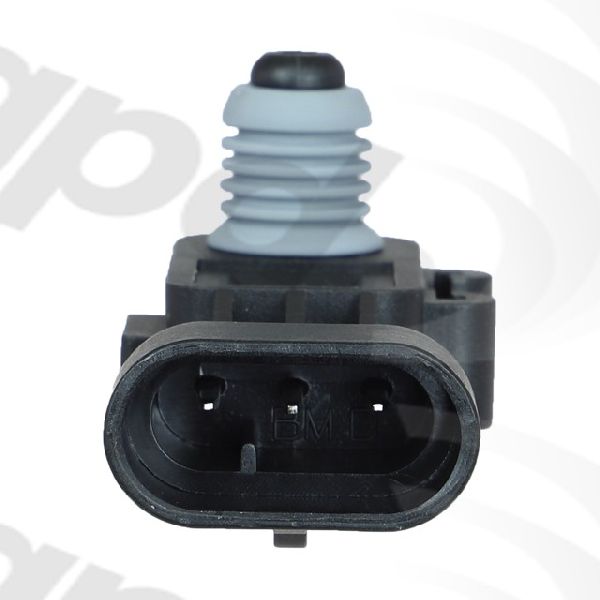
On a 2003-2011 Saab 9-3, code P1451 is almost always caused by a faulty Fuel Tank Pressure (FTP) sensor. This sensor provides an erratic or pulsating signal to the computer. Replacing the sensor, located on top of the fuel pump module which is accessible under the rear seat, is the most common and effective fix. Expect to pay $40-$75 for a quality aftermarket sensor like Bosch or NTK.
- P1451 on a Saab 9-3 means the Fuel Tank Pressure sensor is sending a bad signal; it does not mean there is a leak.
- The most common fix is to replace the Fuel Tank Pressure sensor itself.
- The sensor is located on the fuel pump assembly, accessible from under the rear seat.
- Do not waste money replacing the gas cap or other EVAP solenoids for this specific code.
- Check the wiring and connector to the fuel pump assembly for corrosion or damage before replacing the sensor.
What's Unique About the 2003-2011 Saab 9-3
Unlike many other manufacturers (especially Ford) that use P1451 to indicate a vent valve circuit malfunction, Saab uses it to flag a signal integrity problem directly from the Fuel Tank Pressure sensor. The diagnostic information specifically points to an erratic electrical signal, making the sensor itself or its wiring the immediate focus. On other vehicles, this code would lead a technician to test solenoids and valves first.
Symptoms You May Notice
- Check Engine Light is the primary and often only symptom.
- Failure to pass a state emissions inspection.
- Replacing the gas cap. A bad gas cap typically causes a leak-related code (like P0455 or P0442), not a sensor performance code like P1451 on a Saab.
- Replacing the EVAP purge valve or vent solenoid. These components are common failure points for other EVAP codes but are not the cause for the specific signal integrity fault indicated by P1451.
Most Likely Causes
- Faulty Fuel Tank Pressure (FTP) Sensor 🔴 High Probability → Shop Fuel Tank The sensor's internal electronics fail over time, leading to the erratic signal output that triggers this specific code. This is a very common failure point on the 9-3 platform.
How to confirm: Using a capable scan tool (like a Tech 2), monitor the live data for the fuel tank pressure. With the gas cap off, the reading should be stable and near 0 kPa. If the value is fluctuating wildly or is stuck at an illogical value, the sensor is bad. You can also test the sensor's voltage output at the connector; it should be stable and change smoothly when vacuum or pressure is applied.
Typical fix: Replace the Fuel Tank Pressure sensor. It is located on top of the fuel pump module, which is accessed via a panel under the rear seat cushion.
Est. part cost: $40 - $110 - Damaged Wiring or Corroded Connector 🟡 Medium Probability The wiring harness leading to the fuel pump module is located under the car near the fuel tank and can be susceptible to moisture, road salt, and physical damage over time, leading to corrosion or breaks in the wires.
How to confirm: Visually inspect the wiring harness and the main connector to the fuel pump assembly. Check for green corrosion, chafed wires, or loose pins. The Saab WIS suggests jiggling the harness while observing the sensor's value on a scan tool to detect intermittent faults. Use a multimeter to check for a 5V reference, proper ground, and signal continuity at the sensor connector.
Typical fix: Repair the damaged section of the wiring harness or clean/replace the connector. A new connector pigtail may be required if corrosion is severe.
Est. part cost: $5 - $50
Rare But Worth Checking
- Faulty Engine Control Unit (ECU): This is extremely rare. The ECU (Trionic T8 for 4-cyl, Bosch Motronic for V6) should only be considered after the sensor and its entire circuit have been thoroughly tested and confirmed to be in perfect working order.
Diagnosis Steps
- Connect an OBD-II scanner and confirm P1451 is the active code. Note any other EVAP-related codes like P0452 or P0453.
- Access the live data stream on the scanner and monitor the 'Fuel Tank Pressure' reading (in kPa or Volts).
- With the engine off and gas cap removed, the pressure should be stable and read approximately 0 kPa (or atmospheric pressure). If the reading is jumping around erratically, the sensor is the most likely culprit.
- If the reading is stable, access the fuel pump module by removing the lower portion of the rear seat and opening the round metal access panel.
- With the key on, gently wiggle the wiring connector and harness leading to the fuel pump assembly. Watch the live data for any sudden changes or fluctuations, which would indicate a wiring issue.
- If no issue is found, disconnect the connector. Test for a 5-volt reference and a good ground at the appropriate pins on the harness side.
- If wiring and power/ground are good, the Fuel Tank Pressure sensor is faulty and should be replaced.
- After replacement, clear the codes and perform a drive cycle to ensure the fault does not return.
Parts You'll Likely Need
- Fuel Tank Pressure Sensor
(OEM #12793336)— This sensor is the direct cause of the P1451 code on a Saab, as its internal failure leads to the erratic signal detected by the ECU.
Trusted brands: Bosch (OEM supplier), NGK / NTK, ACDelco, Genuine Saab
OEM price range: $100-$120
Aftermarket price range: $40-$75
Related Codes That Often Appear With This One
- P0452 — This code indicates the FTP sensor signal is too low. It can appear alongside P1451 if the sensor is failing and sending signals that are both erratic and out of the normal low range.
- P0453 — This code indicates the FTP sensor signal is too high. It can appear with P1451 if the failing sensor sends signals that are both erratic and out of the normal high range.
Platform-Specific Known Issues
- Real Owner Experience: A user on SaabCentral.com with a 2006 9-3 Aero experienced the P1451 code. After confirming a wildly fluctuating voltage reading from the sensor via a scan tool, they replaced the sensor located on the fuel pump assembly. The new Bosch sensor resolved the issue immediately. The repair involved removing the rear seat bottom, opening the access hatch, and carefully swapping the small sensor on the pump unit.
Mechanic-Grade Diagnostic Values
- Fuel Tank Pressure (FTP) Sensor Signal Voltage — expected: Approximately 2.5V - 2.7V with the gas cap off and key on, engine off (KOEO). The voltage should change smoothly when vacuum or pressure is applied.. Failure: Voltage is fluctuating wildly, stuck at 0V, stuck at 5V, or does not respond to a manually applied vacuum/pressure.
- FTP Sensor Reference Voltage — expected: 5.0V at the sensor connector (harness side) with key on, engine off.. Failure: Voltage is significantly lower than 5.0V or is absent, indicating a wiring or ECU problem.
- FTP Sensor Live Data (Scan Tool) — expected: A stable reading of approximately 0 kPa with the gas cap removed.. Failure: The value pulsates at a frequency higher than 5.6 Hz with an amplitude over 0.020 kPa.
- Low-Side Fuel Pressure (4-Cylinder Petrol) — expected: 3.0 bar (43 psi) when the fuel pump is activated via a scan tool.. Failure: Pressure that is unstable or significantly out of spec could indicate a failing fuel pump, which may introduce electrical noise affecting other sensors on the module.
Scan Tool Commands That Help
- Saab Tech 2: ACTIVATE SHUT-OFF VALVE — This command is used to close the EVAP canister shut-off valve. While not directly for P1451, it's a critical function for overall EVAP system diagnostics, such as performing a leak test to rule out other issues if the sensor replacement does not fix the problem.
- Saab Tech 2: Start Fuel Pump / Activate Fuel Pump Module — This command allows a technician to run the fuel pump without starting the engine. It is useful for checking system fuel pressure and listening for abnormal pump noise that could indicate a failing pump motor creating electrical interference.
Wiring & Ground Locations
- H10-3 — A 10-pin connector located on a bracket by the tank strap on the front edge of the fuel tank.. This is a key connector in the harness run to the fuel pump module, which houses the FTP sensor. It is a potential point for corrosion or damage due to its location under the vehicle.
- G34S / G34P — On the floor below the right A-pillar.. This is a primary grounding point for circuits related to the fuel system. A poor connection here can cause a variety of difficult-to-diagnose electrical issues, including erratic sensor readings.
- FTP Sensor Pins (at sensor) — On the 3-wire connector for the Fuel Tank Pressure sensor itself, on top of the fuel pump module.. This is where you test for the 5V reference, ground, and the signal wire voltage to confirm if the sensor is receiving proper power and to check its output directly.
Real Owner Repair Stories
- r/saab on Reddit (2005 Saab 9-3 2.0T (B207R)) — Check Engine Light with code P1451.
❌ Tried (didn't work) The user first asked for information, as online sources pointed towards the EVAP vent solenoid, which is incorrect for a Saab.
✅ What actually fixed it The community correctly identified the likely cause as a defective fuel tank pressure sensor, which is the standard fix for this code on this platform.
Diagnostic Flowchart
Other Known Issues on This Vehicle
Issues unrelated to this code that are worth knowing about as an owner of this generation:
- Column Integrated Module (CIM) Failure 🔴 High — Common failure. Symptoms include horn not working, steering wheel controls failing, and airbag/stability control warnings. Can lead to a no-start 'Steering Lock Malfunction' error.
- Timing Chain Stretch (2.8T V6 Engine) 🔴 High — A notorious issue on the GM LP9/B284 V6 engine, often appearing from 60,000 miles onward. Caused by a design flaw and exacerbated by long oil change intervals. Leads to codes like P0017 and requires engine-out service for repair.
- Steering Lock Malfunction / No-Start 🔴 High — Commonly occurs after a battery drain or replacement. The Steering Column Lock (SCL), Ignition Switch Module (ISM), and CIM lose synchronization, preventing the car from starting.
- Convertible Top Hydraulic/Sensor Failures 🟠 Medium — Convertibles are prone to issues with hydraulic leaks from the cylinders, faulty position sensors, and problems with the tonneau cover latching mechanism, leading to the top getting stuck or failing to operate.
- Ignition Coil Failure (2.8T V6 Engine) 🟠 Medium — The V6 engine's heat, especially for the rear bank of cylinders, causes premature failure of ignition coils, leading to misfires (P0300 series codes). Many owners replace all six as a set.
- ABS/TCS Module Wiring Corrosion 🟠 Medium — The wiring connectors for the front wheel speed sensors are prone to corrosion, causing the ABS and Traction Control warning lights to illuminate.
Used vs. New Parts: Buying Guide for This Vehicle
When a used part is the smart pick: For this specific repair, a used part is NOT recommended. The Fuel Tank Pressure sensor is a known common-failure electronic component. The risk of the used part failing soon after installation is very high.
What to inspect on the donor part:
- Not applicable as a used part is not advised.
Aftermarket brands forum-validated for this vehicle:
- Bosch (often the original OEM supplier)
- NTK / NGK
- ACDelco (as it's a GM platform)
Brands owners have reported issues with on this vehicle:
- Unnamed, no-brand 'white box' parts from online marketplaces. These often have high failure rates and may not meet the specific signal performance criteria required by the Saab ECU, leading to the code returning.
Real Owner Stories
Aggregated from forums and TSBs cited above. Mileages and costs reflect what owners reported in those sources.
2006 9-3 Aero
Symptoms: The P1451 code was present, and a scan tool confirmed a wildly fluctuating voltage reading from the fuel tank pressure sensor.
What fixed it: The owner replaced the small sensor located on the fuel pump assembly with a new Bosch sensor, which resolved the issue immediately.
Source hint: SaabCentral.com
2005 9-3 b207r
Symptoms: Check Engine Light with code P1451.
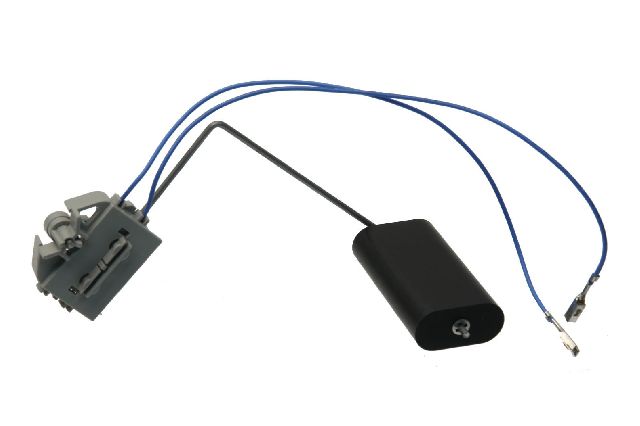
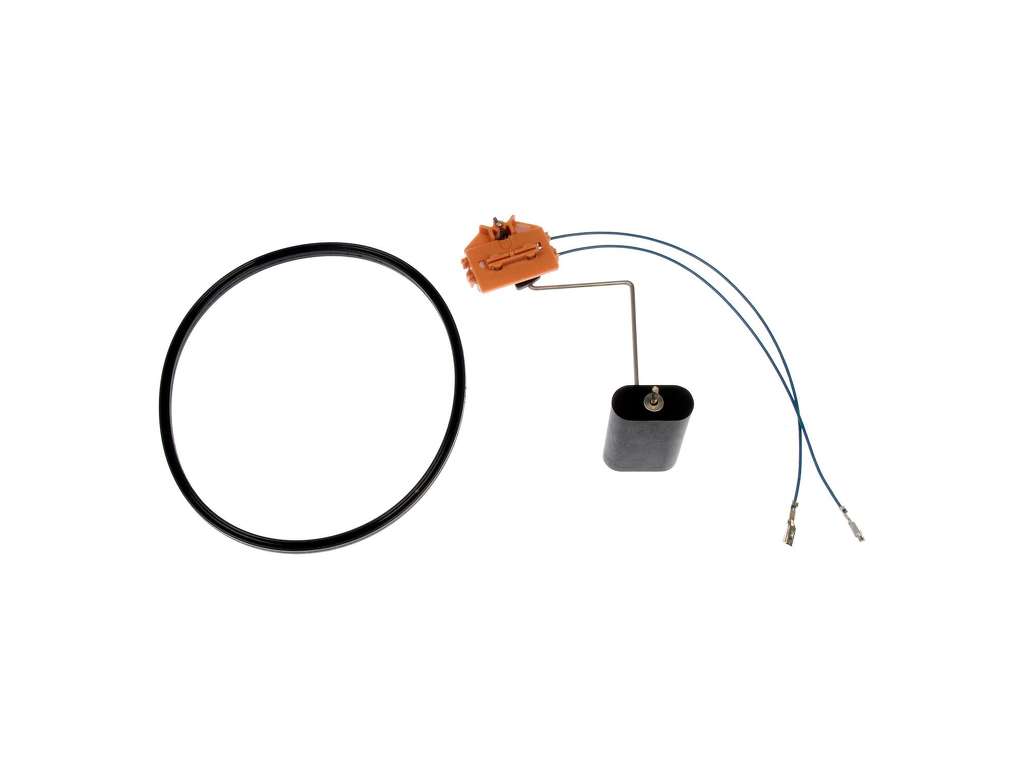
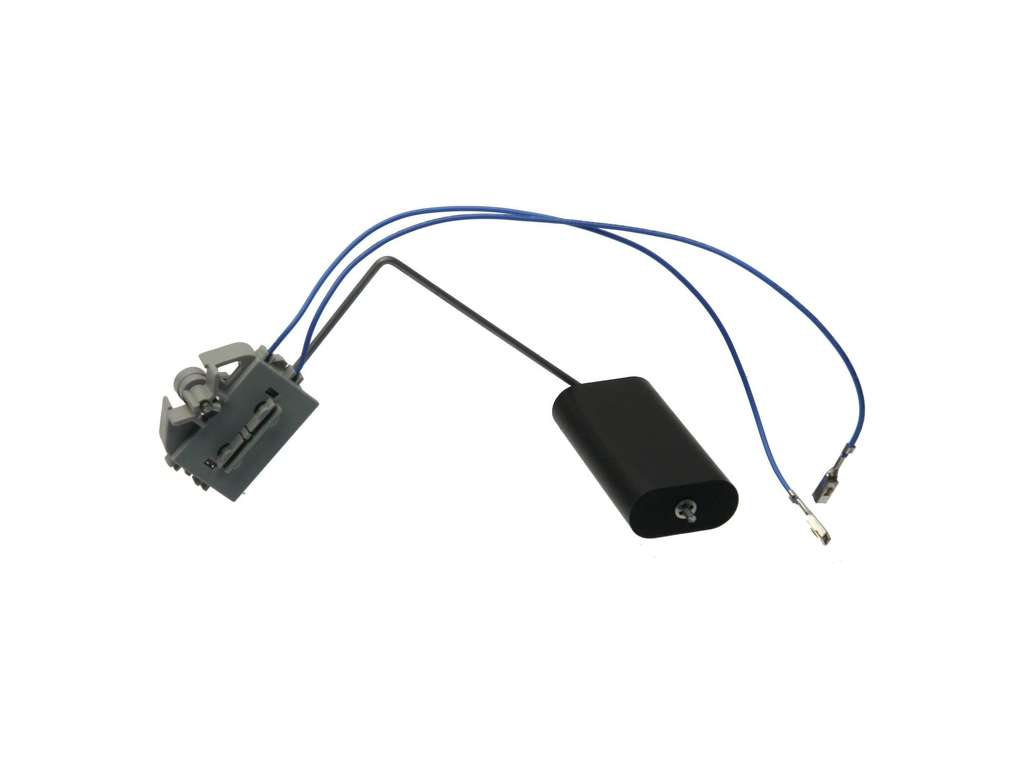
What fixed it: A user suggested the cause was likely a defective fuel level sender or tank pressure sensor. The original poster did not confirm the final fix.
Source hint: Reddit r/saab
2005 9-3
Symptoms: Owner reported code P1451.
What fixed it: The online community correctly identified the likely cause as a defective tank pressure sensor.
Source hint: r/saab on Reddit
Related OBD-II Codes
Frequently Asked Questions
Where is the Fuel Tank Pressure (FTP) sensor located on my 2003-2011 Saab 9-3?
My scanner shows a wildly fluctuating fuel tank pressure reading, even with the gas cap off. Is this a sign of a bad sensor?
Can I save money by installing a used FTP sensor on my Saab 9-3?
What are the best aftermarket brands for a replacement FTP sensor for my 9-3?
Besides the sensor, what else is a common cause for code P1451 on this car?
How can I test for a wiring issue without special tools?
We Have This Part in Stock


The information in this article is provided for general reference and educational purposes only. Vehicle specifications, procedures, and part compatibility can vary by production date, trim level, and region. Always consult your vehicle's factory service manual and verify part numbers before purchasing or performing repairs. Safety-critical components such as airbags, seat belts, and braking systems should be installed by a qualified professional.
- Saab 9-3:
- 🧭 Diagnostic Flowchart
- 🛍️ Shop This Part
- What's Unique About the 2003-2011 Saab 9-3
- Symptoms You May Notice
- Most Likely Causes
- Rare But Worth Checking
- Diagnosis Steps
- Parts You'll Likely Need
- Related Codes That Often Appear With This One
- Platform-Specific Known Issues
- Mechanic-Grade Diagnostic Values
- Scan Tool Commands That Help
- Wiring & Ground Locations
- Real Owner Repair Stories
- Other Known Issues on This Vehicle
- Used vs. New Parts: Buying Guide for This Vehicle
- Real Owner Stories
- 2006 9-3 Aero
- 2005 9-3 b207r
- 2005 9-3
- Related OBD-II Codes
- Frequently Asked Questions
- 🎟️ Get 5% Off