

Subaru Forester P1451 (2014-2018): EVAP Vent Control Circuit Causes and Fixes
For a 2014-2018 Subaru Forester, code P1451 almost always points to a failed EVAP canister vent valve or its wiring. This part is located at the rear of the vehicle near the charcoal canister. Expect to pay $50-$120 for an aftermarket valve and plan for 1-2 hours of DIY labor, which can be tricky due to rust and tight access. The most common replacement part is the vent valve itself, OEM part number 42084-SG000.
- P1451 on your Forester is an electrical fault code for the EVAP vent valve, not a leak code.
- The most likely cause is a failed vent valve solenoid (OEM P/N 42084-SG000) located at the rear of the vehicle.
- Before buying parts, inspect the wiring for damage and test the old valve's resistance.
What's Unique About the 2014-2018 Subaru Forester
Unlike many other manufacturers where P1451 is a common code, its definition on Subarus can be confusing, with some incorrect sources pointing to the airbag system. However, official Subaru documentation confirms it is an EVAP system fault. On the Forester, the vent valve and canister assembly are located underneath the rear of the vehicle, making them susceptible to corrosion and damage from road debris, which is a frequent cause of the circuit failure.
Symptoms You May Notice
- Check Engine Light is on.
- Vehicle will fail an emissions inspection.
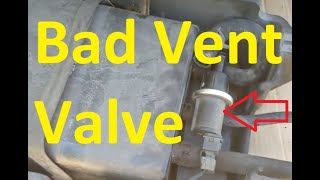
- A faint fuel odor may be noticeable near the rear of the vehicle. 🎬 Watch: Symptoms of a bad vent valve solenoid
- In some cases, the gas pump nozzle may click off repeatedly when refueling, though this is more common with a clogged filter than a circuit fault.
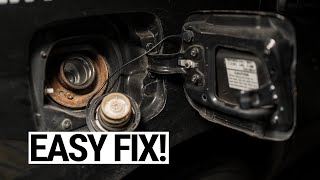
- Replacing the gas cap. While a loose or faulty gas cap can cause other EVAP codes (like P0457 or P0455), it will not cause a P1451 circuit code.
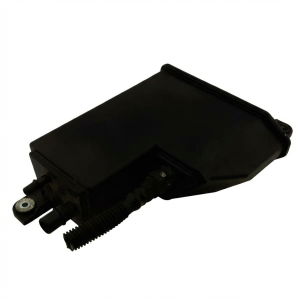
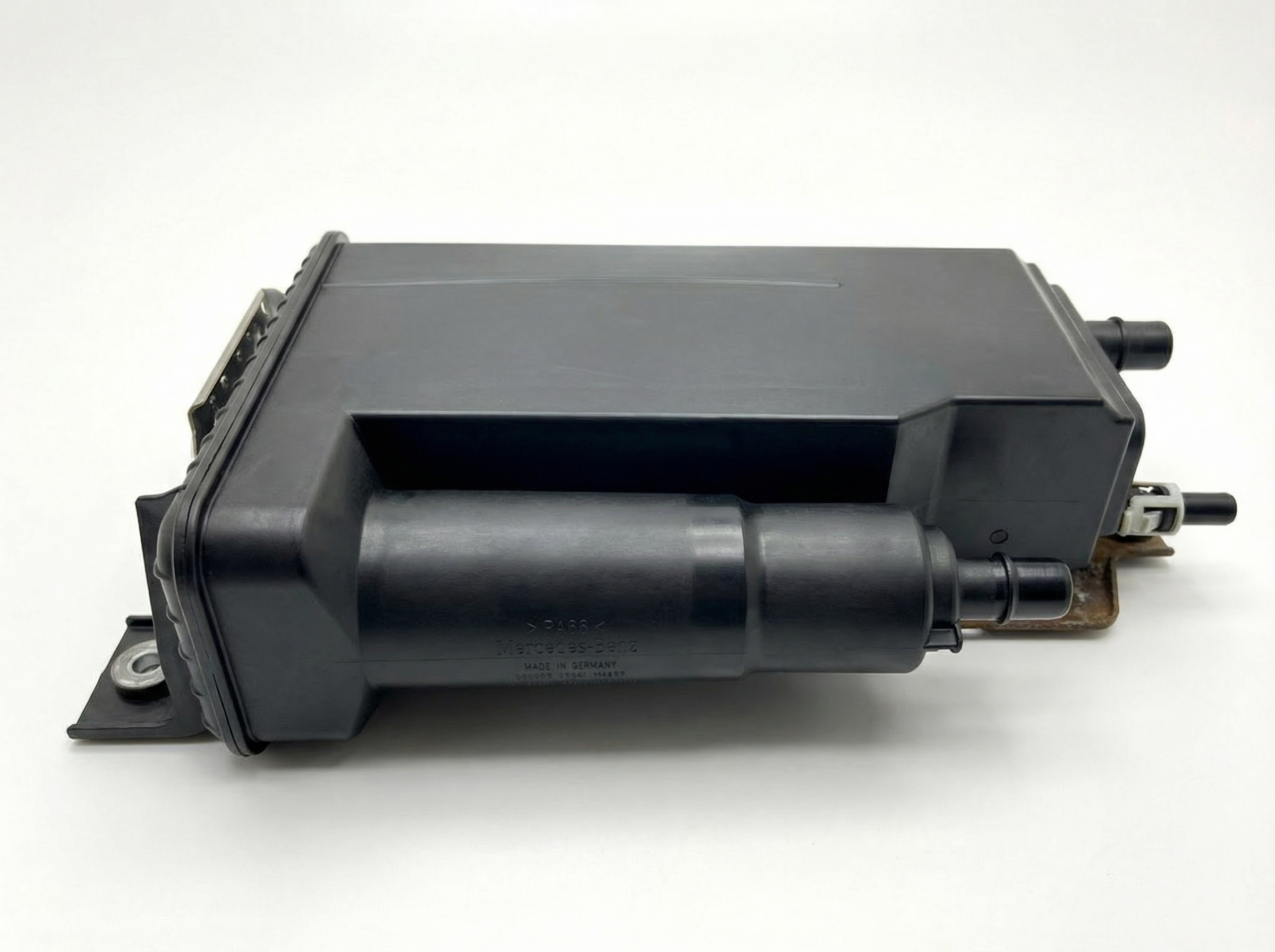
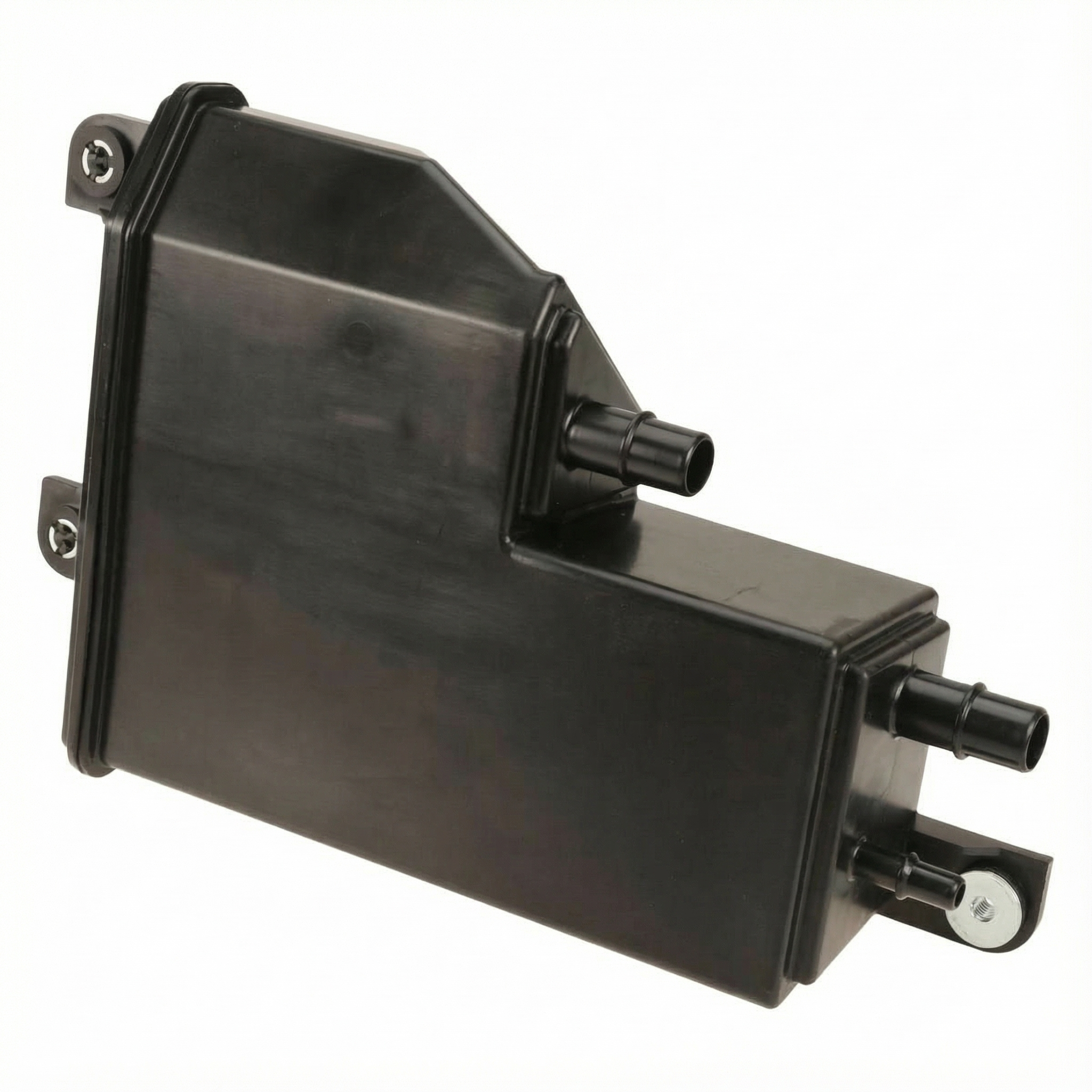
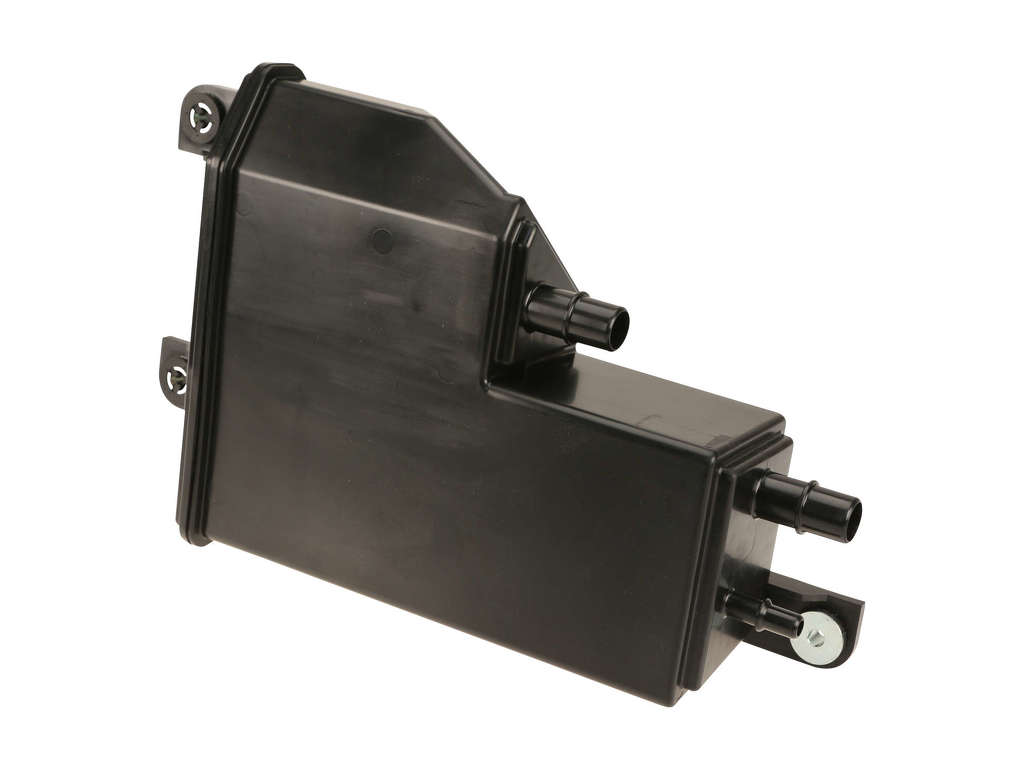
- Replacing the charcoal canister. The canister itself is usually just a plastic box with charcoal. It rarely fails unless it is physically cracked or saturated with fuel from chronic overfilling of the gas tank. The valve attached to it is the more likely culprit.
Most Likely Causes
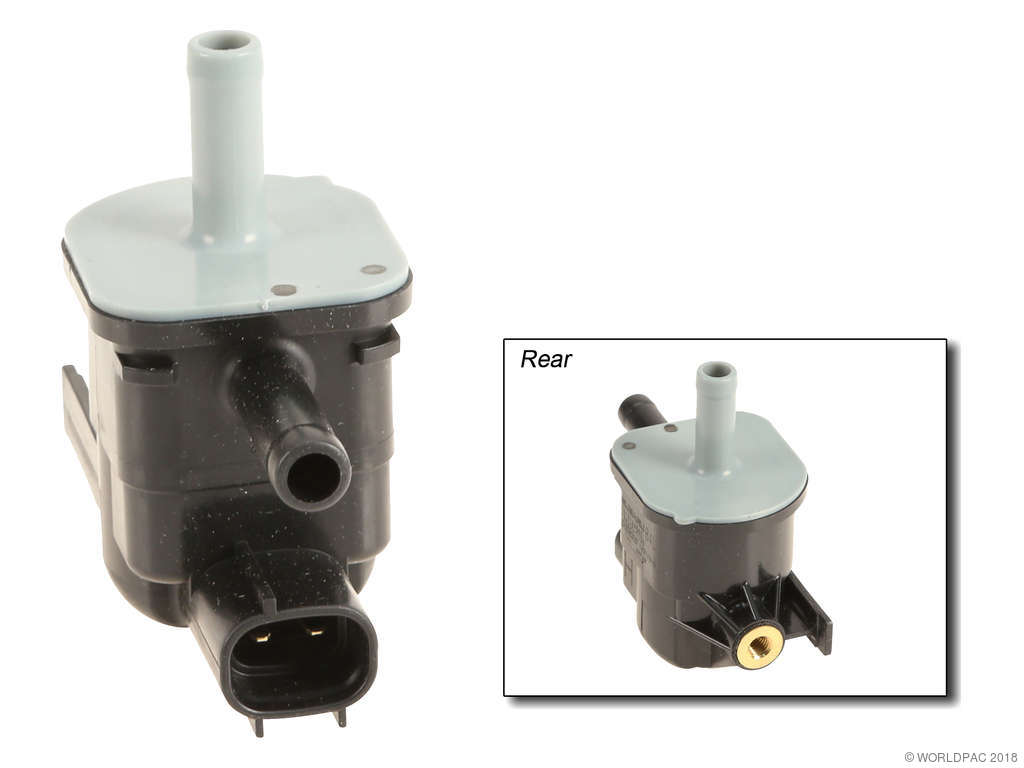
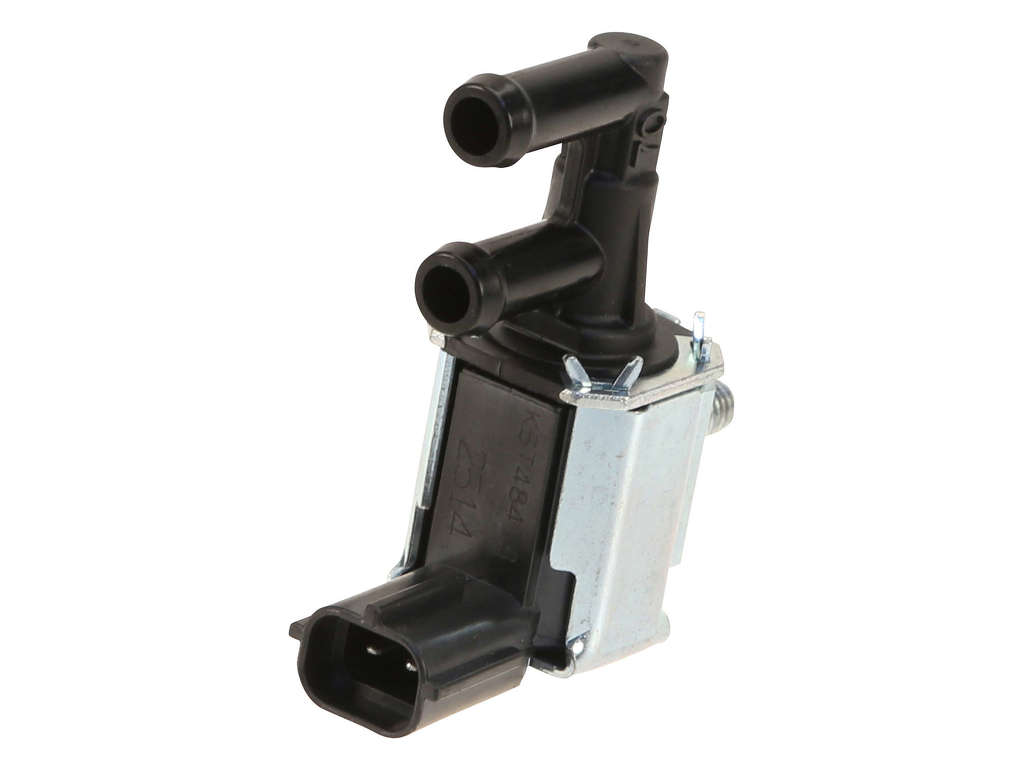
- Failed EVAP Canister Vent Valve (Solenoid) 🔴 High Probability → Shop Vapor Canister The valve is located under the vehicle, exposed to moisture and road salt, which can cause the internal coil to short out or fail over time.
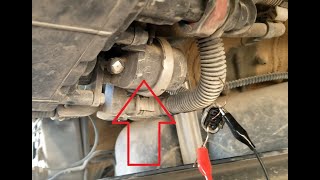
How to confirm: Disconnect the valve's electrical connector and measure the resistance between its two pins with a multimeter. A healthy valve should have a resistance between 15-40 ohms. An infinite reading (open) or near-zero reading (short) indicates a bad valve. 🎬 Watch: How to test vent valve wiring and operation You can also try to command the valve on and off with a bi-directional scan tool and listen for a 'click', or apply 12V directly to the pins to check for actuation.
Typical fix: Replace the canister vent valve. The valve is often attached to the charcoal canister assembly at the rear of the vehicle. The OEM part number is 42084-SG000.
Est. part cost: $50 - $120 - Damaged Wiring or Connector 🟡 Medium Probability The wiring harness to the vent valve runs underneath the car and is susceptible to being hit by road debris, chafing against chassis components, or corroding, leading to an open or short circuit.
How to confirm: Visually inspect the entire length of the wiring harness from the vent valve as far as you can trace it. Look for breaks, chafing, or green/white corrosion on the connector pins. Check for 12V power at the connector with the key on.
Typical fix: Repair the broken or shorted section of wire. If the connector is corroded, it may need to be cleaned or replaced.
Est. part cost: $5 - $30 - Clogged Vent Hose or Filter ⚪ Low Probability Insects, particularly spiders, can build nests inside the EVAP vent hoses, causing a blockage. This is a known issue addressed by Subaru TSB 11-173-17R. Mud and debris can also clog the vent system's filter.
How to confirm: Disconnect the vent hose from the valve and attempt to blow air through it. If it is blocked, it needs to be cleared or replaced.
Typical fix: Clear the blockage from the hose or replace the vent filter if equipped.
Est. part cost: $0 - $40
Rare But Worth Checking
- Blown Fuse: A simple but sometimes overlooked cause. Check the fuse box diagram for any fuses related to the emissions or EVAP system before replacing more expensive parts.
- Faulty Powertrain Control Module (PCM): → Shop Engine Control Module (ECM) This is extremely rare. The internal driver circuit that controls the vent valve can fail, but this should only be considered after all wiring and the valve itself have been proven to be good.
Diagnosis Steps
- Visually inspect the EVAP canister and vent valve area at the rear of the vehicle. Look for obvious signs of damage, like cracked hoses, corroded connectors, or chewed/broken wires.
- Disconnect the electrical connector from the vent valve solenoid.
- Turn the ignition to the 'ON' position (engine off). Use a multimeter to check for battery voltage (approx. 12V) at one of the pins on the harness-side connector. If there is no voltage, check for a blown EVAP fuse.
- With the connector still off, switch the multimeter to measure resistance (Ohms). Measure across the two pins on the vent valve itself. A healthy valve will have a specific resistance (typically 20-50 ohms). 🎬 Watch: Diagnostic steps for a faulty vent valve An infinite reading means the coil is open, and a reading near zero means it's shorted. In either case, the valve is bad.
- If voltage and resistance are good, check the vent hoses for blockages from debris or spider webs, as noted in TSB 11-173-17R.
- If all of the above check out, the final step is to check for continuity on the ground control wire between the vent valve connector and the PCM, which may require a wiring diagram.
Parts You'll Likely Need
- EVAP Canister Vent Valve Solenoid
(OEM #42084-SG000)— This is the most common failure point for a P1451 circuit code, as the valve's internal coil fails from age and exposure to the elements.
Trusted brands: Denso (OEM supplier), Dorman, Standard Motor Products (SMP)
OEM price range: $100-$180
Aftermarket price range: $50-$120
Technical Service Bulletins (TSBs) & Recalls
- TSB 11-173-17R: Addresses EVAP system canister drain valve clogging, often caused by spiders building nests in the vent lines. This TSB provides procedures for inspection and cleaning.
Platform-Specific Known Issues
- Accessing the vent valve can be difficult due to its location above the rear subframe. Rusted bolts are common, and in some cases, the exhaust or rear differential may need to be lowered for clearance.
- Owners on forums like subaruforester.org frequently report that the 12mm bolts securing the canister assembly are extremely prone to seizing and breaking. It is highly recommended to spray them with penetrating oil for several days before attempting removal. Many owners purchase replacement M8x1.25 bolts and nuts ahead of time.
Mechanic-Grade Diagnostic Values
- EVAP Canister Vent Valve Solenoid Resistance — expected: 20 - 50 Ohms. Failure: A reading of infinite Ohms (Open Loop) or near zero Ohms (short circuit) indicates a failed solenoid coil.
- Voltage at Vent Valve Harness Connector (Key On, Engine Off) — expected: ~12 Volts (Battery Voltage) on the power pin.. Failure: No voltage suggests a blown fuse or a break in the power wire from the relay.
Scan Tool Commands That Help
- Subaru Select Monitor (SSM): Evaporative System Leak Test — This is a forced self-test that commands the entire EVAP system, including the vent valve, through its diagnostic cycle. While P1451 is a circuit code, running this after a repair can confirm the entire system is functioning correctly. The test is performed with the ignition on, engine off, and can take 15-30 minutes.
- Physical Connector (No Scan Tool): Test Mode Connector Activation — On many Subarus, there are two green, single-pin connectors under the driver's side dash. Connecting them and turning the key to 'ON' (engine off) puts the car in a diagnostic test mode. This mode cycles all solenoids and relays on a one-second interval. You can use this to physically listen for the vent valve clicking, confirming it is mechanically actuating when commanded.
Wiring & Ground Locations
- Vent Valve Connector — At the EVAP canister vent valve, located above the rear subframe near the charcoal canister.. This is the primary point for testing. One pin is 12V power (Key On), the other is the ground-side control wire from the ECM. Corrosion or damage here is common.
- Main Engine/Chassis Grounds — Various points in the engine bay and on the chassis. A common ground strap runs from the engine block to the frame rail.. While not specific to the P1451 circuit, Subarus of this era are known for issues with corroded ground straps. A poor main ground can cause floating voltages and unpredictable electrical issues across multiple systems, including the ECM's ability to properly control the vent valve.
"I Checked Everything" — The Actual Cause
- Because P1451 is an electrical circuit code, a smoke test (which checks for physical leaks) will almost always come back clean. The true cause is electrical. A common scenario is that all wiring tests may pass, but the code persists. In these cases, the issue is often a vent valve that is mechanically sticking or has an intermittent internal coil failure that only occurs when heated, rather than a hard open/short that is easy to measure with a multimeter.
OEM Part Supersession History
Varies by component→Varies— Subaru frequently revises EVAP system components to improve durability or address known failure patterns. For example, part number 42084FJ000 was superseded by 42084FJ001, and 42084AL00A was superseded twice.
Heads up: While the primary vent valve for the 2014-2018 Forester (42084-SG000) does not have a widely documented supersession, it is critical to always verify the latest part number with a dealer using the vehicle's VIN before ordering, as a revised part may be available.
Diagnostic Flowchart
Other Known Issues on This Vehicle
Issues unrelated to this code that are worth knowing about as an owner of this generation:
- Excessive Oil Consumption 🔴 High — Most common on 2014-2015 models with the 2.5L FB25 engine. Can occur at low mileage. (Ref: Subject of class-action lawsuit (Yaeger v. Subaru). Subaru extended the powertrain warranty to 8 years/100,000 miles for affected vehicles and offered reimbursements for repairs and oil.)
- Lineartronic CVT Failure/Hesitation 🔴 High — Widespread across many Subaru models of this era, causing shuddering, hesitation, or stalling. Can occur at various mileages. (Ref: Subaru extended the CVT warranty to 10 years/100,000 miles for many vehicles, including the 2014-2018 Forester.)
- A/C Compressor Clutch Failure 🟠 Medium — Common failure where the A/C stops blowing cold, especially when hot, or makes a grinding noise. Often occurs between 40,000-80,000 miles. (Ref: TSB 10-84-16R was issued for faulty A/C compressor clutches on 2014-2016 models. Some owners report the issue is an excessive air gap in the clutch that can be adjusted.)
- Premature Wheel Bearing Failure 🟠 Medium — Owners report droning or humming noises from the wheels, indicating bearing failure, sometimes as early as 60,000 miles.
- Cracked Rear Coil Springs 🟠 Medium — The rear coil springs can crack or break, particularly on 2014 models, causing a drop in ride height. (Ref: A recall was issued for certain 2014-2018 Foresters for this issue.)
Used vs. New Parts: Buying Guide for This Vehicle
When a used part is the smart pick: A used EVAP vent valve is a high-risk purchase and generally not recommended. The part fails due to age, corrosion, and heat cycles. A used part may fail soon after installation. It only makes sense if it is from a verified low-mileage donor vehicle (e.g., a recent rear-end collision) and offered at a very steep discount.
Donor-vehicle mileage cap: roughly under 50000 miles for the part to have meaningful remaining life.
What to inspect on the donor part:
- Check for zero corrosion on the electrical pins inside the connector.
- Inspect the plastic housing for any hairline cracks or signs of heat stress.
- If possible, test the resistance with a multimeter before purchase; it should be within the 20-50 ohm range.
- Ensure the part number is an exact match to the original or its latest superseded version.
OEM-only on this vehicle (don't cheap out):
- No parts for this specific repair are strictly 'OEM-only', but using a quality part is crucial. The OEM part is supplied by Denso.
Aftermarket brands forum-validated for this vehicle:
- Denso (OEM supplier)
- Standard Motor Products (SMP)
- Dorman
Real Owner Stories
Aggregated from forums and TSBs cited above. Mileages and costs reflect what owners reported in those sources.
2016 Subaru WRX (VA)
Symptoms: The owner was dealing with an EVAP canister question related to code P1451.
What fixed it: The dealer quoted over $1200 to replace the valve and canister, though the root cause was identified as the vent valve/canister assembly shared with other Subaru models.
Cost: $1200-$1300
Source hint: reddit.com/r/WRX - 'P1451 code evap canister question'
2014-2018 Subaru Forester 2.5L
Symptoms: Check engine light on; owner concerned about rusted hardware during repair.
What fixed it: Replacing the vent valve (P/N 42084-SG000). The owner had to cut off rusted 12mm bolts and replace them with new M8x1.25 hardware.
Source hint: subaruforester.org forum threads
Related OBD-II Codes
Frequently Asked Questions
Does Subaru TSB 11-173-17R apply to my Forester's P1451 code?
Can I just replace my gas cap to fix P1451 on my 2014-2018 Forester?
What is the specific part number for the vent valve if I want to DIY the repair?
Why is the gas pump nozzle clicking off while I refuel my Forester?
Are there any specific hardware issues I should prepare for when replacing the vent valve?
Is the P1451 code covered under the same extended warranty as the CVT or oil consumption issues?
Helpful Videos

Used OEM Parts in Stock
New Aftermarket Parts Available


The information in this article is provided for general reference and educational purposes only. Vehicle specifications, procedures, and part compatibility can vary by production date, trim level, and region. Always consult your vehicle's factory service manual and verify part numbers before purchasing or performing repairs. Safety-critical components such as airbags, seat belts, and braking systems should be installed by a qualified professional.
- Subaru Forester:
- 🧭 Diagnostic Flowchart
- 🎬 Helpful Videos
- 🛍️ Shop This Part
- What's Unique About the 2014-2018 Subaru Forester
- Symptoms You May Notice
- Most Likely Causes
- Rare But Worth Checking
- Diagnosis Steps
- Parts You'll Likely Need
- Technical Service Bulletins (TSBs) & Recalls
- Platform-Specific Known Issues
- Mechanic-Grade Diagnostic Values
- Scan Tool Commands That Help
- Wiring & Ground Locations
- "I Checked Everything" — The Actual Cause
- OEM Part Supersession History
- Other Known Issues on This Vehicle
- Used vs. New Parts: Buying Guide for This Vehicle
- Real Owner Stories
- 2016 Subaru WRX (VA)
- 2014-2018 Subaru Forester 2.5L
- Related OBD-II Codes
- Frequently Asked Questions
- 🎟️ Get 5% Off