

P1456 on 2012-2016 Honda CR-V: EVAP Leak (Fuel Tank) Causes and Fixes
For a 2012-2016 Honda CR-V, code P1456 is almost always caused by a loose, worn, or non-OEM gas cap. Before buying any parts, tighten the cap until it clicks three times. If the code returns, a new genuine Honda gas cap (Part No. 17670-T3W-A01) is the most likely fix, costing around $25-$50. If that fails, inspect the fuel filler neck for rust.
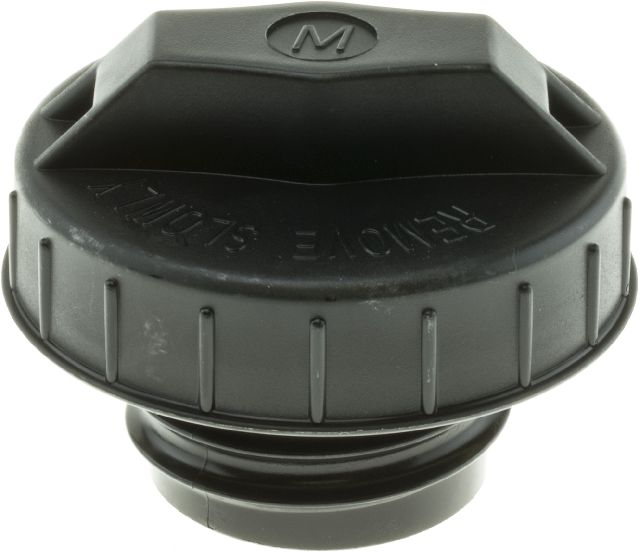
- Start with the simplest and most likely fix: check, tighten, and if necessary, replace the gas cap with a genuine Honda part (17670-T3W-A01).
What's Unique About the 2012-2016 Honda CR-V
For Honda vehicles, the EVAP diagnostic codes are very specific. P1456 points exclusively to a leak on the fuel tank side of the system, which includes the gas cap, fuel filler neck, and the tank itself. This is distinct from the P1457 code, which Honda typically uses for leaks on the charcoal canister side of the system. This built-in diagnostic separation is extremely helpful because the PCM runs separate tests. For P1456, it closes the canister vent and purge valves to isolate the tank, then monitors the Fuel Tank Pressure (FTP) sensor to see if it holds vacuum. This directs you to immediately focus on the gas cap and fuel filler neck area, which are the most common failure points for this specific code on most Hondas.
Symptoms You May Notice
- Check Engine Light is on.
- A faint smell of gasoline may be noticeable near the rear of the vehicle, especially after refueling.
- You may no longer hear a 'whoosh' sound when opening the gas cap, indicating the tank is not holding pressure.
- On some Honda models, a "CHECK FUEL CAP" message may appear on the instrument cluster before the Check Engine Light illuminates.
- Replacing the charcoal canister or purge valve. These parts are on the canister side of the EVAP system and are the primary suspects for a P1457 code, not P1456. Wasting money on these parts without proper diagnosis is a common mistake.
Most Likely Causes
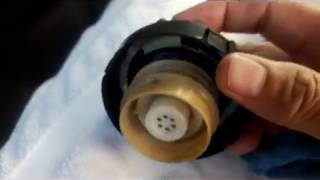
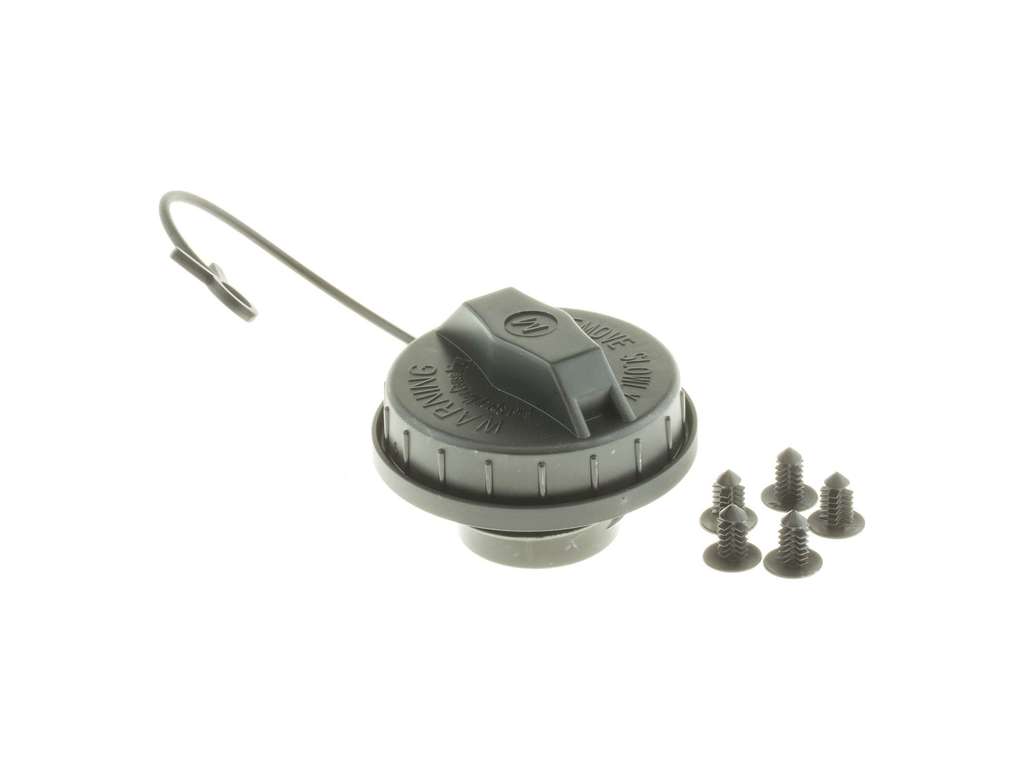
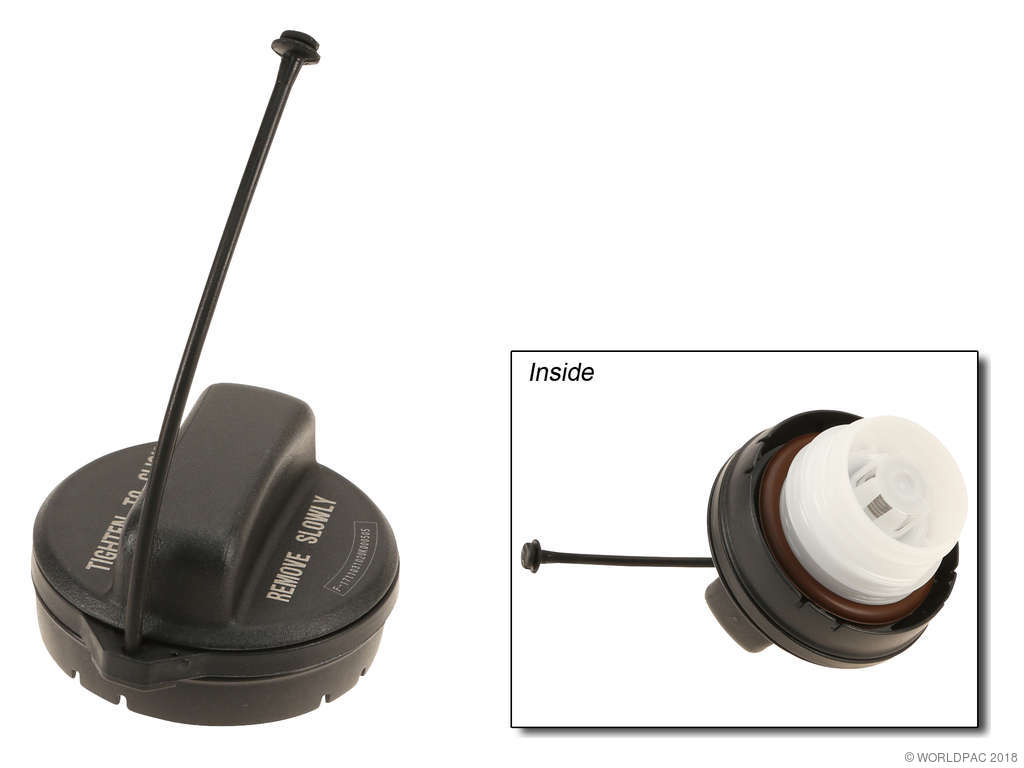
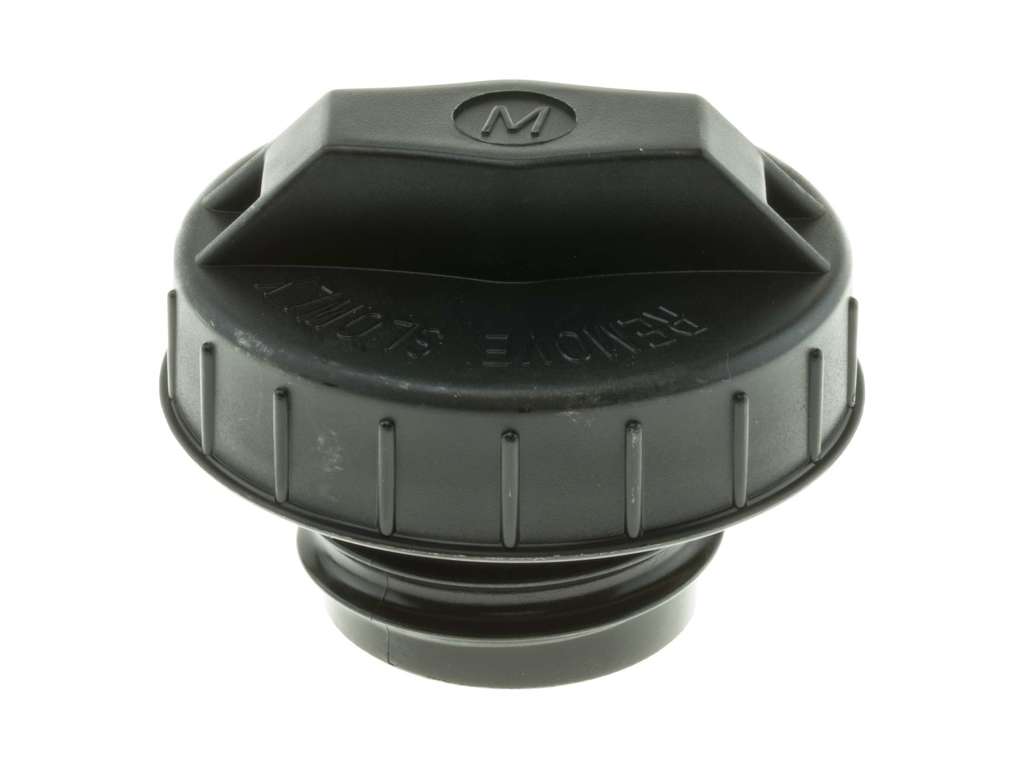
- Loose, Worn, or Incorrect Gas Cap 🔴 High Probability → Shop Fuel Tank Cap The gas cap is a simple mechanical part with a rubber O-ring seal that degrades, cracks, or hardens over time. Aftermarket caps are notorious for not meeting the precise sealing requirements of the Honda EVAP system, leading to leaks.
How to confirm: Ensure the gas cap is tightened until it clicks at least three times. Inspect the rubber gasket for cracks, stiffness, or damage. Verify it is a genuine Honda (OEM) part, as many forum users report that only the OEM cap will solve the problem.
Typical fix: Clean the cap and filler neck sealing surfaces. If the cap is old, damaged, or aftermarket, replace it with a new OEM Honda gas cap (Part No. 17670-T3W-A01).
Est. part cost: $25-$50 - Rusted or Corroded Fuel Filler Neck 🟡 Medium Probability → Shop Fuel Filler Neck In regions where road salt is used during winter (the "Salt Belt"), the metal fuel filler neck can rust where the gas cap seals. This creates an uneven, pitted surface that prevents a proper seal, even with a brand new gas cap.
How to confirm: Remove the gas cap and visually and physically inspect the lip of the filler neck for rust, pitting, or corrosion. Run your finger over the sealing surface to feel for roughness or imperfections.
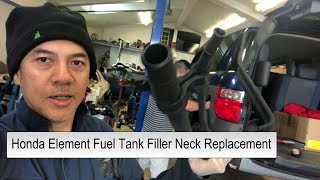
Typical fix: Minor surface rust can sometimes be cleaned off with a Scotch-Brite pad or fine-grit sandpaper to restore a smooth sealing surface. If the rust is severe or has created pits, the fuel filler neck must be replaced. The OEM part number is 17660-T0A-A01. 🎬 Watch this step-by-step fuel filler neck replacement guide.
Est. part cost: $100-$250 - Cracked or Disconnected EVAP Hose ⚪ Low Probability Rubber hoses can become brittle and crack over time due to age and heat cycles. A crack in a hose connected to the fuel tank or filler neck will cause a leak detectable by the EVAP self-test.
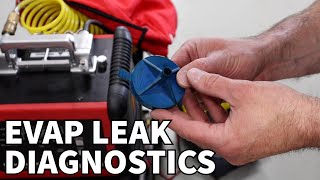
How to confirm: A visual inspection may reveal an obvious crack or disconnected hose around the filler neck and top of the tank. However, small leaks are best found using a professional smoke machine, which fills the EVAP system with visible smoke to pinpoint the source of the leak. 🎬 See how to perform an EVAP smoke test.
Typical fix: Replace the cracked or damaged hose section and secure it with clamps.
Est. part cost: $10-$40
Rare But Worth Checking
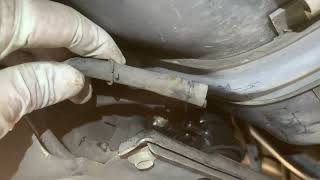
- Faulty EVAP Two-Way Valve: This valve connects the tank side to the canister side. If it gets stuck open or has a weak internal spring, it can fail to hold the required pressure/vacuum during the test, causing a P1456. While more commonly associated with P1457, it can be a tricky cause for P1456 if it fails in a specific way. 🎬 Watch a bypass valve replacement fix for P1456.
- Faulty Fuel Tank Pressure (FTP) Sensor: → Shop Fuel Tank It's possible for the sensor that detects the pressure to fail, causing it to report a leak that doesn't exist. This is uncommon and should only be considered after a smoke test confirms the system is sealed and other components are verified.
Diagnosis Steps
- Read the code with an OBD-II scanner to confirm P1456 is present.
- Check the gas cap. Ensure it is tight by turning it until it clicks at least three times. Check for a "CHECK FUEL CAP" message on the dash.
- Inspect the gas cap's rubber seal for any cracks, tears, or signs of wear. Ensure it is a genuine OEM Honda cap, as aftermarket caps are a frequent cause of this code.
- Clear the code with the scanner. Drive the vehicle for a few days (multiple drive cycles) to see if the Check Engine Light returns.
- If the light returns, purchase a new Genuine Honda Fuel Cap (17670-T3W-A01). This is an inexpensive and very high-probability fix.
- If a new OEM cap does not fix the issue, remove the cap and carefully inspect the metal fuel filler neck for any signs of rust, corrosion, or damage on the surface where the cap seals. Clean any light surface rust with a Scotch-Brite pad and re-test.
- If the cap and filler neck are good, the next step is to perform a smoke test. Connect a smoke machine to the EVAP system service port to find the source of the leak, which could be a cracked hose or a poor seal at the fuel tank sending unit.
- If a smoke test reveals no leaks, the issue may be with a component like the EVAP two-way valve or the Fuel Tank Pressure (FTP) sensor, which requires more advanced testing with a scan tool that can read live data and potentially a vacuum pump.
Parts You'll Likely Need
- Fuel Filler Cap
(OEM #17670-T3W-A01)— This is the most common cause of a P1456 code. The seal wears out over time, and aftermarket caps often don't seal correctly.
Trusted brands: Honda (Genuine OEM)
OEM price range: $25-$50
Aftermarket price range: $15-$30 - Fuel Filler Neck
(OEM #17660-T0A-A01)— Commonly rusts in areas with road salt, preventing the gas cap from creating a proper seal. If the sealing surface is pitted or damaged, the neck must be replaced.
Trusted brands: Honda (Genuine OEM), Spectra Premium, TruGrade
OEM price range: $210-$250
Aftermarket price range: $80-$150
Technical Service Bulletins (TSBs) & Recalls
- Honda Service Bulletin 99-075 - While old, it details the foundational troubleshooting logic for P1456 (tank side leak) vs. P1457 (canister side leak), which is still relevant.
- Honda Service Bulletin 13-065 - An updated version of 99-075 that provides more current diagnostic procedures using the Honda HDS scan tool for troubleshooting EVAP codes, including P1456.
Mechanic-Grade Diagnostic Values
- Fuel Tank Pressure (FTP) Sensor Voltage (Atmospheric Pressure) — expected: 2.45V - 2.55V. Failure: A reading outside this range with the system open to the atmosphere suggests a faulty sensor or wiring issue.
- Fuel Tank Pressure (FTP) Sensor Voltage (During EVAP Test) — expected: Approximately 1.50V. Failure: If the system fails to pull down to this voltage, or if the voltage increases more than 0.05V in 20 seconds after vacuum is applied and sealed, it indicates a leak.
- EVAP Two-Way Valve Vacuum Test — expected: Vacuum should stabilize momentarily at 0.8 - 2.1 kPa (6 - 16 mmHg).. Failure: Failure to hold this brief vacuum indicates a faulty two-way valve.
Hidden / Shadow Codes Worth Checking
- Mode 6, Test ID $27: This is a non-continuous monitor test for the EVAP system (fuel tank side). A failure of this specific test ID can trigger a pending P1456 code before the MIL is illuminated. (see via An advanced OBD-II scanner capable of reading Mode 6 data.)
Scan Tool Commands That Help
- Honda HDS (Honda Diagnostic System): EVAP FUNCTION TEST — This is the initial overall system test. If it fails, it confirms a leak and you proceed with further troubleshooting. If it passes, the issue may be intermittent.
- Honda HDS (Honda Diagnostic System): INSPECTION > EVAP TEST > SINGLE SOLENOID > BYPASS SOLENOID — This command manually opens the EVAP Bypass Solenoid Valve. This is required to isolate and test the two-way valve and the fuel tank side of the system for leaks.
Wiring & Ground Locations
- G403 — Left rear of the engine compartment.. This is a major ground point in the engine bay. While not exclusively for the EVAP system, poor grounding at this location can cause erratic behavior in various sensors and solenoids, potentially leading to incorrect readings or failures in the EVAP monitoring system.
- Fuse #2 (Interior Fuse Box) — In the fuse box located under the driver's side dash.. This 10-amp fuse provides power to the EVAP system. If this fuse is blown, various EVAP solenoids will not operate, preventing the system from running its self-tests correctly.
Real Owner Repair Stories
- Honda-Tech forum user (Honda (model not specified, but EVAP logic is similar)) — Persistent P1456 code, even after verifying the system holds vacuum manually.
❌ Tried (didn't work) Manual vacuum test (passed), Smoke test (passed, no leaks found)
✅ What actually fixed it The user concluded the EVAP two-way valve was opening under too little pressure, preventing the tank from reaching the specified pressure (around 3V on the FTP sensor) during the test cycle, even though it held vacuum perfectly. Replacing the two-way valve was the theoretical fix. - NHTSA ODI #10078623 — An owner reported receiving error codes P0401 and P1456, noting that this seems to be a very common problem and that they had already attempted to ensure the gas cap was tight.
- NHTSA ODI #10315726 — A report from an owner in New England suggests that those in colder climates are highly likely to encounter P1456 and P1457 codes, often due to how the unit is packaged and protected from the elements.
"I Checked Everything" — The Actual Cause
- In a detailed forum post, a user reported that their system passed a smoke test and a manual vacuum test, yet the P1456 code kept returning. The issue was not a physical leak but a faulty EVAP two-way valve that was not functioning correctly under specific pressure conditions required by the PCM's self-test, a fault a static smoke test would not identify.
OEM Part Supersession History
17670-SNA-A02, 17670-TR0-A11, 17670-T3W-003, and others→17670-T3W-A01— Part consolidation and design updates by Honda over many model years.
Heads up: While many caps may physically fit, only the OEM-specified part number (or its latest supersession) is guaranteed to meet the precise pressure/vacuum sealing requirements for the EVAP test.
Model Year Variations Within This Range
- 2015-2016: The 2015 model year CR-V received a facelift which included a new engine (K24W9) and CVT transmission. While the fundamental EVAP system principles remain the same and P1456 still points to the tank side, some component locations and part numbers for related items (like the purge valve) may differ slightly from the 2012-2014 models. However, the primary causes for P1456 (gas cap, filler neck) remain consistent across the 2012-2016 range.
Diagnostic Flowchart
Other Known Issues on This Vehicle
Issues unrelated to this code that are worth knowing about as an owner of this generation:
- VTC Actuator Rattle on Cold Start 🟠 Medium — Very common, especially on 2012-2014 models. A loud, grinding rattle for 1-2 seconds immediately after a cold start (sitting over 6 hours). (Ref: Honda TSB 09-010, 16-012, and 16-088 address this issue, providing diagnostic and repair procedures.)
- Starter Motor or Relay Failure 🟠 Medium — Becomes more common as vehicles age past 100,000 miles. Can present as a no-start or intermittent no-start condition, sometimes just a click. (Ref: No specific TSB, but a widely documented failure. Some owners find the starter cut relay is the culprit, which is a cheaper fix.)
- Transmission Judder/Vibration (2012-2014 5-Speed AT & 2015-2016 CVT) 🟡 Low — For 2012-2014 models with the 5-speed automatic, a judder can occur under light acceleration. For 2015-2016 models, the CVT can cause vibrations at idle. (Ref: Honda TSB 15-086 addresses the automatic transmission judder with a software update and fluid change.)
- Parasitic Battery Drain 🟡 Low — Some owners report the battery dying after the vehicle sits for a few days. A stuck A/C compressor relay is a frequently cited cause.
Used vs. New Parts: Buying Guide for This Vehicle
When a used part is the smart pick: A used fuel filler neck from a junkyard can be a cost-effective solution, especially if it comes from a vehicle in a dry, salt-free climate. Visually inspect it for any rust or pitting on the sealing surface before purchase.
Donor-vehicle mileage cap: roughly under 80000 miles for the part to have meaningful remaining life.
What to inspect on the donor part:
- Check the sealing lip of the fuel filler neck for any signs of rust, bubbling paint, or pitting.
- Ensure there are no significant dents or deformities.
- Verify it's from a vehicle that was not in a major rear-end collision.
OEM-only on this vehicle (don't cheap out):
- Fuel Filler Cap - Aftermarket caps are the number one cause of repeat P1456 failures after a replacement. The cost savings are minimal and not worth the risk of the code returning. Always buy a genuine Honda cap (17670-T3W-A01).
Brands owners have reported issues with on this vehicle:
- Generic, unbranded fuel caps from online marketplaces or auto parts stores are frequently reported by owners to not seal correctly on Honda vehicles.
Real Owner Stories
Aggregated from forums and TSBs cited above. Mileages and costs reflect what owners reported in those sources.
2012 Honda CR-V 2.4L
Symptoms: The owner experienced a P1456 DTC that was difficult to solve; a smoke test was performed and passed, but the code persisted.
What fixed it: The owner suspected a faulty two-way valve after the smoke test passed, highlighting that the issue can be more complex than just a gas cap.
Source hint: Honda-Tech - Thread: 'P1456 DTC is sure difficult to solve!'
2012 Honda CR-V 2.4L — ~100000 miles
Symptoms: Check Engine Light with code P1456; common discussion point for owners in 'Salt Belt' regions.
What fixed it: Cleaning minor surface rust off the fuel filler neck with a Scotch-Brite pad or replacing the fuel filler neck (17660-T0A-A01) if pitting is severe.
Source hint: CRVownersclub.com
2012 Honda CR-V 2.4L
Symptoms: Check Engine Light illuminated; owner tried using aftermarket parts which failed to resolve the EVAP leak code.
What fixed it: Replacing the gas cap with a genuine OEM Honda gas cap.
Source hint: Reddit r/Honda - Thread: 'PSA: P1457 was solved by new oem gas cap (02 CRV)'
Honda Owner Report
Symptoms: An owner reported that the codes issued by the technician regarding the failure were P0420, P0505, and P1456.
What fixed it: The report (NHTSA ODI #10195472) noted the failure occurred at approximately 80,000 miles, highlighting the intersection of EVAP and other emissions codes.
Related OBD-II Codes
Frequently Asked Questions
My 2013 CR-V is showing a 'CHECK FUEL CAP' message on the dash. Is this the same as a P1456 code?
Which TSBs cover the diagnostic procedure for P1456 on the 2012-2016 Honda CR-V?
Can I use an aftermarket gas cap from a local auto parts store to fix P1456?
I live in the 'Salt Belt' and a new cap didn't fix my P1456 code. What should I check next on my CR-V?
How many times should I click the gas cap on my 2014 CR-V to ensure it is sealed?
Is there a specific engine component that might cause P1456 if the smoke test passes?
Helpful Videos
We Have This Part in Stock


The information in this article is provided for general reference and educational purposes only. Vehicle specifications, procedures, and part compatibility can vary by production date, trim level, and region. Always consult your vehicle's factory service manual and verify part numbers before purchasing or performing repairs. Safety-critical components such as airbags, seat belts, and braking systems should be installed by a qualified professional.
- Honda CR-V:
- 🧭 Diagnostic Flowchart
- 🎬 Helpful Videos
- 🛍️ Shop This Part
- What's Unique About the 2012-2016 Honda CR-V
- Symptoms You May Notice
- Most Likely Causes
- Rare But Worth Checking
- Diagnosis Steps
- Parts You'll Likely Need
- Technical Service Bulletins (TSBs) & Recalls
- Mechanic-Grade Diagnostic Values
- Hidden / Shadow Codes Worth Checking
- Scan Tool Commands That Help
- Wiring & Ground Locations
- Real Owner Repair Stories
- "I Checked Everything" — The Actual Cause
- OEM Part Supersession History
- Model Year Variations Within This Range
- Other Known Issues on This Vehicle
- Used vs. New Parts: Buying Guide for This Vehicle
- Real Owner Stories
- 2012 Honda CR-V 2.4L
- 2012 Honda CR-V 2.4L — ~100000 miles
- 2012 Honda CR-V 2.4L
- Honda Owner Report
- Related OBD-II Codes
- Frequently Asked Questions
- 🎟️ Get 5% Off