

OBD-II Code P1476: A Comprehensive Guide to EVAP LDP and IMRC Failures
What P1476 means, why it triggers, and how to fix it on any vehicle
- P1476 indicates an EVAP Leak Detection Pump (LDP) failure on German and Korean cars, or an Intake Manifold Runner Control (IMRC) failure on Ford, Mazda, and Toyota vehicles.
- Ford 5.0L V8 owners face an $800 to $1,500 repair bill, as P1476 usually requires replacing the entire intake manifold due to broken plastic IMRC linkage.
- BMW, VW, and Porsche owners should perform a $100 smoke test before replacing the $200 LDP, as hairline cracks in wheel-well vacuum hoses are the most common culprit.
- Testing the LDP's electrical resistance with a $15 multimeter prevents wasting money on a new pump when the actual fault is a corroded wire.
- Driving with an EVAP-related P1476 only causes an emissions test failure, but ignoring a Ford IMRC fault for over 4 months destroys the catalytic converter, adding $1,500 to the repair.
What Does P1476 Mean?
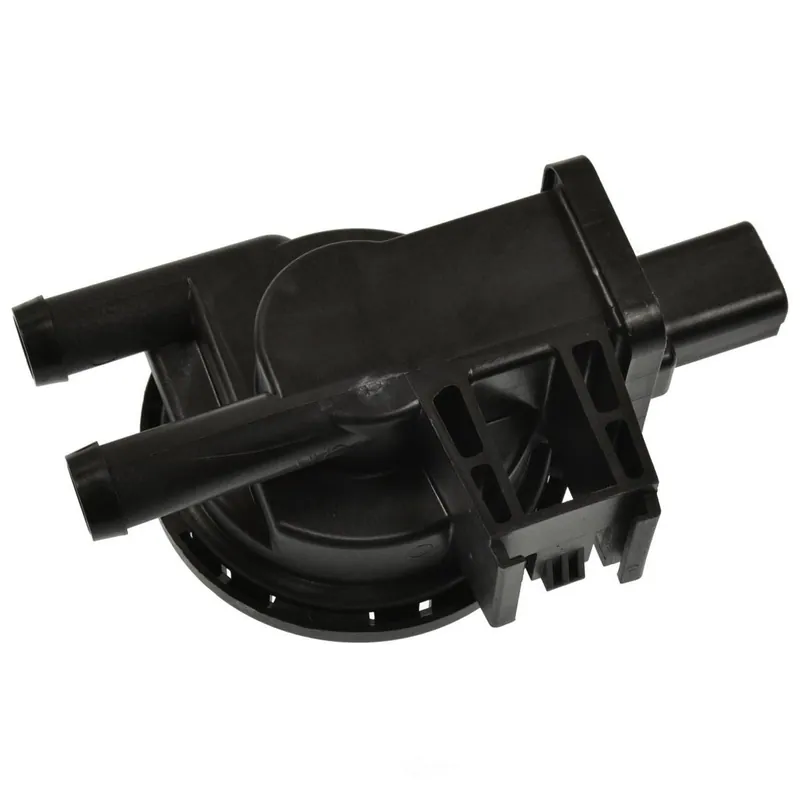
P1476 is a manufacturer-specific code with two very different primary meanings. For most German and Korean brands (BMW, VW, Audi, Porsche, Hyundai), it means the Engine Control Unit (ECU) detects a circuit malfunction or insufficient vacuum from the Leak Detection Pump (LDP) in the evaporative emissions (EVAP) system. The EVAP system traps fuel vapors to prevent air pollution. For many Ford, Mazda, and Toyota vehicles, this code indicates a malfunction with the Intake Manifold Runner Control (IMRC) or Swirl Control Valve system, which regulates the engine's air intake.
Technical definition: The official SAE/OBD-II definition for P1476 varies by manufacturer. The most common definitions are 'EVAP Emission Control System Leak Detection Pump (LDP) Circuit Malfunction / Insufficient Vacuum' (BMW, VW, Audi, Porsche, Hyundai, Volvo) or 'Intake Manifold Runner Control (IMRC) System Malfunction' (Ford, Mazda). On Toyota models, it refers to a 'Swirl Control Valve' malfunction, functionally identical to Ford's IMRC. Less common definitions include 'Fan Relay (High) Circuit Malfunction' or 'Low Secondary Air Flow' for Chrysler or Peugeot.
Can I Drive With P1476?
Yes, But With Caution. Yes, you can drive with P1476. If it relates to the EVAP system (most brands), the only impact is a failed emissions test. However, if your car is a Ford, Toyota, or Mazda and the code points to an IMRC or Swirl Control Valve failure, limit your driving. Prolonged driving with a faulty IMRC causes rough idling, stalling, and an improper air-fuel mixture that eventually destroys the catalytic converter, adding $800-$2,500 to your repair bill.
Common Causes
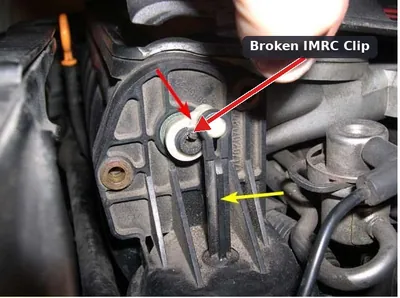
- Broken Ford IMRC actuator clips, linkage, or rod (Very Common) — On Ford V8 engines, the metal rod and plastic clips controlling the intake manifold runners frequently break or rust, seizing the system and triggering the code.
- Cracked, disconnected, or blocked EVAP vacuum hoses (Very Common) — Small rubber and plastic hoses connected to the Leak Detection Pump and EVAP canister become brittle over time, cracking or clogging with debris to cause a vacuum leak the pump cannot overcome.
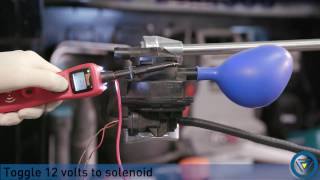
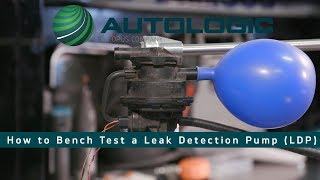
- Faulty Leak Detection Pump (LDP) (Common) — The pump's internal motor, diaphragm, or electrical switch wear out, preventing it from creating vacuum or sending a valid signal to the ECU. 🎬 Learn the best way to bench test a leak detection pump.
- Damaged wiring or corroded electrical connectors (Common) — Wiring routed to the LDP under the car is exposed to moisture and road salt. Wires chafe or connector pins corrode, destroying the electrical connection.
- Loose or faulty gas cap (Less Common) — A loose gas cap prevents the LDP from sealing the system for its test, leading to an 'insufficient vacuum' fault.
- Carbon buildup on IMRC or Swirl Control Valve flaps (Less Common) — On Ford or Toyota engines, heavy carbon deposits inside the intake manifold cause the runner flaps to stick or seize entirely, overpowering the actuator.
- Rusted or physically damaged EVAP lines (Less Common) — Hard metal or plastic lines running the length of the vehicle rust through or break from road debris, causing a massive leak the LDP cannot overcome.
- Faulty or clogged Diesel Particulate Filter (DPF) sensor (Chevy/GMC Diesel) (Rare) — On Chevy Colorado diesel trucks, P1476 points to a failing diesel particulate sensor, completely separate from the gasoline EVAP system.
- Faulty EVAP purge or vent solenoid (Rare) — If the purge or vent valve sticks open or closed, it prevents the LDP from running its test correctly, resulting in a P1476 code.
- Engine Control Module (ECM) software anomaly (Rare) — On certain GM vehicles (per TSB 19-NA-124), the code triggers due to an overly sensitive diagnostic parameter in the ECM software, requiring a dealer update rather than a physical part.
Symptoms
- Check Engine Light is on — This is the most common and often the only symptom you will notice for an EVAP-related P1476. The light remains solid.
- Reduced engine performance (Ford or Toyota) — For a Ford IMRC or Toyota Swirl Control Valve fault, the engine feels sluggish, hesitates, or lacks power at specific RPMs.
- Rough idle or stalling (Ford or Toyota) — A stuck IMRC system disrupts the air-fuel mixture at low speeds, causing a rough, unstable idle or stalling when coming to a stop.
- Slight smell of gasoline — If the EVAP system has a physical leak contributing to the LDP fault, you will occasionally smell raw fuel vapors around the rear wheel wells.
- Car fails an emissions test — A P1476 code causes an automatic failure on a smog check, as it indicates a critical fault in the emissions system's self-testing ability.
- Audible clicking or buzzing from rear of vehicle — You will hear a faint clicking or buzzing noise from the LDP (near a rear wheel well) as the pump repeatedly tries and fails to run its diagnostic test.
Diagnostic Flowchart
Tap your situation to follow the diagnostic path that matches what you're seeing on this code.
Common Fixes & Costs
- Replace the entire Intake Manifold (Ford IMRC failure)
— Parts: $350-$700, Labor: $400-$800, ~3.5 hr book time
(Professional)
: OEM
: OEM - Replace cracked or disconnected EVAP hoses — Parts: $10-$60, Labor: $50-$150, ~0.8 hr book time (DIY)
- Replace the Leak Detection Pump (LDP)
— Parts: $75-$250, Labor: $100-$250, ~1.2 hr book time
(Intermediate)
: OEM
: OEM
: OEM - Replace a faulty gas cap — Parts: $15-$35, Labor: $0, ~0.1 hr book time (DIY)
- Repair damaged wiring or replace the LDP connector — Parts: $15-$45, Labor: $100-$200, ~1.5 hr book time (Professional)
Used vs. New Parts: Buying Guide
When a used part is worth it: For a Ford intake manifold, a used part from a low-mileage, newer model year vehicle is a cost-effective option if a new OEM part is backordered. For an LDP, the low cost of a new aftermarket unit makes buying used impractical.
Donor-vehicle mileage cap: roughly under 60000 miles for the part to have meaningful remaining life.
Donor quality checklist:
- For manifolds, verify the donor vehicle wasn't scrapped for a front-end collision that cracks the plastic.
- Avoid parts from rust-belt donors, as metal components (like the IMRC rod) or electrical pins (on an LDP) will have corrosion.
- Match the part number exactly. Visual matches have different internal calibrations or port designs.
- Inspect plastic intake manifolds carefully for hairline cracks around the coolant crossover passages.
Decision logic:
- If The part is an LDP or other common electronic sensor. → Buy new. The savings from a used part are minimal and not worth the risk of premature failure.
- If The part is a Ford intake manifold and the vehicle is a high-mileage daily driver. → A quality aftermarket (e.g., Dorman) or a verified good-condition used OEM part are acceptable budget options.
- If The part has a known wear-out failure mode, like the plastic IMRC linkage on Ford manifolds. → Strongly favor a new OEM or redesigned aftermarket part over a used one, which has the same flaw.
Warranty tradeoff: Used parts typically come with a 30-90 day warranty for part replacement only. New aftermarket parts offer a 1-year to limited lifetime warranty. New OEM parts carry a 1-2 year warranty.
Worst-case if a used part fails: $500-$1000 if a used intake manifold fails after installation, requiring repeat labor costs plus the cost of another part.
What Happens If You Wait — Timeline
- 0-1 month: Code is set and Check Engine Light is on. For EVAP faults, there are no driving symptoms. For IMRC faults, a slight hesitation or sluggishness is felt at low RPMs. (MPG impact: 0-5%% · Added cost: $0)
- 1-4 months (IMRC Fault): IMRC fault worsens. Rough idle becomes frequent, and the vehicle stalls occasionally. Power loss below 3,000 RPM is noticeable. Fuel economy drops. EVAP fault remains unchanged. (MPG impact: 5-15%% · Added cost: $50-$150 in wasted fuel)
- 4-8 months (IMRC Fault): Sustained improper air-fuel mixture from the stuck IMRC overheats the catalytic converter. The internal honeycomb substrate cracks or melts from exposure to unburnt fuel. (MPG impact: 10-20%% · Added cost: $900-$2,500 (Catalytic converter is destroyed and requires replacement).)
- 8+ months (IMRC Fault): The catalytic converter becomes fully clogged. This creates extreme exhaust backpressure, causing severe power loss, engine stalling, and damage to oxygen sensors. (MPG impact: >20%% · Added cost: $1,500-$4,200+ (Cost includes catalytic converter, oxygen sensors, and extensive engine repairs).)
Cost of Not Fixing It

- 0-1 month: Guaranteed failure of an emissions test. If the fault is IMRC-related, fuel economy drops 5-10% alongside sluggish performance. (Added cost: Negligible, other than the cost of a failed test.)
- 1-6 months (IMRC Fault): Continued driving with a stuck IMRC creates an improper air-fuel ratio. This overheats the catalytic converter from unburnt fuel, leading to internal damage and failure. (Added cost: $800-$2500)
- 6+ months (IMRC Fault): A destroyed catalytic converter clogs the exhaust, creating excessive backpressure. This leads to severe engine performance issues, fouled spark plugs, and internal engine damage. (Added cost: $2500+)
- Ongoing (EVAP Fault): For an EVAP-related P1476, the primary long-term consequence is the continuous release of raw fuel vapors into the atmosphere and the inability to pass a state emissions inspection. (Added cost: Negligible, aside from potential fines for expired registration.)
Diagnosis Steps
- Check the Gas Cap
Make sure your gas cap is tight, listening for several clicks. Check the cap's rubber seal for cracks or damage. If it looks worn, replace it immediately.
Tools: None (Beginner) - Inspect Ford IMRC / Toyota Swirl Control System (If Applicable)
For Ford or Toyota vehicles, locate the actuator on the intake manifold. Check the plastic linkage and clips connecting it to the manifold runners. Try to move the linkage by hand (engine off) to see if it moves freely or is physically broken.
Tools: Flashlight, inspection mirror (Intermediate) - Visually Inspect Hoses and Wiring
Locate the Leak Detection Pump (often near the charcoal canister in a rear wheel well). Carefully inspect all connected vacuum lines for obvious cracks, breaks, or disconnections. Examine the electrical connector for corrosion or melted plastic.
Tools: Flashlight, safety glasses (Beginner) - Test the LDP/IMRC Circuit for Power
Using a multimeter, check for power and ground at the component's electrical connector with the key on. For an LDP, you must have constant battery voltage (around 12V) on one pin and a ground on another to confirm basic wiring integrity.
Tools: Multimeter (Intermediate) - Perform a Smoke Test
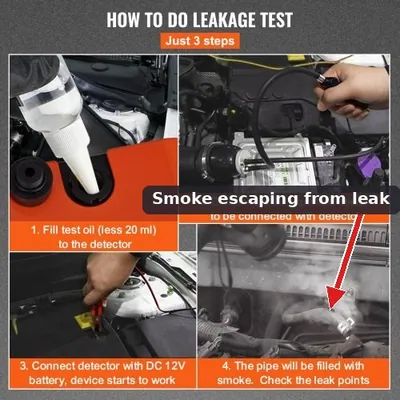
A smoke machine forces low-pressure smoke into the EVAP system, pouring out of any cracks or leaks. This is mandatory if 'insufficient vacuum' is part of the code definition and visual inspections fail.
Tools: EVAP smoke machine (Advanced) - [PRO TIP] Monitor Scan Tool Live Data (Ford IMRC)
Using a bi-directional scan tool, monitor the PIDs for 'IMRC1_STAT'/'IMRC2_STAT' and 'IMRCM' (IMRC Monitor Voltage). Command the IMRC open and closed. The status must change from 'Open' to 'Closed' and the voltage must sweep smoothly (typically 1.19V closed to 3.33V open). If voltage doesn't change, the runner is stuck.
Tools: Bi-directional OBD-II Scan Tool (Advanced) - [PRO TIP] Monitor Scan Tool Live Data (BMW DM-TL)
For BMWs with a DM-TL pump, initiate a system test via the scan tool. The ECU monitors the pump's motor current. Failure to reach the reference amperage proves a leak exists, while abnormally high/low current proves the pump motor is faulty.
Tools: BMW-specific OBD-II Scan Tool (e.g., ISTA, INPA) (Advanced) - [PRO TIP] Check LDP Solenoid Resistance
Disconnect the LDP connector and use a multimeter set to Ohms (Ω) to measure resistance across the pump's terminals. A healthy VW/Audi coil reads 640-720 Ohms, while BMW/Chrysler pumps read 20-50 Ohms. A reading of 'OL' means the internal coil is broken, and near 0 Ohms indicates a short circuit.
Tools: Multimeter (Advanced) - [PRO TIP] Bench Test the Leak Detection Pump
Remove the pump. Connect a vacuum source to the engine port and a balloon over the canister port. Use fused jumper wires to cycle 12V power to the pump's terminals. The balloon must inflate and hold pressure indefinitely. If it deflates, the pump's internal seal is destroyed.
Tools: Fused jumper wires, vacuum source, balloon (Advanced) - [PRO TIP] Test the LDP Internal Switch
On Chrysler/Dodge LDPs, apply a constant ground to one pin and connect a test light to the other. Apply light pressure/vacuum to the ports; you will hear a diaphragm move and the switch must close, lighting the test light. If the switch fails, the pump is bad even if it holds vacuum.
Tools: Power probe or test light, multimeter (Advanced)
When This Code Triggers (Freeze-Frame Conditions)
- Engine Coolant Temp: 45-95°F (at startup) (The EVAP monitor requires a 'cold start' where engine coolant and intake air temperatures are close to ambient and within a specific range (e.g., 45-85°F).)
- Fuel Level: 25-75% (The EVAP system test aborts if the fuel tank is nearly full or empty. Manufacturers require the tank to be between 1/4 and 3/4 full.)
- Vehicle Speed: 45-65 mph (Steady-state cruising at highway speeds is required for the EVAP or IMRC monitor to complete its self-test.)
- Engine Load: 15-35% (The test runs under light to moderate engine load, aborting during heavy acceleration or deceleration.)
Related Codes
- P0442 — Indicates a small leak in the EVAP system. P1476 means the pump itself failed its diagnostic, while P0442 means the pump worked correctly and successfully found a small leak somewhere in the system.
- P0456 — Indicates a very small leak in the EVAP system. P1476 points to the tester (the LDP) being broken, whereas P0456 means the tester worked and found a tiny leak. A bad gas cap is a classic cause of P0456.
- P2004 / P2005 / P2007 — On Ford vehicles, these codes are specific versions of P1476. While P1476 indicates a general IMRC system malfunction, P2004/P2005/P2007 specify that the 'Intake Manifold Runner Control is Stuck Open or Closed' on a specific cylinder bank.
- P2402 — This is a specific LDP code, indicating a fault in the LDP's control circuit. If you have P1476 ('Insufficient Vacuum') and P2402, the problem is electrical (wiring, connector, or ECU) rather than a physical vacuum leak.
Climate & Environmental Factors
- Cold Climates: Plastic and rubber EVAP hoses become brittle in freezing temperatures, making them significantly more likely to crack and break. This is a leading cause of EVAP-related P1476 codes in winter.
- High Humidity / Salt Belt: Moisture and road salt are extremely corrosive to electrical components. The LDP and its wiring connector are located in the wheel well, where constant exposure leads to corroded connector pins and frayed wires. Salt also accelerates the rusting of metal EVAP lines.
- High Altitude: Changes in atmospheric pressure affect the pressure differentials the EVAP system expects to see. Extreme or rapid changes cause sensitive systems to temporarily set a fault until the ECU adapts.
How to Talk to a Mechanic About This Code
Say this: "I have a P1476 code and I'd like to schedule a diagnostic. On my car, this code means different things. If it's an EVAP issue, please perform a smoke test before recommending a new Leak Detection Pump. If it's an IMRC issue, please inspect the control linkage for physical damage before quoting a full intake manifold replacement."
This signals you understand the code's dual nature and directs the technician toward proper diagnosis instead of just replacing the most expensive part. It requests a specific, necessary test (smoke test) for one fault type and a specific inspection for the other, preventing unnecessary parts replacement.
Avoid saying:
- 'Just fix whatever's wrong'
- 'My check engine light is on, can you look at it?' (This is too vague and invites upselling)
- 'My friend said it's probably the...' (This anchors the mechanic to a potentially wrong diagnosis)
Questions to ask before authorizing the repair:
- For an EVAP fault: Did the smoke test show a leak, and can you show me where it is? Or did the pump fail its electrical tests?
- For a Ford IMRC fault: Is the linkage physically broken, or are the flaps just stuck from carbon? What are my options besides a full OEM manifold replacement?
- Will you provide a written estimate with a clear breakdown of parts and labor?
- What is the warranty on this specific repair, including both parts and labor?
Where to Take It: Dealer vs Independent vs Chain
- Dealer:
A strong option for the IMRC fault on a newer Ford or complex EVAP issues on a German car if cost is not the primary concern. They have brand-specific diagnostic tools and training.
Best for: Vehicles still under an emissions or powertrain warranty., Complex manufacturer-specific issues, like the Chevy diesel TSB for P1476 or advanced diagnostics on German cars.
Downsides: Significantly higher labor rates (often 1.5-2x vs. independent shops)., Defaults to replacing a large assembly (like the entire intake manifold) when a smaller component repair is possible. (Typical cost: +50% vs. baseline) - Independent Shop:
Best overall fit for most P1476 scenarios, especially the common EVAP faults. A reputable independent shop performs a smoke test and replaces an LDP or intake manifold effectively at a lower cost than the dealer.
Best for: Out-of-warranty vehicles where cost is a major factor., Common P1476 causes like a cracked EVAP hose or LDP replacement.
Downsides: Quality and expertise vary greatly; look for shops specializing in your vehicle's brand (e.g., a German auto specialist)., Lacks the latest manufacturer-specific diagnostic software for very new models. (Typical cost: +0% vs. baseline) - Chain Shop:
AVOID for P1476 diagnosis and repair. The dual meaning of this code requires diagnostic expertise that is lacking at chain shops. They are more likely to misdiagnose the issue or replace parts unnecessarily.
Best for: Simple, unrelated maintenance like oil changes or tire rotations.
Downsides: Technician skill varies dramatically; they lack experience with complex jobs like an intake manifold replacement., Focused on speed and volume, leading to misdiagnosis of nuanced codes like P1476. (Typical cost: -10% vs. baseline)
When to Walk Away From the Repair
If the estimated repair cost exceeds 40-50% of the car's Kelley Blue Book (KBB) private-party value, pause and consider alternatives like selling the car as-is or trading it in.
- Car worth $3500, fix is $1500: Walk away. The repair cost for the Ford IMRC fault is nearly half the car's value. It's not economically sensible.
- Car worth $15000, fix is $1200: Fix it. An IMRC repair on a newer F-150 is expensive but well below the threshold for a vehicle of this value.
- Car worth $8000, fix is $450: Fix it. A typical LDP replacement on a BMW or VW is a reasonable cost to keep a good car on the road and able to pass emissions.
What Scan Tool You Need for This Code
Minimum: A scanner that reads manufacturer-specific codes and shows live data. For P1476, a generic code reader is not enough because you must differentiate between an EVAP and IMRC fault and see system-specific data.
A basic $20 reader only shows 'P1476' without context. You won't know if it's an EVAP pump or an IMRC valve. For a DIY diagnosis, you must see live EVAP pressure data or IMRC position sensor voltage to know where to start looking.
Budget: BlueDriver Pro (~$100) — Connects to your smartphone and reads manufacturer-specific codes to identify the P1476 definition for your car. It displays live data for EVAP pressure or IMRC position, and checks readiness monitor status for emissions testing.
Mid-range: Foxwell NT510 Elite (with brand-specific software) (~$180) — Offers deeper, dealer-level diagnostics. For BMW/VW, it commands the EVAP LDP test to run. For Ford, it accesses IMRC-specific PIDs. This is a powerful tool for serious DIYers who work on a specific car brand.
Professional: Autel MaxiCOM MK808S/MK808BT Pro (~$450-550) — Provides full bi-directional control. For a Ford IMRC fault, you command the runners to open and close to test the actuator motor directly. For an EVAP fault, you manually trigger the LDP and seal the system to test solenoids, saving significant diagnostic time.
Rent vs buy: You often get a basic code read for free at auto parts stores like AutoZone, but their tools won't offer the live data or bi-directional control needed for a full P1476 diagnosis. If you plan to do the diagnosis yourself, buying at least a budget-level scanner is necessary.
How to Clear the Code After You Fix It
- Use an OBD-II scan tool to clear the diagnostic trouble codes.
- Ensure the fuel tank is between 1/4 and 3/4 full.
- Perform a complete drive cycle to allow the readiness monitors to run.
Drive cycle (~30 minutes): A generic drive cycle includes: 1) A cold start (engine sits for 8+ hours). 2) Idle for 2-3 minutes. 3) Drive at a steady 55-65 mph for 10-15 minutes. 4) Perform stop-and-go city driving for 5-10 minutes. 5) Allow the vehicle to cool down.
Readiness monitors affected: Evaporative System (EVAP) Monitor, Catalyst Monitor, Oxygen (O2) Sensor Monitor
Before emissions retest: drive at least 100 miles to fully set monitors.
Watch out for:
- Disconnecting the battery clears the code but resets all readiness monitors to 'Not Ready', guaranteeing an emissions test failure.
- The code returns immediately if the underlying mechanical or electrical fault is not fixed.
- The EVAP monitor is notoriously difficult to set and requires several cold starts and drive cycles over a few days to complete.
Will This Fail Emissions / State Inspection?
Yes — this code typically fails an OBD-II emissions inspection.
- California: An illuminated Check Engine Light is an automatic failure. CARB regulations require ALL readiness monitors to be set to 'Ready'. Expect to drive 50-100 miles after a repair to set all monitors before re-testing.
- New York: A vehicle with an active Check Engine Light automatically fails the emissions portion of the NYS inspection. After a repair, a full drive cycle must be completed, as testing with 'Not Ready' monitors results in a failure.
- Texas: Emissions testing is required annually for vehicles 2-24 years old in 17 specific counties. An active P1476 code causes an automatic failure. After repairs, the vehicle must complete a drive cycle to set readiness monitors.
Most Commonly Affected Vehicles
- Ford Mustang GT, F-150 (2015-2018) — Extremely common for P1476 to indicate IMRC failure. The factory intake manifold's control rod rusts or the plastic linkage breaks. Many owners upgrade to a newer Ford or aftermarket intake (e.g., BOSS 302) which requires a new engine tune. Repair at a dealer exceeds $1,500.
- BMW 3-Series (E46, E90) (2000-2013) — Very common for LDP failure or cracked vacuum lines near the pump. On E90 models, inspect for oil leaks from the valve cover or oil filter housing, as dripping oil degrades the EVAP hoses below them.
- Porsche Cayenne (2011-2018) — Frequently experiences P1476 due to LDP malfunction. The pump is located behind the rear passenger-side wheel well liner. If replacing the pump doesn't fix the code, a smoke test is necessary to find a hairline crack in a vacuum line.
- Volkswagen / Audi Jetta, GTI, A4, A6 (2005-2016) — The LDP and its associated hoses are a common failure point. On older models, vacuum lines become brittle and crack in hard-to-reach places, such as on top of the fuel tank.
- Chevrolet / GMC Colorado / Canyon (Diesel) (2016-2018) — On 2.8L Duramax diesel models, P1476 is addressed by TSB 19-NA-124. The cause is a software anomaly requiring an ECM update from a dealer, not a physical part failure.
- Toyota Corolla, Land Cruiser, Tundra (2009-2017) — On certain Toyota engines, P1476 is defined as a malfunction of the Swirl Control Valve. This system sticks due to carbon buildup or mechanical failure of the linkage, similar to Ford's IMRC.
- Hyundai / Kia Various Models (2010-2020) — Similar to German makes, this code indicates a fault in the LDP control circuit or a failure of the pump itself. Diagnosis focuses on testing the pump and its wiring.
- Mercedes-Benz Various Models (2000-2010) — On some models, P1476 refers to the 'Resonance intake manifold switchover valve', which is functionally similar to the IMRC systems on Ford and Toyota vehicles.
Manufacturer-Specific Notes
- Ford / Mazda: On these brands, P1476 points to a failure in the Intake Manifold Runner Control (IMRC) system. The plastic linkage parts are notoriously brittle and the control rod rusts. The repair requires replacing the entire intake manifold.
- BMW / Mini / VW / Porsche: On these German brands, P1476 consistently points to the EVAP Leak Detection Pump (LDP) system. The cause is the pump itself or a cracked vacuum hose connected to it, located in the rear passenger-side wheel well area.
- Toyota: On many Toyota models, P1476 is not related to the EVAP system but indicates a fault with the 'Swirl Control Valve'. This is part of the air intake system and suffers from carbon buildup or mechanical failure of the linkage.
- Chevrolet / GMC (Diesel): For 2016-2018 Colorado and Canyon trucks with the 2.8L diesel engine, Technical Service Bulletin (TSB) 19-NA-124 addresses P1476. The cause is a software anomaly requiring an ECM update, not a physical part failure.
- Chrysler / Dodge / Jeep: P1476 on these vehicles means 'Low Secondary Air Flow'. They use a unique EVAP LDP that relies on a weighted internal switch. This switch fails even if the pump motor works, making bench testing the switch crucial.
Real Owner Stories
2015 Porsche Cayenne S with P1476
Check Engine Light came on with code P1476, defined as 'leak detection pump low vacuum'. No other symptoms were present.
What they tried:
- Replaced the gas cap, but the code returned.
- Replaced the Leak Detection Pump (LDP) located in the right rear wheel well with an aftermarket part, but the code returned.
- Reinstalled the original OEM LDP, and the code still came back.
Outcome: The owner realized replacing parts blindly was failing. A professional smoke test revealed a hairline crack in a hidden vacuum hose leading to the pump. Replacing the $15 hose permanently fixed the issue.
Lesson: P1476 'insufficient vacuum' often means the pump works perfectly but cannot achieve vacuum due to a leak elsewhere. Replacing the LDP before performing a smoke test is a waste of money.
2017 Ford F-150 5.0L with IMRC code
Check Engine Light appeared 500 miles from home. The scanner showed P2007 (IMRC Stuck Closed, Bank 2), a specific variant of the general P1476 IMRC fault.
What they tried:
- Confirmed the truck was safe to drive home, accepting reduced fuel economy.
- Researched the repair and found Ford dealers charge over $1,500, with the OEM intake manifold frequently on backorder.
Outcome: The owner opted for a DIY replacement, upgrading to a BOSS 302 intake manifold for $250. This common modification bypassed the faulty OEM design but required a new engine tune to run correctly.
Lesson: For the common Ford IMRC failure, aftermarket or performance manifolds (like the '18+ Mustang GT or BOSS 302) are cheaper and more reliable than OEM replacements, though they require an engine tune.
2004 Audi A6 2.7T with P1476
Persistent Check Engine Light with code 17884 / P1476 (EVAP Leak Detection Pump Malfunction / Insufficient Vacuum). The code returned two days after being cleared.
What they tried:
- Performed a visual inspection of vacuum lines under the hood.
- Found multiple vacuum lines that were loose or had missing clamps.
- Replaced all missing clamps to ensure a tight seal on all connections.
Outcome: After securing the vacuum lines, the Check Engine Light stayed off permanently. The readiness monitor for the EVAP system took several days to set, but the fault was resolved.
Lesson: Always start with a visual inspection. Before buying expensive parts, checking all related vacuum hoses for loose fittings or missing clamps solves the problem for just a few dollars.
How to Prevent This Code From Triggering
- Use Top Tier rated gasoline (Every fill-up) — Higher levels of detergents in Top Tier gas prevent carbon deposits from forming on intake valves, a primary cause of sticky IMRC and swirl control valves on Ford and Toyota engines.
- Perform periodic highway driving (Once or twice a month) — Sustained highway speeds increase engine temperatures and airflow, burning off light carbon deposits from the intake system and valves.
- Annually apply an undercarriage corrosion inhibitor (Once per year (especially before winter)) — Applying a wax or oil-based rust inhibitor to the undercarriage protects the LDP, its electrical connector, and metal EVAP lines from salt and moisture, preventing circuit faults and rust-through leaks.
- Regularly clean the undercarriage (Seasonally, or more often in salt-belt states) — Using a pressure washer to clean road salt from the undercarriage prevents moisture from being trapped against components, stopping corrosion on the LDP connector and metal EVAP lines.
- Don't 'top off' your gas tank (Every fill-up) — Overfilling the fuel tank forces raw gasoline into the charcoal canister, saturating it and putting extreme stress on the LDP and other EVAP components.
Frequently Asked Questions
Can I fix P1476 myself?
If the problem is a cracked hose or bad gas cap, it is an easy DIY fix. Replacing the Leak Detection Pump is an intermediate repair, while Ford IMRC issues require an advanced intake manifold replacement. Stop DIYing and consult a shop if you need a smoke test to find hidden EVAP leaks.
How much does it cost to fix P1476?
The cost varies wildly by cause and manufacturer. A new gas cap is under $35, while an LDP replacement costs between $200 and $500. A Ford IMRC repair is the most expensive, often costing $800-$1500 at a shop because the entire intake manifold is replaced.
What is the difference between P1476 and P0456?
Think of it as the tester versus the test result. P1476 means the tester itself (the Leak Detection Pump) is broken or its circuit has a fault. P0456 means the tester worked properly and found a 'very small leak' somewhere in the EVAP system.
I replaced the LDP and the code came back. What now?
If a new LDP doesn't fix the code, the problem is a hairline crack in a vacuum hose, a corroded wire, or a faulty vent valve. A professional smoke test is the mandatory next step to find the hidden leak. Stop replacing parts until the smoke test confirms the leak location.
What does an Intake Manifold Runner Control (IMRC) do?
An IMRC system uses butterfly valves inside the intake manifold to change the length of the air's path to the cylinders. At low RPMs, a longer path increases air velocity for better torque and efficiency. At high RPMs, a shorter path allows for greater airflow and maximum horsepower.
Can a bad IMRC damage my engine?
Yes, driving for an extended period with a stuck IMRC creates a consistently rich or lean fuel mixture. This fouls spark plugs, reduces fuel economy, and eventually overheats the catalytic converter. Replacing a destroyed catalytic converter adds $1,500 or more to your repair bill.
Why does this code have so many different meanings?
OBD-II codes starting with 'P1' are manufacturer-specific, meaning they are not standardized across all brands. Each car company uses them to report specific problems with their unique system designs, which is why P1476 points to an EVAP pump on a BMW but an intake part on a Ford.
Key Takeaways
- P1476 indicates an EVAP Leak Detection Pump (LDP) failure on German and Korean cars, or an Intake Manifold Runner Control (IMRC) failure on Ford, Mazda, and Toyota vehicles.
- Ford 5.0L V8 owners face an $800 to $1,500 repair bill, as P1476 usually requires replacing the entire intake manifold due to broken plastic IMRC linkage.
- BMW, VW, and Porsche owners should perform a $100 smoke test before replacing the $200 LDP, as hairline cracks in wheel-well vacuum hoses are the most common culprit.
- Testing the LDP's electrical resistance with a $15 multimeter prevents wasting money on a new pump when the actual fault is a corroded wire.
- Driving with an EVAP-related P1476 only causes an emissions test failure, but ignoring a Ford IMRC fault for over 4 months destroys the catalytic converter, adding $1,500 to the repair.
Helpful Videos
Shop the Parts Behind P1476
Below are the parts most often responsible for code P1476, ranked by how frequently each one is the actual culprit (per the diagnosis above). Tap any to see what we have for your vehicle.



The information in this article is provided for general reference and educational purposes only. Vehicle specifications, procedures, and part compatibility can vary by production date, trim level, and region. Always consult your vehicle's factory service manual and verify part numbers before purchasing or performing repairs. Safety-critical components such as airbags, seat belts, and braking systems should be installed by a qualified professional.
- 🧭 Diagnostic Flowchart
- 🎬 Helpful Videos
- 🛍️ Shop This Part
- What Does P1476 Mean?
- Can I Drive With P1476?
- Common Causes
- Symptoms
- Common Fixes & Costs
- Used vs. New Parts: Buying Guide
- What Happens If You Wait — Timeline
- Cost of Not Fixing It
- Diagnosis Steps
- When This Code Triggers (Freeze-Frame Conditions)
- Related Codes
- Climate & Environmental Factors
- How to Talk to a Mechanic About This Code
- Where to Take It: Dealer vs Independent vs Chain
- When to Walk Away From the Repair
- What Scan Tool You Need for This Code
- How to Clear the Code After You Fix It
- Will This Fail Emissions / State Inspection?
- Most Commonly Affected Vehicles
- Manufacturer-Specific Notes
- Real Owner Stories
- 2015 Porsche Cayenne S with P1476
- 2017 Ford F-150 5.0L with IMRC code
- 2004 Audi A6 2.7T with P1476
- How to Prevent This Code From Triggering
- Frequently Asked Questions
- Can I fix P1476 myself?
- How much does it cost to fix P1476?
- What is the difference between P1476 and P0456?
- I replaced the LDP and the code came back. What now?
- What does an Intake Manifold Runner Control (IMRC) do?
- Can a bad IMRC damage my engine?
- Why does this code have so many different meanings?
- Key Takeaways
- 🎟️ Get 5% Off