

P1515 on 2002-2009 GMC Envoy 4.2L: Reduced Power Causes and Fixes
On a 2002-2009 GMC Envoy with the 4.2L engine, code P1515 almost always points to a problem with the electronic throttle body, triggering 'Reduced Engine Power' mode. The most common and cheapest first step is to thoroughly clean the throttle body. If that fails, replacing the throttle body assembly is the next likely fix, costing between $150 and $400 for the part. Wiring issues at the throttle body connector or a poor ground connection are also known culprits.
- P1515 on your Envoy means the computer has lost trust in the throttle system, putting the vehicle in 'Reduced Engine Power' mode.
- Before buying any parts, remove and thoroughly clean the throttle body. This is a very common fix and costs very little.
- If cleaning doesn't work, the next logical step is to replace the entire throttle body assembly.
- Always inspect the wiring harness near the throttle body for damage, as this is a known weak point.
- Always use a new gasket when reinstalling or replacing the throttle body to prevent vacuum leaks.
What's Unique About the 2002-2009 GMC Envoy
The GMT360 platform, which includes the Envoy and its sibling the Chevrolet Trailblazer, is known for electronic throttle body issues on the 4.2L LL8 engine. These problems are so common that most owners will experience them at some point. The issues often stem from three main areas: heavy carbon buildup that causes the throttle plate to stick, internal failure of the throttle body's electronic sensors or motor, and brittleness of the wiring harness near the throttle body connector due to years of heat and vibration. A less common but notable cause on this platform is a short in a shared 5-volt reference circuit, sometimes caused by a failing fan clutch.
Symptoms You May Notice
- "Reduced Engine Power" message on the dashboard
- Check Engine Light is on
- Extremely limited acceleration or throttle response ('limp mode')
- Unstable or rough idle
- Vehicle may stall when coming to a stop.
- Inability to accelerate past a low speed.
- Replacing the accelerator pedal sensor first. While part of the system, the throttle body itself is a much more frequent cause for the P1515 code on this specific vehicle.
- Assuming a quick spray-clean of the throttle body (without removing it) is sufficient. A deep clean off the vehicle is necessary to remove all carbon from the throttle plate shaft and bore.
- Replacing the throttle body without checking the wiring. An intermittent break in a wire can perfectly mimic the symptoms of a failing throttle body assembly.
Most Likely Causes
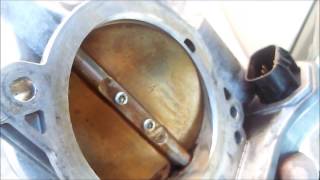
- Dirty or Sticking Throttle Body 🔴 High Probability → Shop Fuel Injection Throttle Body The 4.2L LL8 engine's crankcase ventilation system can deposit oil vapor and carbon onto the throttle body over time, causing the throttle plate to bind and not respond correctly to PCM commands. This is the most common first thing to check.
How to confirm: Remove the air intake tube connected to the throttle body. Visually inspect the throttle plate and bore for a thick, black layer of carbon buildup. Manually (with the ignition off) push the plate to feel for any sticking or binding; it should move smoothly with spring pressure and return to a slightly open position.
Typical fix: Remove the throttle body from the intake manifold and clean it thoroughly on both sides with dedicated throttle body cleaner and a soft brush or rag. Cleaning it while still on the vehicle is often not sufficient. Replace the gasket upon reinstallation.
Est. part cost: $5-$15 - Failing Throttle Body Assembly 🔴 High Probability → Shop Fuel Injection Throttle Body The integrated Throttle Position Sensors (TPS) and actuator motor inside the assembly wear out over time, leading to dead spots, erratic signals, or complete failure. This is a very common failure item after a cleaning does not resolve the issue.
How to confirm: If a thorough cleaning doesn't fix the code, the issue is very likely the throttle body itself. A professional can use a scan tool to graph the commanded vs. actual throttle position; any jumps, dropouts, or disagreements point to a bad throttle body. Owners often report that the problem is intermittent at first.
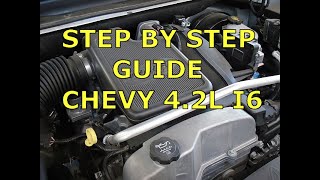
Typical fix: Replace the entire throttle body assembly. The sensors and motor are not serviced separately on this platform. 🎬 See this walkthrough for replacing the entire throttle body assembly. A relearn procedure is required after replacement, which can be accomplished by disconnecting the battery for at least 30 minutes to reset the PCM or by following a specific idle sequence.
Est. part cost: $150-$400 - Wiring Harness or Connector Issues 🟡 Medium Probability The engine's heat and vibration can make the wires near the throttle body connector brittle. The copper strands can break inside the insulation, causing an intermittent open circuit that is hard to see. This is a well-documented issue in owner forums.
How to confirm: With the engine idling, carefully wiggle the wiring harness near the throttle body connector. If this causes the engine to stumble, the idle to change, or the code to set, you have found the problem area. Visually inspect the connector for backed-out pins, corrosion, or damage. Pay close attention to the harness where it may rub or be secured tightly.
Typical fix: Repair the broken wire(s) or replace the connector pigtail. Soldering and heat-shrinking the repair is recommended for durability. Common pigtail part numbers include ACDelco PT2628 or Dorman 645-203.
Est. part cost: $15-$50 - Poor Ground Connections ⚪ Low Probability Corrosion can build up on major engine and chassis ground points over time, creating unwanted resistance and causing intermittent voltage drops to the PCM and throttle control system. Key grounds for the GMT360 platform are often cited as sources of electrical gremlins.
How to confirm: Locate the main ground straps/wires. On the GMT360 platform, key locations include G103 (cowl, above brake booster) and G104 (rear of driver's side cylinder head). Inspect for looseness, fraying, or corrosion. Use a multimeter to check for voltage drops between the battery negative terminal and the engine block/chassis.
Typical fix: Remove, clean all contact surfaces with a wire brush, and securely re-fasten all affected ground connections. It may be beneficial to add a redundant ground wire as a preventative measure.
Est. part cost: $0-$10
Rare But Worth Checking
- Faulty Accelerator Pedal Position (APP) Sensor: → Shop Accelerator Pedal Assembly While this usually sets different codes (like P1221, P1271, or P2138), a fault in the pedal sensor can sometimes contribute to general throttle system errors as it shares a 5-volt reference circuit with other components. It's less likely for P1515 specifically but is part of the same system.
- Faulty Powertrain Control Module (PCM): This is very rare. The PCM should only be considered a cause after all other possibilities—throttle body, wiring, and grounds—have been exhaustively ruled out. A failing PCM can cause a wide range of seemingly unrelated codes.
- Shorted 5V Reference Circuit (e.g., Fan Clutch): A short circuit in another component that shares the 5-volt reference line with the throttle body can cause this code. On the GMT360 platform, a known, though uncommon, culprit is the electronically controlled fan clutch. Unplugging the fan clutch connector and seeing if the code disappears is a valid diagnostic step.
Diagnosis Steps
- Read the code with an OBD-II scanner to confirm P1515 and any other related codes.
- Visually inspect the throttle body for heavy carbon buildup. This is the most common cause.
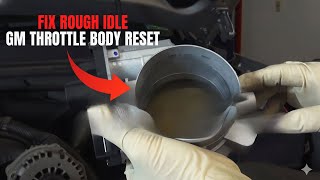
- If dirty, remove the throttle body and clean it thoroughly. Reinstall with a new gasket and perform a throttle relearn procedure by letting the engine idle for 3 minutes, turning it off for 60 seconds, and idling again for 3 minutes. 🎬 Watch: How to manually reset and relearn your GM throttle body.
- If the code returns, inspect the wiring harness and connector at the throttle body. With the engine running, wiggle the wires to check for intermittent faults. Check for broken wires or damaged pins.
- Check and clean major engine and chassis ground points for corrosion or looseness, specifically G103 and G104.
- If wiring and grounds are good, consider unplugging the electronic fan clutch connector to rule out a short on the shared 5V reference circuit. Clear codes and see if they return.
- If cleaning, wiring, and grounds are all confirmed good, the throttle body assembly itself is highly suspect and should be replaced.
- As a final, less common step, diagnose the Accelerator Pedal Position (APP) sensor and the PCM.
Parts You'll Likely Need
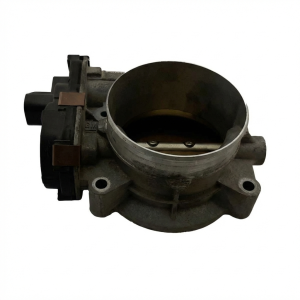
- Throttle Body Assembly
(OEM #12694872)— This is the most common fix when a thorough cleaning does not resolve the P1515 code. The internal sensors and motor fail over time. The OEM part number 12694872 is a genuine GM part.
Trusted brands: ACDelco (OEM), Hitachi, Standard Motor Products (SMP), Cardone (Remanufactured)
OEM price range: $250-$400
Aftermarket price range: $150-$250 - Throttle Body Gasket
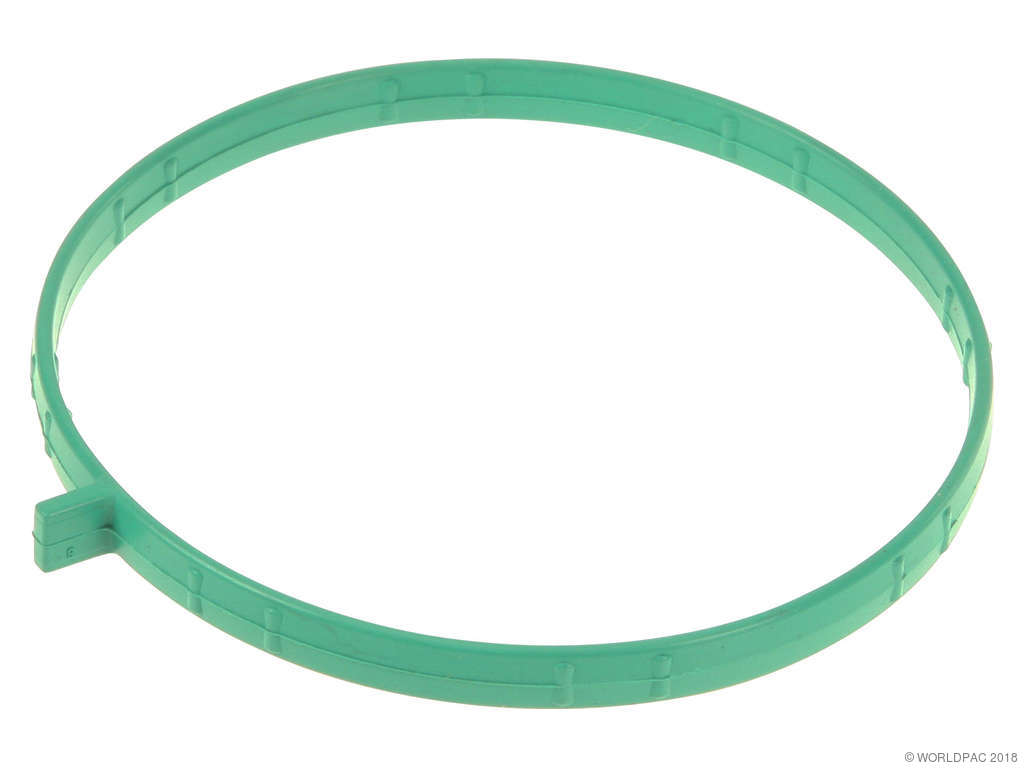
(OEM #8890561)— Must be replaced whenever the throttle body is removed to prevent vacuum leaks.
Trusted brands: ACDelco, Fel-Pro, Mahle
OEM price range: $10-$20
Aftermarket price range: $5-$15 - Throttle Body Connector Pigtail
(OEM #88986221)— The wiring near the connector becomes brittle from heat and vibration, causing intermittent connections. Replacing the pigtail is often necessary if wiggling the harness triggers the fault. The corresponding ACDelco part number is PT2628.
Trusted brands: ACDelco, Dorman
OEM price range: $30-$50
Aftermarket price range: $15-$30
Related Codes That Often Appear With This One
- P1516 — This code is very similar to P1515 and relates to Throttle Actuator Control (TAC) Module performance. They often appear together and point to the same set of problems with the throttle body or its wiring.
- P2135 — This code indicates a correlation error between the two throttle position sensors (TPS 1 and TPS 2). It's another strong indicator that the throttle body assembly is failing internally. TSB #11-06-04-007C addresses this code, though it's more common on later models.
- P1221 / P1271 — These codes relate to the Accelerator Pedal Position (APP) sensor. If they appear with P1515, it could point to a wider issue with the 5-volt reference circuit that is shared between the throttle body and the pedal assembly.
Technical Service Bulletins (TSBs) & Recalls
- TSB #07-06-04-019: Addresses multiple throttle-related DTCs including P1515, P1516, and P2135, often pointing towards issues with the throttle body assembly or wiring.
- TSB #3113 / 10010835: A 2004 bulletin that lists P1515 among a host of other potential PCM-related codes, indicating a known area of concern for GM.
Platform-Specific Known Issues
- The wiring harness for the throttle body is known to become brittle and fail within a few inches of the connector due to engine heat and vibration.
- The GMT360 platform is noted for having grounding issues as it ages, which can manifest as various difficult-to-diagnose electronic problems, including throttle faults.
Mechanic-Grade Diagnostic Values
- Throttle Actuator Control (TAC) Motor Resistance — expected: 2 to 13 Ohms. Failure: A reading below 1 Ohm indicates an internal short; an open circuit (OL) indicates a break in the motor winding. Test is performed between pins E (Yellow) and F (Brown) on the throttle body connector.
- Throttle Position Sensor 1 (TPS1) Resistance — expected: Approximately 3.0 kOhms. Failure: An open circuit (OL) or a reading significantly different from 3 kOhms indicates a faulty sensor. Test is performed between pins C and G on the throttle body.
- Throttle Position Sensor (TPS) Signal Voltage (Scan Tool) — expected: ~0.5V to 0.7V at idle (closed throttle), sweeping smoothly to ~4.5V at wide-open throttle.. Failure: Voltage that is jumpy, erratic, or has dead spots as the throttle plate is slowly opened indicates a worn TPS.
- 5-Volt Reference at Throttle Body Connector — expected: A steady 5 volts at the reference wire pins with key on, engine off.. Failure: Low, absent, or fluctuating voltage points to a wiring issue, a short in another sensor on the same circuit (like the fan clutch), or a PCM fault.
Scan Tool Commands That Help
- Tech 2 / GDS2: Idle Learn Reset / Throttle Learn Reset — This is the official GM method to perform the throttle body relearn procedure after cleaning or replacement. It forces the PCM to find the new minimum throttle position immediately. While a manual procedure often works, this is the most reliable method.
- Tech 2 / GDS2: Throttle Position Graph (Commanded vs. Actual) — This is the definitive way to confirm a failing throttle body. By graphing the PCM's commanded throttle angle against the actual angle reported by the sensors, any lag, jump, or disagreement becomes instantly visible, confirming an internal fault.
Wiring & Ground Locations
- Throttle Body Connector — The 8-pin electrical connector on the throttle body assembly.. This is the single point of failure for all throttle body electrical signals. Pins E (Yellow) and F (Brown) control the motor. The other pins (A, B, C, D, G, H) are for the two TPS sensors, their 5V reference, and ground circuits. Corrosion or broken wires here are a direct cause of P1515.
- G103 — On the cowl in the engine compartment, located above the brake booster.. This is a critical ground point for the Body Control Module (BCM), Instrument Panel Cluster (IPC), and the Data Link Connector (DLC). A poor connection here can cause a wide range of communication and sensor issues, including problems with the throttle control system.
- G104 — On the rear of the driver's side cylinder head.. This is a primary engine ground. Poor contact here can cause unstable sensor readings and intermittent electrical faults for engine management components, including the throttle body.
- G101 — On the lower front of the engine block.. This is a primary ground for the Engine Control Module (ECM). A bad ground here can directly affect the ECM's ability to control the throttle body and interpret its sensor data correctly.
Real Owner Repair Stories
- 2CarPros Forum User (2002 Cadillac Escalade (similar GM platform)) — Reduced Engine Power light, sputtering, and stalling, but only when the ambient temperature was below freezing. Codes P1221 and P1515 appeared.
❌ Tried (didn't work) Replacing the Throttle Position Sensor (TPS), Cleaning the throttle body, Replacing the Mass Airflow Sensor, Replacing the throttle body gasket
✅ What actually fixed it Replacing the entire throttle body assembly. The problem was internal to the unit and temperature-sensitive. The owner noted that finding a replacement part was difficult, eventually sourcing a remanufactured unit. - CorvetteForum User (Corvette with similar drive-by-wire system) — P1515 and 'Engine power reduced' mode immediately after reinstalling the air intake assembly.
❌ Tried (didn't work) Resetting codes
✅ What actually fixed it A foreign object was holding the throttle blade open. A rubber band-like reducer from the aftermarket air intake coupler had fallen into the throttle body and was wedged against the throttle plate, preventing it from closing to the position the PCM expected. - NHTSA ODI #10318423 (GMC Yukon XL 2500 - similar make) — An owner reported experiencing "Reduced Engine Power" with service engine lights and trouble codes P2135, P0120, P1515, and P0220. Despite spending nearly $2000 on service, the problem remained unresolved.
OEM Part Supersession History
12570800→19420713— Standard part lifecycle update, likely incorporating design or material improvements for durability.
Heads up: The new part number (19420713) is the correct service replacement for the original. The corresponding ACDelco service part is 217-2296.12616437→12694872— Standard part lifecycle update.
Model Year Variations Within This Range
- 2002-2007 vs 2008-2009: The electronic throttle body assembly uses different part numbers. For example, earlier models often use part number 12568580, while later models (2008-2009) may use 12616437 or a successor. While physically similar, the internal electronics or calibrations may be different, making them potentially incompatible. Always verify the part number with the vehicle's VIN.
Diagnostic Flowchart
Other Known Issues on This Vehicle
Issues unrelated to this code that are worth knowing about as an owner of this generation:
- Cracked Exhaust Manifold 🔴 High — Very common across all years. Often presents as a ticking noise that is loudest on a cold start and may quiet down as the engine warms up. Bolts, especially the rearmost one, are prone to breaking during removal. (Ref: Special Coverage Adjustment 11221A for 2008-2009 models (up to 120,000 miles), but the issue affects all years.)
- Failing Electronic Fan Clutch 🟠 Medium — Common failure item. Symptoms include a loud 'jet engine' or 'roaring' sound from the engine bay (clutch stuck on), overheating at idle (clutch not engaging), or a wobbly fan.
- Faulty Ignition Switch 🟠 Medium — Can cause a no-start/no-crank condition, or allow the engine to shut off but keep accessory power on, draining the battery. The key may get stuck or not turn.
- Bad Water Pump 🟠 Medium — A common failure point as the vehicle ages, often leading to coolant leaks from the sweep hole or bearing failure, which can cause a wobbly fan pulley.
- Fuel Level Sensor Failure 🟡 Low — The fuel gauge becomes erratic or reads empty when the tank is full. This is due to failure of the sensor which is part of the fuel pump module inside the gas tank.
Used vs. New Parts: Buying Guide for This Vehicle
When a used part is the smart pick: A used throttle body from a junkyard can be a cost-effective option, especially if the vehicle is older and the budget is tight. Since this is a common failure item, a used part is a gamble, but can work as a short-to-medium term solution.
Donor-vehicle mileage cap: roughly under 80000 miles for the part to have meaningful remaining life.
What to inspect on the donor part:
- Look for a donor vehicle with the lowest possible mileage.
- Inspect the throttle bore for excessive carbon buildup; a cleaner unit may indicate better engine health and less wear.
- Check the electrical connector pins for any signs of corrosion, bending, or damage.
- Avoid parts from vehicles that show signs of being in a major front-end collision.
Aftermarket brands forum-validated for this vehicle:
- ACDelco (GM Original Equipment)
- Hitachi
- Bosch
- Standard Motor Products (SMP)
Brands owners have reported issues with on this vehicle:
- Unbranded, 'white-box' parts from online marketplaces may have a higher failure rate. While Dorman offers a version with a redesigned seal, some users prefer to stick with OEM or OEM-supplier brands like Hitachi or Bosch for electronic components.
Real Owner Stories
Aggregated from forums and TSBs cited above. Mileages and costs reflect what owners reported in those sources.
2002-2009 GMC Envoy 4.2L LL8 I6
Symptoms: Owner experienced intermittent failure, stalling, and sudden P1515 and P1516 codes.
What fixed it: After confirming with a scan tool that sensors were progressing correctly and that wiggling wires did not reproduce the fault, the owner concluded it was an intermittently failing throttle body assembly that needed replacement.
Source hint: GMTNation: 'Sudden p1515 and p1516 codes with stalling'
2002-2009 GMC Envoy 4.2L LL8 I6
Symptoms: Vehicle was setting P1515 and P1221 codes.
What fixed it: A unique diagnostic step was suggested and followed: unplugging the electronic fan clutch to rule out a short on the shared 5-volt reference circuit, which can mimic a throttle body fault.
Source hint: GMTNation: 'P1515 and P1221'
2002-2009 GMC Envoy 4.2L LL8 I6
Symptoms: Owner needed to replace the throttle body and was unsure of the correct relearn procedure for the I6 engine.
What fixed it: The owner confirmed that for the I6 engine, a successful 'relearn' was accomplished by simply disconnecting the battery for over 30 minutes to allow the PCM to reset and learn the new throttle body's parameters.
Source hint: GMTNation: 'Throttle body swap'
2002-2009 GMC Envoy 4.2L LL8 I6 — ~165000 miles
Symptoms: Intermittent 'Reduced Engine Power' mode and P1515 code, which could not be resolved by cleaning the throttle body.
What fixed it: The problem was traced to broken copper strands inside the insulation of the wiring harness, a few inches from the throttle body connector. Repairing the broken wires using a new connector pigtail (such as ACDelco PT2628 or Dorman 645-203) resolved the issue.
Source hint: Vehicle Specific Issue: Brittle wiring harness near connector
Related OBD-II Codes
Frequently Asked Questions
I cleaned my Envoy's throttle body, but the P1515 code came back. What should I check next?
Is the wiring harness near the throttle body a known problem on the 4.2L engine?
Are there any official GM Technical Service Bulletins (TSBs) for code P1515 on this vehicle?
How do I perform the throttle relearn procedure after replacing the throttle body on my 2005 Envoy?
What are the specific ground locations I should check for electrical issues causing P1515?
I heard unplugging the fan clutch can help diagnose P1515. Why is that?
Does this P1515 problem also affect the Chevrolet Trailblazer or Buick Rainier?
Helpful Videos

Used OEM Parts in Stock
New Aftermarket Parts Available




The information in this article is provided for general reference and educational purposes only. Vehicle specifications, procedures, and part compatibility can vary by production date, trim level, and region. Always consult your vehicle's factory service manual and verify part numbers before purchasing or performing repairs. Safety-critical components such as airbags, seat belts, and braking systems should be installed by a qualified professional.
- GMC Envoy:
- 🧭 Diagnostic Flowchart
- 🎬 Helpful Videos
- 🛍️ Shop This Part
- What's Unique About the 2002-2009 GMC Envoy
- Symptoms You May Notice
- Most Likely Causes
- Rare But Worth Checking
- Diagnosis Steps
- Parts You'll Likely Need
- Related Codes That Often Appear With This One
- Technical Service Bulletins (TSBs) & Recalls
- Platform-Specific Known Issues
- Mechanic-Grade Diagnostic Values
- Scan Tool Commands That Help
- Wiring & Ground Locations
- Real Owner Repair Stories
- OEM Part Supersession History
- Model Year Variations Within This Range
- Other Known Issues on This Vehicle
- Used vs. New Parts: Buying Guide for This Vehicle
- Real Owner Stories
- 2002-2009 GMC Envoy 4.2L LL8 I6
- 2002-2009 GMC Envoy 4.2L LL8 I6
- 2002-2009 GMC Envoy 4.2L LL8 I6
- 2002-2009 GMC Envoy 4.2L LL8 I6 — ~165000 miles
- Related OBD-II Codes
- Frequently Asked Questions
- 🎟️ Get 5% Off