

P1516 on 2006-2010 Hummer H3: Reduced Power Causes and Fixes
P1516 on a Hummer H3 almost always means the throttle body is dirty, failing, or has a bad electrical connection, causing a 'Reduced Engine Power' warning. Cleaning the throttle body often fixes it; if not, a replacement assembly costs between $100 and $250. In some cases, poor grounding is the underlying issue.
- P1516 on an H3 will almost certainly trigger the 'Reduced Engine Power' message, making the vehicle slow and unresponsive.
- Before buying any parts, the first step should always be to thoroughly clean the throttle body and its electrical connector. This resolves the issue in many cases.
- The issue is well-documented by GM through multiple service bulletins, especially concerning high mileage and very cold weather.
- If cleaning doesn't work, the entire throttle body assembly usually needs to be replaced. It is a single component that includes the likely failed sensors and motor.
What's Unique About the 2006-2010 Hummer H3
On the Hummer H3 and its platform mates (Chevy Colorado/GMC Canyon), the electronic throttle control system is known to be sensitive. As documented in GM's own Technical Service Bulletins, these systems can act up due to carbon buildup in high-mileage vehicles (TSB #PIP4578B) or from the throttle plate icing in extremely cold temperatures (TSB #PIP4573B). This leads to a higher-than-average likelihood of the P1516 code appearing due to a physically obstructed or sticking throttle plate. Furthermore, forum discussions frequently highlight poor or corroded ground connections as a persistent issue on these trucks, which can cause intermittent electrical faults that trigger a P1516 code even after the throttle body has been cleaned or replaced.
Diagnostic Flowchart
Tap your situation to follow the diagnostic path that matches what you're seeing on this vehicle.
Symptoms You May Notice
- "Reduced Engine Power" message on the dashboard
- Check Engine Light is on
- "Service Stab Sys" or "Traction Failed" messages may also appear
- Little to no throttle response or a feeling of hesitation
- Rough or unstable idle
- Engine may stall, especially when coming to a stop
- Vehicle may not accelerate past a very low speed
- Accelerator Pedal Position (APP) Sensor: While the APP sensor is part of the overall throttle control system, it has its own set of diagnostic codes (e.g., P2138). P1516 specifically points to an issue at the throttle body itself, not the pedal.
Most Likely Causes
- Dirty or Sticking Throttle Body 🔴 High Probability → Shop Fuel Injection Throttle Body Carbon and oil vapor from the PCV system can build up in the throttle body, causing the throttle plate to stick. This is especially noted in TSB #PIP4578B for high-mileage vehicles and TSB #PIP4573B for cold-weather icing. This is the most common starting point for diagnosis.
How to confirm: Visually inspect the throttle body bore and plate for a ring of black carbon buildup. The plate should move smoothly and snap back to its closed position. To inspect, the throttle plate can be opened by hand (with the key out of the ignition) or by having an assistant press the accelerator pedal with the key on, engine off.
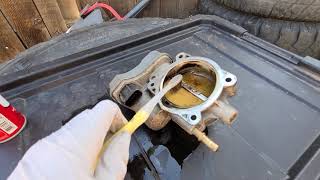
Typical fix: Clean the throttle body thoroughly with a dedicated throttle body cleaner and a soft cloth or brush. 🎬 Watch: Step-by-step guide to cleaning your Hummer H3 throttle body. After cleaning and reinstallation, a throttle relearn procedure is required. This often involves letting the engine idle for 3 minutes, turning it off for 60 seconds, and then idling for another 3 minutes.
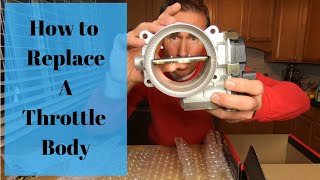
Est. part cost: $5-$15 - Failing Throttle Body Assembly 🟡 Medium Probability → Shop Fuel Injection Throttle Body The internal components of the assembly, including the throttle position sensor (TPS) and the actuator motor (TAC), can wear out. GM issued special coverage (#14582A, #11273A) for the TPS on these vehicles, acknowledging it as a weak point. Forum users often report that after multiple cleaning attempts, only a full replacement solves the issue. 🎬 See this walkthrough on how to replace the throttle body assembly.
How to confirm: If cleaning the throttle body and checking the wiring does not resolve the code, the assembly itself is the likely failure point. A scan tool can monitor commanded vs. actual throttle position percentages; a discrepancy indicates a faulty unit. The internal carbon tracks of the TPS can wear out, causing erratic signals.
Typical fix: Replace the entire throttle body assembly. It is sold as a single unit including the sensor and motor. An idle relearn procedure must be performed after replacement.
Est. part cost: $100-$250 - Wiring or Connector Issue 🟡 Medium Probability The wiring harness to the throttle body is exposed to engine heat and vibration, which can cause wires to break inside the insulation or the connector pins to become loose or corroded over time. This is a very common point of failure, sometimes more so than the throttle body itself.
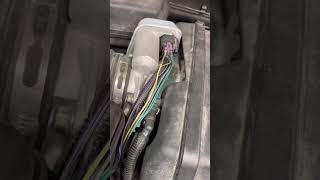
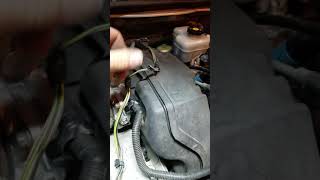
How to confirm: With the engine running, carefully wiggle the wiring harness near the throttle body connector to see if it causes the engine to stumble or the code to appear. Visually inspect the connector for corrosion, backed-out pins, or damage. Use an electronics cleaner on the connector pins.
Typical fix: Repair the broken wire or replace the pigtail connector. Clean the connector pins with electronic contact cleaner and apply dielectric grease. Pigtail connectors are widely available.
Est. part cost: $15-$50
Rare But Worth Checking
- Weak Battery or Poor Ground Connection: A low voltage condition during startup can trigger a P1516 code before other, more obvious battery-related symptoms appear. More importantly, corroded or loose engine ground straps are a known cause of intermittent P1516 codes on GM trucks. Owners have reported fixing the issue permanently by adding redundant ground wires from the engine block and TAC module to the firewall or chassis.
- Failing Engine Control Module (ECM): This is very rare. The ECM should only be considered a potential cause after all other possibilities (throttle body, wiring, grounds) have been definitively ruled out. One owner on HummerForums.com ultimately traced their issue to a short in the wiring leading to the PCM, which required re-wiring to resolve.
Diagnosis Steps
- Read all fault codes using an OBD-II scanner. Note any other codes that appear with P1516, especially P2101, P2135, and P2176.
- Check battery voltage and inspect terminals for tightness and corrosion. A weak battery can cause this code on startup.
- Inspect the air intake tube between the air filter and throttle body for cracks or loose clamps.
- Visually inspect the throttle body electrical connector for loose pins, corrosion, or damaged wires. Wiggle the harness with the engine running to check for intermittent faults.
- Disconnect the intake tube and inspect the throttle body bore and plate for heavy carbon buildup or icing (in cold weather).
- If dirty, remove and clean the throttle body thoroughly using a dedicated cleaner and a soft rag. Do not just spray cleaner into the intake.
- After cleaning, perform a throttle relearn procedure. This can often be done by idling the engine for 3 minutes, turning the ignition off for 60 seconds, and then idling again for 3 minutes.
- If the code returns, inspect engine ground straps. Check the main grounds on the engine block, frame, and firewall for corrosion or looseness. Consider adding redundant grounds as a robust fix.
- If wiring and grounds are confirmed good and cleaning did not solve the issue, the throttle body assembly is likely faulty and should be replaced.
- After replacement, a final throttle relearn procedure is necessary.
Parts You'll Likely Need
- Throttle Body Assembly
(OEM #12694877)— This is the most common fix when cleaning fails. The assembly includes the integrated throttle position sensor (TPS) and actuator motor, which are the typical failure points. This part number supersedes previous versions 12588244, 12616438, and 12631016.
Trusted brands: ACDelco, Standard Motor Products, Hitachi, Dorman
OEM price range: $180-$250
Aftermarket price range: $100-$180 - Throttle Body Connector Pigtail
(OEM #ACDelco PT2631)— The wiring connector is a frequent failure point due to broken wires or loose terminals. Replacing the pigtail is often necessary to ensure a solid connection. Different connectors exist for different years; 2006-2007 models may use an 8-pin connector while 2008-2010 use a 6-pin. It is critical to verify which connector your vehicle has.
Trusted brands: ACDelco, Standard Motor Products, Dorman
OEM price range: $30-$50
Aftermarket price range: $15-$40 - Throttle Body Cleaner — Often, a simple but thorough cleaning is all that is needed to fix a sticking throttle plate that causes this code.
Related Codes That Often Appear With This One
- P2101 — This code, 'Throttle Actuator Control Motor Circuit Range/Performance', is often set alongside P1516 as it also relates to the performance of the motor within the throttle body.
- P2135 — 'Throttle/Pedal Position Sensor/Switch A/B Voltage Correlation' often appears with P1516. It indicates a disagreement between the two position sensors within the throttle body, which is a common failure mode.
- P2119 — 'Throttle Closed Position Performance' can be triggered if the throttle plate is sticking and not returning to its home position correctly, a common cause of P1516.
- P2176 — 'Minimum Throttle Position Not Learned' is directly related, as the ECM cannot learn the proper closed position if the throttle plate is sticking or the sensor is faulty. It is mentioned in TSB #PIP4578B and #PIP4573B alongside P1516.
Technical Service Bulletins (TSBs) & Recalls
- PIP4578B: Superseded PI, relates P1516 to idle surge and reduced power on high-mileage vehicles.
- PIP4573B: Relates P1516 to cold start issues in freezing temperatures due to PCV system moisture.
Platform-Specific Known Issues
- TSB #PIP4578B: Notes that high-mileage vehicles may experience idle surge, reduced power, and set P1516 due to throttle body issues. This PI was created to address DTCs P0068, P0121, P1516, P2101, P2119, and/or P2176.
- TSB #PIP4573B: Specifically calls out that P1516 can be set during cold starts in ambient temperatures around -10°F (-23°C), likely due to throttle plate icing from a frozen PCV system. It advises checking the PCV hoses for ice/sludge and notes a weak battery can worsen the issue in the cold.
- Special Coverage #11273A / #14582A: GM extended the warranty on the throttle body assembly to 10 years/120,000 miles for some model years due to high failure rates of the internal position sensor. While expired, this confirms it's a known problem part.
- Grounding Issues: A recurring theme in owner forums is the importance of checking and reinforcing engine grounds. Many owners have chased the P1516 code, replacing multiple parts, only to find the root cause was a corroded or loose ground strap between the engine, firewall, and chassis.
Mechanic-Grade Diagnostic Values
- Throttle Actuator Control (TAC) Motor Resistance — expected: 2 to 15 Ohms. Failure: A reading over the limit indicates an open circuit, while a reading below 1 Ohm indicates a short circuit.
- Battery Voltage While Cranking — expected: Above 10.0 Volts. Failure: Voltage dropping below 10.0V during cranking can indicate a weak battery or poor connections, which may trigger spurious TAC module codes.
Scan Tool Commands That Help
- Tech2 / GDS2 / Professional Scan Tool: Idle Learn Reset / Throttle Position Reset — This function is required after cleaning or replacing the throttle body to allow the ECM to relearn the new closed throttle position. Failure to perform this can cause continued idling issues and prevent the P1516 code from clearing.
- Tech2 / GDS2 / Professional Scan Tool: Live Data PID: 'TP Sensor 1 and 2 Agree/Disagree' — When diagnosing an intermittent issue, monitoring this parameter while wiggling wires or operating the throttle can confirm a fault within the throttle body's internal sensors. If it ever displays 'Disagree', a fault is present.
Wiring & Ground Locations
- G103 — On the lower left side of the engine block, forward of G102.. This is a primary engine block ground. Corrosion or looseness here can cause a voltage differential between the engine sensors (like the TAC) and the chassis, leading to communication errors and codes like P1516.
- G105 — On the left inner front wheel well, behind the battery.. This is a major chassis ground point near the battery. A poor connection here can affect the entire electrical system, causing low voltage conditions that are known to trigger throttle-related fault codes.
- G106 — On the right inner front wheel well, behind the battery. Some diagrams show it on the forward dash panel in the right rear of the engine compartment.. This is often the main ground from the battery to the body/frame. Due to its location, it is highly susceptible to corrosion from tire spray, which can cause intermittent and hard-to-diagnose electrical issues, including P1516.
- Throttle Body Connector (X108) — The electrical connector on the throttle body itself.. The pins for the two Throttle Position Sensors (TPS1, TPS2) and the two wires for the TAC motor are located here. All signals go directly from this connector to the Engine Control Module (ECM). Wiggling this connector with the engine running is a key diagnostic step.
Real Owner Repair Stories
- Tahoe Yukon Forum user 'mdmcinti' (2003-2007 Classic Body Style GM Truck/SUV) — Recurring 'Reduced Engine Power' message and P1516 code, especially on cold starts or when hitting bumps.
❌ Tried (didn't work) Initially believed adding redundant ground wires from the firewall to the engine block and from the TAC module to the firewall had fixed it, but the problem returned.
✅ What actually fixed it The root cause was a poorly crimped wire in the aftermarket throttle body pigtail connector. Shaking the harness near the connector caused the idle to change, confirming a loose connection. Repairing the bad crimp permanently solved the issue. - Chevrolet Forum user 'ed yo' (GM Truck with P1516) — 'Reduced Engine Power' message, stalling.
❌ Tried (didn't work) Cleaning the throttle body., Replacing the throttle body with an aftermarket (Cardone) unit., Paying a GM dealer for diagnosis and a software update.
✅ What actually fixed it Replacing the aftermarket throttle body with a genuine ACDelco unit finally resolved the problem, suggesting the aftermarket part was faulty or incompatible.
When the Usual Fixes Don't Work
- While cleaning the throttle body or replacing it are the most common fixes, numerous owner accounts emphasize that these steps failed to provide a permanent solution. The most frequently cited 'final fix' after replacing parts is addressing a poor electrical ground. Several owners on forums for the H3 and its platform-mates have only resolved recurring P1516 codes by cleaning all major engine/chassis ground points (especially G106) and adding new, redundant ground straps between the engine block, firewall, and battery negative terminal. In another case, a user tried multiple parts, including an aftermarket throttle body, and only fixed the issue by installing a genuine OEM ACDelco part, suggesting quality control issues with some aftermarket replacements.
Model Year Variations Within This Range
- 2006-2007 vs 2008-2010: The throttle body electrical connector changed. Early models (approx. 2006-2007) may use an 8-pin connector, while later models (approx. 2008-2010) use a 6-pin connector. It is critical to visually verify the connector type before ordering a replacement pigtail.
- 2007+: For the 2007 model year, the base I5 engine was updated from 3.5L to 3.7L. While the P1516 fault is common to both, the specific throttle body part number may differ. Always verify the part number against the vehicle's VIN.
Helpful Videos
Used OEM Parts in Stock
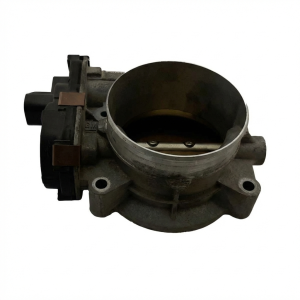
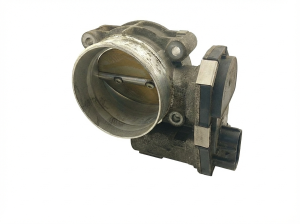
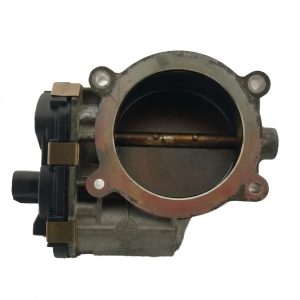
New Aftermarket Parts Available



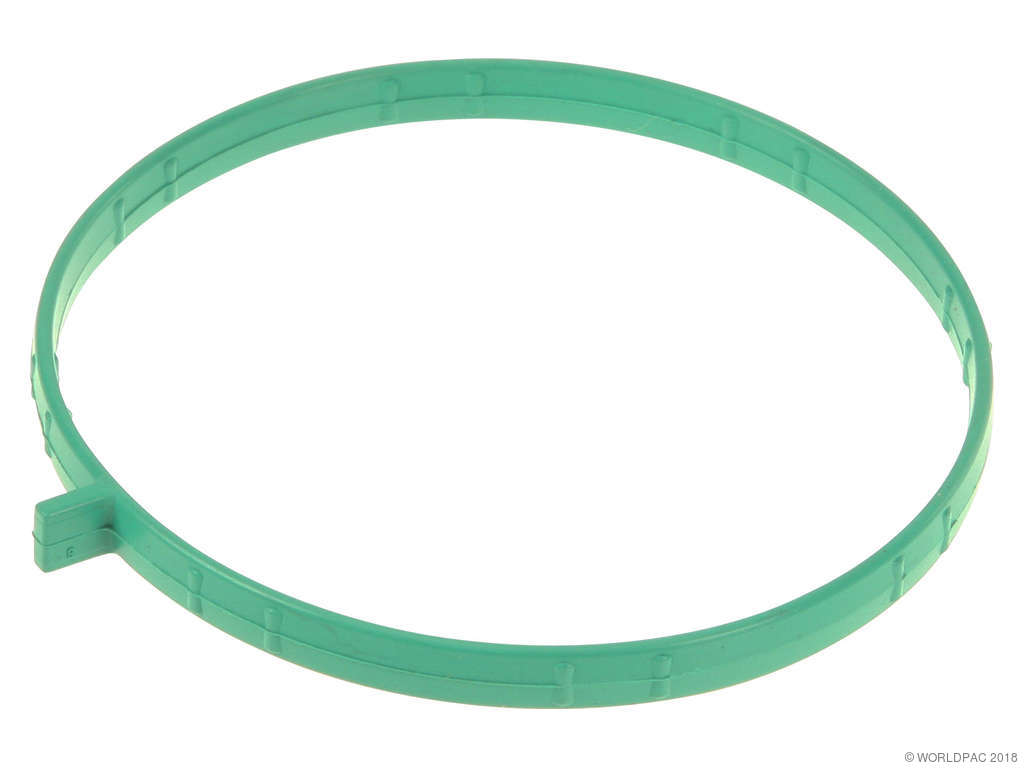


The information in this article is provided for general reference and educational purposes only. Vehicle specifications, procedures, and part compatibility can vary by production date, trim level, and region. Always consult your vehicle's factory service manual and verify part numbers before purchasing or performing repairs. Safety-critical components such as airbags, seat belts, and braking systems should be installed by a qualified professional.
- Hummer H3:
- 🧭 Diagnostic Flowchart
- 🎬 Helpful Videos
- 🛍️ Shop This Part
- What's Unique About the 2006-2010 Hummer H3
- Symptoms You May Notice
- Most Likely Causes
- Rare But Worth Checking
- Diagnosis Steps
- Parts You'll Likely Need
- Related Codes That Often Appear With This One
- Technical Service Bulletins (TSBs) & Recalls
- Platform-Specific Known Issues
- Mechanic-Grade Diagnostic Values
- Scan Tool Commands That Help
- Wiring & Ground Locations
- Real Owner Repair Stories
- When the Usual Fixes Don't Work
- Model Year Variations Within This Range
- 🎟️ Get 5% Off