

P1516 on 2008-2009 Pontiac G8 6.0L: Causes and Fixes for Reduced Engine Power
For the 2008-2009 Pontiac G8, code P1516 almost always means the vehicle is in 'Reduced Engine Power' mode due to a fault in the electronic throttle control system. The most common fixes are inspecting the wiring harness at the throttle body for damage, cleaning and tightening main engine grounds, or replacing the entire electronic throttle body assembly, followed by a throttle relearn procedure.
- P1516 on a Pontiac G8 will immediately put the car in 'Reduced Engine Power' mode.
- Before buying a new throttle body, always check the wiring connector for damage and verify battery connections and engine grounds are clean and tight.
- A simple 'wiggle test' of the throttle body harness can quickly identify an intermittent wiring problem.
- If you replace the throttle body, a 'throttle relearn' procedure is necessary for the engine to idle correctly.
- Do not mistake this code for a bad gas pedal sensor; P1516 points specifically to a problem at the engine's throttle body.
What's Unique About the 2008-2009 Pontiac G8
The Pontiac G8 GT uses the 6.0L L76 V8, a Gen IV LS engine equipped with electronic 'drive-by-wire' throttle control. While the P1516 code is common across many GM vehicles, on the G8 platform, owner experiences suggest it can be triggered by aggressive driving, which may expose underlying electrical weaknesses. Furthermore, because the G8 is based on the Australian Holden Commodore, verifying electrical grounds (specifically G103, G110, G112) and battery connections is a critical first diagnostic step, as recommended by dealership technicians and confirmed by numerous owner repair stories on both G8 and Commodore forums.
Symptoms You May Notice
- "Reduced Engine Power" message displayed on the Driver Information Center (DIC).
- "Safety Mode" message may also appear.
- Check Engine Light is on.
- Vehicle has little to no throttle response.
- Severely limited acceleration and speed (limp mode).
- Unstable or rough idle.
- Engine may stall.
- Replacing the Accelerator Pedal Position (APP) sensor. P1516 points to a fault at the throttle body itself or its related circuits. A faulty pedal sensor would typically set other codes, such as P2138.
Most Likely Causes
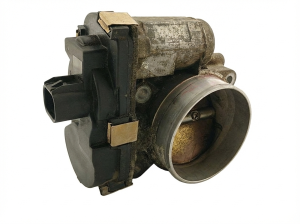
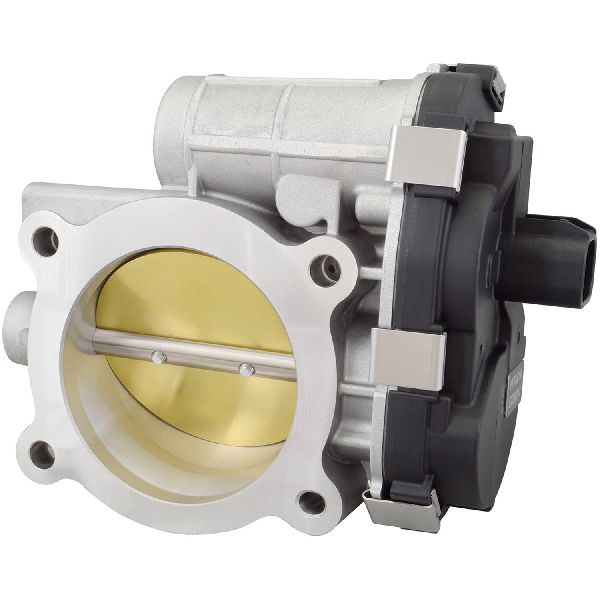
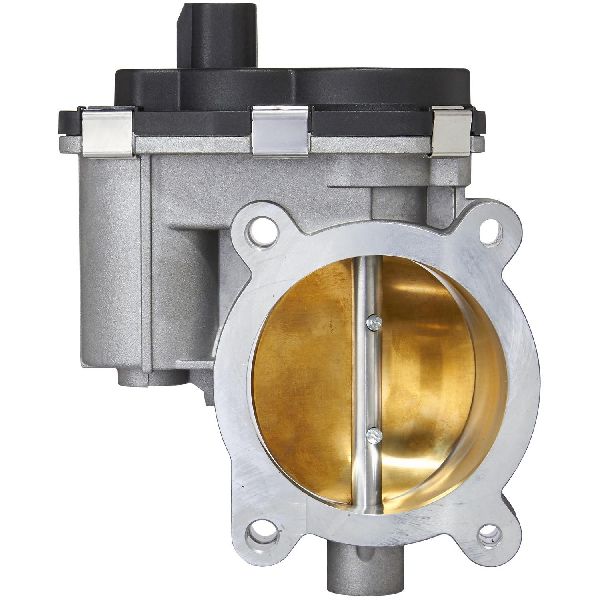
- Faulty Electronic Throttle Body Assembly 🔴 High Probability → Shop Fuel Injection Throttle Body The internal electronics, motor, or plastic gears of the throttle body can wear out over time. The integrated throttle position sensors can develop 'dead spots' on their contact surfaces, leading to incorrect readings. Holden Commodore forums note a distinction between throttle bodies with a 'silver' butterfly plate and a 'gold' one, suggesting different revisions exist, with both being susceptible to failure.
How to confirm: After ruling out wiring and grounds, use a scan tool to monitor commanded vs. actual throttle position. If there are significant deviations, hangs, or non-responsive moments, the throttle body is likely faulty. Many owners on forums report that after chasing wiring and ground issues, replacing the throttle body was the ultimate fix.
Typical fix: Replace the entire throttle body assembly. A throttle relearn procedure is required after installation. This can often be done without a scan tool.
Est. part cost: $150-$400 - Wiring Harness or Connector Issue 🟡 Medium Probability The wiring harness leading to the throttle body is exposed to engine heat and vibration, which can cause wires to break internally or the connector pins to lose connection over time.
How to confirm: With the engine running, carefully wiggle the wiring harness near the throttle body connector. If the engine stumbles or the code appears, a wiring fault is present. Visually inspect the connector for corrosion, backed-out pins, or damage.
Typical fix: Repair the damaged section of wire or replace the throttle body connector pigtail. The ACDelco PT2713 is a commonly used replacement pigtail. 🎬 Watch: How to diagnose and fix throttle body wiring issues.
Est. part cost: $20-$50 - Poor Ground or Low System Voltage 🟡 Medium Probability GM vehicles of this era are notoriously sensitive to grounding issues. A corroded or loose ground strap for the engine or PCM can cause erratic sensor readings and trigger this code. A weak battery can also cause the TAC module to report errors, especially during startup.
How to confirm: Check that battery terminals and the main power junction block are tight and free of corrosion. Inspect and clean the main engine-to-chassis ground straps. Key locations on the L76 are G103 (from RH front cylinder head to ABS bracket), G110 (On the right side of the engine block near the front face), and G112 (from LH rear cylinder head to engine harness). Test battery and alternator output.
Typical fix: Clean ground connection points to bare metal and tighten securely. Replace a weak battery or failing alternator.
Est. part cost: $0-$200 - Dirty or Binding Throttle Body ⚪ Low Probability → Shop Fuel Injection Throttle Body Carbon and oil residue from the PCV system can build up in the throttle bore, causing the throttle plate to stick or move slowly, creating a mismatch between commanded and actual position.
How to confirm: Remove the air intake tube and visually inspect the throttle plate and bore for heavy carbon buildup. Manually (with the engine off) move the plate to feel for any binding or sticking.
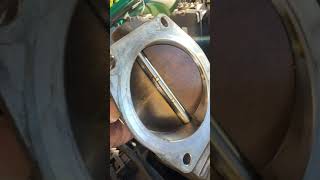
Typical fix: Clean the throttle body bore and plate with a dedicated throttle body cleaner and a soft cloth. Do not spray cleaner directly into the electronic components. A throttle relearn procedure should be performed after cleaning. 🎬 See this walkthrough on how to safely clean your G8 throttle body.
Est. part cost: $5-$15
Rare But Worth Checking
- Faulty Powertrain Control Module (PCM): This is very rare. The PCM should only be considered a potential cause after all other possibilities, including the throttle body, wiring, and grounds, have been thoroughly tested and ruled out. Diagnostic flow charts list this as the final step if all circuit tests pass.
Diagnosis Steps
- Read all stored fault codes. Note if P2101 or P2176 are present, as this is common.
- Check battery voltage and ensure terminals at the battery and under-hood junction block are clean and tight. A low voltage condition, especially during startup, can trigger this code.
- Inspect all major engine and PCM ground connections. Pay special attention to grounds G103, G110, and G112 on the L76 engine. Ensure they are tight and free of corrosion.
- With the engine off, remove the air intake duct from the throttle body. Inspect the throttle bore and plate for heavy carbon buildup. Clean if necessary.
- Visually inspect the wiring harness and connector at the throttle body. Look for chafed wires, loose pins, or corrosion. The connector itself can be a point of failure.
- Perform a 'wiggle test': With the engine idling, carefully move the wiring harness near the throttle body to see if it causes the engine to stumble or the code to set.
- If a scan tool is available, monitor the commanded throttle position versus the actual throttle position (TPS 1 and 2). The values should track each other closely as the accelerator is pressed. Any significant lag or deviation points to a faulty throttle body.
- If wiring, grounds, and cleanliness are all good, but the throttle position data is erratic or does not match the commanded position, the throttle body assembly is the most likely cause of the failure.
- After replacing or cleaning the throttle body, perform a Throttle Relearn Procedure. For many GM vehicles, this can be done manually: Start the engine and let it idle in Park for 3 minutes. Turn the engine off for at least 60 seconds. Restart the engine and let it idle in Park for another 3 minutes. The idle should now be stable.
Parts You'll Likely Need
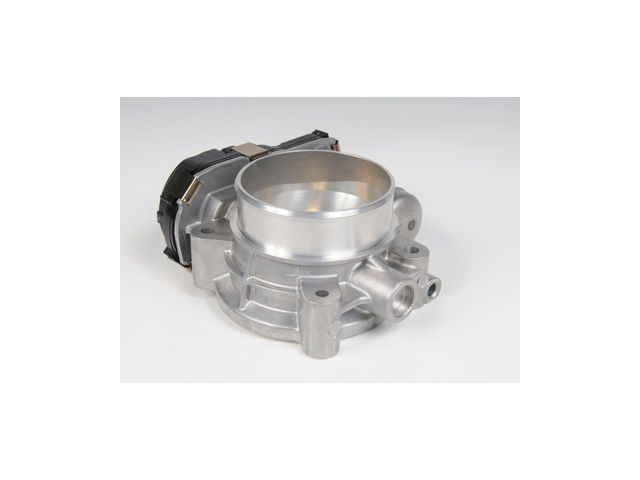
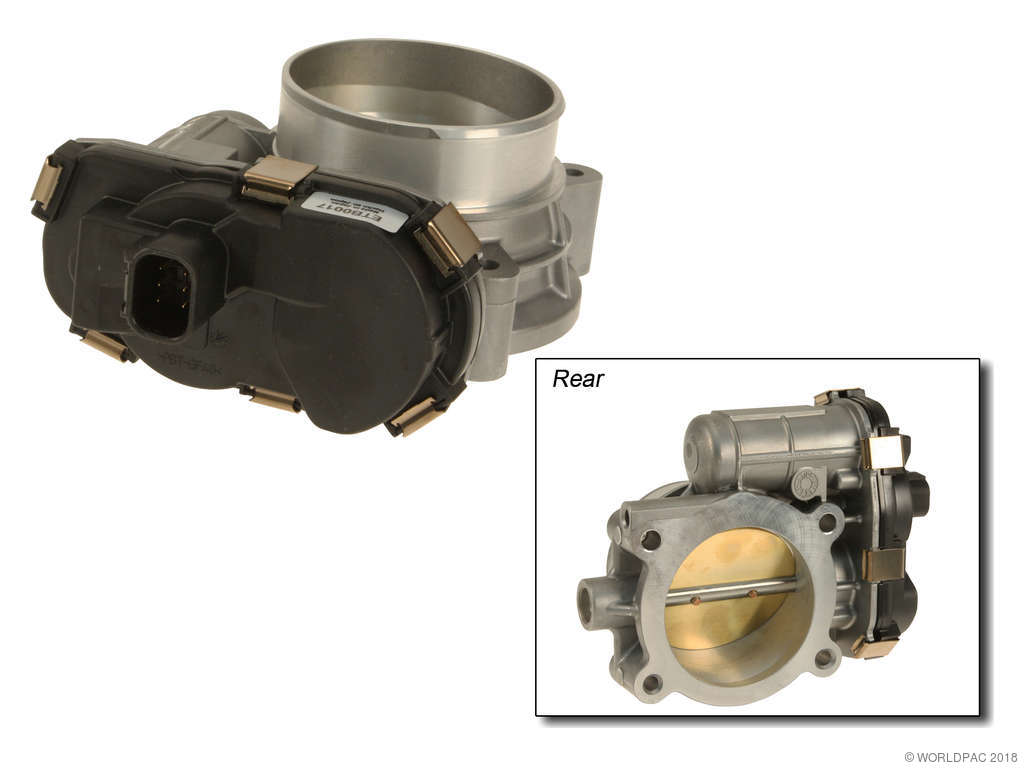
- Electronic Throttle Body Assembly
(OEM #12601387)— This is the most common cause of failure. The internal motor, gears, and sensors wear out over time, causing the position mismatch that triggers P1516. Note that owners report different throttle body versions, sometimes identified by a 'silver' or 'gold' colored butterfly plate, so visual confirmation is helpful.
Trusted brands: ACDelco, Bosch, Hitachi
OEM price range: $250-$400
Aftermarket price range: $150-$250 - Throttle Body Connector Pigtail
(OEM #ACDelco PT2713)— The connector at the throttle body is a frequent failure point due to heat and vibration causing loose pin connections or wire fatigue. A 'wiggle test' can often confirm if this part is faulty.
Trusted brands: ACDelco, Dorman, ICT Billet (WPTHB40)
OEM price range: $40-$60
Aftermarket price range: $20-$40
Related Codes That Often Appear With This One
- P2101 — P2101 (Throttle Actuator Control Motor Circuit Range/Performance) is almost always set alongside P1516 as it also indicates a problem with the electronic throttle body's motor or its circuit. Forum posts from G8 and Commodore owners consistently show these two codes appearing together. 🎬 Watch: Diagnostic tips for P1516 and P2101 on the L76 engine.
- P2176 — P2176 (Throttle Actuator Control System - Idle Position Not Learned) can appear with P1516, especially if the throttle body has been disconnected, cleaned, or is failing, as the PCM is struggling to find the correct idle position.
Technical Service Bulletins (TSBs) & Recalls
- While a specific TSB for the G8 and P1516 is not widely published, a GM bulletin for other models with similar electronic throttle control systems (and codes like P1516, P0120, P0220) points technicians to investigate a poor ground at location G104 as a primary cause before replacing parts. This aligns with G8 owner experiences where checking grounds is a key diagnostic step.
- Manufacturer TSB Bulletin #PIP4578B notes that high mileage vehicles may experience idle surge, reduced engine power mode, and/or DTCs including P1516, P2101, and P2176.
Platform-Specific Known Issues
- Dealer Fix Often Starts with Grounds/Voltage: A well-documented repair on GRRRR8.net involved a dealer fixing the P1516, P2101, and P2176 codes by simply tightening the battery cables at the battery and the main junction block, then clearing the codes. This was done in reference to a GM bulletin and highlights the platform's sensitivity to voltage drops.
- Aggressive Driving Trigger: Multiple owners on forums have noted that the code appears specifically after aggressive acceleration, suggesting that rapid throttle changes can expose weaknesses in the throttle body motor or wiring that aren't apparent during normal driving.
Mechanic-Grade Diagnostic Values
- Ignition Voltage at PCM/ECM — expected: Should not be low when the DTC is set. A value between 4.5V and 5.0V may set the code without driveability issues on some GM vehicles.. Failure: Low voltage (below 11V) during cranking or operation can trigger various electronic faults, including P1516.
- Throttle Actuator Motor Control Circuit Voltage Check — expected: With ignition ON, a test lamp should NOT illuminate between the motor control circuit terminals and B+ or ground.. Failure: If the test lamp illuminates, it indicates a short to voltage or a short to ground in the motor control circuit, pointing to a wiring issue or a faulty ECM.
- Throttle Actuator Motor Control Circuit Peak Voltage — expected: When turning the ignition ON, the peak voltage measured at the motor control circuit should be within 1 volt of battery voltage (B+).. Failure: If the peak voltage is not within 1 volt of B+, it indicates an open or high resistance in the circuit.
Scan Tool Commands That Help
- Tech2 / GDS2: Observe Throttle Position (TP) Sensor 1 — With the ignition on and engine off, use this function to watch the live data from the TP sensor as the accelerator pedal is pressed. The value should increase smoothly without glitches or dropouts. This directly tests the sensor's integrity.
- Tech2 / GDS2: Throttle Position Control / Commanded Throttle Position — This bidirectional command allows a technician to command the throttle blade to a specific percentage (e.g., 25%). The scan tool will display both the commanded angle and the actual angle reported by the sensors. If the actual angle does not match the commanded angle, it confirms a fault within the throttle body actuator motor or sensors.
Wiring & Ground Locations
- G103 — In the engine compartment, from the right front cylinder head to the EBCM (Electronic Brake Control Module) bracket.. This is a primary engine block ground. Poor connection here can cause voltage instability for multiple engine sensors and modules, including the ECM which controls the throttle.
- G110 — On the right side of the L76 engine block, near the front face. Connects the engine harness to the block.. This ground is for the engine harness itself, which contains the wiring for the throttle body. A bad ground here directly impacts the throttle control signals.
- G112 — On the left side of the L76 engine block, near the rear face. Connects the engine harness to the block.. Similar to G110, this is another critical engine harness ground point that ensures stable signals for all engine management components.
- Throttle Body Connector (X108) — The 6-pin electrical connector plugged directly into the electronic throttle body.. This is the single point of failure for all signals and power to the throttle body. The terminals can lose tension or corrode, and the wires can fatigue from vibration and heat. A 'wiggle test' on this connector is a primary diagnostic step.
Real Owner Repair Stories
- Tahoe Yukon Forum user (GM SUV (similar GMT800/900 platform and LS-based engine)) — Reduced Engine Power message, code P1516.
❌ Tried (didn't work) Replacing the throttle position sensor (TPS), Replacing the accelerator pedal sensor, Replacing the TAC module
✅ What actually fixed it The owner found that the factory grounds were insufficient or had high resistance despite looking clean. The final fix was to add new, redundant 10-gauge ground wires from the firewall to the engine block and from the TAC module to the firewall. This permanently solved the problem. - PerformanceTrucks.net user (GM Truck with LS-based engine) — Intermittent 'Reduced Engine Power' mode with code P1516.
❌ Tried (didn't work) Clearing the code (it would return)
✅ What actually fixed it The user noted that a friend with the same issue would simply wiggle the throttle body wires to make the problem go away temporarily. The user confirmed their own wiring seemed okay visually but acknowledged this common temporary fix points directly to a wiring harness or connector pigtail issue.
OEM Part Supersession History
12601387→12629992— Standard part revision and consolidation by GM.
Heads up: The ACDelco service part number for this throttle body is often listed as 217-3153, which corresponds to multiple OEM numbers including the original and superseded ones. No incompatibility is noted for the 2008-2009 G8 L76.
Model Year Variations Within This Range
- 2009: For the 2009 model year, the G8 GT L76 engine had two additional catalytic converters added to the exhaust system. This change resulted in a slight horsepower reduction to 355 hp from 361 hp in 2008. While this does not directly affect the cause of P1516, it is a notable running change in the powertrain. The core electronic throttle control system remained the same.
Diagnostic Flowchart
Used vs. New Parts: Buying Guide for This Vehicle
When a used part is the smart pick: A used throttle body is generally NOT recommended for this repair. The failure is due to electronic and mechanical wear, so a used part from a junkyard has unknown remaining life and may fail soon after installation. A used part only makes sense as a cheap, temporary diagnostic tool to confirm if the throttle body is the issue before buying a new one.
Donor-vehicle mileage cap: roughly under 60000 miles for the part to have meaningful remaining life.
What to inspect on the donor part:
- Check for a clean throttle plate and bore with minimal carbon buildup.
- Ensure the electrical connector pins are straight, clean, and free of corrosion.
- Ask for the mileage of the donor vehicle; lower is always better.
- Avoid parts from vehicles that show signs of front-end collision damage.
OEM-only on this vehicle (don't cheap out):
- While not strictly 'OEM-only', using a new ACDelco or Bosch (often the OEM supplier) throttle body is the highest probability fix. Cheap, unbranded aftermarket throttle bodies have a high rate of premature failure.
Aftermarket brands forum-validated for this vehicle:
- Soler Performance: Known for providing ported throttle bodies that improve throttle response, which can be a performance upgrade during the repair.
- Nick Williams: A well-regarded brand in the LS performance community, offering high-quality billet aluminum throttle bodies, though often in larger sizes requiring a tune.
Brands owners have reported issues with on this vehicle:
- Unbranded, low-cost throttle bodies found on marketplaces like Amazon or eBay. While tempting due to price, forum discussions are filled with stories of these parts failing quickly or being dead-on-arrival.
Real Owner Stories
Aggregated from forums and TSBs cited above. Mileages and costs reflect what owners reported in those sources.
Pontiac G8 GT L76 6.0L V8
Symptoms: The car went into limp mode with codes P1516, P2101, and P2176 after aggressive driving.
What fixed it: A dealership service tightened the battery cables at the battery and the main junction block as per a GM bulletin, which resolved the issue.
Source hint: GRRRR8.net: Thread 'G8 GT Limp Mode - P1516, P2101, P2176'
2009 Holden Commodore (VE) SS
Symptoms: The owner experienced an intermittent P1516 code and 'Safety Mode' message for over a year, despite extensive checks of wiring and grounds.
What fixed it: The problem was finally and permanently resolved by replacing the entire throttle body assembly.
Source hint: JustCommodores.com.au: Thread '2009 VE SS - P1516 - Safety Mode Nightmare.'
Holden Commodore (VE) SSV with L76 6.0L V8
Symptoms: The vehicle displayed P1516 and P2101 error codes.
What fixed it: The owner fixed the codes by replacing the throttle body and performing an idle relearn procedure.
Source hint: JustCommodores.com.au: Thread 'P1516, P2101 error code VE Commodore SSV'
Related OBD-II Codes
Frequently Asked Questions
I only get the P1516 code and 'Reduced Engine Power' message after hard acceleration. Is this a known problem on the G8?
My dealer fixed my P1516 code without replacing any parts. How is that possible?
Where are the most important ground locations to check for a P1516 code on my L76 engine?
After cleaning my throttle body, the car idles high. What should I do?
I need to replace the wiring connector pigtail for the throttle body. Is there a recommended part number?
Is it better to clean the throttle body first or just replace it?
Helpful Videos

Used OEM Parts in Stock
New Aftermarket Parts Available



The information in this article is provided for general reference and educational purposes only. Vehicle specifications, procedures, and part compatibility can vary by production date, trim level, and region. Always consult your vehicle's factory service manual and verify part numbers before purchasing or performing repairs. Safety-critical components such as airbags, seat belts, and braking systems should be installed by a qualified professional.
- Pontiac G8:
- 🧭 Diagnostic Flowchart
- 🎬 Helpful Videos
- 🛍️ Shop This Part
- What's Unique About the 2008-2009 Pontiac G8
- Symptoms You May Notice
- Most Likely Causes
- Rare But Worth Checking
- Diagnosis Steps
- Parts You'll Likely Need
- Related Codes That Often Appear With This One
- Technical Service Bulletins (TSBs) & Recalls
- Platform-Specific Known Issues
- Mechanic-Grade Diagnostic Values
- Scan Tool Commands That Help
- Wiring & Ground Locations
- Real Owner Repair Stories
- OEM Part Supersession History
- Model Year Variations Within This Range
- Used vs. New Parts: Buying Guide for This Vehicle
- Real Owner Stories
- Pontiac G8 GT L76 6.0L V8
- 2009 Holden Commodore (VE) SS
- Holden Commodore (VE) SSV with L76 6.0L V8
- Related OBD-II Codes
- Frequently Asked Questions
- 🎟️ Get 5% Off