

P1516 on 2005-2009 Saab 9-7X: Reduced Power, Causes, and Fixes
This code almost always points to a problem with the electronic throttle body, a known issue on this GM-based platform. The most common fix is replacing the entire throttle body assembly, which typically costs between $450 and $650 at a shop. Before replacement, a thorough cleaning and checking for bad grounds or wiring issues is recommended.
- P1516 on a Saab 9-7X means there is a problem with the electronic throttle body.
- The most common symptoms are a 'Reduced Engine Power' warning and severely limited acceleration.
- Before replacing parts, try cleaning the throttle body bore and plate to remove carbon buildup and inspect wiring/grounds.
- If cleaning and wiring checks don't work, the most likely fix is to replace the entire throttle body assembly.
- After cleaning or replacing the throttle body, a 'relearn' procedure is required to restore proper idle and performance.
What's Unique About the 2005-2009 Saab 9-7X
The Saab 9-7X is mechanically a General Motors (GM) vehicle, sharing its GMT360 platform, engines, and electronics with the Chevrolet Trailblazer, GMC Envoy, Buick Rainier, Isuzu Ascender, and Oldsmobile Bravada. This means it shares a common and well-documented issue with the electronic throttle body assembly. The internal sensors and motor are known to wear out, especially on higher-mileage vehicles, leading to P1516 and the dreaded 'Reduced Engine Power' message. TSBs also point to issues in extreme cold weather where ice can form in the PCV system and affect the throttle body, and on high-mileage vehicles where carbon buildup is prevalent. [TSB #PIP4573B, TSB #PIP4578B]
Diagnostic Flowchart
Tap your situation to follow the diagnostic path that matches what you're seeing on this vehicle.
Symptoms You May Notice
- "Reduced Engine Power" message on the dashboard
- Check Engine Light is on
- Vehicle has very little acceleration (limp mode)
- Unstable, rough, or surging idle [TSB #PIP4578B].
- Engine may stall, especially when coming to a stop or at idle.
- Hesitation or stumbling during acceleration
- Difficulty starting the engine. 🎬 See how to fix stalling and reduced engine power issues.
- Replacing the accelerator pedal position (APP) sensor. While the APP sensor is part of the overall throttle control system, code P1516 specifically points to a performance issue at the throttle body itself, not the pedal. Codes for the APP sensor are typically in the P2120-P2134 range.
Most Likely Causes
- Failing Electronic Throttle Body Assembly 🔴 High Probability → Shop Fuel Injection Throttle Body This is a widely-known failure point on the GM GMT360 platform. The internal throttle position sensor (TPS) contacts wear out, the plastic gears can strip, or the actuator motor fails over time, causing incorrect readings.
How to confirm: Use a capable scan tool to monitor desired vs. actual throttle position percentages. If they do not match or the actual reading is erratic, jumps, or has dead spots as you slowly press the gas pedal (with the engine off), the throttle body is faulty. 🎬 Watch: 5 common causes and fixes for the P1516 code.
Typical fix: Replace the entire throttle body assembly. The internal components are not typically serviced separately. After replacement, a throttle relearn procedure is required.
Est. part cost: $150-$350 - Dirty or Carbon-Clogged Throttle Body 🟡 Medium Probability → Shop Fuel Injection Throttle Body As noted in TSB PIP4578B, carbon and gunk from the PCV system can build up in the throttle bore on high-mileage vehicles. This can cause the throttle plate to stick or move slowly, creating a mismatch between the commanded and actual position, especially at idle.
How to confirm: Remove the air intake tube from the throttle body and visually inspect the throttle plate and bore for a heavy black ring of carbon buildup.
Typical fix: Clean the throttle body thoroughly with a dedicated throttle body cleaner and a soft brush or rag. Manually open the plate to clean the edges. Be careful not to let solvents enter the electronic components.
Est. part cost: $5-$15 - Wiring or Connector Issues ⚪ Low Probability The wiring harness to the throttle body is subject to engine heat and vibration. Wires can break internally, often within a few inches of the connector, or pins can become loose or corroded. Poor grounds are also a known issue on these trucks.
How to confirm: With the engine off, inspect the wiring harness leading to the throttle body for any signs of damage, chafing, or melting. Unplug the connector and check for corrosion or backed-out pins. With the engine running, carefully wiggle the harness near the connector to see if it triggers the fault.
Typical fix: Repair the damaged section of wiring or replace the connector pigtail. In some cases, owners have solved persistent, intermittent P1516 codes by adding redundant ground wires from the engine block to the firewall and to the throttle body mounting bolts.
Est. part cost: $20-$50
Rare But Worth Checking
- Poor Engine Ground Connections:
- Weak or Failing Battery:
Diagnosis Steps
- Read all fault codes with an OBD-II scanner. Note any other codes present with P1516, such as P2101, P2135, or P2176.
- Visually inspect the wiring harness and connector at the throttle body. Look for chafed wires, especially near the connector. Wiggle the harness with the engine running to see if the idle stumbles or the code appears.
- Inspect and clean major engine ground points, particularly the straps from the engine to the firewall and chassis. Pay close attention to grounds G103 and G104.
- Remove the air intake duct and inspect the throttle body bore and plate for heavy carbon buildup. A significant black ring around the plate is a key indicator.
- If dirty, clean the throttle body thoroughly using appropriate cleaner and a soft cloth. Do not spray directly into the electronics.
- After cleaning or replacement, perform the throttle relearn procedure. A common method is: Turn the ignition on (engine off) for 3 minutes, then off for 60 seconds. Repeat this cycle twice. Then start the engine and let it idle for several minutes to stabilize. A professional scan tool may be needed for a forced relearn as mentioned in TSB PIP4578B.
- If the code returns, use a scan tool to observe the live data for 'Desired Throttle Position' and 'Actual Throttle Position'. They should track each other closely. If the actual position is erratic, has dead spots, or doesn't respond correctly, the throttle body assembly is faulty and needs replacement.
- If all else checks out, the issue could be a rare failure in the Engine Control Module (ECM), but this is highly unlikely and should only be considered after all other steps have failed.
Parts You'll Likely Need
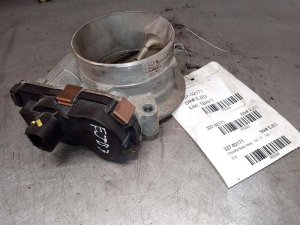
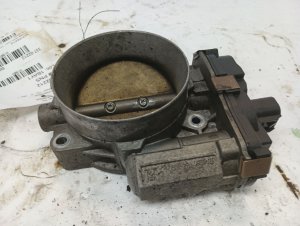
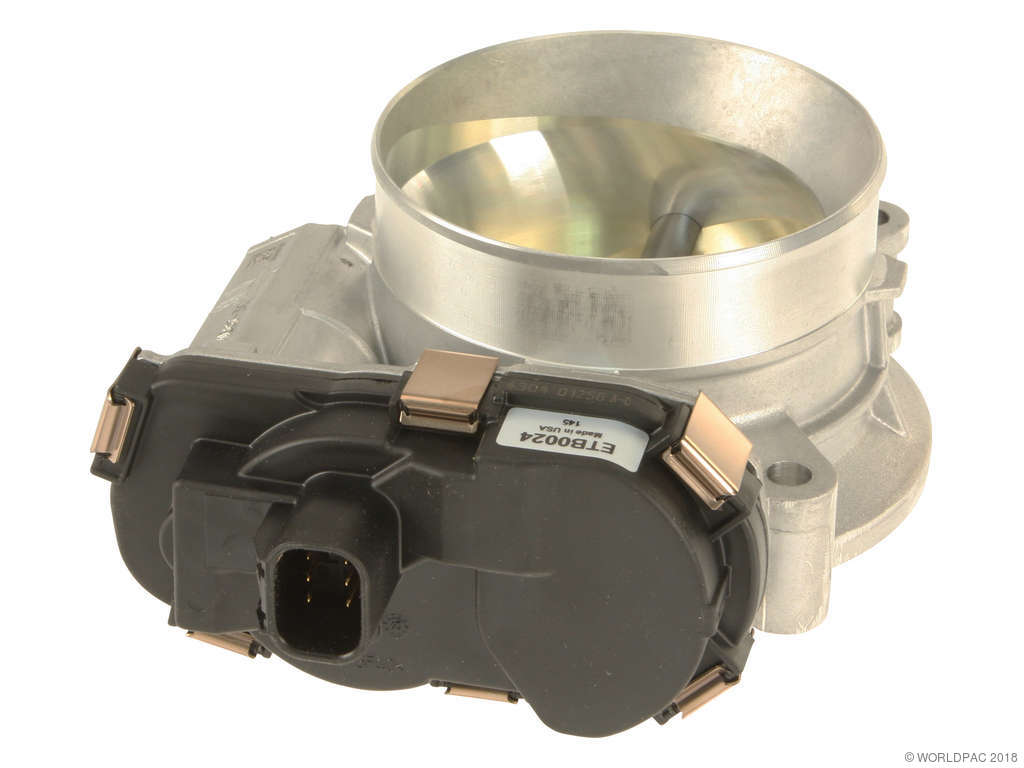
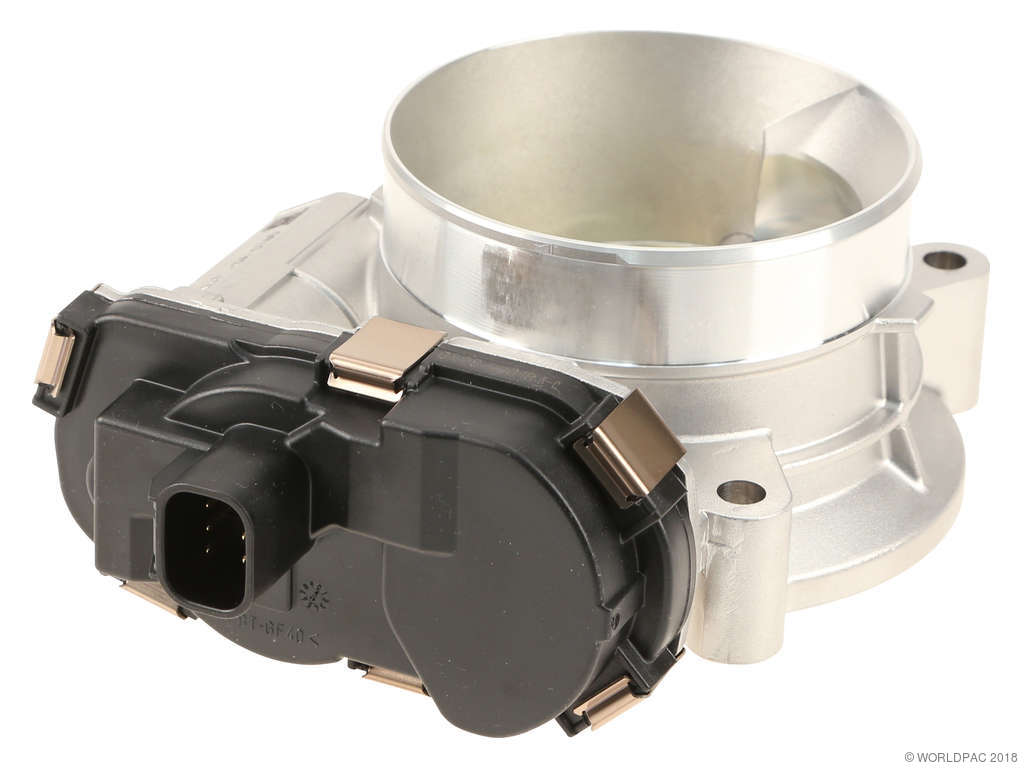
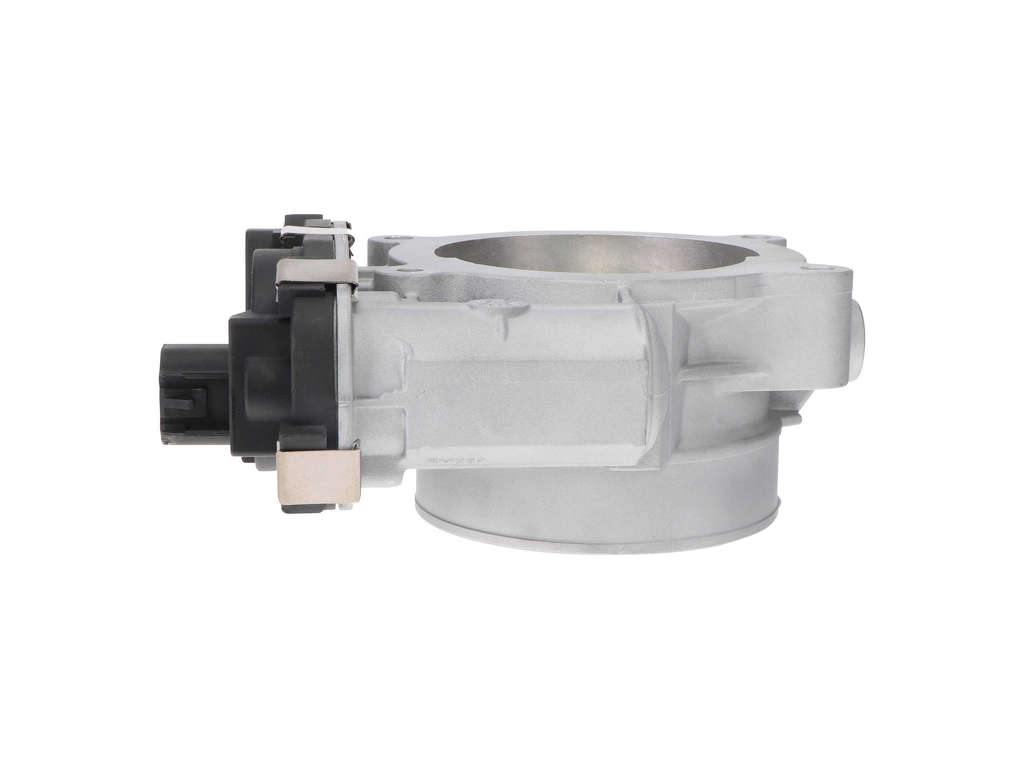
- Electronic Throttle Body Assembly
(OEM #ACDelco 12679524 (Supersedes 12704703, 12704704). Fits 5.3L V8 and 6.0L V8 models.)— This is the most common failure for code P1516. The entire unit, which includes the non-serviceable internal motor and position sensors, is replaced as one piece.
Trusted brands: ACDelco, Delphi, Hitachi, Cardone
OEM price range: $250-$425.
Aftermarket price range: $150-$250
Related Codes That Often Appear With This One
- P2101 — This code, 'Throttle Actuator Control Motor Circuit Range/Performance', is often set alongside P1516 as it directly relates to the performance of the motor inside the throttle body. [TSB #PIP4578B, TSB #PIP4573B]
- P2135 — This code, 'Throttle/Pedal Position Sensor/Switch A/B Voltage Correlation', indicates a conflict between the two throttle position sensors within the throttle body, a common failure that also leads to P1516.
- P2176 — This code, 'Minimum Throttle Position Not Learned', can be triggered when the throttle body is failing or has been recently replaced or cleaned without performing the proper relearn procedure. [TSB #PIP4578B, TSB #PIP4573B]
Technical Service Bulletins (TSBs) & Recalls
- PIP4578B: Mentions P1516 in relation to idle surge and reduced power on high-mileage vehicles due to carbon buildup. Stresses the need for an idle learn reset after cleaning.
- PIP4573B: Cites P1516 as a possible code during extremely cold engine starts, linking it to a frozen PCV system, throttle body icing, or a weak battery.
Platform-Specific Known Issues
- TSB #PIP4578B addresses P1516 on high-mileage vehicles, often related to idle surge and carbon buildup. It emphasizes that if the throttle body is cleaned or the ECM is reprogrammed, an 'idle learn reset' must be performed with a scan tool to prevent the code from returning.
- TSB #PIP4573B notes that this code can appear during very cold starts (around -10°F / -23°C). This can be caused by a frozen PCV system creating ice/sludge that restricts the throttle plate or by a weak battery unable to supply enough power to the actuator motor in the cold.
Mechanic-Grade Diagnostic Values
- Throttle Position Sensor (TPS) Signal Voltage — expected: Approximately 0.5V to 0.7V at idle (throttle closed), increasing smoothly to ~4.5V at wide-open throttle.. Failure: Voltage is erratic, has dead spots when opening the throttle, or is outside the expected range at idle/WOT.
- Throttle Body Connector Pin Voltages (Key On, Engine Off) — expected: Pin E (GY wire): 5-Volt Reference. Pin A (BN wire) & Pin B (YE wire): TAC Motor Control signals.. Failure: Absence of 5V reference power on Pin E indicates a wiring or ECM issue, not a throttle body failure.
Scan Tool Commands That Help
- Tech 2 (or equivalent professional scanner): Engine Control Module -> Throttle Actuator -> Calibration or Relearn — This function should be used after cleaning or replacing the throttle body to reset learned values and prevent code P2176 from appearing alongside P1516.
- Professional Scan Tool with Bidirectional Control: Throttle Position Control — To actively command the throttle plate to open and close while observing live data. This directly tests the actuator motor and position sensors, confirming if the throttle body is responding to ECM commands.
Wiring & Ground Locations
- G103 — Located at the left rear of the engine compartment on the cowl, above the brake booster.. This is a major ground point for the Body Control Module (BCM) and Data Link Connector (DLC). Corrosion or looseness here can cause widespread communication and sensor issues, including those that trigger P1516. It is a confirmed fix location according to repair databases.
- G104 — Located on the driver's side of the engine block, typically near the front. (Location varies slightly by engine).. This is a primary engine ground. A poor connection here can cause voltage instability for all engine sensors, including the throttle body. It is often cited along with G103 as a critical point to clean and tighten when diagnosing P1516.
- Added/Redundant Grounds — 1) A 10-gauge wire from the firewall to an unused threaded hole on the driver's side valve cover. 2) A 10-gauge wire from the TAC module mounting bolt to the firewall.. In cases where intermittent P1516 persists after cleaning/replacing the throttle body, adding these redundant grounds has proven to be a permanent fix by providing a more stable ground path for the sensitive throttle control electronics.
- Throttle Body Connector — The 8-pin electrical connector on the electronic throttle body assembly.. Internal wire breaks within 1 to 4 inches of the connector are common due to heat and vibration. The outer insulation may look fine, but the copper strands inside can be broken, causing an intermittent connection that triggers P1516.
Real Owner Repair Stories
- Tahoe Yukon Forum user 'mdmcinti' (GM SUV (platform mate)) — Dreaded 'Reduced Engine Power' message and code P1516.
❌ Tried (didn't work) The user notes this fix is for people who have 'replaced everything and are still getting the issue'.
✅ What actually fixed it The problem was identified as a grounding issue. The final fix was creating new, redundant grounds using 10-gauge wire. One ground was added from the firewall to the engine block (using an empty thread on the valve cover), and a second ground was added from the TAC module to the firewall. This permanently solved the problem. - GM Forum user 'mcivatte' (2006 GMC Sierra 2500HD 6.0L (similar electronic architecture)) — P1516, P2135, P0220, truck enters 'Reduce Engine Power' mode at idle or when coming to a stop.
❌ Tried (didn't work) Cleaned the throttle body, replaced the throttle position sensor (TPS) on the side of the throttle body, performed a throttle relearn procedure.
✅ What actually fixed it After observing the throttle plate butterfly clicking back and forth at idle and finding the gear inside the TPS was loose, the user replaced the entire throttle body assembly, which resolved all codes and symptoms.
OEM Part Supersession History
12570800→19420713— Part update/revision by manufacturer.
Heads up: Part number 12570800 was used on many early GMT800 and GMT360 platform vehicles from roughly 2003-2007. While it may fit some early 9-7X models, it's critical to verify the correct part number by VIN, as later models use a different part (like 12679524) which may not be interchangeable.
Model Year Variations Within This Range
- 2005-2009 (as context from platform history): On the broader GM truck platform, earlier models (around 2003) were known to have used a smaller gauge wire for the accelerator pedal and TAC module harness. GM later used thicker gauge wires in subsequent model years to improve durability and prevent voltage drop issues. While the 9-7X starts in 2005 with the improved wiring, this history highlights the known sensitivity of the system to wiring and connection integrity.
Helpful Videos


Used OEM Parts in Stock
New Aftermarket Parts Available



The information in this article is provided for general reference and educational purposes only. Vehicle specifications, procedures, and part compatibility can vary by production date, trim level, and region. Always consult your vehicle's factory service manual and verify part numbers before purchasing or performing repairs. Safety-critical components such as airbags, seat belts, and braking systems should be installed by a qualified professional.
- Saab 9-7X:
- 🧭 Diagnostic Flowchart
- 🎬 Helpful Videos
- 🛍️ Shop This Part
- What's Unique About the 2005-2009 Saab 9-7X
- Symptoms You May Notice
- Most Likely Causes
- Rare But Worth Checking
- Diagnosis Steps
- Parts You'll Likely Need
- Related Codes That Often Appear With This One
- Technical Service Bulletins (TSBs) & Recalls
- Platform-Specific Known Issues
- Mechanic-Grade Diagnostic Values
- Scan Tool Commands That Help
- Wiring & Ground Locations
- Real Owner Repair Stories
- OEM Part Supersession History
- Model Year Variations Within This Range
- 🎟️ Get 5% Off