

OBD-II Code P1523: Comprehensive Diagnostic & Repair Guide
The Ultimate Guide to P1523: What it means, why it triggers, and exactly how to fix it for your specific vehicle.
- Identify your vehicle's specific P1523 definition first: it means 'Low VVA Oil Pressure' on a Fiat, but 'Throttle Valve Malfunction' on a Volkswagen.
- Fix 50% of Fiat/Chrysler P1523 codes instantly by performing an $80-$150 oil change using the exact OEM-specified full synthetic oil (e.g., MS-12991).
- Resolve VW/Audi P1523 codes by cleaning the electronic throttle body and performing a mandatory 'Throttle Body Alignment' using a VCDS or OBDeleven scan tool.
- Replace sticking VVT/VCT solenoids on Ford and BMW vehicles to cure the rough idle and rattling noises associated with this code.
- Stop driving immediately if you experience stalling or limp mode; ignoring FCA MultiAir oil starvation causes catastrophic actuator failure costing upwards of $3,500.
What Does P1523 Mean?
P1523 is a manufacturer-specific diagnostic trouble code (DTC), meaning its definition varies entirely by brand. For Fiat, Jeep, Dodge, and Chrysler, it indicates low oil pressure within the Variable Valve Actuation (VVA) system, known as MultiAir. For Volkswagen and Audi, it points to a fault in the electronic throttle body control system. For Ford, BMW, and Subaru, it signals a mechanical or electrical failure within the variable camshaft timing (VCT/VANOS) system. For Kia and Hyundai, it indicates a stuck Variable Intake Control System (VICS) or electronic throttle.
Technical definition: The SAE definition for P1523 is reserved for manufacturer-specific functions. Common definitions include: - **Fiat/Chrysler/Jeep:** VVA (Variable Valve Actuation) Low Oil Pressure. - **Volkswagen/Audi:** Crash Signal from Airbag Control Unit OR Throttle Valve Control System Malfunction. - **Ford:** IVC (Intake Valve Control) Solenoid Circuit Malfunction. - **BMW:** 'A' Camshaft Position Actuator Signal Low (Bank 1) or 'B' Camshaft Position Actuator Tight or Jammed. - **Chevrolet:** Throttle Closed Position Performance or Electronic Throttle Control Throttle Return error. - **Hyundai:** Power Liftgate Position Sensor Performance OR Electronic Throttle Control (ETC) System Malfunction - Throttle Valve Stuck. - **Kia:** VICS (Variable Intake Control System) Solenoid Valve Malfunction.
Can I Drive With P1523?
Yes, But With Caution. Driving is possible but unsafe. Depending on the root cause, you will experience sudden engine stalling, a rough idle, or significantly reduced power in traffic. For Fiat-Chrysler (FCA) vehicles, ignoring the code turns a $100 oil change fix into a catastrophic MultiAir actuator failure exceeding $3,500. For other makes, continued driving destroys the catalytic converter, adding $800-$2,500 to the repair bill.
Common Causes
- Low or Incorrect Engine Oil (FCA) (Very Common) — This is the primary cause for Fiat, Jeep, Dodge, and Chrysler vehicles. MultiAir engines use oil pressure to actuate intake valves. Using non-specified oil (e.g., failing to use SAE 5W-40 MS-12991 for the 1.4L) or allowing the level to drop immediately triggers this code.
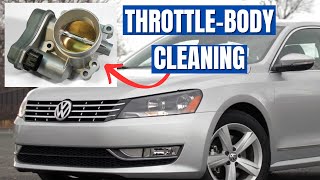
- Dirty or Jammed Throttle Body (VW/Audi/Chevy) (Common) — Carbon and oil deposits build up inside the throttle body, preventing the throttle plate from moving freely. This disrupts the airflow correlation the PCM expects, triggering P1523.
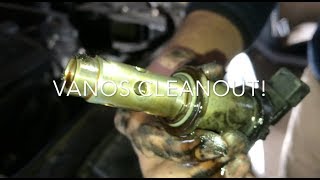
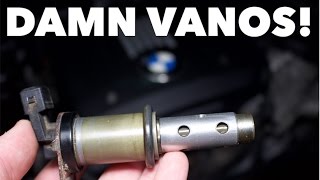
- Faulty VVT/VCT Solenoid (Ford/BMW/Subaru) (Common) — This electrically-controlled solenoid directs oil flow to adjust camshaft timing. Sludge clogs or electrical failures in this solenoid cause a rough idle, poor power, and trigger P1523.
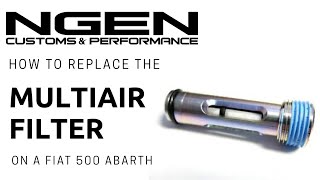
- Clogged MultiAir Oil Filter (FCA) (Common) — A small, secondary mesh filter protects the FCA MultiAir actuator. Sludge from infrequent oil changes clogs this filter, starving the unit of oil and causing P1523 even if the main oil level is full.
- Fuel Dilution of Engine Oil (Less Common) — A leaking fuel injector dilutes the engine oil with gasoline, thinning its viscosity. The thinned oil cannot generate enough pressure for the MultiAir system. A strong fuel smell on the dipstick confirms this.
- Wiring or Connector Issues (Less Common) — Damaged wires, loose connections, or corrosion on the connectors to the throttle body, VVT solenoids, or VICS solenoid interrupt the electrical signal and trigger the code.
- Clogged Oil Pump Pickup Screen (Less Common) — In engines with poor maintenance history, oil sludge builds up in the oil pan and clogs the oil pump pickup screen. This restricts overall oil flow, leading to low pressure throughout the engine.
- Failed MultiAir Actuator ('Brick') (Rare) — The entire electro-hydraulic unit controlling the valves fails internally. This occurs after driving extensively with low/incorrect oil, or if air becomes permanently trapped in the system.
Symptoms
- Check Engine Light is On — The Malfunction Indicator Lamp (MIL) illuminates immediately when the fault is detected.
- Engine Stalling — The engine shuts off unexpectedly when coming to a stop, cornering, or driving at low speeds.
- Rough or Unstable Idle — Engine RPMs bounce erratically, or the vehicle shakes violently while stopped.
- Loss of Power & Limp Mode — The vehicle hesitates during acceleration or enters a reduced power mode, severely limiting speed and RPMs to protect the engine.
- Crank No-Start Condition — The engine turns over but fails to start because the intake valves are not actuating (common in FCA MultiAir failures).
- Ticking or Rattling Noise — A distinct ticking sound emits from the top of the engine, indicating a lack of oil pressure in the valvetrain.
Diagnostic Flowchart
Tap your situation to follow the diagnostic path that matches what you're seeing on this code.
Common Fixes & Costs
- Engine Oil and Filter Change with Correct OEM-Spec Oil — Parts: $40-$80, Labor: $40-$70, ~0.5 hr book time (DIY)
- Clean Throttle Body and Perform Alignment — Parts: $15, Labor: $100-$200, ~1.0 hr book time (Intermediate)
- Replace Variable Valve Timing (VVT/VCT) Solenoid(s)
— Parts: $50-$150, Labor: $100-$250, ~1.5 hr book time
(Intermediate)
: OEM 8L3Z-6M280-B (Alt: Dorman 917-200) - Replace MultiAir Secondary Oil Filter
— Parts: $30-$45, Labor: $150-$300, ~1.5 hr book time
(Intermediate)
: OEM 68189847AA (Alt: N/A) - Replace Throttle Body Assembly
— Parts: $200-$600, Labor: $150-$300, ~1.5 hr book time
(Intermediate)
: OEM 07K133062A (Alt: Bosch 0280750467) - Replace MultiAir Actuator ('Brick')
— Parts: $1000-$2300, Labor: $800-$1500, ~8.5 hr book time
(Professional)
: OEM 5047980AE (Alt: Cardone Reman)
DIY vs Professional
- Engine Oil and Filter Change 🟢 Beginner
Tools: Wrench set, oil filter wrench, drain pan, funnel - Clean Throttle Body 🟢 Beginner
Tools: Screwdriver/socket set, throttle body cleaner, rags, OBD2 scanner - Replace VVT/VCT Solenoid 🟢 Beginner
Tools: Socket set, torque wrench, rags - Replace Throttle Body Assembly 🟢 Beginner
Tools: Socket set, torque wrench, OBD2 scanner - Replace MultiAir Actuator ('Brick') 🟢 Beginner
Tools: Extensive professional toolset, timing tools, bi-directional scan tool (wiTECH)
Used vs. New Parts: Buying Guide
When a used part is worth it: For high-cost electronic/electro-hydraulic parts like a VW Throttle Body or FCA MultiAir Actuator, a used part from a low-mileage, accident-damaged vehicle offers significant savings if the vehicle's value doesn't justify a new OEM part.
Donor-vehicle mileage cap: roughly under 70000 miles for the part to have meaningful remaining life.
Donor quality checklist:
- Verify the donor vehicle was not scrapped due to engine or oil-related failure.
- Obtain the VIN of the donor car to check its service history.
- Match the part number exactly. Superseded part numbers contain critical internal updates.
- Avoid MultiAir actuators that have sat drained of oil for long periods, as internal seals dry out.
Decision logic:
- If The part is an FCA MultiAir Actuator and the vehicle has >120k miles → Buy a used or remanufactured part. A new OEM part likely exceeds the vehicle's value.
- If The part is a VW Throttle Body and the cost of new is <$500 → Buy a new aftermarket or OEM part to secure a warranty and avoid repeating the labor-intensive alignment.
- If The part has a known wear-out failure mode (e.g., VCT solenoids) → Buy new OEM parts exclusively. Used solenoids will fail shortly after installation.
Warranty tradeoff: Salvage yard parts offer a 30-90 day warranty. New aftermarket parts offer 1-year to lifetime warranties. New OEM parts carry a 1-2 year warranty.
Worst-case if a used part fails: $500 - $1500 in repeat labor if the used part fails shortly after the warranty expires.
What Happens If You Wait — Timeline
- 0-2 weeks: Check Engine Light on. FCA vehicles experience occasional rough idle or hesitation on cold starts. VW vehicles show slightly unstable idle. (MPG impact: 0-5%% · Added cost: $0)
- 2 weeks - 2 months: Symptoms become pronounced. FCA: Stalling when cornering or stopping as oil pressure drops. VW: Stalling at idle is common. Ford/BMW: Audible ticking from the valvetrain. (MPG impact: 5-10%% · Added cost: $50-$100 in wasted fuel)
- 2-6 months: Irreversible damage begins. FCA: MultiAir actuator starves of oil, causing internal wear. Other makes: Poor combustion overheats and damages the catalytic converter. (MPG impact: 10-15%% · Added cost: $800 - $2,500 (Catalytic converter replacement))
- 6+ months: Catastrophic failure. FCA: MultiAir actuator ('brick') fails completely, resulting in a no-start condition. Other makes: Catalytic converter melts down, causing severe engine damage. (MPG impact: 15-25%% · Added cost: $2,000 - $4,500 (MultiAir 'brick' replacement or major engine work))
Cost of Not Fixing It
- 0-1 Month: Continued annoyance from rough idle, poor acceleration, and stalling. Fuel economy drops by 5-10%. (Added cost: $50-$100 in wasted fuel.)
- 1-6 Months (FCA): Operating with low oil pressure starves the MultiAir actuator, causing internal wear and catastrophic failure of the 'brick'. (Added cost: $2,000 - $4,500 for MultiAir actuator replacement.)
- 1-6 Months (Other Makes): Inefficient combustion from improper air or valve control overheats and destroys the catalytic converter. (Added cost: $800 - $2,500 for catalytic converter replacement.)
- 6+ Months: Severe internal engine damage. FCA vehicles risk valve-to-piston contact. Other engines suffer piston ring and cylinder wall damage from prolonged poor running conditions. (Added cost: $5,000+ for major engine repair or replacement.)
Diagnosis Steps
- Check the Engine Oil Level and Condition
Turn off the engine on level ground, wait 5 minutes, and check the dipstick. If low, top it off with the exact manufacturer-specified full synthetic oil. If it is dark, dirty, or smells of fuel, perform an immediate oil change.
Tools: Rag or paper towel (Beginner) - Check for Technical Service Bulletins (TSBs)
Manufacturers release software updates to fix false triggers. Search for TSBs related to P1523 for your specific VIN. For example, FCA TSBs #18-042-21 and #18-084-17 address false P1523 triggers requiring a simple PCM flash.
Tools: Internet access, VIN (Beginner) - Inspect and Clean the Throttle Body (VW/Audi/Chevy)
Remove the air intake tube. If you see a thick layer of black carbon, clean it with throttle body cleaner and a soft brush. Do not force the plate open manually; have an assistant press the gas pedal with the key 'ON' (engine off). A 'Throttle Body Alignment' via scan tool is mandatory afterward.
Tools: Screwdriver/socket set, throttle body cleaner, rags, OBD2 scanner (Intermediate) - Inspect VVT/VCT Solenoids (Ford/BMW/Subaru)
Locate the VVT solenoids on the top or front of the engine. Check electrical connectors for damage. Remove the solenoid to inspect its mesh screen for sludge. A clogged screen indicates a larger engine sludge problem requiring replacement.
Tools: Socket set, flashlight (Intermediate) - Visually Inspect Wiring and Connectors
Look for disconnected vacuum hoses, loose electrical connectors on the throttle body or VVT solenoids, and frayed wiring. Repair any visible damage to the harness.
Tools: Flashlight (Beginner) - PRO TIP: Test Base Engine Oil Pressure Mechanically
If P1523 persists on an FCA vehicle after an oil change, verify base oil pressure. Connect a mechanical gauge. A 2.4L MultiAir engine requires a minimum of 4 PSI at hot idle and 25-80 PSI at 3000 RPM. Low base pressure indicates a failing oil pump.
Tools: Mechanical oil pressure gauge set, socket set (Advanced) - PRO TIP: Test Component Circuits with a Multimeter
Use a multimeter to test component resistance. A Ford VCT or FCA MultiAir solenoid should read 5-20 Ohms. A Kia VICS solenoid should read 28-33 Ohms. Readings of infinity (open) or near-zero (short) dictate immediate replacement.
Tools: Multimeter, vehicle-specific wiring diagram, back-probe kit (Advanced) - PRO TIP: Perform Advanced Scan Tool Resets
Use a professional scan tool (wiTECH, VCDS). For FCA, run a 'MultiAir Lube Oil System Purge' to remove trapped air, followed by an 'Oil Change (UniAir module adaptive parameters reset)'. For VW/Audi, execute the 'Throttle Body Alignment (TBA)'.
Tools: Bi-directional scan tool (e.g., wiTECH, VCDS, Autel, Multiecuscan) (Professional)
When This Code Triggers (Freeze-Frame Conditions)
- Engine Coolant Temp: 180-210°F (82-99°C) (Fully warmed up. The PCM runs VVT and throttle self-tests once the engine reaches normal operating temperature.)
- Engine RPM: 1200-2800 RPM (Light acceleration or steady cruise. The fault logs when the PCM commands a change in valve or throttle position and detects no response.)
- Engine Load: 20-50% (Moderate load conditions. Variable timing and intake systems are most active in this range.)
- Vehicle Speed: 25-60 mph (City or highway driving speeds. The code rarely sets while stationary unless it is a hard electrical failure.)
Related Codes
- P1524 — On Fiat/Chrysler, this code ('Oil Pressure Out Of Range - Camshaft Advance/Retard Disabled') is the inseparable partner of P1523. It confirms the PCM shut down the MultiAir system to protect it from the low pressure detected by P1523.
- P0010 to P0025 — These relate to camshaft position timing. If P1523 appears on a Ford or BMW alongside P0011, the fault is definitively within the VVT/VANOS system.
- P0300-P0308 — Cylinder misfire codes are common companions. The underlying valve or throttle control issue leads to incomplete combustion. Do not replace spark plugs until the P1523 root cause is fixed.
- P1D7F-00 — This 'ETC Self-Learning Failure' code indicates a software glitch. Seeing this alongside P1523 means a PCM software update (TSB) is the likely fix.
Climate & Environmental Factors
- Cold Weather: Cold weather increases oil viscosity. If the wrong oil type is used in an FCA MultiAir engine, it is too thick when cold to generate sufficient pressure, triggering P1523 on startup.
- High Altitude: High altitude affects air-fuel mixture calculations. It exacerbates underlying issues with a dirty throttle body, making P1523 symptoms more severe.
How to Talk to a Mechanic About This Code
Say this: "State your vehicle make, then use the appropriate script: - **For Fiat/Jeep/Chrysler:** 'I have a P1523 code and I'd like a diagnostic. Please start by verifying the correct oil type is being used and check for any related TSBs. Before quoting a MultiAir actuator, I want the secondary oil filter inspected and a base oil pressure test performed.' - **For VW/Audi:** 'I have a P1523 and I suspect a dirty throttle body. Could you please provide a quote to clean the throttle body and perform the electronic throttle alignment procedure?'"
This language shows you've done your research and directs the mechanic to the cheapest fixes first. It prevents them from immediately jumping to the most expensive repair (like replacing the FCA MultiAir 'brick') and establishes a logical diagnostic path.
Avoid saying:
- 'Just fix whatever's wrong'
- 'My check engine light is on, can you look at it?' (too vague, invites upsells)
- 'Whatever you recommend'
Questions to ask before authorizing the repair:
- For FCA: Did you find any TSBs for a software update for my VIN? What were the results of the base oil pressure test?
- For VW/Audi: Is the Throttle Body Alignment procedure included in the labor cost for the cleaning/replacement?
- For any major part replacement: What is the warranty on the part and the labor for this repair?
- Can you provide me with the old parts when the job is finished?
Where to Take It: Dealer vs Independent vs Chain
- Dealer:
Recommended for FCA vehicles to check for warranty coverage and perform mandatory software updates/resets. Strong choice for complex VW/Audi/BMW diagnostics.
Best for: Vehicles under warranty (especially the XB1 oil consumption warranty for FCA)., FCA vehicles needing a PCM software update (TSB) or a 'MultiAir Lube Oil System Purge' procedure requiring the proprietary wiTECH scan tool., First-time diagnosis on complex brands like BMW or Audi.
Downsides: Highest labor rates, typically 1.5-2x an independent shop., Quick to recommend expensive assemblies over component-level repair. (Typical cost: +50% vs. baseline) - Independent Shop:
A good choice, but only if it's a specialist. For VW/Audi, use a European car specialist. For FCA, ensure they are familiar with MultiAir engines and have capable scan tools.
Best for: Out-of-warranty vehicles where cost is a primary concern., Common, well-documented fixes like a VW throttle body cleaning or Ford VCT solenoid replacement.
Downsides: Quality varies widely. A general shop may lack brand-specific scan tools (VCDS, AlfaOBD)., May misdiagnose an FCA P1523 as a simple misfire. (Typical cost: +0% vs. baseline) - Chain Shop:
AVOID for diagnosis and repair of P1523. The risk of incorrect service making the problem worse is extremely high.
Best for: User-directed, simple jobs like an oil change where you provide the exact, correct oil.
Downsides: High risk of misdiagnosis. Technicians lack experience with manufacturer-specific issues like P1523., Highly likely to use incorrect bulk oil in an FCA vehicle, worsening the problem., Lacks tools for required follow-up procedures like Throttle Body Alignment. (Typical cost: -10% vs. baseline)
When to Walk Away From the Repair
If the estimated repair cost exceeds 40-50% of the car's private-party value, seriously consider selling the car as-is or trading it in.
- Car worth $7000, fix is $4000: Walk away. The repair cost is nearly 60% of the car's value. This is a classic scenario for an FCA vehicle needing a MultiAir 'brick' replacement.
- Car worth $12000, fix is $350: Fix it. A VW throttle body cleaning or Ford VCT solenoid replacement is a minor cost relative to the vehicle's value.
- Car worth $3000, fix is $1800: Walk away. The repair cost is 60% of the vehicle's value. Not economically viable.
What Scan Tool You Need for This Code
Minimum: A code reader that reads manufacturer-specific codes and performs basic service resets.
A $20 generic reader cannot perform the mandatory 'Throttle Body Alignment' for VW/Audi, nor the 'MultiAir Lube Oil System Purge' for FCA. You cannot complete the repair without a capable tool.
Rent vs buy: Rent a basic scanner from an auto parts store to confirm the code for free. However, since fixing P1523 requires a specific reset procedure, you must buy a capable scanner or pay a shop for the final step.
How to Clear the Code After You Fix It
- Use an OBD-II scan tool to clear the diagnostic trouble codes.
- For FCA vehicles, perform the 'Oil Change (UniAir module adaptive parameters reset)' with a capable scan tool.
- For VW/Audi, perform the 'Throttle Body Alignment' if the throttle body was cleaned or replaced.
- Perform a complete OBD-II drive cycle to allow the readiness monitors to run.
Drive cycle (~30 minutes): A generic drive cycle includes a cold start (engine off for 8+ hours), 2-3 minutes of idling, 10-15 minutes of mixed city/highway driving (including steady speeds around 55 mph), and a cool-down period.
Readiness monitors affected: Catalyst Monitor, Evaporative (EVAP) System Monitor, O2 Sensor Monitor, Comprehensive Component Monitor
Before emissions retest: drive at least 100 miles to fully set monitors.
Watch out for:
- Disconnecting the battery clears the code but resets all readiness monitors, guaranteeing an emissions test failure.
- The code returns immediately if the root cause (e.g., low oil, dirty throttle body) was not fixed.
- Failing to perform manufacturer-specific resets (FCA UniAir reset or VW throttle alignment) causes symptoms to persist post-repair.
Will This Fail Emissions / State Inspection?
Yes — this code typically fails an OBD-II emissions inspection.
- California: An active P1523 code is an automatic failure. After clearing the code, all readiness monitors (except EVAP) must be 'Ready' to pass.
- New York: An illuminated Check Engine Light results in automatic failure. 2001 and newer vehicles are allowed only one 'Not Ready' monitor to pass.
- Texas: In emissions-testing counties, an active P1523 fails the OBD-II inspection. The vehicle must complete a full drive cycle to set readiness monitors before re-testing.
Most Commonly Affected Vehicles
- Jeep Renegade, Compass, Cherokee (2014-2023) — Extremely common on the 2.4L Tigershark MultiAir engine due to known oil consumption issues. TSB #18-042-21 applies to 2015-2016 Renegade 1.4L.
- Fiat 500, 500X, 500L, Dodge Dart (2012-2022) — The 1.4L and 2.4L MultiAir engines are highly susceptible. TSBs #18-042-21 and #18-084-17 apply for PCM updates.
- Volkswagen Golf, Jetta, Passat, Polo (1998-2010) — Prone to P1523 due to carbon buildup in the electronic throttle body. A Throttle Body Alignment is essential after service.
- Audi A3, A4, TT (1999-2009) — Shares the same electronic throttle body issues as Volkswagen, leading to frequent P1523 codes on higher mileage vehicles.
- BMW Various with M52/M54/N52 engines (e.g., Z3, 3-series, 5-series) (1998-2013) — Appears as a fault with the VANOS system, pointing to a failing or sludge-clogged camshaft position actuator solenoid.
- Chevrolet Cruze, Sonic, Trailblazer (2002-2018) — Relates to a stuck throttle body. Cleaning and relearning the throttle position resolves the code.
- Kia Forte, Spectra, Optima (2004-2012) — Indicates a failure of the VICS (Variable Intake Control System) solenoid or its wiring, affecting intake manifold runner control.
- Hyundai Sonata, Elantra, Tucson (2006-2015) — Indicates a stuck Electronic Throttle Control valve due to carbon buildup. On models with a power liftgate, it confusingly refers to a liftgate position sensor fault.
Manufacturer-Specific Notes
- Fiat/Chrysler/Jeep: Correct engine oil is a critical requirement, not a recommendation. The MultiAir system fails without specified full synthetic oil. Many 2.4L engines are covered by the XB1 extended warranty (7 years/100,000 miles) for excessive oil consumption. Check your VIN before paying for repairs.
- Volkswagen/Audi: After cleaning or replacing the throttle body, the PCM MUST perform a 'Throttle Body Alignment' (TBA). Without this scan tool procedure, the idle remains erratic.
- BMW: P1523 points to the VANOS system. A common failure is a VANOS solenoid clogged with oil sludge. An engine flush and oil change often frees a sticking actuator before parts replacement is needed.
- Ford: The code relates to the Twin Independent Variable Camshaft Timing (Ti-VCT) system. Failing VCT solenoids cause a rough idle that mimics a transmission shudder at low speeds.
- Kia/Hyundai: For Kia, P1523 points to the VICS solenoid controlling intake runner flaps. For Hyundai, it points to a stuck Electronic Throttle Control (ETC) valve. The diagnostic paths are entirely different.
Real Owner Stories
2016 Fiat 500X 1.4L at 65,000 miles - The 'Easy Fix'
Check engine light illuminated, accompanied by a rough idle and hesitation when accelerating. Code P1523 was present.
What they tried:
- Owner feared an expensive MultiAir 'brick' failure.
Outcome: The owner checked the oil, found it full, but was unsure of the type used by a quick-lube shop. They performed an oil change using the exact OEM-spec SAE 5W-40 full synthetic oil (MS-12991). The code cleared and did not return.
Lesson: For any FCA vehicle, the first and cheapest step is ALWAYS an oil change with the exact manufacturer-specified oil. Incorrect viscosity or a low-quality filter causes this code.
2018 Jeep Renegade 2.4L at 26,000 miles - A Misdiagnosis Story
Vehicle became sluggish, emitted a burning smell, and developed a crank-no-start condition. After a generic oil change, it started but remained stuck in 'limp mode' (max 44 mph) with codes P1523 and P1524.
What they tried:
- A local mechanic performed a generic oil change, which failed to solve the limp mode.
- The dealership initially blamed 'the wrong oil' without further diagnosis.
Outcome: Low oil levels caused the MultiAir system to lose its prime and trap air. Limp mode persisted until a dealership performed the mandatory 'MultiAir Lube Oil System Purge' using a wiTECH scan tool.
Lesson: A simple oil change won't purge trapped air from a starved MultiAir brick. This requires a specific, dealer-level scan tool procedure.
2008 VW Jetta 2.5L at 110,000 miles - The 'Other' P1523
Car exhibited an unstable idle and stalled at red lights. The Check Engine Light showed code P1523 (Throttle Valve Control System Malfunction).
What they tried:
- Owner suspected a vacuum leak but found none.
- Removed the air intake hose and discovered thick black carbon buildup inside the throttle body.
Outcome: The owner cleaned the throttle body thoroughly and reinstalled it. After clearing the code, they performed a 'Throttle Body Alignment' using a VCDS scan tool. The idle smoothed out perfectly.
Lesson: P1523 on a VW/Audi is typically a dirty throttle body. Cleaning is a cheap DIY, but the electronic 'Throttle Body Alignment' with a scan tool is mandatory to fix the idle.
2008 Ford F-150 5.4L 3V at 116,000 miles - An Unusual Root Cause
Engine developed a rough idle in reverse and a diesel-like rattling noise. Code P1523 pointed to the VCT system.
What they tried:
- Owner performed an oil change and engine flush, which slightly improved the noise but didn't fix the idle.
- Decided to replace both VCT solenoids.
Outcome: The driver's side solenoid had a failed mesh screen and was sticky with varnish. Replacing both solenoids with the updated OEM part (8L3Z-6M280-B) completely resolved the rough idle and rattling.
Lesson: On Ford vehicles, P1523 points to the VCT system. Varnish from extended oil change intervals causes solenoids to stick. Replacing them is highly effective.
How to Prevent This Code From Triggering
- Use the exact OEM-specified engine oil and a high-quality filter. (Every 5,000-7,500 miles or 6 months) — For FCA MultiAir, oil acts as hydraulic fluid. The correct viscosity and additives maintain pressure in the actuators. For VVT systems, clean oil prevents sludge that clogs solenoids.
- Proactively replace the FCA MultiAir secondary oil filter. (Every 30,000-50,000 miles) — This small mesh filter protects the expensive MultiAir actuator from engine sludge. Replacing it for ~$35 is cheap insurance against a $3,500 repair.
- Clean the electronic throttle body. (Every 30,000 miles or as needed) — On VW/Audi engines, carbon and oil vapor build up on the throttle plate, restricting airflow at idle. Cleaning prevents stalling and performance issues.
- Use a quality fuel system cleaner (e.g., with PEA detergents). (Every 3,000-5,000 miles (every oil change)) — Keeps fuel injectors clean. Leaking injectors dilute engine oil, lowering its viscosity and causing P1523 on FCA engines.
- Check engine oil level monthly. (Once per month) — Many affected engines (like the FCA 2.4L) consume oil. Catching a low oil level before it drops enough to trigger P1523 is the most effective prevention method.
Frequently Asked Questions
Can I just clear the P1523 code and keep driving?
You can clear the code, but it will return immediately until the underlying issue is fixed. Ignoring it causes engine stalling in traffic or catastrophic failure of the expensive MultiAir actuator on FCA vehicles.
I have a Fiat/Jeep and my oil level is full. What now?
Verify the exact OEM-specified oil was used during the last change. If unsure, perform an oil change with the correct oil and filter. If the code persists, inspect and replace the secondary MultiAir oil filter screen.
Why does my car stall when I have a P1523 code?
Stalling occurs because the engine computer cannot manage air, fuel, or valve timing. For VW/Audi, the throttle closes incorrectly. For Fiat/Jeep, low oil pressure prevents intake valves from opening, starving the engine of air.
What is a common misdiagnosis for P1523?
On FCA engines, mechanics often mistakenly replace spark plugs and coils for a related misfire code (P030x) without addressing the P1523 oil pressure issue. Another mistake is replacing the main engine oil pressure sensor instead of diagnosing the MultiAir system.
My mechanic quoted me $3,500+ to fix P1523 on my Fiat. Is that right?
That quote likely involves replacing the entire MultiAir actuator ('brick'), which is a last-resort repair. Before authorizing it, verify the shop has tried cheaper fixes like an OEM-spec oil change, replacing the secondary MultiAir filter, and checking for PCM software updates. Also, check if your VIN qualifies for the FCA XB1 extended oil consumption warranty.
My mechanic said air is trapped in the MultiAir 'brick'. How do I fix that?
Yes, air gets trapped in the MultiAir 'brick' after running low on oil or sitting unused. A professional scan tool can run a 'MultiAir Lube Oil System Purge' to force the air out. Alternatively, try the 'Extended Park Starting' procedure: crank the engine for 10-15 seconds, rest for 60 seconds, and repeat 4-5 times to build pressure.
What is a 'Throttle Body Alignment' and why is it necessary?
The PCM needs to know the exact closed and wide-open positions of the throttle plate, which are lost after cleaning or replacement. The alignment procedure uses a scan tool to re-learn these positions. Without it, your engine will suffer from an erratic or high idle.
Is P1523 covered under a recall?
There are no widespread recalls, but manufacturers have issued numerous Technical Service Bulletins (TSBs). For FCA 2.4L vehicles, a class-action lawsuit resulted in the XB1 warranty extension (7 years/100,000 miles) for excessive oil consumption. Always check your VIN for applicable TSBs and warranty extensions.
Key Takeaways
- Identify your vehicle's specific P1523 definition first: it means 'Low VVA Oil Pressure' on a Fiat, but 'Throttle Valve Malfunction' on a Volkswagen.
- Fix 50% of Fiat/Chrysler P1523 codes instantly by performing an $80-$150 oil change using the exact OEM-specified full synthetic oil (e.g., MS-12991).
- Resolve VW/Audi P1523 codes by cleaning the electronic throttle body and performing a mandatory 'Throttle Body Alignment' using a VCDS or OBDeleven scan tool.
- Replace sticking VVT/VCT solenoids on Ford and BMW vehicles to cure the rough idle and rattling noises associated with this code.
- Stop driving immediately if you experience stalling or limp mode; ignoring FCA MultiAir oil starvation causes catastrophic actuator failure costing upwards of $3,500.
Helpful Videos
Shop the Parts Behind P1523
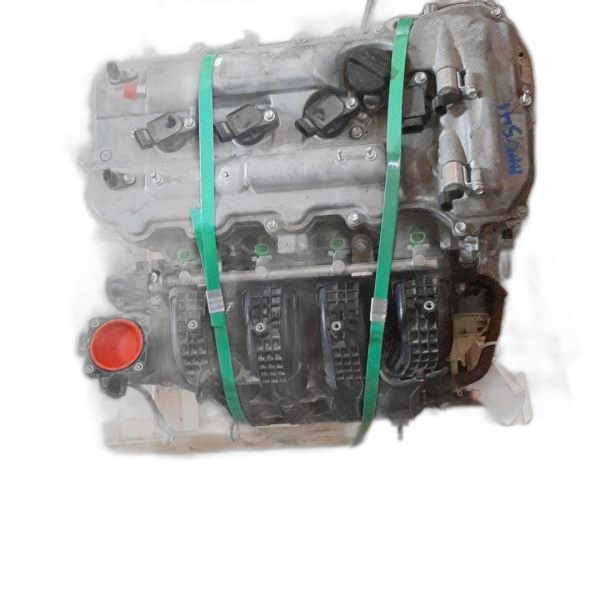
Below are the parts most often responsible for code P1523, ranked by how frequently each one is the actual culprit (per the diagnosis above). Tap any to see what we have for your vehicle.





The information in this article is provided for general reference and educational purposes only. Vehicle specifications, procedures, and part compatibility can vary by production date, trim level, and region. Always consult your vehicle's factory service manual and verify part numbers before purchasing or performing repairs. Safety-critical components such as airbags, seat belts, and braking systems should be installed by a qualified professional.
- 🧭 Diagnostic Flowchart
- 🎬 Helpful Videos
- 🛍️ Shop This Part
- What Does P1523 Mean?
- Can I Drive With P1523?
- Common Causes
- Symptoms
- Common Fixes & Costs
- DIY vs Professional
- Used vs. New Parts: Buying Guide
- What Happens If You Wait — Timeline
- Cost of Not Fixing It
- Diagnosis Steps
- When This Code Triggers (Freeze-Frame Conditions)
- Related Codes
- Climate & Environmental Factors
- How to Talk to a Mechanic About This Code
- Where to Take It: Dealer vs Independent vs Chain
- When to Walk Away From the Repair
- What Scan Tool You Need for This Code
- How to Clear the Code After You Fix It
- Will This Fail Emissions / State Inspection?
- Most Commonly Affected Vehicles
- Manufacturer-Specific Notes
- Real Owner Stories
- 2016 Fiat 500X 1.4L at 65,000 miles - The 'Easy Fix'
- 2018 Jeep Renegade 2.4L at 26,000 miles - A Misdiagnosis Story
- 2008 VW Jetta 2.5L at 110,000 miles - The 'Other' P1523
- 2008 Ford F-150 5.4L 3V at 116,000 miles - An Unusual Root Cause
- How to Prevent This Code From Triggering
- Frequently Asked Questions
- Can I just clear the P1523 code and keep driving?
- I have a Fiat/Jeep and my oil level is full. What now?
- Why does my car stall when I have a P1523 code?
- What is a common misdiagnosis for P1523?
- My mechanic quoted me $3,500+ to fix P1523 on my Fiat. Is that right?
- My mechanic said air is trapped in the MultiAir 'brick'. How do I fix that?
- What is a 'Throttle Body Alignment' and why is it necessary?
- Is P1523 covered under a recall?
- Key Takeaways
- 🎟️ Get 5% Off