

P1523 on 2012-2018 Audi A6: Throttle Body Malfunction Causes and Fixes
On a 2012-2018 Audi A6, P1523 almost always means the throttle body is dirty and sticking due to carbon buildup from the direct-injection engine. The fix is to remove and clean it, then perform a mandatory 'Throttle Body Alignment' with a VAG-compatible scan tool like VCDS. This is a common issue, and cleaning often solves it without needing a new part.
- P1523 on a 2012-2018 A6 is almost always caused by a dirty throttle body.
- The most cost-effective first step is to remove and thoroughly clean the throttle body.
- A 'Throttle Body Alignment' (TBA) using a compatible scan tool is NOT optional. The fix is incomplete without this step.
- Do not replace the accelerator pedal; it is rarely the cause of this specific code.
- Always replace the throttle body gasket after cleaning to prevent future vacuum leaks.
- Before replacing a 'failed' throttle body, double-check the electrical connector for looseness or corrosion.
What's Unique About the 2012-2018 Audi A6
The Audi A6 C7 generation, particularly with the 2.0T and 3.0T direct-injection engines, is prone to heavy carbon and oil vapor buildup in the intake system. These deposits are the primary cause of the throttle plate sticking, which directly triggers the P1523 code. Unlike older cars with a mechanical throttle cable, these 'drive-by-wire' systems are sensitive and require an electronic recalibration (Throttle Body Alignment) after any cleaning or replacement. This critical step is often missed by those unfamiliar with VAG vehicles, leading to persistent symptoms.
Symptoms You May Notice
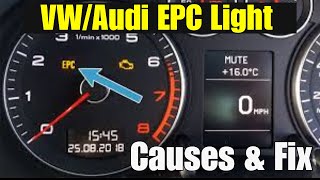
- Check Engine Light and/or EPC (Electronic Power Control) light is on
- Rough, fluctuating, or unstable idle
- Engine stalls at idle or when coming to a stop
- Hesitation or jerking when accelerating
- Reduced engine power (limp mode)
- Increased fuel consumption
- Poor or delayed throttle response
- High idle that doesn't settle
- Replacing the accelerator pedal position sensor. P1523 specifically points to a fault at the throttle body, not the pedal sensor.
- Assuming the throttle body is clean enough without removing it for a full, off-car cleaning.
- Cleaning or replacing the throttle body but failing to perform the mandatory Throttle Body Alignment (TBA) procedure, which causes symptoms to persist.
- Replacing the throttle body when the actual issue is a loose or corroded electrical connector.
Most Likely Causes
- Dirty or Sticking Throttle Body 🔴 High Probability → Shop Fuel Injection Throttle Body Direct-injection engines (both the 2.0T and 3.0T) can cause oil and carbon deposits to accumulate in the intake tract, leading to a sticky throttle plate that cannot move freely. This is the most frequent cause for P1523.
How to confirm: Remove the intake boot from the throttle body. Visually inspect for a thick, black layer of carbon around the throttle plate and bore. Manually (with the engine off) push the plate to feel for any binding, resistance, or a gritty feeling.
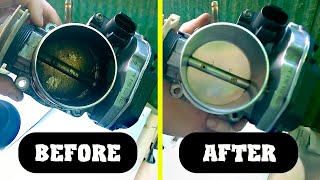
Typical fix: Remove the throttle body from the vehicle and clean it thoroughly with a dedicated throttle body cleaner and a soft brush. Do not spray cleaner directly into the electrical components. 🎬 Watch: Step-by-step guide to cleaning your throttle body safely Replace the throttle body gasket. After reinstallation, a Throttle Body Alignment (TBA) is mandatory using a tool like VCDS or OBDeleven.
Est. part cost: $10-$25 for cleaner and a new OEM gasket.
Rare But Worth Checking
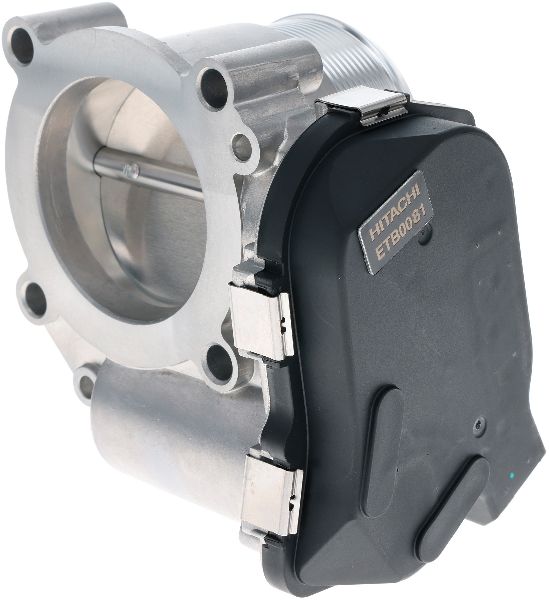
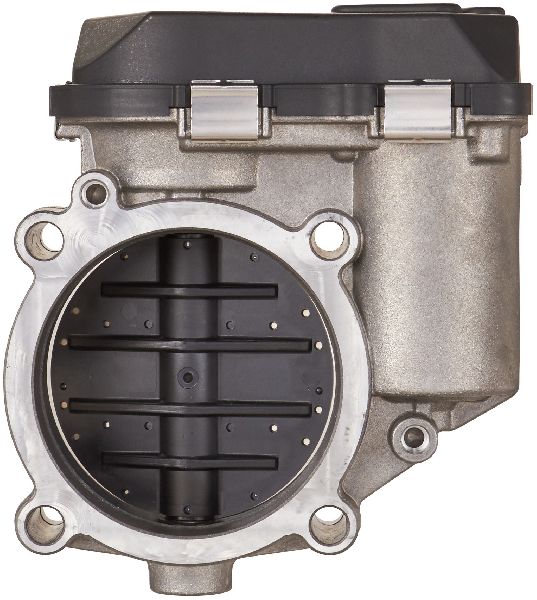
- Failed Throttle Body Assembly: → Shop Fuel Injection Throttle Body If a thorough cleaning and alignment do not resolve the code, the internal electric motor or the integrated position sensors within the throttle body assembly may have failed. This requires complete replacement of the part. This is the next logical step if cleaning fails.
- Damaged Wiring or Connector: Check the wiring harness and connector going to the throttle body for any signs of chafing, corrosion, or bent/loose pins. A poor electrical connection can mimic a mechanical fault. In some cases, the connector block can become loose and may need to be secured with a zip tie after cleaning.
- Major Vacuum Leak: A large vacuum leak from a cracked hose or a failed PCV valve can cause erratic idle and throttle-related codes. While P1523 is specific to the throttle actuator's performance, a significant vacuum leak can cause the ECU to struggle with idle control, sometimes triggering related faults.
- Low System Voltage: A failing battery or alternator can cause low voltage, leading to improper behavior of electronic modules, including the throttle actuator. If you have multiple, seemingly unrelated electrical fault codes along with P1523, check the battery and charging system.
Diagnosis Steps
- Scan the ECU for P1523 and any other related codes. Note the freeze frame data to see the conditions (RPM, load, temp) under which the code was set.
- Turn the ignition off. Remove the plastic engine covers and the intake air duct connected to the throttle body.
- Visually inspect the inside of the throttle body for heavy carbon buildup. Manually push the throttle plate to check if it moves smoothly or if it sticks and binds.
- If significant buildup is present, the highest probability fix is cleaning. Disconnect the electrical connector and remove the four bolts holding the throttle body to the intake manifold.
- Thoroughly clean the throttle body bore and plate using throttle body cleaner and a soft brush or cloth. Clean both sides of the plate. Do not spray cleaner directly into the electrical components.
- Reinstall the throttle body with a new gasket to prevent vacuum leaks. Torque bolts to specification (typically around 7-10 Nm, but verify for your specific engine).
- Crucial Step: Perform a Throttle Body Alignment (TBA) using a VAG-compatible scan tool (like VCDS or OBDeleven). With the key on but engine off, navigate to Engine (01) -> Basic Settings (04) -> Group 060 (for drive-by-wire systems) or select 'Throttle Valve Adaptation' from the dropdown list. The process takes about 30 seconds where you will hear the throttle plate cycle. Do not touch the accelerator pedal during this time. 🎬 Watch: How to perform a VAG throttle body alignment
- Clear all fault codes and start the engine. Check for a smooth idle and take a test drive to ensure the problem is resolved.
- If the code returns, inspect the wiring and connector for damage. Check for 5V reference and ground at the connector. If the wiring is good, the throttle body assembly itself has likely failed and will need to be replaced.
Parts You'll Likely Need
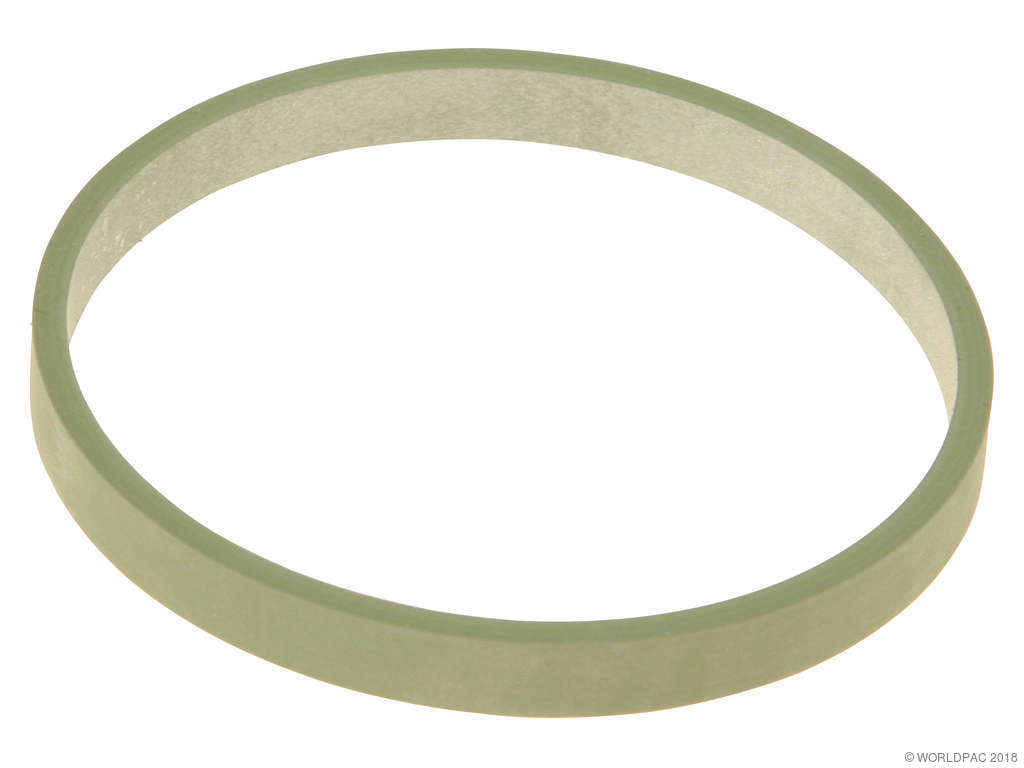
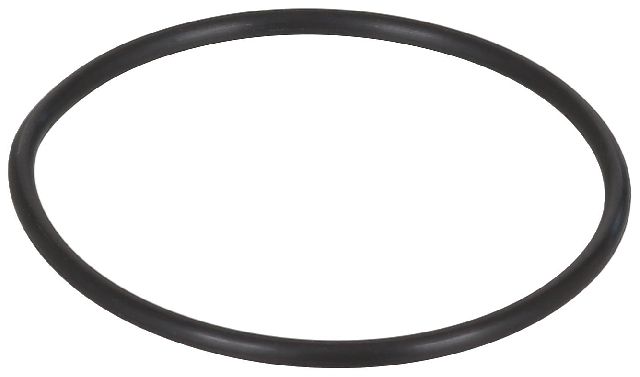
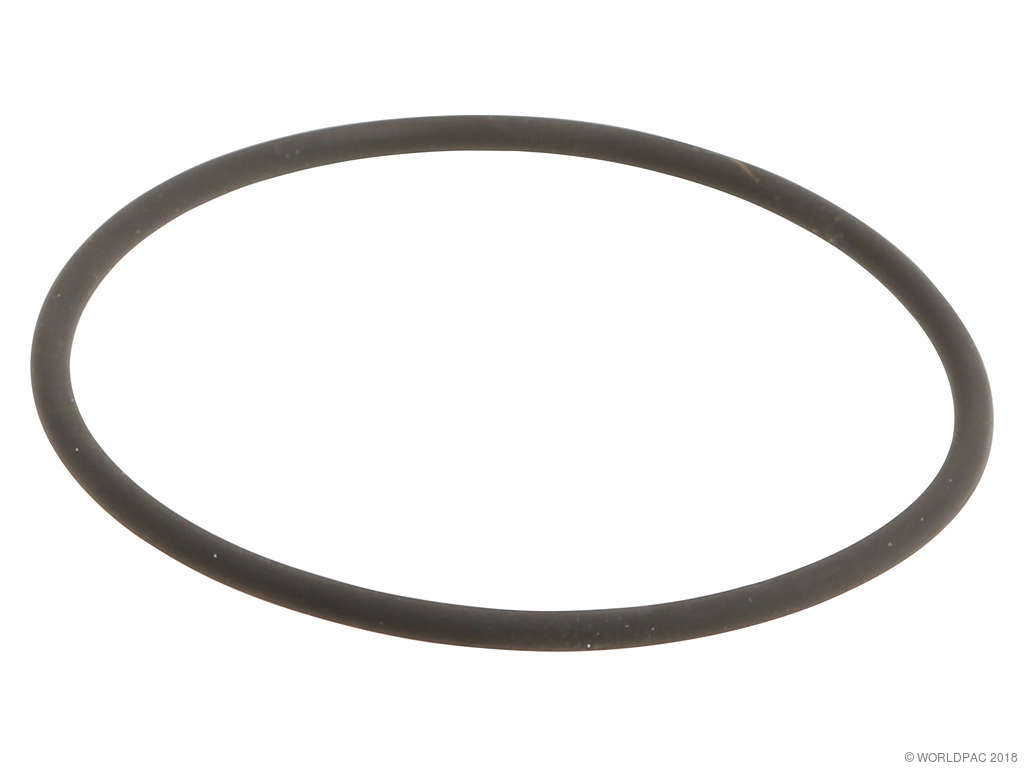
- Throttle Body Gasket
(OEM #06E133109R (for 3.0T), check dealer for 2.0T)— This should always be replaced when the throttle body is removed to ensure a proper seal and prevent vacuum leaks.
Trusted brands: Victor Reinz, Elring, Genuine Audi/VW
OEM price range: $15-$25
Aftermarket price range: $8-$15 - Throttle Body Assembly
(OEM #06E133062H (supersedes 06E133062C, 06E133062G for 3.0T) or 06F133062Q (for 2.0T). Verify by VIN.)— This is only needed if a thorough cleaning and alignment do not fix the issue, indicating a failure of the internal motor or sensors.
Trusted brands: Bosch (OEM for some), VDO (OEM for some), Genuine Audi/VW
OEM price range: $400-$600
Aftermarket price range: $250-$450
Related Codes That Often Appear With This One
- P1545 - Throttle Valve Controller Malfunction
- P1579 - Throttle Actuator (J338) Adaptation Not Started
Platform-Specific Known Issues
- The 3.0T Supercharged V6 and 2.0T Turbo I4 are both direct-injection and highly susceptible to the carbon buildup that causes this code. The cleaning procedure is very similar for both.
Mechanic-Grade Diagnostic Values
- VCDS Measuring Block 062 - Throttle Position Sensors (G187 & G188) — expected: In VCDS, go to Engine -> Measuring Blocks -> Group 062. Field 1 (G187) and Field 2 (G188) should show opposing percentages that add up to approximately 100%. As the throttle opens, one value should rise smoothly as the other falls smoothly.. Failure: Jumpy, erratic, or non-responsive values in either field. If the values do not change smoothly or do not add up correctly, it indicates a failing sensor inside the throttle body assembly.
- Throttle Body Connector Voltage (Key On, Engine Off) — expected: A 5V reference should be present on one pin, and ground on another. For example, on some VAG 6-pin connectors, Pin 5 to Pin 1 should be ~5V, and Pin 3 to ground should have continuity.. Failure: Absence of the 5V reference or a poor ground connection indicates a wiring or ECU problem, not necessarily a failed throttle body.
- Throttle Actuator Motor Resistance — expected: Typically a low resistance value, for example, between 3 and 200 ohms depending on the specific model.. Failure: An open circuit (infinite resistance) or a dead short (zero resistance) across the motor pins indicates a failed throttle actuator motor.
Hidden / Shadow Codes Worth Checking
- P1545 (VAG 06515): Throttle Valve Controller Malfunction. This code often appears alongside P1523 and points more directly to an issue with the electronic controller portion of the throttle body. (see via VAG-compatible scanners like VCDS or OBDeleven.)
- P1579 (VAG 06536): Throttle Actuator (J338) - Adaptation Not Started. This code indicates that the mandatory Throttle Body Alignment (TBA) procedure has not been completed or failed. It's a critical clue that the adaptation is the missing step after a cleaning or replacement. (see via VAG-compatible scanners like VCDS or OBDeleven.)
Scan Tool Commands That Help
- VCDS (VAG-COM): Engine -> Basic Settings -> Group 060 (or select 'Throttle Valve Adaptation') — This is the mandatory Throttle Body Alignment (TBA) procedure. It MUST be performed any time the throttle body is cleaned, replaced, or the battery has been disconnected for an extended period. It allows the ECU to relearn the closed, open, and partial positions of the throttle plate.
- VCDS (VAG-COM): Engine -> Measuring Blocks -> Group 062 — Use this to monitor the live data from the two throttle position sensors (G187 and G188) inside the throttle body. This helps confirm if the sensors are reporting positions correctly or if they are failing, which would necessitate replacing the entire throttle body assembly.
Wiring & Ground Locations
- Engine Control Unit (J623) — On the 2017 A6 3.0T, the ECU is located in the plenum chamber (under the windshield cowl) underneath the windshield washer fluid reservoir. The reservoir must be unbolted (two T30 Torx screws) and lifted up to access the ECU.. The ECU sends the command signals and 5V reference to the throttle body. If wiring checks at the throttle body connector fail, the next step is to check for signal continuity at the ECU connector pins to rule out a wiring break in the harness.
- Engine Block Ground — There is a primary engine ground point on the right side of the engine compartment, near the alternator.. A poor engine ground can cause a host of intermittent electronic issues and incorrect sensor readings. While not a direct cause of P1523, verifying this ground is tight and corrosion-free is a crucial step when diagnosing any electronic fault.
Real Owner Repair Stories
- Ross-Tech Forum User (2012 Audi A6 C7) — Rough idle, vibration felt in the car when stopped or at idle RPM. Codes P1545 (Throttle Valve Controller Malfunction) and P1579 (Adaptation Not Started) were present.
❌ Tried (didn't work) The user cleared the codes and ran the Throttle Body Adaptation procedure with VCDS, but it would finish almost instantly and the faults would immediately return.
✅ What actually fixed it The immediate failure of the adaptation pointed to a hard fault within the throttle body itself. Replacing the throttle body assembly and then successfully performing the adaptation resolved the issue. The instant failure of the basic setting procedure was the key diagnostic clue that it was a part failure, not just a dirty component.
OEM Part Supersession History
06E133062C→06E133062G, then the latest is 06E133062H— Revisions to improve reliability and address internal component failures.
Heads up: For the 3.0T engine, these parts are generally interchangeable. Always use the latest revision (H) when replacing.
Model Year Variations Within This Range
- 2016-2018 (C7.5 Facelift): The 3.0T engine in the C7.5 (2016+) features both direct and port fuel injection. This dual-injection system significantly reduces carbon buildup on the intake valves and, by extension, can lessen the severity and frequency of carbon-related throttle body sticking compared to the earlier C7 (2012-2015) 3.0T which was direct-injection only. While cleaning is still a valid step, a failure on a C7.5 is slightly more likely to be electronic.
Diagnostic Flowchart
Other Known Issues on This Vehicle
Issues unrelated to this code that are worth knowing about as an owner of this generation:
- 2.0T Timing Chain Tensioner Failure 🔴 High — Common on earlier EA888 Gen2 engines (approx. 2012-2014 models). Failure can occur without warning, typically between 60k-100k miles, leading to catastrophic engine damage. (Ref: No recall, but updated parts were issued. Visual inspection via a plug is possible to check for the old tensioner design.)
- 3.0T Water Pump & Thermostat Failure 🟠 Medium — Very common. The plastic components of the water pump and thermostat housing become brittle and leak coolant. Often fails between 60k-100k miles. Can lead to overheating if not addressed. (Ref: There have been class-action lawsuits and extended warranties for this issue on some VAG models, but check with a dealer by VIN.)
- 3.0T PCV Valve Failure 🟠 Medium — Common failure item located under the supercharger. The diaphragm tears, causing a loud whistling noise, rough idle, high oil consumption, and vacuum leaks. Typically requires replacement every 60k-80k miles.
- Intake Valve Carbon Buildup 🟠 Medium — Inevitable on all direct-injection engines (2.0T and 3.0T). Causes misfires, rough idle, and reduced performance over time. Typically requires a manual 'walnut blasting' cleaning service every 50k-80k miles.
- S-Tronic Mechatronic Unit Failure 🔴 High — Affects models with the 7-speed dual-clutch 'S-Tronic' gearbox. Can cause jerky shifting, loss of gears, and eventual transmission failure. Less common than engine issues but very expensive to repair.
Used vs. New Parts: Buying Guide for This Vehicle
When a used part is the smart pick: A used throttle body can be a cost-effective option if it comes from a low-mileage, reputable salvage yard with a warranty. Since the primary failure mode is often electronic rather than simple wear, a used part can have significant life left. It makes sense if the budget is tight and you can verify the donor vehicle's history.
Donor-vehicle mileage cap: roughly under 70000 miles for the part to have meaningful remaining life.
What to inspect on the donor part:
- Check for a clean throttle plate and bore; excessive carbon may indicate a rough life.
- Ensure the electrical connector pins are straight, clean, and free of corrosion.
- Manually actuate the throttle plate (if possible); it should move smoothly with no gritty feeling and snap back shut.
- Ask for the VIN of the donor car to verify it's from a compatible engine and year range.
OEM-only on this vehicle (don't cheap out):
- Throttle Body Assembly
Aftermarket brands forum-validated for this vehicle:
- Bosch (Often the Original Equipment Manufacturer)
- VDO (Also an OEM supplier for VAG)
Brands owners have reported issues with on this vehicle:
- Unbranded, no-name parts from online marketplaces. Forum discussions frequently advise against non-OEM electronic parts like throttle bodies, as they can have calibration issues or premature failures, even if they physically fit.
Real Owner Stories
Aggregated from forums and TSBs cited above. Mileages and costs reflect what owners reported in those sources.
Audi A6 (C7 Platform)
Symptoms: The owner experienced throttle body issues and noted that a new or cleaned unit would cause a bad idle if not properly handled.
What fixed it: The throttle body must be recoded (adapted) to the vehicle to resolve the idle issues.
Source hint: Audi Owners Club (UK) - A6 Throttle body
Audi A6 / A4 (VAG Platform)
Symptoms: After cleaning the throttle body, the owner experienced persistent problems that made it seem like the cleaning had failed or the part was broken.
What fixed it: The issue was traced to a loose electrical connector, which was secured with a zip tie.
Source hint: Audi-Sport.net - Cleaning has caused problems
Related OBD-II Codes
Frequently Asked Questions
Can I just clean the throttle body on my 3.0T A6, or do I need to replace it to clear P1523?
Is there a specific TSB for P1523 on the Audi C7 platform?
I cleaned my throttle body but now my A6 has a bad idle. Did I break it?
Does the 2.0T engine in the A6 suffer from the same throttle issues as the 3.0T?
What tool do I need to perform the Throttle Valve Adaptation on my 2012-2018 A6?
Helpful Videos


Used OEM Parts in Stock
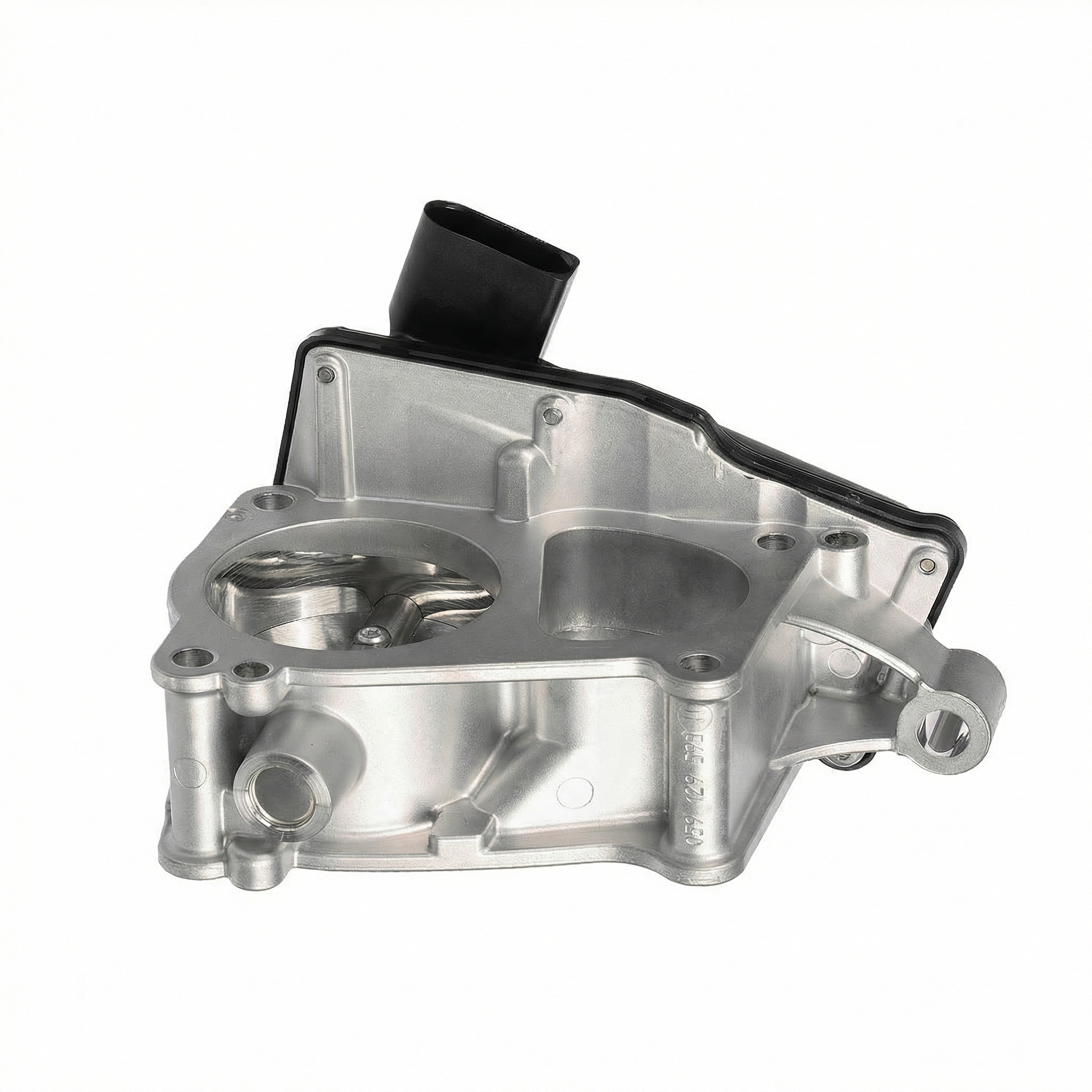
New Aftermarket Parts Available


The information in this article is provided for general reference and educational purposes only. Vehicle specifications, procedures, and part compatibility can vary by production date, trim level, and region. Always consult your vehicle's factory service manual and verify part numbers before purchasing or performing repairs. Safety-critical components such as airbags, seat belts, and braking systems should be installed by a qualified professional.
- Audi A6:
- 🧭 Diagnostic Flowchart
- 🎬 Helpful Videos
- 🛍️ Shop This Part
- What's Unique About the 2012-2018 Audi A6
- Symptoms You May Notice
- Most Likely Causes
- Rare But Worth Checking
- Diagnosis Steps
- Parts You'll Likely Need
- Related Codes That Often Appear With This One
- Platform-Specific Known Issues
- Mechanic-Grade Diagnostic Values
- Hidden / Shadow Codes Worth Checking
- Scan Tool Commands That Help
- Wiring & Ground Locations
- Real Owner Repair Stories
- OEM Part Supersession History
- Model Year Variations Within This Range
- Other Known Issues on This Vehicle
- Used vs. New Parts: Buying Guide for This Vehicle
- Real Owner Stories
- Audi A6 (C7 Platform)
- Audi A6 / A4 (VAG Platform)
- Related OBD-II Codes
- Frequently Asked Questions
- 🎟️ Get 5% Off