

OBD-II Code P1531: A/C Request, Camshaft Control, or Pedal Fault
The Ultimate Guide to Understanding, Diagnosing, and Fixing P1531
- Identify your vehicle's specific P1531 definition first; it means a $15 A/C relay failure on a GM, a $150 pedal sensor fault on a Saab, or a $1,300+ camshaft timing issue on a Porsche.
- For GM vehicles lacking cold air, swap the A/C compressor clutch relay with the identical horn relay in the under-hood fuse box before buying any parts.
- On Porsche, VW, and Audi engines, test the VVT solenoid resistance with a multimeter (expecting 10-18 Ohms) to rule out a simple electrical failure before authorizing a $2,000+ mechanical actuator replacement.
- Never ignore a camshaft-related P1531 code, as driving with stuck engine timing dumps unburned fuel into the exhaust, destroying a $1,500 catalytic converter within 6 to 12 months.
What Does P1531 Mean?
P1531 is a manufacturer-specific code with entirely different definitions based on your car. For General Motors, it signals a failed A/C request circuit. For Porsche, Audi, and Volkswagen, it points to a variable camshaft timing system fault. For Saab and Ford, it indicates an accelerator pedal position sensor failure.
Technical definition: The SAE designates P1xxx codes as manufacturer-specific. Common definitions include: General Motors - A/C Compressor Clutch Relay Control Circuit; Porsche/Audi/VW - Camshaft Timing Adjustment, Bank 1 - Open Circuit/Actuator Fault; Ford - Invalid Test - Accelerator Pedal Movement Detected; Saab - Pedal Position Sensor 1 and 2 Circuit Adapted Sum Out of Range; Subaru - Motor Control Module Lost Communication with DC-DC Converter; Toyota - Battery Current Sensor Circuit High.
Can I Drive With P1531?
Yes, But With Caution. You can drive with a P1531 code, but risks vary by vehicle. On a GM, you simply lose A/C. On a Saab or Ford, a faulty pedal sensor abruptly triggers 'Limp Home Mode', severely restricting engine power. For Porsche, VW, or Audi, ignoring a camshaft timing fault causes poor fuel economy and destroys the catalytic converter over time, an $800 to $2,500 repair.
Common Causes
- Faulty A/C Compressor Clutch Relay (GM) (Very Common) — On GM vehicles, this is the most frequent cause. The relay is a small, inexpensive electronic switch in the fuse box that fails from age, preventing the A/C compressor from turning on.
- Faulty Camshaft Adjustment Solenoid (Porsche/VW/Audi) (Very Common) — On German vehicles, the solenoid (N205 valve) 🎬 See this walkthrough for replacing the Audi/VW cam adjuster solenoid. that controls oil flow to adjust camshaft timing gets stuck, clogs with sludge, or fails electrically.
- Faulty Accelerator Pedal Position Sensor (Saab/Ford) (Common) — The sensor assembly that tells the computer how far you press the gas pedal fails. A voltage mismatch between its internal redundant sensors triggers the code and limp mode.
- Oil Contamination or Incorrect Viscosity (Common) — VVT-equipped engines use engine oil as hydraulic fluid. Sludge or the wrong oil weight clogs the fine mesh screens on VVT solenoids, preventing the system from adjusting timing.
- Wiring or Connector Issues (Common) — Wires leading to the A/C relay, camshaft solenoid, or pedal sensor become frayed, corroded, or disconnected, causing an open or short circuit.
- Worn VarioCam Chain Pads or Actuator (Porsche) (Less Common) — On Porsche M96 engines, the plastic pads supporting the timing chains wear out, or the mechanical actuator fails internally. This introduces slack the system cannot correct.
- Low A/C Refrigerant Charge (Less Common) — If the A/C system's refrigerant is too low, pressure sensors prevent the compressor from engaging. On some GM vehicles, this triggers a P1531 control circuit code.
- Faulty Engine Control Module (ECM/PCM) (Rare) — A shorted solenoid or wiring damages the driver circuit inside the engine computer. This is a last-resort diagnosis after proving all other components function perfectly.
Symptoms
- Check Engine Light is On — The engine control module logs the fault and illuminates the malfunction indicator lamp on the dashboard.
- A/C Not Blowing Cold Air — The primary symptom for GM vehicles, where the A/C compressor clutch refuses to engage.
- Engine Goes into "Limp Mode" — On Saab or Ford models, a faulty pedal sensor causes the computer to severely limit engine speed (fuel cut-off above 2200 rpm) to prevent unintended acceleration.
- Rough Idle or Stalling — On vehicles with a camshaft timing fault (Porsche, VW, BMW), the engine runs poorly or stalls at idle because the timing is stuck in an advanced or retarded position.
- Reduced Engine Power — Incorrect camshaft timing or a faulty accelerator pedal sensor drastically reduces the engine's performance and throttle response.
- Increased Fuel Consumption — When variable valve timing fails, the engine operates inefficiently, causing a noticeable drop in gas mileage.
Diagnostic Flowchart
Tap your situation to follow the diagnostic path that matches what you're seeing on this code.
Common Fixes & Costs
- Replace A/C Compressor Clutch Relay — Parts: $15-$30, Labor: $0-$100 (DIY recommended), ~0.2 hr book time (DIY)
- Replace Accelerator Pedal Assembly — Parts: $100-$250, Labor: $100-$150, ~0.5 hr book time (DIY)
- Replace Camshaft Adjustment (VVT/N205) Solenoid — Parts: $50-$300, Labor: $150-$500, ~1.5 hr book time (Intermediate)
- Repair Wiring or Connector — Parts: $5-$50, Labor: $150-$400, ~1.5 hr book time (Intermediate)
- Replace Camshaft Actuator (Porsche VarioCam) — Parts: $800-$1700, Labor: $1500-$3500, ~8 hr book time (Professional)
Used vs. New Parts: Buying Guide
When a used part is worth it: For electronic components like VVT solenoids or accelerator pedals, a used OEM part from a low-mileage vehicle is a reliable alternative to cheap aftermarket parts. Avoid used parts for items with known wear components like Porsche VarioCam actuators.
Donor-vehicle mileage cap: roughly under 60000 miles for the part to have meaningful remaining life.
Donor quality checklist:
- Verify the part number matches exactly; visual similarities are deceiving.
- Prefer parts from vehicles scrapped due to collision damage.
- For solenoids, check that the mesh screens are intact and free of metallic debris.
Decision logic:
- If The part is a simple A/C relay. → Buy new. The cost is negligible and a new part ensures reliability.
- If The part is a VVT solenoid or accelerator pedal and the vehicle is over 100k miles. → A new OEM or high-quality aftermarket part (e.g., Bosch, Hella) is strongly recommended over a used one.
- If The part is a complex mechanical item like a Porsche VarioCam actuator. → New OEM is the only recommended path. The risk and labor cost of a used part failing are too high.
Warranty tradeoff: Used parts from salvage yards typically offer a 30-90 day warranty. New aftermarket parts offer 1-year to limited lifetime warranties. New OEM parts carry a 1-2 year warranty.
Worst-case if a used part fails: $500-$1500 if a used electronic or mechanical part fails after installation, requiring repeat labor costs.
What Happens If You Wait — Timeline
- 0-1 month: Code sets. For a VVT fault, a subtle rough idle appears, and fuel economy drops slightly. No mechanical damage occurs yet. (MPG impact: 3-7%% · Added cost: $0-$50 in wasted fuel)
- 1-6 months: MPG loss becomes noticeable. The engine runs consistently rich or lean due to incorrect timing, forcing the catalytic converter to overheat. Substrate begins to degrade. (MPG impact: 5-12%% · Added cost: $50-$200 in wasted fuel)
- 6-12 months: The catalytic converter fails from sustained overheating. The risk of damage to timing chain pads increases from the VVT system constantly fighting to correct the timing. (MPG impact: 10-15%% · Added cost: $1,200-$3,700 (Catalytic converter replacement))
- 12+ months: Severe risk of catastrophic failure. On a Porsche, a failed timing pad causes the timing chain to jump, leading to piston-to-valve contact and engine destruction. (MPG impact: 15-25%% · Added cost: $8,000-$25,000 (Engine rebuild or replacement))
Cost of Not Fixing It
- 0-1 month: For a camshaft fault, a noticeable drop in fuel economy and rough idle. For an A/C fault, loss of air conditioning. For a pedal fault, intermittent 'limp mode' events. (Added cost: $20-$60 in extra fuel costs.)
- 1-6 months: Continued driving with an uncorrected camshaft timing issue causes the engine to run rich, leading to overheating and destruction of the catalytic converter. (Added cost: $1200-$2800 for catalytic converter replacement.)
- 6+ months: In severe cases on Porsche engines, a failing actuator leads to timing chain slack, causing catastrophic engine damage. (Added cost: $8000-$20,000 for major engine repair or replacement.)
Diagnosis Steps
- Identify Your Vehicle's P1531 Definition
Before opening the hood, you must know what P1531 means for your specific make. Search 'P1531 [Your Car Make]' to determine if you are chasing an A/C, camshaft, or pedal fault.
Tools: Smartphone or computer with internet access (Beginner) - Initial Visual Inspection and Fuse Check
Visually inspect the wiring harness and connector for the component in question. Look for obvious damage, corrosion, or oil leaks. Locate and check all related fuses in the under-hood and interior fuse panels.
Tools: Flashlight, Owner's manual (Beginner) - Test A/C Relay (GM) or Swap for Diagnosis
For GM A/C faults, locate the A/C compressor clutch relay in the under-hood fuse box. Swap it with an identical relay used for the horn. If the A/C starts working and the horn stops, the relay is bad.
Tools: Pliers, Owner's manual (Beginner) - [PRO TIP] Test VVT/VANOS Solenoid Resistance
For Porsche, VW, Audi, or BMW, disconnect the camshaft solenoid's electrical connector. Set a multimeter to Ohms (Ω) and measure the resistance between the two pins. A healthy solenoid reads 10-18 Ohms. Infinity (O.L.) or near zero means the solenoid is dead.
Tools: Multimeter (Intermediate) - [PRO TIP] Verify Accelerator Pedal Sensor Voltages (Saab/Ford)
For pedal faults, use a scan tool to monitor 'Pedal Position Sensor 1' and 'Pedal Position Sensor 2'. As you press the pedal, one voltage increases while the other decreases. Their sum must consistently equal ~5V. If not, replace the pedal assembly.
Tools: Scan tool with live data (Intermediate) - Check for Power and Ground at the Connector
Turn the ignition on (engine off). Using a multimeter set to DC Volts, check for battery voltage at the component's wiring harness connector. Then, check the ground pin for continuity to the chassis. A lack of voltage points to a wiring problem or blown fuse.
Tools: Multimeter, Vehicle-specific wiring diagram (Intermediate) - [PRO TIP] Actively Test the VVT/VANOS Solenoid and Actuator
With the solenoid unplugged and the engine idling, use jumper wires to apply 12V from the battery directly to the solenoid's pins. A functioning solenoid and actuator causes the engine idle to immediately stumble or stall. If you hear a click but the idle doesn't change, the mechanical actuator is stuck.
Tools: Jumper wires, 12V power source (Advanced) - Command Component Activation with a Bi-Directional Scan Tool
Use an advanced scan tool to command the A/C clutch to engage or activate the VVT solenoid. If the component has power and ground (Step 6) but ignores the scan tool's command, the component itself has failed.
Tools: Bi-directional scan tool (Advanced) - [ADVANCED] Analyze Porsche Camshaft Deviation with Live Data
Using a Porsche-specific scan tool, monitor the 'Actual Camshaft Angle' for Bank 1. At a stable, warm idle, the value should be 0 degrees. A value that is stuck, slow to respond, or deviates by more than +/- 6 degrees indicates a failing actuator or worn chain pads.
Tools: Porsche-specific scan tool (Durametric, PIWIS) (Advanced) - [ADVANCED] Test GM A/C Compressor Clutch Coil Resistance
Disconnect the A/C compressor clutch connector. Set a multimeter to Ohms (Ω). A healthy GM clutch coil has a resistance between 3.0 and 5.0 Ohms. A reading outside this range indicates a failed compressor clutch coil.
Tools: Multimeter (Advanced) - [ADVANCED] Check A/C System Pressures
For GM A/C faults, connect a manifold gauge set. With the A/C running at 70°F ambient, typical pressures are 35-40 PSI on the low side and 145-160 PSI on the high side. Pressures that are too low prevent the PCM from engaging the compressor.
Tools: A/C manifold gauge set (Advanced)
When This Code Triggers (Freeze-Frame Conditions)
- Engine Coolant Temp: 180-210°F (82-99°C) (The fault is most often detected when the engine is fully warmed up and oil viscosity is at its lowest.)
- RPM: 1500-3000 RPM (For camshaft faults, the code sets during steady-state cruising when the VVT system is commanded to adjust.)
- Engine Load: 25-60% (The ECU actively tests the VVT system under moderate load conditions.)
- Vehicle Speed: 45-65 mph (Steady highway driving provides the stable operating environment needed for the ECU to run VVT system diagnostics.)
Related Codes
- P1530 — On Porsche and Saab vehicles, this is the corresponding fault for the opposite engine bank or sensor. If both appear together on a Porsche, suspect a systemic issue like low oil pressure.
- P0011 / P0014 — Generic codes for 'Camshaft Position - Timing Over-Advanced'. P1531 is an electrical fault, while P0011/P0014 are performance faults. A bad solenoid (P1531) causes the performance fault.
- P2138 — Indicates a direct 'Voltage Correlation' problem between sensor 1 and 2 in the accelerator pedal. If you have both P1531 and P2138 on a Saab, the pedal assembly is definitively dead.
- P0534 — Indicates 'A/C Refrigerant Charge Loss'. If you have a P1531 A/C fault alongside P0534, the root cause is a refrigerant leak, not a bad relay.
Climate & Environmental Factors
- Cold Weather: In VVT-equipped vehicles, cold, thick engine oil causes sluggish operation of the camshaft actuators on startup, triggering a temporary timing fault.
- High Humidity / Salt: Moisture accelerates the corrosion of wiring, connectors, and relay pins. This causes the 'Open Circuit' fault seen in VW/Audi vehicles or intermittent A/C relay issues in GMs.
How to Talk to a Mechanic About This Code
Say this: "State your vehicle and the specific system you suspect. For a Porsche: 'I have a 2002 Boxster with code P1531. I need a diagnosis that includes testing the Bank 1 solenoid's resistance and function before quoting a full actuator replacement.' For a Chevy: 'I have a 2008 Silverado with P1531 and the A/C isn't working. Please test the A/C clutch relay and its circuit first.'"
This signals that you are an informed customer. It directs the technician to perform logical diagnostic steps and prevents them from jumping to the most expensive conclusion.
Avoid saying:
- 'My check engine light is on, can you just fix it?'
- 'I'm not a car person, just do whatever you think is right.'
- 'A guy on a forum said to replace this part.'
Questions to ask before authorizing the repair:
- For a Porsche/VW VVT fault: 'What was the measured resistance of the solenoid, and what was the camshaft deviation angle at idle?'
- For a GM A/C fault: 'Did you confirm there is power and ground at the A/C compressor connector when commanded on?'
- For a Saab pedal fault: 'Can you show me the live data graph of the two pedal position sensors to confirm they are not tracking correctly?'
- Will you be using OEM or aftermarket parts, and what is the warranty on both the parts and the labor?
- Can I see the old parts that you replace?
Where to Take It: Dealer vs Independent vs Chain
- Dealer:
A safe, but very expensive, choice for Porsche/VW/Audi faults. Overkill for a GM A/C issue.
Best for: Complex German VVT/VarioCam diagnostics where manufacturer-specific tools (PIWIS) are essential., Vehicles still under any form of warranty.
Downsides: Highest labor rates., May recommend replacing a larger assembly (entire actuator) when only a smaller component (solenoid) has failed. (Typical cost: +50% vs. baseline) - Independent Shop:
The best overall choice. A German auto specialist is ideal for Porsche/VW faults, while general independent shops easily handle the GM A/C relay issue.
Best for: GM A/C faults, Saab pedal faults, and Toyota charging system faults., Out-of-warranty vehicles where cost is a major factor.
Downsides: Quality and expertise vary widely. Ensure the shop specializes in your vehicle type. (Typical cost: +0% vs. baseline) - Chain Shop:
Acceptable ONLY for a straightforward GM A/C relay fault. AVOID for Porsche, VW, Audi, or Saab diagnostics.
Best for: Extremely simple, well-known fixes like the GM A/C relay replacement.
Downsides: Technician skill is highly variable., High pressure to upsell unnecessary services (like a full A/C system evacuation for a simple relay fault)., Lacks the specialized tools and knowledge for German VVT or Saab pedal diagnostics. (Typical cost: -10% vs. baseline)
When to Walk Away From the Repair
If the estimated repair cost exceeds 40-50% of the car's private-party value, it is time to seriously consider selling or trading it in.
- Car worth $8000, fix is $200: Fix it. A GM A/C relay or Saab pedal sensor repair is a tiny fraction of the car's value.
- Car worth $15000, fix is $1300: Fix it. A Porsche VVT solenoid replacement is expensive, but well below the threshold.
- Car worth $15000, fix is $5500: Walk away. A full Porsche VarioCam actuator replacement at this price approaches 40% of the car's value. Get a second opinion or consider selling 'as-is'.
What Scan Tool You Need for This Code
Minimum: A tool that reads manufacturer-specific code definitions and displays live data PIDs.
A $20 code reader just shows 'P1531,' which is useless. You must know if it's a GM A/C fault, a Porsche timing fault, or a Saab pedal fault. Diagnosis requires live data like pedal sensor voltages or camshaft angles.
Budget: BlueDriver Pro (~$120) — Connects to a smartphone app to define the manufacturer-specific code and displays live data. Sufficient to see A/C command status on a GM or check pedal sensor voltages on a Saab.
Mid-range: Foxwell NT510 Elite / Autel MaxiCOM MK808 (~$150) — The sweet spot for P1531. Offers bi-directional control, allowing you to command the A/C clutch on a GM or actively test a VVT solenoid on a Porsche/VW. Reads manufacturer-specific PIDs like Porsche camshaft deviation.
Professional: Autel MaxiSys / Launch X431 / Porsche PIWIS (clone) (~$900-2000) — Provides dealer-level diagnostics. For a Porsche, this allows running specific guided test routines for the VarioCam system, definitively isolating the solenoid from the mechanical actuator.
Rent vs buy: For a one-time diagnosis, auto parts stores read codes for free. However, their basic readers lack the detail for P1531. If you own a German vehicle, buying a mid-range scanner is a mandatory investment.
How to Clear the Code After You Fix It
- Reconnect battery if disconnected for repair
- Use an OBD-II scan tool to erase the P1531 fault code
- Perform a complete drive cycle to allow readiness monitors to run
Drive cycle (~30 minutes): Start the engine cold. Idle for 3 minutes with the A/C and rear defroster on. Drive for 15 minutes at a steady 55-60 mph. Drive for 15 minutes in stop-and-go city traffic. Allow the vehicle to cool down completely.
Readiness monitors affected: Catalyst (CAT) monitor, Oxygen (O2) Sensor monitor, Evaporative (EVAP) System monitor
Before emissions retest: drive at least 100 miles to fully set monitors.
Watch out for:
- Clearing the code with a scanner does not fix a hard electrical fault; the code returns immediately.
- Disconnecting the battery resets all emissions readiness monitors to 'Not Ready', causing an automatic failure at an emissions testing station.
- Failing to complete the steady highway cruising portion of the drive cycle prevents the VVT monitor from running.
Will This Fail Emissions / State Inspection?
Yes — this code typically fails an OBD-II emissions inspection.
- California: An active Check Engine Light for P1531 is an automatic failure. After repair, a full drive cycle must be completed to set all readiness monitors to 'Ready'.
- New York: The NYS DMV inspection includes an OBD-II scan. An illuminated Check Engine Light results in an immediate test failure.
- Texas: In counties requiring emissions testing, an active P1531 code causes an automatic failure. After clearing the code, you can have at most one monitor 'Not Ready' to pass.
Most Commonly Affected Vehicles
- Porsche 911 (996) (1999-2004) — Very common for this code to indicate a failing VarioCam solenoid or actuator on Bank 1.
- Porsche Boxster (986) (1997-2004) — Frequently experiences P1531 due to faulty VarioCam solenoids, actuators, or worn internal chain pads.
- Audi/Volkswagen Various with 1.8T/2.0T engines (A4, GTI, Jetta) (2002-2013) — Often logs P1531 (VAG fault 17939) for an open circuit in the camshaft adjustment valve (N205) or its wiring.
- Chevrolet/GMC/Cadillac Various trucks and SUVs (Silverado, Tahoe, Escalade) (2000-2015) — Commonly triggers P1531 due to a simple A/C compressor clutch relay failure.
- Saab 9-3, 9-5 (1999-2011) — On Trionic 7 systems, this code almost always points to a mismatch between the two sensors in the accelerator pedal assembly, causing immediate limp mode.
- Subaru Crosstrek Hybrid (2014-2022) — Indicates a communication loss between the Motor Control Module and the DC-DC converter. A related recall (WRD-23) was issued for a corroding battery harness.
- Toyota Various models (RAV4, Camry) (2005-2015) — Indicates the battery current sensor output is higher than expected, pointing to a fault in the charging system or the sensor itself.
- BMW Various models with M54/N52 engines (2000-2010) — Relates to the camshaft position actuator (VANOS solenoid). The diagnostic and failure modes are identical to Porsche/VW VVT systems.
Manufacturer-Specific Notes
- Porsche/Audi/VW: This code almost always points to the variable valve timing system. For VW/Audi, it is an electrical open circuit in the N205 valve. For Porsche, it is the solenoid or the mechanical actuator.
- General Motors (Chevrolet, GMC, Cadillac, Buick): P1531 is typically a straightforward electrical fault in the A/C compressor clutch circuit, almost always caused by a cheap relay in the under-hood fuse box.
- Saab: P1531 is a critical code indicating the redundant sensors inside the accelerator pedal assembly disagree. The ECU immediately triggers limp mode, cutting fuel above 2200 RPM.
- Ford/Mercury: The definition is 'Invalid Test - Accelerator Pedal Movement'. This code sets during a self-test if the gas pedal is pressed when it shouldn't be, or indicates an intermittent pedal sensor fault.
- Subaru: Recall WRD-23 was issued for Crosstrek Hybrids for a harness terminal that corrodes and breaks, preventing the 12V battery from charging and causing a loss of power.
Real Owner Stories
2008 Chevrolet Silverado, 115K miles - The Easy Fix
Check Engine Light came on, and the A/C stopped blowing cold air at the start of summer. No other symptoms were present.
What they tried:
- Initially feared a costly A/C compressor failure.
- A forum search for 'P1531 Silverado' suggested checking the A/C relay.
- Owner located the A/C clutch relay in the under-hood fuse box and swapped it with the identical horn relay.
Outcome: The A/C immediately started working, and the horn stopped. A new relay (Part #13500114) was purchased for $15. The code was cleared and did not return. Total repair time was 5 minutes.
Lesson: For GM vehicles with P1531 and an A/C complaint, swapping the relay is a zero-cost, definitive diagnostic step that must be tried first.
2002 Porsche Boxster, 85K miles - The Misdiagnosis Nightmare
Car developed a rough, fluctuating idle and the Check Engine Light came on with code P1531. The engine almost stalled but ran fine at higher RPMs.
What they tried:
- The owner's mechanic hesitated to perform repairs, noting the solenoids were $900+ each and couldn't guarantee the root cause.
- Owner took it to a Porsche specialist who used a PIWIS scanner to actively test the VarioCam actuators.
- The test confirmed the Bank 1 solenoid was dead, while the mechanical actuator functioned perfectly.
Outcome: Replacing only the faulty solenoid fixed the issue for $1,300. The owner avoided a $3,500+ replacement of the mechanical actuator that a generic diagnosis would have recommended.
Lesson: On high-stakes repairs like a Porsche VarioCam, insist on advanced diagnostics. A generic code reader cannot isolate the exact point of failure.
2006 Saab 9-3, 98K miles - The Abrupt Limp Mode
While driving on the highway, the 'Limited Performance' message appeared, and the engine suddenly lost power, refusing to rev above 2,200 RPM. The Check Engine Light showed code P1531.
What they tried:
- The owner limped the car home. Restarting the car did not fix the issue.
- Research pointed directly to the Accelerator Pedal Position (APP) sensor assembly as the definitive cause for this specific code on the 9-3.
- The owner ordered a new Hella pedal assembly for $150 and replaced it in 20 minutes using basic hand tools.
Outcome: The new pedal assembly immediately resolved the limp mode and the P1531 code. Performance returned to normal.
Lesson: For a Saab with P1531 and limp mode, the accelerator pedal sensor is the primary culprit and an easy DIY fix.
How to Prevent This Code From Triggering
- Use high-quality full synthetic engine oil and change it every 5,000 miles. (Every 5,000 miles or 6 months.) — Clean oil is critical for VVT systems. Old oil turns to sludge, clogging the tiny passages in VVT solenoids and causing them to stick and fail.
- For Porsche M96/M97 engines, use a specialized high-zinc oil. (Every oil change.) — Using an oil with high levels of ZDDP (like Driven DT40) provides enhanced protection for the engine's specific metallurgy, reducing wear on timing components.
- Apply dielectric grease to critical electrical connectors. (During any repair involving a connector.) — Dielectric grease seals connectors from moisture and road salt, preventing the corrosion that causes 'Open Circuit' faults common in VW/Audi and Subaru vehicles.
- Use Top Tier rated gasoline. (Every fill-up.) — Top Tier gasoline contains detergents that prevent carbon deposits, ensuring a cleaner burn that reduces oil contamination and places less stress on VVT systems.
Frequently Asked Questions
Can I just replace the A/C relay to fix P1531?
Yes, for GM vehicles, replacing the A/C clutch relay fixes the problem in most cases. Swap it with the horn relay first to confirm the diagnosis before buying parts.
Why is the Porsche repair so expensive?
The VarioCam system is buried inside the engine, requiring significant labor to access. If the mechanical actuator fails, the part alone costs over $1,700. Dealerships often quote engine-out services exceeding $6,000 for this repair.
How does engine oil cause a P1531 code?
VVT systems use pressurized engine oil to physically move camshaft actuators. Old, thick, or low oil cannot create the necessary pressure, causing the actuators to stick. The engine computer detects this lack of movement and triggers the code.
Can I ignore the code if the car runs fine?
No. Ignoring a camshaft timing fault causes the engine to run rich, which destroys the catalytic converter over time. This turns a $200 solenoid repair into a $2,000 exhaust replacement.
What is the most common misdiagnosis for P1531?
The biggest mistake is failing to look up the manufacturer-specific definition for your exact car. The second is replacing a $1,700 Porsche VarioCam actuator when the actual fault is a $150 solenoid or clogged oil passage.
The code came back immediately after clearing it. Why?
An immediate return indicates a 'hard fault,' meaning the electrical circuit is permanently broken or shorted. You must use a multimeter to find the broken wire, blown fuse, or dead solenoid.
What does 'Open Circuit' mean for VW/Audi?
An open circuit means the engine computer detects a physical break in the wiring to the N205 VVT solenoid. This is usually a broken wire, a corroded connector pin, or a failed internal coil inside the solenoid.
Key Takeaways
- Identify your vehicle's specific P1531 definition first; it means a $15 A/C relay failure on a GM, a $150 pedal sensor fault on a Saab, or a $1,300+ camshaft timing issue on a Porsche.
- For GM vehicles lacking cold air, swap the A/C compressor clutch relay with the identical horn relay in the under-hood fuse box before buying any parts.
- On Porsche, VW, and Audi engines, test the VVT solenoid resistance with a multimeter (expecting 10-18 Ohms) to rule out a simple electrical failure before authorizing a $2,000+ mechanical actuator replacement.
- Never ignore a camshaft-related P1531 code, as driving with stuck engine timing dumps unburned fuel into the exhaust, destroying a $1,500 catalytic converter within 6 to 12 months.
Helpful Videos
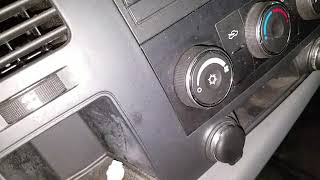


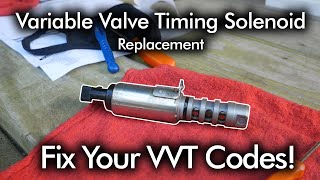
Shop the Parts Behind P1531
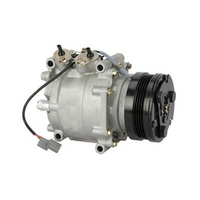
Below are the parts most often responsible for code P1531, ranked by how frequently each one is the actual culprit (per the diagnosis above). Tap any to see what we have for your vehicle.


The information in this article is provided for general reference and educational purposes only. Vehicle specifications, procedures, and part compatibility can vary by production date, trim level, and region. Always consult your vehicle's factory service manual and verify part numbers before purchasing or performing repairs. Safety-critical components such as airbags, seat belts, and braking systems should be installed by a qualified professional.
- 🧭 Diagnostic Flowchart
- 🎬 Helpful Videos
- 🛍️ Shop This Part
- What Does P1531 Mean?
- Can I Drive With P1531?
- Common Causes
- Symptoms
- Common Fixes & Costs
- Used vs. New Parts: Buying Guide
- What Happens If You Wait — Timeline
- Cost of Not Fixing It
- Diagnosis Steps
- When This Code Triggers (Freeze-Frame Conditions)
- Related Codes
- Climate & Environmental Factors
- How to Talk to a Mechanic About This Code
- Where to Take It: Dealer vs Independent vs Chain
- When to Walk Away From the Repair
- What Scan Tool You Need for This Code
- How to Clear the Code After You Fix It
- Will This Fail Emissions / State Inspection?
- Most Commonly Affected Vehicles
- Manufacturer-Specific Notes
- Real Owner Stories
- 2008 Chevrolet Silverado, 115K miles - The Easy Fix
- 2002 Porsche Boxster, 85K miles - The Misdiagnosis Nightmare
- 2006 Saab 9-3, 98K miles - The Abrupt Limp Mode
- How to Prevent This Code From Triggering
- Frequently Asked Questions
- Can I just replace the A/C relay to fix P1531?
- Why is the Porsche repair so expensive?
- How does engine oil cause a P1531 code?
- Can I ignore the code if the car runs fine?
- What is the most common misdiagnosis for P1531?
- The code came back immediately after clearing it. Why?
- What does 'Open Circuit' mean for VW/Audi?
- Key Takeaways
- 🎟️ Get 5% Off