

P1571 on 2004-2011 Audi A6 4.2L: Left Engine Mount Solenoid Fixes
This code indicates an electrical short in the left-side active engine mount (N144). The most common fix is replacing the entire engine mount assembly. Expect to pay $150-$300 for an OEM-quality part.
- P1571 on your Audi A6 is an electrical fault with the left-side active engine mount, not a brake issue.
- The most common symptom is increased engine vibration felt inside the car, especially at idle.
- The most likely fix is to replace the entire left engine mount assembly; replacing both mounts at once is recommended.
- Before replacing the mount, always check the wiring and the associated fuse to rule out a simpler electrical problem. A blown fuse here can also cause a no-start condition.
- This repair is moderately difficult for a DIYer and requires safely supporting the engine.
What's Unique About the 2004-2011 Audi A6
The C6 generation Audi A6 with the 4.2L V8 uses an advanced active engine mount system to balance comfort and performance. Unlike standard rubber mounts, these are fluid-filled and electronically controlled. 🎬 Watch: How an active engine mount works While effective, the internal solenoids are a known failure point as the vehicle ages, making this a relatively common code. The failure is typically the electronic component within the mount, not just the rubber part, which can leak a tell-tale red or purple fluid. The issue is also common on other Audi V8 models of the era, like the S4.
Symptoms You May Notice
- Increased engine vibration felt in the steering wheel, floor, or seats, especially at idle or when putting the car in gear.
- A subtle change in driving comfort or an increase in harshness.
- The Malfunction Indicator Lamp (Check Engine Light) may or may not be illuminated, as the fault doesn't directly impact emissions.
- A 'clunk' noise during take-off or sudden stops as the engine shifts more than usual.
- Visible red/purple fluid stains under the engine, indicating the hydraulic fluid has leaked from the mount. 🎬 Watch: How to check for bad Audi engine mounts
- Replacing the brake light switch. Many generic code readers incorrectly define P1571 as a brake switch issue, which is not correct for Audi vehicles.
- Attributing misfires solely to ignition components. Some owners report that a failing engine mount solenoid can cause the ECU to trigger misfire codes, leading to confusion.
Most Likely Causes
- Internal Failure of Left Engine Mount Solenoid 🔴 High Probability The electronic solenoid inside the fluid-filled mount is a common failure point over time due to heat cycles and vibration, leading to an internal short circuit. The rubber can also degrade, causing the hydraulic fluid to leak out.
How to confirm: Perform an output test on the N144 solenoid 🎬 Watch: A quick diagnostic trick for P1571 and P1575 using a compatible diagnostic tool (like VCDS). If the test fails and the wiring is intact, the mount is faulty. You can also measure the resistance across the mount's electrical pins; an out-of-spec reading (short or open) indicates failure. Visually inspect for leaked hydraulic fluid around the mount.
Typical fix: Replace the left engine mount as a complete assembly. Many owners choose to replace both left and right mounts at the same time, as they are of similar age and wear.
Est. part cost: $150-$350 - Damaged Wiring or Connector 🟡 Medium Probability The wiring harness leading to the engine mount is located in the engine bay and can be exposed to heat, oil, and physical abrasion, which can cause the insulation to break down and lead to a short.
How to confirm: Visually inspect the wiring harness and connector for the left engine mount. Look for any signs of melting, chafing, corrosion, or broken wires. Perform a continuity test on the wiring from the mount connector to the ECM. An AudiWorld forum user with this code was advised to check the connector first.
Typical fix: Repair the damaged section of the wiring harness and secure it away from heat or sharp edges. Replace the connector if it is corroded or damaged.
Est. part cost: $10-$50 - Blown Fuse ⚪ Low Probability On some Audi models, the fuse for the engine mount solenoids is shared with other critical components like ignition system solenoids. A dead short in the mount can blow this shared fuse.
How to confirm: Check the fuse box in the engine bay (E-box) for the fuse that supplies power to the engine mount solenoids (refer to a wiring diagram). If the fuse is blown, it confirms a short circuit in the system.
Typical fix: Replace the fuse after diagnosing and fixing the underlying short circuit (which is likely the mount itself). Simply replacing the fuse without fixing the short will cause it to blow again. A blown fuse can also cause a no-start condition, which can be misleading.
Est. part cost: $1-$5
Rare But Worth Checking
- Faulty Engine Control Module (ECM):
Diagnosis Steps
- Read the fault codes with an Audi-specific scanner (like VCDS) to confirm P1571 ('Short to B+') and check for any other related codes.
- Visually inspect the electrical connector and wiring going to the left engine mount (N144). Look for any signs of damage, corrosion, or loose connections. Also check for any signs of leaked purple/red hydraulic fluid from the mount itself.
- Check the fuse that powers the engine mount solenoids, typically a 30A fuse in the engine bay electronics box. If it's blown, suspect a dead short in the circuit. Note that this fuse may also power ignition components and cause a no-start.
- If the wiring and fuse are okay, use a diagnostic tool (like Ross-Tech VCDS) to run an 'Output Test' on the Left Engine Mount Solenoid Valve (N144).
- If the output test fails or is not possible, disconnect the mount and measure the resistance between the two pins on the mount itself. A reading of 'open' (infinite resistance) or near-zero 'short' indicates a failed mount.
- If the mount's resistance is within spec, the fault is likely in the wiring between the mount and the Engine Control Module. Perform a continuity and short-to-power test on the harness.
- If the mount has failed, it must be replaced. It is highly recommended to replace the mounts in pairs (left and right).
Parts You'll Likely Need
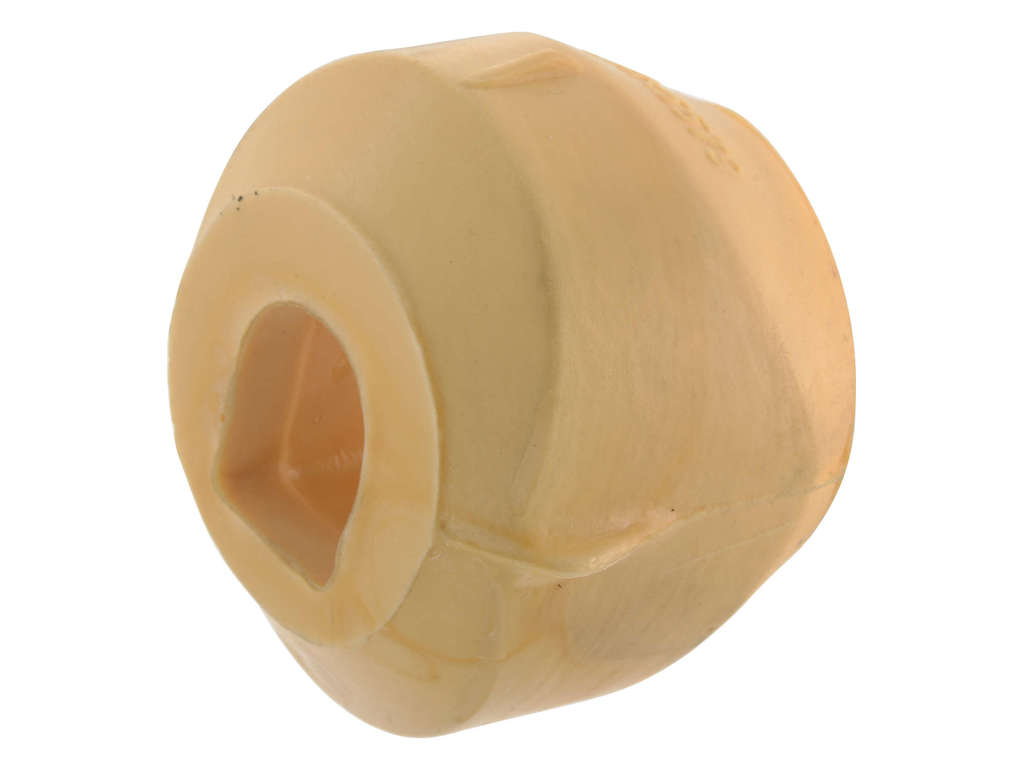
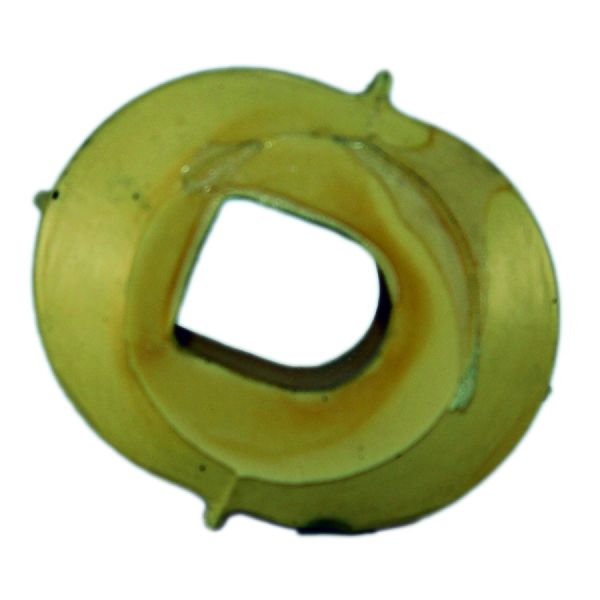
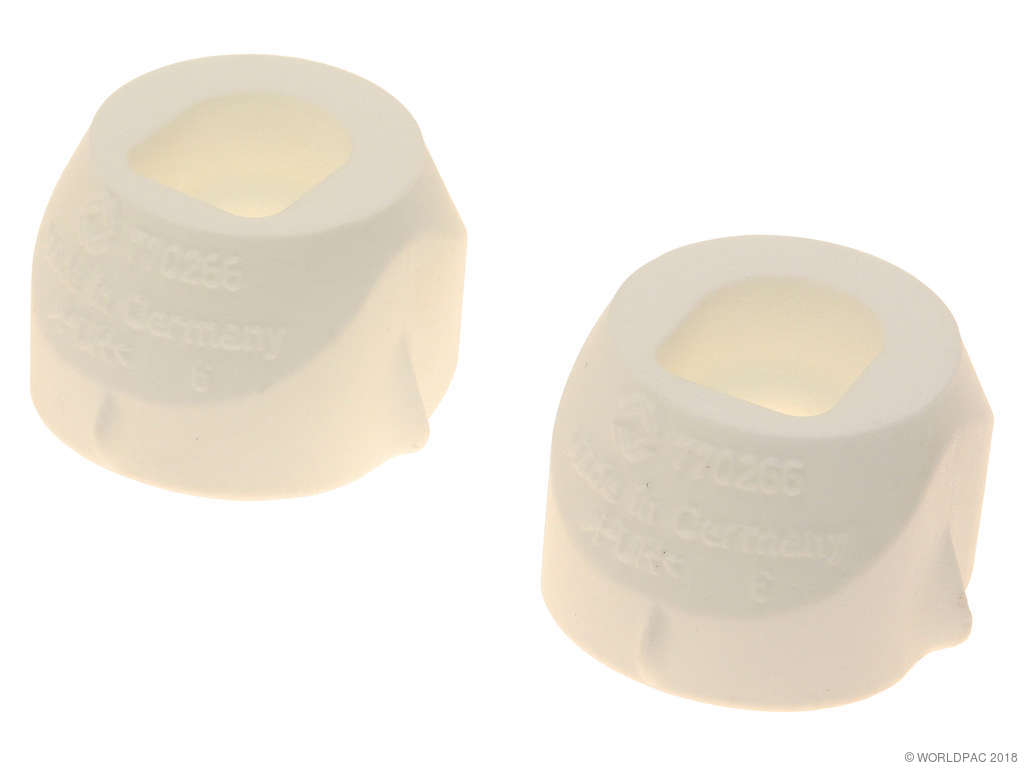
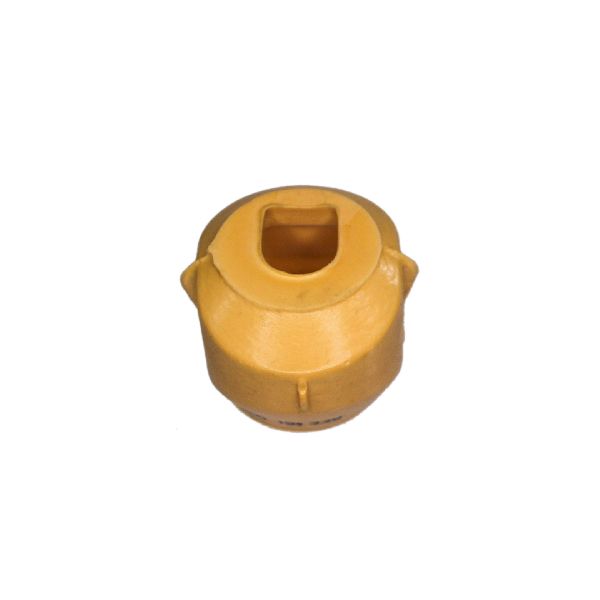
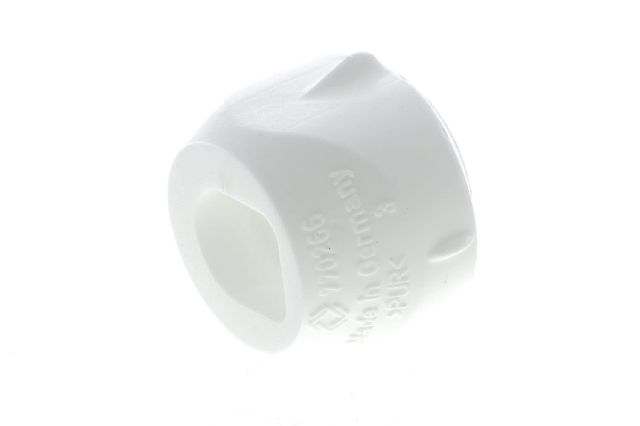
- Left Engine Mount (Active/Electronic)
(OEM #4F0199281F)— This is the most common failure point. The entire unit, including the internal solenoid, is replaced as one assembly.
Trusted brands: Corteco, Lemforder, Meyle, Genuine Audi
OEM price range: $250-$350
Aftermarket price range: $150-$250 - Right Engine Mount (Active/Electronic)
(OEM #4F0199282F (or 4F0199382BM))— Often replaced at the same time as the left mount due to having similar age and wear characteristics.
Trusted brands: Corteco, Lemforder, Meyle, Genuine Audi
OEM price range: $250-$350
Aftermarket price range: $150-$250 - Active Engine Mount Resistor Bypass — An alternative to replacing the mount if you are switching to non-active mounts or simply want to eliminate the fault code without restoring function. This involves wiring a resistor across the connector to trick the ECU into thinking the mount is present and functional. This will not fix the vibration issue.
Trusted brands: 034Motorsport, DIY
OEM price range: N/A
Aftermarket price range: $20-$40
Related Codes That Often Appear With This One
- P1575 — P1575 is the corresponding code for the right engine mount solenoid (N145). It is common for both mounts to be of similar age and fail around the same time, or for a shared electrical issue to cause faults for both.
- P0300-P0308 — Some owners have reported experiencing cylinder misfire codes alongside the engine mount code. One theory is that the electrical failure of the mount can cause erratic behavior from the ECU, though this is debated and could also indicate separate issues.
Platform-Specific Known Issues
- Owner Experience: P1571 with Misfires: An owner on AudiWorld with a 2005 A6 4.2L reported experiencing the Left Engine Mount Solenoid Valve code along with multiple cylinder misfires, a flashing CEL, and extreme rough idle. After replacing both engine mounts, O2 sensors, spark plugs, and coil packs, the P1571 code was resolved, but the misfire issue on bank 1 persisted, indicating a potentially separate or more complex problem.
- Owner Experience: Mount Failure Causing Misfire (Reddit): A Reddit user with a C6 A6 reported getting a P1573 (open circuit, related to P1571) and a P0301 cylinder 1 misfire simultaneously. Their research and a master tech friend suggested that the solenoid failure can 'freak the ECU out', causing it to trigger a misfire on the corresponding engine bank. This is a debated topic on forums but represents a real owner's diagnostic experience.
Mechanic-Grade Diagnostic Values
- Engine Mount Solenoid (N144) Resistance — expected: 4 to 8 Ohms. Failure: A reading near 0 Ohms indicates a short (P1571). A reading of infinity/OL indicates an open circuit (P1573).
- Resistor Bypass Value — expected: 10 Ohms, 10 Watt (or higher). Failure: N/A. This is a workaround, not a repair. It tricks the ECU into thinking the mount is functional to clear the code, but does not restore vibration damping.
Scan Tool Commands That Help
- Ross-Tech VCDS: Engine (01) -> Output Tests (03) -> Left Engine Mount Solenoid Valve (N144) — This command directly actuates the solenoid in the engine mount. It should be used after checking wiring and fuses. A working mount will produce an audible click or a change in engine vibration during the test. A failed test points to a bad mount or a break in the wiring close to the mount.
Wiring & Ground Locations
- Fuse SA5 — In the electronics box (E-box) located in the plenum chamber (under the windshield cowl), typically on the right side.. This 15A fuse (on model year 2005+) supplies power to both the left (N144) and right (N145) electro-hydraulic engine mount solenoids. A short in either mount can blow this fuse. It also powers other components like the MAF sensor and secondary air pump relay, so a failure can present with multiple symptoms.
- N144 Connector (T2ep) — A 2-pin black electrical connector located directly on the body of the left (driver's side in LHD) engine mount.. This is the direct connection point for the solenoid. Pin 1 is the power feed from Fuse SA5, and Pin 2 is the ground-side control wire from the ECM. Testing for voltage and resistance occurs here.
- Ground Point 12 — On the front of the left longitudinal member in the engine compartment, before the front axle.. This is a primary chassis ground point in the engine bay. While not directly for the N144 circuit (which is controlled by the ECM), a poor ground here can cause a host of strange electrical issues and voltage drops, potentially confusing diagnostics.
- ECM Ground — The ECM has several ground connections, often bundled and connected to a dedicated ground stud on the chassis, typically in the plenum area near the ECM itself.. The ECM controls the engine mount solenoid by providing a path to ground. If the ECM's own ground reference is poor, its ability to control various components, including the engine mounts, can be compromised, leading to erratic behavior or false codes.
Real Owner Repair Stories
- Ross-Tech Forums user (2013 Audi A7 (similar system)) — Multiple electrical fault codes, including for the oil pressure regulating valve and intercooler coolant pump, appeared after replacing engine mounts.
❌ Tried (didn't work) Clearing codes (they returned immediately)., Visually inspecting for obvious damage.
✅ What actually fixed it The user found a blown fuse that powered the affected components. After replacing the fuse, it blew again, indicating a persistent short. The root cause was determined to be wiring that was damaged or pinched during the engine mount replacement, creating a short circuit that blew the shared fuse.
Model Year Variations Within This Range
- 2005-2008 vs 2009-2011: While the P1571 fault and its primary cause remain consistent, there were minor changes in fuse box layouts and component sharing on the circuits after the 2009 model year facelift. For example, on pre-facelift models, the engine mounts are on fuse SA5 (15A) in the E-box. Always verify with a model-year specific wiring diagram.
Diagnostic Flowchart
Other Known Issues on This Vehicle
Issues unrelated to this code that are worth knowing about as an owner of this generation:
- Timing Chain Guide Failure 🔴 High — A notorious and well-documented issue. Can occur any time after 80,000 miles. The plastic guides become brittle and break, causing chain rattle (especially on startup) and potentially catastrophic engine damage if ignored. It is an engine-out service to repair.
- MMI System Failure 🟠 Medium — Common failure of the MMI 2G High system. Symptoms range from intermittent crashing to a completely dead screen. Often caused by a failure of one module (Amp, Bluetooth, NAV) in the fiber-optic MOST loop, or water damage to components in the trunk.
- Excessive Oil Consumption 🟠 Medium — The 4.2 FSI V8 is known for burning oil, often starting around 60,000-80,000 miles. This is typically caused by wear on piston rings and valve stem seals, allowing oil into the combustion chamber.
- Intake Valve Carbon Buildup 🟠 Medium — As a direct-injection (FSI) engine, fuel does not wash over the intake valves. This leads to carbon deposits building up over time, restricting airflow and causing misfires, rough idle, and reduced performance. Typically requires manual cleaning (e.g., walnut blasting) every 50,000-70,000 miles.
- Control Arm Bushing Wear 🟡 Low — The front multi-link suspension contains numerous rubber bushings that wear out over time, typically after 80,000 miles. Symptoms include clunking/squeaking noises over bumps, imprecise steering, and uneven tire wear.
Used vs. New Parts: Buying Guide for This Vehicle
When a used part is the smart pick: It is strongly NOT recommended to buy a used active engine mount. The failure is caused by age, heat cycles, and wear of the internal solenoid and rubber components. A used part from a donor vehicle will have similar wear and is likely to fail soon after installation, wasting time and money.
What to inspect on the donor part:
- Not applicable. Avoid used electronic mounts.
OEM-only on this vehicle (don't cheap out):
- While not strictly OEM-only, it is critical to use a high-quality part. Cheap, unbranded aftermarket mounts are known to fail prematurely, sometimes within months, leading to a repeat of the same repair.
Aftermarket brands forum-validated for this vehicle:
- Lemforder: Often an OEM supplier to Audi and other German brands; widely trusted for suspension and mount components.
- Corteco: Another well-regarded OEM supplier, considered on par with Lemforder for mount quality.
Brands owners have reported issues with on this vehicle:
- Unbranded / 'White Box' parts: Generic parts sold on marketplaces like eBay or Amazon without a reputable brand name should be avoided as their quality and durability are highly questionable.
Real Owner Stories
Aggregated from forums and TSBs cited above. Mileages and costs reflect what owners reported in those sources.
2005 Audi A6 4.2L V8
Symptoms: Experienced the Left Engine Mount Solenoid Valve code along with multiple cylinder misfires, a flashing CEL, and extreme rough idle.
What fixed it: Replaced both engine mounts, O2 sensors, spark plugs, and coil packs. This resolved the P1571 code, though a bank 1 misfire persisted.
Source hint: vehicle_specific_issues: Owner Experience: P1571 with Misfires (AudiWorld)
Audi A6 (C6 platform)
Symptoms: Reported getting a P1573 (open circuit) and a P0301 cylinder 1 misfire simultaneously; suggested the solenoid failure was 'freaking the ECU out'.
What fixed it: Diagnosis suggested the solenoid failure triggered a misfire on the corresponding engine bank.
Source hint: vehicle_specific_issues: Owner Experience: Mount Failure Causing Misfire (Reddit)
2009 Audi A6
Symptoms: User posted about P1571 fault code and sought diagnostic help.
What fixed it: Advised to check the connector on the motor mount and perform an output check using a diagnostic tool.
Source hint: forum_citations: AudiWorld Forums - 'Engine Code help needed .........' (2009)
Related OBD-II Codes
Frequently Asked Questions
Will the P1571 code on my 2004-2011 Audi A6 4.2L cause my car to fail an emissions test?
I'm seeing purple fluid leaking under my A6 4.2L; is this related to the P1571 code?
Can a failed engine mount cause my Audi A6 to not start?
How can I confirm if the N144 solenoid is actually bad before buying a new mount?
Should I replace both engine mounts if only the left one (P1571) is showing a fault?
Why does my steering wheel vibrate at idle but the car drives fine otherwise?
Helpful Videos

We Have This Part in Stock

The information in this article is provided for general reference and educational purposes only. Vehicle specifications, procedures, and part compatibility can vary by production date, trim level, and region. Always consult your vehicle's factory service manual and verify part numbers before purchasing or performing repairs. Safety-critical components such as airbags, seat belts, and braking systems should be installed by a qualified professional.
- Audi A6:
- 🧭 Diagnostic Flowchart
- 🎬 Helpful Videos
- 🛍️ Shop This Part
- What's Unique About the 2004-2011 Audi A6
- Symptoms You May Notice
- Most Likely Causes
- Rare But Worth Checking
- Diagnosis Steps
- Parts You'll Likely Need
- Related Codes That Often Appear With This One
- Platform-Specific Known Issues
- Mechanic-Grade Diagnostic Values
- Scan Tool Commands That Help
- Wiring & Ground Locations
- Real Owner Repair Stories
- Model Year Variations Within This Range
- Other Known Issues on This Vehicle
- Used vs. New Parts: Buying Guide for This Vehicle
- Real Owner Stories
- 2005 Audi A6 4.2L V8
- Audi A6 (C6 platform)
- 2009 Audi A6
- Related OBD-II Codes
- Frequently Asked Questions
- 🎟️ Get 5% Off