

P1571 on 2010-2015 Hyundai Tucson: Brake Switch Malfunction Causes and Fixes
On a 2010-2015 Tucson, code P1571 almost always means the brake light switch has failed. This was part of a massive Hyundai recall. Before replacing the switch, check the floor for broken plastic bits from a failed brake pedal stopper pad, which is an even cheaper fix. Expect parts to cost $5-$30 for a simple DIY repair.
- P1571 on a 2010-2015 Tucson is almost certainly a problem with the brake light switch or its associated stopper pad.
- This is a known safety recall issue (Hyundai Recall 110). Check if your vehicle had the recall service performed.
- Before buying a new switch, check for broken plastic pieces on your floor mat—a new $5 stopper pad (32876-25000) might be all you need.
- This is a very easy and inexpensive DIY repair that can be completed in under 30 minutes with basic tools.
What's Unique About the 2010-2015 Hyundai Tucson
The second-generation Hyundai Tucson (2010-2015) falls within an era where Hyundai and Kia had widespread, well-documented issues with premature brake light switch failure. The problem was so common that it led to a massive safety recall (Hyundai Recall 110 / NHTSA Campaign 13V113000) that specifically included 2010-2011 Tucson models, but the issue is known to affect the entire generation. The recall notice itself confirms that a malfunctioning switch can cause the ESC light to come on, prevent the vehicle from shifting out of Park, and disable the cruise control. Therefore, this code on this specific vehicle is highly likely to be caused by the exact issue addressed in the recall.
Symptoms You May Notice
- Brake lights do not illuminate when the pedal is pressed
- Brake lights stay on continuously, even when the pedal is released
- Electronic Stability Control (ESC) warning light is on
- Cruise control cannot be set or is disabled unexpectedly
- Inability to shift the transmission out of Park
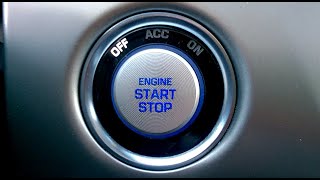
- For vehicles with push-button start, the engine may not start and the dash may display a 'press brake pedal' message even when the pedal is depressed. 🎬 Watch: How to start a Hyundai with a bad brake switch
- Check Engine Light is on
- Replacing the battery when the car won't start (the push-button start requires a valid brake signal, not just power). 🎬 See these quick tricks for a no-start Hyundai
- Assuming a faulty transmission or shifter assembly when the vehicle is stuck in Park (the brake-shift interlock relies on the brake switch signal).
Most Likely Causes
- Faulty Brake Light Switch (Stop Lamp Switch) 🔴 High Probability → Shop Brake Light Switch This is a known, widespread defect acknowledged by Hyundai through Safety Recall 110 (NHTSA 13V113000), which covered 2010-2011 models but is indicative of a high failure rate for the entire generation. TSBs like 15-01-008 and its successor 17-01-021 detail the replacement procedure. The original switches, often marked 'INFAC', were prone to internal contact failure.
How to confirm: Check your VIN for recall completion. Test the switch with a multimeter for proper continuity as the pedal is pressed and released. Given the low cost and extremely high failure rate, replacement is often performed without extensive testing, especially if recall work was never done.
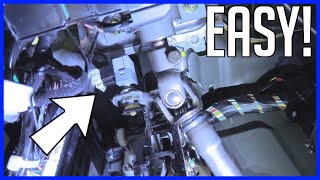
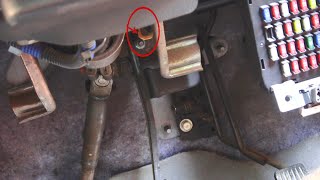
Typical fix: Replace the brake light switch. This involves removing the lower dash panel, disconnecting the electrical connector, unscrewing the old switch, and installing the new one. The new switch must be adjusted so the plunger is fully depressed when the pedal is at rest.
Est. part cost: $10-$35 - Broken Brake Pedal Stopper Pad 🟡 Medium Probability → Shop Brake Pedal The small plastic/rubber stopper that the brake switch plunger presses against becomes brittle with age and can disintegrate. This is a common failure on many Hyundai/Kia models of this era and causes the same symptoms.
How to confirm: Check the driver's side floor mat for small, broken pieces of hard plastic, which may be white or blue. Visually inspect the brake pedal arm for a small hole where the stopper should be. If the stopper is missing, the brake lights will likely be stuck on, draining the battery.
Typical fix: Insert a new stopper pad (Part No. 32876-25000) into the hole on the brake pedal arm. 🎬 Watch: How to replace the brake pedal stopper pad This is a very simple, tool-free repair that often takes less than 5 minutes.
Est. part cost: $2-$10 - Blown Fuse ⚪ Low Probability
How to confirm: Check the fuses related to the 'Stop Lamp' and 'ESC' systems in the interior and engine bay fuse panels. Consult the owner's manual for the correct fuse locations.
Typical fix: Replace the blown fuse with a new one of the same amperage. If the fuse blows again immediately, it indicates a short circuit that requires further diagnosis.
Est. part cost: $1-$5
Rare But Worth Checking
- Wiring or Connector Damage: The wiring or the connector to the brake light switch can become damaged or corroded, causing a loss of signal. This is worth checking if a new switch and stopper pad do not resolve the issue. TSB 15-01-008 notes it may be necessary to clean the chassis ground for the switch.
- Faulty Powertrain Control Module (PCM): This is extremely rare. The PCM should only be considered a potential cause after all other possibilities, including the switch, stopper, fuses, and wiring, have been thoroughly ruled out by a professional.
Diagnosis Steps
- Check for broken plastic pieces on the driver's floor mat. If found, inspect the brake pedal arm for a missing stopper pad.
- Observe brake light function with the help of a second person or by backing up to a reflective surface. Are they off, on, or working correctly?
- Check for any open recalls on your vehicle's VIN using the NHTSA website, specifically Hyundai Recall 110 (NHTSA Campaign 13V113000).
- Inspect the 'Stop Lamp' fuse in the interior fuse panel.
- Gain access to the brake light switch above the brake pedal, which may require removing a lower dash cover.
- Visually inspect the switch and its electrical connector for any signs of damage or corrosion.
- If no obvious issues are found, the most practical step is to replace the brake light switch, as it is the most common failure point and is inexpensive.
- When installing the new switch, ensure it is properly adjusted. The plunger should be fully depressed when the pedal is at rest, but the brake lights should illuminate with minimal pedal travel.
- If a new switch does not fix the issue, test the wiring for 12V power and ground using a multimeter.
Parts You'll Likely Need
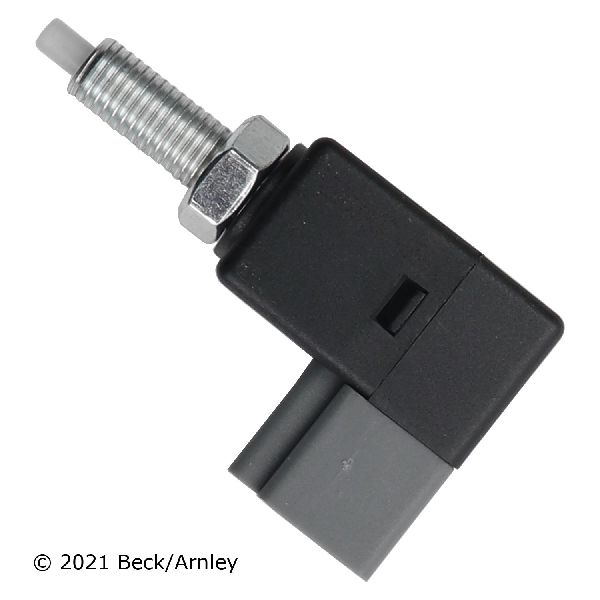
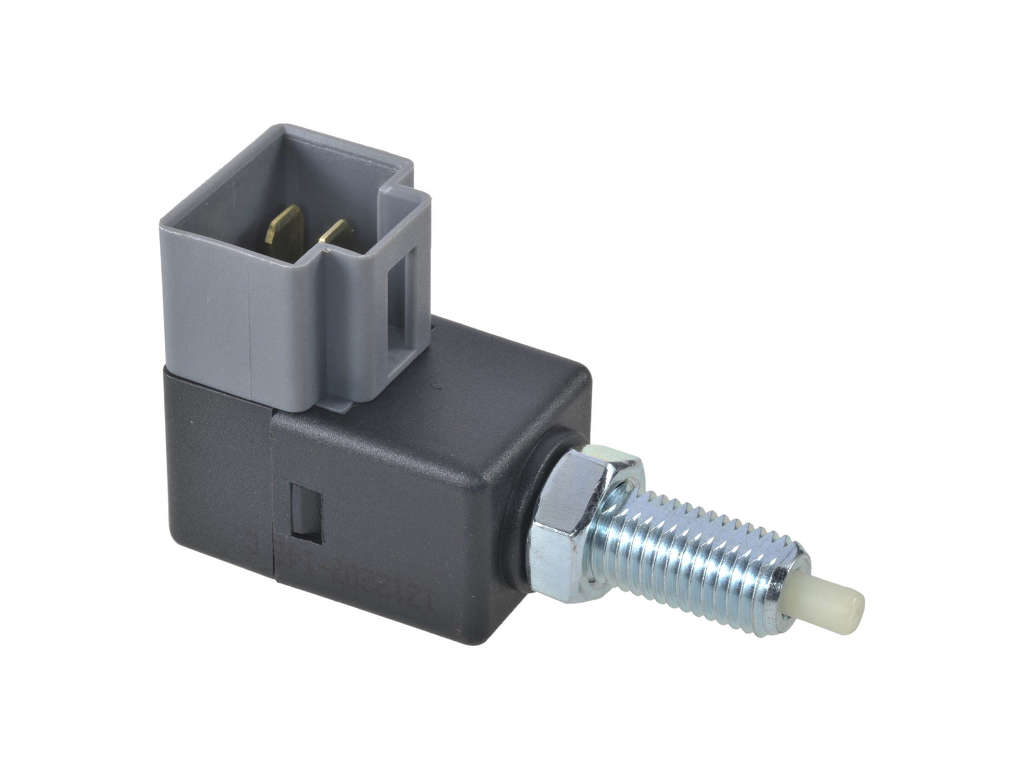
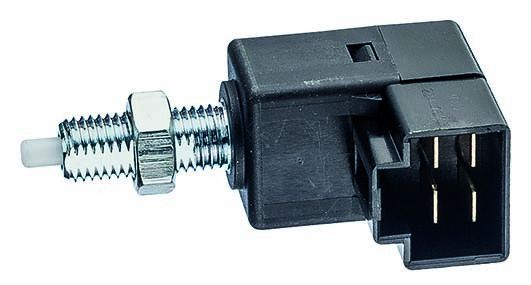
- Brake Light Switch / Stop Lamp Switch
(OEM #93810-3K000)— This is the most common failure item for this code and was the subject of a major safety recall. This part number is the updated version that supersedes several previous, failure-prone parts (like 93810-2H000, 93810-38100, etc.). Always use the updated part.
Trusted brands: Genuine Hyundai, Beck/Arnley, Standard Motor Products (Intermotor)
OEM price range: $15-$30
Aftermarket price range: $10-$25 - Brake Pedal Stopper Pad
(OEM #32876-25000)— This small plastic pad frequently becomes brittle and disintegrates, causing the brake switch to malfunction. It's a common cause for the brake lights being stuck on and can trigger this code. This part number also replaces older versions like 32876-36000.
Trusted brands: Genuine Hyundai, Dorman
OEM price range: $2-$8
Aftermarket price range: $2-$5
Related Codes That Often Appear With This One
- P0504 - Brake Switch 'A'/'B' Correlation
- C0040 - Brake Pedal Switch 'A' Circuit
Technical Service Bulletins (TSBs) & Recalls
- TSB 17-01-021: Supersedes previous TSBs (including 15-01-008) to clarify model information and revise the service procedure for replacing the stop lamp switch under Recall 110.
- TSB 15-01-008: Provides the service procedure for replacing the stop lamp switch under Recall 110, with applicable production dates for the 2010-2011 Tucson (LM).
- NHTSA Campaign 13V113000 (Hyundai Recall 110): The official safety recall documentation outlining the defect, affected vehicles, and risks associated with the faulty brake light switch.
Mechanic-Grade Diagnostic Values
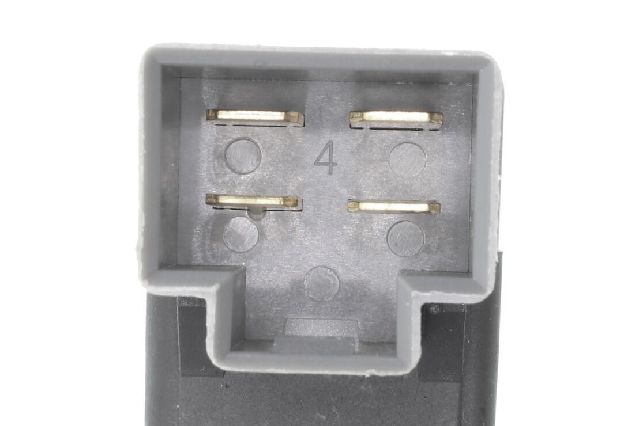
- Brake Light Switch Continuity Test (4-pin switch) — expected: With the switch removed and multimeter on continuity/ohms: Pins 1 & 2 should have continuity (beep/low resistance) when the plunger is released (pedal pressed) and no continuity (O.L.) when the plunger is depressed (pedal at rest). Pins 3 & 4 should have no continuity when the plunger is released and continuity when the plunger is depressed.. Failure: Any deviation from this logic, such as continuity in both states or no continuity at all, indicates a failed switch.
- Brake Light Switch Connector Voltage — expected: With the ignition ON, one of the four pins in the wiring harness connector should show ~12V (battery voltage) at all times. This is the power feed to the switch.. Failure: No voltage on any pin suggests a blown fuse (e.g., 'Stop Lamp' fuse) or a wiring issue upstream of the switch.
Scan Tool Commands That Help
- Hyundai GDS (Global Diagnostic System): Current Data / Live Data — To confirm if the PCM is receiving the signal from the brake light switch. The scan tool can display the switch status ('On'/'Off' or 'Activated'/'Not Activated') in real-time as the brake pedal is pressed and released. This is useful for diagnosing intermittent issues or confirming a fix without needing a second person to watch the brake lights.
Wiring & Ground Locations
- GHG03 — Under the center of the dash.. Wiring diagrams for the 2012 Tucson show GHG03 as a ground point for multiple systems, including components related to the Anti-lock Brakes and ESC module, which rely on the brake switch signal. A poor ground at this location could cause erratic behavior in these systems, mimicking a switch failure.
- Brake Switch Connector — At the top of the brake pedal arm, connected to the brake light switch.. This 4-pin connector is the direct interface for the switch. Checking for power, ground, and signal integrity at these pins is the primary electrical diagnostic step after confirming the switch itself is good. According to wiring diagrams, power is supplied to the switch, which then routes it to the stop lamps and sends a secondary signal to the control modules when the pedal is pressed.
Real Owner Repair Stories
- Reddit user in r/MechanicAdvice (2012 Hyundai Tucson) — Brake lights were constantly illuminated, though they would brighten when the pedal was pressed and dim when released. Sometimes they would flicker.
❌ Tried (didn't work) Replaced the brake pedal stopper pad., Replaced the brake light switch with a new part., Replaced the wiring harness connector for the brake switch.
✅ What actually fixed it The root cause was a faulty aftermarket trailer wiring harness that had been spliced into the tail light circuits. Removing the trailer wiring harness completely resolved the issue and returned the brake lights to normal function.
OEM Part Supersession History
93810-2H000, 93810-38100, 93810-38110, and others→93810-3K000— The original part numbers were prone to premature failure, leading to the massive recall (Hyundai Recall 110). The 93810-3K000 is the revised, more durable part designed to fix the issue.
Heads up: While older part numbers may physically fit, they should be avoided as they carry the original design defect. Always install the latest superseded part number, 93810-3K000, to ensure a permanent repair.
Model Year Variations Within This Range
- 2010-2013 vs 2014-2015: The base 2.0L gasoline engine was changed for the 2014 model year. 2010-2013 models used a 2.0L Theta II engine, while 2014-2015 models received a 2.0L Nu GDI engine. While this does not directly affect the P1571 code, which is related to the common brake switch, it's a key differentiator within the generation.
Diagnostic Flowchart
Other Known Issues on This Vehicle
Issues unrelated to this code that are worth knowing about as an owner of this generation:
- Theta II Engine Failure / Oil Consumption 🔴 High — Widespread across multiple model years, particularly with the 2.4L GDI engine. Can lead to knocking, stalling, and catastrophic engine failure. (Ref: Multiple recalls (e.g., NHTSA 19V063000) and class-action lawsuits have been issued, resulting in extended warranties and potential engine replacements for affected vehicles.)
- Automatic Transmission Shifting Problems 🟠 Medium — Owners report issues like delayed shifting, hesitation, and a feeling of the transmission slipping or revving without accelerating. (Ref: No single recall covers all issues, but dealers may perform software updates or diagnose internal component wear.)
- ABS Module Failure / Fire Risk 🔴 High — A defect in the Anti-Lock Brake System (ABS) module can cause an internal electrical short, creating a fire risk even when the vehicle is parked. (Ref: Hyundai issued a major recall (NHTSA 23V651000) for this issue, advising owners to park outside and away from structures until the repair is completed.)
- Steering Column Flexible Coupler Wear 🟡 Low — A clicking or ticking noise from the steering column when turning is often caused by the wear of a small, rubber flexible coupling. (Ref: This is a common wear item; no specific recall exists, but it's a well-documented repair.)
- Air Conditioning System Malfunction 🟡 Low — Common complaints include the A/C blowing warm air or failing completely, often traced to a faulty thermistor or compressor issues.
Used vs. New Parts: Buying Guide for This Vehicle
When a used part is the smart pick: For this specific repair, using a used part is strongly discouraged. The primary failure items—the brake light switch and the pedal stopper—are extremely inexpensive to buy new (typically under $35 combined for OEM parts). Furthermore, the original brake light switch was subject to a safety recall for a high failure rate. A used switch from a junkyard is highly likely to be the old, failure-prone design or have significant wear, offering no reliability.
What to inspect on the donor part:
- Not applicable, as used parts are not recommended for this repair.
OEM-only on this vehicle (don't cheap out):
- Brake Light Switch (Stoplamp Switch)
- Brake Pedal Stopper Pad
Aftermarket brands forum-validated for this vehicle:
- Beck/Arnley (for the switch)
- Standard Motor Products (Intermotor) (for the switch)
- Dorman (for the stopper pad)
Brands owners have reported issues with on this vehicle:
- Unbranded, no-name switches from online marketplaces should be avoided due to the critical safety function of the part. Stick with Genuine Hyundai or reputable aftermarket brands.
Real Owner Stories
Aggregated from forums and TSBs cited above. Mileages and costs reflect what owners reported in those sources.
2010-2011 Hyundai Tucson
Symptoms: ESC light on, cruise control not working, and the brake lights were not illuminating when the pedal was pressed.
What fixed it: Replacement of the stop lamp switch as part of Recall 110 (NHTSA Campaign 13V113000).
Source hint: NHTSA Campaign 13V113000 (Hyundai Recall 110)
2010-2015 Hyundai Tucson
Symptoms: Brake lights stayed on continuously, draining the battery; found small white/blue broken plastic pieces on the driver's side floor mat.
What fixed it: Installed a new brake pedal stopper pad (Part No. 32876-25000) into the hole on the brake pedal arm.
Source hint: hyundai-forums.com
2010-2015 Hyundai Tucson (Push-button start)
Symptoms: Engine would not start and the dashboard displayed a 'press brake pedal' message despite the pedal being depressed.
What fixed it: Replaced the faulty brake light switch (Stop Lamp Switch).
Source hint: BobIsTheOilGuy.com
Related OBD-II Codes
Frequently Asked Questions
Is there a recall for the brake light switch on my 2010-2011 Hyundai Tucson?
Which TSB should my mechanic look at for the P1571 code and brake switch replacement?
I found small blue plastic pieces on my floor mat; is this related to the P1571 code?
Why won't my push-button start Tucson turn on even when I'm stepping on the brake?
Can I use a used brake light switch from a salvage yard to save money?
Will a bad brake switch affect my cruise control?
Helpful Videos
We Have This Part in Stock

The information in this article is provided for general reference and educational purposes only. Vehicle specifications, procedures, and part compatibility can vary by production date, trim level, and region. Always consult your vehicle's factory service manual and verify part numbers before purchasing or performing repairs. Safety-critical components such as airbags, seat belts, and braking systems should be installed by a qualified professional.
- Hyundai Tucson:
- 🧭 Diagnostic Flowchart
- 🎬 Helpful Videos
- 🛍️ Shop This Part
- What's Unique About the 2010-2015 Hyundai Tucson
- Symptoms You May Notice
- Most Likely Causes
- Rare But Worth Checking
- Diagnosis Steps
- Parts You'll Likely Need
- Related Codes That Often Appear With This One
- Technical Service Bulletins (TSBs) & Recalls
- Mechanic-Grade Diagnostic Values
- Scan Tool Commands That Help
- Wiring & Ground Locations
- Real Owner Repair Stories
- OEM Part Supersession History
- Model Year Variations Within This Range
- Other Known Issues on This Vehicle
- Used vs. New Parts: Buying Guide for This Vehicle
- Real Owner Stories
- 2010-2011 Hyundai Tucson
- 2010-2015 Hyundai Tucson
- 2010-2015 Hyundai Tucson (Push-button start)
- Related OBD-II Codes
- Frequently Asked Questions
- 🎟️ Get 5% Off