

P1571 on 2009-2014 Jaguar XF: Brake Switch Plausibility Fault Causes and Fixes
On a 2009-2014 Jaguar XF, code P1571 most often points to a faulty brake light switch. However, a critical Jaguar TSB (SSM-71218) notes it can also be a communication error between the powertrain and park brake modules. If only P1571 is present, replacing the brake light switch (part C2P14525, around $50-$100) is the likely fix. If U-codes like U0100-00 are also stored, a software issue is more probable, and the switch should not be replaced.
- P1571 on a Jaguar XF means the brake switch signal is illogical. Before replacing parts, use a Jaguar-specific scanner to check for the P1571-64 sub-code and the presence of U0100-00.
- If P1571-64 and U0100-00 are present together, do NOT replace the switch; this is a known software/communication issue per TSB SSM-71218.
- If P1571 is present alone, the brake light switch (C2P14525) is the most likely cause and a common, successful DIY fix.
- Always check battery health first, as low voltage on these vehicles can cause numerous, misleading electronic fault codes.
What's Unique About the 2009-2014 Jaguar XF
While a faulty brake switch is a common cause for this code on many vehicles, the Jaguar XF (X250 platform) has a specific known issue documented in Technical Service Bulletin SSM-71218. This bulletin, which also applies to the XK (X150) and XJ (X351) of the same era, highlights that P1571-64 can be triggered by a communication breakdown between the Powertrain Control Module (PCM) and the Park Brake Module (PBM). This makes it crucial to check for other codes with a Jaguar-specific scanner before assuming the switch is bad, as replacing it won't fix a module communication problem.
Diagnostic Flowchart
Tap your situation to follow the diagnostic path that matches what you're seeing on this vehicle.
Generation note: The 2009-2014 year range covers the first generation Jaguar XF (X250), which received a significant facelift for the 2012 model year. However, the P1571 fault and its primary causes (brake switch, module communication) apply to both pre-facelift (2009-2011) and post-facelift (2012-2014) models within this range. The TSB SSM-71218 applies to the entire X250 model line, as well as other contemporary Jaguar models.
Symptoms You May Notice
- "Parkbrake Fault" message on the instrument cluster
- "Cruise not available" warning message
- ABS and/or Dynamic Stability Control (DSC) warning lights illuminated
- Brake lights do not work or stay on continuously
- Inability to shift the transmission out of Park
- Engine may not start or has trouble starting
- Vehicle may enter a limited performance "Failsafe Engine Mode"
- "Check rear lights" warning message
- Replacing the brake light switch when a U-code is also present. TSB SSM-71218 explicitly warns that if P1571-64 is logged with U0100-00, the switch is unlikely to be the problem.
Most Likely Causes
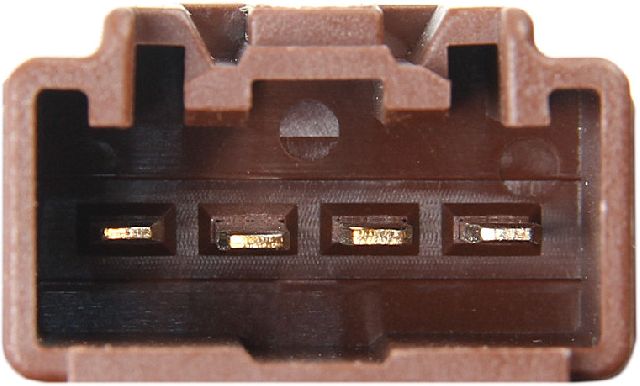
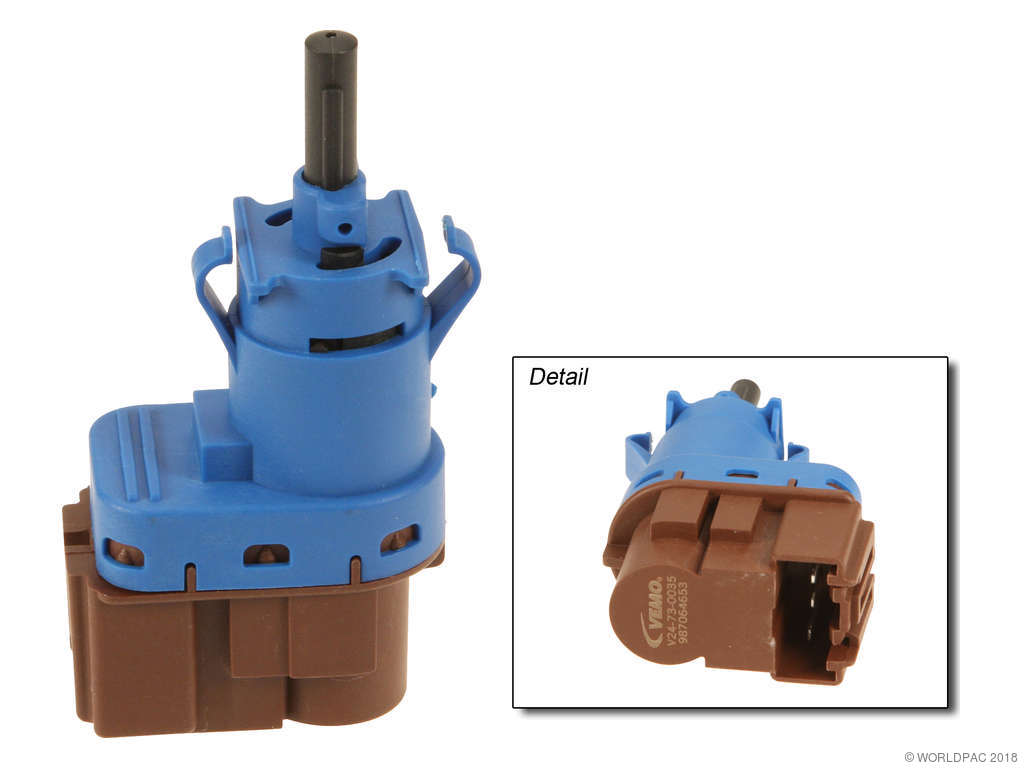
- Faulty Brake Light Switch 🔴 High Probability → Shop Brake Light Switch The switch contains multiple internal micro-switches and solder joints that can wear out, develop high resistance, or fail over time, leading to conflicting signals. This is a high-use mechanical part. Forum discussions among owners frequently point to this as a successful fix when no U-codes are present.
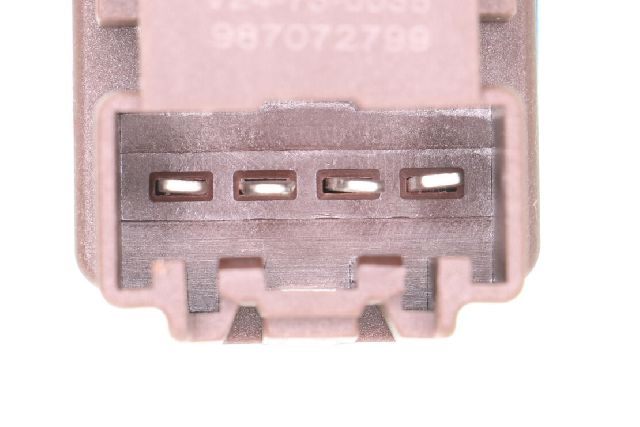
How to confirm: Check for the presence of P1571 without any accompanying U-codes (communication codes). A multimeter can be used to test the switch for proper continuity and resistance across its pins when activated; resistance should be very low (near zero ohms). Some owners have identified a faulty internal micro-switch or a dry solder joint upon inspection.
Typical fix: Replace the brake light switch assembly (part C2P14525) located on the brake pedal bracket. Some owners have successfully repaired the switch by re-soldering joints or replacing the internal micro-switches.
Est. part cost: $50-$100 - Module Communication Failure 🟡 Medium Probability Jaguar issued TSB SSM-71218 specifically for this issue, indicating a known software or communication problem between the Powertrain Control Module (PCM) and the Park Brake Module (PBM). This is not a hardware failure.
How to confirm: Use a professional scan tool (like Jaguar's SDD) to check for code U0100-00 (Lost Communication with ECM/PCM) stored alongside P1571-64. If these codes are present without other brake switch P-codes, this is the likely cause.
Typical fix: The TSB advises against replacing the switch. The official action is to clear the DTCs. If the issue persists, a dealer or specialist may need to update module software to permanently resolve the issue. The TSB notes Jaguar was developing a fix as of early 2014.
Est. part cost: $0 (if only clearing codes) to $200+ (for software update) - Weak or Failing Battery ⚪ Low Probability Modern Jaguars are highly sensitive to battery voltage. An aging or weak battery, even if it can still start the car, can cause voltage drops that lead to a cascade of seemingly unrelated electronic faults and communication errors between modules, triggering P1571.
How to confirm: Test the battery's voltage and load capacity. A healthy, resting AGM battery should be above 12.4V. Check for voltage drops during cranking. Many forum users report a new battery resolved a host of electronic warnings.
Typical fix: Charge or replace the vehicle's battery with the correct AGM type. A Battery Monitoring System (BMS) reset using a tool like Jaguar SDD may be required after replacement.
Est. part cost: $200-$400
Rare But Worth Checking
- Wiring or Connector Issue: Corrosion or a poor connection at the brake light switch connector or a dry solder joint within the switch can cause intermittent signal problems. One owner on JaguarForums.com found an intermittent fault was due to a dry solder joint on one of the switch pins, which he fixed by re-soldering it. This should be checked before replacing the entire switch.
- Brake Switch Misalignment: The switch is adjustable. It's possible for the switch to be physically misaligned in its bracket, causing it to send an incorrect signal relative to the pedal's actual position. One forum user reported that simply wiggling the switch and bracket assembly caused the intermittent problem to disappear permanently.
Diagnosis Steps
- Perform a full diagnostic scan of all vehicle modules with a tool capable of reading Jaguar-specific codes and sub-codes (e.g., SDD).
- Check the battery's state of health and charge. Ensure it is a healthy AGM battery, fully charged, and passing a load test before proceeding.
- Analyze the stored codes. If P1571 is present alone or only with other brake-related P-codes, the brake light switch is the primary suspect.
- If P1571-64 is present with U0100-00, refer to TSB SSM-71218. Do not replace the switch. The issue is likely a communication fault. Clear the codes and test drive. If they return, a software update from a dealer may be required.
- If the switch is the suspect, inspect the wiring and connector at the brake pedal for any visible damage or corrosion.
- Using a multimeter, test the brake light switch. It has multiple circuits; verify that each one opens and closes correctly with very low resistance as the pedal is pressed and released. Compare readings between the internal switches.
- If the switch fails the test, replace it. If it passes, a more in-depth wiring trace or module diagnosis is required. On an XF, some owners report the switch can be replaced without removing major components by sliding the seat back, removing the lower pedal cover, and twisting the switch out of its bracket.
Parts You'll Likely Need
- Brake Light Switch
(OEM #C2P14525)— This is the most common hardware failure that triggers P1571 when no communication codes are present. It contains the mechanical contacts that wear out over time.
Trusted brands: Jaguar (OEM), Standard Motor Products, Intermotor
OEM price range: $70-$100
Aftermarket price range: $40-$60
Related Codes That Often Appear With This One
- U0100-00 — This code indicates 'Lost Communication With ECM/PCM'. Its presence alongside P1571-64 is a strong indicator of the module communication issue described in TSB SSM-71218, rather than a simple switch failure.
Technical Service Bulletins (TSBs) & Recalls
- SSM-71218: Addresses a Parkbrake Warning Lamp and P1571-64 caused by a communication issue between the PCM and Parkbrake Module, advising against switch replacement if U0100-00 is also present. This is a Special Service Message, which Jaguar states carries the same importance as a TSB.
Platform-Specific Known Issues
- TSB SSM-71218: Jaguar identified an issue where a 'Parkbrake Fault' message and code P1571-64 are caused by a communication problem between the Powertrain Control Module and the Parkbrake Module. The bulletin advises that if code U0100-00 is also stored, the brake light switch should not be replaced, and the codes should simply be cleared pending a software update.
- DIY Repair of Brake Switch Internals: On JaguarForums.com, multiple owners of similar platforms (XK, XJ) have documented repairing the switch instead of replacing it. This involves opening the switch housing, identifying a faulty micro-switch or a dry/cracked solder joint, and re-soldering the connection or replacing the individual micro-switch. One user reported success by simply de-soldering and re-soldering the pins of the suspect switch to fix an intermittent connection.
- DIY Replacement Access: Contrary to some guides that suggest difficult procedures like removing the steering column, a user on JaguarForums.com with a 2009 XF confirmed that replacement is much simpler. The process involves sliding the driver's seat back, removing three clips on the lower dash cover, and then twisting the switch counter-clockwise to release it from its bracket above the brake pedal arm.
Mechanic-Grade Diagnostic Values
- Brake Light Switch Internal Resistance — expected: Near zero ohms when the switch plunger is depressed.. Failure: High or infinite resistance on one or both of the internal micro-switch circuits when tested with a multimeter. One user noted a high resistance reading on the center two pins specifically.
Hidden / Shadow Codes Worth Checking
- P1571-64: This sub-code specifies a 'Signal Plausibility Failure'. Its presence indicates the PCM has received a signal from the brake switch that contradicts data from another module, like the Park Brake Module. This is the exact code referenced in TSB SSM-71218. (see via A Jaguar-specific diagnostic tool like SDD (Symptom Driven Diagnostics) is required to view these suffix codes. Standard OBD-II readers will typically only show 'P1571'.)
Scan Tool Commands That Help
- Jaguar SDD (Symptom Driven Diagnostics): Battery / battery replacement (BMS Reset) — After replacing the vehicle battery. Failure to reset the Battery Monitoring System can lead to incorrect charging strategies and a host of low-voltage-related error codes, including P1571.
- Jaguar SDD (Symptom Driven Diagnostics): Configure new module - Park Brake Control Module — If the Park Brake Module (PBM) itself is determined to be faulty and requires replacement, it must be configured to the vehicle using the SDD software.
- Jaguar SDD (Symptom Driven Diagnostics): Clear All DTCs — This is the specific action recommended by TSB SSM-71218 when P1571-64 is found with U0100-00. The bulletin advises clearing the codes as the primary step before a software fix is available.
Wiring & Ground Locations
- Central Junction Box (Passenger Compartment Fuse Box) — Located in the passenger-side kick panel area.. This fuse box is a primary power distribution point for many interior modules. A poor connection or corrosion here can cause widespread electrical issues.
- Rear Junction Box (Luggage Compartment Fuse Box) — Located in the right side of the luggage compartment, behind a trim panel.. This junction box powers rear-body components, including potentially the Park Brake Module. Checking fuses and connections here is relevant.
- G3D133 — A ground point located in the driver's side (left) kick panel area.. This is a major ground point for components in the driver's side dash area, which includes the brake pedal switch and connections to the instrument cluster.
- G1D123 — A ground point located in the right rear of the engine compartment, often near the ABS module.. This ground is critical for the proper function of the ABS module, which is integral to the brake plausibility checks.
Real Owner Repair Stories
- JaguarForums.com user 'astromorg' (Jaguar (model not specified, but platform has same switch)) — Intermittent "check rear lights" and "Cruise not available" warnings, with DTC P1571 found on a deeper scan.
❌ Tried (didn't work) Initial multimeter test of the switch seemed to show the microswitches were good.
✅ What actually fixed it A more careful inspection revealed a dry solder joint on one of the switch pins. The user de-soldered and then re-soldered the same micro-switch back into the assembly, which permanently fixed the intermittent connection and resolved the fault. - JaguarForums.com user 'apachegogo' (Jaguar XF (under warranty)) — "Parking Brake Fault" message, electronic park brake cannot be applied.
❌ Tried (didn't work) Switching engine on and off., Attempting an EPB calibration procedure.
✅ What actually fixed it The dealership found a software update was available for the Electronic Parking Brake (EPB) module. Applying the software update fixed the problem.
OEM Part Supersession History
c2p3763→C2P14525— Part revision or consolidation by the manufacturer.
Heads up: C2P14525 is the correct and current replacement for the earlier part number.
We Have This Part in Stock

The information in this article is provided for general reference and educational purposes only. Vehicle specifications, procedures, and part compatibility can vary by production date, trim level, and region. Always consult your vehicle's factory service manual and verify part numbers before purchasing or performing repairs. Safety-critical components such as airbags, seat belts, and braking systems should be installed by a qualified professional.
- Jaguar XF:
- 🧭 Diagnostic Flowchart
- 🛍️ Shop This Part
- What's Unique About the 2009-2014 Jaguar XF
- Symptoms You May Notice
- Most Likely Causes
- Rare But Worth Checking
- Diagnosis Steps
- Parts You'll Likely Need
- Related Codes That Often Appear With This One
- Technical Service Bulletins (TSBs) & Recalls
- Platform-Specific Known Issues
- Mechanic-Grade Diagnostic Values
- Hidden / Shadow Codes Worth Checking
- Scan Tool Commands That Help
- Wiring & Ground Locations
- Real Owner Repair Stories
- OEM Part Supersession History
- 🎟️ Get 5% Off