

P1604 on 2007-2008 Chevrolet Tahoe: Startability Malfunction Causes and Fixes
This code means your Tahoe's engine failed to start correctly, either by cranking too long or stalling after starting. It's a symptom code, not a specific part failure. The most common culprits are a weak fuel pump, a failing battery, or a bad crankshaft position sensor. Always check for other diagnostic codes first, as P1604 rarely appears alone.
- P1604 means your Tahoe had a problem starting, but it doesn't name the faulty part.
- Always start your diagnosis by scanning for other trouble codes; they will point to the real problem.
- The most likely causes on a 2007-2008 Tahoe are a failing fuel pump, a weak battery, or a bad crankshaft position sensor.
- Do not drive the vehicle. A car that sets this code is unreliable and could leave you stranded or stall in a dangerous situation.
What's Unique About the 2007-2008 Chevrolet Tahoe
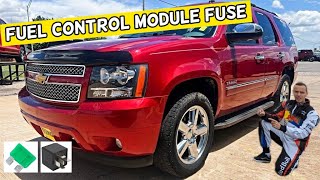
On the GMT900 platform, which includes the 2007-2008 Tahoe with the 5.3L V8, a P1604 code often points towards a fuel delivery issue. The in-tank fuel pump module is a known common wear item that can weaken over time, leading to long crank times before finally failing. Additionally, these vehicles utilize a Fuel Pump Control Module (FPCM), located above the spare tire, which can also fail 🎬 Watch: How to quickly fix a common Fuel Pump Control Module issue. and mimic the symptoms of a bad fuel pump. Therefore, when this code appears, experienced technicians will frequently check fuel pressure and FPCM communication as primary diagnostic steps after checking for other codes.
Symptoms You May Notice
- Engine cranks for a long time before starting.
- Engine cranks but does not start at all (crank-no-start).
- Engine starts and then immediately stalls.
- Check Engine Light is illuminated (though it may not always be on).
- Reduced engine power or 'Stabilitrak' messages may appear intermittently before a complete no-start.
- Audible clicking from the starter with no engine crank if the battery is extremely weak.
- Replacing the starter when the engine cranks normally but doesn't fire.
- Replacing the PCM without first ruling out all fuel, spark, and sensor-related issues.
- Replacing the fuel pump when the actual fault is the Fuel Pump Control Module (FPCM) or its wiring.
Most Likely Causes
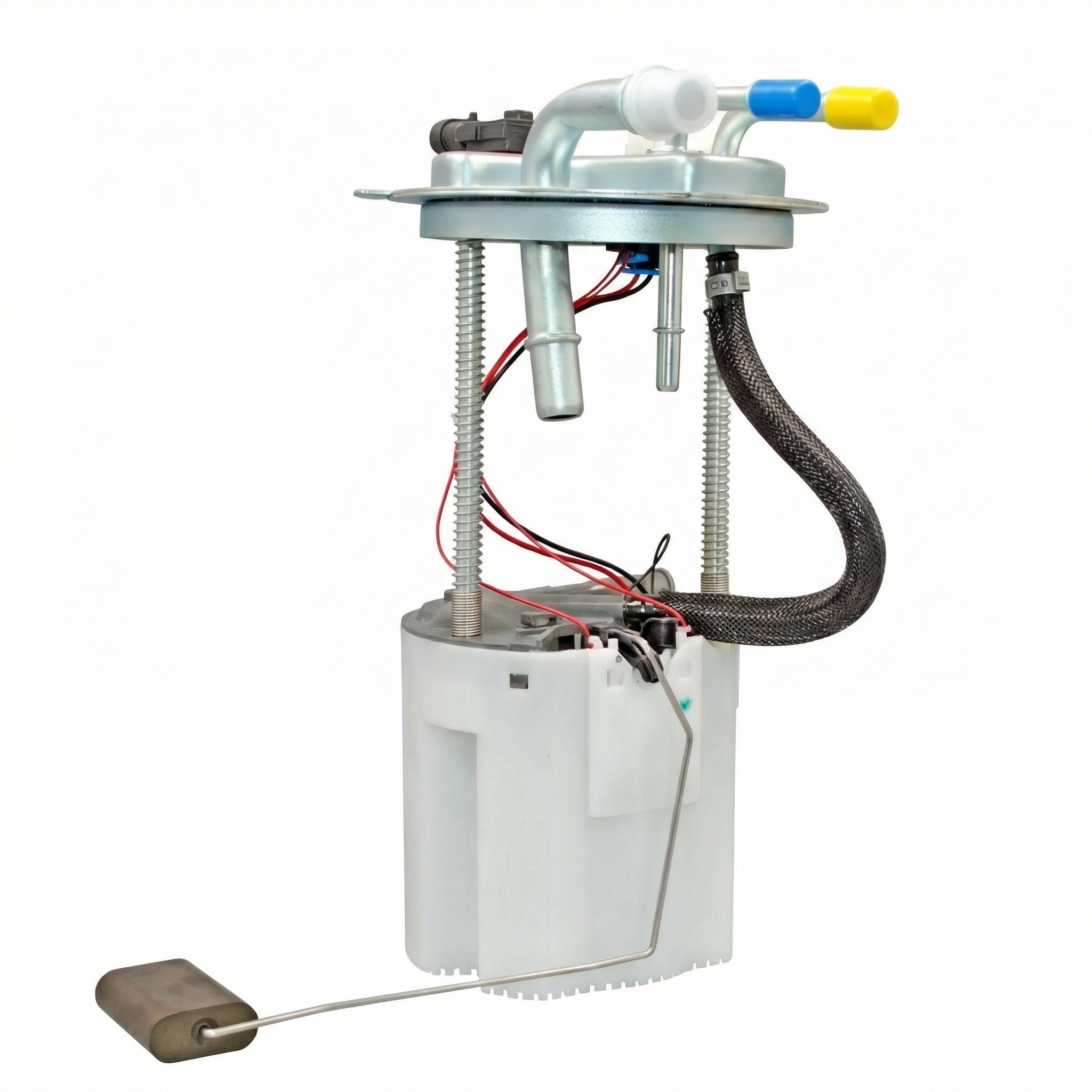
- Weak or Failing Fuel Pump 🔴 High Probability → Shop Fuel Pump The fuel pump is a common wear item on this platform, with a typical lifespan around 100,000 miles. The internal motor weakens with age and mileage, reducing its ability to build and maintain adequate fuel pressure for a quick start. Running the tank consistently low on fuel can accelerate wear as fuel is used to cool the pump motor.
How to confirm: Listen for a 2-second hum from the rear of the vehicle when the key is first turned to the 'ON' position. The definitive test is to connect a fuel pressure gauge to the fuel rail's Schrader valve. Pressure should be within the manufacturer's specification (typically 50-60 PSI for this engine). A common failure symptom is hitting the bottom of the fuel tank with a mallet, which can temporarily jar the pump motor into working, confirming it's the point of failure.
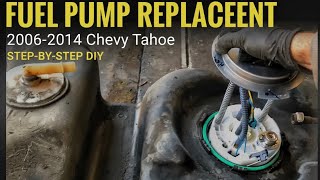
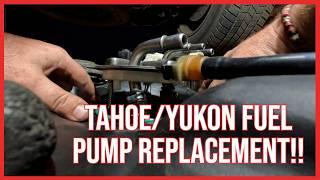
Typical fix: Replace the entire in-tank fuel pump module. The fuel filter is integrated into this assembly. Dropping the fuel tank is required for access. 🎬 Watch this step-by-step guide to replacing the fuel pump module.
Est. part cost: $200-$450 - Weak or Dead Battery 🔴 High Probability → Shop Vehicle Battery
How to confirm: Test the battery voltage with a multimeter. A healthy, fully charged battery should read approximately 12.6 volts with the engine off. A reading below 12.2 volts indicates a low charge. Perform a load test to check the battery's ability to hold a charge during cranking; voltage should not drop below 9.6V. Many auto parts stores will perform this test for free.
Typical fix: Recharge or replace the battery. Ensure battery terminals and cable ends are clean and tight.
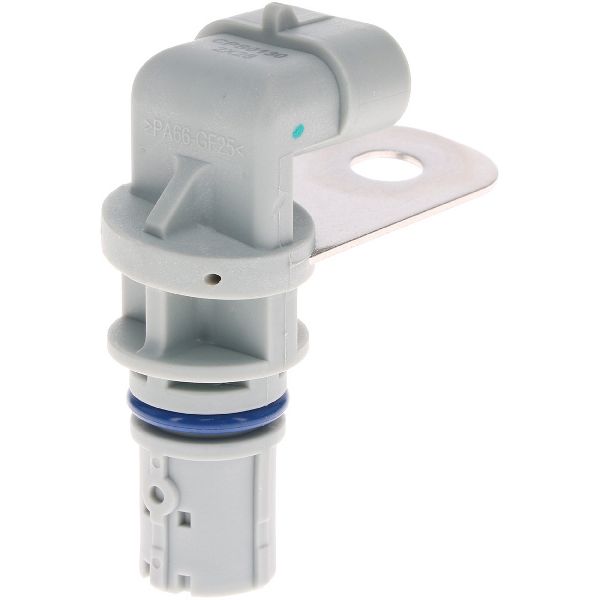
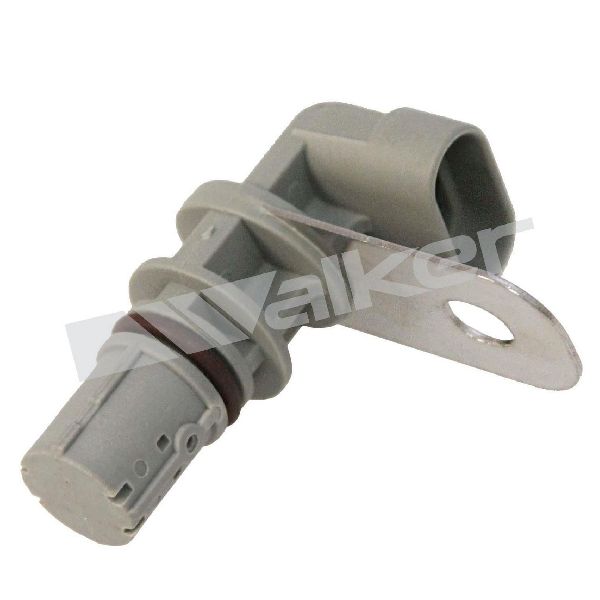
Est. part cost: $150-$250 - Faulty Crankshaft Position Sensor (CKP) 🟡 Medium Probability → Shop Engine Crankshaft Position Sensor
How to confirm: Scan for a companion code like P0335 or P0336. During cranking, a scan tool should show a valid engine RPM signal (typically 150-300 RPM). If the RPM reads 0 while the engine is turning over, the CKP sensor is a primary suspect. A failing sensor can also cause intermittent stalling and hesitation while driving.
Typical fix: Replace the crankshaft position sensor. It is located on the passenger side of the engine block, near the starter motor.
Est. part cost: $40-$90 - Failed Fuel Pump Control Module (FPCM) 🟡 Medium Probability → Shop Fuel Pump This module, located on the frame rail above the spare tire, is exposed to the elements and is a known failure point on GMT900 trucks. It can corrode or fail electronically, cutting power to the fuel pump.
How to confirm: If a fuel pressure test shows 0 PSI and the pump does not prime, the FPCM is a strong suspect. A scan tool may show a loss of communication with the FPCM (U0109). Technicians can bypass the module with a jumper wire to send direct power to the pump; if the pump then runs, the FPCM is bad.
Typical fix: Replace the Fuel Pump Control Module. Some aftermarket replacements claim to be pre-programmed, but OEM modules often require programming to the vehicle's VIN with a dealership-level scan tool.
Est. part cost: $70-$160
Rare But Worth Checking
- Dirty Throttle Body: → Shop Fuel Injection Throttle Body Carbon buildup around the throttle plate can restrict airflow at idle, causing the engine to stall immediately after starting. This is simple to check and clean before moving to more expensive repairs.
- Clogged Fuel Injectors: → Shop Fuel Injector If one or more injectors are clogged or leaking, it can disrupt the air/fuel mixture enough to cause a hard start or stall, potentially logging a P1604.
- Loss of PCM Power or Ground: Corroded ground straps (especially the main engine-to-chassis ground 🎬 See how an open ground can cause a crank-no-start condition.) or a faulty connection at the underhood fuse block can cause the PCM to lose power intermittently during cranking, triggering this code.
- Faulty Ignition Switch: A worn ignition switch can fail to send a consistent 'crank' signal to the PCM or may cut power to essential systems during the start sequence, leading to a start/stall condition.
Diagnosis Steps
- Scan for All Codes: Use an OBD-II scanner to check for any other codes stored alongside P1604. These other codes are your best clue to the root cause and must be diagnosed first.
- Check the Basics: Ensure there is sufficient fuel in the tank. Check that the battery terminals are clean and tight.
- Test the Battery and Charging System: Use a multimeter to verify battery voltage is at least 12.4V. Perform a load test to ensure it doesn't drop below 9.6V during cranking. With the engine running, confirm the alternator is charging between 13.7-14.7V.
- Verify Fuel Pump Operation: Turn the key to the 'ON' position (without cranking) and listen for a 2-second humming sound from the fuel tank area. No sound suggests a problem with the pump, FPCM, or their circuit.
- Perform a Fuel Pressure Test: Connect a fuel pressure gauge to the service port on the engine's fuel rail. The pressure should be within the 50-60 PSI range. Low or zero pressure points to a failing pump, clogged filter, or faulty FPCM.
- Analyze Sensor Data: Use a scan tool to monitor live data from the Crankshaft Position Sensor (CKP) during cranking. The RPM reading should be above zero and steady (150-300 RPM). A reading of 0 RPM indicates a faulty CKP sensor or circuit.
- Check for Spark: Use an inline spark tester to confirm that the ignition coils are producing a strong, consistent spark while cranking.
- Inspect FPCM and Wiring: Locate the Fuel Pump Control Module above the spare tire. Inspect the module and its connector for corrosion or damage. If fuel pressure is zero, this module is a high-probability failure point.
Parts You'll Likely Need
- Fuel Pump Module Assembly
(OEM #19369800, 19418083 (Superseded))— This is the most frequent cause of a no-start or long-crank condition that sets P1604 on this vehicle. The entire module, which includes the pump, sending unit, and filter, is replaced as a unit.
Trusted brands: ACDelco (OEM), Delphi
OEM price range: $350-$500
Aftermarket price range: $200-$300 - Crankshaft Position Sensor
(OEM #12585546)— A failed CKP sensor will prevent the PCM from detecting engine rotation, resulting in a no-spark and no-fuel-injection command, causing a crank-no-start.
Trusted brands: ACDelco (OEM), Delphi, NTK
OEM price range: $60-$90
Aftermarket price range: $40-$70 - Fuel Pump Control Module (FPCM)
(OEM #20850907, 25965558)— A common failure point located in a vulnerable position above the spare tire. It controls the voltage to the fuel pump and can fail, causing a no-start or intermittent stalling.
Related Codes That Often Appear With This One
- P0335 — Indicates a fault in the Crankshaft Position Sensor circuit, which is a direct cause for a no-start condition.
- P0171 / P0174 — These 'System Too Lean' codes indicate the engine is not getting enough fuel, which can be caused by a weak fuel pump, leading to the startability issue.
- P0300 — A 'Random/Multiple Cylinder Misfire' code can be logged if the engine starts but runs very poorly and stalls due to a severe fuel or spark issue.
- U0109 — Indicates 'Lost Communication With Fuel Pump Control Module'. If this code is present with P1604, the FPCM or its wiring is the most likely culprit.
Technical Service Bulletins (TSBs) & Recalls
- PIP4568P — Engine Misfire And/Or Tick Noise Due To An AFM Lifter That Unlocks As Soon As The Engine Is Started Or Is Mechanically Collapsed/Stuck — While not directly for P1604, this TSB addresses a root cause of engine failure on the LY5 engine. A collapsed lifter from the Active Fuel Management (AFM) system can cause a misfire (P0300) so severe that the engine stalls or fails to start, which could indirectly lead to a P1604 code.
Platform-Specific Known Issues
- Owner Experience: Banging on Fuel Tank: A widely reported temporary fix involves hitting the bottom of the fuel tank with a rubber mallet or piece of wood. If the truck starts immediately after, it almost certainly confirms the electric motor inside the fuel pump is worn out and sticking. This is a classic sign of imminent fuel pump failure.
- DIY Fuel Pump Replacement: → Shop Fuel Pump Owners on forums discuss the process of replacing the fuel pump themselves to save on labor costs. The most difficult parts are safely draining a heavy fuel tank and disconnecting the fuel lines without the special tool, which can be brittle.
Mechanic-Grade Diagnostic Values
- Fuel Pressure (Key On, Engine Off) — expected: 50-60 PSI. Failure: Pressure below 50 PSI indicates a weak pump or leak. Pressure should not drop more than 5 PSI in one minute after the pump primes.
- Crankshaft Position Sensor (CKP) Resistance — expected: Generally between 200 - 1,000 Ohms, but vehicle-specific values are best. A common reading for a good sensor is around 970 Ohms.. Failure: An open circuit (infinite resistance) or a reading far outside the expected range indicates a failed sensor.
- FPCM Connector - Ignition 1 Voltage (Pin 16, Pink wire) — expected: 11.5 - 12.5 Volts with Key On.. Failure: Low or no voltage indicates a problem with the power supply circuit from the fuse block, not the FPCM itself.
- FPCM Connector - Battery Positive Voltage (Pin 32, Red/White wire) — expected: Full battery voltage (12V+).. Failure: Low or no voltage points to a wiring or fuse issue between the battery and the FPCM.
- FPCM Connector - Ground (Pin 1, Black wire) — expected: Near 0 Ohms resistance to a known good chassis ground.. Failure: High resistance indicates a bad ground connection, which is a common issue.
Scan Tool Commands That Help
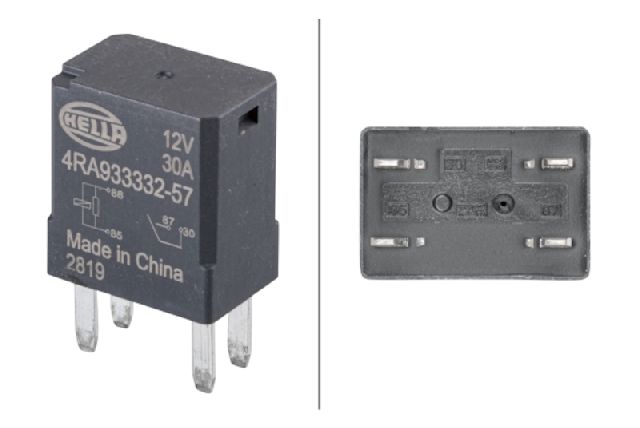
- Tech 2 / GDS2 or equivalent bidirectional scanner: Fuel Pump Relay / Fuel Pump ON/OFF — This command allows you to manually activate the fuel pump circuit to verify its operation without cranking the engine. If the pump runs with the scan tool but not during a key cycle, it points to a command issue from the PCM or a problem with the FPCM/relay activation circuit.
Wiring & Ground Locations
- G102 — Located at the left rear of the engine, grounding the 8 ignition coils.. A poor ground here can cause weak or no spark, leading to a crank-no-start condition that could trigger a P1604.
- G103 — Located on the front of the passenger side (right) cylinder head.. This is a primary ground point for the Engine Control Module (ECM/PCM). A loose or corroded G103 can cause a host of issues, including no-start, stalling, and various communication codes.
- G300 — Under the vehicle on a body mount near the driver's door.. This is a primary ground for rear-body components, including the Fuel Pump Control Module (FPCM). Corrosion at this point can interrupt the ground for the FPCM, causing it to malfunction.
- FPCM Connector — On the Fuel Pump Control Module, located on the driver's side frame rail, above the spare tire.. This connector is the central point for testing power, ground, and communication to the fuel pump. It's highly susceptible to corrosion and loose pins due to its exposed location.
- FPCM Fuel Pump Relay Control Wire (Dark Green/White) — Pin 13 at the FPCM connector; Pin 50 at the PCM black connector.. This wire carries the 'on' signal from the PCM to the FPCM. It is known to chafe and break where it runs near the transfer case, causing an intermittent or complete loss of fuel pump operation.
Real Owner Repair Stories
- YouTube video by 'Hands On Auto Training' (2007 Chevrolet Tahoe) — Intermittent no-crank, no-start, no-communication. A code for 'Ignition 1 Circuit Voltage Low' was stored in the FPCM.
❌ Tried (didn't work) Initial diagnosis was difficult as the vehicle would start and run fine when it arrived at the shop.
✅ What actually fixed it The technician found that wiggling the wiring harness at the Fuel Pump Control Module (FPCM) would cause the Ignition 1 voltage to drop to zero. The issue was a spread terminal (loose pin) inside the FPCM connector for the pink ignition power wire. Tightening the female pin terminal within the connector restored a solid connection and fixed the problem without replacing any parts.
OEM Part Supersession History
25965558→20850907, 23488282— Internal design and component updates for improved reliability.
Heads up: While later part numbers supersede the original, most FPCMs for this generation require programming to the vehicle's VIN to function correctly. Some aftermarket 'plug and play' modules exist but have mixed reliability.
Model Year Variations Within This Range
- 2007: Some early 2007 models may not be equipped with a Fuel Pump Control Module (FPCM). These vehicles use a more traditional fuel pump relay controlled by the ECM. This is a critical distinction, as the diagnostic process for a no-start condition is entirely different. A vehicle with a relay will not have the FPCM above the spare tire.
Diagnostic Flowchart
Other Known Issues on This Vehicle
Issues unrelated to this code that are worth knowing about as an owner of this generation:
- Active Fuel Management (AFM) Lifter Failure 🔴 High — Common issue, often appearing between 80,000 and 150,000 miles. Can be accelerated by oil consumption issues. (Ref: TSB PIP4568P)
- Excessive Oil Consumption 🟠 Medium — Widespread problem on 2007-2009 models with AFM. Many owners report consuming 1 quart of oil every 1,000-2,000 miles. The cause is often attributed to piston rings and the PCV system related to AFM operation. (Ref: Multiple internal bulletins exist, but no public recall was issued.)
- Cracked Dashboard 🟡 Low — Extremely common across all 2007-2014 GMT900 platforms. Cracks typically appear above the instrument cluster and near the passenger airbag, regardless of sun exposure. (Ref: No recall was issued. A class-action lawsuit was filed but did not result in a mandatory repair program from GM.)
- Peeling Interior Chrome/Paint 🟡 Low — Very common for the chrome plating on interior door handles and the paint on steering wheel controls to peel, creating sharp edges.
- Oil Pressure Sensor/Filter Screen Failure 🟠 Medium — The oil pressure sensor, located behind the intake manifold, is prone to failure. A small filter screen underneath it is known to clog with sludge, causing erratic or zero oil pressure readings on the gauge and triggering a 'Low Oil Pressure' warning. Many mechanics remove the screen during sensor replacement.
Used vs. New Parts: Buying Guide for This Vehicle
When a used part is the smart pick: Used parts are generally not recommended for the key electronic components related to this code (FPCM, Fuel Pump) due to their high failure rate and the difficulty in assessing their remaining lifespan. A used part could fail shortly after installation, repeating the problem. Structural or cosmetic parts are better candidates for used purchase.
Donor-vehicle mileage cap: roughly under 80000 miles for the part to have meaningful remaining life.
What to inspect on the donor part:
- For an FPCM, check the connector pins for any signs of green or white corrosion.
- Inspect the casing for physical damage or cracks.
- If possible, get a part from a vehicle in a dry, non-salt-belt climate to minimize corrosion risk.
OEM-only on this vehicle (don't cheap out):
- Fuel Pump Control Module (FPCM): While aftermarket options exist, many require programming. An OEM module from ACDelco, programmed by a dealer or qualified shop, offers the highest chance of success without compatibility issues.
- Fuel Pump Assembly: The fuel pump is a critical component where reliability is paramount. OEM (ACDelco) or high-quality OEM-supplier (Delphi) pumps are strongly recommended to avoid premature failure and being stranded.
Aftermarket brands forum-validated for this vehicle:
- Delphi (Often the OEM supplier for fuel pumps)
Brands owners have reported issues with on this vehicle:
- Generic, unbranded 'pre-programmed' FPCM modules from online marketplaces have a high rate of being defective out of the box or failing shortly after installation, according to forum discussions.
Real Owner Stories
Aggregated from forums and TSBs cited above. Mileages and costs reflect what owners reported in those sources.
2008 Chevrolet Tahoe 5.3L V8
Symptoms: Intermittent no-starts and the vehicle 'freaked out'. The owner used the 'beat on the tank' trick to get it to fire up.
What fixed it: Replacement of the fuel pump after diagnosing between the pump and the FPCM.
Source hint: Chevrolet Forum thread titled '08 Tahoe freaked out'
2007 Chevrolet Tahoe 5.3L V8 — ~100000 miles
Symptoms: The vehicle reached a common failure interval for the platform where the fuel pump stops maintaining pressure.
What fixed it: DIY fuel pump replacement, involving draining the tank and disconnecting brittle fuel line connectors.
Source hint: Chevrolet Forum thread titled 'Fuel Pump Replacement'
2007-2008 Chevrolet Tahoe 5.3L V8
Symptoms: The fuel pump does not prime (no 2-second hum) and fuel pressure is at 0 PSI, mimicking a dead fuel pump.
What fixed it: Replacement of the Fuel Pump Control Module (FPCM) located above the spare tire with a pre-programmed unit.
Source hint: YouTube - 'Easy Fix for Common Chevy Problem [Fuel Pump Control Module]'
Related OBD-II Codes
Frequently Asked Questions
I'm hearing a clicking sound but the engine won't crank on my 2008 Tahoe. Is this P1604?
My Tahoe has a 'Stabilitrak' message and then won't start. Could this be the fuel system?
Is there a trick to get my 5.3L Tahoe started if the fuel pump is failing?
Where is the Fuel Pump Control Module located on the 2007-2008 Tahoe?
Does TSB PIP4568P explain why my Tahoe won't start?
Can I replace the fuel pump on my 2007 Tahoe myself?
Helpful Videos
![Easy Fix for Common Chevy Problem [Fuel Pump Control Module]](https://img.youtube.com/vi/38Xeo1uLBoU/mqdefault.jpg)
Used OEM Parts in Stock
New Aftermarket Parts Available


The information in this article is provided for general reference and educational purposes only. Vehicle specifications, procedures, and part compatibility can vary by production date, trim level, and region. Always consult your vehicle's factory service manual and verify part numbers before purchasing or performing repairs. Safety-critical components such as airbags, seat belts, and braking systems should be installed by a qualified professional.
- Chevrolet Tahoe:
- 🧭 Diagnostic Flowchart
- 🎬 Helpful Videos
- 🛍️ Shop This Part
- What's Unique About the 2007-2008 Chevrolet Tahoe
- Symptoms You May Notice
- Most Likely Causes
- Rare But Worth Checking
- Diagnosis Steps
- Parts You'll Likely Need
- Related Codes That Often Appear With This One
- Technical Service Bulletins (TSBs) & Recalls
- Platform-Specific Known Issues
- Mechanic-Grade Diagnostic Values
- Scan Tool Commands That Help
- Wiring & Ground Locations
- Real Owner Repair Stories
- OEM Part Supersession History
- Model Year Variations Within This Range
- Other Known Issues on This Vehicle
- Used vs. New Parts: Buying Guide for This Vehicle
- Real Owner Stories
- 2008 Chevrolet Tahoe 5.3L V8
- 2007 Chevrolet Tahoe 5.3L V8 — ~100000 miles
- 2007-2008 Chevrolet Tahoe 5.3L V8
- Related OBD-II Codes
- Frequently Asked Questions
- 🎟️ Get 5% Off