

P1604 on 2012-2018 Ford Focus: Startability Malfunction Causes and Fixes
On a 2012-2018 Ford Focus, code P1604 is most often a symptom of a poor electrical ground, not a failed part. Before replacing anything, inspect and clean the main chassis ground points under the airbox. This is a very common, well-documented issue that costs nothing but time to fix. The ground points are located on the driver's side frame rail, and cleaning the paint from under the terminals to expose bare metal is the definitive fix.
- P1604 means your Focus failed to start correctly, but it doesn't name the broken part.
- The most likely cause on a 2012-2018 Focus is a poor electrical ground due to paint on the chassis. This is a known factory issue.
- ALWAYS check and clean the main ground points under the airbox before you consider replacing expensive parts like the fuel pump or TCM.
- If you have a 2016-2018 Focus with the 1.0L engine, check if your vehicle is affected by safety recall 23S64 for the oil pump belt.
- Look for other trouble codes stored in the computer, as they will provide better clues to the root cause than P1604 alone.
What's Unique About the 2012-2018 Ford Focus
The 2012-2018 Ford Focus (Mk3 generation) is uniquely prone to electrical issues that trigger a P1604 code due to a specific manufacturing oversight. Ford painted the chassis and engine bay surfaces *before* attaching the main electrical ground straps. This means the primary electrical ground for critical components, including the Transmission Control Module (TCM), relies on the small contact area of the bolt threads instead of the entire terminal surface. Over time, this high-resistance connection degrades, causing a wide range of seemingly unrelated electrical problems, with starting issues being one of the most common. This issue is widely documented by owners who have resolved P1604 and associated codes like U0101 by cleaning these ground points.
Symptoms You May Notice
- Engine cranks but does not start
- Engine starts and immediately stalls
- Extended cranking time before the engine starts
- No-crank, no-start condition in some cases
- Check Engine Light is on
- Other warning lights may be present, like 'Hill Start Assist Not Available' or transmission warnings
- Transmission gear indicator (PRNDL) on dash may not be lit or is incorrect
- Multiple seemingly unrelated warning messages on the instrument cluster
- Replacing the Transmission Control Module (TCM) before verifying the chassis grounds are good. Many owners have spent significant money on a new TCM only to find the root cause was the simple, free grounding fix. The symptoms of a bad ground and a bad TCM are nearly identical.
- Replacing the starter motor when the issue is a no-start command from the PCM due to poor grounds or a bad TCM.
- Replacing the battery without first checking the ground connections. A poor ground can prevent the battery from charging properly and mimic the symptoms of a failed battery.
Most Likely Causes
- Poor Chassis Grounds 🔴 High Probability As documented by numerous owners and mechanics, the factory painted the chassis before attaching ground straps, creating a high-resistance connection that worsens over time. This is a well-known flaw on this platform. The primary ground points are located on the driver-side frame rail, underneath the air filter box.
How to confirm: Visually inspect the main ground points under the air filter box and from the battery negative terminal to the chassis. You will likely see the strap bolted directly onto a painted surface. A voltage drop test across the ground points will show high resistance. The presence of codes like U0101 (Lost Communication with TCM) or P0882 (TCM Power Input Signal Low) strongly corroborates a grounding issue.
Typical fix: Remove the airbox for access. Unbolt the two primary ground straps located on the frame rail. Use a Dremel, sandpaper, or a wire wheel to grind the paint off the chassis at the connection point, exposing bare metal. Clean the strap terminal and re-secure it tightly to the bare metal. Apply dielectric grease over the connection to prevent corrosion. This is a common DIY fix detailed in many owner forums.
Est. part cost: $0-$15 (for sandpaper and dielectric grease) - Weak or Failing Battery 🟡 Medium Probability → Shop Vehicle Battery Modern vehicles are sensitive to battery voltage. A weak battery can cause a host of electrical issues, including triggering a P1604 code before the battery is completely dead.
How to confirm: Test the battery voltage with a multimeter. A healthy battery should read approximately 12.6 volts with the engine off and 13.7-14.7V when running. Perform a load test, as a battery can show good voltage but fail under the load of cranking. Many auto parts stores offer free battery testing.
Typical fix: Replace the battery.
Est. part cost: $150-$250 - Faulty Transmission Control Module (TCM) ⚪ Low Probability → Shop Transmission Assembly The DPS6 automatic transmission in these models is known for TCM failures. Ford has issued multiple warranty extensions for this part (Program 14M02), extending coverage to 10 years or 150,000 miles. A faulty TCM can fail to communicate to the PCM that the car is in Park or Neutral, preventing it from starting.
How to confirm: Scan for transmission-specific codes (e.g., U0101, P0707, P0882). A common symptom is the gear selector indicator (PRNDL) on the dashboard not illuminating or not correctly showing the selected gear. This diagnosis should only be made after the grounding issue has been ruled out, as bad grounds can mimic TCM failure.
Typical fix: Replace the Transmission Control Module. This often requires programming by a dealer or a specialized shop. Check for eligibility under Ford's extended warranty program 14M02.
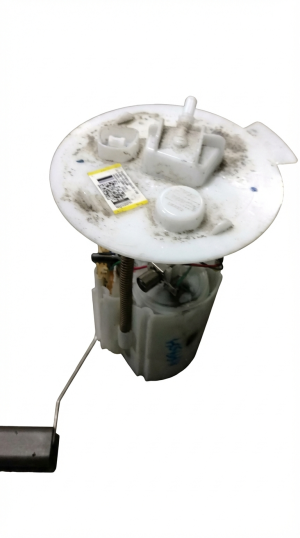
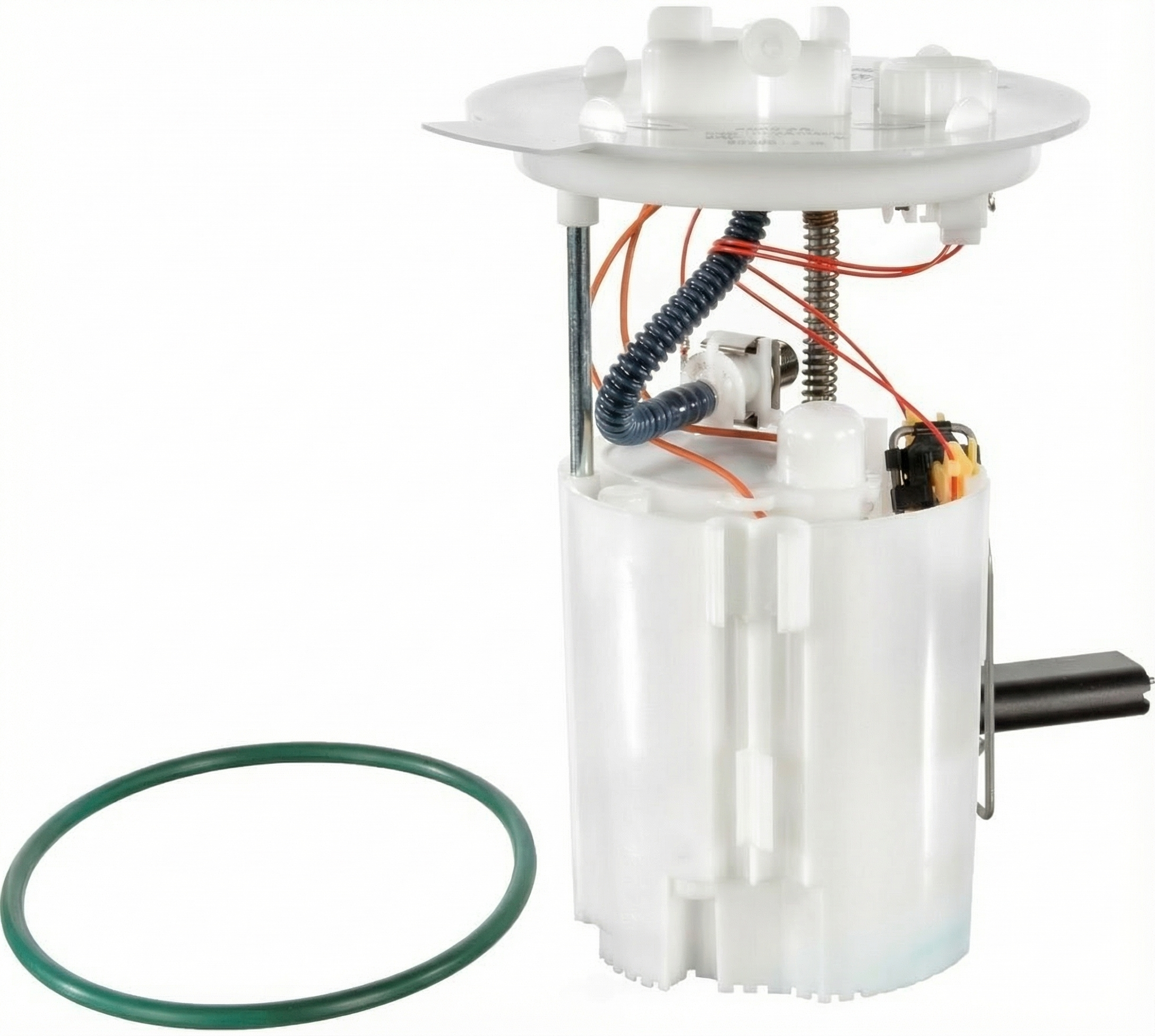
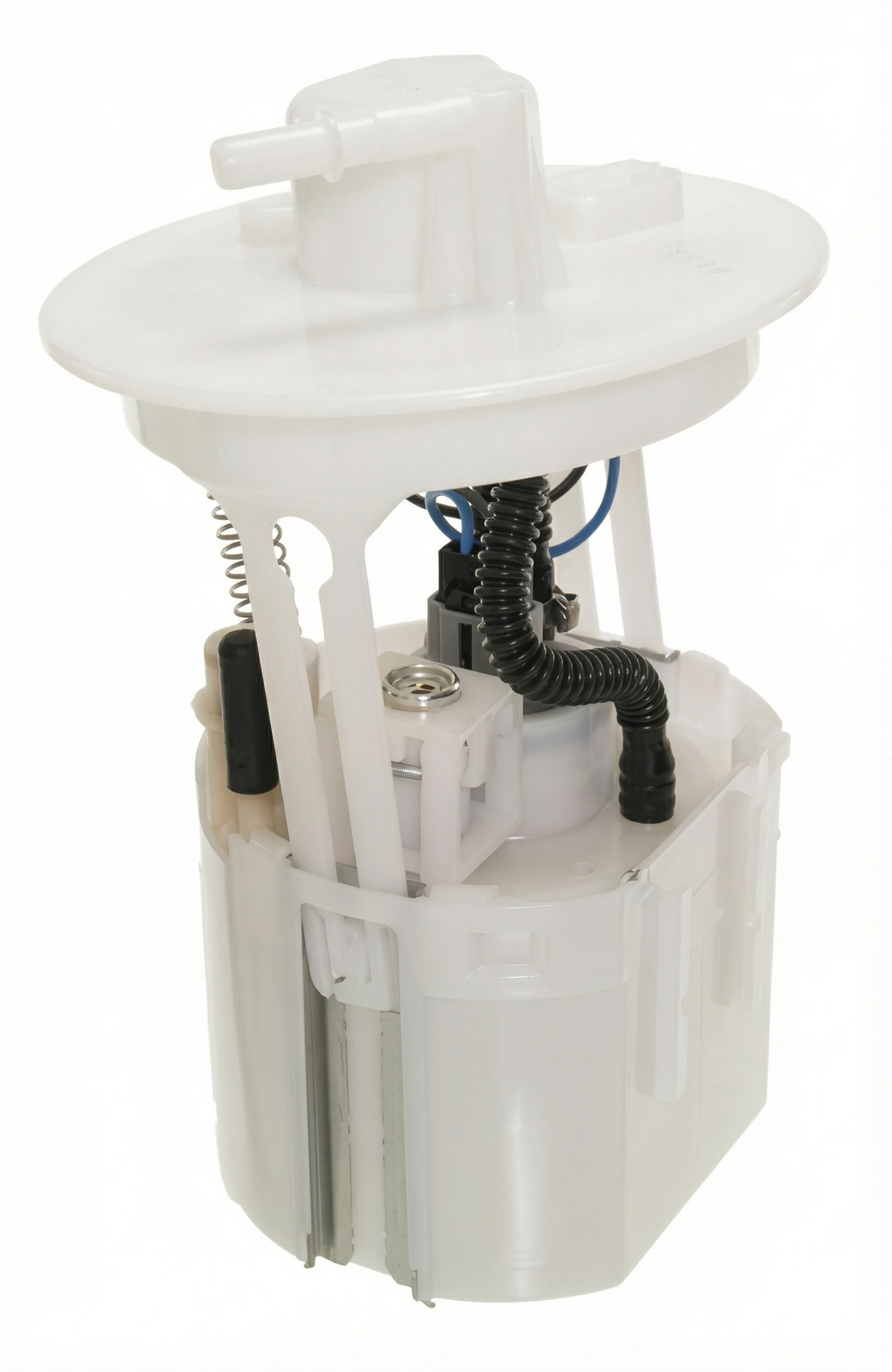
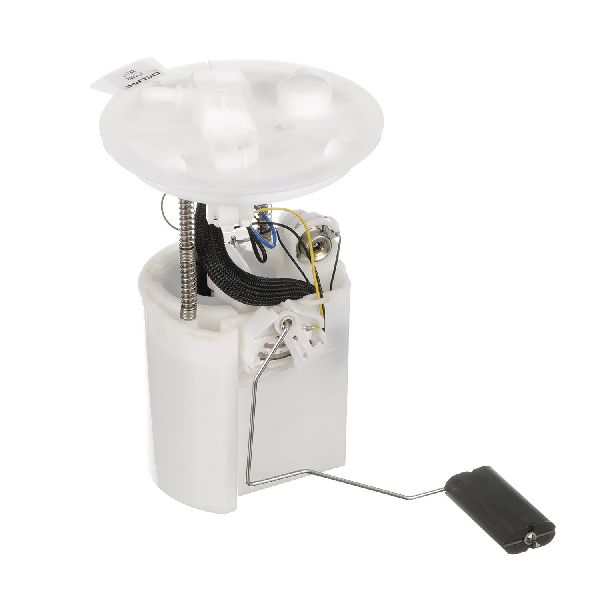
Est. part cost: $500-$1000+ (but may be covered by warranty) - Failing Fuel Pump or Fuel Pump Driver Module ⚪ Low Probability → Shop Fuel Pump
How to confirm: Turn the key to the 'ON' position (without starting) and listen for a faint humming or buzzing sound from the rear of the car for about two seconds. This is the fuel pump priming. If there is no sound, check the fuel pump fuse and relay first. A fuel pressure test at the fuel rail is the definitive diagnostic step.
Typical fix: Replace the in-tank fuel pump assembly.
Est. part cost: $200-$400
Rare But Worth Checking
- Engine Oil Pump Belt Failure (1.0L EcoBoost Engine Only): For 2016-2018 models with the 1.0L engine, Ford issued recall 23S64 for a failing oil pump belt or tensioner. This can lead to a sudden loss of oil pressure, engine seizure, and a no-start condition which could log P1604. Check for a low oil pressure warning and listen for loud engine noises. Ford has authorized engine replacement as an interim fix for this issue.
- Faulty Canister Purge Valve: A faulty purge valve was subject to a recall on many 2012-2018 Focus models. While it more commonly causes stalling after refueling, a severe failure could contribute to a no-start or hard-start condition.
Diagnosis Steps
- Scan for all DTCs. P1604 is often a secondary code; other codes from the TCM, BCM, or PCM are your primary clues.
- CRITICAL: Inspect and repair the main chassis grounds. This is the most common fix. Remove the air filter housing to access the two ground points on the driver's side chassis rail. Also check the main ground from the battery negative terminal to the chassis. Unbolt them, grind away all paint to expose bare metal, and re-attach securely. Apply dielectric grease to prevent future corrosion.
- Check the battery. Ensure it has at least 12.6V and can hold a load during cranking. A weak battery can cause numerous electronic faults.
- Verify fuel delivery. Listen for the fuel pump to prime when the key is turned on. If in doubt, check the fuel pump fuse and relay, and perform a fuel pressure test.
- Check for spark at the spark plugs to rule out an ignition system failure.
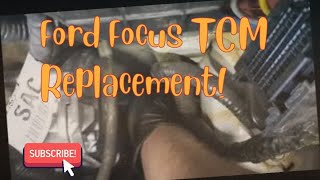
- If the grounds are confirmed good and the gear position is not displayed on the dash, investigate the Transmission Control Module (TCM) and its wiring harness for issues. Check for eligibility under Ford's warranty extension program 14M02. 🎬 Watch this step-by-step walkthrough for replacing the TCM yourself.
Parts You'll Likely Need
- Battery — A weak or dead battery is a common cause for any no-start condition.
Trusted brands: Motorcraft, Interstate, DieHard
OEM price range: $180-$250
Aftermarket price range: $150-$220 - Fuel Pump Assembly — A failed fuel pump will cause a 'crank, no start' condition, which triggers P1604.
Trusted brands: Motorcraft, Bosch, Delphi
OEM price range: $350-$500
Aftermarket price range: $200-$400 - Ground Strap
(OEM #BV6T-14324-HAC, AE5Z-14324-A)— While not strictly necessary (cleaning the original grounds is the fix), sometimes the cable ends are too corroded and require replacement. Some owners also add extra ground straps as a preventative measure.
Trusted brands: Ford (Motorcraft)
OEM price range: $25-$70
Aftermarket price range: $15-$30
Related Codes That Often Appear With This One
- U0101 — Lost Communication With TCM. This code often appears with P1604 when the poor grounding issue affects the Transmission Control Module's ability to communicate.
- P0707 — Transmission Range Sensor Circuit Low. This can be caused by a faulty TCM or its wiring, preventing the car from knowing it's in Park/Neutral to start.
- P0882 — TCM Power Input Signal Low. This code directly points to a power supply or ground issue for the transmission control module, reinforcing the likelihood of the grounding fault.
- U3003 — Battery Voltage. Often seen with other module faults when the electrical system is compromised by a bad ground or failing battery.
Technical Service Bulletins (TSBs) & Recalls
- 14M02 / 21A08: Warranty extension for the Transmission Control Module (TCM) to 10 years or 150,000 miles for no-start and other transmission-related symptoms.
- 19N08: Warranty extension for the DPS6 transmission clutch, covering shudder and shift issues, to 7 years or 100,000 miles.
- Recall 23S64: Affects 2016-2018 Focus models with the 1.0L engine. The oil pump drive belt or tensioner can fail, leading to loss of oil pressure and engine seizure.
Platform-Specific Known Issues
- Painted Grounding Points: The most significant issue related to this code. The factory painted the chassis before attaching ground wires, leading to poor electrical connections for the PCM and TCM over time. The fix is to remove the ground straps, sand the paint to bare metal, and re-attach.
- DPS6 Transmission TCM Failures: The automatic transmission control module is a known high-failure item that can prevent the car from starting. Ford extended the warranty on this part to 10 years/150,000 miles under program 14M02 due to the high failure rate. However, this should always be diagnosed *after* confirming the grounds are perfect.
Mechanic-Grade Diagnostic Values
- Battery Voltage (Engine Off) — expected: ~12.6V. Failure: Below 12.4V indicates a discharged or failing battery that can cause various electronic faults.
- Battery Voltage (Engine Running) — expected: 13.7V - 14.7V. Failure: Voltage outside this range indicates a problem with the alternator or charging system.
- TCM Power Supply Voltage at Connector C1750B — expected: 12.0V - 12.6V (Key On). Failure: Low or no voltage indicates a wiring or fuse issue preventing the TCM from powering on.
- TCM Ground Circuit Resistance at Connector C1750B — expected: < 0.5 Ω. Failure: Resistance higher than 0.5 Ohms indicates a poor ground connection, a primary cause of P1604 and U0101 on this vehicle.
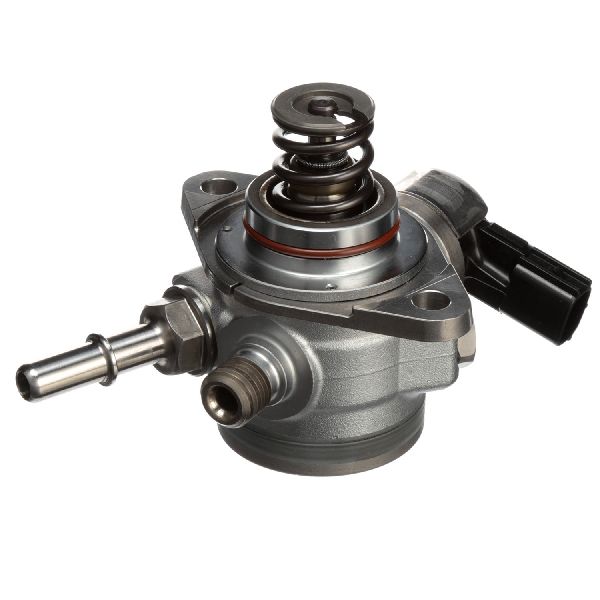
- High Pressure Fuel System (2.0L GDI) — expected: Desired: ~300-350 PSI at idle. Actual should match desired.. Failure: If actual pressure is significantly lower than desired (e.g., under 100 PSI), it indicates a failing high-pressure fuel pump (HPFP) or sensor issue, which can cause a long crank and log P0087 alongside P1604.
Scan Tool Commands That Help
- Ford IDS (Integrated Diagnostic Software): Self Test -> All CMDTCs (Continuous Memory Diagnostic Trouble Codes) — This is the first step to retrieve all stored codes from every module, which is critical as P1604 is often accompanied by more specific codes from the TCM or BCM.
- Ford IDS (Integrated Diagnostic Software): Datalogger -> Fuel System -> Fuel Rail Pressure (FRP) Desired & Actual — Used to diagnose a fuel delivery problem. Comparing the desired fuel pressure commanded by the PCM to the actual pressure reading can quickly identify a weak fuel pump or leak.
- Ford IDS (Integrated Diagnostic Software): Module Programming -> Programmable Module Installation (PMI) — This function is required after replacing the Transmission Control Module (TCM). It downloads the existing module configuration and uploads it to the new module, along with any necessary software updates.
- Ford IDS (Integrated Diagnostic Software): Powertrain -> Power Balance — This test helps identify which cylinder is not contributing correctly during a rough idle or stall condition that might follow a difficult start. It can help differentiate between a fuel, spark, or compression issue.
Wiring & Ground Locations
- Main Battery Ground — On the driver's side shock tower, right next to the battery. The negative battery cable bolts directly to this point on the painted chassis.. This is a primary ground for the entire vehicle. Because it's bolted over paint, it creates a high-resistance connection that can cause a wide array of electrical issues, including no-start problems.
- G104 / G108 (TCM Grounds) — Two ground studs located on the driver's side frame rail, underneath the air filter box.. These are the main grounding points for the transmission and its control module (TCM). They are notoriously problematic as they are also attached over a painted surface. Cleaning these is the most common fix for P1604 and associated U0101 codes.
- C1750B — The main electrical connector for the Transmission Control Module (TCM), located on the side of the transmission itself.. This is the connector where power and ground for the TCM should be tested. Verifying correct voltage and low resistance here is a key step to confirm if the TCM is receiving proper power before condemning the module itself.
- BCM (Body Control Module) — Located in the dash, integrated with the fuse box behind the glove box.. The BCM is a central hub for many vehicle functions. While not a direct cause, communication issues originating from the BCM due to system-wide voltage problems can contribute to starting issues.
Real Owner Repair Stories
- YouTube user comment on '2012 Ford Focus Electrical Grounds' video (2012 Ford Focus) — Transmission jerking, voltage reading only 13.4-13.8V (indicating poor charging), and other electrical issues.
❌ Tried (didn't work) Suspected a bad alternator due to low system voltage.
✅ What actually fixed it The user performed the 'ground mod' as shown in the video: removing the airbox, unbolting the main ground points on the frame rail, grinding the paint off to expose bare metal, and re-securing the ground terminals. After the fix, system voltage returned to a normal 14.2-14.4V and transmission shifting became smooth. - YouTube video '2014 Ford Focus Low Fuel Pressure P0087 Fixed' (2014 Ford Focus with 141,000 miles) — Long crank, no start, lack of power, and code P0087 (Fuel Rail Pressure Too Low). Scan tool showed desired fuel pressure at ~288 PSI but actual pressure was only ~76 PSI.
❌ Tried (didn't work) Initial diagnosis pointed towards a fuel system issue, but the specific component was unknown.
✅ What actually fixed it The high-pressure fuel pump (HPFP), located on the engine, was replaced. After replacement, the actual fuel rail pressure matched the desired pressure (~330-350 PSI at idle) and the long crank and low power issues were resolved. This shows how a fuel delivery problem can directly cause the 'startability malfunction' of P1604.
OEM Part Supersession History
AE8Z-7Z369-B, AE8Z-7Z369-C, AE8Z-7Z369-D, AE8Z-7Z369-E→AE8Z-7Z369-F— Internal design improvements. Original modules used compliant pin connections for critical components that could loosen over time. Later and remanufactured versions often feature soldered connections for better durability.
Heads up: While all are for the DPS6 transmission, it is always recommended to use the latest available part number (AE8Z-7Z369-F) for repairs. After installation, the module requires programming to the vehicle using Ford's diagnostic software.
Model Year Variations Within This Range
- 2012-2013 (early models): Some very early 2012-2013 models were available with a traditional 4-speed automatic transmission (4F27E) instead of the DPS6 PowerShift dual-clutch. While P1604 can still occur, the common cause is less likely to be a failed TCM, as the 4F27E is a much more reliable unit. Diagnostics on these models should focus more on grounds, battery, and fuel systems.
- 2016-2018: The 1.0L EcoBoost engine option became more common. These engines have their own specific failure points, such as the oil pump belt recall (23S64), which could lead to engine seizure and a no-start condition that logs P1604.
Diagnostic Flowchart
Other Known Issues on This Vehicle
Issues unrelated to this code that are worth knowing about as an owner of this generation:
- DPS6 'PowerShift' Automatic Transmission Failure 🔴 High → Shop Transmission Assembly — Extremely common on 2012-2016 models. Symptoms include shuddering, hesitation, and outright failure to engage gears. (Ref: Multiple warranty extensions, including 14M02 for the TCM and 19N08 for the clutches.)
- Electric Power Steering Rack Failure 🔴 High — Common issue where power steering assist fails suddenly, often with a 'Steering Assist Fault' message. Can be caused by water ingress or electronic failure. (Ref: Various TSBs exist for diagnosing steering noises and issues, e.g., SSM 46210.)
- Failed Passenger-Side Hydraulic Engine Mount 🟠 Medium — Very common across all years. The fluid-filled mount collapses, causing severe vibration in the cabin, especially when idling in gear.
- Faulty Canister Purge Valve 🟠 Medium — Common problem leading to stalling, rough idle, and difficulty starting, especially after refueling. (Ref: Subject of NHTSA recall 18V735000 for many 2.0L models.)
- Door Latch Failure 🟠 Medium — A faulty spring can cause the door latch to fail, potentially allowing a door to open while driving. (Ref: Subject of multiple recalls, including NHTSA recall 20V197000.)
Used vs. New Parts: Buying Guide for This Vehicle
When a used part is the smart pick: For this repair, buying a used Transmission Control Module (TCM) is generally NOT recommended. While it may be cheaper initially, used TCMs from other 2012-2018 Focus models are likely to have the same internal design flaw that leads to failure. Furthermore, a used TCM must be reprogrammed to your vehicle's VIN by a dealer or specialized shop, adding cost and complexity. A used fuel pump assembly can be a viable option if sourced from a low-mileage donor vehicle.
Donor-vehicle mileage cap: roughly under 75000 miles for the part to have meaningful remaining life.
What to inspect on the donor part:
- For a fuel pump: Check the donor vehicle's history for any signs of fuel system issues.
- For a TCM: Avoid entirely. The risk of receiving another faulty unit is too high.
- For ground straps: Inspect for corrosion or fraying at the terminals. However, cleaning the original straps is usually sufficient.
OEM-only on this vehicle (don't cheap out):
- Transmission Control Module (TCM) - Due to the high failure rate of original units and the need for programming, it is highly recommended to use a new OEM part or a quality remanufactured unit with soldered internal connections from a reputable supplier.
Aftermarket brands forum-validated for this vehicle:
- For TCM: Freedom Injection (remanufactured with upgrades), Dorman (remanufactured with upgrades).
- For Fuel Pump: Bosch, Delphi, Motorcraft (OEM).
Brands owners have reported issues with on this vehicle:
- Unnamed, no-brand TCMs from online marketplaces. These often lack proper quality control and may not be programmable.
Real Owner Stories
Aggregated from forums and TSBs cited above. Mileages and costs reflect what owners reported in those sources.
2012-2018 Ford Focus
Symptoms: Owners reported a wide range of electrical issues, including no-start conditions and P1604, often linked to poor electrical connections at the chassis.
What fixed it: Removing the airbox, unbolting the ground straps on the frame rail, grinding the paint off the chassis to expose bare metal, and re-securing the straps with dielectric grease.
Cost: $0-$15
Source hint: Focus Fanatics Forum - The Official 'Grounding' Thread
2016 Ford Focus
Symptoms: A cascade of electrical failures including steering assist faults and battery-related issues.
What fixed it: Addressing the interplay between the battery and the grounding points to resolve module communication failures.
Source hint: Reddit r/FordFocus - 2016 Ford Focus - Power Steering and Battery Issues
Related OBD-II Codes
Frequently Asked Questions
Is the Transmission Control Module (TCM) failure on my 2012-2018 Ford Focus covered by a warranty extension?
My 2016 Focus with the 1.0L engine has a no-start condition; could this be related to a recall?
Why does my dash say 'Hill Start Assist Not Available' when the car won't start?
I've heard the grounding points are painted on the Focus; where are they located?
Does the warranty extension for the DPS6 transmission cover the clutch shudder as well?
Can a bad ground mimic a total TCM failure on a 2012-2018 Focus?
Helpful Videos
Used OEM Parts in Stock
New Aftermarket Parts Available


The information in this article is provided for general reference and educational purposes only. Vehicle specifications, procedures, and part compatibility can vary by production date, trim level, and region. Always consult your vehicle's factory service manual and verify part numbers before purchasing or performing repairs. Safety-critical components such as airbags, seat belts, and braking systems should be installed by a qualified professional.
- Ford Focus:
- 🧭 Diagnostic Flowchart
- 🎬 Helpful Videos
- 🛍️ Shop This Part
- What's Unique About the 2012-2018 Ford Focus
- Symptoms You May Notice
- Most Likely Causes
- Rare But Worth Checking
- Diagnosis Steps
- Parts You'll Likely Need
- Related Codes That Often Appear With This One
- Technical Service Bulletins (TSBs) & Recalls
- Platform-Specific Known Issues
- Mechanic-Grade Diagnostic Values
- Scan Tool Commands That Help
- Wiring & Ground Locations
- Real Owner Repair Stories
- OEM Part Supersession History
- Model Year Variations Within This Range
- Other Known Issues on This Vehicle
- Used vs. New Parts: Buying Guide for This Vehicle
- Real Owner Stories
- 2012-2018 Ford Focus
- 2016 Ford Focus
- Related OBD-II Codes
- Frequently Asked Questions
- 🎟️ Get 5% Off