

P1604 on 2007-2009 Lexus RX 350: Startability Malfunction Causes and Fixes
On a 2007-2009 Lexus RX 350, code P1604 is most often caused by a weak or aging battery. Before exploring other causes, have the battery professionally load-tested, even if it seems to hold a charge. This simple check often resolves the issue for the cost of a new battery (~$150-$250).
- P1604 means the engine had trouble starting properly.
- The most likely cause on a 2007-2009 RX 350 is a weak battery. Get it load-tested before doing anything else.
- If the battery is good, check for corroded terminals and then investigate the fuel pump.
- Do not ignore this code; it is a warning that you could be stranded with a no-start condition soon.
- Always check for other trouble codes first, as P1604 is often a symptom of another problem.
What's Unique About the 2007-2009 Lexus RX
The second-generation Lexus RX, particularly with the 2GR-FE engine, is known for being sensitive to battery voltage. Owners on forums like ClubLexus frequently report that a P1604 code is the very first sign of a battery that is beginning to fail, even before it struggles to crank the engine. The code may appear intermittently at first, with the car starting normally on the second attempt, which can be misleading. This platform's sophisticated electronics require a strong, stable power supply during startup, and any deviation can trigger this code. Sometimes, the code can be set by a simple user error, like the driver's foot slipping off the brake pedal during a push-to-start sequence.
Symptoms You May Notice
- Engine cranks for a long time before starting
- Engine starts, then immediately stalls.
- No-start condition (engine cranks but never fires)
- Check Engine Light is on (may or may not be illuminated).
- Intermittent starting problems (fails to start on first try, but starts on the second).
- Battery light may be illuminated on the dash.
- Replacing the starter when the issue is a weak battery or fuel delivery.
- Replacing fuel injectors when the fuel pump is weak.
- Assuming the code can be ignored because the car eventually starts.
- Replacing the battery without testing the alternator, leading to a repeat failure.
Most Likely Causes
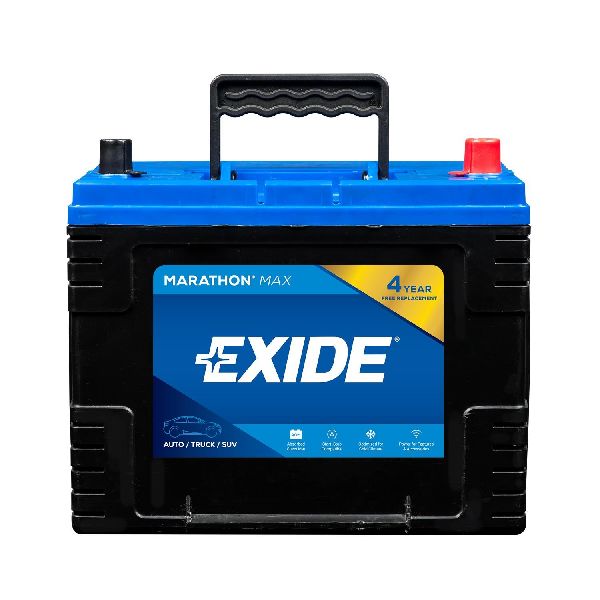
- Weak or Failing Battery 🔴 High Probability → Shop Vehicle Battery The Lexus RX's electronic systems are highly sensitive to voltage drops during cranking. An aging battery may have enough power to turn the starter but not enough to satisfy all modules, triggering the P1604 code.
How to confirm: Perform a load test on the battery. A simple voltage check is not sufficient. Most auto parts stores will do this for free. Voltage should be ~12.6V when off and 13.7-14.7V when running. Ensure the correct group size battery is installed (Group 24F is common for this model) as an undersized battery can also cause this issue.
Typical fix: Replace the vehicle's 12V battery.
Est. part cost: $150-$300 - Corroded or Loose Battery Terminals/Cables 🟡 Medium Probability → Shop Vehicle Battery Over time, corrosion can build up on the battery terminals, creating resistance that prevents the full flow of electricity, mimicking a weak battery. Poor ground connections from the battery to the chassis are also a common culprit.
How to confirm: Visually inspect the battery terminals and cable ends for white, blue, or green crust. Check that the clamps are tight and cannot be moved by hand. Trace the main negative cable to its chassis ground point and ensure it is clean and secure.
Typical fix: Disconnect the terminals (negative first), clean them and the battery posts with a wire brush or terminal cleaning tool, and reconnect securely (positive first).
Est. part cost: $5-$15 - Failing Fuel Pump 🟡 Medium Probability → Shop Fuel Pump While the major Denso fuel pump recalls primarily affected later model years, a weak or failing fuel pump is a common cause of starting issues on many vehicles, including the RX. It may not build sufficient pressure quickly enough for a clean start, leading to the long crank time that sets P1604.
How to confirm: Listen for a quiet hum from the rear seat area when the key is first turned to 'ON'. A loud whine or no noise could indicate a problem. The definitive test is to measure fuel pressure with a gauge connected to the fuel line; this often requires a special adapter for the 2GR-FE engine. Target pressure should be between 44-50 psi. 🎬 Watch: Diagnosing a long crank and fuel pressure drop
Typical fix: Replace the fuel pump assembly, which is located inside the fuel tank.
Est. part cost: $200-$500 - Failing Alternator ⚪ Low Probability → Shop Alternator A failing alternator will not properly recharge the battery, leading to a low battery state and causing the P1604 code. The root cause is the alternator, but the symptom is a dead battery.
How to confirm: With the engine running, test the voltage at the battery terminals. A healthy alternator should produce between 13.7 and 14.7 volts. If the voltage is below 13.5V or fluctuating wildly, the alternator is likely failing. 🎬 See this quick guide on how to test an alternator
Typical fix: Replace the alternator.
Est. part cost: $250-$600
Rare But Worth Checking
- Clogged Fuel Filter: The fuel filter is part of the fuel pump assembly in the tank and is not typically serviced separately. While less common than pump failure, a severely clogged filter can restrict fuel flow and cause starting issues.
- Faulty Crankshaft or Camshaft Position Sensor: → Shop Engine Crankshaft These sensors tell the ECM the engine's position and speed. If they fail, the ECM won't know when to fire the spark plugs or injectors, leading to a no-start. This usually, but not always, sets its own specific code in addition to P1604.
- Faulty Engine Control Module (ECM): → Shop Engine Control Module (ECM) This is extremely rare. Before condemning the ECM, all other possibilities (electrical, fuel, and sensor-related) must be exhaustively ruled out. Water intrusion into the ECM connector has been noted as a cause on other Toyota platforms with this engine.
- Security System/Immobilizer Fault: An issue with the key transponder or the vehicle's immobilizer system can prevent the engine from starting, which may log a P1604 code. This is often accompanied by a flashing security light on the dashboard.
Diagnosis Steps
- Scan for other stored DTCs. If other codes are present, diagnose them first as P1604 is often a secondary code.
- If P1604 is the only code, start with the battery. Have it professionally load-tested. Do not rely on a simple multimeter voltage reading.
- Inspect the battery terminals and ground connections for corrosion or looseness. Clean and tighten as necessary.
- If the battery and connections are good, test the alternator's output voltage with the engine running. It should be between 13.7V and 14.7V.
- If the electrical system is confirmed to be healthy, move to the fuel system. Listen for the fuel pump priming when the ignition is turned on.
- Check all fuses related to the fuel and ignition systems, often labeled 'EFI' or 'Fuel Pump'.
- Perform a fuel pressure test to verify the fuel pump is operating within specification (44-50 psi). This is the most definitive test for a weak fuel pump. 🎬 Watch: Toyota and Lexus fuel pump test and replacement procedure
- If fuel pressure is good, consider investigating the ignition system (spark plugs) and engine sensors (crankshaft/camshaft position sensors), though these are less likely causes.
Parts You'll Likely Need
- 12V Battery
(OEM #Commonly Group 24F)— This is the most common cause for a P1604 code on this vehicle due to the electronic systems' sensitivity to voltage during startup.
Trusted brands: Interstate, DieHard, Duralast, ACDelco
OEM price range: $200-$300
Aftermarket price range: $150-$250 - Fuel Pump Assembly
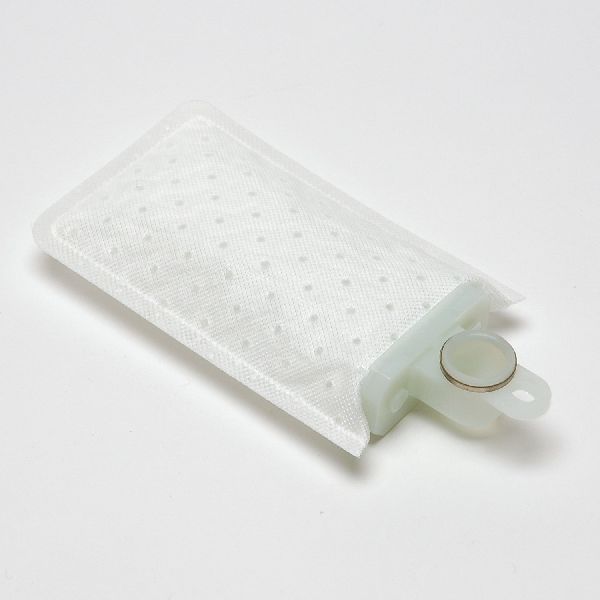
(OEM #Denso 950-0207 (Pump and Strainer Kit), Lexus 23220-31370 (Full Assembly))— A weak fuel pump that fails to build pressure quickly is the second most likely cause after the battery.
Trusted brands: Denso, Aisin
OEM price range: $400-$600
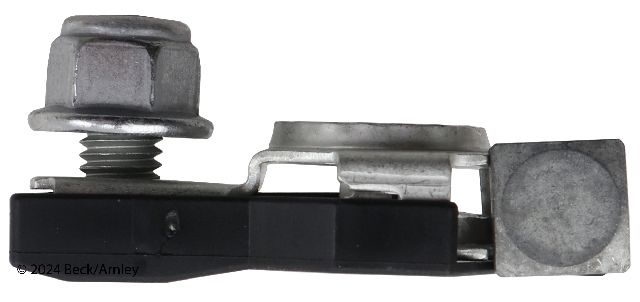
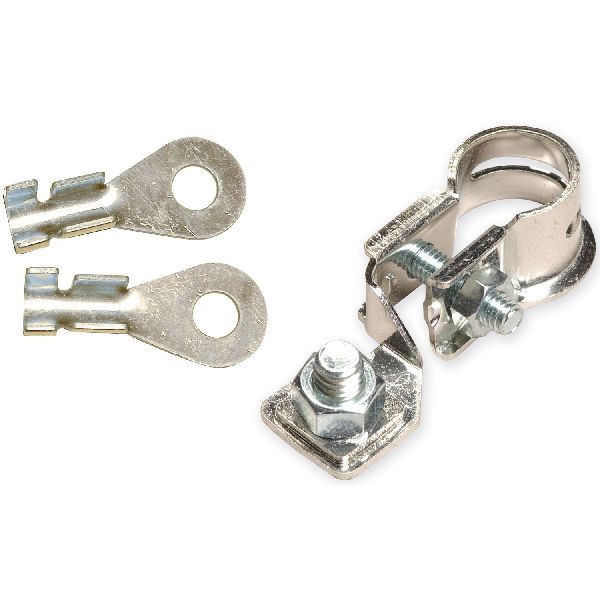
Aftermarket price range: $200-$400 - Battery Terminals — If the original terminals are heavily corroded or damaged, they can cause the same symptoms as a weak battery and should be replaced.
Trusted brands: Dorman, Standard Motor Products
OEM price range: $20-$40
Aftermarket price range: $10-$25
Related Codes That Often Appear With This One
- P0171 / P0174 — System Too Lean (Bank 1 / Bank 2). These codes can appear if a weak fuel pump is not delivering enough fuel, creating a lean condition that also contributes to hard starting.
- P0087 — Fuel Rail/System Pressure - Too Low. This is a more direct indicator that the fuel pump is failing and is a common companion to P1604 when the cause is fuel-related.
- P1603 — Engine Stall History. This code is often logged alongside P1604, as it records instances where the engine has stalled, which is a common symptom of a startability malfunction.
Technical Service Bulletins (TSBs) & Recalls
- While no TSB directly addresses the P1604 code itself, related TSBs for starting and engine issues can be relevant. For example, T-TT-0462-17 for the Toyota Highlander addresses P1604 caused by water intrusion into the ECM connector, a plausible, though rare, scenario for the RX350 given the shared engine platform.
Platform-Specific Known Issues
- Intermittent Nature of the Fault: Owners frequently report that the P1604 code appears intermittently. The car might fail to start on the first try but will start perfectly on the second, leading them to ignore the issue until it becomes a hard failure. This is a classic symptom of a battery on the edge of its performance threshold.
Mechanic-Grade Diagnostic Values
- Crankshaft Position Sensor Resistance — expected: Cold: 985 to 1,600 Ω. Hot: 1,265 to 1,890 Ω.. Failure: A resistance reading outside of these ranges indicates a faulty sensor.
- Fuel Pump Relay Resistance — expected: Below 1 Ω between terminals 3-5 when voltage is applied to terminals 1-2. 10 kΩ or more between terminals 3-5 when no voltage is applied.. Failure: Readings that do not meet these specifications indicate a faulty relay.
- Injector Pulse Width at Idle — expected: Typically 2.5ms - 3.5ms for a warm, idling engine with no load.. Failure: While not a direct cause of P1604, abnormal pulse widths (either extremely low or high) at idle could suggest underlying fuel delivery or sensor input problems that contribute to hard starting.
- Freeze Frame Data Analysis — expected: The ECM stores a snapshot of sensor data at the moment the P1604 code is set.. Failure: Analyzing this data with a tool like Techstream is crucial. For example, if the engine speed in the data is over 250 rpm, it suggests initial combustion occurred but failed, pointing away from a pure no-spark/no-fuel issue.
Hidden / Shadow Codes Worth Checking
- P1604 Detail Code / Freeze Frame Data: P1604 is not a typical fault code but an informational one that flags a starting problem. The real diagnostic value is in the associated freeze frame data, which captures all relevant engine parameters at the moment of failure. This data is the equivalent of a 'shadow code' for this issue. (see via A professional scan tool like Toyota's Techstream is required to view the detailed freeze frame data. This data reveals conditions like engine speed, coolant temperature, and fuel system status, which are essential for determining the true cause (e.g., fuel starvation, sensor failure, etc.).)
Scan Tool Commands That Help
- Toyota Techstream: Active Test: 'Control the Fuel Pump / Speed' — This is a critical first step if a fuel delivery issue is suspected. It allows the technician to bypass the normal control circuit and directly command the fuel pump to turn on. If the pump runs with this command, the pump itself is likely good, and the issue is with the ECM, relays, or wiring. If it doesn't run, it points directly to a failed pump or its power/ground circuit.
- Toyota Techstream: Data List & Freeze Frame Data — Use this to analyze the conditions when the P1604 was set. Look at parameters like 'Engine Speed', 'Coolant Temp', and 'Fuel System Status'. For example, if the vehicle ran out of fuel, the freeze frame data will show that, preventing unnecessary parts replacement.
- Toyota Techstream: Utility: 'Immobilizer/Smart Key Reset' — This is used if the P1604 code is accompanied by immobilizer codes (like B2799). If the ECM or a key component was replaced, this function is necessary to perform the security 'handshake' between the new module and the vehicle's keys.
Wiring & Ground Locations
- ECM (Engine Control Module) — Located behind the glove box.. The ECM is the central computer that sets the P1604 code. All sensor inputs and starting system outputs route through it. Checking for clean, secure connections at the ECM is vital if electrical issues are suspected.
- Fuel Pump Relay — Located in the engine room No. 1 relay block, on the left (driver's) side of the engine compartment.. This relay provides power to the fuel pump. A failure of this common and inexpensive component will prevent the fuel pump from running, leading to a crank-no-start condition and a P1604 code.
- EFI MAIN Relay — Located in the engine room relay block.. The EFI (Electronic Fuel Injection) relay provides main power to the engine control system. A fault here can cause a wide range of issues, including a no-start condition that triggers P1604.
- BECU (Body Electronic Control Unit) — Located under the driver's side dash, attached to the back of the driver's side fuse box.. The BECU manages various body-related functions, including inputs from the ignition switch and security system. A fault here could interrupt the starting sequence.
Real Owner Repair Stories
- ClubLexus Forum (2010 Lexus ES350 (similar 2GR-FE platform)) — Engine would crank, start for a second, and then die. This happened intermittently, maybe 2-3 times over a year. It would always start normally on the second attempt. A P1604 code was stored with no Check Engine Light.
❌ Tried (didn't work) The owner suspected worn spark plugs or a fuel-related issue.
✅ What actually fixed it The owner did not report a final fix, but multiple forum members advised that the first and most crucial diagnostic step was to get the battery professionally load-tested, even though it was only two years old, and to inspect the negative battery cable's ground connection to the chassis for corrosion. - ClubLexus Forum (2013 Lexus ES350) — Car starts and runs perfectly with no noticeable issues, but the P1604 code comes back instantly no matter how many times it is cleared.
❌ Tried (didn't work) Clearing the code repeatedly.
✅ What actually fixed it The thread concluded with advice to check the battery and charging system first, specifically cleaning the battery cables and all connections, as a persistent 'ghost' code can sometimes be triggered by a marginal electrical issue that doesn't yet cause noticeable starting symptoms.
Documented NHTSA Reports
- An owner reported in NHTSA ODI #11620473 that their vehicle had to be towed to a Lexus Certified Repair Facility where a technician found codes P0335, P1603, P1604, and P1605. After bore-scoping the front three cylinders, the technician found they were unable to turn the motor by hand.
OEM Part Supersession History
90919-05057→90919-A5003— This is the OEM part number for the Crankshaft Position Sensor for the 2GR-FE engine. The number has been updated over time.
Model Year Variations Within This Range
- 2007 vs 2008-2009: The 2007 model had a noticeably 'lighter' power steering feel, which was reportedly firmed up in later models. Additionally, 2008+ models received chrome exterior door handles. Some 2008 models still included a cassette tape player, which was phased out by 2009. These differences are primarily cosmetic or related to driving feel and do not significantly impact the causes or diagnosis of a P1604 code, as the core engine and electrical systems are mechanically identical.
Diagnostic Flowchart
Other Known Issues on This Vehicle
Issues unrelated to this code that are worth knowing about as an owner of this generation:
- Rupturing VVT-i Oil Line 🔴 High — Very common on 2007-2009 models. The original rubber hose section degrades and can burst without warning, causing rapid and catastrophic oil loss, leading to engine seizure. (Ref: Lexus Limited Service Campaign (LSC) 90K / ZLG. Toyota issued a campaign to replace the rubber hose with an all-metal line.)
- Cracked or Melting Dashboard 🟡 Low — Extremely common, especially in warmer climates. The dashboard material becomes sticky, shiny, and develops cracks over time due to heat and humidity exposure. (Ref: Lexus Warranty Enhancement Program ZLD extended the warranty to cover dashboard replacement, though this program has since expired.)
- Power Steering Rack Leaks 🟠 Medium — Commonly occurs after 80,000-100,000 miles. The seals within the power steering rack and pinion assembly fail, causing fluid to leak, often noticeable on the steering rack boots.
- Timing Cover Oil Leak 🟠 Medium — A known issue on the 2GR-FE engine where the sealant for the timing chain cover can degrade, causing a persistent oil leak that is labor-intensive to repair.
Used vs. New Parts: Buying Guide for This Vehicle
When a used part is the smart pick: For this repair, used parts are generally not recommended for the most common failure items. The primary causes are wear-and-tear components like the battery and fuel pump, where a used part offers a short and unpredictable lifespan. A used ECM could be a cost-effective option if this extremely rare failure is confirmed, provided the part numbers match exactly and it comes from a reputable salvage yard with a warranty.
Donor-vehicle mileage cap: roughly under 75000 miles for the part to have meaningful remaining life.
What to inspect on the donor part:
- For an ECM: Ensure the donor vehicle was not in a flood or fire. Check for any signs of water intrusion or corrosion on the case and connector pins. Verify the part number on the label is an exact match.
- For relays: Check for any signs of melting, discoloration, or corrosion on the plastic housing and metal prongs.
OEM-only on this vehicle (don't cheap out):
- Engine Control Module (ECM): While a used OEM unit can work, aftermarket or repaired ECMs are risky. An OEM unit (new or used) ensures compatibility with the vehicle's immobilizer and other electronic systems.
- Crankshaft/Camshaft Sensors: These are critical for engine timing. While some aftermarket brands are reliable, sticking with OEM (Denso) is the safest bet to avoid intermittent signal issues that can be difficult to diagnose.
Aftermarket brands forum-validated for this vehicle:
- Fuel Pump: Denso and Aisin are the original equipment manufacturers for Toyota/Lexus. Buying these brands from an aftermarket supplier is equivalent to getting the OEM part without the dealership markup.
- Battery: Reputable brands like Interstate, DieHard, and ACDelco are known to perform well in these vehicles.
Brands owners have reported issues with on this vehicle:
- Generic 'White Box' Fuel Pumps: Avoid unbranded, ultra-low-cost fuel pump assemblies from online marketplaces. They are notorious for premature failure, incorrect fuel level sender readings, and failing to meet the required pressure specifications, leading to a repeat of the P1604 code.
Real Owner Stories
Aggregated from forums and TSBs cited above. Mileages and costs reflect what owners reported in those sources.
2007-2012 Lexus ES 350 (2GR-FE)
Symptoms: A P1604 code appeared with no other symptoms; the community suggested it might be as simple as a foot slipping off the brake during the start sequence.
What fixed it: Checking the battery and ensuring proper starting technique (brake pedal engagement).
Source hint: ClubLexus - P1604 Code: Startability Malfunction (https://www.clublexus.com/forums/es-1st-to-6th-gen-1990-2018/999896-p1604-code-startability-malfunction.html)
2006-2013 Lexus IS (2nd Gen)
Symptoms: Intermittent no-start condition accompanied by a P1604 code.
What fixed it: Performing a load test on the battery and checking the terminal connections for security and cleanliness.
Source hint: ClubLexus - P1604 Code (https://www.clublexus.com/forums/is-2nd-gen-2006-2013/956608-p1604-code.html)
2007-2009 Lexus RX 350 — ~100000 miles
Symptoms: The car fails to start on the first attempt but starts perfectly on the second try; the owner initially ignored it until it became a more frequent failure.
What fixed it: Replacing the 12V battery which was at the edge of its performance threshold.
Source hint: vehicle_specific_issues - Intermittent Nature of the Fault
Lexus RX (NHTSA ODI #11620473)
Symptoms: The vehicle experienced a failure that required it to be towed to a Lexus Certified Repair Facility. A scan revealed codes P0335, P1603, P1604, and P1605.
What fixed it: A technician performed a bore-scope of the front three cylinders and found the motor could not be turned by hand.
Source hint: NHTSA ODI #11620473
Related OBD-II Codes
Frequently Asked Questions
My 2008 RX350 sometimes fails to start on the first try but starts fine on the second. Is this a P1604 symptom?
Could a TSB for the Toyota Highlander apply to my Lexus RX P1604 issue?
What battery size should I use for my 2007-2009 Lexus RX to avoid startability malfunctions?
Is the P1604 code related to the common VVT-i oil line failure on the 2007-2009 RX?
Can I just check my battery voltage with a multimeter to rule it out for P1604?
Does the P1604 code mean I need a new fuel pump?
Helpful Videos
We Have This Part in Stock



The information in this article is provided for general reference and educational purposes only. Vehicle specifications, procedures, and part compatibility can vary by production date, trim level, and region. Always consult your vehicle's factory service manual and verify part numbers before purchasing or performing repairs. Safety-critical components such as airbags, seat belts, and braking systems should be installed by a qualified professional.
- Lexus RX:
- 🧭 Diagnostic Flowchart
- 🎬 Helpful Videos
- 🛍️ Shop This Part
- What's Unique About the 2007-2009 Lexus RX
- Symptoms You May Notice
- Most Likely Causes
- Rare But Worth Checking
- Diagnosis Steps
- Parts You'll Likely Need
- Related Codes That Often Appear With This One
- Technical Service Bulletins (TSBs) & Recalls
- Platform-Specific Known Issues
- Mechanic-Grade Diagnostic Values
- Hidden / Shadow Codes Worth Checking
- Scan Tool Commands That Help
- Wiring & Ground Locations
- Real Owner Repair Stories
- Documented NHTSA Reports
- OEM Part Supersession History
- Model Year Variations Within This Range
- Other Known Issues on This Vehicle
- Used vs. New Parts: Buying Guide for This Vehicle
- Real Owner Stories
- 2007-2012 Lexus ES 350 (2GR-FE)
- 2006-2013 Lexus IS (2nd Gen)
- 2007-2009 Lexus RX 350 — ~100000 miles
- Lexus RX (NHTSA ODI #11620473)
- Related OBD-II Codes
- Frequently Asked Questions
- 🎟️ Get 5% Off