

P1604 on 2003-2007 Saturn Ion: Startability Malfunction Causes and Fixes
On a 2003-2007 Saturn Ion, code P1604 almost always indicates an underlying fuel delivery or electrical system problem preventing the engine from starting. The most common causes are a failing fuel pump, a weak battery, or a faulty ignition switch related to a major GM recall. It can also be triggered by a failed crankshaft position sensor or Passlock anti-theft system issue. Expect to spend $50-$350 on parts depending on the culprit.
- P1604 is a general code for a starting problem; always check for other, more specific codes first.
- On the Saturn Ion, the most likely causes are a bad fuel pump, a weak battery, or a faulty ignition switch.
- Before replacing any parts, perform basic diagnostics: listen for the fuel pump priming, test the battery, and check for spark.
- Check if your vehicle was affected by the ignition switch recall (GM #14299) or the fuel filter recall (NHTSA 03V471000) as these could be the root cause.
- Do not assume the PCM is bad; it is rarely the culprit.
What's Unique About the 2003-2007 Saturn Ion
The Saturn Ion shares its 2.2L L61 engine and GM Delta platform with the Chevrolet Cobalt, making their issues very similar. For this platform, P1604 is not a random event but often points to a few known weaknesses. The most common culprits are a failing fuel pump, electrical issues stemming from a weak battery, or a faulty ignition switch, which was subject to a major GM recall (NHTSA #14V047). A faulty switch can cut power to the engine and all electronics during cranking or while driving. Additionally, early model year Ions had a specific recall for corroding fuel filters, highlighting a vulnerability in the fuel delivery system.
Symptoms You May Notice
- Engine cranks but will not start
- Engine starts briefly then immediately stalls
- Extended cranking time before the engine starts
- Check Engine Light is on
- Security light on the dashboard is on or flashing
- No symptoms at all, but the code is stored (rare, may indicate a past or intermittent issue)
- Replacing the PCM: The PCM is rarely the cause of the problem. Because P1604 is an informational code, technicians may mistakenly blame the module that set it. Always diagnose underlying systems (fuel, spark, electrical, anti-theft) first.
Most Likely Causes
- Failing Fuel Pump 🔴 High Probability → Shop Fuel Pump The fuel pump is a common failure item on many vehicles of this era, including GM Delta platform cars like the Ion and Cobalt. The in-tank module can weaken over time, failing to provide adequate pressure for starting.
How to confirm: Turn the key to the 'ON' position (without cranking) and listen for a 2-second humming or buzzing sound from the rear seat area. If there is no sound, the pump is likely not priming. Confirm by checking for fuel pressure at the fuel rail schrader valve; it should be between 50-60 PSI for the L61 engine. A pressure test is the definitive diagnostic step.
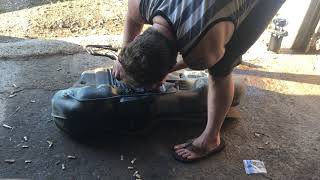
Typical fix: Replace the fuel pump module, which is accessed from under the rear seat. 🎬 Watch: Step-by-step Saturn Ion fuel pump replacement guide It is recommended to replace the entire module, not just the pump motor.
Est. part cost: $100-$250 - Faulty Ignition Switch 🔴 High Probability This platform was part of a massive GM recall (#14299 / NHTSA #14V047) for faulty ignition switches. Weight on the keychain or road vibrations could cause the switch to move out of the 'RUN' position, cutting power to the engine, steering, and airbags, which can cause a no-start or stalling.
How to confirm: Check with a GM dealer or online using your VIN to see if recall #14299 was performed. Symptoms include the engine stalling when the key is wiggled, the radio/dash cutting out, or the car failing to crank intermittently. The recall involved installing new key rings and an insert for the key.
Typical fix: Replace the ignition switch and lock cylinder. This was covered under recall, but if the recall was already performed, the part may have failed again. The replacement part number for the switch is GM #10392423 (also known as ACDelco D1461F).
Est. part cost: $50-$100 - Weak or Dead Battery / Poor Electrical Connection 🟡 Medium Probability → Shop Vehicle Battery A low battery is a universal cause for starting issues. If voltage drops too low during cranking, the PCM and other modules may not function correctly, leading to a no-start condition that logs P1604.
How to confirm: Test the battery voltage with a multimeter; it should be at least 12.4V at rest. A healthy battery should read 13.7-14.7V when the engine is running. Have the battery load-tested at an auto parts store. Inspect battery terminals for corrosion and ensure connections are clean and tight.
Typical fix: Clean the battery terminals and cable ends. If the battery fails a load test, replace it.
Est. part cost: $100-$200 - Failed Crankshaft Position Sensor (CKP) ⚪ Low Probability → Shop Engine Crankshaft Position Sensor
How to confirm: A failed CKP sensor will typically prevent spark and fuel injector pulse. A key symptom is that the tachometer will not move at all during cranking. This will usually be accompanied by a specific CKP sensor code, like P0335.
Typical fix: Replace the crankshaft position sensor, located on the back of the engine block near the starter.
Est. part cost: $20-$50
Rare But Worth Checking
- Faulty Body Control Module (BCM) or Passlock Issue: The BCM communicates with the PCM for the Passlock anti-theft system. A communication failure or a fault in the Passlock sensor (in the ignition lock cylinder housing) can prevent the engine from starting and may log a P1604. Look for a flashing security light on the dash. A scan tool capable of reading BCM data is needed to diagnose this properly. In some cases, the BCM may need to be replaced and reprogrammed by a dealer.
- Corroded Fuel Filter Assembly: A recall (NHTSA #03V471000) was issued for 2003-2004 models for a fuel filter that could corrode and leak. While a leak is the primary concern, a severely corroded and clogged filter could restrict fuel flow and cause a no-start, logging P1604.
- Jumped Timing Chain: The L61 engine, especially in early 2003-2004 models, is known for premature timing chain tensioner and guide wear due to an oiling issue. If the chain stretches and jumps a tooth, it can cause a crank-no-start condition or severe running problems, which could trigger a P1604 code along with timing correlation codes like P0016.
Diagnosis Steps
- Scan for other codes. P1604 is often a secondary code, so any other stored codes (P, B, C, or U codes) are your primary clues. A code for the crankshaft sensor (P0335) or a BCM/security code is a major lead.
- Check the battery and electrical system. Ensure the battery has a full charge (12.4V+ at rest). Have it load tested. Clean any corrosion from the terminals and check for tight connections on the battery, starter, and engine block ground.
- Verify fuel system operation. Turn the key to 'ON' and listen for the fuel pump to prime for two seconds. If you hear nothing, check the fuel pump fuse and relay. If possible, connect a fuel pressure gauge to the schrader valve on the fuel rail to verify pressure (should be 50-60 PSI).
- Check for spark. Use a spark tester to confirm that the ignition coils are producing a strong spark while cranking. A failed crankshaft position sensor will result in no spark.
- Inspect the ignition switch and anti-theft system. Check if the GM ignition switch recall (#14299) has been performed. Observe the 'Security' light on the dash during cranking. If it's flashing, it indicates a Passlock anti-theft issue. 🎬 See how to bypass a faulty GM anti-theft system Wiggle the key in the ignition to see if it causes stalling or intermittent power loss.
- Check the Crankshaft Position Sensor (CKP). Watch the tachometer needle during cranking. If it stays at zero, the CKP sensor is a strong suspect. This is a very common confirmation method discussed in owner forums.
Parts You'll Likely Need
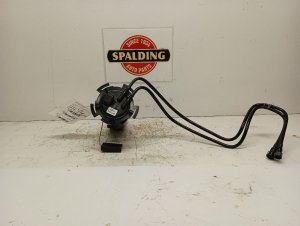
- Fuel Pump Module
(OEM #12581055 (ACDelco MU1378 is a common replacement))— This is a very common failure point on this platform that directly causes a no-start or start-and-stall condition, which logs P1604.
Trusted brands: ACDelco, Delphi
OEM price range: $200-$300
Aftermarket price range: $100-$200 - Ignition Switch
(OEM #10392423 (ACDelco D1461F))— A known weak point on this vehicle and subject to a major recall. A faulty switch can cut power during starting or running, causing P1604.
Trusted brands: ACDelco, Standard Motor Products
OEM price range: $60-$100
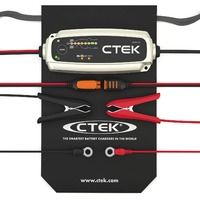
Aftermarket price range: $30-$70 - Automotive Battery — A weak battery is a simple but frequent cause of starting issues that can trigger this code.
Trusted brands: ACDelco, Interstate, DieHard
OEM price range: $150-$250
Aftermarket price range: $100-$200
Related Codes That Often Appear With This One
- P0335 — A faulty Crankshaft Position Sensor (P0335) will directly cause a no-start condition, which in turn triggers the P1604 'Startability Malfunction' code.
- P0171 — A 'System Too Lean' code (P0171) can be caused by a weak fuel pump that isn't delivering enough fuel. This low pressure can also lead to hard starting or stalling, logging P1604.
- U-codes (e.g., U0100, U0101) — If P1604 is caused by a module communication error (like a BCM or TCM ground issue), it will likely be accompanied by U-codes indicating a loss of communication with the ECM/PCM or Transmission Control Module.
- B-codes (e.g., B3031, B3137) — Body codes related to the anti-theft system, like B3031 (Security System Controller In Learn Mode), strongly suggest the no-start is due to a Passlock system fault. Other B-codes like B3137 can indicate an internal BCM fault.
- P1682 — This code for 'Ignition 1 Switch Circuit 2' often appears with communication loss codes (like U0101) and points towards a power supply or ground issue affecting multiple modules, which can cause a no-start that logs P1604.
Platform-Specific Known Issues
- Recall 14V047 / GM #14299: Affects all 2003-2007 Saturn
Mechanic-Grade Diagnostic Values
- Battery Voltage During Cranking — expected: Should remain above 10.0V. Failure: Dropping below 10.0V indicates a weak or failing battery that cannot support module operation during startup.
- Passlock Sensor Signal Voltage — expected: A value between 0.5V and 4.5V. Failure: The sensor pulls a 5V reference signal from the BCM down to a specific voltage. A reading outside this range or no change indicates a faulty sensor or wiring.
- Fuel Level Sender Resistance — expected: Approximately 40 Ohms (Empty) to 250 Ohms (Full). Failure: Readings that are open (infinite resistance) or shorted (zero resistance) indicate a failed sender unit within the fuel pump module.
Hidden / Shadow Codes Worth Checking
- P1682 - Ignition 1 Switch Circuit 2: This code often appears alongside communication codes (U-series) and indicates a problem with the power supply from the ignition switch to the control modules. It's a strong indicator that the root cause is electrical, not a simple component failure. (see via A professional scan tool like a GM Tech2 is often required to see this code, especially if it's stored as a history code.)
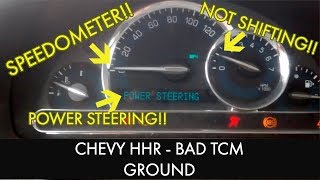
- U0101 - Lost Communication with TCM: When P1604 is present with this code, it strongly points to an issue with the Transmission Control Module (TCM) or its wiring, most commonly a failed ground connection on the Delta platform. (see via Visible on most OBD-II scanners that can read U-codes. Often found when investigating a no-start accompanied by a power steering warning message and no shifting.)
Scan Tool Commands That Help
- GM Tech2 or equivalent professional scanner: BCM/PCM Programming & Security Relearn — This function is mandatory after replacing the Body Control Module (BCM), Powertrain Control Module (PCM), or ignition lock cylinder. The scanner initiates a 10-minute security relearn process to marry the new component to the vehicle's Passlock anti-theft system. Without this, the car will not start.
- Manual Procedure (No Tool): 30-Minute Passlock Relearn Procedure — If a professional scanner is not available after replacing a BCM, key, or ignition component, this manual procedure can be used. It involves cycling the key to 'ON' for three consecutive 10-minute intervals. The security light will stop flashing when the cycle is complete. The car will not start until this is successfully performed.
Wiring & Ground Locations
- BCM / Interior Fuse Box — Behind the trim panel on the driver's side of the center console, in the footwell area.. On 2003-2004 models, this single unit controls the Passlock system, starter relay enable, and many other body functions. It is also prone to liquid damage from spilled drinks due to its location. A failure here is a direct cause of a no-start.
- G103 - BCM Ground — On the cowl at the left rear of the engine compartment, often near the brake booster.. This is a primary ground point for the Body Control Module (BCM). A corroded or loose connection here can cause intermittent Passlock issues, security light activation, and a no-start condition that logs P1604.
- TCM Ground — On the transmission case itself or a nearby chassis stud connected to the transmission harness.. A poor ground at the Transmission Control Module (TCM) is a well-documented issue on this platform that causes loss of communication (U0101), which can prevent the PCM from allowing the engine to start, triggering P1604.
- Underhood Fuse Block — Located on the left (driver's) side of the engine compartment.. This block contains the primary fuses and relays for the fuel pump, PCM, and other essential engine systems. Corrosion on the terminals or internal traces of this fuse block can cause intermittent power loss to the fuel pump or PCM, leading to a crank-no-start.
Real Owner Repair Stories
- YouTube Channel 'Pine Hollow Auto Diagnostics' (Saturn Ion (year not specified, but Delta platform)) — No-start, no communication with TCM, power steering message on dash, codes P1682 and U0101 stored.
❌ Tried (didn't work) The vehicle had been to other shops that could not diagnose the issue.
✅ What actually fixed it The technician identified a failed ground connection for the Transmission Control Module (TCM). After repairing the ground wire, communication with the TCM was restored, the codes cleared, and the vehicle started and ran normally. - The Saturn Forums user discussion (2005 Saturn Ion) — Need to replace the Body Control Module (BCM).
✅ What actually fixed it The discussion confirms that after replacing the BCM, a 30-minute Passlock security relearn procedure is mandatory. The BCM is married to the ECM for security. It was also noted that the vehicle's mileage is stored in the BCM and cannot be reset; the replacement BCM's mileage will be displayed.
"I Checked Everything" — The Actual Cause
- A common scenario for P1604 on the Ion involves checking for fuel and spark, finding them intermittently absent, and having no vacuum leaks. The actual cause is often a faulty ground connection to the TCM or BCM. This electrical fault interrupts communication between modules, preventing the PCM from enabling fuel and spark, but it's a problem a smoke test or basic fuel pressure test might miss if the fault is intermittent.
OEM Part Supersession History
10392423→23215459— Standard part evolution and consolidation by GM.
Heads up: The original part number 10392423 was the subject of the major GM ignition switch recall. The superseding part is the corrected design. Many aftermarket equivalents exist, such as Standard Motor Products US-778 and ACDelco D1461F.
Model Year Variations Within This Range
- 2003-2004: The interior fuse panel is physically integrated into the Body Control Module (BCM). A problem with 'fuses' may actually be a BCM failure requiring replacement and reprogramming of the entire unit.
- 2005-2007: Received a facelift with different fascias and interior trim. The BCM and interior fuse panel are separate units, simplifying diagnostics compared to earlier models.
- 2007 only: The 2.2L L61 engine received a major update. It uses a Gen II block, a different cylinder head, a more advanced E37 Engine Control Module, and crucially, a 58X crankshaft reluctor ring (up from 7X). This means the Crankshaft Position Sensor (CKP) is not interchangeable with 2003-2006 models. Power also increased to 145 hp.
- 2007 only: A PZEV (Partial Zero Emissions Vehicle) version was available, which uses a different fuel pump and housing assembly. It's critical to verify if the vehicle has this specification before ordering a replacement fuel pump.
Diagnostic Flowchart
Other Known Issues on This Vehicle
Issues unrelated to this code that are worth knowing about as an owner of this generation:
- Sudden Loss of Electric Power Steering (EPS) 🔴 High — Extremely common. The steering assist motor or the entire column can fail without warning. GM extended the warranty for this issue. (Ref: NHTSA Recall #14V171, GM Special Coverage Adjustment)
- Premature Timing Chain & Tensioner Wear 🔴 High — Very common, especially on 2003-2004 models, due to an inadequate oiling nozzle design. Failure can cause catastrophic engine damage. (Ref: TSB #03-06-01-017 (describes updated parts))
- Faulty Ignition Switch 🔴 High — Extremely common across all model years. Can cause stalling while driving and disable airbags. (Ref: NHTSA Recall #14V047, GM #14299)
- Key Stuck in Ignition / Won't Shut Off 🟠 Medium — A common complaint where the key cannot be removed from the ignition, often related to the shifter interlock cable or the ignition lock cylinder itself.
- Poor Quality Interior Materials 🟡 Low — Widespread owner complaint regarding easily stained seat fabrics and poorly fitting plastic panels.
- Faulty Ignition Coil / Control Module Assembly 🟠 Medium → Shop Ignition Coil — The cassette-style integrated coil and module unit is a common failure point due to heat soak, leading to engine misfires (e.g., P0300, P0301).
Used vs. New Parts: Buying Guide for This Vehicle
When a used part is the smart pick: For this repair, a used Body Control Module (BCM) from a junkyard is a reasonable cost-saving measure, BUT ONLY if you have access to a professional scan tool or are willing to perform the 30-minute security relearn procedure. Without reprogramming, the car will not start. Structural and cosmetic parts are always good candidates for used parts.
Donor-vehicle mileage cap: roughly under 80000 miles for the part to have meaningful remaining life.
What to inspect on the donor part:
- For a BCM: Inspect the unit for any signs of liquid damage or corrosion on the pins. Ask the salvage yard if the donor car had front-end damage (less likely to have electrical issues) versus a water-damage or electrical-fire car.
- For a Fuel Pump: Avoid used fuel pumps. The labor to replace it is significant, and the part's remaining life is a gamble. The risk of a premature failure outweighs the savings.
- For an Ignition Switch: Given the low cost of a new, redesigned part and the massive safety recall, a used ignition switch should be avoided entirely.
OEM-only on this vehicle (don't cheap out):
- There are no strict OEM-only parts for this repair, but using a genuine GM or ACDelco ignition switch is highly recommended due to the history of the recall.
Aftermarket brands forum-validated for this vehicle:
- Ignition Switch: Standard Motor Products (SMP), ACDelco
- Fuel Pump: ACDelco, Delphi (as noted in Pass 2)
Brands owners have reported issues with on this vehicle:
- Be cautious with unbranded, 'white box' electronic components like fuel pumps and ignition switches from online marketplaces. While tempting due to price, their failure rates are often higher, leading to repeat repairs.
Real Owner Stories
Aggregated from forums and TSBs cited above. Mileages and costs reflect what owners reported in those sources.
2006 Saturn Ion
Symptoms: Car seems to be locked out in Pass-lock; no-start and Passlock light remained on after replacing the ignition switch and battery.
What fixed it: The system entered a 'full lock out mode' requiring advanced diagnostics to read BCM data and potentially dealer programming for the BCM.
Source hint: 2CarPros thread titled '2006 Saturn Ion Car Seems to Be Locked Out in Pass-lock'
2003-2007 Saturn Ion L61 2.2L
Symptoms: Engine stalling when the key is wiggled, the radio/dash cutting out, or the car failing to crank intermittently.
What fixed it: Replacement of the ignition switch and lock cylinder under GM recall #14299.
Source hint: GM Recall #14299 / NHTSA #14V047
Related OBD-II Codes
Frequently Asked Questions
Is my 2003-2007 Saturn Ion covered under a recall for the ignition switch issues causing P1604?
My Saturn Ion has a P1604 code and the 'Security' light is flashing. What does this mean?
Can a bad fuel pump cause P1604 on the L61 2.2L engine?
I have a P1604 and my steering feels heavy. Are these related?
What part number should I use if I need to replace the ignition switch myself?
Does the 2003-2004 Saturn Ion have specific engine issues that might lead to starting problems?
Helpful Videos
Used OEM Parts in Stock
New Aftermarket Parts Available


The information in this article is provided for general reference and educational purposes only. Vehicle specifications, procedures, and part compatibility can vary by production date, trim level, and region. Always consult your vehicle's factory service manual and verify part numbers before purchasing or performing repairs. Safety-critical components such as airbags, seat belts, and braking systems should be installed by a qualified professional.
- Saturn Ion:
- 🧭 Diagnostic Flowchart
- 🎬 Helpful Videos
- 🛍️ Shop This Part
- What's Unique About the 2003-2007 Saturn Ion
- Symptoms You May Notice
- Most Likely Causes
- Rare But Worth Checking
- Diagnosis Steps
- Parts You'll Likely Need
- Related Codes That Often Appear With This One
- Platform-Specific Known Issues
- Mechanic-Grade Diagnostic Values
- Hidden / Shadow Codes Worth Checking
- Scan Tool Commands That Help
- Wiring & Ground Locations
- Real Owner Repair Stories
- "I Checked Everything" — The Actual Cause
- OEM Part Supersession History
- Model Year Variations Within This Range
- Other Known Issues on This Vehicle
- Used vs. New Parts: Buying Guide for This Vehicle
- Real Owner Stories
- 2006 Saturn Ion
- 2003-2007 Saturn Ion L61 2.2L
- Related OBD-II Codes
- Frequently Asked Questions
- 🎟️ Get 5% Off