

P1605 on 2010-2012 Ford Fusion Hybrid: Keep Alive Memory (KAM) Failure Causes & Fixes
On a 2010-2012 Ford Fusion Hybrid, code P1605 almost always points to a weak or failing 12V battery, or loose/corroded terminals. This power loss erases the engine computer's memory, which can cause rough idling and poor transitions between gas and electric modes. Start by testing the 12V battery before suspecting more complex issues. The correct OEM battery is a Motorcraft BXT-67R.
- P1605 on your Fusion Hybrid means the engine computer lost its memory due to a 12V power interruption.
- Before buying any parts, have your 12V battery professionally load-tested and clean its terminals.
- If you disconnect or replace the 12V battery, you MUST perform the specific idle relearn procedure to avoid rough running.
- The correct OEM 12V battery is a Motorcraft BXT-67R, a Group 67R AGM battery.
What's Unique About the 2010-2012 Ford Fusion Hybrid
On the Fusion Hybrid, the 12V battery is the primary suspect for P1605. These hybrids use a relatively small Group 67R 12V battery to save weight, which can be drained more easily by the car's electronics, especially if the vehicle sits unused for several days. Forum users report that even after 4-5 days of no use, the battery voltage can drop low enough to cause starting issues. After the 12V battery is disconnected or replaced, the car may idle poorly or transition roughly between gas and electric modes until a specific 'idle relearn' procedure is performed. This memory loss is the root cause, and the rough idle is just a symptom.
Symptoms You May Notice
- Check Engine Light is on
- Rough or unstable idle
- Hesitation or rough transition between gasoline engine and electric motor operation
- Poor fuel economy
- Vehicle may require a jump start
- Various electronic warning lights may appear intermittently
- Anti-theft system may activate, preventing a start
- Replacing the high-voltage hybrid battery. The P1605 code relates to the standard 12-volt electrical system, not the main hybrid battery pack.
- Diagnosing a vacuum leak or dirty throttle body. While these can cause rough idle on other cars (and even trigger P1605 on a Toyota), on a Ford, the rough idle is a *symptom* of the memory loss, not the root cause.
- Replacing the alternator. The Fusion Hybrid does not have a traditional alternator; the 12V battery is charged by the hybrid system's DC-DC converter.
Most Likely Causes
- Weak or failing 12-volt battery 🔴 High Probability → Shop Vehicle Battery Hybrids use a smaller 12V battery (Group 67R) that is more susceptible to deep discharge from parasitic draws if the car isn't driven regularly. Owners report needing their 4th battery within the original 3-year warranty period, with failures occurring in as few as 2,000 miles.
How to confirm: Use a multimeter to check the battery voltage with the car off; it should be above 12.4V. Perform a load test using a dedicated battery tester, available at most auto parts stores. A fleet manager with 34 of these vehicles noted issues arise when voltage drops below 12.1V.
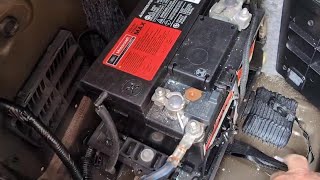
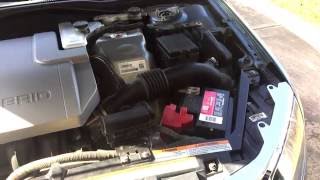
Typical fix: Replace the 12-volt AGM battery located under the hood. The OEM part is a Motorcraft BXT-67R with 390 CCA. 🎬 Watch: How to replace the 12V battery
Est. part cost: $150-$250 - Loose or corroded battery terminals/cables 🟡 Medium Probability → Shop Vehicle Battery Corrosion creates resistance and can interrupt the constant power supply to the PCM, even if the battery itself is healthy. This can mimic a failed battery.
How to confirm: Visually inspect the positive and negative battery terminals for white, blue, or green crusty buildup. Wiggle the terminals to ensure they are tight.
Typical fix: Disconnect the battery (negative terminal first) and clean the terminals and cable clamps with a wire brush and a baking soda/water solution. Reconnect and tighten securely. Apply dielectric grease to prevent future corrosion.
Est. part cost: $1-$10 - Idle settings lost after battery disconnect ⚪ Low Probability → Shop Vehicle Battery This is a guaranteed outcome after a battery replacement or disconnection. The P1605 code will set, and drivability may be poor until the system relearns.
How to confirm: If the code appeared immediately after the battery was disconnected for service, this is the cause.
Typical fix: Clear the code with a scanner and perform the Idle Trim Memory Relearn procedure. A detailed version of the procedure involves letting the engine warm up, idling in Neutral for one minute, then with the A/C on for one minute, and finally driving for at least 10 miles to allow the PCM to adapt. 🎬 See: How to perform the idle relearn procedure
Est. part cost: $0
Rare But Worth Checking
- Failing Powertrain Control Module (PCM): → Shop Engine Control Module (ECM) This is uncommon. Before condemning the PCM, exhaust all other possibilities related to the 12V power supply, including checking the fuses and wiring for the PCM's Keep Alive Power (KAPWR) circuit. A failure of the coil driver within the PCM can sometimes be a cause on other Fords, but this is not specifically linked to P1605.
- Faulty charging system (DC-DC Converter): On a hybrid, the 12V battery is charged by the high-voltage system through a DC-DC converter. If this converter fails, the 12V battery will not be recharged, leading to a P1605 code and eventually a no-start condition. This is a rare but possible failure point.
Diagnosis Steps
- Check for other diagnostic trouble codes. Address any other codes first.
- Ask if the 12V battery was recently disconnected or replaced. If so, the code is normal and an idle relearn is needed.
- Visually inspect the 12V battery terminals and cables for looseness or corrosion. Clean and tighten as necessary.
- With the vehicle off, measure the 12V battery voltage using a multimeter. A healthy battery should read approximately 12.4-12.6 volts. Some owners report issues when voltage drops below 12.1V.
- Perform a load test on the 12V battery. Many auto parts stores offer this service for free.
- If the battery and connections are good, check the fuses related to the PCM power supply (KAPWR circuit).
- If the code persists after confirming the battery and its connections are solid, perform the Idle Trim Memory Relearn procedure.
- If all of the above steps fail to resolve the issue, investigate the PCM's power and ground circuits using a wiring diagram or consult a professional for potential PCM failure diagnosis. The KAPWR circuit wire should have over 10.5 volts.
Parts You'll Likely Need
- 12-Volt AGM Battery
(OEM #BXT-67R)— This is the most common failure point leading to a P1605 code on this vehicle due to its small size and the electrical demands of a hybrid system. The battery is a Group 67R size.
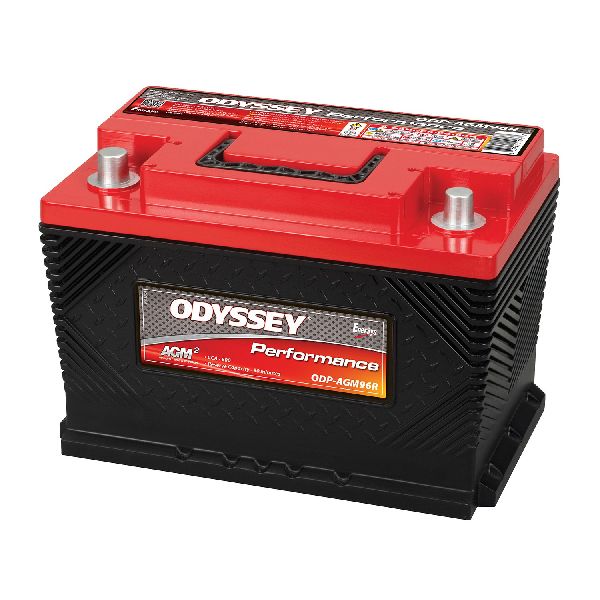
Trusted brands: Motorcraft, Deka, Odyssey
OEM price range: $200-$300
Aftermarket price range: $150-$250
Related Codes That Often Appear With This One
- P0603 — This is an alternate code for Internal Control Module Keep Alive Memory (KAM) Error and is functionally identical to P1605 on many Ford vehicles.
- P0562 — Stands for 'System Voltage Low' and is often triggered alongside P1605 because the root cause (a weak battery or failing charging system) causes a voltage drop significant enough to erase the KAM.
Platform-Specific Known Issues
- Required Idle Relearn Procedure: The 2010-2012 Fusion Hybrid requires a specific idle relearn procedure after the 12V battery is disconnected to ensure a smooth transition between the gas engine and electric motor. Failure to perform this can result in persistent rough idle symptoms even after the battery is replaced. The procedure involves warming the engine, idling in Neutral with accessories off for one minute, then idling with the A/C on for one minute, followed by a 10-mile drive.
- Chronic 12V Battery Drain: → Shop Vehicle Battery The small Group 67R battery combined with parasitic draws from onboard electronics can cause the battery to drain and fail prematurely, especially if the car is not driven daily. One fleet manager reported that after 4-5 days of inactivity, the battery voltage drops low enough to trigger the anti-theft system and prevent starting.
Mechanic-Grade Diagnostic Values
- Keep Alive Power (KAPWR) circuit voltage at PCM connector — expected: >10.5V (ideally >12.4V) with key off. Failure: Voltage below 10.5V indicates a wiring issue, blown fuse, or poor connection between the battery and PCM.
- DC-DC Converter Output Voltage — expected: 13.5V - 14.8V at the 12V battery terminals with the vehicle in 'Ready to Drive' mode.. Failure: Voltage remains at the battery's static level (e.g., 12.x V) or drops, indicating the converter is not charging the 12V system.
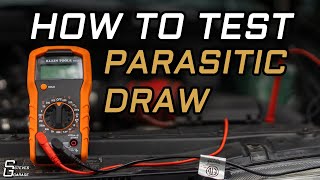
- Parasitic Current Draw (Quiescent Draw) — expected: < 50-85 mA after all modules enter sleep mode (approx. 40 minutes).. 🎬 Watch: How to test for parasitic battery draw Failure: A sustained reading over 85mA points to a module or component that is not shutting down correctly and is draining the 12V battery.
Scan Tool Commands That Help
- Ford IDS (Integrated Diagnostic Software): Toolbox -> Powertrain -> PCM -> Reset KAM — This function is used to electronically clear the Keep Alive Memory after a repair, such as fixing a vacuum leak or replacing a sensor, to force the PCM to start its learning process from a clean slate. It is more thorough than disconnecting the battery.
- FORScan: Service Functions -> PCM -> Reset KAM — A popular and powerful aftermarket tool that can perform the same KAM reset as the dealer-level IDS. This is used to clear adaptive tables after repairs to resolve persistent drivability issues that remain after the root cause is fixed.
- Ford IDS: Toolbox -> Body -> Battery Monitoring System -> BMS Reset — After replacing the 12V battery, this function should be used to tell the vehicle's charging system the age and state of the new battery, ensuring proper charging strategy and extending battery life.
Wiring & Ground Locations
- G104 — Right front of the engine compartment.. This is a primary ground point for the Powertrain Control Module (PCM). A corroded or loose G104 can cause intermittent power loss to the PCM, triggering a P1605 code even if the battery and its main cables are in perfect condition.
- G103 — Left rear of the engine compartment on the cowl, above the brake booster.. This ground serves multiple modules including the Instrument Panel Cluster (IPC) and Body Control Module (BCM). While not the direct PCM ground, a fault here can cause widespread communication and low voltage codes that may accompany a P1605.
- Battery Junction Box (BJB) — Left side of the engine compartment.. This fuse box contains the fuses that supply power to the PCM, including the critical Keep Alive Power (KAPWR) circuit. A blown fuse here is a direct cause of P1605.
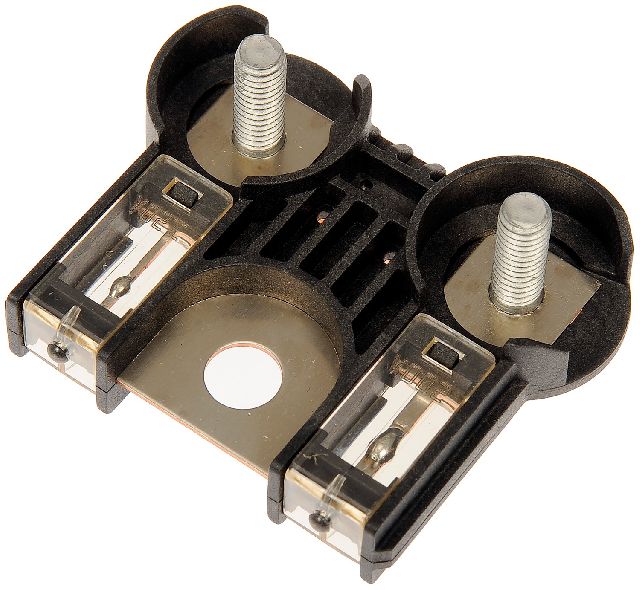
- 200 Amp Main Fuse — Located on the positive battery terminal assembly.. This large fuse is the link between the DC-DC converter's charging output and the 12V battery. If this fuse fails, the DC-DC converter can be working perfectly but will be unable to charge the 12V battery, leading to a dead battery and a P1605 code.
Real Owner Repair Stories
- YouTube video by 'FordTechMakuloco' (paraphrased from similar diagnostic videos) (2011 Ford Fusion Hybrid) — No start, dead 12V battery, multiple low voltage and communication codes including P1605.
❌ Tried (didn't work) Replacing the 12V battery., Testing the DC-DC converter output (showed 14.8V).
✅ What actually fixed it The 200-amp main fuse located on the positive battery terminal assembly had failed. The DC-DC converter was producing a charge, but it couldn't reach the battery through the blown fuse. Replacing the fuse assembly resolved the no-charge condition and the associated codes.
Model Year Variations Within This Range
- 2010-2012: There are no significant mechanical or electrical differences related to the P1605 code within the 2010-2012 model year facelift. The powertrain, 12V system, and PCM logic are consistent.
Diagnostic Flowchart
Other Known Issues on This Vehicle
Issues unrelated to this code that are worth knowing about as an owner of this generation:
- Electronic Throttle Body (ETB) Failure 🔴 High → Shop Fuel Injection Throttle Body — Very common. Can occur at any mileage. The vehicle will enter a 'limp mode' with severely reduced power. (Ref: Ford issued TSB 10-21-6 and Customer Satisfaction Program 13N03, extending the warranty (now expired). The cause is internal contamination.)
- Unusual Brake Pedal Feel / Regenerative to Hydraulic Brake Transition 🟠 Medium — Common on early 2010 models. Drivers report a sudden change in pedal feel, sometimes perceived as a loss of braking, though conventional brakes remain functional. (Ref: Ford Customer Satisfaction Program 10B13 and TSB 09-22-11 were issued to reprogram the brake control software for vehicles built on or before October 17, 2009.)
- Power Steering Failure 🔴 High — A known issue for the 2010-2012 Fusion generation, where the electronic power steering rack can fail, resulting in a loss of power assist. (Ref: While not a specific TSB for the hybrid, it's a widely reported problem for the Fusion platform of this era.)
- Reduced Electric Vehicle (EV) Mode Operation 🟠 Medium — Some owners report that as the vehicle ages (around 9-10 years), the system software reduces the amount of time the car operates in EV mode, impacting fuel economy. (Ref: TSB SSM 48238 addresses 'Reduced Electric Vehicle Operation' for 2010-2012 Fusion/Milan/MKZ hybrids.)
Used vs. New Parts: Buying Guide for This Vehicle
When a used part is the smart pick: For this specific code, which is almost always caused by a bad 12V battery, a used part is never a smart choice. For the rare case of a failed PCM or DC-DC converter, a used part from a reputable salvage yard with a warranty can be a cost-effective option, but requires precise part number matching.
Donor-vehicle mileage cap: roughly under 100000 miles for the part to have meaningful remaining life.
What to inspect on the donor part:
- For a PCM or DC-DC Converter, ensure the donor vehicle was not in a flood or had major electrical fire damage.
- Check for any corrosion on the pins of electrical connectors.
- Verify the part number on the used component exactly matches the original part.
OEM-only on this vehicle (don't cheap out):
- Powertrain Control Module (PCM): While a used PCM can be installed, it will require programming by a Ford dealer or a specialist with IDS software to match the vehicle's immobilizer system and specific configuration.
Aftermarket brands forum-validated for this vehicle:
- For the 12V Battery (Group 67R): Odyssey, Deka, and some DieHard Platinum/Gold AGM models are often cited as reliable, high-quality alternatives to the OEM Motorcraft battery.
Brands owners have reported issues with on this vehicle:
- Avoid generic, non-AGM (Absorbed Glass Mat) or 'value' brand flooded lead-acid batteries. The Fusion Hybrid's electrical system and under-hood temperatures are best handled by a proper AGM battery, and cheaper alternatives are known to fail very quickly.
Real Owner Stories
Aggregated from forums and TSBs cited above. Mileages and costs reflect what owners reported in those sources.
2010 Ford Fusion Hybrid 2.5L HEV — ~2000 miles
Symptoms: Owner reported being on their 4th 12V battery within the original 3-year warranty period.
What fixed it: Repeated replacement of the under-hood 12V battery under warranty.
Source hint: Car Talk Community: A 2010 Fusion Hybrid owner reported being on their 4th 12V battery, all replaced under warranty within 3 years
2012 Ford Fusion Hybrid 2.5L HEV
Symptoms: Batteries go flat after 4-5 days of little use, which triggers the anti-theft system and prevents the car from starting.
What fixed it: Maintaining battery voltage above 12.1V; the fleet manager noted issues specifically arise when voltage drops below this threshold.
Source hint: Bob Is The Oil Guy (bobistheoilguy.com): A fleet manager with 34 of these vehicles confirmed chronic 12V battery problems
2011 Ford Fusion Hybrid 2.5L HEV
Symptoms: Rough idle and poor transition between the gasoline engine and electric motor operation after battery service.
What fixed it: Performed the Idle Trim Memory Relearn procedure: warming the engine, idling in Neutral for one minute, idling with A/C on for one minute, and driving for 10 miles.
Source hint: YouTube - '2011 Ford Fusion Hybrid Trim Idle Reprograming.'
Related OBD-II Codes
Frequently Asked Questions
What is the specific 12V battery part number I need for my 2010-2012 Fusion Hybrid?
Why does my Fusion Hybrid idle roughly after I replaced the battery?
My 2010 Fusion Hybrid feels like it loses braking power during stops; is this related to P1605?
Can a low 12V battery trigger the anti-theft system on my 2012 Fusion Hybrid?
Is there a TSB for my Fusion Hybrid's reduced fuel economy and EV mode operation?
What voltage should I see on the KAPWR circuit when diagnosing P1605?
Helpful Videos
We Have This Part in Stock


The information in this article is provided for general reference and educational purposes only. Vehicle specifications, procedures, and part compatibility can vary by production date, trim level, and region. Always consult your vehicle's factory service manual and verify part numbers before purchasing or performing repairs. Safety-critical components such as airbags, seat belts, and braking systems should be installed by a qualified professional.
- Ford Fusion Hybrid:
- 🧭 Diagnostic Flowchart
- 🎬 Helpful Videos
- 🛍️ Shop This Part
- What's Unique About the 2010-2012 Ford Fusion Hybrid
- Symptoms You May Notice
- Most Likely Causes
- Rare But Worth Checking
- Diagnosis Steps
- Parts You'll Likely Need
- Related Codes That Often Appear With This One
- Platform-Specific Known Issues
- Mechanic-Grade Diagnostic Values
- Scan Tool Commands That Help
- Wiring & Ground Locations
- Real Owner Repair Stories
- Model Year Variations Within This Range
- Other Known Issues on This Vehicle
- Used vs. New Parts: Buying Guide for This Vehicle
- Real Owner Stories
- 2010 Ford Fusion Hybrid 2.5L HEV — ~2000 miles
- 2012 Ford Fusion Hybrid 2.5L HEV
- 2011 Ford Fusion Hybrid 2.5L HEV
- Related OBD-II Codes
- Frequently Asked Questions
- 🎟️ Get 5% Off