

P1607 on 2008-2017 Buick Enclave: Understanding Potential Causes and Fixes
The P1607 code on a Buick Enclave indicates an internal performance or circuit malfunction within the Powertrain Control Module (PCM/ECM). While this points to a faulty computer, the root cause is often external. Before replacing the expensive PCM, it is critical to first diagnose and rule out simpler issues like a weak battery, failing alternator, corroded ground connections, or a faulty power relay.
- P1607 on a 2008-2017 Buick Enclave means the Powertrain Control Module (PCM) has detected an internal fault.
- The most common generic meaning is a PCM internal failure, but this should not be assumed. The actual cause is frequently external.
- Always diagnose and rule out simple electrical issues first: load test the battery, check the alternator, and inspect all PCM power/ground connections for corrosion or
What's Unique About the 2008-2017 Buick Enclave
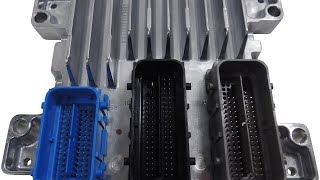
The first-generation Buick Enclave and its siblings (GMC Acadia, Chevrolet Traverse) use an ACDelco E39 ECM. These modules are known to be sensitive to voltage fluctuations. The platform's notorious issues with premature timing chain wear and power steering pump failures are not directly linked to P1607. However, the electrical stress from a failing alternator or poor ground connections—common issues on aging vehicles—can starve the ECM of stable voltage, triggering this internal fault code as a symptom of an external problem.
Symptoms You May Notice
- Check Engine Light is on
- Engine may stall or not start
- Intermittent no-start where the engine cranks but won't fire
- Rough or erratic idling
- Poor engine performance and reduced power, possibly entering 'limp mode'
- Decreased fuel economy
- Erratic shifting or transmission issues
- Vehicle may start fine when warm but fails to start when cold (or vice-versa), indicating failing solder joints inside the ECM
- Replacing the PCM without first thoroughly testing the battery, charging system, and all related wiring and grounds. Many PCM fault codes are triggered by external electrical problems, and failing to diagnose them first will result in the new PCM exhibiting the same issues.
Most Likely Causes
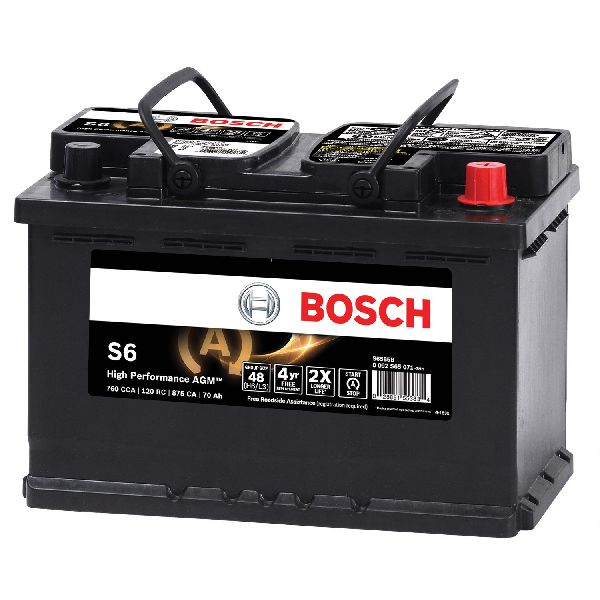
- Low or Unstable Battery Voltage 🔴 High Probability → Shop Vehicle Battery Control modules require a stable voltage (typically above 9V during cranking) to operate correctly. A weak or failing battery or alternator can cause voltage drops that disrupt the PCM's memory and trigger internal self-test failures. This is the most common root cause for PCM-related fault codes.
How to confirm: Test the battery with a digital load tester, not just a voltmeter. Check the alternator output voltage while the engine is running and under load (e.g., with headlights and A/C on). It should be stable between 13.5-14.5V.
Typical fix: Replace the battery and/or alternator.
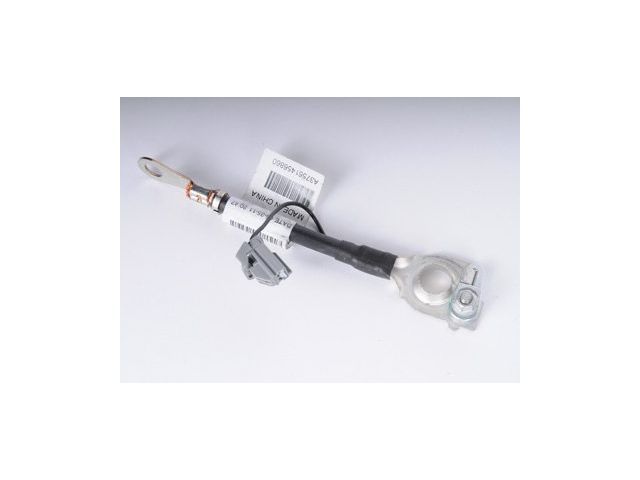
Est. part cost: $150-$400 - Poor Electrical Connections or Grounds 🟡 Medium Probability The main engine-to-chassis and battery-to-chassis ground straps on the Lambda platform can corrode or loosen over time. This creates high resistance, leading to intermittent and unstable power to the PCM and other modules, which can trigger a P1607 code.
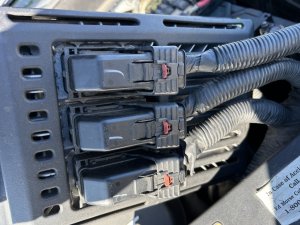
How to confirm: Visually inspect all PCM connectors for corrosion (green or white powder) or backed-out pins. Unplug, clean with electrical contact cleaner, and reseat them. Perform a voltage drop test on the main ground connections to check for high resistance.
Typical fix: Clean or repair corroded connectors and ground points. Replace damaged wiring sections or ground straps.
Est. part cost: $10-$100 - Faulty PCM Power Relay ⚪ Low Probability The relay that supplies main power to the PCM can fail due to internal corrosion or contact wear. This leads to intermittent power loss, especially when the relay gets hot, causing stalling and a P1607 code.
How to confirm: Locate the PCM/ECM power relay in the under-hood fuse box. You can often swap it with an identical relay from a non-critical system (like the horn or rear defogger) to see if the problem resolves. Inspect the relay's pins for corrosion.
Typical fix: Replace the PCM power relay.
Est. part cost: $15-$50 - Internal PCM Failure ⚪ Low Probability While it's the direct definition of the code, actual hardware failure of the ACDelco E39 module is less common than the external issues that supply it with power and ground. Thermal cycling can cause internal solder joints to crack over time, leading to intermittent no-start conditions.
How to confirm: This is a diagnosis of exclusion. If the battery, alternator, all power/ground wires, fuses, and relays have been tested and confirmed to be good, the PCM itself is the likely culprit.
Typical fix: Replace and reprogram the Powertrain Control Module.
Est. part cost: $400-$1000
Diagnosis Steps
- Verify the battery and charging system. Perform a load test on the battery and check alternator output under load.
- Inspect all fuses related to the PCM/ECM in the under-hood and interior fuse panels.
- Visually inspect the PCM connectors and wiring harness for any signs of damage, corrosion, or moisture intrusion.
- Disconnect the battery. Unplug the PCM connectors and clean them with electrical contact cleaner. Ensure the pins are not bent or loose.
- Locate and inspect the main engine-to-chassis and battery-to-chassis ground straps. Perform a voltage drop test across them to check for high resistance. They should be clean, tight, and free of corrosion.
- Check the PCM power relay for corrosion and proper function. Swap with a known-good relay if possible.
- If a capable scan tool is available, check for any available software updates for the PCM, as some performance issues can be resolved with a reflash.
- If all external factors are confirmed to be good, the PCM is likely faulty and requires professional testing or replacement.
- A replacement PCM will need to be programmed to the vehicle's VIN and security system (immobilizer) using specialized tools.
Parts You'll Likely Need
- Powertrain Control Module (PCM/ECM)
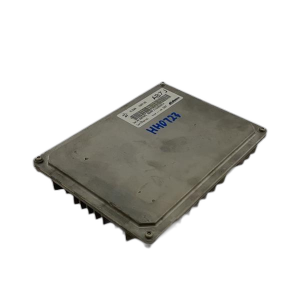
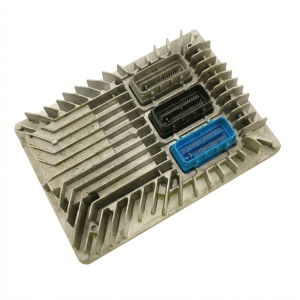
(OEM #ACDelco E39 (Specific service number varies by year/calibration, e.g., 12633238, 12651993))— This is the part implicated by the code's definition, but should only be replaced after all other potential causes are ruled out.
Trusted brands: ACDelco (OEM)
OEM price range: $500-$1000
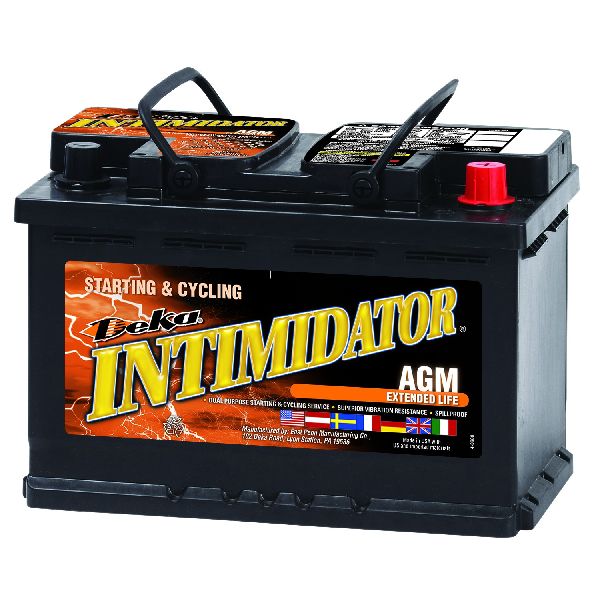
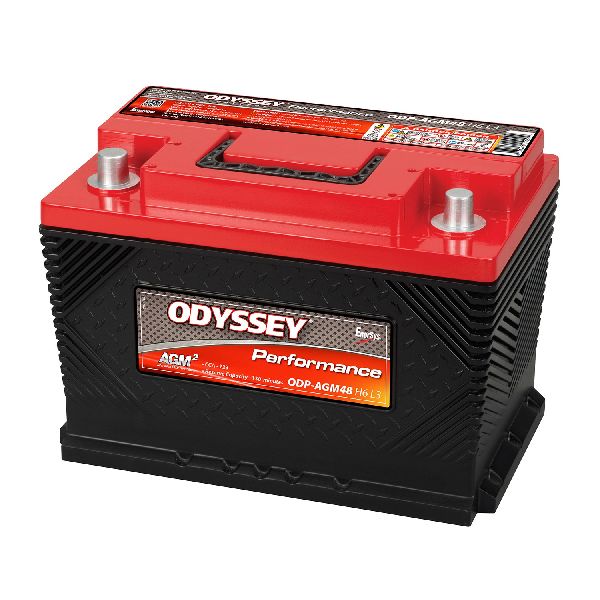
Aftermarket price range: $300-$700 - Battery — A weak or failing battery is a very common cause of various control module error codes due to unstable voltage.
Trusted brands: ACDelco, Interstate, DieHard
OEM price range: $200-$300
Aftermarket price range: $150-$250
Related Codes That Often Appear With This One
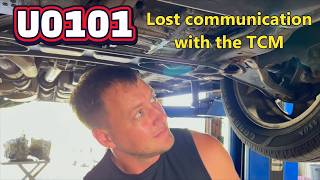
- U-codes (e.g., U0100) — If the PCM is failing or has lost power, other modules on the vehicle's data network (like the TCM or BCM) will report a loss of communication with it, setting U-codes. 🎬 Watch: Diagnosing no communication issues on GM Lambda platforms
- P0562 — This code indicates System Voltage Low, which is a primary cause of PCM-related fault codes like P1607. If you see P0562, diagnose the charging system and battery connections first.
- P06xx codes — Other P06xx series codes (e.g., P0601, P0606) also indicate internal PCM faults like memory checksum errors or processor faults, reinforcing the diagnosis of a failing module.
Mechanic-Grade Diagnostic Values
- ECM Ground Circuit Voltage Drop — expected: < 0.2 Volts. Failure: Voltage reading higher than 0.2V between the ECM ground pins and the negative battery terminal indicates high resistance in the ground circuit.
- ECM Power Supply Voltage at Connector — expected: Battery Voltage (approx. 12.6V KOEO, 13.5-14.5V engine running). Failure: Voltage significantly lower than battery voltage indicates a problem in the power supply wire, fuse, or relay.
Scan Tool Commands That Help
- GDS2 / Tech2: Service Programming System (SPS) — This function is required to flash/program a new or used replacement ECM. It downloads the correct software and calibration for the vehicle's VIN from GM's servers.
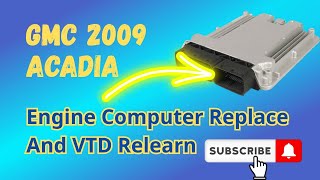
- GDS2 / Tech2: VTD Re-Learn (Theft Deterrent) — After installing a replacement ECM, this procedure is mandatory to synchronize the immobilizer system 🎬 See this GM ECM replacement and VTD relearn walkthrough with the new module so the engine will start.
- GDS2 / Tech2: Crankshaft Position Variation Relearn (CASE Relearn) — After replacing the ECM, this procedure must be performed once the engine is running to calibrate the new module to the specific crankshaft reluctor wheel to ensure accurate misfire detection. Failure to do so may result in a stored P0315 code.
Wiring & Ground Locations
- ECM (Engine Control Module) — Located in the engine compartment, on the driver's side of the engine, near the firewall.. This is the module setting the code. Its connectors (X1, X2) are the primary points for testing power, ground, and data lines.
- G103 / G104 — Primary engine grounds. G103 is typically on the front of the passenger's side cylinder head, and G104 is on the rear of the driver's side cylinder head.. These are critical grounds for the ECM. A loose or corroded connection at these points can cause unstable voltage and electrical noise, leading the ECM to set false internal fault codes like P1607.
- G110 — Located on the right front of the engine, mounted to the cylinder head.. Another primary ground point for the ECM. Verifying its integrity is a key diagnostic step.
- G113 — Located on the left side of the engine, at a stud where the engine bolts to the transmission.. This ground connects the engine/transmission assembly to the chassis. High resistance here can affect the ECM's reference voltage and cause various electrical faults.
- G101 — Located on the left side of the engine compartment, on the left frame rail.. A key chassis ground point that can affect multiple systems, including the ECM's power and ground stability.
OEM Part Supersession History
Varies by year (e.g., 12651993)→12633238 (Common service replacement)— Standard part consolidation and potential internal revisions over the production run.
Heads up: While multiple service numbers exist, the key is ensuring the replacement module is compatible with the specific year and calibration. All replacements, new or used, require VIN programming via GM's SPS.
Model Year Variations Within This Range
- 2013-2017: The Buick Enclave received a facelift in 2013, which included updates to the interior and exterior styling. While the core LLT engine and E39 ECM remained, there could be minor variations in wiring harness routing and connector pinouts. Always verify wiring diagrams specific to the vehicle's year.
Diagnostic Flowchart
Other Known Issues on This Vehicle
Issues unrelated to this code that are worth knowing about as an owner of this generation:
- Premature Timing Chain Stretch 🔴 High — Very common on 2007-2012 models, often appearing between 70,000 and 120,000 miles. Caused by a combination of chain design and long oil change intervals. (Ref: Special Coverage Adjustment 11340 / 12313.)
- Power Steering Pump/Rack Failure 🔴 High — Common on 2008-2011 models, leading to intermittent or complete loss of power steering assist, especially at low speeds. (Ref: Special Coverage Adjustment 14329.)
- Cracked 3-5-R Transmission Wave Plate 🔴 High — Affects 2007-2009 models with the 6T70/6T75 transmission, causing a sudden loss of 3rd, 5th, and Reverse gears. Typically occurs without warning. (Ref: Special Coverage Adjustment 14404B.)
- Water Pump Failure 🟠 Medium — Water pumps can fail prematurely, often around 80,000-100,000 miles, leading to coolant leaks and potential overheating.
- Carbon Buildup on Intake Valves 🟠 Medium — As a direct-injection (DI) engine, the LLT is prone to carbon accumulation on the back of intake valves, leading to rough idle, hesitation, and loss of power over time. Typically requires cleaning around 100,000 miles.
- High Oil Consumption 🟠 Medium — Some LLT engines may consume excessive oil due to PCV system issues or worn piston rings, which can accelerate timing chain wear if oil levels are not monitored closely.
Used vs. New Parts: Buying Guide for This Vehicle
When a used part is the smart pick: A used ECM from a reputable salvage yard is a cost-effective option, often saving hundreds of dollars compared to a new unit. It makes sense if you have access to a qualified technician or shop with the necessary GM programming tools (Tech2/GDS2 and an SPS subscription).
Donor-vehicle mileage cap: roughly under 120000 miles for the part to have meaningful remaining life.
What to inspect on the donor part:
- Ensure the donor vehicle was not involved in a flood or fire.
- Inspect the connectors on the used ECM for any signs of corrosion, bent pins, or physical damage.
- Obtain the VIN of the donor vehicle if possible, as it can sometimes help with programming.
- Purchase from a seller that offers a warranty or a return policy in case the unit is faulty.
OEM-only on this vehicle (don't cheap out):
- Powertrain Control Module (PCM/ECM) - While used OEM is an option, avoid no-name aftermarket modules. Stick with original ACDelco parts, whether new, remanufactured, or used, to ensure compatibility and reliability.
Aftermarket brands forum-validated for this vehicle:
- ACDelco (OEM Remanufactured)
Brands owners have reported issues with on this vehicle:
- Unbranded or generic 'plug-and-play' modules that claim not to need programming. For this vehicle, VIN and security programming is almost always mandatory.
Real Owner Stories
Aggregated from forums and TSBs cited above. Mileages and costs reflect what owners reported in those sources.
2008 Buick Enclave 3.6L V6
Symptoms: The owner experienced immediate suspicion of the PCM itself and was confused by the P1607 code appearing alongside general diagnostic challenges.
What fixed it: The article context notes that while owners suspect the PCM, the most common root cause is ensuring stable voltage (above 9V during cranking) by replacing a weak battery or alternator.
Source hint: "P1607 Code Help! - Honda-Tech - Honda Forum Discussion"
Related OBD-II Codes
Frequently Asked Questions
My 2009 Buick Enclave has a P1607 and won't shift correctly; is this related to the transmission wave plate issue?
Could the timing chain issues on my 2011 Enclave be causing the P1607 code?
I have a P1607 and my Enclave stalls when it gets hot. Could it be a relay?
Is the P1607 code covered under the power steering special coverage for my 2010 Enclave?
Can I use a PCM from a GMC Acadia to fix my Buick Enclave's P1607 code?
Why does my Enclave start fine when warm but fail to start when cold with this code?
Helpful Videos
Used OEM Parts in Stock
New Aftermarket Parts Available


The information in this article is provided for general reference and educational purposes only. Vehicle specifications, procedures, and part compatibility can vary by production date, trim level, and region. Always consult your vehicle's factory service manual and verify part numbers before purchasing or performing repairs. Safety-critical components such as airbags, seat belts, and braking systems should be installed by a qualified professional.
- Buick Enclave:
- 🧭 Diagnostic Flowchart
- 🎬 Helpful Videos
- 🛍️ Shop This Part
- What's Unique About the 2008-2017 Buick Enclave
- Symptoms You May Notice
- Most Likely Causes
- Diagnosis Steps
- Parts You'll Likely Need
- Related Codes That Often Appear With This One
- Mechanic-Grade Diagnostic Values
- Scan Tool Commands That Help
- Wiring & Ground Locations
- OEM Part Supersession History
- Model Year Variations Within This Range
- Other Known Issues on This Vehicle
- Used vs. New Parts: Buying Guide for This Vehicle
- Real Owner Stories
- 2008 Buick Enclave 3.6L V6
- Related OBD-II Codes
- Frequently Asked Questions
- 🎟️ Get 5% Off