

P1607 on 2007-2016 GMC Acadia 3.6L: ECM Malfunction Causes and Fixes
P1607 on a GMC Acadia most likely indicates an internal malfunction within the Engine Control Module (ECM) or a problem with its power supply. Before replacing the expensive ECM, thoroughly check the battery, all related fuses, relays, and ground connections, as voltage irregularities are a common trigger.
- P1607 on a GMC Acadia points to a serious problem with the Engine Control Module (ECM) or its electrical circuit.
- Do not drive the vehicle, as the engine could shut down without warning.
- Before assuming the expensive ECM has failed, always test the battery, alternator, and check all related fuses, relays, and ground wires first.
- Replacing the ECM is not a simple swap; it must be professionally programmed to your vehicle's specific VIN and security information.
What's Unique About the 2007-2016 GMC Acadia
While there are no widespread, documented issues unique to the Acadia that cause P1607, these vehicles can experience general ECM failure symptoms like any modern vehicle. The key challenge is the code's ambiguous definition for this specific model. Diagnosis should focus on ruling out all external factors like power and ground issues before condemning the ECM, as these are common failure points on many vehicles that can trigger internal module fault codes. The ECM is located in the engine bay, where it is exposed to heat and vibration that can contribute to failure over time.
Symptoms You May Notice
- Check Engine Light is on
- Engine stalling or shutting off while driving
- Vehicle will not start or has intermittent starting problems
- Rough idling or engine misfires
- Poor acceleration and reduced engine power
- Noticeable decrease in fuel economy
- Erratic shifting from the automatic transmission
- Replacing sensors (like oxygen or mass airflow sensors) before verifying the ECM's health and its power/ground circuits. While sensor issues can cause performance problems, P1607 specifically points towards the control module itself.
Most Likely Causes
- Failing or faulty Engine Control Module (ECM) 🔴 High Probability → Shop Engine Control Module (ECM) The ECM is a complex electronic component susceptible to failure from heat, vibration, and age. Internal circuit failures can occur without an external cause.
How to confirm: After confirming all power and ground circuits to the ECM are good, the diagnosis points to an internal ECM fault. This is often a process of elimination.
Typical fix: Replace the Engine Control Module and program it to the vehicle.
Est. part cost: $300-$800 - Low or unstable battery voltage 🟡 Medium Probability → Shop Vehicle Battery Voltage fluctuations during cranking or due to a weak battery can trigger false internal module fault codes in many vehicles.
How to confirm: Load test the battery and inspect the alternator's output. Voltage should be stable and above 12.4V with the engine off, and around 13.7-14.7V with the engine running.
Typical fix: Replace the battery and/or alternator.
Est. part cost: $150-$500 - Poor power or ground connections to the ECM 🟡 Medium Probability Corrosion on battery terminals, main chassis grounds, or the ECM connector pins can interrupt power and cause various electrical issues. The engine is the master ground for the 12-volt system, so clean connections are critical.
How to confirm: Perform a voltage drop test on the ECM's main power and ground wires. Inspect all related connectors for corrosion or damage. Key ground locations to check include G110 (right front of engine on cylinder head) and G113 (left side of engine at engine-to-transmission stud).
Typical fix: Clean or repair corroded ground straps, terminals, and connectors. Replace the ECM power relay if it is faulty.
Est. part cost: $10-$50 - Damaged wiring harness ⚪ Low Probability
How to confirm: Visually inspect the wiring harness leading to the ECM for any signs of chafing, melting, or rodent damage. Check for continuity on suspect wires.
Typical fix: Repair the damaged section of the wiring harness.
Est. part cost: $20-$200
Diagnosis Steps
- Check the battery and charging system. Ensure battery voltage is above 12.4 volts and the alternator is charging correctly.
- Inspect all fuses and relays related to the ECM/PCM. A blown fuse or a corroded relay is a simple but often overlooked cause.
- Inspect the ECM connectors for any signs of corrosion, moisture, or bent pins. Clean as necessary with electrical contact cleaner.
- Check the main engine and chassis ground connections. Ensure they are clean, tight, and free of corrosion. Specifically check grounds G110 and G113 on the engine.
- Perform a voltage drop test on the ECM's power and ground circuits to ensure it's receiving stable voltage.
- If all external factors are good, use a professional scan tool to check for any available software updates for the ECM. Sometimes, software glitches can cause this code.
- If the code persists after all the above steps, the ECM is likely faulty and requires replacement.
- A new or remanufactured ECM will need to be programmed to the vehicle's VIN and security system using specialized equipment.
Parts You'll Likely Need
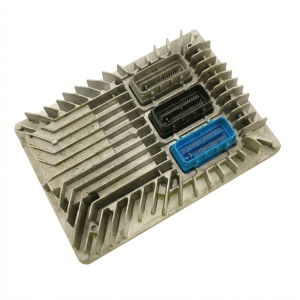
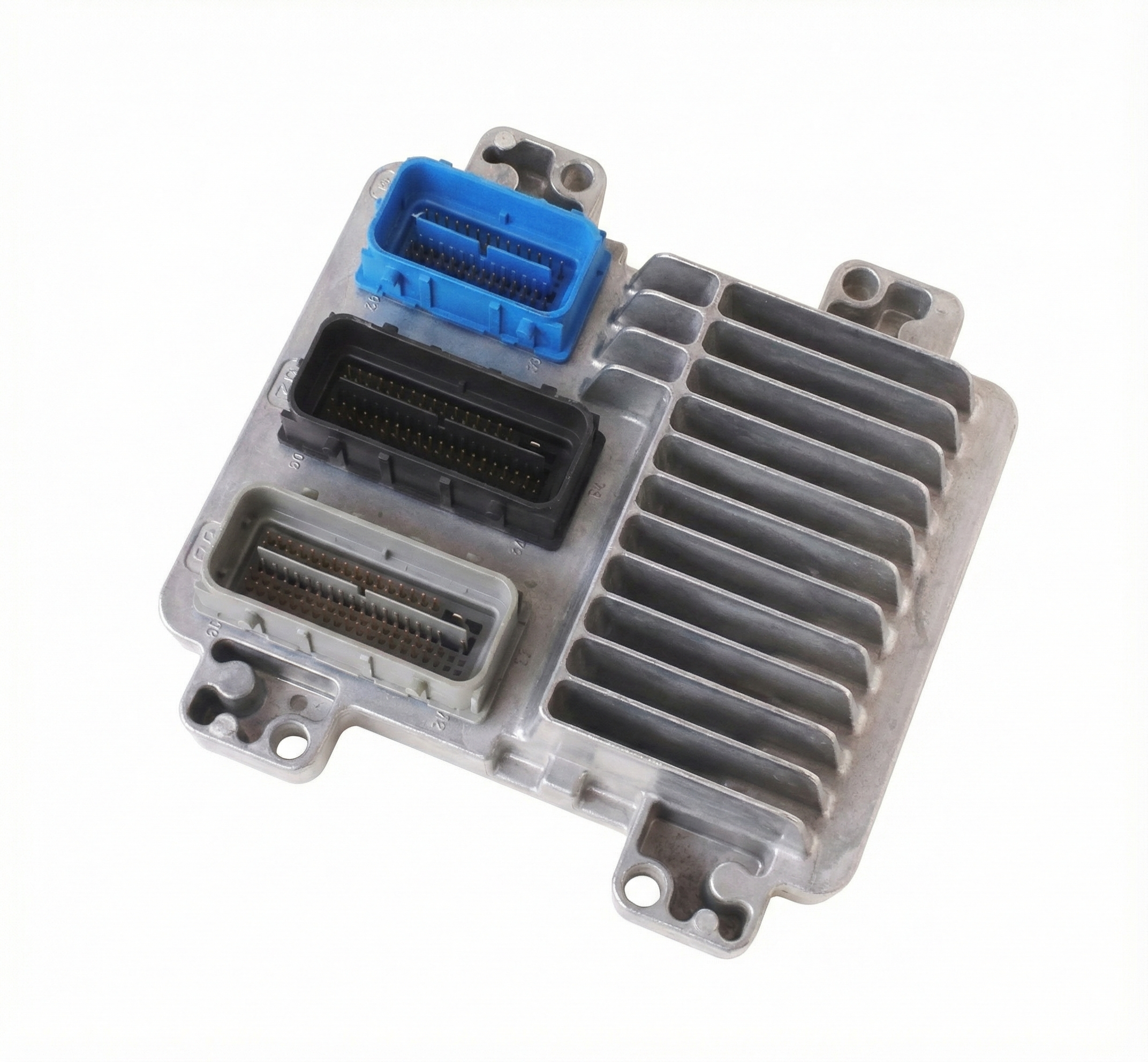
- Engine Control Module (ECM)
(OEM #12636355, 19300014 (Example for 2011 model, verify by VIN))— This code most often indicates a terminal failure of the ECM itself after all external electrical issues have been ruled out.
Trusted brands: ACDelco (OEM)
OEM price range: $500-$900
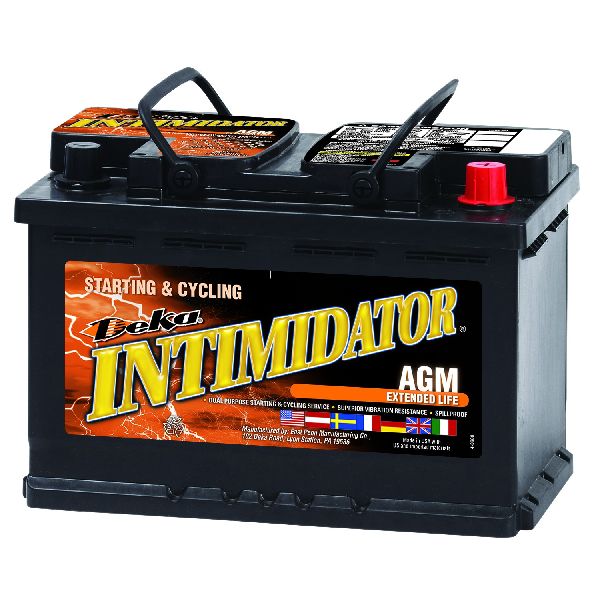
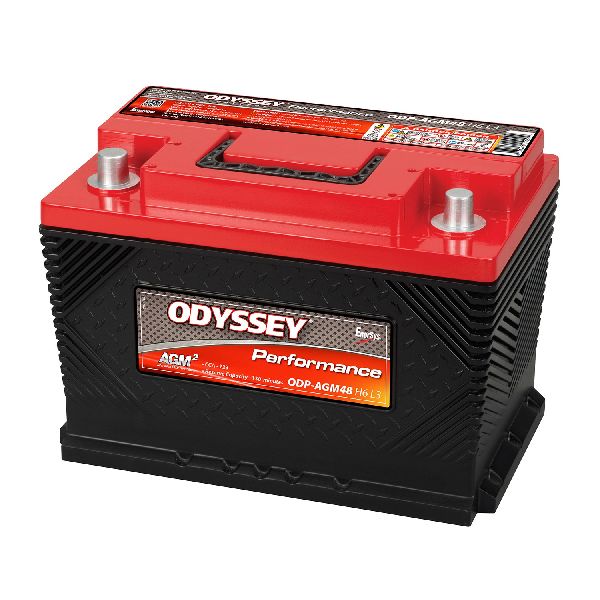
Aftermarket price range: $300-$600 - Battery — A weak or failing battery can cause low voltage spikes and drops, which can trigger erroneous internal module fault codes.
Trusted brands: ACDelco, Interstate, DieHard
OEM price range: $200-$300
Aftermarket price range: $150-$250
Related Codes That Often Appear With This One
- P0601 — This code means 'Internal Control Module Memory Check Sum Error' and is a definitive confirmation of a fatal ECM hardware failure.
- U-series codes (e.g., U0100) — If the ECM is failing, it may lose communication with other modules on the vehicle's data network, triggering communication codes.
- P0689 — This code indicates an issue with the ECM/PCM Power Relay Control Circuit, which can cause voltage supply problems to the ECM and trigger internal fault codes like P1607.
Hidden / Shadow Codes Worth Checking
- Shadow Flash Password: A unique password for each ACDelco E39/E39A ECM required to enter boot mode for recovery if the module is bricked or unresponsive after a failed programming attempt. (see via Specialized tools like I/O Terminal or OBDSTAR DC706 are required to read and save this password from a functioning ECM before it fails.)
Scan Tool Commands That Help
- GDS2/Tech2: Vehicle Theft Deterrent (VTD) Relearn — 🎬 Watch: How to replace the ECM and perform a VTD relearn This procedure is mandatory after replacing the ECM. It synchronizes the new module with the vehicle's immobilizer system. The process typically takes 10-12 minutes to complete.
- GDS2/Tech2: Service Programming System (SPS) — This function is used to flash the replacement ECM with the correct VIN-specific software and calibrations for the vehicle.
- GDS2/Tech2: Crankshaft Position System Variation Learn — This procedure must be performed after ECM replacement to calibrate the new module to the specific crankshaft position sensor's signal, ensuring accurate misfire detection.
Wiring & Ground Locations
- ECM1 Fuse — In the underhood fuse block.. This fuse supplies primary power to the Engine Control Module. If this fuse repeatedly blows, it indicates a short circuit either in the wiring harness leading to the ECM or, more commonly, an internal short to ground within the ECM itself.
- Engine Wiring Harness — Routed around the engine and connects to the ECM, typically mounted on or near the engine.. Vibrations and heat can cause the harness to chafe against brackets, such as the ECM/TCM bracket or the shock tower, leading to short circuits that can damage the ECM or blow fuses.
Real Owner Repair Stories
- Reddit r/MechanicAdvice (2009 GMC Acadia 3.6L) — Vehicle randomly died while warming up. Would not crank, rapid flashing CEL. Scan tool showed U0100 (Lost Communication with ECM).
❌ Tried (didn't work) A mechanic initially diagnosed a bad fuse box.
✅ What actually fixed it The owner discovered the ECM1 fuse was blown. Replacing the fuse allowed the engine to crank, but the new fuse would blow after a few seconds, indicating a persistent short circuit. The final fix pointed towards tracing the wiring from the ECM1 fuse for a short or replacing the ECM due to an internal short.
Diagnostic Flowchart
Other Known Issues on This Vehicle
Issues unrelated to this code that are worth knowing about as an owner of this generation:
- Premature Timing Chain Stretch 🔴 High — Very common, especially on 2007-2012 models. Often occurs between 70,000 and 120,000 miles. Can lead to catastrophic engine failure if ignored. (Ref: SCA #11340C, TSB #12-06-01-009F)
- 3-5-R Wave Plate Failure (6T75/6T70 Transmission) 🔴 High — Common on 2007-2009 models, leading to a loss of 3rd, 5th, and Reverse gears. Often requires a full transmission rebuild. (Ref: SCA #14404B, TSB #09-07-30-012F)
- Power Steering Pump/Rack Failure 🟠 Medium — Widespread issue causing loss of power steering assist, particularly at low speeds. Leaks from the pump or high-pressure lines are common. (Ref: SCA #14329)
- Water Pump Failure 🟠 Medium — The water pump is prone to leaking coolant, which can lead to overheating if not addressed.
- High-Pressure Fuel Pump (HPFP) Failure 🟠 Medium — A common failure on the direct-injection (2009+) models, causing stalling, rough running, and setting fuel pressure codes like P0087. (Ref: Special coverage programs were issued for some GM models with this engine.)
Used vs. New Parts: Buying Guide for This Vehicle
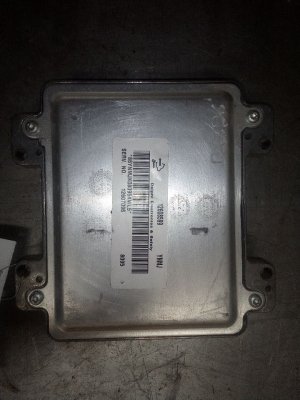
When a used part is the smart pick: A used ECM from a salvage yard is a viable, budget-friendly option, especially for older models where new parts may be limited. It can be sourced quickly and is significantly cheaper than a new OEM unit.
Donor-vehicle mileage cap: roughly under 120000 miles for the part to have meaningful remaining life.
What to inspect on the donor part:
- Verify the part number on the used ECM matches the original exactly.
- Source the part from a donor vehicle with a known history and similar mileage if possible.
- Inspect the connectors for any signs of corrosion, bent pins, or physical damage.
- Choose a seller that offers a short-term warranty or return policy.
OEM-only on this vehicle (don't cheap out):
- Engine Control Module (ECM) - While used/remanufactured is an option, a new OEM part is the most reliable choice to avoid compatibility and programming issues. Aftermarket ECMs are not commonly available or recommended for this platform.
Aftermarket brands forum-validated for this vehicle:
- ACDelco (OEM/Remanufactured)
Brands owners have reported issues with on this vehicle:
- Generic, unbranded ECMs from online marketplaces should be avoided due to high failure rates and potential programming difficulties.
Real Owner Stories
Aggregated from forums and TSBs cited above. Mileages and costs reflect what owners reported in those sources.
2009 GMC Acadia 3.6L V6 — ~95000 miles
Symptoms: The vehicle experienced a loss of 3rd, 5th, and Reverse gears along with erratic shifting.
What fixed it: This specific symptom set is tied to the 3-5-R Wave Plate failure, which typically requires a transmission rebuild.
Source hint: SCA #14404B, TSB #09-07-30-012F
2010 GMC Acadia 3.6L V6 — ~100000 miles
Symptoms: Engine stalling, rough running, and fuel pressure issues.
What fixed it: Replacement of the High-Pressure Fuel Pump (HPFP), which is a common failure on direct-injection models.
Source hint: Special coverage programs for GM 3.6L High-Pressure Fuel Pump (HPFP) Failure
Related OBD-II Codes
Frequently Asked Questions
My 2011 GMC Acadia is stalling and showing P1607; could this be related to the common timing chain issues?
Where are the main ground locations I should check on my Acadia to fix a P1607?
Can a weak battery cause a P1607 code on a GMC Acadia?
I'm seeing P1607 and my Acadia is stuck in 3rd gear. Is this the ECM or the transmission?
Can I use a used ECM from a salvage yard to fix P1607 on my 2008 Acadia?
Is there a specific brand of ECM I should buy for the 3.6L V6?
Helpful Videos
Used OEM Parts in Stock
New Aftermarket Parts Available


The information in this article is provided for general reference and educational purposes only. Vehicle specifications, procedures, and part compatibility can vary by production date, trim level, and region. Always consult your vehicle's factory service manual and verify part numbers before purchasing or performing repairs. Safety-critical components such as airbags, seat belts, and braking systems should be installed by a qualified professional.
- GMC Acadia:
- 🧭 Diagnostic Flowchart
- 🎬 Helpful Videos
- 🛍️ Shop This Part
- What's Unique About the 2007-2016 GMC Acadia
- Symptoms You May Notice
- Most Likely Causes
- Diagnosis Steps
- Parts You'll Likely Need
- Related Codes That Often Appear With This One
- Hidden / Shadow Codes Worth Checking
- Scan Tool Commands That Help
- Wiring & Ground Locations
- Real Owner Repair Stories
- Other Known Issues on This Vehicle
- Used vs. New Parts: Buying Guide for This Vehicle
- Real Owner Stories
- 2009 GMC Acadia 3.6L V6 — ~95000 miles
- 2010 GMC Acadia 3.6L V6 — ~100000 miles
- Related OBD-II Codes
- Frequently Asked Questions
- 🎟️ Get 5% Off