

P1607 on 2017-2018 Jeep Compass 2.4L: PCM Shutdown Timer Causes and Fixes
On a 2017-2018 Jeep Compass, code P1607 is most often caused by a software glitch in the engine computer (PCM). The primary fix is a PCM software update from a Jeep dealer, which typically costs $150-$250. Before replacing any parts, the battery's health should also be professionally tested.
- P1607 on your Compass is most likely a software bug, not a failed computer.
- Your first step should be to check with a Jeep dealer if a PCM software update is available for your VIN.
- Before paying for any major repairs, have your battery professionally load-tested, as low voltage is a common trigger.
What's Unique About the 2017-2018 Jeep Compass
The 2017-2018 Jeep Compass uses the 2.4L Tigershark engine, which is shared across several Fiat-Chrysler (FCA) vehicles like the Jeep Cherokee and Renegade. On this family of engines, P1607 is a widely recognized software issue where the PCM's self-diagnostic logic is overly sensitive. FCA has issued multiple Technical Service Bulletins (TSBs) for related models to fix this code with a simple software update, making a trip to the dealer for a reflash the most common and effective solution, rather than an expensive part replacement.
Symptoms You May Notice
- Check Engine Light is on
- Engine may stall, sometimes when coming to a stop or during a turn
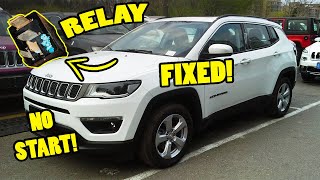
- Hard starting or no-start condition 🎬 Watch: Troubleshooting a 2.4L Tigershark that cranks but won't start.
- Rough or unstable idle
- Poor or erratic automatic transmission shifting
- Replacing the PCM before performing a software update or testing the battery.
- Replacing the Engine Coolant Temperature (ECT) sensor when the root cause is a weak battery or outdated software.
Most Likely Causes
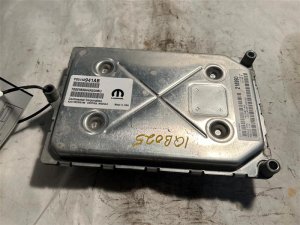
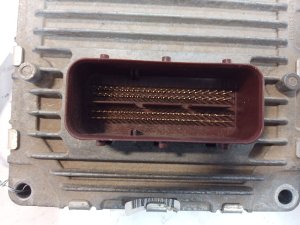
- Outdated Powertrain Control Module (PCM) Software 🔴 High Probability → Shop Engine Control Module (ECM) This is a known software bug across multiple FCA platforms using the 2.4L engine. The diagnostic logic is too sensitive and falsely triggers the code.
How to confirm: A Jeep dealer or a qualified shop with FCA's wiTECH software can check your vehicle's VIN for applicable TSBs and determine if a software update is available.
Typical fix: Reprogramming (flashing) the PCM with the latest software version. This must be done by a dealer or a properly equipped independent shop.
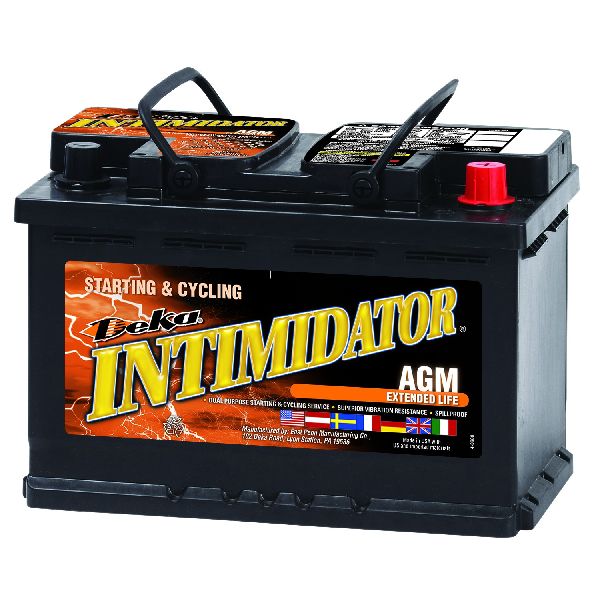
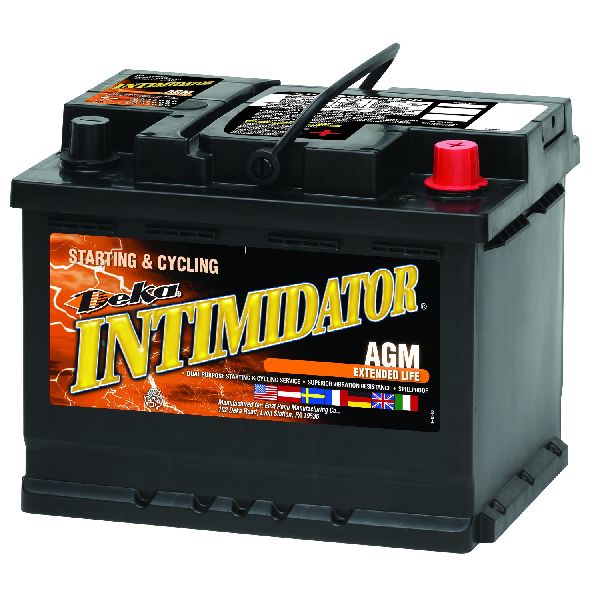
Est. part cost: $0 - Weak or Failing Battery 🟡 Medium Probability → Shop Vehicle Battery The electrical systems in modern Jeeps are very sensitive to voltage. A drop in voltage during the PCM's shutdown sequence can corrupt its internal timer check.
How to confirm: Perform a professional load test on the battery. A simple voltage check is not sufficient, as a battery can show 12.6V but fail under load. Expected resting voltage is 12.4V+ and charging voltage should be 13.5V-14.5V. During cranking, voltage should not drop below 10.0V.
Typical fix: Replace the vehicle's battery.
Est. part cost: $150-$300 - Faulty PCM Power Relay ⚪ Low Probability The relay that supplies power to the PCM can fail or develop corrosion on its contacts, causing an intermittent power supply that triggers the fault.
How to confirm: Locate the PCM power relay in the under-hood fuse box (Power Distribution Center). 🎬 Watch: How to fix a no-start caused by relay issues. Swap it with an identical relay from a non-critical system (like the horn) and see if the problem resolves. The relay's coil resistance should be approximately 150 Ohms or more.
Typical fix: Replace the small, inexpensive PCM power relay.
Est. part cost: $10-$25 - Faulty Engine Coolant Temperature (ECT) Sensor ⚪ Low Probability The PCM relies on the ECT sensor for its rationality check. If the sensor provides inaccurate data (e.g., it's stuck reading hot), the PCM's calculation will be incorrect.
How to confirm: Use a scan tool to monitor the live data from the ECT sensor. The reading should be close to ambient temperature on a cold engine and rise steadily to ~200-220°F when warm. Resistance should be 2000-3000 Ω at 68°F (20°C) and 200-300 Ω at 194°F (90°C).
Typical fix: Replace the Engine Coolant Temperature sensor.
Est. part cost: $20-$50
Rare But Worth Checking
- Poor Ground Connection: A corroded or loose main ground strap between the engine/transmission and the chassis can cause intermittent voltage drops, confusing the PCM and triggering various electrical codes, including P1607. This is worth checking as it's a simple visual inspection.
- Defective Powertrain Control Module (PCM): → Shop Engine Control Module (ECM) While the code points to an 'internal' PCM issue, actual hardware failure is extremely rare for this specific fault. The PCM should only be replaced as a last resort after a software update has been performed and all power, ground, and related sensor circuits have been confirmed to be in good working order.
Diagnosis Steps
- Scan for other DTCs. Note any other codes present, as they can help pinpoint the root cause.
- Check for TSBs. Contact a Jeep dealer with your VIN or use a professional database to see if a software update is available to fix P1607. This is the most likely solution.
- Test the Battery. Have the battery professionally load-tested. Do not rely on a simple voltage meter. Ensure terminals are clean and tight.
- Inspect the PCM Power Relay. Locate the PCM relay in the under-hood fuse box. Check for corrosion on the pins and consider swapping it with a known-good relay to test.
- Check ECT Sensor Data. Use a scan tool to watch the ECT sensor reading from a cold start. Ensure it reads ambient temperature and climbs smoothly as the engine warms up.
- Inspect Grounds. Visually inspect the main engine-to-chassis and battery-to-chassis ground straps for corrosion or looseness.
- Consider PCM Replacement. Only after all the above steps have been completed and have not resolved the issue should PCM replacement be considered.
Parts You'll Likely Need
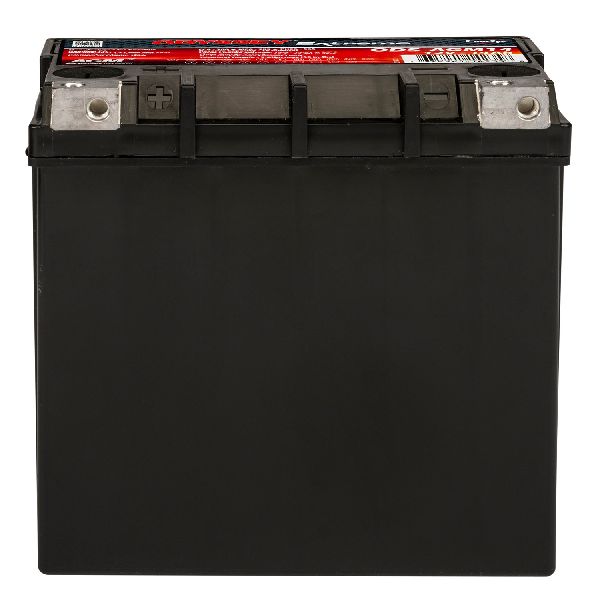
- Battery — Low or unstable voltage is a primary trigger for this code. The 2.4L Tigershark platform is known to be sensitive to battery health.
Trusted brands: Mopar, Interstate, DieHard
OEM price range: $200-$350
Aftermarket price range: $150-$300 - PCM Power Relay — A faulty relay can cause intermittent power loss to the PCM, triggering this internal timer fault. It's an inexpensive and easy part to replace for diagnosis.
Trusted brands: Mopar, Standard Motor Products, Bosch
OEM price range: $15-$30
Aftermarket price range: $10-$25
Related Codes That Often Appear With This One
- P2610 — This code, 'PCM Internal Engine Off Timer Performance', is a very similar fault and is often addressed by the same PCM software updates that fix P1607.
- P0562 — This code for 'System Voltage Low' often appears with P1607 if the root cause is a weak or failing battery.
- P0335 — This 'Crankshaft Position Sensor Circuit' code is another fault that TSBs for the 2.4L engine list as being resolved by a PCM software update, and it may appear alongside P1607.
- P0116 — 'Engine Coolant Temperature Sensor 1 Performance' can be logged if the ECT sensor is the root cause of the implausible data being sent to the PCM.
Technical Service Bulletins (TSBs) & Recalls
- TSB 18-018-17 (for Jeep Cherokee): Addresses P1607 among other codes, fixed by a PCM software update.
- TSB 18-004-16 (for Jeep Cherokee): An earlier TSB also listing P1607 as a condition fixed by a PCM reflash.
Platform-Specific Known Issues
- Customer Satisfaction Notification W20 was issued for some 2017-2018 Compass models to reprogram the PCM for oil consumption issues. This software update may incidentally resolve the P1607 logic fault as well.
- Multiple TSBs (e.g., 18-018-17 for the related Jeep Cherokee) confirm that a PCM reflash is the standard repair for P1607 on the 2.4L Tigershark engine.
Mechanic-Grade Diagnostic Values
- Engine Coolant Temperature (ECT) Sensor Resistance — expected: 2000-3000 Ω at 68°F (20°C) and 200-300 Ω at 194°F (90°C). Failure: Readings significantly outside the expected range for a given temperature, or an open/short circuit.
- Engine Coolant Temperature (ECT) Sensor Signal Voltage — expected: Approximately 2.0V - 3.0V on a cold engine, dropping to around 0.5V when fully warm.. Failure: Voltage that is stuck, does not change with temperature, or is illogical for the current engine state (e.g., 1.5V on a cold engine).
- PCM Power Relay Coil Resistance — expected: Approximately 150 Ohms or more.. Failure: Significantly lower resistance or an open circuit (infinite ohms) when tested with a multimeter.
- PCM Ground Circuit Resistance — expected: < 0.1 Ω from PCM connector ground pins to chassis ground.. Failure: Resistance higher than 0.1 Ω indicates a poor ground connection or corrosion.
- Battery Voltage During Cranking — expected: Should remain above 10.0 Volts.. Failure: A drop below 10.0V signifies a weak battery that cannot supply sufficient power under load, potentially corrupting module logic.
Scan Tool Commands That Help
- wiTECH 2.0 (FCA Dealer Tool): Reprogram PCM / Flash PCM — This is the primary repair procedure specified by multiple TSBs to fix the P1607 software glitch on the 2.4L Tigershark engine.
- wiTECH 2.0 (FCA Dealer Tool): Reprogram TCM / Flash TCM — Manufacturer TSBs often require the Transmission Control Module (TCM) to be updated at the same time as the PCM to resolve all related symptoms, including shift quality issues.
- wiTECH 2.0 (FCA Dealer Tool): PROXI Configuration Alignment — This function must be run after reprogramming or replacing modules to ensure all computers on the vehicle's network can communicate correctly with the new software or hardware.
Wiring & Ground Locations
- PCM Power Relay (K5) — Located in the under-hood fuse box, also known as the Totally Integrated Power Module (TIPM) or Power Distribution Center.. A corroded or faulty K5 relay can cause intermittent power loss to the PCM, directly triggering internal timer faults and mimicking a much more expensive PCM failure.
- PCM Connector C2, Pin 10 — On the larger of the two main PCM electrical connectors (C2), pin position 10.. This is the specific pin for the Engine Coolant Temperature (ECT) sensor signal (VT/OG wire). Testing for correct voltage here can quickly determine if the sensor signal is reaching the PCM, helping to isolate a sensor vs. wiring vs. PCM issue.
- Main Harness Connector (Driver Side) — A 10-pin wiring harness connector located behind the driver's side headlight, underneath the hood ajar switch.. This connector is in a location prone to moisture intrusion from rain or car washes. Corrosion here can disrupt signals to the PCM, causing a wide array of electrical faults and codes, including those related to module performance.
Real Owner Repair Stories
- Reddit user KocksMcGiggles (2018 Jeep Compass) — Multiple service messages on the screen, including 'service engine' and 'Dynamic torque service'; car took an extra second to start and sometimes failed to remote start.
❌ Tried (didn't work) OBD-II scan showed U110A (lost communication with steering angle sensor).
✅ What actually fixed it The positive battery terminal connector was not fully tightened after a new battery was installed by an auto parts store. Securing the loose connector resolved all issues. - Reddit user AsleepVermicelli2633 (2018 Jeep Compass Trailhawk) — Multiple warning lights and error codes, stalling, and other electrical issues that dealerships often misdiagnose as needing a new battery or alternator.
❌ Tried (didn't work) Owner was advised against replacing battery/alternator based on forum knowledge.
✅ What actually fixed it A corroded and slightly burnt 10-pin wiring harness connector located behind the driver's side headlight was found to be the cause. Cleaning the connector and plugging it back in resolved all problems instantly. The user noted this harness sends signals to the 'brain' (PCM) and the corrosion distorted the signals.
Model Year Variations Within This Range
- 2017: The 2017 model year was a transition. Both the first-generation (MK) and the new second-generation (MP) Compass were sold. This guide specifically applies to the second-generation (MP) model with the 2.4L Tigershark engine. Parts and procedures can differ significantly between the two generations.
- 2017 vs. 2018: There were no significant changes to the 2.4L powertrain or core electronics between the 2017 and 2018 model years. Differences were primarily cosmetic and trim-related, such as the introduction of the 'Limited' trim level for 2018, which does not affect the diagnosis of P1607.
Diagnostic Flowchart
Used vs. New Parts: Buying Guide for This Vehicle
When a used part is the smart pick: For this code, a used part is excellent for diagnosis but less so for permanent repair. A used PCM Power Relay from a junkyard can be swapped in minutes to confirm if the original relay is faulty. A used PCM can be a cost-effective replacement, but ONLY if it comes from an identical vehicle (year, engine, transmission, drivetrain) and you have access to a tool like wiTECH to perform VIN programming and PROXI alignment, otherwise it will not function.
Donor-vehicle mileage cap: roughly under 80000 miles for the part to have meaningful remaining life.
What to inspect on the donor part:
- For a PCM Power Relay, check the pins for any signs of corrosion (green or white powder) or heat damage (discoloration).
- For a used PCM, inspect the connectors for bent or corroded pins and ensure the casing is not cracked or showing signs of water intrusion.
- Avoid parts from vehicles with obvious flood damage or front-end collision damage near the module's location.
OEM-only on this vehicle (don't cheap out):
- PCM Software Update: This is a service, not a part, and can only be performed by a Jeep dealer or a shop with a licensed wiTECH scan tool and a subscription to FCA's network.
Aftermarket brands forum-validated for this vehicle:
- Battery: Interstate, DieHard, Duralast Gold/Platinum
- PCM Power Relay: Standard Motor Products (SMP), Bosch, Mopar (OEM)
Brands owners have reported issues with on this vehicle:
- Ultra-cheap, no-name electrical relays from online marketplaces can have poor internal construction and fail quickly.
Real Owner Stories
Aggregated from forums and TSBs cited above. Mileages and costs reflect what owners reported in those sources.
2017 Jeep Compass 2.4L
Symptoms: The owner experienced a P1607 code and suspected the issue was related to a weak battery failing to maintain proper voltage during the PCM shutdown sequence.
What fixed it: Replacing the vehicle's battery.
Source hint: Opinautos.com: A user discussion corroborates that a low battery is a primary suspect for P1607 on a Jeep Compass.
Related OBD-II Codes
Frequently Asked Questions
Does TSB 18-018-17 apply to my 2.4L Tigershark engine?
Could the oil consumption recall on my 2017-2018 Compass fix this code?
Why is my Jeep stalling at stoplights when P1607 is present?
Can I just check my battery voltage with a multimeter to rule it out?
Is there a simple part I can swap myself before going to the dealer for a reflash?
What are the specific resistance specs for the ECT sensor on the 2.4L engine?
Helpful Videos

Used OEM Parts in Stock
New Aftermarket Parts Available



The information in this article is provided for general reference and educational purposes only. Vehicle specifications, procedures, and part compatibility can vary by production date, trim level, and region. Always consult your vehicle's factory service manual and verify part numbers before purchasing or performing repairs. Safety-critical components such as airbags, seat belts, and braking systems should be installed by a qualified professional.
- Jeep Compass:
- 🧭 Diagnostic Flowchart
- 🎬 Helpful Videos
- 🛍️ Shop This Part
- What's Unique About the 2017-2018 Jeep Compass
- Symptoms You May Notice
- Most Likely Causes
- Rare But Worth Checking
- Diagnosis Steps
- Parts You'll Likely Need
- Related Codes That Often Appear With This One
- Technical Service Bulletins (TSBs) & Recalls
- Platform-Specific Known Issues
- Mechanic-Grade Diagnostic Values
- Scan Tool Commands That Help
- Wiring & Ground Locations
- Real Owner Repair Stories
- Model Year Variations Within This Range
- Used vs. New Parts: Buying Guide for This Vehicle
- Real Owner Stories
- 2017 Jeep Compass 2.4L
- Related OBD-II Codes
- Frequently Asked Questions
- 🎟️ Get 5% Off