

P1614 on 2005-2010 Chevrolet Cobalt: Immobilizer and Ignition Fixes
This code means there's a communication problem with the anti-theft system, often caused by the Cobalt's notoriously faulty ignition switch or lock cylinder. The most common fix is replacing the ignition lock cylinder and having new keys programmed, which was part of a major GM recall.
- P1614 on a Cobalt is almost always related to the vehicle's infamous ignition switch and lock cylinder problems.
- Before spending money on diagnostics, check if your vehicle's VIN had the ignition switch recall performed.
- The most probable fix is replacing the ignition lock cylinder and switch, followed by programming new keys.
- A simple first step is to try a spare key to rule out a damaged transponder chip in your primary key.
- Do not drive the vehicle if it starts intermittently, as the engine could shut off unexpectedly, causing a major safety hazard.
What's Unique About the 2005-2010 Chevrolet Cobalt
The 2005-2010 Chevrolet Cobalt is infamous for its defective ignition switch, which was the subject of a massive and highly publicized recall. This defect could cause the switch to unexpectedly move out of the 'run' position while driving, shutting off the engine and disabling airbags. This underlying ignition system weakness is a primary driver for immobilizer-related codes like P1614, as the faulty switch and lock cylinder directly impact the communication between the key's transponder and the rest of the anti-theft system.
Symptoms You May Notice
- Engine will not start or crank
- Engine starts and immediately stalls
- Flashing or solid security/anti-theft light on the dashboard
- Check Engine Light is on
- Key is difficult to turn or feels loose in the ignition
- Key can be removed from the ignition when not in the 'Off' position
- Replacing the starter motor when the engine doesn't crank, without first checking for security-related codes.
- Replacing the fuel pump when the engine starts and stalls, as this is a primary symptom of the immobilizer activating.
Most Likely Causes
- Defective Ignition Lock Cylinder/Switch 🔴 High Probability → Shop Ignition Switch This is a well-documented, widespread failure on this platform, leading to a major safety recall (GM recall #14113). The internal components wear out, causing poor electrical contact and communication issues with the Passlock sensor housed within the cylinder.
How to confirm: Check if the ignition switch recall has been performed on the vehicle. Symptoms like the key feeling loose, being removable when not in the 'Off' position, or the engine stalling when the key is bumped are strong indicators.
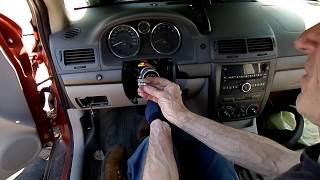
Typical fix: Replace the ignition lock cylinder and ignition switch. 🎬 See how to remove the lock cylinder and housing Two new keys must be cut and programmed to the vehicle. This was covered under the recall. The recall kit included a new ignition switch, lock cylinder, two keys, and two key rings.
Est. part cost: $50-$150 - Faulty or Unprogrammed Ignition Key 🟡 Medium Probability → Shop Ignition Switch
How to confirm: Try starting the vehicle with a spare key. If the spare key works reliably, the original key's internal transponder chip is likely damaged or has lost its programming.
Typical fix: A new key needs to be cut and programmed to the vehicle using a specialized scan tool or by a locksmith/dealership. A security relearn procedure is required.
Est. part cost: $40-$100 - Wiring or Connection Issues ⚪ Low Probability Wiring near the steering column can become chafed or damaged from the tilt/telescope function or from previous improper repairs.
How to confirm: Inspect the wiring harness and connectors between the ignition switch, the Body Control Module (BCM), and the Engine Control Module (ECM) for any signs of damage, corrosion, or loose pins. Pay close attention to the small wires leading from the lock cylinder.
Typical fix: Repair or replace the damaged section of the wiring harness or clean the affected connectors.
Est. part cost: $10-$50 - Failing Body Control Module (BCM) ⚪ Low Probability → Shop Body Control Module
How to confirm: This requires advanced diagnostics with a scan tool capable of communicating with the BCM. If the ignition switch, key, and wiring are all confirmed to be good, the BCM itself may be the culprit. A technician would check for communication signals from the BCM to the ECM regarding theft status.
Typical fix: Replace the BCM and program the new module to the vehicle's VIN and security information.
Est. part cost: $150-$300
Diagnosis Steps
- Check for any active recalls, specifically the ignition switch recall (GM #14113), and verify if the repair was completed.
- Scan the vehicle for any other stored trouble codes in the BCM or ECM. Note any codes related to the security system, such as B2960.
- Attempt to start the vehicle with a known-good spare key to rule out a faulty key transponder.
- Inspect the ignition lock cylinder for excessive play or the ability to remove the key in positions other than 'Off'. This was a specific symptom addressed by the recall.
- Check the security light on the dashboard. Note if it is flashing or solid when the no-start condition occurs. A flashing light often indicates an active security event.
- Inspect the wiring and connectors between the ignition switch and the BCM for any visible damage.
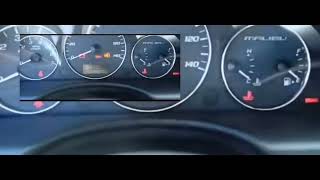
- If the key and ignition cylinder are known to be good, perform a security relearn procedure. This typically involves a 30-minute process: Turn the key to 'ON' (not start), wait for the security light to go out (approx. 10 minutes), turn the key 'OFF' for 10-30 seconds, and repeat this cycle three times. On the final cycle, the car should start. 🎬 Watch: Step-by-step 30-minute anti-theft reset procedure
- If the security light never turns off during the 10-minute wait in the relearn procedure, it strongly suggests the Passlock sensor in the ignition lock cylinder has failed.
- If the problem persists, further diagnosis of the BCM and its communication circuits with an advanced scan tool is necessary.
Parts You'll Likely Need
- Ignition Lock Cylinder with Keys
(OEM #ACDelco D1499A (part of recall kit))— This is the most common failure point on the Cobalt, directly causing communication errors with the anti-theft system. It was the subject of a major safety recall.
Trusted brands: ACDelco, Standard Motor Products
OEM price range: $70-$120
Aftermarket price range: $40-$80 - Ignition Switch
(OEM #ACDelco D1404F or 23215459)— Often replaced along with the lock cylinder, the electronic switch is also a known failure point from the recall.
Trusted brands: ACDelco, Delphi
OEM price range: $40-$70
Aftermarket price range: $20-$50
Related Codes That Often Appear With This One
- B2960 - Security System Sensor Data Incorrect but Valid
Technical Service Bulletins (TSBs) & Recalls
- GM Recall #14113: Replace Ignition Lock Cylinder and Ignition Key. This recall was often performed in conjunction with other ignition switch recalls like #14063.
- GM Recall #14133: For vehicles that already had an updated lock cylinder, this recall involved replacing only the keys.
Platform-Specific Known Issues
- Ignition Switch Recall: The 2005-2010 Cobalt was part of a massive GM recall for a defective ignition switch that could shut the car off while driving. This defect is a root cause for many P1614 codes. Recall #14113 involved replacing the ignition lock cylinder and providing new keys.
- Owner Experience: Many owners on forums like cobaltss.net report that even after the recall was performed, aftermarket keys or worn-out replacement cylinders can cause the P1614 code to return years later. The consensus is to always use high-quality ACDelco parts for this repair to ensure longevity.
Mechanic-Grade Diagnostic Values
- Passlock Sensor Signal Wire Voltage (Key in RUN) — expected: ~4.4V - 5.0V. Failure: Voltage is 0V, erratic, or does not drop when turning the key to START. A reading of 0V or a steady, unchanging voltage points to a failed sensor or open wire.
- Passlock Sensor Signal Wire Voltage (Key turned to START) — expected: A distinct voltage drop (e.g., to ~3.6V). Failure: No change in voltage from the RUN position. The BCM needs to see this voltage change to confirm a valid key turn.
- BCM Ground Circuit Resistance — expected: Less than 5 ohms. Failure: Resistance reading is higher than 5 ohms, indicating a poor ground connection which can cause intermittent communication issues.
Scan Tool Commands That Help
- GM Tech 2 / GDS2: BCM > Special Functions > Key Programming/Immobilizer Relearn — This is required after replacing the ignition lock cylinder, BCM, or getting a new key. It pairs the new components with the vehicle's security system. The manual 30-minute relearn is an alternative if a scan tool is not available.
- GM Tech 2 / GDS2: BCM > Data Display > Immobilizer Data — To monitor the live status of the security system. A technician can see if the BCM is receiving a valid key signal, what state the security system is in (e.g., 'Normal', 'Theft Lock'), and why it's preventing a start.
Wiring & Ground Locations
- BCM (Body Control Module) — Integrated into the dash fusebox, located on the front passenger side of the center console.. The BCM is the central hub for the Passlock anti-theft system. It reads the signal from the ignition lock cylinder and communicates the security status to the ECM. All related wiring converges here.
- G201 & G203 — Located under the instrument panel. G201 is more central, to the left of the radio/climate controls. G203 is behind the glovebox area.. These are primary interior ground points. A poor connection at G201 or G203 can cause intermittent power loss or signal issues for the BCM and instrument cluster, leading to false security events and P1614.
- G301 — Located under the driver's seat.. This ground serves various interior components. While less directly tied to the BCM than G201/G203, poor grounding here can introduce electrical noise that may affect module communication.
- Engine Bay Grounds — Key locations include one on the driver's side strut tower near the fuse box, one behind the headlamp, one on the transmission case (G105), and one under the coolant overflow tank.. While P1614 is primarily an interior communication issue, poor engine bay grounds can cause voltage fluctuations and electrical noise that affect the ECM and BCM, indirectly contributing to communication errors.
Real Owner Repair Stories
- Reddit user comment in r/MechanicAdvice (2010 Chevrolet Cobalt LT) — Intermittent no-start, occasional stalling after starting.
❌ Tried (didn't work) Replacing the ECM, Reprogramming the new ECM
✅ What actually fixed it The user identified the main engine-to-chassis ground wire (G105 on the transmission) as being badly corroded. They stripped back the wires on the ground lug, re-soldered them, and re-secured the connection, which resolved the communication issues. - YouTube video by user 'zackattacks' (2006-2008 Chevrolet Cobalt) — Speedometer not working, transmission not shifting correctly, Power Steering message on dash, various communication codes.
❌ Tried (didn't work) Checking fuses, Inspecting wiring harness connectors at the module
✅ What actually fixed it The issue was a poor ground for the Transmission Control Module (TCM), which is located next to the ECM under the hood. The fix was to run a supplementary ground wire from one of the TCM mounting bolts directly to the chassis ground point on the strut tower. This restored proper communication.
Diagnostic Flowchart
Other Known Issues on This Vehicle
Issues unrelated to this code that are worth knowing about as an owner of this generation:
- Electric Power Steering (EPS) Motor Failure 🔴 High — Very common, can occur at any mileage. Led to multiple recalls. (Ref: Recalls #10V073000, #14V153000.)
- Timing Chain Tensioner Failure 🔴 High — Common, especially on the 2.2L L61 engine. Often presents as a startup rattle around 100k miles. If ignored, can lead to catastrophic engine failure.
- Fuel Pump Module Leak 🔴 High — More common in warmer climates. The plastic fuel pump module can crack, causing a fuel leak and fire hazard. (Ref: Recall #09V419000, Special Coverage #12191.)
- Faulty Shifter Cable / Key Stuck in Ignition 🟠 Medium — Common issue on automatic transmission models where the shifter cable bushing fails, preventing the car from recognizing it's in Park, which in turn prevents key removal. (Ref: Recall #09V073000)
- Ignition Coil and/or Module Failure 🟠 Medium — A frequent cause of random misfire codes (P0300). The coil pack and ICM are known to fail from heat cycling. (Ref: TSB #08-06-04-001)
Used vs. New Parts: Buying Guide for This Vehicle
When a used part is the smart pick: A used Body Control Module (BCM) can be a cost-effective option if it is properly reprogrammed to the vehicle's VIN and security information by a dealer or a qualified locksmith with GM-specific tools. A used ECM or TCM may also be viable under the same reprogramming conditions.
Donor-vehicle mileage cap: roughly under 120000 miles for the part to have meaningful remaining life.
What to inspect on the donor part:
- For a BCM, ECM, or TCM, inspect the connectors for any signs of corrosion, water damage, or bent pins.
- Ensure the donor vehicle was not involved in a flood or fire.
- Verify the part number matches the original module exactly.
OEM-only on this vehicle (don't cheap out):
- Ignition Lock Cylinder
- Ignition Switch
Aftermarket brands forum-validated for this vehicle:
- ACDelco (OEM)
- Standard Motor Products (SMP)
- Delphi
Brands owners have reported issues with on this vehicle:
- Unbranded, low-cost ignition lock cylinders and switches from online marketplaces. Forum users frequently report these parts failing within months, causing the P1614 code to return.
Real Owner Stories
Aggregated from forums and TSBs cited above. Mileages and costs reflect what owners reported in those sources.
2005-2010 Chevrolet Cobalt
Symptoms: The car would not start and displayed a security light on the dashboard. The owner attempted to start the vehicle, but it resulted in a no-start condition.
What fixed it: The owner successfully resolved the issue by performing the 30-minute security relearn procedure.
Source hint: cobaltss.net: Numerous threads discuss P1614 as a 'no-start' issue.
2005-2010 Chevrolet Cobalt
Symptoms: The car stalled while driving and set the P1614 code.
What fixed it: The entire ignition switch and cylinder assembly were replaced under the GM recall program.
Source hint: yourcobalt.com: Discussions often point directly to the ignition switch recall as the root cause.
2005-2010 Chevrolet Cobalt
Symptoms: The vehicle experienced a no-start condition and the security relearn procedure failed to fix it because the security light never turned off during the 10-minute wait.
What fixed it: Replacing the ignition lock cylinder was the ultimate fix.
Source hint: cobaltss.net: Others confirm that replacing the ignition lock cylinder was the ultimate fix when the relearn failed.
Related OBD-II Codes
Frequently Asked Questions
Is there a recall for the ignition issues causing P1614 on my 2005-2010 Chevrolet Cobalt?
My Cobalt starts and then immediately stalls with a flashing security light. What should I do first?
Can I just get a new key cut at a hardware store to fix the P1614 code?
Does the ignition recall cover the keys as well?
My key feels loose and I can pull it out while the engine is running. Is this related to P1614?
What parts should I use if I need to replace the ignition cylinder outside of the recall?
Helpful Videos

We Have This Part in Stock


The information in this article is provided for general reference and educational purposes only. Vehicle specifications, procedures, and part compatibility can vary by production date, trim level, and region. Always consult your vehicle's factory service manual and verify part numbers before purchasing or performing repairs. Safety-critical components such as airbags, seat belts, and braking systems should be installed by a qualified professional.
- Chevrolet Cobalt:
- 🧭 Diagnostic Flowchart
- 🎬 Helpful Videos
- 🛍️ Shop This Part
- What's Unique About the 2005-2010 Chevrolet Cobalt
- Symptoms You May Notice
- Most Likely Causes
- Diagnosis Steps
- Parts You'll Likely Need
- Related Codes That Often Appear With This One
- Technical Service Bulletins (TSBs) & Recalls
- Platform-Specific Known Issues
- Mechanic-Grade Diagnostic Values
- Scan Tool Commands That Help
- Wiring & Ground Locations
- Real Owner Repair Stories
- Other Known Issues on This Vehicle
- Used vs. New Parts: Buying Guide for This Vehicle
- Real Owner Stories
- 2005-2010 Chevrolet Cobalt
- 2005-2010 Chevrolet Cobalt
- 2005-2010 Chevrolet Cobalt
- Related OBD-II Codes
- Frequently Asked Questions
- 🎟️ Get 5% Off