

P1614 on 2008-2014 Dodge Challenger: ACC Power Interruption Causes and Fixes
On a 2008-2014 Dodge Challenger, P1614 indicates a brief power loss to the Adaptive Cruise Control (ACC) module. The most common cause is a weak battery or loose/corroded battery terminals, not a faulty ACC module. Check the battery and its connections in the trunk first.
- P1614 on a 2008-2014 Challenger is an electrical glitch code, not a critical component failure.
- The code specifically points to a brief power loss at the Adaptive Cruise Control (ACC) module.
- Before suspecting expensive modules, always start by load-testing the battery and cleaning the battery terminals located in the trunk.
- This code is NOT related to the key, immobilizer, or the common Wireless Ignition Node (WIN) module failures on these vehicles.
What's Unique About the 2008-2014 Dodge Challenger
Unlike many other manufacturers that use P1614 for immobilizer or key-related security issues, Chrysler/Dodge dedicates this code on the LX platform (which includes the Challenger, Charger, and 300) to flag a momentary electrical glitch in the Adaptive Cruise Control system. This means diagnosis should focus strictly on the electrical supply and battery health, not the anti-theft system or the notoriously problematic Wireless Ignition Node (WIN) module on these cars.
Symptoms You May Notice
- Adaptive Cruise Control (ACC) is unavailable or disabled
- "ACC UNAVAILABLE" message on the instrument cluster display
- "ACC/FCW Unavailable Service Required" message on the display
- Check Engine Light may be illuminated, but often is not
- The code is often found as a 'stored' code rather than 'active'
- Replacing the Wireless Ignition Node (WIN) or immobilizer components. Many generic code websites incorrectly list P1614 as an immobilizer code; for this Dodge platform, that is incorrect.
- Replacing the key fob or key fob battery.
Most Likely Causes
- Weak or Failing Battery 🔴 High Probability → Shop Vehicle Battery The battery is located in the trunk, and its condition can sometimes be overlooked. Modern vehicle electronics are highly sensitive to low voltage, and a brief drop during engine cranking or high electrical load can be enough to trigger this code. This is the most widely reported fix in owner forums.
How to confirm: Test the battery voltage with a multimeter; it should be above 12.4V with the engine off. However, a simple voltage test can be misleading. A professional load test at an auto parts store is the definitive way to confirm a battery's health, as a weak battery can hold a surface charge but fail under load.
Typical fix: Replace the vehicle's 12V AGM battery.
Est. part cost: $180-$350 - Loose or Corroded Battery Terminals 🟡 Medium Probability → Shop Vehicle Battery The trunk location can sometimes lead to moisture accumulation or terminals loosening over time without being noticed during routine under-hood checks. A poor connection can mimic a weak battery, causing a momentary voltage drop.
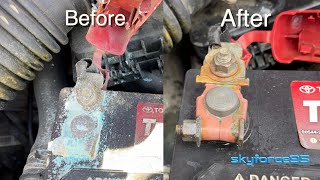
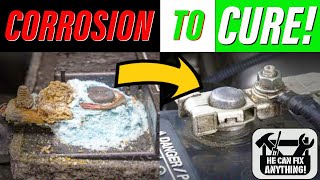
How to confirm: Visually inspect the battery terminals in the trunk for white or blue/green corrosion. Attempt to wiggle the terminal clamps by hand; they should not move. An owner on LXForums.com reported solving a P1614 code by finding a corroded positive terminal that was not obvious until it was removed for inspection.
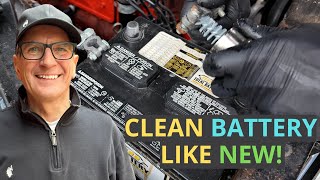
Typical fix: Disconnect the terminals (negative first), clean them and the battery posts with a wire brush and baking soda solution, and securely retighten.
Est. part cost: $1-$10 for a terminal cleaning kit - Poor Ground Connection ⚪ Low Probability Body grounds can corrode or loosen over time, causing intermittent electrical issues. The main battery ground in the trunk is a key point to check.
How to confirm: Inspect the main battery ground cable connection to the chassis in the trunk. Check other major ground straps in the engine bay for corrosion or looseness. A Charger owner fixed a P1614 by tightening a loose ground strap on the engine block.
Typical fix: Remove, clean, and securely reattach the ground connection. Ensure the contact point is bare metal.
Est. part cost: $0-$5 for cleaning supplies
Rare But Worth Checking
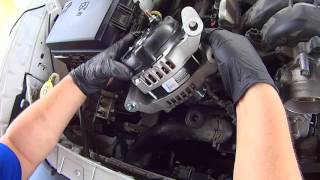
- Failing Alternator: Alternator failure is a known issue on 2011-2014 Challengers. A failing alternator can cause inconsistent voltage and fail to properly charge the battery, leading to the low voltage condition that triggers P1614. Symptoms include dimming headlights, a battery warning light, or a whining noise from the engine. 🎬 Watch: How to replace a Dodge Challenger alternator
- Faulty Totally Integrated Power Module (TIPM): The TIPM is the vehicle's main fuse and relay box and is a known failure point on this platform, causing a host of strange electrical issues. While not a common cause for an isolated P1614, if the code is accompanied by other random electrical problems, the TIPM could be the culprit.
- Faulty Adaptive Cruise Control (ACC) Module: While rare, an internal fault in the ACC module itself could cause it to reset. This should only be considered after thoroughly ruling out all battery, charging, and connection issues.
- Wiring issue to the ACC Module: Damage to the wiring harness providing power or ground to the ACC module could cause a momentary interruption. This is unlikely without other work being done on the vehicle or signs of physical damage.
Diagnosis Steps
- Read the code with an OBD-II scanner to confirm P1614 is present.
- Access the battery in the trunk. Visually inspect the battery terminals for any signs of corrosion.
- Ensure the battery terminal clamps are tight and cannot be moved by hand.
- If terminals are corroded, disconnect them (negative cable first) and clean thoroughly with a terminal brush.
- With the engine off, use a multimeter to test the battery voltage. A healthy battery should read at least 12.4 volts. Be aware that this is not a definitive test.
- Have the battery professionally load-tested to check its ability to hold a charge under load. This is the most crucial step.
- If the battery passes a load test, start the engine and test the alternator output. With the engine running, the voltage at the battery terminals should be between 13.5 and 14.5 volts. If it's lower or higher, the alternator may be faulty.
- If the charging system is healthy, inspect the main ground cable from the battery to the chassis for a clean, tight connection.
- If the issue persists, inspect the wiring and connector at the Adaptive Cruise Control module for any signs of damage or corrosion. The module is located behind the lower front grille area.
- After addressing the issue, clear the code. The code may also clear on its own after 100 key cycles without the fault reoccurring.
Parts You'll Likely Need
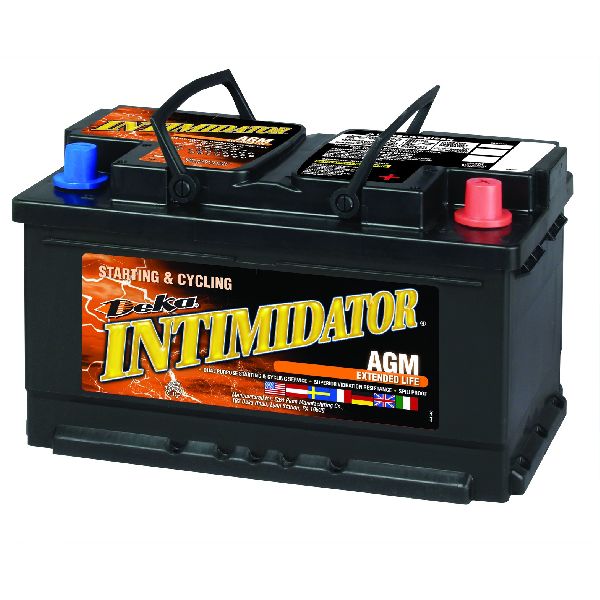
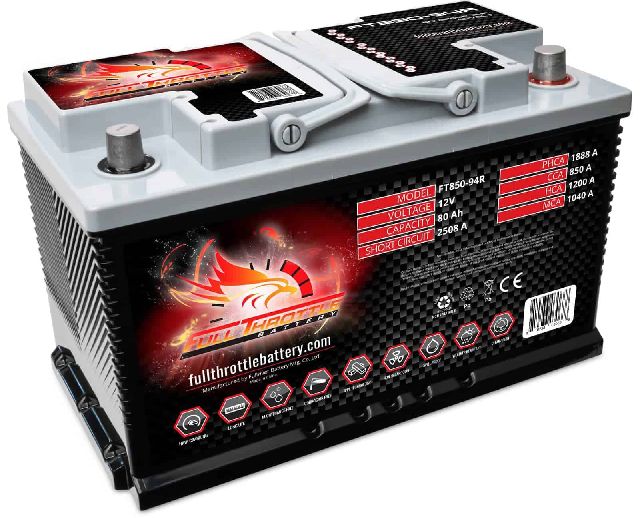
- AGM Battery (Group Size 94R / H7)
(OEM #BB94R750AA (or superseding part BBH7F001AA))— A weak battery is the most frequent cause of the momentary voltage drop that triggers a P1614 code. An AGM (Absorbent Glass Mat) battery is recommended for this vehicle.
Trusted brands: Mopar, Interstate, DieHard, Optima, Duralast
OEM price range: $250-$400
Aftermarket price range: $180-$350
Platform-Specific Known Issues
- Owners on forums like ChallengerTalk frequently report that the P1614 code and 'ACC Unavailable' message first appear during a cold snap or on the first cold start of the day, which is a classic symptom of a battery that is losing its cold-cranking ability.
Mechanic-Grade Diagnostic Values
- Voltage at ACC module harness connector, Fused B(+) circuit (F943) — expected: Battery voltage (approx. 12.4V+ with ignition on, engine off). Failure: Voltage below 12V, or no voltage, indicates an open, short, or high resistance in the power supply wire.
- Resistance of ACC module harness connector, Ground circuit (Z909) to chassis ground — expected: Less than 5.0 Ohms. Failure: Resistance higher than 5.0 Ohms indicates a poor ground connection, which can cause intermittent module resets.
- ACC Module Voltage Set Condition (for related code C2129-16) — expected: Above 10.0 Volts. Failure: A fault is logged if the voltage supplied to the ACC module drops below 10 volts for more than 15 seconds.
Scan Tool Commands That Help
- wiTECH, JScan, AlfaOBD: ACC - Sensor Calibration — This is a mandatory procedure after replacing the Adaptive Cruise Control (ACC) module. It initiates a dynamic calibration that requires driving the vehicle under specific conditions for the new module to learn its alignment and function correctly.
Wiring & Ground Locations
- Adaptive Cruise Control (ACC) Module — Mounted in the lower front grille area of the vehicle.. This is the module that is experiencing the momentary power loss and setting the P1614 code. Its location makes its wiring susceptible to damage from road debris or moisture.
- ACC Module Power Circuit (F943) — This is the Fused B(+) circuit wire within the harness connector for the ACC module.. A technician can perform a direct voltage test on this circuit at the module to confirm if the power supply from the TIPM/fuse box is stable, bypassing the battery and main terminals as the sole focus.
- ACC Module Ground Circuit (Z909) — This is the ground circuit wire within the harness connector for the ACC module.. A voltage drop test or resistance check on this specific circuit can identify a poor ground connection near the front of the vehicle, which would cause the module to reset even if the main battery ground in the trunk is secure.
Real Owner Repair Stories
- Reddit user on r/askcarguys (2010 Dodge Challenger SRT8, 100k miles) — After replacing the battery a few months prior, the car developed a whining noise. Later, while driving, the ABS, traction control, and other warning lights began flashing intermittently. The episode culminated with all warning lights illuminating and the car stalling and dying completely.
❌ Tried (didn't work) The battery had been recently replaced, which temporarily seemed to fix earlier issues.
✅ What actually fixed it The consensus diagnosis from multiple commenters was a failed alternator. The symptoms of a progressive electrical failure, culminating in a stall once the battery was depleted, are classic signs of an alternator no longer charging the system.
Model Year Variations Within This Range
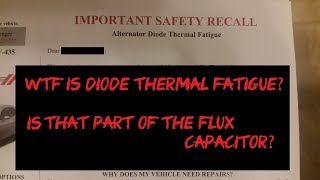
- 2011-2014: These model years, particularly those with 3.6L and 5.7L engines, were subject to Chrysler Safety Recall T36 / NHTSA 17V-435. The recall addressed alternators that could fail suddenly due to 'diode thermal fatigue'. This known defect significantly increases the probability of the alternator being the root cause of P1614 on these specific years, as a failing diode is a primary cause of the voltage instability that triggers the code.
Diagnostic Flowchart
Other Known Issues on This Vehicle
Issues unrelated to this code that are worth knowing about as an owner of this generation:
- Alternator Failure 🔴 High — Common, particularly on 2011-2014 models, often occurring around 50,000-100,000 miles. A recall was issued for some model years. (Ref: Recall P60 (NHTSA 14V-634))
- Totally Integrated Power Module (TIPM) Failure 🔴 High — A well-documented issue across many Chrysler products of this era. Failure can cause a wide range of bizarre electrical problems, from no-start conditions to random activation of accessories.
- Wireless Ignition Node (WIN) Module Failure 🔴 High — A frequent cause of no-crank/no-start situations or the engine shutting off while driving. This was a very common issue on 2008-2014 models. (Ref: Recall L25 (NHTSA 11V-139))
- "Hemi Tick" (Lifter/Camshaft Failure) 🟠 Medium — Common on the 5.7L Hemi V8. A ticking noise caused by failing lifter rollers can lead to camshaft damage if not addressed.
- Broken Exhaust Manifold Bolts 🟡 Low — The bolts securing the exhaust manifold to the cylinder head can break, causing an exhaust leak and a ticking noise, especially when the engine is cold.
Used vs. New Parts: Buying Guide for This Vehicle
When a used part is the smart pick: A used alternator from a reputable salvage yard is a reasonable cost-saving measure for this repair. The ACC module can also be sourced used, but with critical caveats.
Donor-vehicle mileage cap: roughly under 80000 miles for the part to have meaningful remaining life.
What to inspect on the donor part:
- For an alternator, check for a clean pulley that spins freely with no grinding or roughness. Ensure the main B+ post and connector are not corroded or damaged.
- For an ACC module, inspect the plastic housing for any cracks or signs of impact. Ensure the connector pins are straight and free of corrosion. Verify the part number matches exactly.
OEM-only on this vehicle (don't cheap out):
- Battery: Never buy a used 12V vehicle battery. Always purchase new from a reputable brand.
Aftermarket brands forum-validated for this vehicle:
- Alternators: Bosch, Denso (often the OEM supplier), Remy, and quality private label brands like Duralast Gold are generally reliable.
- Batteries: Interstate, DieHard, Optima, Odyssey, and other major AGM battery manufacturers are good choices.
Brands owners have reported issues with on this vehicle:
- Avoid unbranded, 'white box' alternators from online marketplaces, as their internal components (rectifiers, voltage regulators) are often of poor quality and can fail prematurely or produce unstable voltage.
Real Owner Stories
Aggregated from forums and TSBs cited above. Mileages and costs reflect what owners reported in those sources.
2012 Dodge Challenger
Symptoms: The 'ACC/FCW Unavailable Service Required' message appeared on the display along with a stored P1614 code.
What fixed it: Replacing the aging 12V battery, even though it seemed to start the car fine.
Source hint: ChallengerTalk.com forum discussions
2010 Dodge Challenger
Symptoms: P1614 code was present and the owner found a connection issue that wasn't visible at first glance.
What fixed it: Cleaning a corroded positive battery terminal that was hidden from view until the terminal was removed for inspection.
Source hint: LXForums.com thread regarding P1614 on LX platform vehicles
2011 Dodge Charger — ~75000 miles
Symptoms: Adaptive Cruise Control became unavailable; the vehicle shares the same LX platform and electrical architecture as the Challenger.
What fixed it: Tightening a loose ground strap on the engine block.
Source hint: LXForums.com discussion on P1614 and ground connections
Related OBD-II Codes
Frequently Asked Questions
My 2011 Dodge Challenger is showing 'ACC/FCW Unavailable' and I heard there is an alternator recall. Could this be related to P1614?
I have a 2009 Challenger with a no-start issue and P1614. Is this the WIN module recall?
The 'ACC Unavailable' message only appears on my Challenger during the first cold start of the morning. Why?
My battery voltage reads 12.2V with the engine off, but I'm still getting the P1614 code. Is the battery okay?
Can I use a used Adaptive Cruise Control module from a salvage yard to fix this?
Where is the main ground I should check on my Challenger to fix this code?
Helpful Videos



We Have This Part in Stock


The information in this article is provided for general reference and educational purposes only. Vehicle specifications, procedures, and part compatibility can vary by production date, trim level, and region. Always consult your vehicle's factory service manual and verify part numbers before purchasing or performing repairs. Safety-critical components such as airbags, seat belts, and braking systems should be installed by a qualified professional.
- Dodge Challenger:
- 🧭 Diagnostic Flowchart
- 🎬 Helpful Videos
- 🛍️ Shop This Part
- What's Unique About the 2008-2014 Dodge Challenger
- Symptoms You May Notice
- Most Likely Causes
- Rare But Worth Checking
- Diagnosis Steps
- Parts You'll Likely Need
- Platform-Specific Known Issues
- Mechanic-Grade Diagnostic Values
- Scan Tool Commands That Help
- Wiring & Ground Locations
- Real Owner Repair Stories
- Model Year Variations Within This Range
- Other Known Issues on This Vehicle
- Used vs. New Parts: Buying Guide for This Vehicle
- Real Owner Stories
- 2012 Dodge Challenger
- 2010 Dodge Challenger
- 2011 Dodge Charger — ~75000 miles
- Related OBD-II Codes
- Frequently Asked Questions
- 🎟️ Get 5% Off