

P1614 on 2005-2008 Dodge Magnum: ACC Power Loss Causes and Fixes
On a 2005-2008 Dodge Magnum, P1614 almost always means the Adaptive Cruise Control (ACC) module momentarily lost power. This is typically caused by a weak battery or loose connections, not a faulty ACC module. Expect to spend $150-$250 for a new battery.
- P1614 on your Magnum is not a security/key problem; it's a power interruption to the Adaptive Cruise Control.
- The most likely cause is a weak battery. Get your battery load-tested before buying any parts.
- Check and clean your battery terminals and the main chassis ground connection, as a poor connection can mimic a bad battery. Remember to check under the clamps for hidden corrosion.
- Driving with this code is safe, but your Adaptive Cruise Control will not work until the underlying voltage issue is fixed.
What's Unique About the 2005-2008 Dodge Magnum
Unlike many other manufacturers that use the P1614 code for immobilizer or key-related security issues, Chrysler/Dodge dedicates it to monitoring the power stability of the Adaptive Cruise Control module on the LX platform (which includes the Magnum, Charger, and 300). This means troubleshooting should focus exclusively on the vehicle's electrical system, specifically the battery and wiring to the ACC module, rather than the anti-theft system. These vehicles are known to be highly sensitive to battery voltage, and a weak battery can cause numerous, seemingly unrelated electrical issues.
Symptoms You May Notice
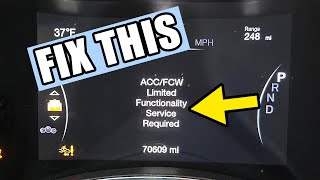
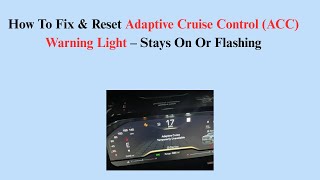
- "ACC UNAVAILABLE" message on the instrument cl 🎬 Watch: How to fix the ACC unavailable warninguster
- Adaptive Cruise Control system does not engage or function
- The Check Engine Light may be illuminated
- Other intermittent electrical issues, like flickering lights or random warning messages, due to unstable voltage
- Replacing the cruise control switch on the steering wheel.
- Diagnosing an immobilizer or key transponder issue (this is the meaning on other car brands, but not Dodge).
Most Likely Causes
- Weak or Failing Battery 🔴 High Probability → Shop Vehicle Battery The electronic modules on this platform are highly sensitive to voltage drops. An aging battery that cannot maintain stable voltage during engine start or under load can easily trigger this momentary power loss at the ACC module. Modern Dodge vehicles place a high demand on battery capacity.
How to confirm: Test the battery voltage with a multimeter. A healthy battery should read approximately 12.4V or higher with the engine off and 13.7-14.7V with the engine running. During engine cranking, the voltage should not drop below 10.5V. Many auto parts stores can perform a load test for free to confirm the battery's health.
Typical fix: Replace the vehicle's battery. A 2007 Charger SRT8 owner on LXForums.com reported that replacing a 5-year-old battery was the ultimate fix for a persistent P1614 code.
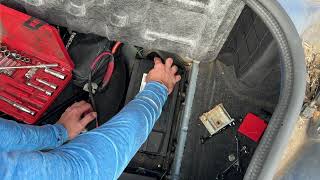
Est. part cost: $150-$250 - Loose or Corroded Battery Terminals/Grounds 🟡 Medium Probability → Shop Vehicle Battery The battery in the Dodge Magnum is located in the trunk, and connections can sometimes be overlooked. A loose terminal or a corroded ground strap can create intermittent voltage drops sufficient to trigger the code. Corrosion can sometimes be hidden from a quick visual inspection.
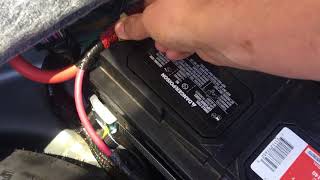
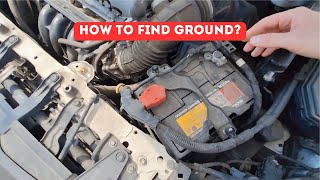
How to confirm: Visually inspect the battery terminals for corrosion (white or greenish buildup). Physically attempt to wiggle the battery cable clamps; they should not move. Trace the main ground cable from the battery to the chassis and ensure the connection is clean and tight. An owner on LXForums.com fixed their intermittent P1614 by removing and cleaning a positive battery terminal that looked fine on the surface but was corroded underneath.
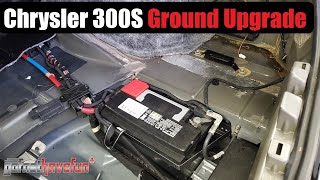
Typical fix: Clean the battery terminals and cable ends with a wire brush and ensure they are securely tightened. Clean and secure chassis ground points. 🎬 See: How to upgrade and clean your electrical grounds A user on Chargerforums.com resolved their P1614 and other electrical issues by discovering and tightening a loose ground strap on the passenger side of the engine block.
Est. part cost: $5-$15 - Poor Connection at the ACC Module ⚪ Low Probability The ACC module is located at the front of the vehicle, often behind the grille or in the lower bumper area, exposing its wiring to potential moisture and vibration over time. An aftermarket grille that blocks the sensor can also cause issues.
How to confirm: Disconnect the ACC module harness connector and inspect for corrosion, moisture, or pushed-out pins. With the engine running, use a test light or multimeter to verify a stable power supply (on the Fused Ignition circuit, often F202) and a solid ground (on the Ground circuit, often Z901), wiggling the harness to check for intermittent faults.
Typical fix: Clean the connector with electrical contact cleaner and apply dielectric grease. Repair any damaged wiring found during inspection.
Est. part cost: $10-$30
Rare But Worth Checking
- Failing Alternator: If the battery tests good but the voltage is low or fluctuates wildly while the engine is running (e.g., outside the 13.7-14.7V range), the alternator may not be charging correctly, causing system-wide voltage instability.
- Faulty ACC Module: This is rare. The module itself can fail, but this should only be considered after all power and ground circuits have been thoroughly tested and confirmed to be good.
Diagnosis Steps
- Read the DTCs with a scan tool to confirm P1614 is present and note if it is 'active' or 'stored'.
- Perform a battery health test. Check the voltage with the engine off (should be >12.4V) and running (should be 13.7-14.7V). A load test is highly recommended.
- Inspect the battery terminals in the trunk. Remove the connectors completely to check for hidden corrosion. Ensure they are clean and tight.
- Inspect the main chassis ground connection in the trunk and the engine bay ground straps for corrosion and tightness.
- If the battery and connections are good, locate the Adaptive Cruise Control (ACC) module. It is typically mounted in the center of the vehicle, behind the lower front grille.
- Disconnect the ACC module's electrical connector. Inspect for any signs of corrosion, water intrusion, or damaged pins.
- With the engine running, carefully test for stable power and ground at the ACC connector using a multimeter or test light, referencing a vehicle wiring diagram. Wiggle the harness during testing to identify any intermittent connections.
- If power and ground are stable and the code persists, the ACC module itself may be faulty, but this is the least likely cause.
Parts You'll Likely Need
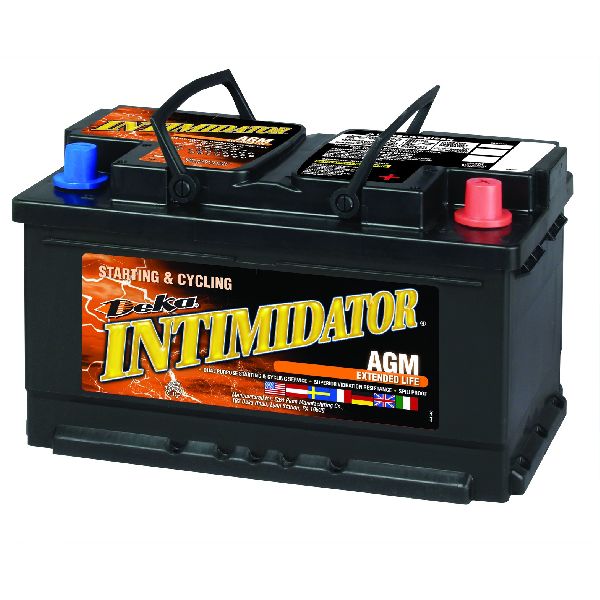
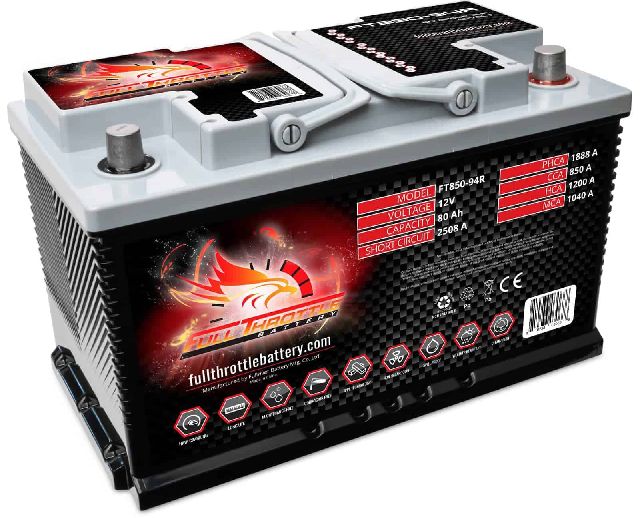
- AGM Battery — A weak or failing battery is the most common cause of the momentary voltage drop that triggers P1614 on this platform.
Trusted brands: Deka, Odyssey, Bosch, DieHard
OEM price range: $200-$300
Aftermarket price range: $150-$250
Related Codes That Often Appear With This One
- P0562 —
- U0100 —
Mechanic-Grade Diagnostic Values
- ACC Module Connector Pin 1 (Ground Circuit Z901) to Chassis Ground — expected: Less than 5.0 ohms. Failure: High resistance indicates a poor ground connection, which is a primary cause of intermittent power loss.
- ACC Module Connector Pin 2 (Fused Ignition Circuit F202) to Chassis Ground — expected: Battery voltage (13.7-14.7V) with key on, engine running.. Failure: No voltage or a fluctuating voltage reading points to a problem in the power feed from the main fuse box (Integrated Power Module).
Scan Tool Commands That Help
- wiTECH: Reprogram ACC Module — This is rarely a fix for P1614, which is almost always a power supply issue. However, if a specific Technical Service Bulletin (TSB) calls for a software update to address ACC behavior, this function would be used. It is not a standard diagnostic step for a P1614 code alone.
Wiring & Ground Locations
- ACC Module Connector — Mounted low and centrally at the front of the vehicle, typically behind the lower grille or front fascia.. This is the point of failure where the power interruption is detected. Testing Pin 1 (Ground, Z901 circuit, BK/DG wire) and Pin 2 (Power, F202 circuit, PK/YL wire) here confirms if the module is receiving stable power.
- Main Battery Ground — In the trunk, near the battery on the passenger side. The main negative cable bolts directly to the chassis/cargo pan.. Corrosion or looseness at this primary ground point (often designated G302 or G303) can cause vehicle-wide voltage drops that trigger this code.
- Engine Ground Strap — A braided strap typically running from the passenger side of the engine block or cylinder head to the chassis/firewall.. This ground is critical for stabilizing the electrical system while the engine is running. Forum users have repeatedly fixed P1614 by finding and tightening this specific strap after battery checks passed.
- G102 — A common engine bay ground point, often located on the right (passenger) side of the engine compartment on the frame rail or inner fender.. Multiple components share this ground. While not the direct ground for the ACC module, a poor connection here can introduce electrical noise and instability into the system.
Real Owner Repair Stories
- Chargerforums.com user (2006-2010 Dodge Charger (LX Platform sibling)) — Persistent P1614 code and other intermittent electrical issues.
❌ Tried (didn't work) Initial visual inspection of battery terminals.
✅ What actually fixed it The owner discovered a loose main ground strap located on the passenger side of the engine block. Tightening this connection resolved all electrical problems, including the P1614 code. - LXForums.com user (Dodge Magnum/Charger/300 (LX Platform)) — Intermittent "ACC UNAVAILABLE" message and stored P1614 code.
❌ Tried (didn't work) A simple visual check of the battery terminals, which appeared clean.
✅ What actually fixed it The owner completely removed the positive battery terminal clamp in the trunk and found significant corrosion hidden underneath the clamp, which was causing an intermittent connection. Cleaning the terminal and clamp thoroughly and re-securing it permanently fixed the issue.
Model Year Variations Within This Range
- 2008: The 2008 Dodge Magnum received a minor exterior and interior facelift, including a revised dashboard. However, the underlying LX platform electrical architecture, including the location of the battery, ACC module, and critical ground points related to P1614, remained unchanged from the 2005-2007 models.
Diagnostic Flowchart
Other Known Issues on This Vehicle
Issues unrelated to this code that are worth knowing about as an owner of this generation:
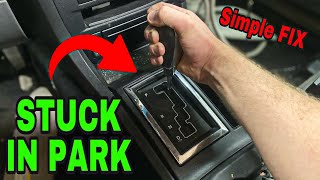
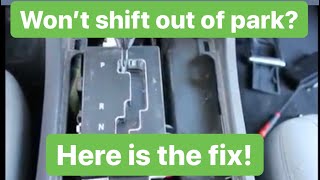
- Shifter Stuck in Park ('Pink Thingy' Failure) 🔴 High — Very common on 2005-2007 models. A small plastic park interlock lever inside the shifter assembly breaks, preventing the shifter from moving out of Park. (Ref: No recall, but a well-known issue. Aftermarket metal replacement parts (e.g., Dorman 924-706) are a popular and permanent fix.)
- Premature Front Tie Rod End Wear 🟠 Medium — Common failure point, sometimes in as little as 30,000 miles. Symptoms include clunking noises from the front end, loose or vague steering, and uneven tire wear. (Ref: No recall; considered a wear-and-tear item. It is recommended to replace them in pairs and perform a wheel alignment afterward.)
- Water Intrusion into NAG1 Transmission 🔴 High — On some models, the A/C condenser drain can drip onto the transmission dipstick tube, allowing water to get past the seal and contaminate the fluid. (Ref: TSB 21-006-03 was issued in Feb. 2006 related to this problem.)
- Erroneous Check Engine Light / Drivability Issues 🟡 Low — Many electrical and shifting problems on this platform can be resolved with software updates to the Powertrain Control Module (PCM) or Transmission Control Module (TCM). (Ref: Multiple TSBs exist for software updates to address various issues.)
Used vs. New Parts: Buying Guide for This Vehicle
When a used part is the smart pick: For this code, the primary failure is almost always the battery or a connection, for which new parts are required. If the extremely rare case of a faulty ACC module occurs, a used module from a reputable salvage yard is a viable option, as they are generally not VIN-locked or require complex programming on this platform.
Donor-vehicle mileage cap: roughly under 75000 miles for the part to have meaningful remaining life.
What to inspect on the donor part:
- For a used ACC module, ensure the donor vehicle shows no signs of front-end collision damage.
- Inspect the connector pins on the used module for any corrosion, moisture damage, or physical bending.
- Match the part number exactly with your original module.
Aftermarket brands forum-validated for this vehicle:
- Battery: Odyssey, Deka, Bosch, DieHard (AGM type recommended)
Brands owners have reported issues with on this vehicle:
- For batteries, avoid unknown or deeply discounted brands, as this platform's sensitive electronics demand stable voltage.
Real Owner Stories
Aggregated from forums and TSBs cited above. Mileages and costs reflect what owners reported in those sources.
2007 Dodge Charger SRT8
Symptoms: Persistent P1614 code and electrical instability.
What fixed it: Replacing a 5-year-old battery that was no longer providing stable voltage.
Source hint: LXForums.com
2006 Dodge Magnum
Symptoms: Intermittent P1614 code; battery terminal appeared fine on the surface.
What fixed it: Removing and cleaning the positive battery terminal which had hidden corrosion underneath the clamp.
Source hint: LXForums.com
2006 Dodge Charger
Symptoms: P1614 code along with other random electrical gremlins.
What fixed it: Tightening a loose ground strap found on the passenger side of the engine block.
Source hint: Chargerforums.com
Related OBD-II Codes
Frequently Asked Questions
Where is the battery located on my 2005-2008 Dodge Magnum, and why does it cause the P1614 code?
My Magnum is stuck in Park and won't move. Is this related to the P1614 code?
Does TSB 21-006-03 apply to my Dodge Magnum's transmission issues?
Can an aftermarket grille cause the P1614 code on my Magnum?
I see a 'ACC UNAVAILABLE' message but my battery looks fine. What else should I check?
Are there any software updates for the Dodge Magnum to fix random Check Engine Lights?
Helpful Videos

We Have This Part in Stock



The information in this article is provided for general reference and educational purposes only. Vehicle specifications, procedures, and part compatibility can vary by production date, trim level, and region. Always consult your vehicle's factory service manual and verify part numbers before purchasing or performing repairs. Safety-critical components such as airbags, seat belts, and braking systems should be installed by a qualified professional.
- Dodge Magnum:
- 🧭 Diagnostic Flowchart
- 🎬 Helpful Videos
- 🛍️ Shop This Part
- What's Unique About the 2005-2008 Dodge Magnum
- Symptoms You May Notice
- Most Likely Causes
- Rare But Worth Checking
- Diagnosis Steps
- Parts You'll Likely Need
- Related Codes That Often Appear With This One
- Mechanic-Grade Diagnostic Values
- Scan Tool Commands That Help
- Wiring & Ground Locations
- Real Owner Repair Stories
- Model Year Variations Within This Range
- Other Known Issues on This Vehicle
- Used vs. New Parts: Buying Guide for This Vehicle
- Real Owner Stories
- 2007 Dodge Charger SRT8
- 2006 Dodge Magnum
- 2006 Dodge Charger
- Related OBD-II Codes
- Frequently Asked Questions
- 🎟️ Get 5% Off