

P1614 on 2010-2019 Ford Taurus: PATS Immobilizer Fault Causes and Fixes
Code P1614 on a 2010-2019 Ford Taurus means the anti-theft system (PATS) has failed, preventing the engine from starting. The most common cause is a faulty key transponder or a dead battery in the key fob. Always try your spare key first, as this is the simplest diagnostic step.
- P1614 means your car is in anti-theft mode and will not start.
- The first and easiest step is to try your spare key. If it works, your primary key has failed.
- Check your car's main battery; low voltage can cause this fault.
- Fixing this code almost always requires a trip to a dealer or an automotive locksmith with the proper equipment to program keys and diagnose the PATS system.
What's Unique About the 2010-2019 Ford Taurus
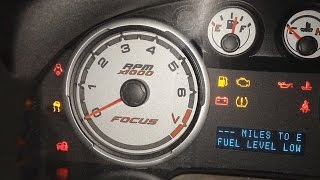
The 2010-2019 Ford Taurus uses Ford's standard Passive Anti-Theft System (PATS), which is common across many models from this era, including its D3 platform mates like the Ford Flex and Lincoln MKS. Unlike some other Fords like the Focus or Mondeo which are known for specific, chronic failures (like instrument cluster solder joints) that trigger a P1614 code, the Taurus from this generation does not have a widely documented, single point of failure for this issue. Therefore, diagnosis follows the standard procedure for PATS faults, typically starting with the key itself, then the transceiver antenna, and wiring.
Symptoms You May Notice
- Engine will not start or cranks but does not fire up.
- Rapidly flashing theft or security indicator light on the dashboard (typically flashes quickly for about a minute then flashes a two-digit code).
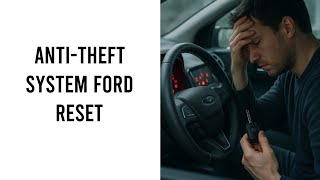
- Engine may start and then immediately stall. 🎬 Watch: How to reset the Ford anti-theft system
- Remote key fob functions (lock/unlock) may work, but the car still won't start.
- A 'No Key Detected' message may appear on the instrument cluster display for models with push-button start.
- Replacing the starter motor when the engine won't crank. The PATS system is designed to prevent the starter from engaging or the fuel system from activating, so the root cause is electronic, not mechanical.
- Replacing the battery without confirming it's the cause. While a weak battery can trigger the code, it's important to test it first.
Most Likely Causes
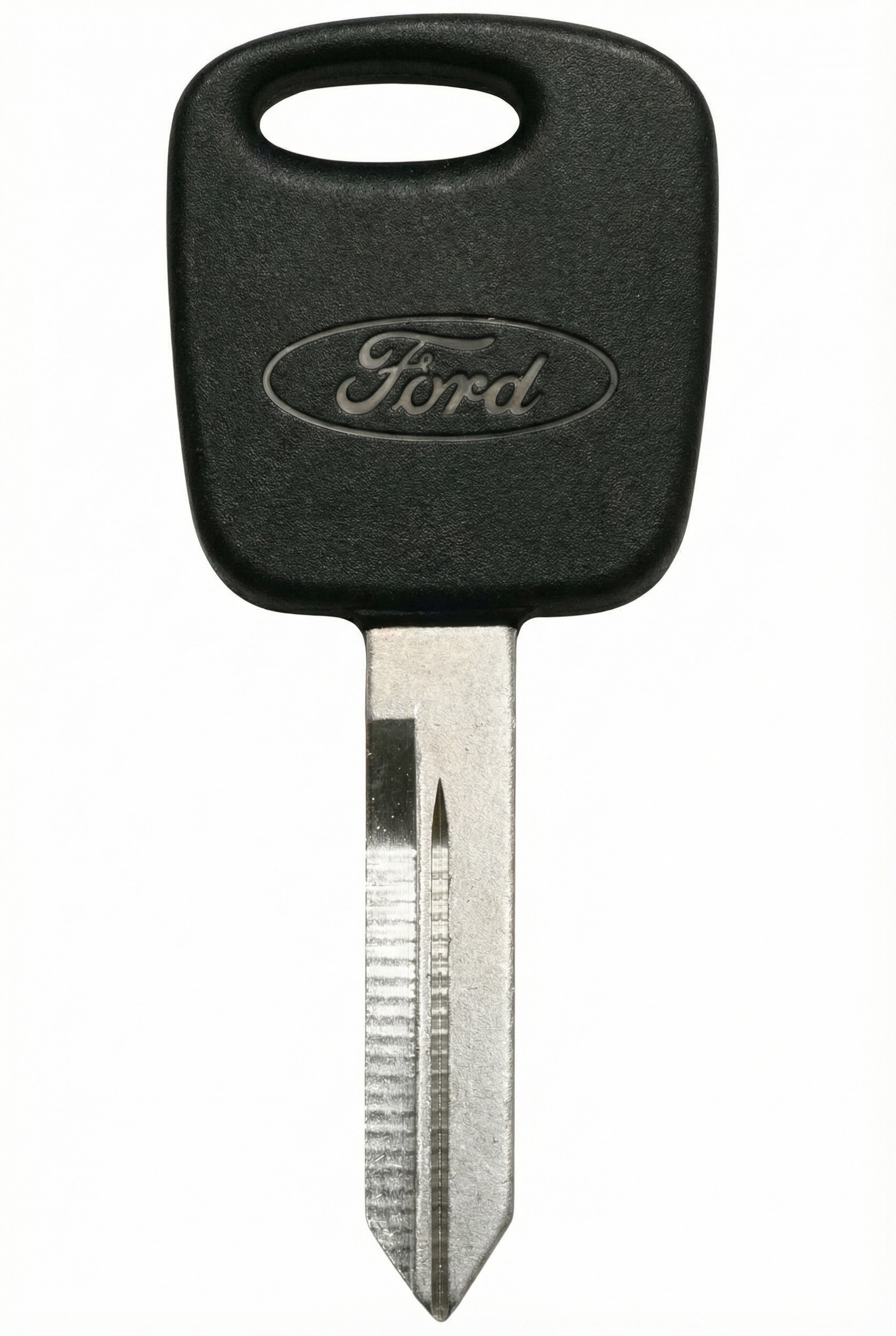
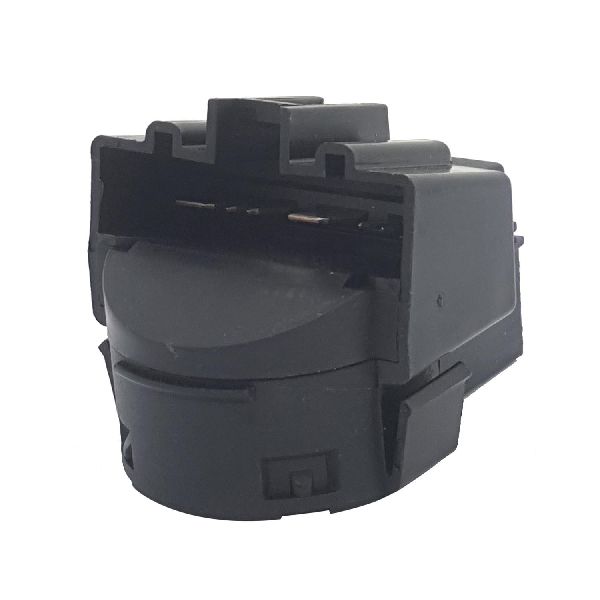
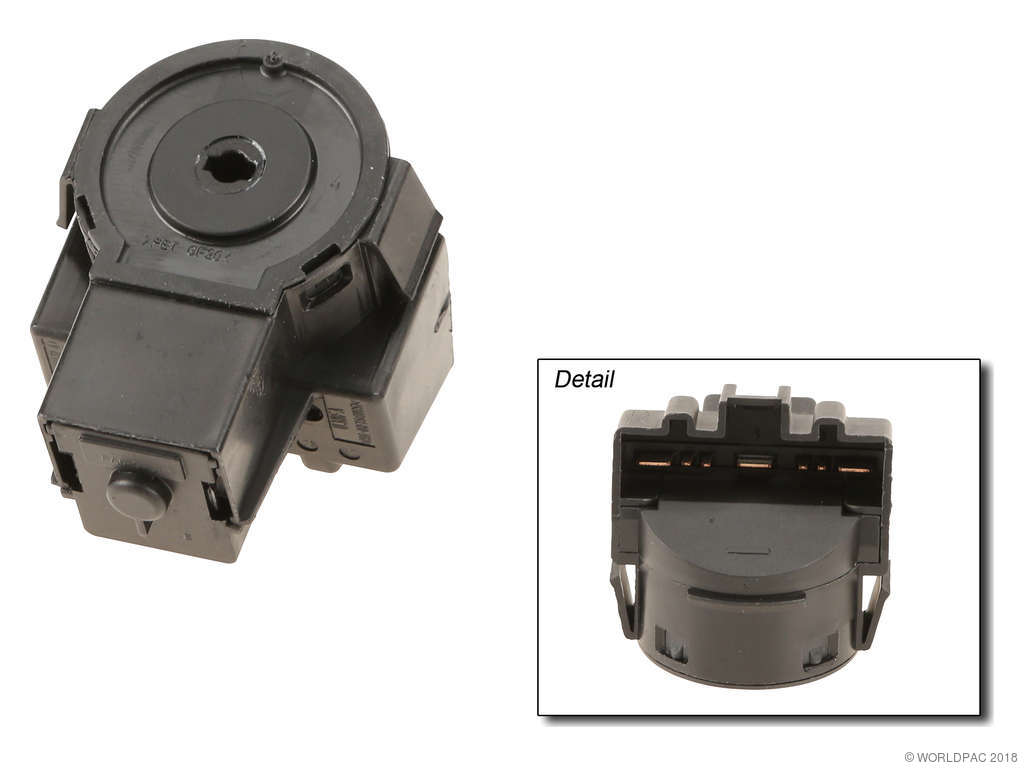
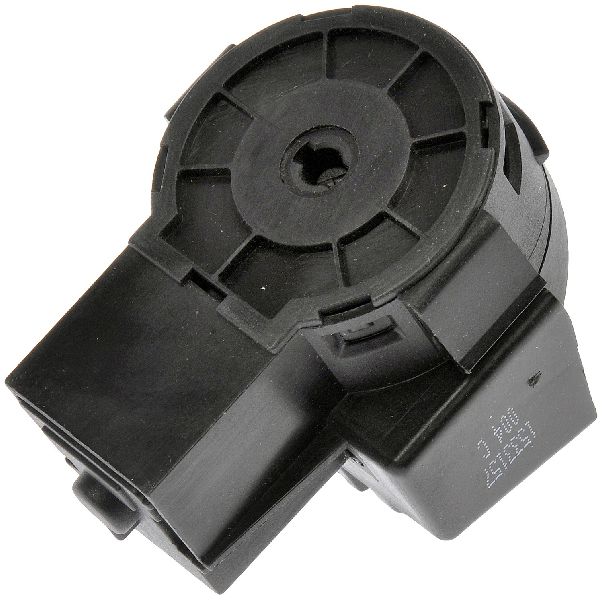
- Defective or Damaged Ignition Key 🔴 High Probability → Shop Ignition Switch The transponder chip inside the plastic key head can be damaged from being dropped, exposed to moisture, or the key's internal battery may fail on integrated key fobs, preventing it from sending a signal.
How to confirm: Try starting the vehicle with a spare key. If the spare key works, the original key is faulty. An automotive locksmith can also test the transponder chip directly.
Typical fix: Replace and program a new key. This requires a professional locksmith or dealer if you don't have two working keys.
Est. part cost: $70-$250 - Faulty PATS Transceiver Antenna 🟡 Medium Probability The transceiver is a simple antenna ring around the ignition lock cylinder. It's an electronic component that can fail with age or due to electrical issues, preventing it from reading the key's chip.
How to confirm: A professional scan tool is needed to monitor the transceiver's output signal during a starting attempt. A lack of signal points to a faulty transceiver or its wiring. The transceiver itself does not store vehicle data and can be swapped with a matching part number for testing.
Typical fix: Replace the PATS transceiver antenna ring. This part is relatively inexpensive and easy to access behind the steering column shrouds.
Est. part cost: $40-$90 - Low Vehicle Battery Voltage 🟡 Medium Probability → Shop Vehicle Battery Modern vehicles are sensitive to voltage. If the main 12V battery is weak (below 12.4V), it can cause unpredictable communication errors between various modules, including the PATS, Instrument Cluster, and PCM, leading to a false anti-theft event.
How to confirm: Test the main vehicle battery with a multimeter or battery tester. A reading below 12.4 volts at rest indicates a weak battery that needs charging or replacement.
Typical fix: Recharge or replace the vehicle's 12V battery.
Est. part cost: $150-$250 - Wiring or Connector Issues ⚪ Low Probability Vibrations and age can lead to loose connections or chafed wires in the harness between the PATS transceiver, instrument cluster, and PCM. The connector at the transceiver itself is a common point to check.
How to confirm: Visually inspect the wiring harness around the steering column and ignition cylinder. Check for continuity and shorts using a multimeter on the transceiver connector pins.
Typical fix: Repair or replace the damaged section of the wiring harness or clean and secure the connector.
Est. part cost: $10-$500
Rare But Worth Checking
- Failed Powertrain Control Module (PCM): This is the least likely cause. The PCM is a robust component and should only be considered after all other possibilities, including wiring, have been exhaustively checked.
- Failed Instrument Cluster (IC): → Shop Instrument Cluster While a common cause on other Ford models, this is less frequent but still possible on the Taurus. The instrument cluster is part of the PATS communication chain, and internal failures can disrupt the signal and cause codes like U0155 alongside P1614.
- Hidden/Failed Immobilizer Bypass: A previous owner may have taped a transponder chip or a full key under the steering column trim to enable a non-chipped remote starter. If this chip falls off, is damaged, or its bypass module fails, the system will be immobilized.
- Blown Fuse: In some cases, a single blown fuse that supplies power to multiple components in the PATS communication chain can cause a cascade of communication errors, including P1614.
Diagnosis Steps
- Attempt to start the vehicle with all available keys. If a spare key works, the primary key is the problem.
- Check the vehicle's main 12V battery. Ensure it is fully charged (above 12.4V) and the terminals are clean and tight.
- Observe the theft light on the dashboard. Note its flashing pattern. 🎬 Watch: How to read PATS dashboard flash codes A rapid flash indicates a PATS fault. After about a minute, it may flash a two-digit code (e.g., 1-3 for 'key code not received').
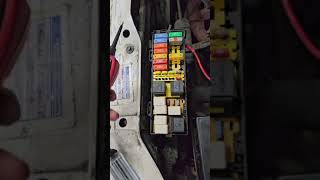
- Inspect fuses related to the ignition, instrument cluster, and engine controls in the passenger compartment and under-hood fuse boxes.
- Visually inspect the wiring around the ignition cylinder and under the steering column for any signs of damage, aftermarket devices (like a failed remote starter), or a hidden bypass key that may have fallen.
- If the above steps do not resolve the issue, use a professional-grade scan tool (like FORScan for Fords) to access the PATS, BCM, and PCM modules.
- Check for other related trouble codes (DTCs), especially B1600, B1601, or U-series codes.
- Use the scan tool to monitor the live data from the PATS transceiver while attempting to start with a known good key.
- If you have two working keys, you can program a third key yourself following the owner's manual procedure. If not, a locksmith or dealer is required.
- If necessary, perform a 'Parameter Reset' with the scan tool and reprogram a minimum of two keys to the vehicle.
Parts You'll Likely Need
- Transponder Ignition Key
(OEM #164-R8073 (Example, verify by VIN))— The transponder chip in the key is the most common point of failure for this code.
Trusted brands: Motorcraft, Strattec
OEM price range: $70-$150
Aftermarket price range: $30-$80 - PATS Transceiver Antenna
(OEM #BT4Z-15607-A (For models w/o push button start, verify by VIN))— This antenna reads the key chip. If it fails, the PCM never receives the key's security code.
Trusted brands: Motorcraft
OEM price range: $60-$100
Aftermarket price range: $40-$70
Related Codes That Often Appear With This One
- B1600 — This code specifically means 'PATS Ignition Key Transponder Signal is Not Received' and often appears with P1614, pointing directly to a key or transceiver issue.
- B1601 — Indicates an unprogrammed key was used. This will appear if you try to start the car with a new, uncut key or a key that has lost its programming.
- U0155 — This code indicates 'Lost Communication With Instrument Panel Cluster (IPC)'. If the instrument cluster is the source of the PATS failure, this code may be present.
Platform-Specific Known Issues
- Owner Experience: Intermittent No-Start Resolved with New Key: A user on a Ford forum described a situation where their 2013 Taurus would intermittently fail to start, showing a flashing theft light. After trying the spare key for a week with no issues, they had a new key cut and programmed, which permanently solved the problem. The original key's transponder was likely failing.
- DIY Repair: Transceiver Replacement: A YouTube video for a related Ford model showed that replacing the PATS transceiver ring is a straightforward DIY job. The part is held by a few clips or screws under the steering column cover and does not require programming, making it a cost-effective part to replace during diagnosis.
Mechanic-Grade Diagnostic Values
- PATS Transceiver Power — expected: Greater than 10 volts with key ON or OFF.. Failure: Voltage below 10V indicates a power supply issue (fuse, wiring).
- PATS Transceiver Ground Circuit Resistance — expected: Less than 5 ohms between the ground pin on the connector and a known good chassis ground.. Failure: Resistance higher than 5 ohms points to a corroded or loose ground connection.
- PATS Transceiver Communication Lines (TX/RX) Resistance to Ground — expected: Greater than 10,000 ohms with the PCM and transceiver disconnected.. Failure: Resistance below 10,000 ohms indicates a short to ground in the wiring harness.
Hidden / Shadow Codes Worth Checking
- Flash Code 1:3: Key code not received. Can indicate a damaged key, a key without a transponder chip, or an obscured key. (see via After turning the key to ON, the PATS indicator light will flash rapidly for approximately one minute, then it will pause and begin to blink out a two-digit code. This code is one flash, a pause, then three flashes, repeated ten times.)
- Flash Code 1:4: Partial key code received. Can indicate a damaged or faulty key. (see via The PATS indicator light will flash one time, pause, then flash four times, repeating the sequence.)
- Flash Code 1:6: Faulty link between the PATS module (in the Instrument Cluster) and the PCM. (see via The PATS indicator light will flash one time, pause, then flash six times, repeating the sequence.)
- Flash Code 2:1: Fewer than the minimum required keys (usually two) are programmed into the system's memory. (see via The PATS indicator light will flash two times, pause, then flash one time, repeating the sequence.)
Scan Tool Commands That Help
- FORScan / Ford IDS: Parameter Reset — This is a mandatory security procedure required when the PCM, Instrument Cluster, or BCM has been replaced. It re-synchronizes the security data between the modules. The process involves a mandatory 10-12 minute security access wait time.
- FORScan / Ford IDS: PATS Programming / Erase and Program Keys — Used when all keys are lost or when you need to ensure only known keys will work. It erases all keys from memory and requires you to program a minimum of two keys back into the system.
- FORScan / Ford IDS: PATS Module Self-Test — This command polls the PATS module for specific fault codes (like B1600, B1601, B1602) that are more detailed than the generic P1614. It's useful for determining if the issue is a non-programmed key (B1601) vs. an unreadable key (B1600).
- Ford IDS: Cluster Reset/Prove-out after Parameter Reset — After a successful Parameter Reset, it is critical to wait for the instrument cluster to perform its own reset (often seen as a gauge needle sweep or 'flutter') before cycling the ignition key off. Turning the key off too soon can cause the procedure to fail, forcing another 10-minute security wait.
Wiring & Ground Locations
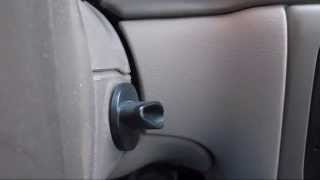
- PATS Transceiver Connector — A 4-pin connector on the plastic ring antenna located around the ignition lock cylinder, under the steering column shrouds.. This is the primary connection point for the component that reads the key. Testing for power, ground, and signal continuity at this connector is a key diagnostic step.
- Transceiver Pinout (Typical) — On the harness-side connector for the PATS transceiver.. Pin 1: Power (often Red/Yellow) should have >10V. Pin 2: Ground (often Black) should have <5 Ohms to chassis ground. Pin 3: Receive (RX) from PCM. Pin 4: Transmit (TX) to PCM. Knowing the pinout allows for precise electrical testing.
- G200 / G201 — Under the center console.. These are major interior ground points for multiple modules. A loose or corroded ground here can cause a wide range of communication issues, including PATS faults.
- G100 / G101 — On the right and left front of the engine compartment, respectively.. These are primary engine bay grounds. A poor ground at G100 could affect the PCM, which is a critical part of the PATS handshake.
OEM Part Supersession History
BT4T-15607-AA→BT4Z-15607-A— Standard part number revision.
Heads up: These parts are generally interchangeable for the specified applications, but it is always critical to verify fitment by VIN. This part is for models without push-button start.
Model Year Variations Within This Range
- 2013-2019: The 2013 model year facelift introduced updated electronics, including potentially different BCM and IPC modules. The PATS transceiver part number BT4Z-15607-A is specifically listed for 2013-2019 models, suggesting pre-facelift (2010-2012) cars may use a different part.
- 2010-2019: Models equipped with Intelligent Access (push-button start) have a more complex PATS system with multiple interior antennas and a backup key slot inside the center console or glovebox for emergency starts. Diagnosis differs from the standard key-in-ignition system which uses a single transceiver ring.
Diagnostic Flowchart
Other Known Issues on This Vehicle
Issues unrelated to this code that are worth knowing about as an owner of this generation:
- Internal Water Pump Failure (3.5L/3.7L V6) 🔴 High — Common after 80,000-120,000 miles. The pump is internal and driven by the timing chain. Failure can cause coolant to mix with engine oil, leading to catastrophic engine damage.
- Power Transfer Unit (PTU) Fluid Leak/Failure (AWD Models) 🔴 High — Common across the vehicle's life. The PTU can leak from axle seals or overheat due to a small fluid capacity and lack of a drain plug, leading to expensive failure. (Ref: TSB 09-25-7, TSB 18-2255)
- Electronic Throttle Body (ETB) Failure 🟠 Medium → Shop Fuel Injection Throttle Body — Can occur at various mileages, causing sudden limp mode, stalling, or lack of acceleration. (Ref: Customer Satisfaction Program 16B32, TSB SSM 46085)
- Transmission Failure (6F50/6F55) 🟠 Medium — Some 2015-2016 models noted for internal component failure leading to loss of Reverse, 3rd, or 5th gear, requiring a rebuild or replacement.
- Turbocharger Oil Line Leaks (EcoBoost Models) 🟡 Low — Oil leaks can develop from the turbo oil supply or return lines. While not immediately critical, a leak onto hot exhaust components poses a fire risk. (Ref: SSM 49210, SSM 47948)
Used vs. New Parts: Buying Guide for This Vehicle
When a used part is the smart pick: A used PATS transceiver antenna from a salvage yard is a smart, cost-effective choice. It is a non-programmed part and can be swapped directly as long as the part number is an exact match.
Donor-vehicle mileage cap: roughly under 150000 miles for the part to have meaningful remaining life.
What to inspect on the donor part:
- Verify the part number on the used transceiver matches your original part exactly.
- Inspect the plastic ring for any cracks or heat damage.
- Check the electrical connector for bent, corroded, or broken pins.
OEM-only on this vehicle (don't cheap out):
- Ignition Keys (Transponders)
- Powertrain Control Module (PCM)
- Body Control Module (BCM)
- Instrument Panel Cluster (IPC)
Aftermarket brands forum-validated for this vehicle:
- Strattec (for keys)
- Huf (for keys)
Brands owners have reported issues with on this vehicle:
- Unbranded, generic transponder keys from online marketplaces like eBay or Amazon. They are known to have inconsistent signal quality, may fail to program, or can lose their programming over time.
Real Owner Stories
Aggregated from forums and TSBs cited above. Mileages and costs reflect what owners reported in those sources.
2013 Ford Taurus
Symptoms: The vehicle would intermittently fail to start and showed a flashing theft light on the dashboard.
What fixed it: The owner used a spare key for a week without issues, confirming the original key's transponder was failing. They had a new key cut and programmed to permanently solve the problem.
Source hint: vehicle_specific_issues: Owner Experience: Intermittent No-Start Resolved with New Key
Related OBD-II Codes
Frequently Asked Questions
My 2013 Taurus won't start and the theft light is flashing rapidly. Does this mean my key is broken?
I'm seeing a 'No Key Detected' message on my push-button start Taurus. Is this related to P1614?
Can a weak car battery cause a PATS anti-theft event on a Ford Taurus?
Do I need to program the PATS transceiver antenna if I replace it myself?
Are there any TSBs for the Power Transfer Unit (PTU) on my AWD Taurus that might be related to electrical codes?
What does it mean if the theft light flashes rapidly for a minute and then flashes a two-digit code like 1-3?
Helpful Videos
Used OEM Parts in Stock
New Aftermarket Parts Available


The information in this article is provided for general reference and educational purposes only. Vehicle specifications, procedures, and part compatibility can vary by production date, trim level, and region. Always consult your vehicle's factory service manual and verify part numbers before purchasing or performing repairs. Safety-critical components such as airbags, seat belts, and braking systems should be installed by a qualified professional.
- Ford Taurus:
- 🧭 Diagnostic Flowchart
- 🎬 Helpful Videos
- 🛍️ Shop This Part
- What's Unique About the 2010-2019 Ford Taurus
- Symptoms You May Notice
- Most Likely Causes
- Rare But Worth Checking
- Diagnosis Steps
- Parts You'll Likely Need
- Related Codes That Often Appear With This One
- Platform-Specific Known Issues
- Mechanic-Grade Diagnostic Values
- Hidden / Shadow Codes Worth Checking
- Scan Tool Commands That Help
- Wiring & Ground Locations
- OEM Part Supersession History
- Model Year Variations Within This Range
- Other Known Issues on This Vehicle
- Used vs. New Parts: Buying Guide for This Vehicle
- Real Owner Stories
- 2013 Ford Taurus
- Related OBD-II Codes
- Frequently Asked Questions
- 🎟️ Get 5% Off