

P1614 on 2010-2021 Subaru Impreza: Immobilizer Failure Causes and Fixes
On a 2010-2021 Subaru Impreza, code P1614 means the car's anti-theft system can't recognize the key, preventing the engine from starting. The most common fix is trying a spare key. If that fails, the immobilizer antenna ring around the ignition is the next likely culprit, a relatively inexpensive part to replace. More complex issues involving the Body Integrated Unit (BIU) require dealer-level programming tools.
- P1614 on your Impreza means the car won't start because of an anti-theft system communication error.
- Always try your spare key first; it's the easiest and cheapest potential fix.
- The next most likely cause is a faulty immobilizer antenna ring around the ignition, which is a manageable DIY replacement for some.
- Any repair involving a new key or a new Body Integrated Unit (BIU) will require professional programming at a dealership or specialized shop.
- Do not mistake a P1614 no-crank symptom for a bad starter motor; the immobilizer is designed to prevent cranking.
What's Unique About the 2010-2021 Subaru Impreza
The immobilizer system on the Impreza is generally reliable, but like many modern vehicles, its components are electronically 'married' to each other. This means you can't simply swap a major component like the Body Integrated Unit (BIU) from another car. Any replacement BIU or new key requires a specific programming procedure using dealer-level software (like the Subaru Select Monitor) to register it to the vehicle's unique immobilizer identity. This security measure makes professional service necessary for some of the more complex fixes related to P1614. For newer models (approx. 2020+), this process is even more secure, requiring an authenticated connection to Subaru servers for programming.
Generation note: The 2010-2021 year range covers three generations of the Subaru Impreza: - 3rd Generation (2010-2011): These early models share some components with other Subarus of the era. - 4th Generation (2012-2016): This generation saw a significant redesign and the introduction of the FB series engine. - 5th Generation (2017-2021): Introduced a new global platform with updated electronics and security. While the function of the immobilizer system is the same across these generations, specific part numbers for components like the immobilizer antenna and BIU are different.
Symptoms You May Notice
- Engine will not crank or start.
- Engine cranks but will not start (fuel and/or spark is disabled).
- Security indicator light on the dashboard may be flashing rapidly or stay on solid when trying to start the car.
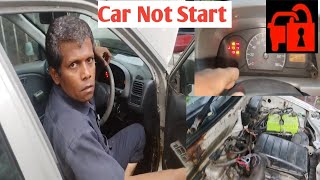
- The engine may start momentarily and then immediately shut off. 🎬 See: How code P1614 causes starting trouble
- Replacing the starter motor when the engine doesn't crank. The immobilizer system prevents the starter from engaging, so a no-crank condition is a symptom of P1614, not a faulty starter.
- Replacing the vehicle's main battery without diagnosing the immobilizer system first. While a very low battery can cause various electrical issues, P1614 points specifically to the security system.
- Condemning the ECM. While the ECM is part of the system, it is rarely the point of failure for this specific code. The key, antenna, and BIU are far more common culprits.
Most Likely Causes
- Defective or Unprogrammed Ignition Key 🔴 High Probability → Shop Ignition Switch The transponder chip in the key can be damaged from being dropped, or the key's battery (if applicable for keyless start models) may be dead. Aftermarket keys may not be programmed correctly or can lose their programming.
How to confirm: The simplest test is to try starting the vehicle with a spare key. If the spare key works, the original key is the problem. Also, ensure the key is not on a large keychain with other transponder keys or RFID cards, which can cause interference.
Typical fix: Replace the faulty key and have the new key professionally cut and programmed to the vehicle by a dealer or qualified automotive locksmith.
Est. part cost: $125-$370 - Faulty Immobilizer Antenna Ring 🟡 Medium Probability → Shop Antenna The antenna is a simple coil that reads the key chip. Over time, the internal wiring can develop an open circuit or high resistance, leading to an inability to read the key's signal.
How to confirm: A mechanic can use a specialized scan tool to check for a signal from the antenna. A multimeter can be used to check the resistance of the antenna coil; a typical reading should be low, around 10 Ohms. A visual inspection of the wiring and connector at the ignition switch can also reveal damage.
Typical fix: Replace the immobilizer antenna ring located around the ignition cylinder. This part is typically not expensive and is accessible after removing the steering column covers.
Est. part cost: $70-$120 - Wiring or Connection Issues ⚪ Low Probability Vibrations or previous dash work can cause connectors between the immobilizer antenna, the BIU, and the ECM to become loose or corroded.
How to confirm: Perform a visual inspection and a 'wiggle test' on the connectors for the immobilizer antenna and the BIU. Check for continuity in the wiring harness with a multimeter if a wiring diagram is available.
Typical fix: Repair or clean the damaged wiring and secure any loose connectors.
Est. part cost: $5-$50
Rare But Worth Checking
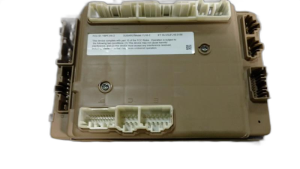
- Failing Body Integrated Unit (BIU): → Shop Body Control Module The BIU is the central computer for many of the car's electronics, including the immobilizer. While a failure is uncommon, it can cause P1614 and a host of other electrical gremlins like erratic lights, windows, or parasitic battery drain. This is an expensive repair as the new unit must be programmed by a Subaru dealer or a specialist with the correct equipment. In some cases, if all keys are not present, the BIU, ECM, and instrument cluster may need to be sent to Subaru for programming, significantly increasing the cost.
- Radio Frequency Interference (RFI): Strong radio frequency signals from other devices on the keychain (like other car keys, gate cards, or office access fobs) or nearby can sometimes interfere with the signal from the key's transponder. Try starting the car with only the ignition key, separated from other fobs or RFID cards.
- Low Vehicle Battery Voltage: → Shop Vehicle Battery A weak or failing car battery can cause a drop in voltage during cranking, which may lead to communication errors between the various control modules, including the immobilizer system. While not the root cause, it can trigger the code. Ensure the battery is fully charged and healthy before proceeding with more complex diagnostics.
Diagnosis Steps
- Try the Spare Key: This is the easiest and most important first step. If the spare key works, the problem is with your primary key.
- Check for Interference: Remove all other keys, fobs, and RFID cards from your keychain. Try to start the car with just the single Subaru key.
- Inspect the Vehicle Battery: Ensure the vehicle's battery is fully charged (above 12.4 volts) and the terminals are clean and tight. A weak battery can cause communication errors between modules.
- Scan for Codes: Use an OBD-II scanner to confirm P1614 is the only code present. Some advanced scanners may be able to read data from the immobilizer system directly.
- Observe Security Light: Pay close attention to the security light on the dashboard. A rapid flashing during a start attempt is a classic sign of key rejection.
- Inspect Immobilizer Antenna: Remove the steering column covers and visually inspect the immobilizer antenna ring and its wiring connector for any signs of damage or looseness. If you have a multimeter, check the resistance of the antenna coil (should be around 10 ohms).
- Professional Diagnosis: If the above steps do not resolve the issue, the vehicle should be taken to a qualified mechanic or a Subaru dealership. They will have the necessary tools (like the Subaru Select Monitor) to test the communication between the key, antenna, and BIU/ECM to pinpoint the exact faulty component.
Parts You'll Likely Need
- Ignition Immobilizer Antenna
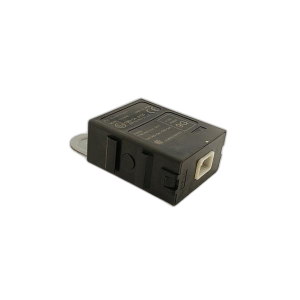
(OEM #88215AG000 (2010-2011), 88216FJ003 (2012-2016), 88216FL01B (2017-2021, standard key))— This component is responsible for reading the transponder chip in the key. Its internal coil can fail, causing a communication breakdown that triggers P1614.
Trusted brands: Subaru (OEM)
OEM price range: $70-$120
Aftermarket price range: N/A - Transponder Key — The chip inside the key can fail, or the key itself can be damaged, preventing it from sending the correct security code. A new key requires professional programming.
Trusted brands: Subaru (OEM)
OEM price range: $125-$370
Aftermarket price range: $70-$150 - Body Integrated Unit (BIU)
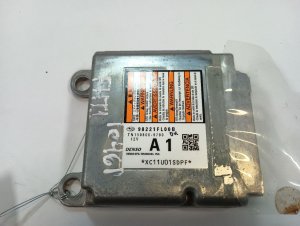
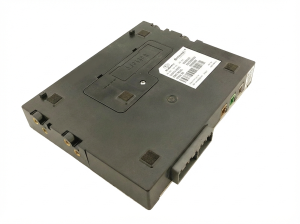
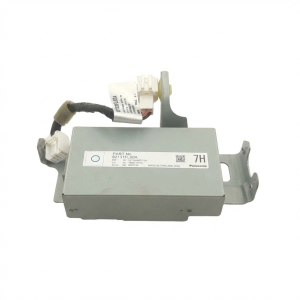
(OEM #e.g., 88281FJ500, 88281FJ520 (2012), 88281FJ540 (2014), 88281FJ280 (2016), 82201FL40B (2017))— In rare cases, the control module that manages the immobilizer system can fail, requiring replacement and professional programming. A used BIU cannot be easily swapped due to security protocols.
Trusted brands: Subaru (OEM)
OEM price range: $300-$500
Aftermarket price range: N/A (Used OEM available, requires specialized programming)
Related Codes That Often Appear With This One
- P1610: This code often appears on other makes like Nissan, indicating the immobilizer has entered 'Lock Mode' after multiple failed start attempts. While not a standard Subaru code, its presence on a multi-brand scan tool would strongly point to a key/immobilizer issue.
Technical Service Bulletins (TSBs) & Recalls
- Subaru Service Bulletin 07-103-16: 'Replacement Key and Immobilizer Information' - Provides an overview of the key and immobilizer system and directs technicians to the Subaru Lock Information Site (SLIS) for obtaining key and immobilizer codes for programming.
- Subaru Service Bulletin 15-246-19: Det
Mechanic-Grade Diagnostic Values
- BIU Power Supply Voltage (BATT Voltage) — expected: 10 - 15 V. Failure: Voltage below 10V points to a power supply problem to the module, such as a bad fuse, wiring, or a failing battery/alternator.
- BIU Backup Power Supply Voltage — expected: 10 - 15 V. Failure: Low voltage indicates an issue with the constant power supply to the BIU, which can cause it to lose memory and key programming.
- Immobilizer Antenna Coil Resistance — expected: < 10 Ω. Failure: A reading significantly higher than 10 Ohms or an open circuit (infinite resistance) indicates a failed antenna coil.
Scan Tool Commands That Help
- Subaru Select Monitor (SSM): Immobilizer Registration — This function is required after replacing the BIU or keys. It guides the technician through the process of teaching the car to recognize new transponder IDs.
- Subaru Select Monitor (SSM): System Operation Check Mode (Interface Check) — This diagnostic function verifies the communication line between the Engine Control Module (ECM) and the Body Integrated Unit (BIU) to confirm there are no shorts or open circuits in the wiring harness.
- Subaru Select Monitor (SSM): Read Diagnostic Trouble Code (DTC) from BIU — The BIU can store its own specific trouble codes that may not be visible with a generic OBD-II scanner. This is a critical step to check for codes related to internal BIU faults or specific communication errors.
- Subaru Select Monitor (SSM): Clear Memory — Used after a repair is completed to clear stored DTCs from both the ECM and the BIU.
Wiring & Ground Locations
- Body Integrated Unit (BIU) — Located under the driver's side dashboard, often behind or integrated with the in-cabin fuse box.. This is the central module for the immobilizer system. All wiring from the immobilizer antenna and communication lines to the ECM route to this unit. Loose connectors or poor grounds at the BIU are a potential cause of P1614.
- Immobilizer Antenna Connector — Directly on the immobilizer antenna ring that encircles the ignition lock cylinder, under the steering column covers.. This is the primary connection point for the component that reads the key. A loose or corroded connector here will directly cause a P1614 code.
- Data Link Connector — Lower portion of the instrument panel on the driver's side.. This is the connection point for the Subaru Select Monitor or other advanced scan tools needed to diagnose the immobilizer system, register keys, and check BIU-specific codes.
Real Owner Repair Stories
- Forum discussions (Various Subaru models, including Impreza) — No-start condition with P1614 after installing an aftermarket remote start system.
❌ Tried (didn't work) Replacing the key, Checking the immobilizer antenna
✅ What actually fixed it The aftermarket remote start system was improperly installed or had failed. The system often requires a bypass module that 'tricks' the car into thinking a key is present. When this module fails or its wiring interferes with the BIU, it can cause P1614. The fix was to properly diagnose, repair, or completely remove the aftermarket remote start system and its associated wiring.
OEM Part Supersession History
88205FL100, 88205FL101→88205FL102— Standard part revision and update by the manufacturer.
Heads up: These part numbers are for the immobilizer control module (sometimes called IMM ECU Assembly) on later generation models without keyless access. Always verify the correct part number for the specific vehicle's VIN, as there are many variations.
Model Year Variations Within This Range
- 2015-2021: The introduction of Keyless Access with Push-Button Start as an option on higher trim levels began with the 2015 Impreza. While the underlying principle is the same (verifying a transponder), the system components are different. Keyless Access uses multiple antennas within the vehicle to detect the key fob's presence, rather than just a single antenna ring at the ignition. The diagnostic process remains similar, but part numbers for keys, antennas, and control units are distinct between keyed and keyless systems.
Diagnostic Flowchart
Other Known Issues on This Vehicle
Issues unrelated to this code that are worth knowing about as an owner of this generation:
- Excessive Oil Consumption (FB Series Engines) 🔴 High — Common in 2012-2016 models with the FB20/FB25 engine. Can start as early as 40,000-60,000 miles. A class-action lawsuit was filed regarding this issue. (Ref: TSB 02-157-14R)
- CVT Transmission Failure or Hesitation 🔴 High — Prevalent in 4th generation (2012-2016) models. Symptoms include shuddering, hesitation, or complete failure. Subaru extended the CVT warranty for certain models due to these issues. (Ref: Subaru extended the CVT warranty to 10 years/100,000 miles for many affected vehicles.)
- Premature Wheel Bearing Failure 🟠 Medium — Common across multiple generations. Symptoms include a humming, growling, or roaring noise that increases with vehicle speed and may change pitch when turning. Failure can occur under 100,000 miles.
- CVT Valve Body Failure 🔴 High — A common cause for CVT issues, particularly in the 2012-2016 generation. Often presents with a Christmas tree of dash lights (AT Oil Temp, ABS, Hill Assist, etc.) and codes like P0700 and P2764. Repair is expensive, often costing over $2,000.
Used vs. New Parts: Buying Guide for This Vehicle
When a used part is the smart pick: A used Immobilizer Antenna is a perfectly acceptable and cost-effective repair, as it is a simple coil with no programming. A used Body Integrated Unit (BIU) can be a smart choice ONLY if you have access to a specialized service that can 'clone' the information from your original BIU's EEPROM chip to the used donor unit. This avoids expensive dealership programming.
Donor-vehicle mileage cap: roughly under 150000 miles for the part to have meaningful remaining life.
What to inspect on the donor part:
- For an Immobilizer Antenna, ensure the plastic housing is not cracked and the electrical connector pins are clean and straight.
- For a BIU, match the part number EXACTLY. Inspect the unit for any signs of water damage (corrosion on pins, water marks on the case), which is a common cause of failure.
OEM-only on this vehicle (don't cheap out):
- Transponder Keys: While aftermarket keys are available, they can have a higher failure rate and may lose programming. For maximum reliability, an OEM key from the dealer or a reputable automotive locksmith is strongly recommended.
- Body Integrated Unit (BIU): If not cloning your old unit, a new OEM unit is required. A used BIU from a junkyard cannot be simply installed and programmed by the dealer, as it is 'locked' to the donor vehicle's VIN.
Brands owners have reported issues with on this vehicle:
- Unbranded online marketplace keys: Keys from non-specialist online vendors often use low-quality transponder chips that can fail prematurely or be difficult to program.
Real Owner Stories
Aggregated from forums and TSBs cited above. Mileages and costs reflect what owners reported in those sources.
2016 Subaru Crosstrek
Symptoms: Vehicle experienced a no-crank/no-start condition. The dealer discovered a third, missing key was registered to the car's system, complicating the repair.
What fixed it: The dealer stated the Body Integrated Unit (BIU), ECU, and instrument cluster had to be sent to Subaru for service because of the registered missing key.
Cost: $2,000-$3,000
Source hint: Reddit r/subaru thread titled 'Dealer BIU replacement requiring ALL keys, total cost $3,000'
Subaru Impreza
Symptoms: Intermittent immobilizer issues where the remote fails to unlock the car, leading to a situation where the engine will not start.
What fixed it: The owner described frustrating faults with the remote and immobilizer system logic.
Source hint: ScoobyNet.com forum post 'frustrating immobiliser problems'
Related OBD-II Codes
Frequently Asked Questions
Does Subaru Service Bulletin 07-103-16 apply to my Impreza's immobilizer issue?
Can I use a used Body Integrated Unit (BIU) to fix a P1614 code on my Impreza?
Is it possible that my keychain is causing the P1614 security light to flash?
What is the typical resistance for a Subaru immobilizer antenna ring?
Will a weak car battery cause the P1614 code?
Can I replace the immobilizer antenna ring myself?
Helpful Videos

We Have This Part in Stock

The information in this article is provided for general reference and educational purposes only. Vehicle specifications, procedures, and part compatibility can vary by production date, trim level, and region. Always consult your vehicle's factory service manual and verify part numbers before purchasing or performing repairs. Safety-critical components such as airbags, seat belts, and braking systems should be installed by a qualified professional.
- Subaru Impreza:
- 🧭 Diagnostic Flowchart
- 🎬 Helpful Videos
- 🛍️ Shop This Part
- What's Unique About the 2010-2021 Subaru Impreza
- Symptoms You May Notice
- Most Likely Causes
- Rare But Worth Checking
- Diagnosis Steps
- Parts You'll Likely Need
- Related Codes That Often Appear With This One
- Technical Service Bulletins (TSBs) & Recalls
- Mechanic-Grade Diagnostic Values
- Scan Tool Commands That Help
- Wiring & Ground Locations
- Real Owner Repair Stories
- OEM Part Supersession History
- Model Year Variations Within This Range
- Other Known Issues on This Vehicle
- Used vs. New Parts: Buying Guide for This Vehicle
- Real Owner Stories
- 2016 Subaru Crosstrek
- Subaru Impreza
- Related OBD-II Codes
- Frequently Asked Questions
- 🎟️ Get 5% Off