

OBD-II Code P1617: Highly Variable Manufacturer-Specific Fault
What P1617 means, why it triggers, and how to fix it across different makes
- Always use a scanner with manufacturer-level definitions before buying parts, as P1617 means 'Immobilizer Fault' on a Nissan but 'Oil Level Sensor' on a GM.
- For immobilizer-related no-start conditions, test your spare key and replace the $5 key fob battery before assuming a module failure.
- Test your main car battery with a multimeter to ensure it reads above 12.4V at rest, as low voltage causes false P1617 communication errors.
- Never assume the most expensive part is the cause; a $25 DME relay on a MINI or a $40 oil sensor on a Chevy frequently triggers this code.
- If the repair requires replacing the ECM or BCM, expect to pay $250 to $700 for professional cloning or programming services.
What Does P1617 Mean?
P1617 is a manufacturer-specific code; its definition changes based on your vehicle's make. Most commonly, it indicates a problem with the anti-theft or immobilizer system, meaning the engine computer cannot verify your key's security chip. However, for many manufacturers, this code points to completely unrelated systems like brakes, adaptive cruise control, or the engine oil level sensor.
Technical definition: There is no universal SAE definition for P1617. Common manufacturer definitions include 'Immobilizer/Key Mismatch' (Nissan), 'Control Module Not Coded' (Mercedes-Benz), 'DME H-Bridge Controller Fault' (MINI), 'Engine Oil Level Switch Circuit' (GM), 'Distance Control ECU Malfunction' (Toyota), 'Base Brake System Pressure Circuit' (Ford), and 'Glow Plug Circuit' (VW/Audi).
Can I Drive With P1617?
Yes, But With Caution. Driving with a P1617 code depends entirely on the manufacturer. If it is an immobilizer issue and the engine starts, you can drive, but risk being stranded later. On a Toyota, adaptive cruise control is disabled. On a Ford, compromised braking makes driving unsafe. On a GM, you must manually verify the oil level to prevent catastrophic engine damage.
Common Causes
- Low main vehicle battery voltage (Very Common) — A weak main car battery drops voltage below the required threshold during startup. This causes communication errors between the immobilizer and ECU, triggering a false P1617 code even if all components function properly.
- Dead or weak key fob battery (Very Common) — The small battery inside your key powers the transponder chip. A dead battery prevents the key from sending its security code to the vehicle.
- Damaged transponder key (Common) — Dropping the key breaks the internal RFID chip. The car will not recognize the key even with a fresh battery.
- Faulty immobilizer antenna ring (Common) — The antenna around the ignition cylinder fails or loses its connection, preventing it from picking up the key's signal.
- Aftermarket accessories causing interference (Less Common) — Poorly installed aftermarket remote starters or alarms interfere with the factory immobilizer's radio frequency communication.
- Wiring or connector issues (Less Common) — Corroded or damaged wires interrupt the signal between the immobilizer receiver, Body Control Module (BCM), and Engine Control Unit (ECU).
- Faulty Control Module or Corrupted EEPROM (Rare) — The immobilizer, ECM, or BCM fails internally or loses its security coding. This requires professional reprogramming or replacement.
Symptoms
- Engine cranks but will not start — The starter turns the engine over, but the immobilizer disables the fuel or ignition system.
- Engine starts and immediately stalls — The engine runs for a second before the immobilizer shuts it down after failing to verify the key.
- Flashing security or key light on the dashboard — A dedicated security light blinks rapidly to indicate an immobilizer fault.
- Warning light for other systems (Oil, Brakes, Cruise Control) — Depending on the manufacturer, this code triggers warnings for unrelated systems, such as the oil level light on a GM or a 'DRCC Malfunction' on a Toyota.
- Limp Mode Activation — On vehicles like MINIs or VWs, a P1617 fault triggers limp mode, severely restricting engine power.
- Check Engine Light is on (also visible on scanner) — The P1617 code is stored in the vehicle's computer, illuminating the Check Engine Light.
Diagnostic Flowchart
Tap your situation to follow the diagnostic path that matches what you're seeing on this code.
Common Fixes & Costs
- Replace key fob battery — Parts: $5-$15, Labor: $0, ~0.1 hr book time (DIY)
- Replace main car battery — Parts: $150-$350, Labor: $0-$50, ~0.5 hr book time (DIY)
- Replace MINI DME Relay — Parts: $20-$50, Labor: $0-$75, ~0.2 hr book time (DIY)
- Replace GM Engine Oil Level Sensor — Parts: $30-$60, Labor: $100-$200, ~1.8 hr book time (Intermediate)
- Replace VW/Audi Glow Plug(s) — Parts: $15-$40 per plug, Labor: $100-$250, ~1.5 hr book time (Intermediate)
- Replace immobilizer antenna/receiver ring — Parts: $50-$150, Labor: $100-$250, ~1.2 hr book time (Intermediate)
- Reprogram existing key or program a new key — Parts: $70-$500, Labor: $100-$250, ~1.0 hr book time (Professional)
- Replace or Clone Control Module (ECM, BCM, Immobilizer) — Parts: $100-$1500, Labor: $150-$700, ~2.5 hr book time (Professional)
DIY vs Professional
- Replace key fob battery — Beginner:
- Replace main car battery — Beginner:
- Replace MINI DME Relay — Beginner:
- Replace GM Oil Level Sensor — Beginner:
- Replace immobilizer antenna/receiver ring — Beginner:
- Reprogram key or Replace Control Module — Beginner:
Used vs. New Parts: Buying Guide
When a used part is worth it: Used control modules (ECU, BCM, Immobilizer) are cost-effective when the vehicle is older and you have access to a specialist who can clone the unit. A used part saves 50-75% compared to new OEM.
Donor-vehicle mileage cap: roughly under 100000 miles for the part to have meaningful remaining life.
Donor quality checklist:
- Verify the part number matches exactly.
- Purchase from a reputable seller with a return policy and warranty.
- Inspect for physical damage or corrosion on the pins.
Decision logic:
- If The part is a simple sensor or relay (e.g., GM oil sensor, MINI DME relay) → Buy new. The cost saving is minimal and the risk of a faulty used part is not worth the labor.
- If The part is a complex control module (ECU/BCM) and requires cloning → A tested, used part from a reputable source is the best value. Ensure the cloning service is confirmed before buying.
Warranty tradeoff: Used parts typically have a 30-90 day warranty. New aftermarket parts offer 1-year warranties. New OEM parts carry a 1-2 year warranty but are the most expensive.
Worst-case if a used part fails: $500-$1000 if a used electronic module fails after installation, requiring repeat labor and programming.
What Happens If You Wait — Timeline
- 0-1 month: For GM Oil Sensor: 'Low Oil Level' light appears intermittently. For VW Glow Plug: Slightly longer crank time on cold mornings. (MPG impact: 0-2%% · Added cost: $0-$20 in wasted fuel.)
- 1-4 months: For GM Oil Sensor: Driver stops checking the dipstick, risking low oil levels. For VW Glow Plug: Hard starting becomes consistent, straining the battery and starter. (MPG impact: 2-5%% · Added cost: $50-$100 in wasted fuel. Increased wear on starter and battery.)
- 4-12 months: For GM Oil Sensor: Oil level drops into the danger zone, causing accelerated engine wear. For VW Glow Plug: Excess soot clogs the Diesel Particulate Filter (DPF). (MPG impact: 5-15%% · Added cost: $500-$2500 (For DPF cleaning or starter failure).)
- 12+ months: For GM Oil Sensor: Catastrophic engine failure due to oil starvation. For VW Glow Plug: DPF is completely blocked, damaging the turbocharger. (MPG impact: 20-30%% · Added cost: $5,000-$12,000+ (For complete engine replacement).)
Cost of Not Fixing It
- Immediate: For immobilizer faults: Vehicle will not start. For Ford brake faults: Compromised braking performance. (Added cost: $100-$300 (for towing and emergency diagnosis))
- 1-6 months: For GM oil level sensor faults: Risk of running the engine with low oil. For VW glow plug faults: Hard starting, excessive white smoke, and increased strain on the battery and starter. (Added cost: $500-$2,500 (for DPF cleaning or starter/battery replacement))
- 6+ months: For GM oil level sensor faults: Catastrophic engine failure (seizure) due to oil starvation. (Added cost: $5,000-$12,000+ (for engine replacement))
Diagnosis Steps
- Verify the Code's Meaning
Use a high-quality OBD-II scanner that provides manufacturer-specific definitions. Confirm exactly what P1617 means for your make, model, and year before opening the hood.
Tools: Professional OBD-II Scanner (Beginner) - Try a Spare Key
If the fault is immobilizer-related, attempt to start the car with a different key. If the spare key works, the primary key is faulty.
Tools: Spare car key (Beginner) - Check Main Battery Voltage
Measure resting voltage after the car sits for an hour. A healthy battery reads 12.6V or higher. Anything below 12.4V causes module communication errors and requires charging or replacement.
Tools: Digital multimeter (Beginner) - Replace the Key Fob Battery
If you lack a spare key or it also fails, replace the battery in the key fob. This cheap fix resolves most immobilizer communication issues.
Tools: Small screwdriver, replacement battery (e.g., CR2032) (Beginner) - Inspect Wiring and Connectors
Visually inspect the wiring harness related to the specific system identified in Step 1. Check the antenna ring for immobilizers, the oil pan wiring for GM, or the engine harness for VW glow plugs. Look for corrosion or loose pins.
Tools: Flashlight, trim removal tools (Intermediate) - Pro Tip: Test GM Oil Level Sensor Circuit
On GM trucks, drain the oil and remove the sensor. Use a multimeter set to continuity. The switch should close (continuity present) when the float hangs down, and open when lifted. If it fails to switch states, replace it.
Tools: Digital Multimeter, socket set, oil drain pan (Advanced) - Pro Tip: Test Glow Plug Circuit (VW/Audi Diesels)
Disconnect the harness and use a multimeter set to resistance. Place one probe on the engine block and the other on the glow plug tip. A good plug reads between 0.8 and 1.6 ohms. An 'OL' reading indicates a failed plug.
Tools: Digital multimeter, deep socket set (Advanced) - Pro Tip: Scope Test Immobilizer Antenna Signal
Connect an oscilloscope to the antenna signal wire. When a valid key turns in the ignition, you should see a distinct digital burst. No signal indicates a faulty antenna or wiring issue.
Tools: Automotive oscilloscope, wiring diagram (Advanced)
When This Code Triggers (Freeze-Frame Conditions)
- Vehicle Speed: 0 mph (During engine start/crank or Key On, Engine Off (KOEO).)
- RPM: 0-200 RPM (The fault is logged before the engine successfully starts or while it is cranking.)
- Battery Voltage: 9.5V - 12.0V (Triggered when battery voltage sags during cranking, causing communication errors.)
- Engine Coolant Temp: Ambient Temperature (Immobilizer or glow plug issues usually occur during a cold start.)
Related Codes
- P1610-P1615 — These codes relate to specific immobilizer functions (e.g., P1610 Immobilizer Lock Mode). P1617 acts as a general code when these specific faults occur.
- B2XXX codes — Body control codes often accompany immobilizer faults. A code like B2103 (Antenna Malfunction) is the root cause, with P1617 logged because the ECM isn't receiving the start signal.
- U0XXX codes — Network communication codes indicate a CAN bus failure. P1617 is logged as a secondary result of this communication breakdown.
- P1229 (MINI) — On MINIs, P1617 alongside P1229 points to an electronic throttle control power supply issue (like the DME relay) rather than an immobilizer fault.
Climate & Environmental Factors
- Cold Temperatures: Cold weather reduces a car battery's power by up to 60%, causing voltage drops during cranking that trigger false immobilizer faults. It also strains diesel glow plugs, accelerating failure.
- High Humidity: Sustained humidity forces moisture into electrical connectors and fuse boxes, causing corrosion and intermittent communication codes.
How to Talk to a Mechanic About This Code
Say this: "I have a P1617 check engine light code. I know this is a manufacturer-specific code, so I'd like to schedule a diagnostic to determine its exact meaning for my car before authorizing any repairs. Can you confirm your shop has a scan tool that reads manufacturer-specific definitions?"
This signals you are an informed customer and prevents the shop from jumping to an incorrect conclusion (like assuming it's an immobilizer fault).
Avoid saying:
- 'My check engine light is on, can you look at it?'
- 'Just fix whatever is wrong.'
- 'A guy online said it's probably the...'
Questions to ask before authorizing the repair:
- Can you provide me with the specific, manufacturer-level definition of P1617 for my vehicle's VIN?
- If the diagnosis points to a module, did you test the related wiring, power, and ground circuits first?
- If you're recommending a key replacement, was the original key and the immobilizer antenna tested first?
- For a MINI, have you tested the DME relay as a possible cause before quoting an ECU?
Where to Take It: Dealer vs Independent vs Chain
- Dealer:
Recommended for complex, software-heavy immobilizer faults or warranty work.
Best for: Vehicles under warranty., Complex immobilizer or module coding issues on European brands.
Downsides: Highest labor rates., May recommend replacing an entire module assembly when only programming is needed. (Typical cost: +50% vs. baseline) - Independent Shop:
Best fit for most P1617 scenarios, providing the best balance of expertise and value.
Best for: Out-of-warranty vehicles., Common P1617 causes like sensor replacements, relays, or wiring issues.
Downsides: Diagnostic tool capability varies; ensure they have manufacturer-specific software. (Typical cost: +0% vs. baseline) - Chain Shop:
AVOID for diagnosis. Only use if you have already confirmed the problem is a dead battery.
Best for: Simple, confirmed fixes like replacing the main car battery.
Downsides: Technicians lack advanced diagnostic training for variable codes., Likely to use basic code readers that cannot identify the manufacturer-specific fault. (Typical cost: -10% vs. baseline)
When to Walk Away From the Repair
If the estimated repair cost exceeds 50% of the car's private-party value, consider selling or trading it in. For cars over 150,000 miles, use a 40% threshold.
- Car worth $3000, fix is $1800: Walk away. The repair cost is 60% of the car's value.
- Car worth $15000, fix is $1200: Fix it. The repair cost is only 8% of the vehicle's value.
- Car worth $4500, fix is $2200: Borderline. At 49% of the car's value, get a second opinion before authorizing the repair.
What Scan Tool You Need for This Code
Minimum: A scanner that reads manufacturer-specific or enhanced codes (ABS, Airbag, BCM). A basic code reader is not sufficient.
A $20 generic code reader only displays 'P1617: Manufacturer-Specific Code'. You will not know if it's an immobilizer, brake, or oil level issue.
Budget: BlueDriver Pro Scan Tool (~$119) — Connects to your smartphone and reads enhanced trouble codes for most major brands, giving you the specific definition of P1617.
Mid-range: Foxwell NT510 Elite / Kingbolen S6 Elite (~$150) — Offers bidirectional controls to actively test components, such as commanding the immobilizer antenna or glow plug relay to function.
Professional: Autel MaxiCOM MK808S / XTOOL D7 (~$450-600) — Professional-grade tablet scanners offering full bidirectional control and immobilizer functions/key programming for a wide range of vehicles.
Rent vs buy: Buying a budget pick for around $100 is a wise investment. Free loaner tools from auto parts stores often lack manufacturer-specific code reading capabilities.
How to Clear the Code After You Fix It
- Use an OBD-II scan tool to clear all fault codes.
- Turn the ignition off for at least 30 seconds.
- Start the engine and check if the code immediately returns.
- Perform a complete drive cycle to run all readiness monitors.
Drive cycle (~30 minutes): Cold start (sit for 8+ hours). Idle for 2-3 minutes with electrical loads on. Drive for 15 minutes in mixed city/highway conditions. Maintain a steady speed of 55 mph for at least 5 minutes. Allow the vehicle to cool down.
Readiness monitors affected: Comprehensive Component Monitor, Misfire Monitor, Catalyst Monitor
Before emissions retest: drive at least 50 miles to fully set monitors.
Watch out for:
- Disconnecting the battery clears the code but resets all readiness monitors, causing an automatic emissions test failure.
- The code returns immediately if the root cause has not been properly repaired.
Will This Fail Emissions / State Inspection?
Yes — this code typically fails an OBD-II emissions inspection.
- California: An illuminated Check Engine Light is an automatic failure. All required readiness monitors must be 'complete'.
- New York: An illuminated MIL results in an automatic failure. Only one readiness monitor is allowed to be 'not ready' for vehicles 2001 and newer.
- Texas: An illuminated Check Engine Light is an automatic failure. You are allowed one 'not ready' monitor to pass.
Most Commonly Affected Vehicles
- Nissan/Infiniti Various (Altima, Maxima, G35) (2000-2015) — Commonly a NATS (Nissan Anti-Theft System) malfunction due to a faulty key, antenna, or BCM.
- MINI Cooper, Cooper S (R50, R53, R56) (2002-2012) — Often a generic DME fault caused by a failed, inexpensive DME relay ($20-$50), frequently misdiagnosed as a failed ECU.
- Mercedes-Benz Various (E-Class, C-Class, CLK) (1996-2010) — Indicates 'Control module not coded' or an 'EEPROM error', requiring SCN coding or ECU cloning.
- Toyota/Lexus Various with Radar Cruise (2005-2024) — Indicates a 'Distance Control ECU Malfunction' related to the adaptive cruise control system, often caused by a dirty front sensor.
- Chevrolet/GM Various (Avalanche, Silverado, Tahoe) (2000-2014) — Indicates a fault in the 'Engine Oil Level Switch Circuit'. The sensor is located on the oil pan.
- Ford Various (2000-2010) — Refers to 'Base Brake System Pressure Circuit', indicating a brake system issue requiring immediate attention.
- Volkswagen/Audi Various (TDI models) (1997-2014) — Means 'Glow Plug / Heater Indicator Circuit Open / Short to Ground', caused by a failed plug or harness.
- Jeep Various (Wrangler, Cherokee) (2000-2018) — Indicates an 'Erratic Rear Wheel Speed Signal' caused by a faulty ABS wheel speed sensor.
- Saab 9-3, 9-5 (1996-2011) — Translates to 'Rough Road Sensor Open Circuit', affecting the ABS/TCS system.
Manufacturer-Specific Notes
- Toyota/Lexus: P1617 indicates a malfunction in the Dynamic Radar Cruise Control ECU, not the immobilizer.
- Ford: P1617 relates to the 'Base Brake System Pressure Circuit', pointing to a brake system issue.
- GM (Chevrolet/Buick/Cadillac): P1617 points to a problem with the 'Engine Oil Level Switch Circuit'.
- Volkswagen/Audi: P1617 means 'Glow Plug / Heater Indicator Circuit Open' on diesel models.
- MINI: P1617 is frequently caused by a faulty DME relay, mimicking a failed ECU.
Real Owner Stories
2008 MINI Cooper S (R56) with 115K miles
Car cranked but would not start. P1617 and P1229 codes present.
What they tried:
- Mechanic suspected a failed high-pressure fuel pump or bad ECU, quoting over $1500.
- Owner researched forums and found mentions of the DME relay.
Outcome: Owner replaced the K6300 DME relay in the engine bay fuse box. The part cost $25. The car started immediately.
Lesson: On MINIs, always suspect the cheap DME relay before condemning the expensive ECU.
2005 Nissan Altima with 150K miles
Intermittent no-start condition. Security light stayed solid. Code P1617 (NATS Malfunction) stored.
What they tried:
- Replaced key fob battery.
- Tried the spare key.
- Visually inspected wiring around the ignition cylinder.
Outcome: Owner replaced the immobilizer antenna ring around the ignition cylinder for $65. The car started reliably.
Lesson: If both keys fail, the antenna ring is the next most likely and affordable culprit.
2007 Chevy Silverado 1500 with 180K miles
Check Engine Light on with code P1617. Truck started and drove perfectly, but 'Low Oil Level' message flashed despite dipstick showing full.
What they tried:
- Cleared the code, but it returned.
- Ignored the issue since oil level was correct manually.
Outcome: Owner replaced the engine oil level sensor in the oil pan for $40. The code and message resolved.
Lesson: On GM trucks, P1617 flags the oil level sensor circuit. Manually check your oil level regularly until fixed.
How to Prevent This Code From Triggering
- Maintain Main Car Battery Health (Every 6 months) — Low voltage causes module communication errors that trigger false P1617 codes. Ensure the battery reads above 12.5V at rest.
- Protect Keys from Damage and Moisture (Daily habit) — Dropping the key breaks the transponder chip, and moisture corrodes internal connections, leading to immobilizer faults.
- Inspect and Clean Electrical Connectors (Every 1-2 years) — High humidity causes moisture buildup in connectors. Apply dielectric grease to key module connectors to prevent corrosion.
- For VW/Audi TDI: Clean Glow Plug Bores (At every glow plug change) — Carbon buildup insulates the new plug, reducing effectiveness. Ream the carbon out when replacing glow plugs.
Frequently Asked Questions
Can I bypass the immobilizer to fix P1617?
Bypassing a factory immobilizer is extremely difficult and often illegal. An improper bypass creates severe electronic problems or permanently disables the vehicle. Always repair the underlying fault instead.
Will a weak car battery cause a P1617 code?
Yes, a weak main car battery is a primary cause of this code. Low voltage during startup causes communication errors between control modules, triggering false faults. Ensure your battery reads above 12.4V at rest.
The code appeared but my car starts fine. What could it mean?
If your car starts normally, P1617 does not refer to the immobilizer. It points to a fault in another system, such as Toyota's adaptive cruise control or GM's oil level sensor. You must use a scanner with manufacturer-specific definitions to identify the true issue.
Can I program a new key myself?
For pre-2005 vehicles, you can sometimes program a key yourself if you have one working original. Most modern cars require specialized OBD-II programming tools. Stop DIY attempts and hire an automotive locksmith if you lack the correct software.
Can I fix P1617 by just resetting the ECU?
Clearing the code with a scanner temporarily turns off the light, but it returns immediately if the fault remains. Disconnecting the battery is not a fix and resets your emissions monitors. You must repair the root cause to permanently clear P1617.
What are the most common misdiagnoses with P1617?
The biggest pitfall is assuming P1617 always means an immobilizer problem. Mechanics often replace expensive ECMs when the actual fault is a $25 relay or a $40 oil sensor. Always verify the manufacturer-specific definition before buying parts.
Can an aftermarket remote starter or alarm cause a P1617 code?
Yes, poorly installed aftermarket security systems or remote starters interfere with factory immobilizer communication. These systems use bypass modules that frequently fail. If you have an aftermarket alarm and a P1617 code, the bypass module is the most likely culprit.
Key Takeaways
- Always use a scanner with manufacturer-level definitions before buying parts, as P1617 means 'Immobilizer Fault' on a Nissan but 'Oil Level Sensor' on a GM.
- For immobilizer-related no-start conditions, test your spare key and replace the $5 key fob battery before assuming a module failure.
- Test your main car battery with a multimeter to ensure it reads above 12.4V at rest, as low voltage causes false P1617 communication errors.
- Never assume the most expensive part is the cause; a $25 DME relay on a MINI or a $40 oil sensor on a Chevy frequently triggers this code.
- If the repair requires replacing the ECM or BCM, expect to pay $250 to $700 for professional cloning or programming services.
Shop the Parts Behind P1617
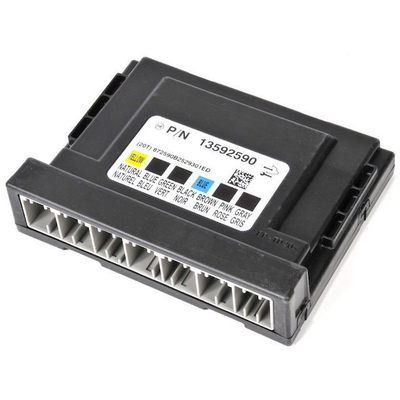
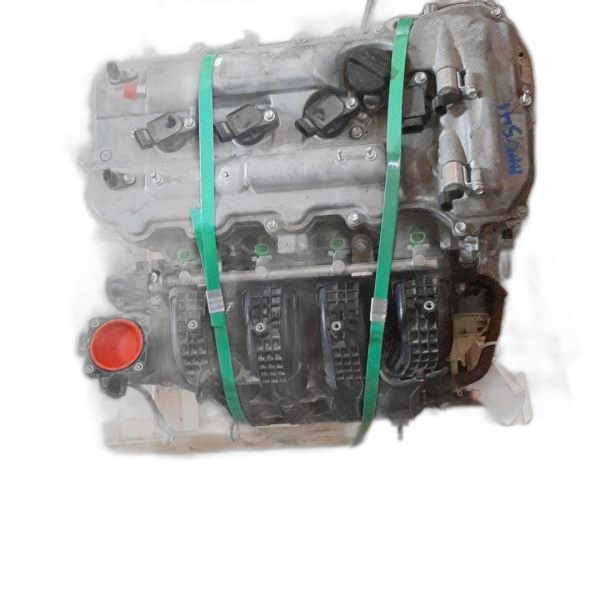
Below are the parts most often responsible for code P1617, ranked by how frequently each one is the actual culprit (per the diagnosis above). Tap any to see what we have for your vehicle.





The information in this article is provided for general reference and educational purposes only. Vehicle specifications, procedures, and part compatibility can vary by production date, trim level, and region. Always consult your vehicle's factory service manual and verify part numbers before purchasing or performing repairs. Safety-critical components such as airbags, seat belts, and braking systems should be installed by a qualified professional.
- 🧭 Diagnostic Flowchart
- 🛍️ Shop This Part
- What Does P1617 Mean?
- Can I Drive With P1617?
- Common Causes
- Symptoms
- Common Fixes & Costs
- DIY vs Professional
- Used vs. New Parts: Buying Guide
- What Happens If You Wait — Timeline
- Cost of Not Fixing It
- Diagnosis Steps
- When This Code Triggers (Freeze-Frame Conditions)
- Related Codes
- Climate & Environmental Factors
- How to Talk to a Mechanic About This Code
- Where to Take It: Dealer vs Independent vs Chain
- When to Walk Away From the Repair
- What Scan Tool You Need for This Code
- How to Clear the Code After You Fix It
- Will This Fail Emissions / State Inspection?
- Most Commonly Affected Vehicles
- Manufacturer-Specific Notes
- Real Owner Stories
- 2008 MINI Cooper S (R56) with 115K miles
- 2005 Nissan Altima with 150K miles
- 2007 Chevy Silverado 1500 with 180K miles
- How to Prevent This Code From Triggering
- Frequently Asked Questions
- Can I bypass the immobilizer to fix P1617?
- Will a weak car battery cause a P1617 code?
- The code appeared but my car starts fine. What could it mean?
- Can I program a new key myself?
- Can I fix P1617 by just resetting the ECU?
- What are the most common misdiagnoses with P1617?
- Can an aftermarket remote starter or alarm cause a P1617 code?
- Key Takeaways
- 🎟️ Get 5% Off