

P1621 on 2007-2014 Cadillac Escalade ESV: Control Module Memory Fault Causes and Fixes
Code P1621 on a 2007-2014 Escalade ESV indicates an internal memory performance error, most often within the Transmission Control Module (TCM). This typically requires replacing and reprogramming the TCM. Expect costs to range from $400 to over $1,000 at a shop. Weak batteries are a common secondary cause.
- P1621 on a 2007-2014 Escalade almost always points to an internal failure of the Transmission Control Module (TCM).
- Symptoms are severe and affect drivability, including harsh shifting and the vehicle entering 'limp mode'.
- Before condemning the TCM, always test the battery and check main ground connections, as low voltage is a known cause for this code.
- Repair requires replacing the TCM (which is inside the transmission) and specialized programming, making it a job for a professional shop.
- This is a well-documented issue across the entire GM GMT900 truck and SUV platform.
What's Unique About the 2007-2014 Cadillac ESCALADE ESV
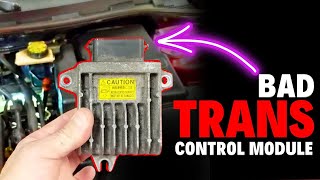
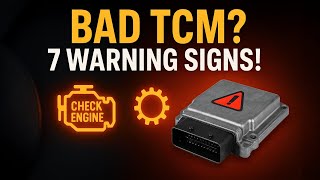
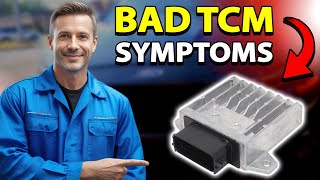
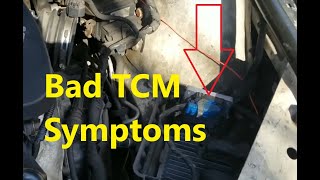
For the third-generation Escalade (GMT900 platform), this code is specifically called out in manufacturer Technical Service Bulletins (TSBs) as a known issue related to control modules, particularly the TCM. [Bulletin #PIP4653E, Bulletin #05-06-04-060A] Unlike some vehicles where this code might point to an immobilizer or ECM issue, on this GM truck platform, the diagnostic path frequently and correctly leads to the 6L80 transmission's control module, which is integrated into the valve body assembly 🎬 Watch: Common symptoms of a failing transmission control module (known as a TEHCM).
Diagnostic Flowchart
Tap your situation to follow the diagnostic path that matches what you're seeing on this vehicle.
Symptoms You May Notice
- Check Engine Light (Malfunction Indicator Lamp) is on
- Harsh or erratic shifting
- Transmission getting stuck in one gear (limp mode)
- Delayed gear engagement, sometimes taking over 10 seconds to shift into Drive
- Poor fuel economy due to inefficient shifting
- Vehicle unexpectedly shifting to neutral
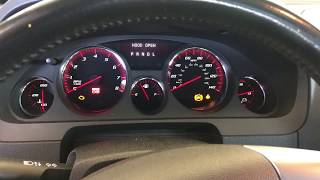
- PRNDL (gear indicator) on the dash may disappear or not update
- Service Stabilitrak message may appear, as module communication faults can affect other systems
- Replacing the Engine Control Module (ECM) when the fault is in the Transmission Control Module (TCM). The TSBs specifically note that P1621 can be stored in the TCM, and a scan tool that can read manufacturer-specific codes is needed to see which module set the code.
- Replacing internal transmission components like solenoids or clutches when the root cause is the electronic TCM itself. A full diagnostic scan should be the first step before any mechanical repairs are attempted.
Most Likely Causes
- Transmission Control Module (TCM) Internal Failure 🔴 High Probability → Shop Transmission Assembly As documented in GM TSBs PIP4653E and 05-06-04-060A, internal module faults are a recognized issue on this platform. The TCM (TEHCM) is located inside the transmission, where it is subjected to constant heat and vibration, leading to the degradation of internal electronic components and memory over time.
How to confirm: After verifying power, ground, and network connections to the TCM are stable, the diagnosis points to an internal fault. A professional-grade scan tool may show the code returns immediately after being cleared or that the TCM is not communicating at all. This confirms a hard fault.
Typical fix: Replace the Transmission Control Module (TEHCM) and program it to the vehicle. This is a significant repair requiring removal of the transmission valve body.
Est. part cost: $250-$600 for a remanufactured or new ACDelco TCM. - Low Battery Voltage or Weak/Failing Battery 🟡 Medium Probability → Shop Vehicle Battery Modern control modules are extremely sensitive to voltage. During engine cranking, a weak battery can cause a momentary voltage drop that is significant enough to corrupt a module's self-test procedure or memory, triggering codes like P1621. These vehicles have a high electrical demand, and an aging battery can easily cause these issues.
How to confirm: Test the battery with a digital multimeter or a carbon pile load tester. A healthy, fully charged battery should read approximately 12.6 volts. With the engine running, the alternator should be charging it at 13.7 to 14.7 volts. Low voltage codes may also be present in other modules.
Typical fix: Replace the vehicle's battery and ensure terminals are clean and tight.
Est. part cost: $150-$300 - Poor Electrical Connections or Wiring Issues ⚪ Low Probability The main vehicle wiring harnesses, particularly ground connections, can degrade over time. A common issue on GMT900 trucks is a poor ground connection at the main battery cable, which can cause intermittent power loss and trigger random module faults. The TCM connector itself is less likely to be the issue unless the transmission has been recently serviced.
How to confirm: Visually inspect the main battery ground cable and its connection points to the frame and engine block for corrosion or looseness. Wiggling the negative battery cable while observing vehicle electronics can sometimes reveal a bad connection. Check for stable power and ground signals at the TCM connector using a multimeter.
Typical fix: Clean or repair the affected connector pins or wiring harness section. Sometimes the entire negative battery cable assembly needs replacement.
Est. part cost: $10-$150 for wiring repair supplies or a new battery cable.
Rare But Worth Checking
- Aftermarket Engine/Transmission Programmer: → Shop Transmission Assembly
Diagnosis Steps
- Scan for Codes: Use a professional-grade OBD-II scanner capable of reading manufacturer-specific codes from all modules. Confirm P1621 is present and note which module stored it (likely the TCM). Check for any other codes, especially P06xx, P0700, or U-series communication codes.
- Check Battery and Charging System: Thoroughly test the battery's health, including a load test. Check the alternator output (13.7-14.7V). Clean and tighten all battery terminals. A weak battery is a common cause of spurious module codes.
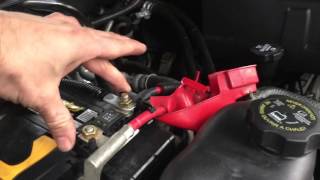
- Inspect Main Grounds: Visually inspect the main negative battery cable, its terminals, and its connection points to the vehicle frame and engine block. Corrosion or looseness here is a known issue on this platform.
- Verify Power and Ground at TCM: If the TCM is accessible, use a wiring diagram and multimeter to confirm it has a stable power supply and a solid ground connection at its connector. This step is more involved as the TCM is inside the transmission pan.
- Clear Codes and Test Drive: Clear the DTCs and perform a test drive. If the code returns immediately, it strongly suggests a hard fault within the TCM.
- TCM Replacement & Programming: If all external factors are confirmed to be good, the TCM is the culprit. The TCM/TEHCM assembly must be replaced, which involves draining the transmission fluid and removing the valve body. The new module must be programmed online via GM's TIS2Web. Be aware that programming can sometimes fail due to tool or subscription issues, which may require troubleshooting.
Parts You'll Likely Need
- Transmission Control Module (TCM/TEHCM)
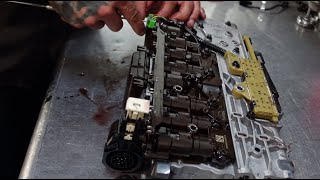
(OEM #24256861 (Superseded by 24287420, 19431596))— This code directly indicates an internal memory failure, and on this platform, the TCM is the most common module to fail with this specific DTC. [Bulletin #PIP4653E] The part is an integrated assembly with the valve body solenoids (TEHCM).
Trusted brands: ACDelco (OEM), Dorman (Remanufactured)
OEM price range: $400-$600
Aftermarket price range: $250-$450 (Remanufactured)
Related Codes That Often Appear With This One
- P0700 — This is a general "Transmission Control System Malfunction" code. The TCM sets this code to request that the ECM turn on the Check Engine Light, indicating a transmission-related fault has been stored.
- P0601 — This code means "Internal Control Module Memory Check Sum Error," which is another type of internal module fault. Its presence strongly supports the diagnosis of a failed module. [Bulletin #PIP4653E, Bulletin #05-06-04-060A]
- P0603 — This code indicates "Internal Control Module Keep Alive Memory (KAM) Error," pointing to an issue with the module's ability to retain memory when the ignition is off. [Bulletin #PIP4653E, Bulletin #05-06-04-060A]
- P0604 — This code means "Internal Control Module Random Access Memory (RAM) Error," another specific internal memory fault. [Bulletin #PIP4653E, Bulletin #05-06-04-060A]
- U0101 — This code means "Lost Communication With TCM". If other modules on the vehicle report this code, it's a strong indicator that the TCM has failed completely or has a major power/ground issue.
Technical Service Bulletins (TSBs) & Recalls
- PIP4653E: Addresses DTCs P0601, P0603, P0604, P062F or P1621 stored in the Transmission Control Module.
- 05-06-04-060A: Communicates information on various control module DTCs, including P1621, which can be set in multiple modules.
Platform-Specific Known Issues
- Real-World Repair Story: On GM-Forum.com, a 2007 Escalade owner described symptoms of delayed engagement (over 10 seconds to go into gear) and being stuck in a high gear on the highway. The dealer diagnosed a failed TCM and quoted $1,800 for the replacement. This highlights the common symptoms and high cost of dealer repair for this exact issue.
- TSB PIP4653E: This Technical Service Bulletin specifically addresses DTC P1621 (among others like P0601, P0604) setting in the Transmission Control Module, confirming it's a known issue requiring technicians to verify the code is in the TCM.
Mechanic-Grade Diagnostic Values
- Shift Solenoid (On/Off type, SS1, SS2) Resistance — expected: 16-20 ohms at 70ºF (21ºC). Failure: A reading significantly outside this range indicates a failed solenoid coil.
- Pressure Control Solenoid (PCS & TCC) Resistance — expected: 3.0-5.5 ohms at 70ºF (21ºC). Failure: Readings outside this range suggest a faulty solenoid. These are part of the TEHCM assembly.
- TCM/Sensor Signal Voltage — expected: 8.3–9.3 volts. Failure: Incorrect voltage from the TCM to components like the Internal Mode Switch or speed sensors points to an internal TCM fault.
- TEHCM Mounting Bolt Torque — expected: 71 in-lb. Failure: Improper torque can lead to poor sealing or damage to the TEHCM or valve body.
Scan Tool Commands That Help
- GM GDS2 / Tech2Win (using a J2534 device): Replace and Program ECU — This function must be used when a new TEHCM is installed. Simply selecting 'Reprogram' on a new, unprogrammed module will fail. This process downloads the correct VIN-specific calibration from GM's servers and writes it to the new module.
- GM Service Programming System (SPS): TCM Programming — This is the web-based GM software suite used to perform the 'Replace and Program ECU' function. It requires a subscription. It is essential for ensuring the new TEHCM has the correct software and can communicate with the other modules in the vehicle.
Wiring & Ground Locations
- G110 — Front driver's side of the engine block.. This is a primary ground point for both the Engine Control Module (ECM) and the Transmission Control Module (TCM). A poor connection here can cause low voltage or intermittent communication, triggering fault codes like P1621 or U0101. The wire can break inside the terminal lug while appearing intact.
- X210 (Transmission Pass-Through Connector) — The main 16-way round harness connector on the right side of the 6L80 transmission case.. This is the single point of connection for all power, ground, and GMLAN communication to the TEHCM. Corrosion, moisture, or backed-out pins in this connector are a common cause of communication loss and can trigger P1621. TSB 08-07-30-021H specifically addresses issues with this connector.
- Frame Ground (Driver Side) — On the frame under the driver's side door area.. A corroded ground at this location has been documented to cause multiple strange electrical issues, including module communication problems that could potentially trigger a P1621 code as a symptom of a wider electrical fault.
- G101 — On the center of the frame cross rail, located under the engine crank pulley.. This is another primary ground location that serves the ECM and TCM. A poor connection here can interrupt stable power and logic ground for the modules.
Real Owner Repair Stories
- Tahoe Yukon Forum user (GMT900 SUV (platform relative of Escalade)) — Multiple weird electrical issues, dash lights, messages, and poor fuel mileage.
❌ Tried (didn't work) Chasing individual symptoms without checking the primary electrical system.
✅ What actually fixed it The root cause was a corroded ground connection on the frame under the driver's side door. Cleaning the frame contact point and replacing the bolt resolved all the strange electrical problems, highlighting the importance of checking grounds before condemning expensive modules.
OEM Part Supersession History
24256861→24287420, 19431596— Part revisions by GM to improve reliability or component sourcing.
Heads up: While multiple part numbers may physically fit, the internal circuitry and software structure can differ. Installing a TEHCM with the wrong hardware/software revision for the vehicle's year and calibration can result in communication failures or a no-start condition. Always verify the correct part number by VIN.
Helpful Videos



We Have This Part in Stock



The information in this article is provided for general reference and educational purposes only. Vehicle specifications, procedures, and part compatibility can vary by production date, trim level, and region. Always consult your vehicle's factory service manual and verify part numbers before purchasing or performing repairs. Safety-critical components such as airbags, seat belts, and braking systems should be installed by a qualified professional.
- Cadillac ESCALADE ESV:
- 🧭 Diagnostic Flowchart
- 🎬 Helpful Videos
- 🛍️ Shop This Part
- What's Unique About the 2007-2014 Cadillac ESCALADE ESV
- Symptoms You May Notice
- Most Likely Causes
- Rare But Worth Checking
- Diagnosis Steps
- Parts You'll Likely Need
- Related Codes That Often Appear With This One
- Technical Service Bulletins (TSBs) & Recalls
- Platform-Specific Known Issues
- Mechanic-Grade Diagnostic Values
- Scan Tool Commands That Help
- Wiring & Ground Locations
- Real Owner Repair Stories
- OEM Part Supersession History
- 🎟️ Get 5% Off