

P1621 on 2013-2018 Ford C-Max Hybrid: Immobilizer Fault Causes and Fixes
This code means your C-Max's anti-theft system (PATS) has a problem, usually causing a no-start. The most common causes are a weak 12V battery or a faulty key fob. Start by testing the 12V battery and trying your spare key before suspecting more complex issues.
- P1621 on your C-Max Hybrid means the anti-theft system has been triggered, which is why your car won't start.
- Before suspecting expensive components, fully test or replace the 12V auxiliary battery in the trunk. It is the most likely cause of this code on a hybrid.
- Always try your spare key to rule out a faulty key fob.
- If the battery and key are good, the problem likely requires a professional with a Ford-specific scan tool to diagnose the PATS system properly.
- Do not replace the PCM; the fault is almost certainly with the key, 12V battery, transceiver, or instrument cluster.
What's Unique About the 2013-2018 Ford C-Max
On the C-Max Hybrid, the 12-volt auxiliary battery plays a critical role in powering up the vehicle's network of computers before the high-voltage system engages. A weak or failing 12V battery is a very common cause of random communication-related trouble codes, including P1621. Owners often experience a no-start situation accompanied by various error messages, which can be misdiagnosed as a major module failure when the root cause is simply an insufficient 12V power source. This is a well-documented chronic issue for the C-Max platform. Therefore, checking the 12V battery is the absolute first step for any PATS-related issue on this vehicle.
Symptoms You May Notice
- Engine will not crank or cranks but does not start.
- Rapidly flashing anti-theft light on the dashboard.
- "Immobilizer Malfunction service req" message on the instrument cluster.
- Vehicle may start intermittently.
- Multiple other random warning lights may appear simultaneously due to low system voltage from a weak 12V battery.
- Replacing the PCM first. The PCM is rarely the cause of a P1621 code; the issue is almost always in the security system components that communicate with it.
- Replacing the starter. The no-crank symptom is a result of the PATS system disabling the starter relay, not a failure of the starter itself.
Most Likely Causes
- Weak or Failing 12V Auxiliary Battery 🔴 High Probability → Shop Vehicle Battery Hybrid systems rely heavily on the 12V battery to initialize electronics. Low voltage during startup can cause communication dropouts between modules, mimicking a security failure. The C-Max is known for having a high rate of 12V battery-related complaints.
How to confirm: Use a multimeter to test the 12V battery voltage; it should be above 12.4V at rest. A voltage drop below 9.6V during a crank attempt is a definitive sign of a bad battery. Have the battery professionally load tested at an auto parts store. A simple voltage test is often not sufficient.
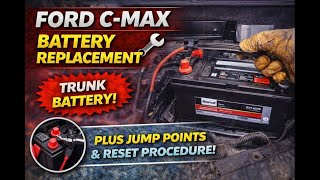
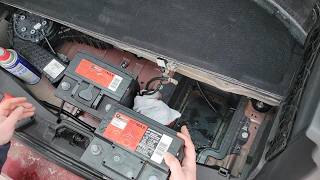
Typical fix: Replace the 12V auxiliary battery, which is located in the trunk. 🎬 Watch: Save money with this 12V battery replacement DIY guide. The correct group size is typically a Group 99R / T4.
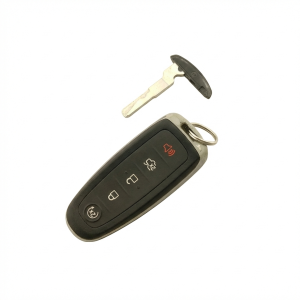
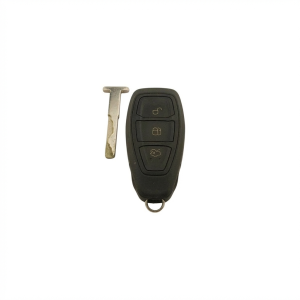
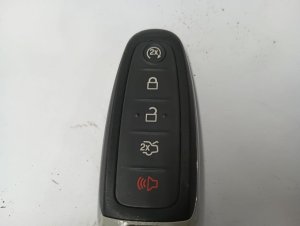
Est. part cost: $150-$250 - Faulty Key Fob or Key Battery 🟡 Medium Probability → Shop Vehicle Battery Key fob batteries die, and the internal transponder chip can be damaged from being dropped or getting wet.
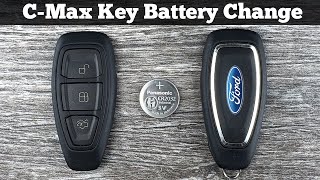
How to confirm: First, try your spare key. If the spare key works, the problem is with the primary key. If the key has a replaceable battery, try changing it. 🎬 See how to quickly replace your key fob battery. For keyless models, try placing the fob in the emergency slot in the center console or on the steering column as shown in the owner's manual to start the car. This allows the car to read the chip even if the fob's battery is dead.
Typical fix: Replace the key fob battery (typically a CR2025). If the transponder is damaged, a new key will need to be purchased and programmed by a dealer or automotive locksmith.
Est. part cost: $5-$15 for a battery, $150-$400 for a new programmed key. - Faulty PATS Transceiver Antenna ⚪ Low Probability The transceiver is the ring around the ignition that reads the key chip. It's an electronic part that can fail over time, though less common than battery or key issues.
How to confirm: This is difficult to test without specialized tools. A common diagnostic step is to observe the theft light. If the light flashes rapidly when a known-good key is used, it can indicate the signal is not being received from the key, pointing to the transceiver. A scan tool like FORScan can also check for specific DTCs related to the transceiver.
Typical fix: Replace the PATS transceiver antenna ring. This part is usually located around the ignition lock cylinder or push-start button and is often a plug-and-play part not requiring programming.
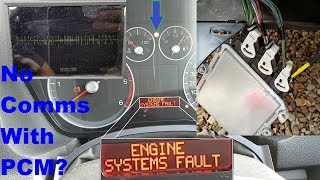
Est. part cost: $50-$100 - Instrument Panel Cluster (IPC) Fault ⚪ Low Probability → Shop Instrument Cluster On many Fords, including the C-Max's platform mate the Focus, the IPC contains the PATS module logic. Internal failures, like cracked solder joints on the main connector, can disrupt 🎬 Watch: How to repair faulty solder joints on the instrument cluster. PATS communication. This was a very common issue on the previous generation Focus and can still occur on this platform.
How to confirm: Diagnosis requires a high-level scan tool like Ford's IDS or FORScan to check for communication errors with the IPC (U-codes) and to see if it recognizes programmed keys. If the IPC is unresponsive, fails during a PATS parameter reset, or if tapping on the dash temporarily resolves the issue, it is likely faulty.
Typical fix: The instrument cluster needs to be repaired by a specialist (like UpFix or Circuit Board Medics) or replaced. A replacement requires programming to the vehicle.
Est. part cost: $150-$300 for repair, $600+ for a new programmed unit.
Rare But Worth Checking
- Wiring Harness Damage: Check for corrosion or damage to the wiring between the PATS transceiver, the instrument cluster, and the PCM, especially if the vehicle has a history of water leaks or rodent damage. A user on a forum fixed a P1621 on a similar vehicle by cleaning a corroded connector block under the carpet that was damaged by water ingress.
- Powertrain Control Module (PCM) Fault: → Shop Engine Control Module (ECM) While rare, an internal failure of the PCM can cause it to lose its programming or ability to communicate with the PATS system. This is usually the last item to suspect after all other components have been verified.
Diagnosis Steps
- Check the anti-theft light on the dashboard. Is it flashing rapidly when you try to start the car? A rapid flash confirms a PATS issue.
- Test the 12V auxiliary battery. Ensure it is fully charged and healthy. A voltage below 12.4V warrants a recharge and retest. Replace if it fails a load test.
- Try your spare key. If the spare key works, the issue is with your primary key fob.
- If you have a keyless start model, try placing the fob in the designated emergency start location (check owner's manual) and attempt to start the vehicle. This bypasses the need for the fob's battery.
- Inspect all related fuses in the engine bay and interior fuse panels. Check the BCM and IPC fuses specifically.
- If the above steps fail, the vehicle will likely need professional diagnosis with a scan tool that can access Ford's PATS system (like IDS or FORScan).
- A technician will use the scan tool to check for communication with the PATS transceiver and Instrument Panel Cluster, and to verify how many keys are programmed to the vehicle.
- Based on the scan tool data, the technician will diagnose the faulty component, which could be the transceiver, wiring, or the instrument cluster itself.
Parts You'll Likely Need
- 12V Auxiliary Battery
(OEM #BXT-99RT4-A)— A weak 12V battery is a very common cause of various electrical and communication faults on the C-Max Hybrid, including P1621.
Trusted brands: Motorcraft
OEM price range: $200-$300
Aftermarket price range: $150-$250 - Key Fob / Transponder Key
(OEM #164-R8109 (for some smart keys, verify by VIN))— The transponder chip in the key can fail, or the key can lose its programming. A new key must be programmed to the vehicle.
Trusted brands: Ford OEM
OEM price range: $150-$400 (including programming)
Aftermarket price range: $100-$250 (from an automotive locksmith) - PATS Transceiver Antenna
(OEM #DS7Z-15607-B (verify by VIN))— If the antenna fails, it cannot read the transponder chip in the key, triggering the anti-theft system.
Trusted brands: Ford OEM
OEM price range: $50-$100
Aftermarket price range: $40-$80
Related Codes That Often Appear With This One
- B1600 — Non-PATS Key or PATS Transceiver Signal Is Not Received. This code often appears with P1621 and points directly to the key or transceiver.
- B10F9 — PATS Transceiver. A more specific code pointing directly to a fault with the transceiver antenna or its circuit.
- U-codes (e.g., U0100, U0155) — These are communication codes. Seeing them alongside P1621 can indicate a broader network issue, often caused by a weak 12V battery or a failing module like the IPC.
Technical Service Bulletins (TSBs) & Recalls
- TSB 17-2218: While not directly for P1621, this TSB addresses water leaks in the headliner area for 2013-2018 C-Max vehicles. Such leaks can lead to corrosion and wiring issues for modules located in the dash, potentially causing PATS communication failures.
Platform-Specific Known Issues
- Owner Experience: Weak 12V Battery: → Shop Vehicle Battery A user on the Ford C-Max Hybrid Forum reported experiencing a no-start and 'Immobilizer Malfunction' message. After attempting to jump-start the vehicle with no success, they replaced the original 12V battery. The new battery resolved the P1621 code and all associated symptoms immediately.
- Owner Experience: Instrument Cluster Failure on Platform-Mate: → Shop Instrument Cluster On the closely related Ford Focus, a widespread and well-documented issue involves cracked solder joints on the back of the instrument cluster, causing P1621 and other communication codes. Owners report that a 'tap test' on the dashboard can temporarily restore function, confirming the cluster as the fault. The fix is to re-solder the connector pins or send the cluster for professional repair.
Diagnostic Flowchart
Other Known Issues on This Vehicle
Issues unrelated to this code that are worth knowing about as an owner of this generation:
- HF-35 eCVT Transmission Failure 🔴 High → Shop Transmission Assembly — Can occur at various mileages, often after 60,000 miles. Presents as a whining or grinding noise that progressively worsens, eventually leading to transmission failure.
- Electronic Power Steering (EPAS) Failure 🔴 High — Can fail suddenly and without warning, resulting in a complete loss of power steering assist. Often requires replacement of the entire steering rack assembly at a high cost. (Ref: No specific recall for C-Max, but similar systems were recalled on other Ford models (e.g., Recall 15S18).)
- Water Leaks 🟠 Medium — Commonly reported from roof rack mounting points, the rear hatch, or fixed glass, leading to stained headliners, wet carpets, and potential electrical issues. (Ref: TSB 17-2218 addresses cleaning stains after a leak is repaired.)
- Premature 12V Battery Failure / Parasitic Drain 🟠 Medium → Shop Vehicle Battery — Owners report a high frequency of 12V battery failures, sometimes multiple times a year. This is often attributed to software issues or modules that fail to 'sleep' properly, causing a parasitic drain.
- Shift Cable Bushing Degradation 🔴 High — The bushing that attaches the shifter cable to the transmission can degrade and detach, preventing the vehicle from shifting into the correct gear or causing it to roll away after being placed in Park. (Ref: Ford Recall 22S43)
Real Owner Stories
Aggregated from forums and TSBs cited above. Mileages and costs reflect what owners reported in those sources.
2013-2018 Ford C-Max Hybrid
Symptoms: The vehicle experienced a no-start condition accompanied by an 'Immobilizer Malfunction' message on the dash. A jump-start attempt was unsuccessful.
What fixed it: Replacement of the original 12V auxiliary battery resolved the P1621 code and all symptoms immediately.
Source hint: vehicle_specific_issues: Owner Experience: Weak 12V Battery
2012-2018 Ford Focus (Platform Mate)
Symptoms: P1621 and other communication codes appeared. The vehicle would intermittently fail to start unless the dashboard was tapped.
What fixed it: Re-soldering the connector pins on the back of the instrument cluster or sending the unit for professional repair to fix cracked solder joints.
Source hint: vehicle_specific_issues: Owner Experience: Instrument Cluster Failure on Platform-Mate
Ford C-Max Hybrid
Symptoms: User reported a P1621 'immobilizer mismatch' and sought help with the diagnostic process for immo synchronization.
What fixed it: Diagnostic process involving checking the PATS system synchronization.
Source hint: forum_citations: MHH AUTO - 'ford c-max immo sync problem'
Related OBD-II Codes
Frequently Asked Questions
My 2013-2018 Ford C-Max shows 'Immobilizer Malfunction service req' and won't start. Could this be the 12V battery even if the lights turn on?
Where is the 12V auxiliary battery located in the C-Max Hybrid to check for P1621 issues?
Does TSB 17-2218 regarding water leaks affect the immobilizer system on my C-Max?
If my C-Max key fob battery is dead, how can I bypass the P1621 immobilizer error to start the car?
Can a problem with the dashboard itself cause a P1621 code on a Ford C-Max?
Is there a simple test to see if my C-Max instrument cluster is causing the P1621 immobilizer fault?
Helpful Videos
Used OEM Parts in Stock
New Aftermarket Parts Available


The information in this article is provided for general reference and educational purposes only. Vehicle specifications, procedures, and part compatibility can vary by production date, trim level, and region. Always consult your vehicle's factory service manual and verify part numbers before purchasing or performing repairs. Safety-critical components such as airbags, seat belts, and braking systems should be installed by a qualified professional.
- Ford C-Max:
- 🧭 Diagnostic Flowchart
- 🎬 Helpful Videos
- 🛍️ Shop This Part
- What's Unique About the 2013-2018 Ford C-Max
- Symptoms You May Notice
- Most Likely Causes
- Rare But Worth Checking
- Diagnosis Steps
- Parts You'll Likely Need
- Related Codes That Often Appear With This One
- Technical Service Bulletins (TSBs) & Recalls
- Platform-Specific Known Issues
- Other Known Issues on This Vehicle
- Real Owner Stories
- 2013-2018 Ford C-Max Hybrid
- 2012-2018 Ford Focus (Platform Mate)
- Ford C-Max Hybrid
- Related OBD-II Codes
- Frequently Asked Questions
- 🎟️ Get 5% Off