

P1621 on 2002-2010 Ford Explorer: Immobilizer Fault Causes and Fixes
On a 2002-2010 Ford Explorer, code P1621 means the anti-theft system (PATS) is preventing the engine from starting. The most likely causes are a faulty key transponder, a dead car battery, or a bad transceiver ring around the ignition. Always try a spare key and check the battery first before pursuing more complex repairs.
- P1621 on your Explorer means the anti-theft system has shut down the engine.
- Before calling a mechanic, try your spare key and make sure your car battery is fully charged.
- The most common symptoms are a crank-no-start and a rapidly flashing theft light on the dash.
- Repairs beyond a battery or spare key, like replacing a module or programming a new key, will require a professional locksmith or dealer.
- On 2006-2010 models, a faulty instrument cluster can be the cause, which is a more complex and expensive repair.
What's Unique About the 2002-2010 Ford Explorer
The key difference on the 2002-2010 Explorer is the location of the PATS control module, which varies by generation. On the fourth generation (2006-2010), the PATS control logic is integrated directly into the Instrument Cluster (IC). A failure of the cluster itself, often due to internal electronic faults, can cause this code. On the earlier third generation (2002-2005), the PATS is a separate module, often located in the passenger side rear quarter panel area, making cluster failure an unlikely cause for these years. This distinction is critical for diagnosis, as a no-start with a dead instrument cluster on a 2006-2010 model points directly to a PATS issue originating in the cluster.
Generation note: This range covers two Explorer generations: - Third Generation (2002-2005): The PATS system is typically a separate module located in the dashboard or rear quarter panel. - Fourth Generation (2006-2010): The PATS control functions are integrated into the Instrument Cluster (IC). A failure of the cluster itself can cause this code and is a known issue.
Symptoms You May Notice
- Engine will not crank or cranks but does not start.
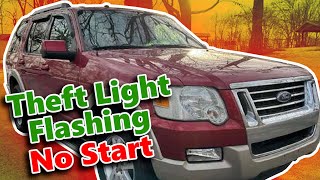
- Rapidly flashing anti-theft light on the dashboard 🎬 Watch: See what a flashing theft light looks like during a no-start. (the most common indicator).
- Engine starts briefly and then immediately shuts off.
- Theft light stays on solid and then turns off after a few seconds (normal operation), but the vehicle still won't start (less common).
- Replacing the starter without checking for the flashing theft light. If the light is flashing, the starter is being disabled by the computer and is likely not the root cause.
- Replacing the PCM when the actual issue is a weak battery or a faulty key. Always check the simplest and cheapest possibilities first.
- Replacing the key when the transceiver is faulty. If a spare key also doesn't work, the problem is likely not the key itself.
Most Likely Causes
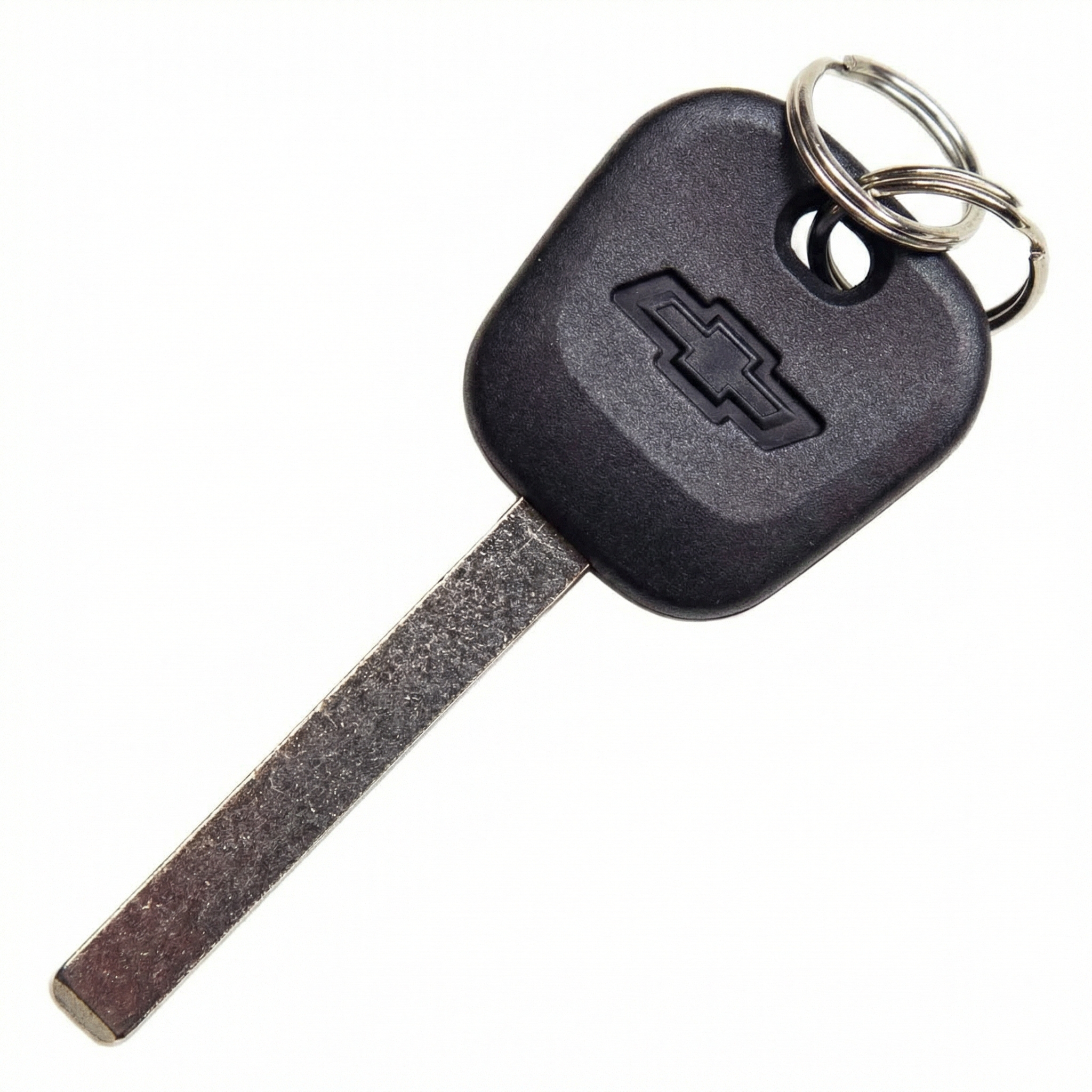
- Faulty or Unprogrammed Transponder Key 🔴 High Probability → Shop Door Lock Key Transponder chips in keys can fail with age, be damaged from being dropped, or lose their programming. Using a non-transponder (copied) key will also trigger this fault.
How to confirm: Try starting the vehicle with a known-good spare key. If the spare key works, the original key is faulty. If you only have one key, a locksmith or dealer can test its transponder. A DIY method involves the 'redneck PATS bypass': zip-tying the working key to the transceiver under the dash, but this permanently compromises the anti-theft system. 🎬 Watch: How to perform a reset on your Explorer's anti-theft system.
Typical fix: The faulty key must be replaced, and the new key must be programmed to the vehicle. If you have two working keys, you can often program a third yourself. If you only have one, a dealer or locksmith with specialized equipment is required.
Est. part cost: $50-$200 for a new key and programming at a dealer or locksmith. - Weak or Dead Vehicle Battery 🟡 Medium Probability → Shop Vehicle Battery Low system voltage during startup can cause communication errors between the PATS module, PCM, and instrument cluster, falsely triggering the anti-theft system. This is a very common first point of failure on aging vehicles.
How to confirm: Test the battery with a multimeter. A reading below 12.4 volts indicates a weak battery. Attempt to jump-start the vehicle. Many forum users report solving PATS issues simply by replacing an old battery.
Typical fix: Recharge or replace the vehicle battery.
Est. part cost: $100-$250 - Failed PATS Transceiver 🟡 Medium Probability The transceiver is an antenna ring around the ignition cylinder that reads the key. It's a delicate electronic part that can fail over time, leading to an inability to read the key's transponder chip.
How to confirm: This is best diagnosed with a scan tool that can read PATS data. A code like B1681 (Transceiver Signal Not Received) often accompanies P1621 and points directly to a transceiver or wiring issue. A visual inspection may reveal a loose connector or damaged wiring.
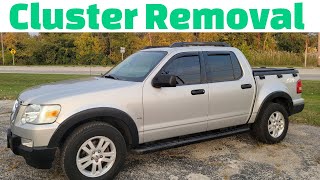
Typical fix: Replace the transceiver ring. This part is located in the steering column shroud around the ignition lock cylinder and is often a straightforward DIY replacement. 🎬 See this walkthrough on how to safely remove your instrument cluster.
Est. part cost: $25-$75 - Faulty Instrument Cluster (2006-2010 models) ⚪ Low Probability → Shop Instrument Cluster On 4th generation Explorers, the instrument cluster contains the PATS module. Internal failures, such as cracked solder joints or faulty processors, can disrupt PATS communication, causing a no-start. This is a well-documented failure on these models.
How to confirm: Diagnosis requires a high-end scan tool to check for communication with the cluster (IC) and specific cluster-related fault codes. If the cluster is completely dead (no lights, no gauges) when the key is turned, it's a strong indicator. A 'tap test' on the dashboard may temporarily restore function, pointing to a bad connection inside.
Typical fix: The instrument cluster must be removed and either repaired by a specialist electronics shop or replaced. A replacement cluster will require programming to the vehicle to match the mileage and PATS information.
Est. part cost: $150-$500 for repair, $400-$800 for replacement and programming.
Rare But Worth Checking
- Poorly Installed Aftermarket Remote Starter: Aftermarket systems are often spliced into the PATS wiring. A bad connection, faulty bypass module, or improper wiring tap can interrupt the signal and trigger the anti-theft system. A diagnostic video on a 2006 Explorer showed a P1621 caused by a wire for a remote start tapped into the transceiver's power wire.
- Powertrain Control Module (PCM) Failure: → Shop Engine Control Module (ECM) A faulty PCM can lose its security pairing with the PATS system. This is usually a last resort after all other components have been checked and is often accompanied by other communication (U-series) codes.
- Wiring Damage: A damaged or corroded wire between the PATS transceiver, the PATS module/Instrument Cluster, and the PCM can cause communication to fail. One owner found that a corroded ground wire for the transceiver was the cause of their PATS issue.
Diagnosis Steps
- Observe the Dashboard: Confirm a rapidly flashing anti-theft light when trying to start the vehicle. This is the primary sign of a PATS issue.
- Try a Spare Key: Attempt to start the vehicle with a different, known-good programmed key. If it starts, the first key is faulty.
- Check Battery Voltage: Use a multimeter to test the battery. It should be above 12.4 volts. A weak battery is a common cause of electronic gremlins, especially with PATS.
- Scan for Codes: Use an OBD-II scanner capable of reading Ford-specific codes from the PCM and Instrument Cluster (IC). Look for P1621, P1260, B1600, or B1681 to narrow down the fault. A Ford-specific tool like FORScan or IDS is highly recommended.
- Inspect Ignition Area: Remove the steering column shrouds and visually inspect the transceiver ring and its wiring for any signs of damage, looseness, or poor connections from aftermarket accessories like remote starters.
- Check for TSBs: Search for Technical Service Bulletins related to PATS, instrument clusters, or no-start conditions for your specific model year. TSB 01-6-2 provides general PATS diagnostic tips.
- Professional Diagnosis: If the above steps do not identify the issue, professional diagnosis is required. A technician will use a specialized scan tool (like Ford's IDS) to monitor live data from the PATS module, test communication between modules, and determine if the fault lies with the key, transceiver, wiring, PATS module/cluster, or PCM.
Parts You'll Likely Need
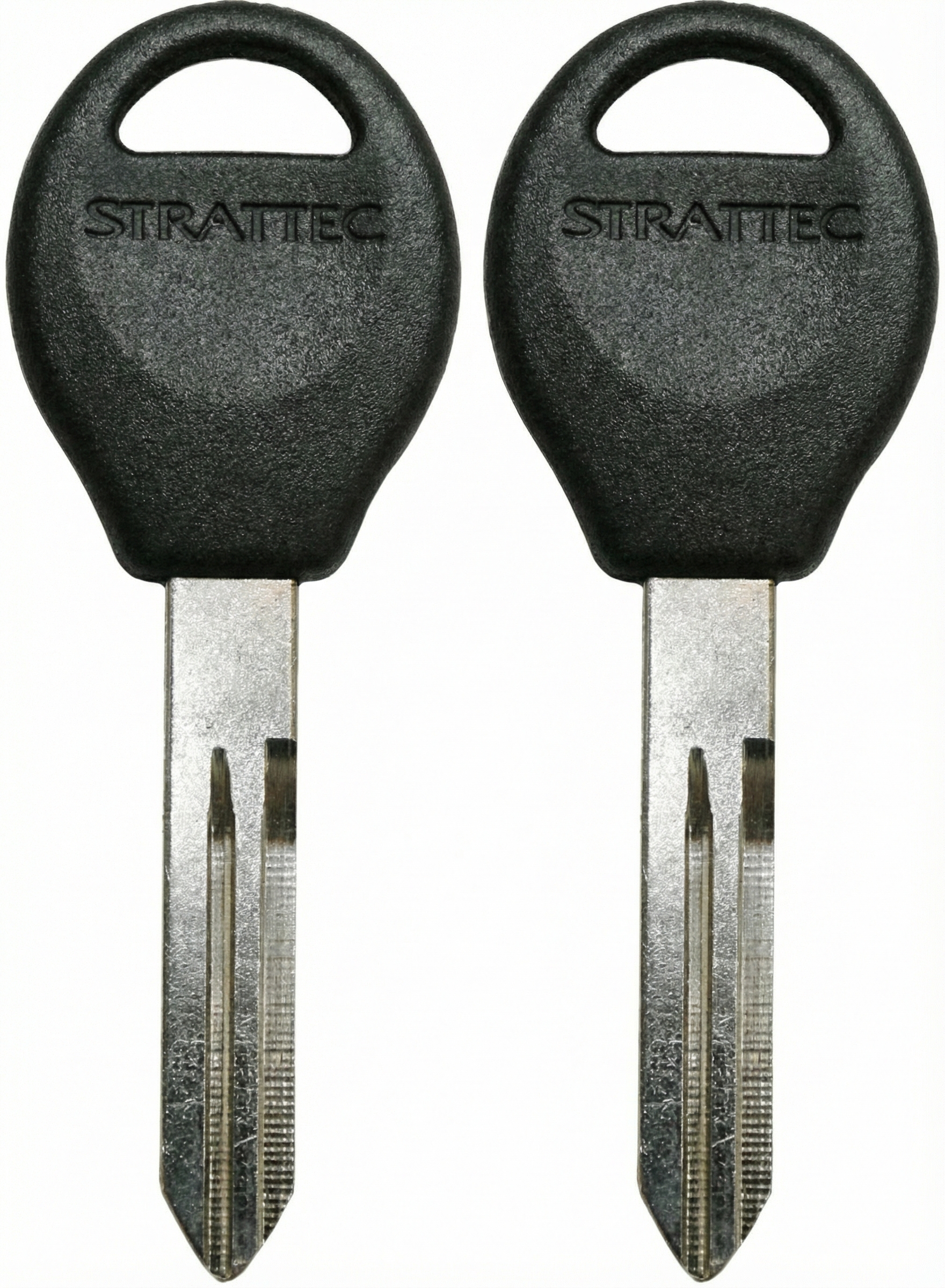
- Transponder Key — The chip inside the key is the most common failure point in the PATS system. Keys can be damaged or lose their programming.
Trusted brands: Motorcraft, Strattec
OEM price range: $70-$150
Aftermarket price range: $25-$60 - PATS Transceiver Antenna
(OEM #1L2Z-15607-AA (for 2002-2005 Explorer/Mountaineer), 6L2Z-15607-AA (for 2006+ models))— This ring reads the key. If it fails, the security code cannot be transmitted to the PATS module.
Related Codes That Often Appear With This One
- P1260 — P1260 means 'Theft Detected, Vehicle Immobilized'. This code is set by the PCM when it receives a 'no-start' command from the PATS system, making it a direct companion to P1621.
- B1600 — This PATS-specific code means 'Non-PATS Key' or 'No Key Code Received'. It indicates the system could not read or did not recognize the transponder chip in the key. It often appears with B1681.
- B1681 — This PATS-specific code means 'Transceiver Signal Not Received'. It points specifically to a problem with the transceiver ring around the ignition or its wiring.
- B1601 — This code means an incorrect key code was received. This can happen if a key from another vehicle is used, or if the key is not programmed correctly.
Technical Service Bulletins (TSBs) & Recalls
- TSB 01-6-2: Provides general diagnostic service tips for the Ford PATS system across many models, including the Explorer. It clarifies code meanings and lists qualified key manufacturers (Ford Rotunda, Ilco, Strattec, Huf, and Valeo).
- TSB 06-10-7 (referenced in forum): A TSB for the 2006 Explorer addresses a no-start condition where the instrument cluster is inoperative. This points to the known issue of cluster failure causing PATS problems on the 4th generation models.
Platform-Specific Known Issues
- source — A YouTube video documented a 2006 Explorer with a no-crank/no-start and flashing theft light. The codes found were B1600, B1681, and P1260. The root cause was a poorly installed aftermarket remote start system with a wire tapped into the PATS transceiver power line. Removing the tap fixed the issue.
- source — Multiple threads on explorerforum.com confirm that the flashing theft light and no-start are classic symptoms. Users frequently point to the key, battery, or transceiver as the primary culprits. One user with a 2007 Explorer solved their P1621 issue by replacing the battery which had dropped to 11.8V.
- source — A detailed YouTube video shows the step-by-step process of troubleshooting a PATS no-start on an Explorer. The host demonstrates how to access and replace the transceiver ring in the steering column, which ultimately fixed his vehicle for a $25 part cost.
Mechanic-Grade Diagnostic Values
- PATS Transceiver Ground Circuit Resistance — expected: Less than 5 ohms. Failure: A reading higher than 5 ohms indicates a poor ground connection, which can cause intermittent communication.
- PATS Transceiver Power Supply Voltage — expected: Greater than 10 volts with key ON. Failure: Voltage below 10V points to a wiring or power supply issue upstream of the transceiver.
- PATS Transceiver Communication Circuit (TX/RX) Resistance to Ground — expected: Greater than 10,000 ohms. Failure: A low resistance reading (e.g., 1,500 ohms as seen in one case) indicates a short to ground in the wiring or a faulty PCM/IC module.
Hidden / Shadow Codes Worth Checking
- B-series codes (e.g., B1600, B1681, B1601): These are Body Control Module codes specific to the PATS system that a basic OBD-II scanner will not read. B1600 indicates a key read failure, B1681 indicates no signal from the transceiver, and B1601 indicates an incorrect key code was received. Seeing these codes is critical for diagnosis. (see via A Ford-specific scan tool like IDS or a capable aftermarket tool like FORScan with an appropriate adapter is required.)
- P1260: While a standard 'P' code, it functions as a secondary indicator. It is set by the PCM *because* the PATS module (in the IC or separate) told it to immobilize the vehicle. Seeing P1260 confirms the no-start is a PATS issue, and you must then look for the 'B' codes to find the root cause. (see via Most OBD-II scanners can read this code, but it only tells you the 'what' (theft detected), not the 'why'.)
Scan Tool Commands That Help
- FORScan / Ford IDS: PATS Programming / Ignition Key Erase — This function is used to erase all stored keys and program a new set. This is required when replacing keys or if you suspect the system's memory is corrupt. It requires a mandatory minimum of two keys to complete the process.
- FORScan / Ford IDS: Parameter Reset — This is a critical security handshake procedure used when a major module like the PCM or Instrument Cluster (on 2006-2010 models) is replaced. It re-links the modules together. The process involves a mandatory 10-12 minute security wait where the ignition must be left on and undisturbed.
- FORScan / Ford IDS: Module Reset (IPC) — After performing a parameter reset or other PATS functions, it is sometimes necessary to force the Instrument Panel Cluster (IPC) to reboot. A technician noted that failing to let the cluster fully reset (indicated by a needle sweep) after a parameter reset can cause the procedure to fail and require another 10-minute wait.
Wiring & Ground Locations
- PATS Transceiver Connector (C2007 on some models) — Located on the steering column, connected to the antenna ring around the ignition lock cylinder.. This is the central connection point for testing the PATS antenna. It typically has 4 pins: Power, Ground, Transmit (TX), and Receive (RX). A loose connection or damaged wire here will cause a B1681 and P1621.
- Transceiver Power Wire (White/Orange on 2006-2008 models) — In the harness leading to the PATS transceiver on the steering column.. This wire supplies power to the transceiver. It is a common point for poorly installed aftermarket remote starters to be tapped into, which can disrupt power and cause a no-start condition.
- Transceiver Ground Wire (Black on some models) — In the harness leading to the PATS transceiver on the steering column.. A corroded or broken ground wire will prevent the transceiver from functioning, leading to a no-start. One owner found a rusted ground wire to be the root cause of their PATS problem.
Real Owner Repair Stories
- YouTube diagnostic video (2006 Ford Explorer) — Theft light flashing, no crank, no start. Codes B1600, B1681, and P1260 were present.
❌ Tried (didn't work) Initial diagnosis pointed towards a bad key or transceiver.
✅ What actually fixed it An improperly installed aftermarket remote start system was found. A wire for the remote start was tapped into the transceiver's power wire (White/Orange). Disconnecting this parasitic tap and restoring the original wiring resolved the issue and allowed the vehicle to start. - Ford Truck Enthusiasts Forum user (Ford truck with similar instrument cluster design as 2006-2010 Explorer) — Intermittent cluster failure, causing PATS issues and no-start.
❌ Tried (didn't work) Considering sending the cluster out for expensive repair or replacement.
✅ What actually fixed it The owner used a magnifying glass and found a cracked solder joint on one leg of a capacitor on the instrument cluster's main circuit board. Re-soldering this single point with fresh solder permanently fixed the intermittent connection and resolved all symptoms. - Reddit user on r/FordExplorer (2004 Ford Explorer XLT) — Anti-theft light blinking fast, no start. Had only one key.
❌ Tried (didn't work) Changing the key fob battery., Programming new key fobs (for remote entry, not the PATS chip)., Replacing the starter., Replacing the vehicle battery., The '10-minute key on' trick.
✅ What actually fixed it The thread ended without a definitive fix posted by the original user, but another user suggested a low-tech solution that worked on their older Lincoln: pressing the key in hard while turning it, suggesting a physical wear issue in the ignition cylinder or transceiver connection.
"I Checked Everything" — The Actual Cause
- The most common pattern for this code is when all PATS components (key, transceiver, module) seem okay and communicate with the scan tool, but the vehicle still won't start. In one confirmed case, the root cause was an aftermarket remote start wire spliced into the PATS transceiver's power line, which was causing a voltage drop or signal interference that standard diagnostic procedures would miss.
Model Year Variations Within This Range
- 2002-2005: The PATS control module is a separate unit, typically located behind the dashboard or in the rear quarter panel. The instrument cluster is not part of the PATS authorization chain, so a cluster failure will not cause a PATS-related no-start.
- 2006-2010: The PATS control functions are integrated directly into the Hybrid Electronic Cluster (HEC). A failure of the cluster's internal electronics (processor, power supply, solder joints) is a common cause of P1621 on these years. Replacing the cluster requires a 'Parameter Reset' to sync with the PCM.
Diagnostic Flowchart
Other Known Issues on This Vehicle
Issues unrelated to this code that are worth knowing about as an owner of this generation:
- 4.0L SOHC V6 Timing Chain Cassette Failure 🔴 High — Very common, often presents as a rattling noise ('death rattle') at startup or specific RPMs, typically after 80,000 miles. The plastic guides for the timing chains wear out or break. (Ref: Multiple TSBs exist, including 04-15-04. Repair is engine-out and very expensive.)
- 5R55W/S/E Automatic Transmission Failure 🔴 High → Shop Transmission Assembly — Widespread issue. Symptoms include harsh shifting, slipping, flashing O/D light, and complete failure to engage gears. Often caused by worn servo bores in the transmission case or solenoid pack failure.
- Cracked Tailgate Applique Panel 🟡 Low — Extremely common on 2002-2005 models. The plastic panel below the rear window develops a crack, usually near the emblem. It is primarily cosmetic but can allow water intrusion. (Ref: Subject of TSBs (e.g., 02-25-6) and a class-action lawsuit. Ford considered it a cosmetic issue and rarely covered it under warranty.)
- Leaking Thermostat Housing (V6 & V8) 🟠 Medium — The original two-piece plastic thermostat housing is prone to developing cracks and leaking coolant. This often happens at the seam. An aftermarket metal housing is a common and recommended upgrade.
- Wheel Bearing Failure 🟠 Medium — Front and rear wheel bearing/hub assemblies are a common wear item, often failing before 100,000 miles. Symptoms include a humming or grinding noise that changes with speed and when turning.
Used vs. New Parts: Buying Guide for This Vehicle
When a used part is the smart pick: A used PATS transceiver (the antenna ring) is a perfectly acceptable and cost-effective repair. It is a non-programmed part and can be swapped directly. Other simple mechanical or electrical parts related to the fault (e.g., battery, ignition lock cylinder) are also good candidates for used parts.
Donor-vehicle mileage cap: roughly under 150000 miles for the part to have meaningful remaining life.
What to inspect on the donor part:
- For a transceiver, ensure the plastic housing is not cracked and the connector pins are clean and straight.
- For an Instrument Cluster, ask for a video of it powered up in the donor vehicle if possible, to verify gauge and screen function.
- Check for water damage or corrosion on any electronic part's housing or connectors.
OEM-only on this vehicle (don't cheap out):
- Instrument Cluster (2006-2010)
- Powertrain Control Module (PCM)
Aftermarket brands forum-validated for this vehicle:
- Strattec (for transponder keys, often an OEM supplier)
- OBDLink, Vgate (for OBD-II adapters compatible with FORScan)
Brands owners have reported issues with on this vehicle:
- Cheap, unverified transponder keys from online marketplaces may have chips that cannot be programmed or fail quickly.
- Generic '$10' blue ELM327 OBD-II adapters often lack the capabilities to access the MS-CAN bus required for PATS functions in FORScan.
Real Owner Stories
Aggregated from forums and TSBs cited above. Mileages and costs reflect what owners reported in those sources.
2006 Ford Explorer
Symptoms: No-crank/no-start condition accompanied by a flashing theft light. Diagnostic scanning revealed codes B1600, B1681, and P1260.
What fixed it: The issue was caused by a poorly installed aftermarket remote start system that had a wire tapped into the PATS transceiver power line; removing the tap resolved the fault.
Source hint: YouTube video documented in vehicle_specific_issues
2007 Ford Explorer
Symptoms: P1621 code and anti-theft system preventing the vehicle from starting.
What fixed it: Replacing the vehicle battery, which had dropped to 11.8V, restored proper communication and cleared the code.
Source hint: ExplorerForum.com General PATS Discussion
2002-2010 Ford Explorer
Symptoms: PATS no-start condition where the system could not read the key transponder.
What fixed it: Replacement of the transceiver ring located in the steering column shroud around the ignition lock cylinder.
Cost: $25-$25
Source hint: DIY Transceiver Replacement YouTube video
Related OBD-II Codes
Frequently Asked Questions
My 2006 Explorer won't start and the instrument cluster is completely dead. Is there a TSB for this?
I heard there is a general Ford diagnostic guide for PATS issues like P1621. What is the reference number?
Can I use a copied key from a hardware store to start my 2002-2010 Explorer?
My 2007 Explorer has a flashing theft light and won't crank. Could it just be the battery?
Is the Mercury Mountaineer subject to the same P1621 PATS issues as the Explorer?
How can I tell if my transponder key is actually the problem?
Helpful Videos


We Have This Part in Stock

The information in this article is provided for general reference and educational purposes only. Vehicle specifications, procedures, and part compatibility can vary by production date, trim level, and region. Always consult your vehicle's factory service manual and verify part numbers before purchasing or performing repairs. Safety-critical components such as airbags, seat belts, and braking systems should be installed by a qualified professional.
- Ford Explorer:
- 🧭 Diagnostic Flowchart
- 🎬 Helpful Videos
- 🛍️ Shop This Part
- What's Unique About the 2002-2010 Ford Explorer
- Symptoms You May Notice
- Most Likely Causes
- Rare But Worth Checking
- Diagnosis Steps
- Parts You'll Likely Need
- Related Codes That Often Appear With This One
- Technical Service Bulletins (TSBs) & Recalls
- Platform-Specific Known Issues
- Mechanic-Grade Diagnostic Values
- Hidden / Shadow Codes Worth Checking
- Scan Tool Commands That Help
- Wiring & Ground Locations
- Real Owner Repair Stories
- "I Checked Everything" — The Actual Cause
- Model Year Variations Within This Range
- Other Known Issues on This Vehicle
- Used vs. New Parts: Buying Guide for This Vehicle
- Real Owner Stories
- 2006 Ford Explorer
- 2007 Ford Explorer
- 2002-2010 Ford Explorer
- Related OBD-II Codes
- Frequently Asked Questions
- 🎟️ Get 5% Off