

P1621 on 2004-2008 Ford F-150: Immobilizer Fault Causes and Fixes
On a 2004-2008 Ford F-150, code P1621 almost always means there's a problem with the PATS anti-theft system, causing a no-start and a flashing theft light. The most common fix is replacing the PATS transceiver ring around the ignition switch, which is a ~$50 part and a 1/5 difficulty DIY job. This part typically does not require reprogramming.
- P1621 on a 2004-2008 F-150 means the anti-theft system (PATS) has been triggered, causing a no-start.
- The most obvious symptom is a rapidly flashing 'Theft' light on the dash when you try to start the engine.
- Always try a spare key first to rule out a bad key chip.
- The most common failed part is the PATS transceiver ring around the ignition switch, which is an inexpensive and easy part to replace.
- Unlike other common no-start issues on this truck, this code is specifically related to the security system, not the fuel pump driver module (FPDM).
What's Unique About the 2004-2008 Ford F-150
On the 2004-2008 (11th Generation) F-150, the PATS system is relatively straightforward. Unlike some other Ford vehicles of the era, such as certain Explorer or Taurus models where PATS logic is in the instrument cluster, the F-150's system communication is primarily between the key, the PATS transceiver (the ring around the ignition), and the PCM. This makes diagnosis slightly simpler, as you can usually rule out a faulty cluster as the cause of a P1621 code. The system is generally considered a Type B or Type E PATS system, where the PCM itself holds the immobilizer logic.
Symptoms You May Notice
- Engine will not start; it may crank but will not fire up.
- The 'Theft' or security light on the dashboard flashes rapidly when the key is in the 'ON' position. A normal system will light the 'Theft' lamp for 3 seconds and then turn it off; a rapid flash indicates a PATS fault. 🎬 See how to perform a Ford anti-theft system reset.
- Engine may start for a second and then immediately shut off.
- Odometer display may show dashes ('--------') instead of mileage when the fault occurs.
- Replacing the fuel pump or Fuel Pump Driver Module (FPDM). While a bad FPDM is a very common no-start cause on these trucks, it typically does not cause a flashing theft light or a P1621 code. A failing FPDM usually presents as a crank-no-start without PATS symptoms.
- Replacing the instrument cluster. On the 2004-2008 F-150, the cluster is generally not part of the PATS system and will not cause this code. This is a common misdiagnosis by those familiar with other Ford models where the cluster is involved.
Most Likely Causes
- Faulty PATS Transceiver (Antenna Ring) 🔴 High Probability The transceiver is an electronic component that can fail over time due to age and thermal cycles. It is the communication link between the key and the PCM.
How to confirm: After ruling out the key with a spare, this is the next most likely component. If other PATS-related codes like B1681 ('PATS Transceiver Signal Is Not Received') are present, it points strongly to the transceiver or its wiring.
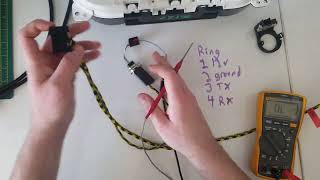
Typical fix: Replace the PATS transceiver ring located around the ignition lock cylinder. 🎬 Watch: Troubleshooting the PATS transceiver ring and antenna. This part is typically held by one screw and does not require programming.
Est. part cost: $40-$75 - Damaged or Unprogrammed Ignition Key 🟡 Medium Probability → Shop Ignition Switch The transponder chip in the key can be damaged from being dropped or from electronic interference. Using a poorly made copy can also cause issues.
How to confirm: Try starting the vehicle with a different, known-good programmed key. If the truck starts with the spare key, the original key is the problem. Ensure no other transponder keys or large metal objects are on the same keychain, as they can cause interference.
Typical fix: Have a new key cut and programmed to the vehicle by a locksmith or dealership. Some owners can program a third key themselves if they have two existing programmed keys.
Est. part cost: $70-$200 - Low Battery Voltage ⚪ Low Probability → Shop Vehicle Battery A weak or failing battery can cause a voltage drop during cranking that is significant enough to disrupt the communication between the PATS module and the PCM, triggering a false code.
How to confirm: Test the battery voltage. A healthy battery should read approximately 12.6 volts at rest and should not drop below 9.6 volts while cranking.
Typical fix: Recharge or replace the vehicle's battery.
Est. part cost: $150-$250 - Wiring or Connector Issue ⚪ Low Probability Wires leading to the PATS transceiver in the steering column can become chafed or damaged, or the connector can become loose. A less common but documented cause is corrosion at the main chassis ground points in the driver and passenger footwells.
How to confirm: Visually inspect the wiring harness around the steering column and at the PCM for any signs of damage, corrosion, or loose connections. For persistent issues, pull back the kick panel carpet and inspect the main ground bolts for rust and integrity.
Typical fix: Repair the damaged section of the wiring harness or secure the loose connector. In cases of ground failure, clean the corroded area to bare metal and re-secure the ground connection.
Est. part cost: $5-$50
Rare But Worth Checking
- Faulty Powertrain Control Module (PCM): → Shop Engine Control Module (ECM) This is the least likely cause and should only be considered after all other possibilities have been exhausted. A PCM failure can sometimes trigger PATS codes. If other codes like B1342 (ECU is defective) are present, it increases the likelihood of a PCM fault.
- Aftermarket Remote Start Interference: A poorly installed or failing aftermarket remote start system can interfere with the PATS communication, causing intermittent no-start conditions and codes like B1600 and B1681. The bypass module used for the remote start can fail and prevent normal key operation.
Diagnosis Steps
- Observe the Theft Light: Turn the key to 'ON'. A normal system shows a solid light for ~3 seconds, then it goes out. A rapid, continuous flash indicates a PATS fault.
- Try a Spare Key: Attempt to start the truck with a different programmed key. If it starts, the first key is faulty. If it does not start, the problem lies with the vehicle.
- Check Battery Voltage: Use a multimeter to ensure the battery has a full charge (~12.6V) and maintains adequate voltage (>9.6V) during cranking.
- Scan for Codes: Use a scan tool capable of reading Ford-specific Body (B) and Chassis (C) codes, not just Powertrain (P) codes. Look for B1681, B1601, or P1260 to get a more complete picture.
- Inspect PATS Transceiver Wiring: Remove the steering column shrouds (typically a few 7mm or 8mm screws) and visually inspect the wiring and connector going to the PATS antenna ring around the ignition cylinder. Ensure it is plugged in securely.
- Replace the PATS Transceiver: If keys and battery are good, the transceiver is the most probable cause. It is held by a single T-10 Torx screw or clips and is easy to replace without programming.
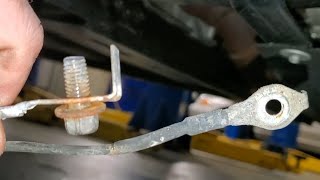
- Inspect Grounds: If the problem is intermittent or other electrical issues are present, pull back the kick panels in the driver and passenger footwells and inspect the main body ground points for rust. 🎬 Watch: How to find and fix common Ford ground cable issues. A user on Ford-Trucks.com with a B1681 code found this to be the ultimate culprit after replacing other parts.
- Professional Diagnosis: If the above steps do not resolve the issue, the vehicle should be taken to a professional who can use a high-level scan tool to check communication between modules and diagnose a potential PCM failure.
Parts You'll Likely Need
- PATS Transceiver Module (Antenna)
(OEM #4L3Z-15607-AA)— This is the most common hardware failure point in the PATS system for this vehicle, causing the P1621 code and a no-start condition.
Trusted brands: Motorcraft, Standard Motor Products
OEM price range: $60-$90
Aftermarket price range: $40-$60 - Transponder Ignition Key — The chip in the key can fail, preventing it from sending the correct code. This requires programming.
Trusted brands: Motorcraft, Strattec
OEM price range: $50-$80
Aftermarket price range: $20-$40
Related Codes That Often Appear With This One
- B1681 — This code specifically means 'PATS Transceiver Signal Is Not Received'. It often appears alongside P1621 and points directly to a problem with the transceiver or its wiring.
- B1601 — This code means an unprogrammed key was used. It can be set if you try to start the truck with a new, unprogrammed key or if the transceiver fails to read a valid key correctly.
- P1260 — This code means 'Theft Detected, Vehicle Immobilized'. It is a PCM code that confirms the PATS system has actively disabled the engine. It is often a direct result of the condition that caused P1621.
Technical Service Bulletins (TSBs) & Recalls
- TSB 08-7-6: Details the procedure for removing the problematic two-piece spark plugs on the 5.4L 3V engine to minimize breakage.
- TSB 06-19-8: Addresses issues related to the Variable Valve Timing (VVT) system, including cam phaser noise.
Platform-Specific Known Issues
- A documented, though uncommon, cause for PATS communication failure is severe corrosion of the main body ground points located in the driver and passenger side kick panels. This can cause a host of electrical issues, including a no-start with PATS codes.
- Interference from other transponder keys, large metal objects, or even some electronic key fobs on the same keychain can occasionally prevent the transceiver from reading the key correctly.
Mechanic-Grade Diagnostic Values
- PATS Transceiver Power Supply Voltage — expected: Greater than 10 volts. Failure: Voltage below 10V at pin 1 (RD/YE wire) of the transceiver connector indicates a power supply issue.
- PATS Transceiver Ground Circuit Resistance — expected: Less than 5 ohms. Failure: Resistance greater than 5 ohms between pin 2 (BK wire) of the transceiver connector and a known good ground indicates a poor ground connection.
- PATS Transceiver TX/RX Circuit to Ground Resistance — expected: Greater than 10,000 ohms. Failure: Low resistance on the transmit (VT/GY) or receive (YE/OG) wires indicates a short to ground in the wiring between the transceiver and the PCM.
Scan Tool Commands That Help
- Ford IDS (Integrated Diagnostic System): Parameter Reset — This function is required when the PCM has been replaced. It tells the PATS module to 'learn' the new PCM, allowing keys to be programmed to the new system. Simply erasing and reprogramming keys is not sufficient.
- Ford IDS (Integrated Diagnostic System): PATS Key Programming (Erase & Program) — Used to erase all stored keys and program a minimum of two new keys to the system. This is necessary if you have lost a key or if you suspect a faulty key and want to start fresh. A 10-minute security access wait is required.
- FORScan: PATS Programming — A powerful DIY alternative to the dealer's IDS. FORScan can be used to erase all keys and program new ones, but typically requires you to have at least one or two existing keys to initiate the process, depending on the procedure. It's essential for adding a new key if you only have one original.
Wiring & Ground Locations
- C2007 — The 4-pin electrical connector for the PATS transceiver module, located on the steering column at the ignition switch.. This is the direct connection point for the transceiver. Checking for power, ground, and signal integrity at this connector is a primary diagnostic step for codes B1681 and P1621.
- G201 — Behind the driver's side kick panel, it is the lower of two ground points in that area.. This is a shared ground point, and the PATS transceiver is grounded here. Corrosion or a loose connection at G201 can cause an intermittent PATS fault and a P1621 code.
- PCM Connector — Located in the engine bay, typically on the passenger side firewall.. The transmit and receive wires from the PATS transceiver run directly to pins in the PCM connector. Checking for continuity and shorts on these wires between C2007 and the PCM connector is a key step in diagnosing wiring faults.
Real Owner Repair Stories
- YouTube channel 'Advanced Level Auto Diagnostics' (2013 Ford F-150 (similar electrical architecture)) — Intermittent no-start, multiple 'lost communication with PCM' codes (U-codes) from various modules, odometer showing dashes.
❌ Tried (didn't work) Clearing codes, which erased the diagnostic history.
✅ What actually fixed it The root cause was a poor connection at the PCM power fuse (Fuse #75) in the under-hood fuse box. Pressing down on the fuse restored power to the PCM, brought all modules back online, and resolved the no-start. The intermittent loss of power to the PCM mimicked a major network or security failure. The fix was to replace the fuse and ensure the terminals in the fuse box had proper tension.
OEM Part Supersession History
4L3Z-15607-AA→The part number remains active, but aftermarket alternatives from brands like Standard Motor Products (Part # SKIM4) are widely available.— N/A
Model Year Variations Within This Range
- 2004-2008: The PATS system within the 2004-2008 generation is consistent. The major change occurred in the next generation (2009+), which introduced different engines and more complex electronics, though the fundamental PATS operation remained similar for several years.
Diagnostic Flowchart
Other Known Issues on This Vehicle
Issues unrelated to this code that are worth knowing about as an owner of this generation:
- 5.4L 3V Cam Phaser Failure 🔴 High — Very common, often appearing after 80,000 miles. Causes a diesel-like ticking or knocking sound at hot idle. Can lead to catastrophic engine damage if ignored. (Ref: TSB 06-19-8)
- 5.4L 3V Spark Plug Breakage 🟠 Medium — Extremely common during spark plug changes on engines built before 10/09/07. The two-piece plug design allows carbon buildup to seize the lower portion in the head, causing it to break upon removal. (Ref: TSB 08-7-6)
- Fuel Pump Driver Module (FPDM) Corrosion 🔴 High → Shop Fuel Pump — Extremely common. The module is mounted directly to the steel frame above the spare tire, causing galvanic corrosion that cracks the aluminum housing, allowing water intrusion and failure. Leads to a crank-no-start or stalling, often misdiagnosed as a bad fuel pump.
- Window Regulator Cable Failure 🟡 Low — Common issue where the cables in the regulator fray or snap, causing the window to get stuck or fall into the door.
Used vs. New Parts: Buying Guide for This Vehicle
When a used part is the smart pick: A used PATS transceiver from a junkyard is a perfectly reasonable and cost-effective choice. It is a simple electronic component that either works or doesn't, and it does not require programming to the vehicle. Since it's a common failure point, many are available.
Donor-vehicle mileage cap: roughly under 150000 miles for the part to have meaningful remaining life.
What to inspect on the donor part:
- Ensure the connector pins are not corroded or bent.
- Check for any cracks or physical damage to the plastic ring.
- If possible, get it from a vehicle that was not involved in a front-end collision or have steering column damage.
OEM-only on this vehicle (don't cheap out):
- Powertrain Control Module (PCM): While used PCMs can be installed, they absolutely require professional programming (a 'parameter reset') with specialized tools like the Ford IDS to match the vehicle's PATS system. This is not a plug-and-play part.
Aftermarket brands forum-validated for this vehicle:
- Standard Motor Products (for the PATS Transceiver)
- Strattec (for blank transponder keys, they are an OEM supplier)
Brands owners have reported issues with on this vehicle:
- Extremely cheap, unbranded transponder keys from online marketplaces. While they may be cut correctly, the transponder chip inside can be of low quality, leading to programming failures or intermittent operation.
Real Owner Stories
Aggregated from forums and TSBs cited above. Mileages and costs reflect what owners reported in those sources.
2004-2008 Ford F-150
Symptoms: The owner experienced a B1681 code (PATS Transceiver Signal Is Not Received) resulting in a no-start condition. The issue was persistent even after considering other components.
What fixed it: The owner pulled back the kick panel carpet and found the main ground bolts were rusted. Cleaning the corroded area to bare metal and re-securing the ground connection resolved the issue.
Source hint: Ford-Trucks.com
2003-2006 Ford Expedition
Symptoms: Owner reported identical no-start symptoms and PATS-related codes as the F-150, including P1621 and B1681.
What fixed it: Replacement of the PATS transceiver, keys, or repairing associated wiring.
Source hint: Platform mate data
Related OBD-II Codes
Frequently Asked Questions
My 2004-2008 F-150 won't start and the 'Theft' light is flashing rapidly. Does this mean I need to program a new key?
I'm seeing dashes ('--------') on my odometer instead of the mileage. Is this related to the P1621 code?
Does TSB 08-7-6 or TSB 06-19-8 address the P1621 PATS communication issue?
Can I replace the PATS transceiver ring myself, or does the dealership need to program it?
Could a weak battery really cause my F-150 to throw a security code and not start?
I've checked the keys and the transceiver, but the PATS fault persists. Where else should I look on this specific truck?
Helpful Videos
Used OEM Parts in Stock
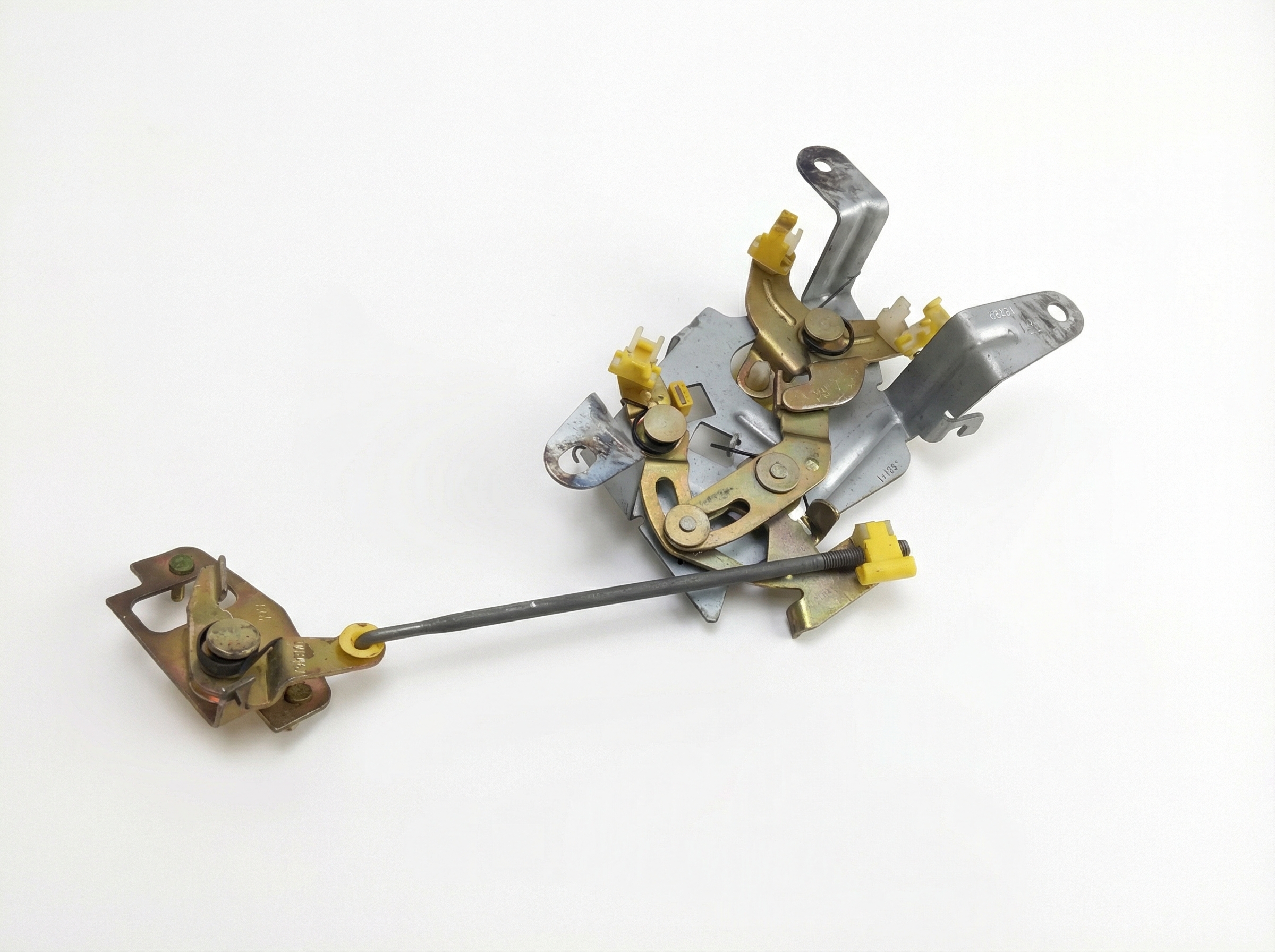
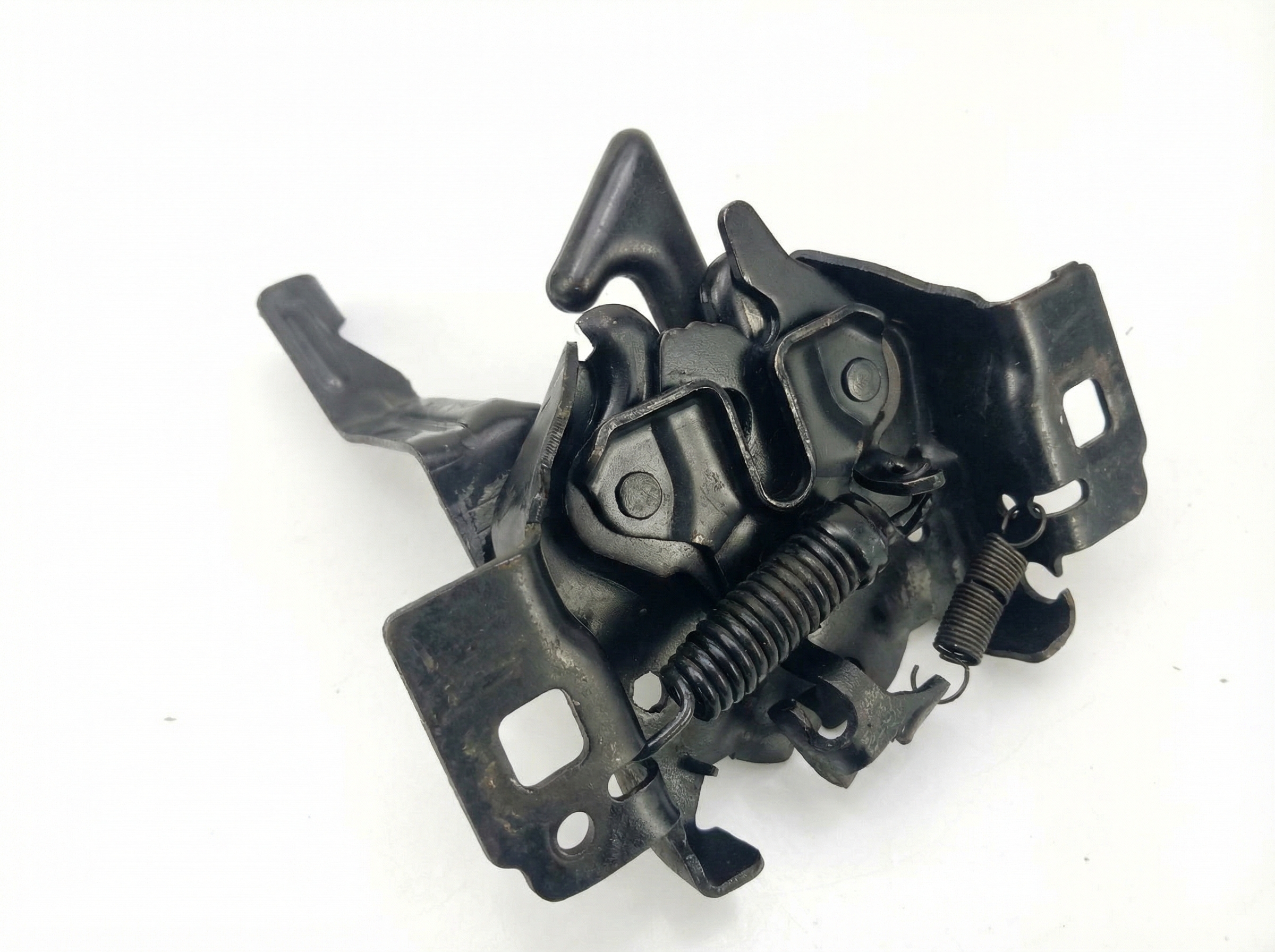
New Aftermarket Parts Available

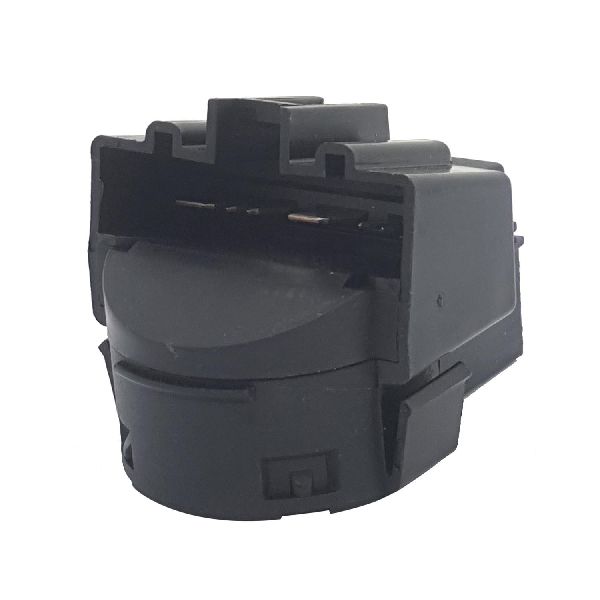
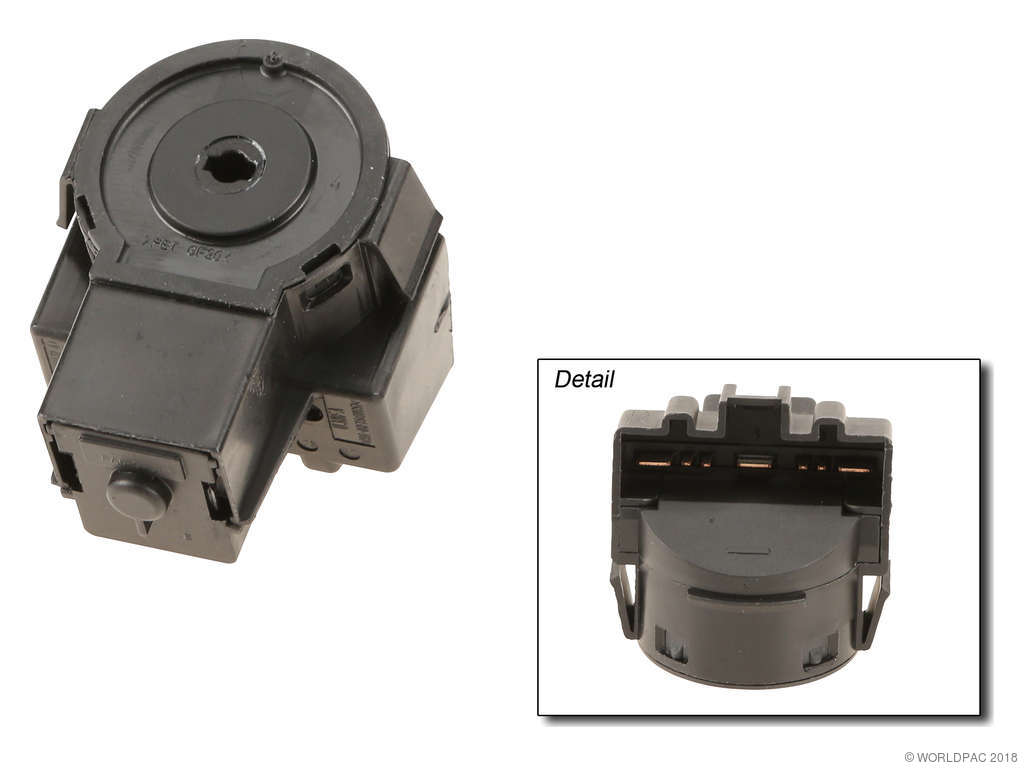

The information in this article is provided for general reference and educational purposes only. Vehicle specifications, procedures, and part compatibility can vary by production date, trim level, and region. Always consult your vehicle's factory service manual and verify part numbers before purchasing or performing repairs. Safety-critical components such as airbags, seat belts, and braking systems should be installed by a qualified professional.
- Ford F-150:
- 🧭 Diagnostic Flowchart
- 🎬 Helpful Videos
- 🛍️ Shop This Part
- What's Unique About the 2004-2008 Ford F-150
- Symptoms You May Notice
- Most Likely Causes
- Rare But Worth Checking
- Diagnosis Steps
- Parts You'll Likely Need
- Related Codes That Often Appear With This One
- Technical Service Bulletins (TSBs) & Recalls
- Platform-Specific Known Issues
- Mechanic-Grade Diagnostic Values
- Scan Tool Commands That Help
- Wiring & Ground Locations
- Real Owner Repair Stories
- OEM Part Supersession History
- Model Year Variations Within This Range
- Other Known Issues on This Vehicle
- Used vs. New Parts: Buying Guide for This Vehicle
- Real Owner Stories
- 2004-2008 Ford F-150
- 2003-2006 Ford Expedition
- Related OBD-II Codes
- Frequently Asked Questions
- 🎟️ Get 5% Off