

P1621 on 2005-2014 Ford Mustang: Immobilizer Fault Causes and Fixes
On a 2005-2014 Mustang, P1621 means the anti-theft system (PATS) has failed, causing a no-start and flashing theft light. The most likely causes are a weak battery, a bad key, or a faulty PATS transceiver ring around the ignition. Always test the battery and try a spare key before replacing parts.
- P1621 on a Mustang means the anti-theft system has disabled the car, causing a no-start and a flashing theft light.
- Always start diagnosis with the simplest things: test the 12V battery and try your spare key.
- The next most likely and affordable fix is replacing the PATS transceiver ring around the ignition switch, which does not require reprogramming.
- If fuses, battery, key, and transceiver are all good, the problem is likely in the instrument cluster or its wiring, which may require professional service.
- Do not replace the PCM unless all other possibilities have been exhausted, as it is a rare and expensive cause of this specific code.
What's Unique About the 2005-2014 Ford Mustang
On the S197 Mustang platform, the PATS control logic is integrated directly into the Instrument Panel Cluster (IPC). The transceiver ring around the ignition switch reads the transponder chip in the key and sends that data to the cluster. The cluster then validates the key and sends an 'OK to start' signal (a secret code word) to the engine computer. This architecture means that an internal failure of the instrument cluster can cause a P1621, which is a more complex and expensive repair than on vehicles with a separate, dedicated PATS module.
Generation note: This covers the entire S197 generation. While the instrument clusters and engines were updated for the 2010-2014 models, the fundamental PATS architecture (transceiver > instrument cluster > PCM) remains the same. The causes and diagnostic steps are broadly applicable to both the 2005-2009 and 2010-2014 model years.
Symptoms You May Notice
- Engine will not start (may crank but not fire, or not crank at all).
- Rapidly flashing red 'THEFT' indicator light on the dashboard when the key is in the 'ON' position. A normal PATS light will turn on for 3 seconds and then go out.
- Odometer may display dashes ('------') instead of mileage, often indicating a communication failure with the instrument cluster.
- Theft light proves out normally (on for 3 seconds, then off), but the engine still won't start (less common).
- Multiple other warning lights and error messages on the instrument cluster, suggesting a broader cluster failure.
- Replacing the starter motor when the engine doesn't crank. The PATS system can disable the starter relay, so the issue is electronic, not mechanical.
- Replacing the fuel pump. PATS also disables the fuel injectors, so a lack of fuel pressure might be a symptom, not the root cause.
Most Likely Causes
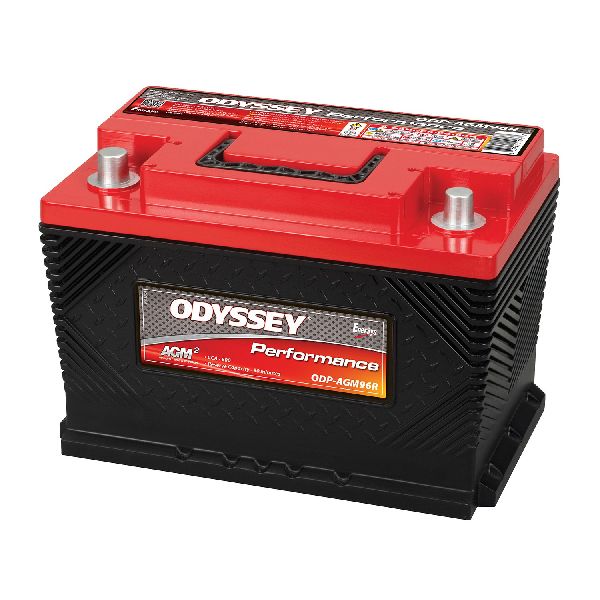
- Weak or Dead 12V Vehicle Battery 🔴 High Probability → Shop Vehicle Battery Modern vehicle electronics are highly sensitive to voltage. A voltage drop below 9.6V during cranking can corrupt communication between modules, triggering a false P1621 code. S197 Mustangs are also known for having alternators that can fail, leading to undercharged batteries.
How to confirm: Test the battery with a multimeter or a load tester. A healthy battery should show ~12.6V with the engine off and maintain above 10V while cranking. Also, test the alternator output, which should be between 13.5V and 14.5V with the engine running.
Typical fix: Recharge or replace the vehicle's 12V battery. If the alternator is faulty, replace it to prevent damage to the new battery.
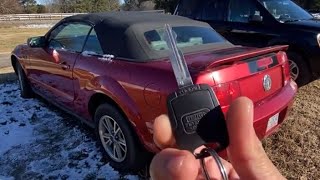
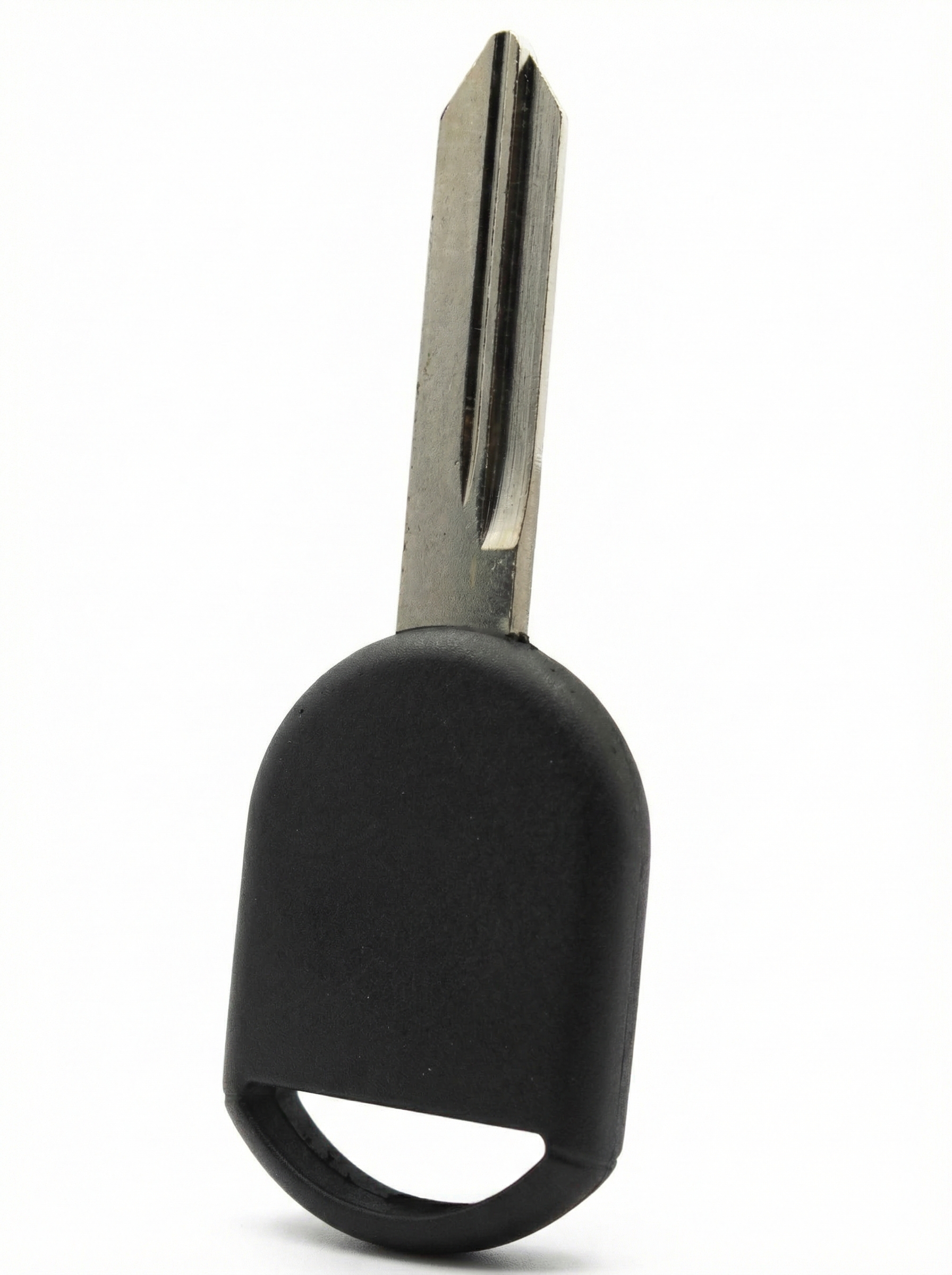
Est. part cost: $150-$450 (Battery only vs. Battery + Alternator) - Faulty or Unprogrammed Transponder Key 🟡 Medium Probability → Shop Door Lock Key The RFID transponder chip in the key head can be damaged from being dropped, exposed to moisture, or simply failing internally. Using a non-chipped hardware store copy will also trigger this code.
How to confirm: Try starting the vehicle with a known-good spare key. If the spare key works, the original key is faulty. This is the simplest and most effective diagnostic step.
Typical fix: Replace the faulty key and have the new key programmed to the vehicle by a locksmith or dealer. A minimum of two keys must be programmed for the vehicle to accept them.
Est. part cost: $50-$200 (per key, including programming) - Faulty PATS Transceiver 🟡 Medium Probability The transceiver is an antenna that reads the key chip. It's a simple electronic part that can fail over time due to heat cycles and vibration, preventing the key signal from being read.
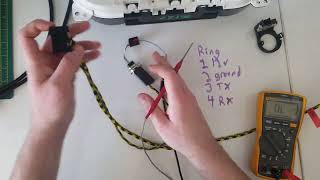
How to confirm: After ruling out the battery and key, this is the next most likely part. Diagnosis involves testing the 4-wire connector for power, ground, and continuity to the instrument cluster. Often, replacement is the easiest diagnostic step due to the part's relatively low cost.
Typical fix: Replace the PATS transceiver ring located around the ignition lock cylinder. This part does not require reprogramming. 🎬 Watch: How to troubleshoot the PATS transceiver ring
Est. part cost: $30-$80 - Blown Fuse ⚪ Low Probability A short circuit in a related component or water intrusion into the fuse box (a known issue on S197s) can blow the fuse that powers the PCM or Instrument Cluster, causing a loss of communication that mimics a PATS fault.
How to confirm: Check fuses for the PCM, PATS, and instrument cluster in the under-hood Smart Junction Box (SJB) and interior fuse panels. A visual inspection or a multimeter test will confirm if a fuse is blown. For 2010-2014 models, this is typically fuse F36 (5A) in the SJB for the transceiver.
Typical fix: Replace the blown fuse and investigate the cause of the overcurrent condition, paying close attention to signs of water damage near the passenger-side kick panel.
Est. part cost: $1-$5
Rare But Worth Checking
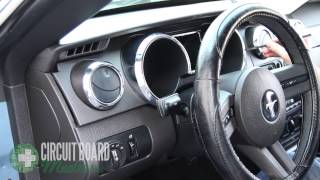
- Faulty Instrument Panel Cluster (IPC): → Shop Instrument Cluster Since the IPC contains the PATS module, an internal failure of the cluster's circuit board can cause P1621. This is a known, though not frequent, failure point on S197 Mustangs. Symptoms often include erratic gauge behavior, the odometer showing '-------', or multiple false warnings along with the P1621 code. Replacement clusters must be programmed to the car by a dealer or specialist, and the vehicle's mileage will need to be corrected. Some companies offer a repair service for the original cluster. 🎬 See: 2005 Mustang instrument cluster repair service overview
- Wiring Harness Issue: A damaged or corroded wire between the transceiver and the instrument cluster can interrupt the signal. This can be diagnosed by checking for continuity on the transmit (TX) and receive (RX) wires. Aftermarket accessories tapped into the vehicle's wiring, such as remote starters or stereo systems, are a common source of such issues.
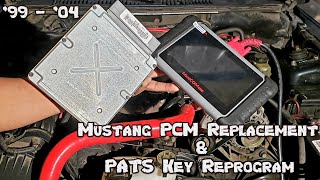
- Faulty Powertrain Control Module (PCM): → Shop Engine Control Module (ECM) While rare, an internal PCM fault can cause this code. One owner reported a heat-soak issue with the PCM causing a PATS failure, though this is not a common diagnosis. A PCM failure is more likely to be accompanied by other, more severe running issues or a complete lack of communication with a scan tool.
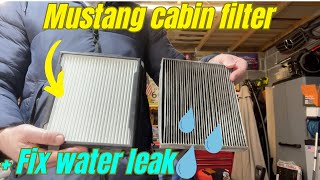
- Water Intrusion into Smart Junction Box (SJB): The S197 Mustang is notorious for water leaks from the cowl area, which drips directly onto the Smart Junction Box (SJB) / fuse panel in the passenger footwell. This can cause corrosion and short circuits, leading to a host of electrical gremlins, including communication errors that can trigger a P1621. Ford issued TSB 08-26-7 for this issue. 🎬 Watch: How to fix the passenger footwell water leak
Diagnosis Steps
- Verify the Symptoms: Confirm the engine will not start and the red 'THEFT' light is flashing rapidly when the key is turned to the ON position.
- Check the Battery and Charging System: Test the 12V battery voltage. Ensure it is above 12.4 volts and does not drop below 10 volts during cranking. A weak battery is a very common cause of false PATS faults. With the engine running (if possible via jump start), verify alternator output is 13.5V-14.5V.
- Try a Spare Key: Attempt to start the vehicle with a different programmed key to rule out a faulty transponder chip in the primary key. This is the most crucial and simplest step.
- Check Fuses: Inspect all fuses related to the PCM, Instrument Cluster (IPC), and PATS system in both the engine bay and interior fuse panels (SJB). Pay special attention to the passenger footwell area for signs of water damage. For 2010-2014 models, specifically check fuse F36 (5A) in the SJB.
- Inspect PATS Transceiver: Remove the steering column shrouds and visually inspect the PATS transceiver ring and its 4-pin electrical connector for damage or loose connections.
- Scan for Body/Network Codes: Use a capable scan tool (like FORScan) to check for B-codes and U-codes. Codes like B1600, B1681, U0155, or B10D9 can pinpoint the failure to the key, transceiver, or instrument cluster, respectively.
- Test Transceiver Circuit (Advanced): Using a multimeter, check for 12V power and good ground at the transceiver connector with the key on. Check for continuity on the two data wires (TX/RX) between the transceiver connector and the instrument cluster connector.
- Seek Professional Diagnosis: If the above steps do not resolve the issue, the fault likely lies within the Instrument Panel Cluster or PCM, which requires professional diagnostic tools and programming capabilities to replace or repair.
Parts You'll Likely Need
- PATS Transceiver Antenna
(OEM #2S6Z-15607-BA (for 2005-2008), 6E5T-15607-AB (for 2009-2014, check compatibility))— This antenna ring around the ignition is a common failure point and is relatively inexpensive and easy to replace without needing reprogramming.
Trusted brands: Motorcraft, Standard Motor Products
OEM price range: $40-$80
Aftermarket price range: $25-$50 - Vehicle Battery — Low voltage is a very common trigger for this code. S197 Mustangs are also known for alternator issues that can prematurely kill batteries.
Trusted brands: Motorcraft, Interstate, DieHard
OEM price range: $180-$250
Aftermarket price range: $150-$220 - Transponder Key — The chip in the key can fail. A new key must be cut and programmed to the vehicle.
Trusted brands: Ford
OEM price range: $70-$150 (plus programming)
Aftermarket price range: $30-$80 (plus programming)
Related Codes That Often Appear With This One
- P1260 — P1260 ('Theft Detected, Vehicle Immobilized') is set by the PCM when it's commanded by the PATS system not to start the engine. It's a direct companion to a PATS failure code like P1621.
- B1600 — This body code means 'Non-PATS Key' or 'No Key Code Received,' indicating the system couldn't read the key, often pointing to a bad key or transceiver.
- B1681 — This body code means 'Transceiver Signal Not Received,' pointing specifically to a problem with the transceiver ring or its wiring.
- U0155 — This network code means 'Lost Communication With Instrument Panel Cluster (IPC) Control Module.' Since the IPC is the PATS module, seeing this code strongly suggests the cluster itself or its wiring/power supply is the root cause.
- B2139 — This body code means 'Data Mismatch (received data does not match expected data)' and is often seen with P1621, indicating the code words between the IPC and PCM did not match.
Technical Service Bulletins (TSBs) & Recalls
- TSB 08-26-7 — Water Leak - Front Floor Area — Details the diagnosis and repair for a common water leak from the cowl area into the passenger footwell, which can damage the Smart Junction Box and cause various electrical faults. Supersedes TSB 07-14-6.
Mechanic-Grade Diagnostic Values
- PATS Transceiver Power Supply Voltage — expected: Greater than 10 volts with key in ON position.. Failure: Voltage below 10V indicates a power supply issue from the SJB/fuse.
- PATS Transceiver Ground Circuit Resistance — expected: Less than 5 ohms between the transceiver connector ground pin and a chassis ground.. Failure: High or infinite resistance indicates a bad ground connection.
- PATS Transceiver TX/RX Wire Continuity — expected: Less than 5 ohms between the transceiver connector and the corresponding pins at the Instrument Panel Cluster connector.. Failure: High or infinite resistance indicates a broken wire in the harness.
- PATS Transceiver TX/RX Wires Resistance to Ground — expected: Greater than 10,000 ohms with the transceiver and IPC disconnected.. Failure: Low resistance indicates a short to ground in the wiring harness.
Scan Tool Commands That Help
- Ford IDS, FORScan: Parameter Reset — This function is mandatory when the Instrument Panel Cluster (IPC) or Powertrain Control Module (PCM) is replaced. It re-establishes the security link between the modules, allowing them to communicate. Simply programming keys is not sufficient without this step.
- Ford IDS, FORScan: Ignition Key Code Erase — Used after a Parameter Reset or when all keys are lost. This function erases all previously stored keys from the PATS module's memory, preparing it to learn a new set of keys. A minimum of two keys must be programmed for the system to operate.
- Ford IDS, FORScan: PATS Module Self-Test — This diagnostic routine checks the integrity of the PATS system components and can help retrieve specific B-codes (Body) or U-codes (Network) that are not visible with a basic OBD-II scanner.
Wiring & Ground Locations
- PATS Transceiver Connector (C2007) — Located on the PATS transceiver ring, which is around the ignition lock cylinder inside the steering column covers.. This is the 4-pin connector where all voltage and continuity tests for the transceiver are performed. Pin 1 is power, Pin 2 is ground, Pins 3 and 4 are the TX/RX data lines to the instrument cluster.
- G201 — On the passenger side kick panel area, near the Smart Junction Box (SJB) and the PCM.. This is a primary ground point for the Powertrain Control Module (PCM). A loose or corroded G201 can cause a host of communication issues, including those that could mimic a PATS fault.
- G104 — On the left front (driver's side) fender apron, located behind the battery.. This ground point serves the Data Link Connector (DLC). While not directly tied to PATS operation, a poor ground here can interfere with scan tool communication during diagnosis.
- Instrument Cluster Connector (C220 on 2010-14 models) — The main electrical plug on the back of the Instrument Panel Cluster, accessed by removing the cluster.. The TX and RX data wires from the PATS transceiver terminate here. Checking for continuity between this connector and the transceiver connector is a key step in diagnosing a wiring fault.
Real Owner Repair Stories
- YouTube video by an owner (Unknown Ford model, likely a car or crossover) — Engine kept cutting out while driving. Could restart initially, but the problem became progressively worse. P1621 code was present.
❌ Tried (didn't work) Replaced the ECU with a new kit.
✅ What actually fixed it The P1621 code was eventually joined by a P0193 (Fuel Rail Pressure Sensor Circuit High). The owner discovered the fuel pressure reading on the scan tool was an impossibly high 180,000. Replacing the fuel rail pressure sensor fixed both codes and the stalling issue.
OEM Part Supersession History
3R3T-15607-AA→4W1Z-15607-AA, then 2S6Z-15607-BA— Standard part revisions and consolidation across multiple vehicle platforms.
Heads up: The part number 2S6Z-15607-BA is listed for 2005-2008 Mustangs. Always verify the part number for your specific year, as later models may use a different transceiver. Using the incorrect part number can cause a B10D9:87 DTC.
Model Year Variations Within This Range
- 2005-2009 vs. 2010-2014: The instrument clusters between the early S197 (05-09) and the facelift S197 (10-14) are not interchangeable. They have different designs, connectors, and communication protocols. A cluster from a 2010-2014 car cannot be installed in a 2005-2009 car (or vice-versa) without extensive custom wiring and programming, as the communication with the car's computer was fundamentally changed.
- 2010-2014 Base vs. Premium: Within the 2010-2014 range, base models had a simple cluster, while premium models had a more advanced cluster with a central LCD screen ('Track Apps'). While they may be physically swappable with some wiring modifications, a cluster swap requires programming with a tool like IDS to enable/disable features (like ABS or traction control) that may differ between the donor and recipient car.
Diagnostic Flowchart
Other Known Issues on This Vehicle
Issues unrelated to this code that are worth knowing about as an owner of this generation:
- Water Leak into Passenger Footwell 🔴 High — Very common across 2005-2009 models. Caused by clogged cowl drains or bad seals. (Ref: TSB 08-26-7)
- Aluminum Hood Corrosion 🟡 Low — Common cosmetic issue where paint bubbles along the leading edge of the hood due to contamination under the paint.
- 4.6L 3V VCT Solenoid Failure 🟠 Medium — Common on higher mileage GT models (2005-2010). Causes rough idle, stalling, and codes like P0011/P0012.
- Failing Alternator 🟠 Medium — A known weak point, especially on 2005-2009 models. Failure can cause numerous, seemingly unrelated electrical problems.
- Two-Piece Spark Plug Breakage (4.6L 3V) 🟠 Medium — Affects 2005-early 2008 GT models. The original spark plugs can break off in the cylinder head during removal, requiring a special extraction tool.
- Plastic Thermostat Housing Failure (4.0L V6) 🟠 Medium — The plastic housing on the 2005-2010 V6 engine is prone to cracking and leaking coolant. Aftermarket metal replacements are a common upgrade.
Used vs. New Parts: Buying Guide for This Vehicle
When a used part is the smart pick: A used PATS transceiver is a very safe and cost-effective choice. It is a simple antenna that does not store any vehicle-specific data and does not require programming. A used instrument cluster can also be an option to save money, but ONLY if you have access to a Ford IDS or equivalent high-level scan tool and understand the required 'Parameter Reset' and key programming procedures.
Donor-vehicle mileage cap: roughly under 150000 miles for the part to have meaningful remaining life.
What to inspect on the donor part:
- For a PATS Transceiver: Ensure the 4-pin connector is intact with no bent or corroded pins and that the plastic ring is not cracked or broken.
- For an Instrument Cluster: Verify the clear plastic lens is not cracked or deeply scratched. Check that the donor vehicle's mileage is acceptable, as it will transfer to your car and require a specialist to correct. Most importantly, ensure the part number and model year range (05-09 vs 10-14) exactly match your original cluster.
OEM-only on this vehicle (don't cheap out):
- Instrument Panel Cluster (IPC): While used OEM is an option, avoid no-name aftermarket clusters. The IPC is a critical security module, and aftermarket versions are likely to have compatibility and quality issues. A professional repair of your original cluster is often the best path, as it requires no programming.
- Transponder Keys: Avoid cheap, non-Ford qualified aftermarket keys. Many have cloning issues or transponder chips that fail prematurely. Stick with OEM Ford keys or reputable aftermarket brands like Strattec.
- Powertrain Control Module (PCM): Never install a used PCM from another vehicle without having it professionally reprogrammed and a parameter reset performed. A mismatched PCM will not start the vehicle.
Brands owners have reported issues with on this vehicle:
- Unbranded 'cloned' keys from online marketplaces.
Real Owner Stories
Aggregated from forums and TSBs cited above. Mileages and costs reflect what owners reported in those sources.
2006 Mustang GT
Symptoms: Sudden failure of multiple systems including the AC, turn signals, and gauges.
What fixed it: Replacement of the instrument cluster as diagnosed by the dealer.
Source hint: TheMustangSource.com: Instrument cluster problem
2005-2014 Mustang (S197)
Symptoms: Massive electrical failure, no-start condition, multiple warning lights, and gauges sitting at zero.
What fixed it: Diagnosis pointed toward a failed Instrument Cluster or CAN bus issue.
Source hint: S197Forum.com: Bad Instrument Cluster or…?
2005-2014 Mustang (S197)
Symptoms: Widespread electrical issues, sensor faults, and gauge problems caused by voltage ripple.
What fixed it: Replacing the failing alternator which was causing charging system instability.
Source hint: MustangForums.com: What a bad alternator can do to you S197!
Related OBD-II Codes
Frequently Asked Questions
My 2005-2014 Mustang has a water leak in the passenger footwell; could this cause the P1621 code?
Why does my Mustang's odometer show dashes ('------') along with the P1621 code?
Can a bad alternator cause a P1621 code on my S197 Mustang?
I lost my keys; can I use a standard hardware store key to fix the P1621 no-start?
Which fuse should I check for PATS issues on my 2010-2014 Mustang?
Do I need to program the PATS transceiver if I replace it?
Helpful Videos



Used OEM Parts in Stock
New Aftermarket Parts Available

The information in this article is provided for general reference and educational purposes only. Vehicle specifications, procedures, and part compatibility can vary by production date, trim level, and region. Always consult your vehicle's factory service manual and verify part numbers before purchasing or performing repairs. Safety-critical components such as airbags, seat belts, and braking systems should be installed by a qualified professional.
- Ford Mustang:
- 🧭 Diagnostic Flowchart
- 🎬 Helpful Videos
- 🛍️ Shop This Part
- What's Unique About the 2005-2014 Ford Mustang
- Symptoms You May Notice
- Most Likely Causes
- Rare But Worth Checking
- Diagnosis Steps
- Parts You'll Likely Need
- Related Codes That Often Appear With This One
- Technical Service Bulletins (TSBs) & Recalls
- Mechanic-Grade Diagnostic Values
- Scan Tool Commands That Help
- Wiring & Ground Locations
- Real Owner Repair Stories
- OEM Part Supersession History
- Model Year Variations Within This Range
- Other Known Issues on This Vehicle
- Used vs. New Parts: Buying Guide for This Vehicle
- Real Owner Stories
- 2006 Mustang GT
- 2005-2014 Mustang (S197)
- 2005-2014 Mustang (S197)
- Related OBD-II Codes
- Frequently Asked Questions
- 🎟️ Get 5% Off