

P1621 on 2000-2011 Ford Ranger: Immobilizer Fault Causes and Fixes
On a 2000-2011 Ford Ranger, P1621 means the anti-theft system (PATS) has failed, causing a no-start and a flashing theft light. The most common causes are a weak vehicle battery or a faulty transponder key. Always test the battery and try a spare key before replacing any parts.
- P1621 on your Ranger means the anti-theft system has been triggered, causing a no-start.
- Before any expensive repairs, fully charge and test your battery, then try your spare key. These simple steps solve a majority of cases.
- The most common parts to fail are the transponder key and the PATS transceiver ring around the ignition.
- Observe the 'THEFT' light on your dash. If it's flashing rapidly when you try to start the truck, the problem is definitely in the PATS system.
- Replacing and programming a new key requires a locksmith or dealer with specialized tools.
What's Unique About the 2000-2011 Ford Ranger
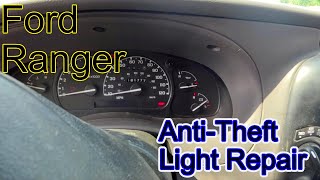
For this generation of Ford Ranger, the P1621 code is almost exclusively tied to the PATS anti-theft system, unlike on other manufacturers where it can mean a transmission or memory failure. The system consists of the key, the transceiver (an antenna ring around the ignition), and the control module. The location of the control module is a critical model-year distinction: on 1999-2000 models, it can be a separate module; on 2001-2003 models, it is integrated into the PCM; 🎬 Watch this quick 2001 Ranger anti-theft system reset and on 2004-2011 models, it is part of the instrument cluster (HEC). Owners frequently report this issue appearing intermittently, sometimes related to weather changes like rain or high temperatures, which often points to underlying wiring or component weaknesses rather than a simple key failure.
Symptoms You May Notice
- Engine will not crank, or cranks but does not start.
- Rapidly flashing 'THEFT' light on the instrument cluster (typically flashes a specific code, e.g., 1:6, which can be decoded).
- Engine may stall while driving and will not restart.
- A single 'click' sound when turning the key to start.
- Theft light stays on solid for more than a few seconds after turning the key to 'ON'.
- Replacing the starter when the no-crank is caused by the PATS system disabling the starter relay.
- Replacing the ignition switch, which is typically not the cause unless it is physically broken.
- Replacing the PCM prematurely before diagnosing the key, transceiver, and wiring.
- Assuming a 'cloned' key from a hardware store will work; it may open the doors but lacks the programmed chip to start the engine.
Most Likely Causes
- Weak or Dead 12V Vehicle Battery 🔴 High Probability → Shop Vehicle Battery Control modules require stable voltage during startup. A voltage drop below 9.6V during cranking can corrupt the communication between the PATS components and the PCM, triggering a false P1621 code. This is a very common first point of failure.
How to confirm: Measure the battery voltage with a multimeter; it should be above 12.4V with the engine off. Perform a load test to check the battery's health. Check for corrosion on the battery terminals.
Typical fix: Recharge or replace the vehicle battery. Clean the battery terminals and cable ends.
Est. part cost: $120-$250 - Faulty Transponder Key 🔴 High Probability → Shop Door Lock Key The RFID chip inside the key head can be damaged from being dropped, exposed to moisture, or simply fail electronically over time. Using a non-programmed 'cloned' key or having other PATS keys on the same keychain can also cause interference.
How to confirm: Attempt to start the vehicle with a known-good spare key. If the spare key works and the original does not, the key is the issue. If you only have one key, a locksmith or dealer can test it.
Typical fix: Use the spare key. If a new key is needed, it must be cut and programmed to the vehicle. This can be done by an owner if two original keys are present, or by a locksmith/dealer if not. Software like FORScan can also be used to program keys if you only have one or zero working keys.
Est. part cost: $75-$250 for a new programmed key - Faulty PATS Transceiver 🟡 Medium Probability The transceiver is the antenna ring around the ignition lock cylinder. It energizes and reads the key chip. This component can fail electronically or develop a poor connection, preventing it from reading the key's signal.
How to confirm: Observe the theft light; if it flashes rapidly even with a known-good key, the transceiver may not be reading it. A Ford-specific scan tool can often pull codes like B1681 ('Transceiver Signal Not Received') that point directly to the transceiver. You can also decode the theft light flash code.
Typical fix: Replace the PATS transceiver. It is located behind the steering column shrouds, around the ignition cylinder. On many Rangers, this part is plug-and-play and does not require programming.
Est. part cost: $40-$100 - Wiring or Connector Issue ⚪ Low Probability Corrosion on connectors for the instrument cluster, fuse box (especially the passenger kick panel on 04-11 models), or PCM can interrupt the sensitive PATS communication signals. Wires in the steering column can also chafe or break from repeated tilting of the wheel. Some owners report issues after rainfall, suggesting moisture is finding its way into a critical connection.
How to confirm: Visually inspect connectors, especially the main harness plugs at the firewall and the 4-pin connector for the transceiver on the steering column. Look for green or white corrosion. Check for continuity on PATS-related wires if you have a wiring diagram.
Typical fix: Clean corroded connectors with electrical contact cleaner and a small brush. Ensure a secure connection. Repair any broken or chafed wires.
Est. part cost: $5-$50 for cleaning supplies or wiring repair
Rare But Worth Checking
- Faulty Instrument Cluster: → Shop Instrument Cluster On 2004-2011 Rangers, the PATS control function is integrated into the Hybrid Electronic Cluster (HEC). A failing HEC can cause communication errors that trigger a PATS fault. If you experience gauge failures (speedo/tach dropping to zero), the odometer reading dashes, and intermittent no-crank along with the flashing theft light (especially flash code 16), the cluster itself is a likely root cause due to failed internal solder joints or components.
- Faulty Powertrain Control Module (PCM): → Shop Engine Control Module (ECM) This is a rare but possible cause, especially on 2001-2003 models where PATS is integrated. An internal failure can cause the PCM to incorrectly report a security issue or even short the communication line to the transceiver. This should only be considered after all other possibilities (key, transceiver, wiring, battery, cluster) have been exhaustively ruled out.
Diagnosis Steps
- Observe the 'THEFT' light on the dashboard when trying to start. A normal light will turn on for ~3 seconds and then turn off. A rapid flash indicates a PATS fault.
- If the light is flashing, wait for one minute. It will then flash a two-digit code (e.g., one flash, a pause, then six flashes is code 16). Decode this code to narrow down the fault. 🎬 Watch how to diagnose a flashing theft light code 14
- Try your spare key. If the truck starts, the original key is faulty.
- Ensure the vehicle's 12V battery is fully charged (above 12.4V) and passes a load test. Clean any corrosion from the battery terminals.
- Check all related fuses in the interior and under-hood fuse boxes (PATS, PCM, Instrument Cluster). Fuse #19 in the cab fuse box often powers the transceiver.
- Use a scan tool capable of reading Ford-specific codes (like FORScan with a compatible OBD2 adapter) to check for any 'B' (Body) or 'U' (Network) codes. Codes like B1681, B1600, or P1260 provide critical diagnostic direction.
- Inspect the wiring and 4-pin connector for the PATS transceiver around the ignition cylinder. Ensure it is plugged in securely and shows no signs of damage. Perform voltage and resistance checks on the connector pins if you have a multimeter.
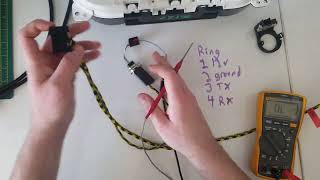
- If a B1681 code or theft flash code 11/12 is present and the wiring appears intact, replace the PATS transceiver. 🎬 See this step-by-step PATS transceiver troubleshooting guide This is a common failure point and is relatively inexpensive.
- If theft flash code 16 is present and accompanied by intermittent gauge failure (on 2004+ models), investigate the instrument cluster and its connectors for the fault.
- If no other causes are found, the issue may lie with the PCM itself, which typically requires professional diagnosis.
Parts You'll Likely Need
- PATS Transceiver Antenna
(OEM #3W1Z-15607-AA (fits most 2003-2011), 1L5T-15607-AE (fits some 2001-2005))— This antenna ring reads the key chip and is a common electronic failure point in the PATS system, leading to P1621 and B1681 codes.
Trusted brands: Motorcraft, Standard Motor Products
OEM price range: $60-$100
Aftermarket price range: $40-$70 - Transponder Key
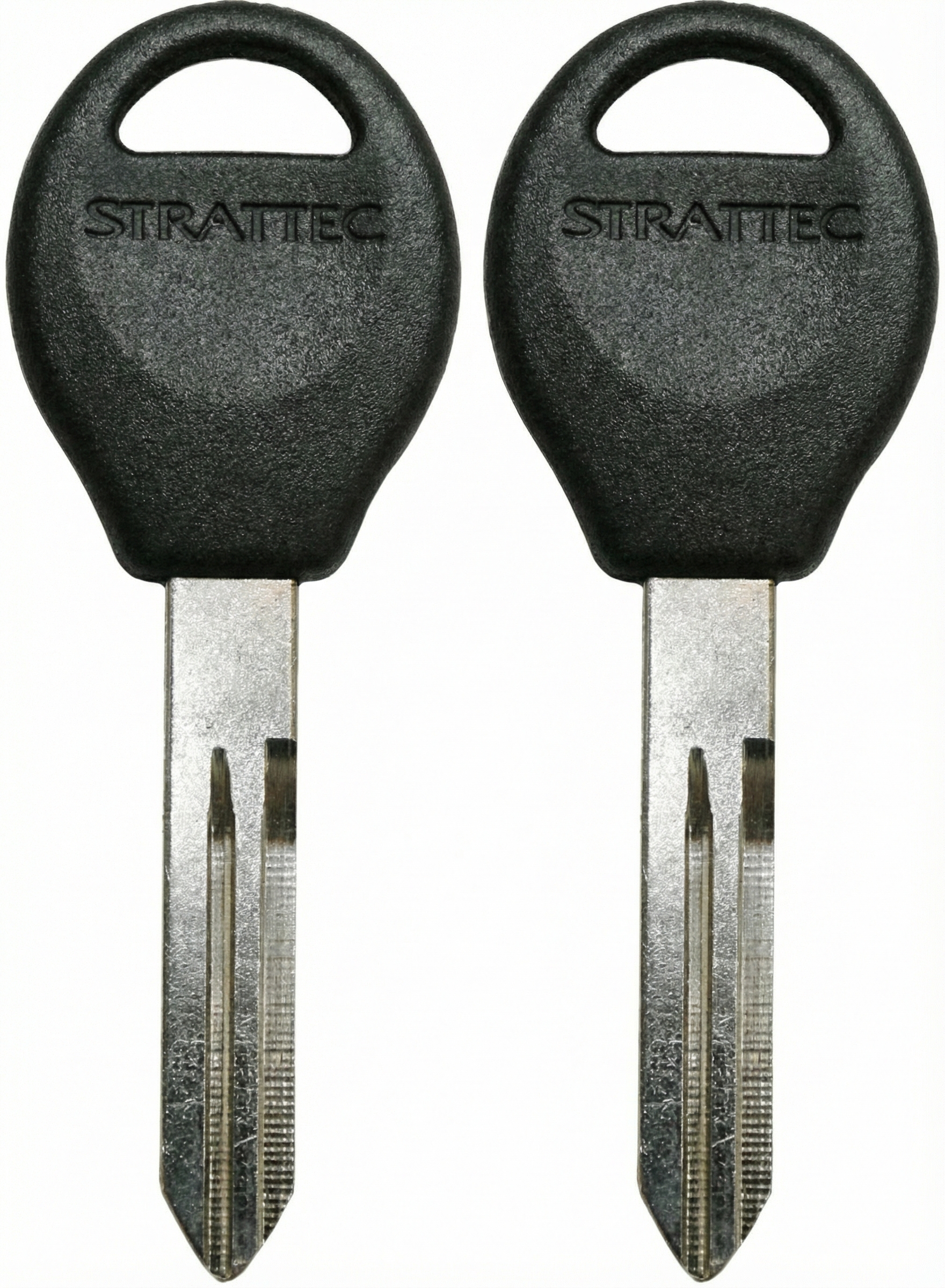
(OEM #H72-PT (for some early models), H84-PT (common for many years))— The chip in the key can be damaged or fail, preventing the PATS handshake. A new key is often the simplest solution if a spare works.
Trusted brands: Motorcraft, Strattec
OEM price range: $75-$150 (plus programming)
Aftermarket price range: $40-$80 (plus programming)
Related Codes That Often Appear With This One
- B1681 — Specifically means the transceiver signal was not detected. This is a strong indicator that the transceiver itself or its wiring is the fault, and often appears with P1621.
- B1600 — Indicates a non-PATS key was used or the transceiver signal was not received, directly related to the P1621 failure.
- P1260 — Means 'Theft Detected, Vehicle Immobilized'. This code is set by the PCM as a direct result of the PATS failure that triggered P1621, confirming the engine was intentionally disabled.
- B1232 / B2103 — These codes indicate the transceiver's internal antenna is damaged, confirming a faulty transceiver unit that needs replacement.
Technical Service Bulletins (TSBs) & Recalls
- TSB 01-6-2: Provides general diagnostic service tips for PATS systems on various Ford models including the Ranger from 1999-2001. It details how to interpret theft indicator light flashes and lists various diagnostic trouble codes (B1600, B1681, P1260, etc.) and their potential causes.
Platform-Specific Known Issues
- Real Owner Experience: Transceiver Failure: A user on Ranger-Forums with a 2000 Ranger experienced a no-start with a flashing theft light and code B1681. After confirming fuses were good, they replaced the PATS transceiver module (antenna ring) around the ignition. The truck started immediately, confirming the transceiver was the point of failure. This is a very common repair story.
- Key Programming Requirements: To program a new (third) key yourself, you must have two existing, working keys. The procedure involves cycling the two known keys in the ignition before inserting the new key. If you only have one or no working keys, you must use a tool like FORScan or go to a dealer/locksmith.
Mechanic-Grade Diagnostic Values
- PATS Transceiver Connector (C2007) - Pin 1 Power — expected: Greater than 10 volts with key ON. Failure: Low or no voltage indicates a problem with the power feed or fuse.
- PATS Transceiver Connector (C2007) - Pin 2 Ground — expected: Less than 5 ohms resistance to chassis ground. Failure: High resistance indicates a poor ground connection.
- PATS Transceiver Connector (C2007) - Pins 3 (TX) & 4 (RX) Signal Wires — expected: Greater than 10,000 ohms resistance to ground (with PCM and transceiver disconnected). Failure: Low resistance indicates a short to ground in the wiring harness. A reading below 10k ohms with the PCM connected but above 10k with it disconnected points to an internal PCM fault.
Hidden / Shadow Codes Worth Checking
- PATS Flash Codes: The theft light flashes a two-digit code after 1 minute of rapid flashing. This is the primary diagnostic tool without a scanner. (see via Turn key to ON. Observe rapid flashing for ~1 minute. Count the flashes, which will be separated by a short pause (e.g., flash... pause... flash, flash, flash = code 13).)
- 11: Transceiver signal not detected or antenna not connected/powered. Points to a bad transceiver, its connector, or fuse. (see via Theft light flashes once, pauses, then flashes once more.)
- 13: Key code not received. The key is not a PATS key or the transponder chip is damaged/missing. (see via Theft light flashes once, pauses, then flashes three times.)
- 15: Invalid key code from transponder. The key is a PATS key, but it is not programmed to this vehicle. (see via Theft light flashes once, pauses, then flashes five times.)
- 16: CAN communication error between PATS module (in PCM or Cluster) and the rest of the system. Often seen with cluster failures on 2004+ models. (see via Theft light flashes once, pauses, then flashes six times.)
- 21: Not enough keys programmed in memory. The system requires a minimum of two keys to be stored. (see via Theft light flashes twice, pauses, then flashes once.)
Scan Tool Commands That Help
- FORScan / Ford IDS: PATS Programming — To erase all keys and program a new set of two (or more) keys. This is the required procedure when you have lost all keys or only have one key and need to create a new set.
- FORScan / Ford IDS: Parameter Reset — This is mandatory when replacing a core PATS module like the PCM (on 01-03 models) or the Instrument Cluster (on 04-11 models). It re-establishes the security handshake between the new module and the existing components. Simply programming keys is not sufficient.
- FORScan / Ford IDS: Ignition Key Code Erase — Used as part of the PATS Programming service function. This step erases all keys currently stored in the module's memory before you program the new set. This ensures no old or lost keys can start the vehicle.
Wiring & Ground Locations
- PATS Transceiver Connector — A 4-pin connector plugged into the black antenna ring around the ignition lock cylinder, under the steering column shrouds.. This is the primary connection for the component that reads the key. A loose connection or damaged wire here is a direct cause of PATS communication failure (Flash Code 11). Pin 1 is power, Pin 2 is ground, Pins 3 & 4 are data.
- Passenger Kick Panel Connectors — Behind the plastic kick panel in the front passenger footwell, where the main body harness connects.. On 2004-2011 Rangers, these connectors are a known point for corrosion due to water entry. Corrosion here can disrupt CAN bus communication to the instrument cluster (which houses the PATS module), causing Flash Code 16 and other bizarre electrical issues.
- Engine-to-Firewall Ground Strap — A braided metal strap typically running from the back of the engine block to the vehicle's firewall.. This is the main ground path for all electronics inside the cab, including the PATS module (whether in the dash or cluster). A corroded or broken strap can cause intermittent and hard-to-diagnose electrical faults.
- PCM Connector — The large, bolted connector on the Powertrain Control Module, typically located on the firewall in the engine bay.. Water intrusion can cause corrosion on the pins, and on 2001-2003 models, this is a direct connection to the PATS module. On all years, it's a critical communication link. A user traced their intermittent PATS fault to an internal short in the PCM that was only detectable by measuring resistance at this connector.
Real Owner Repair Stories
- The Ranger Station forum user 'French-connection' (Ford Ranger, year not specified but PATS in PCM) — Sudden no-start condition with a flashing theft light, displaying flash code 11 (transceiver communication failure).
❌ Tried (didn't work) Checking fuses (they were good)., Testing for power at the transceiver connector (12V was present)., Testing continuity of the two signal wires from the transceiver connector to the PCM connector (they were good).
✅ What actually fixed it Replacing the PATS transceiver ring. The truck started immediately after the new part was installed, confirming the original transceiver had failed internally. No programming was required. - Ranger-Forums user 'Chris F' (2007 Ford Ranger 2.3L) — Intermittent failure of speedometer, tachometer, and temp gauge while driving. Odometer would show dashes. After shutting off, it would be a no-crank, no-start with PATS flash code 16 (CAN communication error).
❌ Tried (didn't work) Unsuccessful attempt to communicate with PCM via OBD-II port when the fault was active.
✅ What actually fixed it The user correctly diagnosed that on their 2007 model, PATS is in the instrument cluster (HEC). The combination of gauge failure and PATS code 16 pointed directly to a faulty instrument cluster. The final fix was to replace the cluster and have it programmed to the vehicle. - Reddit user 'carseatheadresttt' (2001 Ford Ranger 4.0L V6) — Intermittent no-crank, no-start with a rapid flashing theft light, especially after heavy rain.
❌ Tried (didn't work) Cleaning cowl drains., Checking PCM connectors for visible water (they appeared dry).
✅ What actually fixed it The user performed advanced diagnostics. With the PCM connected, the PATS RX wire had a resistance to ground of 1,500 ohms (spec is >10,000). With the PCM disconnected, the wire's resistance was normal. This proved the wiring was good and the PCM itself was internally shorting the communication line to ground. The final fix was replacing the PCM.
Model Year Variations Within This Range
- 1999-2000: PATS control may be a separate, standalone module (Type B). On a '99 Ranger, it is located behind the passenger side airbag, requiring airbag removal for access.
- 2001-2003: PATS control is integrated into the Powertrain Control Module (PCM) (Type E). A suspected module failure points directly to the PCM.
- 2004-2011: PATS control is integrated into the instrument cluster, called the Hybrid Electronic Cluster (HEC) (Type G). A suspected module failure points to the cluster itself, and symptoms often include gauge malfunctions. Replacing the cluster requires a 'Parameter Reset' with a scan tool.
Diagnostic Flowchart
Other Known Issues on This Vehicle
Issues unrelated to this code that are worth knowing about as an owner of this generation:
- 4.0L SOHC V6 Timing Chain Rattle 🔴 High — Very common, especially on 2001-2004 models. The plastic guides for the timing chains break, and the hydraulic tensioners can fail, often noticeable as a brief rattle on startup. Failure can lead to catastrophic engine damage. (Ref: TSB 04-15-04 was issued for noisy tensioners, but it was not a recall and repairs outside of warranty are customer-pay.)
- Frame Rust and Corrosion 🔴 High — Widespread, particularly in regions that use road salt. The frame tends to rust severely around the rear leaf spring shackles and over the fuel tank. In some cases, it can lead to structural failure. (Ref: No official recall in North America, though Ford offered a goodwill program in the UK for a different Ranger generation.)
- 5R55E Automatic Transmission Failures 🟠 Medium → Shop Transmission Assembly — Common at higher mileage (typically over 100k miles). Issues include delayed engagement into Drive or Reverse, harsh shifting, and loss of gears, often related to a failed servo bore, valve body gaskets, or EPC solenoid.
- Upper and Lower Ball Joint Wear 🟡 Low — Frequent wear item, especially on trucks with larger tires or that are used off-road. Leads to clunking noises, uneven tire wear, and loose steering feel.
Used vs. New Parts: Buying Guide for This Vehicle
When a used part is the smart pick: For this repair, using tested parts from a junkyard or online seller can be a very cost-effective strategy, especially for the transceiver, PCM, or instrument cluster.
Donor-vehicle mileage cap: roughly under 150000 miles for the part to have meaningful remaining life.
What to inspect on the donor part:
- For PCMs and Clusters, check the donor vehicle for signs of water leaks around the windshield or firewall.
- Inspect connectors on the part for any signs of corrosion (green/white powder) or bent pins.
- If possible, get the VIN of the donor vehicle to help with potential reprogramming needs.
- A transceiver is a simple part; as long as it's not physically cracked, it's likely good.
OEM-only on this vehicle (don't cheap out):
- Transponder Keys: While aftermarket keys exist, using a high-quality OEM (Motorcraft) or OEM-supplier (Strattec) key is highly recommended to avoid programming issues and premature failure.
Aftermarket brands forum-validated for this vehicle:
- Standard Motor Products (SMP) for transceivers.
- Strattec for transponder keys (they are an OEM supplier).
Brands owners have reported issues with on this vehicle:
- Unbranded, cheap transponder keys from online marketplaces often have low-quality chips that can fail to program or have a short lifespan.
Real Owner Stories
Aggregated from forums and TSBs cited above. Mileages and costs reflect what owners reported in those sources.
2000 Ford Ranger 3.0L Flex Fuel
Symptoms: No-start condition with a flashing theft light and code B1681. The transceiver was not receiving power from the PATS module.
What fixed it: Replaced the PATS transceiver module (antenna ring) around the ignition cylinder.
Source hint: Ranger-Forums.com thread titled '2000 2wd 3.0 flex fuel - PATS issues.'
2000 Ford Ranger
Symptoms: Engine would not start and the theft light was flashing rapidly. Diagnostic code B1681 was present.
What fixed it: Replaced the PATS transceiver module (antenna ring) around the ignition. The truck started immediately after the replacement.
Source hint: Real Owner Experience: Transceiver Failure
Related OBD-II Codes
Frequently Asked Questions
Does TSB 01-6-2 apply to my 2000 Ford Ranger with a flashing theft light?
Can I program a new key for my Ranger myself if I only have one working key?
My 2004 Ranger has a flashing theft light and the gauges are failing intermittently. What should I check?
Is there a specific fuse I should check for the PATS transceiver on my Ranger?
Why does my Ranger's theft light flash a specific pattern like 1:6 after I try to start it?
Could a weak battery cause a P1621 code on my Ford Ranger?
Helpful Videos
We Have This Part in Stock

The information in this article is provided for general reference and educational purposes only. Vehicle specifications, procedures, and part compatibility can vary by production date, trim level, and region. Always consult your vehicle's factory service manual and verify part numbers before purchasing or performing repairs. Safety-critical components such as airbags, seat belts, and braking systems should be installed by a qualified professional.
- Ford Ranger:
- 🧭 Diagnostic Flowchart
- 🎬 Helpful Videos
- 🛍️ Shop This Part
- What's Unique About the 2000-2011 Ford Ranger
- Symptoms You May Notice
- Most Likely Causes
- Rare But Worth Checking
- Diagnosis Steps
- Parts You'll Likely Need
- Related Codes That Often Appear With This One
- Technical Service Bulletins (TSBs) & Recalls
- Platform-Specific Known Issues
- Mechanic-Grade Diagnostic Values
- Hidden / Shadow Codes Worth Checking
- Scan Tool Commands That Help
- Wiring & Ground Locations
- Real Owner Repair Stories
- Model Year Variations Within This Range
- Other Known Issues on This Vehicle
- Used vs. New Parts: Buying Guide for This Vehicle
- Real Owner Stories
- 2000 Ford Ranger 3.0L Flex Fuel
- 2000 Ford Ranger
- Related OBD-II Codes
- Frequently Asked Questions
- 🎟️ Get 5% Off