

P1621 on 2012-2017 Hyundai Azera: Decoding Immobilizer, Fuel, and A/C Faults
P1621 on a 2012-2017 Hyundai Azera is an ambiguous code with three possible meanings: an immobilizer fault, a fuel cut valve issue, or an A/C relay circuit problem. This ambiguity is confirmed on other Hyundai models like the Santa Fe, which share similar architecture. Do not buy any parts. A professional diagnosis with a Hyundai-specific scan tool (GDS) is required to identify the true cause.
- P1621 is an ambiguous code on a 2012-2017 Azera. Do not assume its meaning or purchase parts without a definitive diagnosis.
- A professional scan tool that can read Hyundai-specific code definitions is essential to determine if the fault is with the immobilizer, fuel cut valve, or A/C relay.
- Depending on the actual cause, symptoms can range from a non-working A/C to a no-start condition or engine stalling.
- Before any complex diagnosis, check the main car battery's health, as low voltage can trigger random electronic fault codes.
What's Unique About the 2012-2017 Hyundai Azera
The challenge with P1621 on this generation of Azera is the complete lack of specific documentation in public-facing resources like TSBs or forum discussions directly linking P1621 to the Azera. While the vehicle is equipped with all three potential systems (an immobilizer, a fuel cut valve part #31160-3R000, and an A/C system), no single one is a known common failure point associated with this specific code on this specific car. The Azera from this generation uses a variable displacement A/C compressor that runs continuously and is PWM controlled, which may not use a traditional A/C clutch relay that would trigger the 'A/C Relay Circuit Fault' definition. This further complicates diagnosis and makes throwing parts at the problem a significant financial risk.
Symptoms You May Notice
- Check Engine Light is on
- Engine may not start or is difficult to start
- Engine may stall while driving
- Flashing immobilizer/security light on the dashboard (key symbol)
- Air conditioning (A/C) does not work or works intermittently
- Engine cuts out, but restarts after cycling the ignition
- Replacing the fuel pump when the issue is the fuel cut valve.
- Replacing the A/C compressor when the issue is only the A/C relay or a control module.
- Replacing the starter when the no-start condition is caused by the immobilizer.
- Replacing the ECM when the actual fault is a corroded wire or bad connection in the harness.
Most Likely Causes
- Immobilizer System Fault 🟡 Medium Probability Immobilizer issues are a known, though not rampant, problem on Hyundai vehicles, often triggered by a weak car battery, a failing key fob battery, or a faulty antenna coil around the ignition switch or start button.
How to confirm: Check for a flashing security light (a car with a key symbol) on the dash when trying to start the engine. 🎬 Watch: How to fix a flashing immobilizer light no-start issue. Try using a spare key. A professional scan tool can confirm 'Immobilizer Communication Line Error'. A common failure point is the wiring or connector to the immobilizer module, which can suffer from corrosion.
Typical fix: First, replace the battery in the key fob. If that fails, the key may need to be reprogrammed by a dealer or locksmith. In other cases, the immobilizer antenna ring (Part numbers like 95401-C1010 or 95401-A5000 may be similar) or the Smart Key Module may need replacement. Repairing a corroded wire or connector pin can also resolve the issue.
Est. part cost: $5-$100 - Fuel Cut Valve Malfunction 🟡 Medium Probability This valve exists on the Azera (part #31160-3R000) and is designed to shut off fuel flow. A failure in the valve or its wiring could trigger a fault code, as seen in other Hyundai/Kia applications.
How to confirm: A technician would use a scan tool to command the valve on and off while checking for voltage at the valve's connector. An audible click may also be heard 🎬 See this guide on how to test a fuel cut solenoid. during activation. Resistance checks can identify a faulty solenoid coil.
Typical fix: Replacement of the fuel cut valve, which is located on or near the fuel tank. This may require the fuel tank to be partially dropped for access.
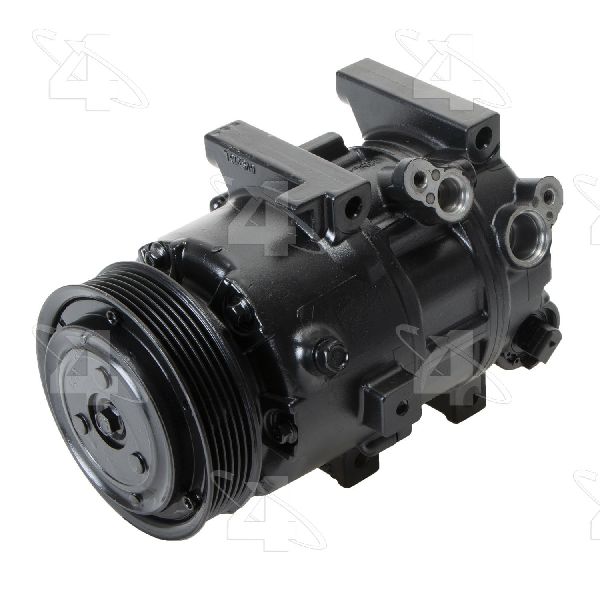
Est. part cost: $25-$50 - A/C Compressor Relay Circuit Fault ⚪ Low Probability → Shop A/C Compressor This definition is documented for older Hyundai models like the 2005 Accent. However, the 2012-2017 Azera uses a more modern, electronically controlled variable displacement compressor that may not have a traditional A/C clutch relay. A forum user with a 2014 Azera noted the lack of a relay when trying to diagnose an A/C issue. Therefore, this cause is less likely for this specific vehicle.
How to confirm: The A/C will not engage when commanded. A technician would first need to verify if a traditional A/C clutch relay even exists on this vehicle's specific configuration. If it does, it can be swapped with a known-good relay. If not, the fault may lie within the control module (e.g., the IPM or BCM) that manages the A/C compressor.
Typical fix: If a relay exists, replacement is simple (Part examples: Bosch W0133-1982964, Duralast 20298). If the fault is internal to a control module, the module would need repair or replacement.
Est. part cost: $10-$300
Rare But Worth Checking
- Low Vehicle Battery Voltage: → Shop Vehicle Battery A weak or failing car battery can cause communication errors across multiple electronic modules, potentially triggering the P1621 code as a symptom of a larger electrical issue. Always test the battery first.
- Faulty Engine Control Module (ECM): → Shop Engine Control Module (ECM) While rare, it's possible for the ECM itself to have an internal fault in one of the driver circuits responsible for the immobilizer, fuel cut valve, or A/C control. This should only be considered after all other possibilities have been exhausted.
- Corroded Connectors / Wiring Harness Issues: A video for a Suzuki with P1621 showed the cause to be a corroded pin in a major harness connector that was previously water-damaged, leading to 🎬 Watch: How a corroded harness pin can trigger code P1621. an 'Immobilizer Communication Line Error'. This highlights the importance of checking major electrical junctions for corrosion or damage.
Diagnosis Steps
- Connect a Hyundai-specific (GDS) or professional-grade scan tool to read the fault code and, most importantly, the manufacturer-specific description. This will determine which of the three potential systems is at fault.
- If the code relates to the IMMOBILIZER: Check for a flashing security light. Test with a spare key. Check the key fob battery. Inspect the immobilizer antenna wiring around the ignition switch/start button. Check major electrical connectors for corrosion, especially if the vehicle has a history of water ingress.
- If the code relates to the FUEL CUT VALVE: Locate the valve near the fuel tank. Check for power and ground at the connector with the key on. Listen for a click when the system is activated. Test the valve's internal resistance with a multimeter.
- If the code relates to the A/C RELAY: First, confirm if a traditional A/C clutch relay exists for this model year. A forum post suggests it may not. If it does, locate it in the engine bay fuse box. Swap the relay with an identical one from a non-critical circuit (like the horn) and see if the A/C works and the code clears. If the problem persists, test the relay socket for power, ground, and the control signal from the ECM.
- In all cases, inspect the wiring and connectors associated with the suspect component for damage, corrosion, or looseness.
- Test the main vehicle battery to ensure it is fully charged and healthy.
Parts You'll Likely Need
- A/C Compressor Relay
(OEM #95230-2P030 (example, verify fitment))— If the diagnosis points to an A/C circuit fault and a relay is present, the relay is the simplest and most common component to fail. However, its existence on this specific vehicle is questionable.
Trusted brands: Hyundai OE, Bosch, Standard Motor Products, Duralast
OEM price range: $15-$35
Aftermarket price range: $10-$25 - Fuel Cut Valve
(OEM #31160-3R000)— If the diagnosis confirms a fuel cut valve malfunction, this part is required. It is specific to the 2011-2017 Azera.
Trusted brands: Hyundai OE
OEM price range: $25-$50 - Immobilizer Antenna Coil
(OEM #95401-C1010 (example, verify fitment))— If the diagnosis points to an immobilizer fault and the key is not the issue, the antenna that reads the key chip is a common failure point. Part numbers vary greatly by model.
Trusted brands: Hyundai OE
OEM price range: $60-$120
Aftermarket price range: $40-$80
Technical Service Bulletins (TSBs) & Recalls
- TSB 17-ST-001: Addresses a clicking/thud noise from the steering by replacing the flexible rubber MDPS coupling. This is a common platform issue, but unrelated to P1621.
- TSB 18-ST-003: Addresses a rattle noise from the steering rack support yoke. This is a common platform issue, but unrelated to P1621.
Mechanic-Grade Diagnostic Values
- Immobilizer Antenna Coil DC Resistance — expected: ~6 Ohms. Failure: A significantly different reading (e.g., open circuit 'OL' or short circuit near 0 Ohms) indicates a faulty antenna coil.
- Immobilizer Antenna Coil Power Supply — expected: 12V+ at the connector with Ignition ON. Failure: No voltage or low voltage points to a wiring fault, blown fuse, or an issue with the power source (BCM/fuse panel).
- A/C Relay Coil Resistance — expected: Typically 70-100 Ohms for similar automotive relays.. Failure: Infinite resistance (OL) indicates an open coil; near-zero resistance indicates a shorted coil.
Scan Tool Commands That Help
- Hyundai GDS (Global Diagnostic System): DTC Analysis (All Systems) — This is the mandatory first step. It polls all vehicle modules (ECM, BCM, SMK) to retrieve the manufacturer-specific definition of P1621, confirming whether it's an immobilizer, fuel, or A/C fault.
- Hyundai GDS (Global Diagnostic System): Actuation Test: A/C Compressor Relay — If the GDS defines P1621 as an A/C fault, this command forces the relay to cycle on and off. This allows a technician to confirm if the relay clicks and sends power, isolating the fault to the control side or the load side of the circuit.
- Hyundai GDS (Global Diagnostic System): Key Teaching / Learning — If the GDS defines P1621 as an immobilizer fault, this function is used to program new or existing keys to the Smart Key Module (SMK) after a key or module replacement.
- Hyundai GDS (Global Diagnostic System): Immobilizer Neutralization — This advanced function is used to 'virginize' a control module (like the ECM or SMK) so it can be adapted to a different vehicle. This is necessary when installing a used module.
Wiring & Ground Locations
- Immobilizer Antenna Coil — A ring-shaped antenna located around the ignition lock cylinder on models with a key, or near the push-to-start button on models with a smart key.. This component powers and reads the transponder chip in the key. A fault in the coil or its wiring is a primary cause for an immobilizer-related P1621. A broken wire inside the harness sheath is a known failure mode.
- Smart Key Module (SMK / SMT) — Typically located behind the instrument cluster or high up in the driver's side dash, often above the brake pedal assembly. Access may require removing the lower dash panel.. This is the control unit for the immobilizer system. It communicates with the key, antenna, and ECM. All related wiring terminates here, making its connector a critical point for inspection.
- Main Chassis Grounds — Key ground points are typically found on the inner fenders in the engine bay, under the driver's side kick panel, and on the engine block itself.. A loose or corroded ground connection for the ECM, BCM, or SMK can cause intermittent communication errors, no-start conditions, and trigger a P1621 code. Cleaning and securing these grounds is a crucial diagnostic step for any complex electrical fault.
- Engine Compartment Fuse/Relay Box — Located on the left side of the engine compartment.. If the fault is related to the A/C relay or its circuit, this box is the primary location for inspection, testing relay sockets, and swapping relays.
Real Owner Repair Stories
- YouTube user 'Car Care Fix' (Vehicle not specified, but symptoms and codes are relevant across brands.) — Engine would cut out while driving. Could restart after cycling ignition, but problem would repeat and worsen over time.
❌ Tried (didn't work) Replaced the entire ECU kit, which made no difference.
✅ What actually fixed it A second code, P0193 (Fuel Rail Pressure Sensor Circuit High Input), eventually appeared. A scan tool showed an impossible fuel pressure reading. Replacing the fuel rail pressure sensor resolved both the P0193 and the original P1621 code, and fixed the stalling.
Model Year Variations Within This Range
- 2015-2017: The Azera received a mid-cycle refresh in 2015, which included a redesigned center stack and a new standard 8-inch LCD screen. These changes to interior electronics and dash layout could potentially alter the location of, or wiring to, the Smart Key Module (SMK) and immobilizer antenna compared to the 2012-2014 models.
Diagnostic Flowchart
Other Known Issues on This Vehicle
Issues unrelated to this code that are worth knowing about as an owner of this generation:
- MDPS Flexible Steering Coupler Failure 🟠 Medium — Extremely common. Causes a clicking or clunking noise in the steering column when turning. Usually occurs between 60k-100k miles. (Ref: TSB 17-ST-001)
- Theta II Engine Failure (2.4L GDi) 🔴 High — Widespread issue affecting 2.4L GDi engines (the Azera uses the 3.3L V6, but this is a major Hyundai issue of the era). Caused by manufacturing debris leading to rod bearing failure. The Azera's V6 is generally not implicated in this specific failure mode. (Ref: Multiple Recalls and a Class-Action Lawsuit (primarily for Sonata/Santa Fe))
- Panoramic Sunroof Rattle/Noise 🟡 Low — Common complaint. A creaking, ticking, or popping noise may develop from the panoramic sunroof assembly while driving. (Ref: TSB 19-BD-001HG is an example for a similar Genesis system; Hyundai has issued several sunroof-related TSBs.)
- Steering Rack Yoke Noise 🟡 Low — Less common than the coupler issue, but can cause a rattle from the steering rack itself. (Ref: TSB 18-ST-003)
- ABS Module Electrical Short 🔴 High — Subject to a major recall. The ABS module can internally leak brake fluid, causing an electrical short and increasing the risk of an engine compartment fire, even when parked. (Ref: Recall 23V651000 (Hyundai #251))
Used vs. New Parts: Buying Guide for This Vehicle
When a used part is the smart pick: For this repair, used parts are generally not recommended due to the electronic and security-related nature of the potential faults. A simple mechanical part like the Fuel Cut Valve (solenoid) could be sourced from a low-mileage donor if it can be tested for function (audible click with 12V applied) before purchase. Relays should be purchased new as they are inexpensive.
Donor-vehicle mileage cap: roughly under 60000 miles for the part to have meaningful remaining life.
What to inspect on the donor part:
- For a Fuel Cut Valve, ensure the connector is free of corrosion and the plastic housing is not cracked.
- Avoid parts from vehicles with signs of flood damage or major electrical fires.
- Verify the part number on the donor part matches the original exactly.
OEM-only on this vehicle (don't cheap out):
- Smart Key Module (SMK)
- Engine Control Module (ECM)
- Immobilizer Antenna Coil
Aftermarket brands forum-validated for this vehicle:
- For relays, brands like Bosch, Standard Motor Products (SMP), and Duralast are generally considered reliable replacements.
Brands owners have reported issues with on this vehicle:
- Avoid unbranded, no-name electronic modules or security components from online marketplaces, as they frequently fail or are incompatible.
Real Owner Stories
Aggregated from forums and TSBs cited above. Mileages and costs reflect what owners reported in those sources.
2014 Hyundai Azera
Symptoms: The A/C system was inoperative (A/C inop). While diagnosing, the owner noted the absence of a traditional A/C clutch relay in the fuse box.
What fixed it: The owner identified that the vehicle uses an electronically controlled variable displacement compressor rather than a traditional clutch/relay setup, suggesting the fault lies in the control module or the compressor's electronic control.
Source hint: ack.com Automotive Air Conditioning Information Forum - 'Hyundai Azera AC inop'
Related OBD-II Codes
Frequently Asked Questions
My 2014 Azera's A/C stopped working and I have code P1621; should I replace the A/C clutch relay?
I see a car icon with a key symbol flashing on my dashboard. Is this related to P1621?
Does TSB 17-ST-001 explain why my Azera has a P1621 code?
Could a weak key fob battery cause my engine to stall or not start?
Where is the fuel cut valve located on the Azera if I need to inspect it for P1621?
Is the P1621 code related to the major ABS module recall on the Azera?
Helpful Videos

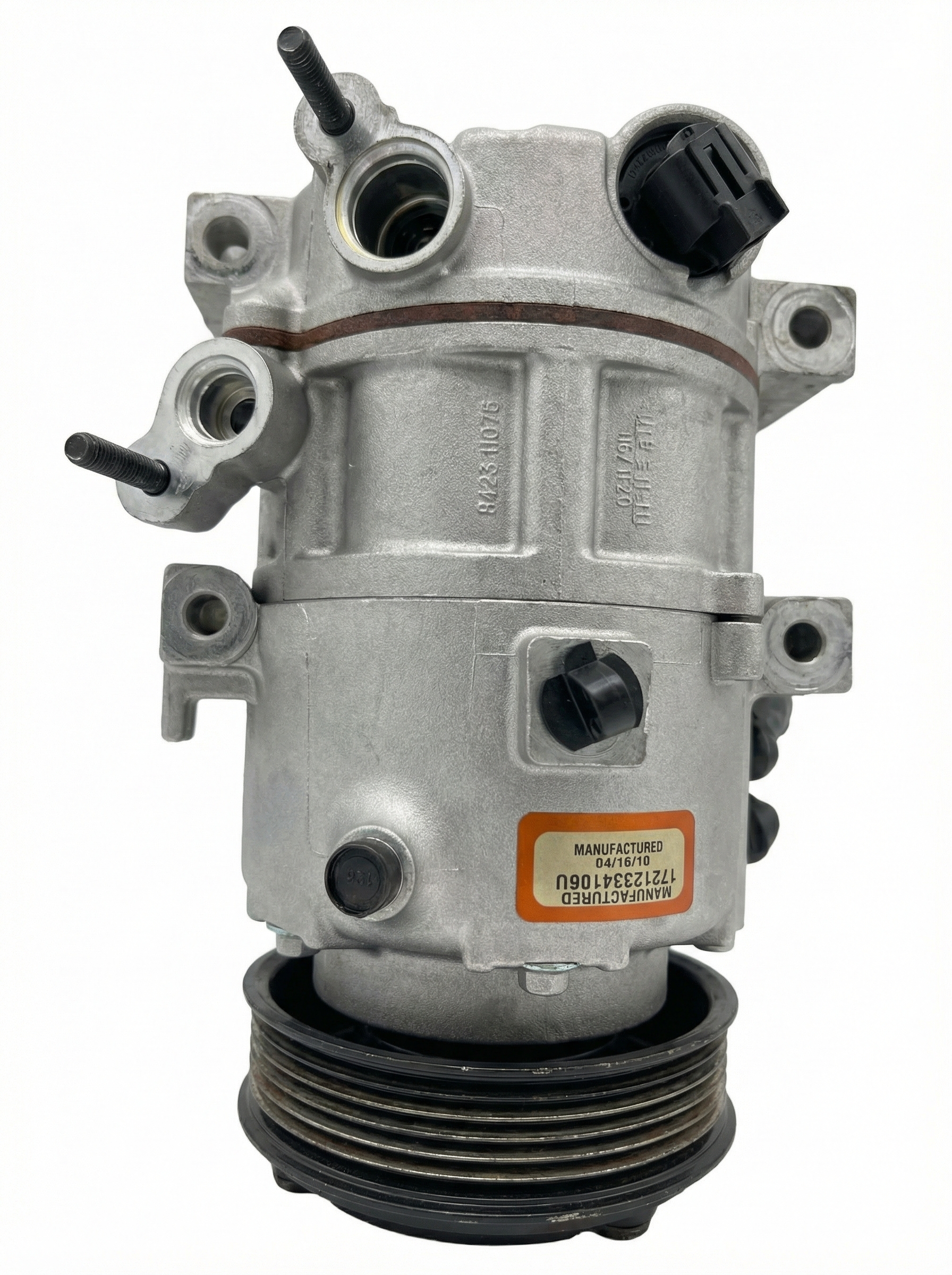
Used OEM Parts in Stock
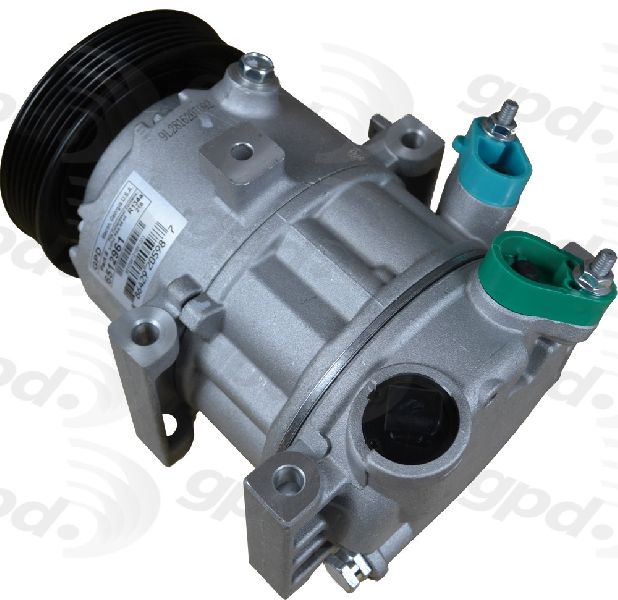
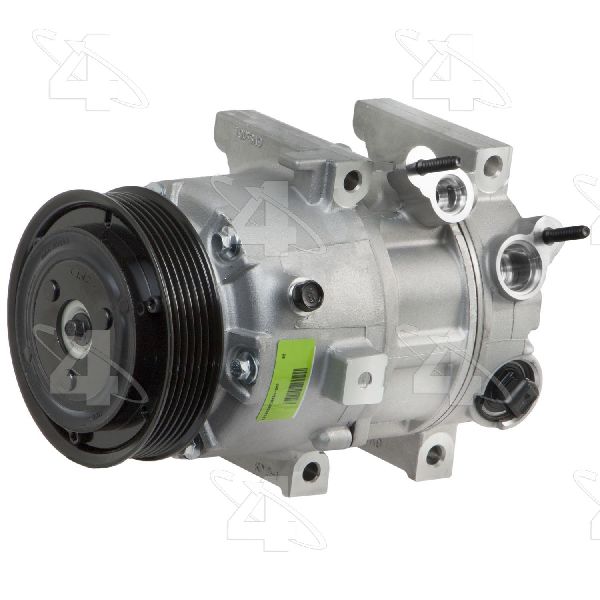
New Aftermarket Parts Available



The information in this article is provided for general reference and educational purposes only. Vehicle specifications, procedures, and part compatibility can vary by production date, trim level, and region. Always consult your vehicle's factory service manual and verify part numbers before purchasing or performing repairs. Safety-critical components such as airbags, seat belts, and braking systems should be installed by a qualified professional.
- Hyundai Azera:
- 🧭 Diagnostic Flowchart
- 🎬 Helpful Videos
- 🛍️ Shop This Part
- What's Unique About the 2012-2017 Hyundai Azera
- Symptoms You May Notice
- Most Likely Causes
- Rare But Worth Checking
- Diagnosis Steps
- Parts You'll Likely Need
- Technical Service Bulletins (TSBs) & Recalls
- Mechanic-Grade Diagnostic Values
- Scan Tool Commands That Help
- Wiring & Ground Locations
- Real Owner Repair Stories
- Model Year Variations Within This Range
- Other Known Issues on This Vehicle
- Used vs. New Parts: Buying Guide for This Vehicle
- Real Owner Stories
- 2014 Hyundai Azera
- Related OBD-II Codes
- Frequently Asked Questions
- 🎟️ Get 5% Off