

P1621 on 2003-2008 Isuzu Ascender: PCM Memory Failure Causes and Fixes
On a 2003-2008 Isuzu Ascender, code P1621 almost always means the main engine computer (PCM) has an internal memory failure. Before replacing it, check the battery and clean all major ground connections. A failing ignition switch is also a known cause on this platform. PCM replacement requires professional programming and typically costs $500-$1000.
- P1621 on your Isuzu Ascender points to a memory failure in the main engine computer (PCM).
- DO NOT immediately buy a new PCM. First, have your battery professionally load-tested, clean all major engine and chassis ground connections, and consider the common-failing ignition switch.
- This code indicates a serious problem. Do not drive the vehicle, as it could stall or fail to start at any time.
- If the battery, grounds, and ignition switch are good, the PCM will need to be replaced and programmed by a qualified shop.
- This is a known issue on the GM GMT360 platform that the Ascender is built on.
What's Unique About the 2003-2008 Isuzu Ascender
The Isuzu Ascender is a rebadged version of the Chevrolet Trailblazer and GMC Envoy, all built on GM's GMT360 platform. Unlike some other GM vehicles where P1621 might point to a separate Transmission Control Module (TCM), on this platform (especially with the common 4.2L engine), the code points directly to an internal failure of the single Powertrain Control Module (PCM) that manages both the engine and transmission. The issue is most often a terminal failure of the PCM itself, though electrical system health—including the battery, grounds, and ignition switch—is a critical first diagnostic step.
Symptoms You May Notice
- Check Engine Light is on
- Vehicle may not start or crank; may hear a single click when turning the key
- Engine may stall unexpectedly while driving, sometimes restarting after a cool-down period
- Reduced Engine Power warning light may illuminate
- Erratic or harsh transmission shifting, or getting stuck in one gear
- Security light may flash or stay on
- Other electrical oddities, like the clock resetting, gauges acting erratically, or memory seats losing their positions
- Immediately replacing the PCM without first load-testing the battery, cleaning all major ground connections, and considering the ignition switch. These cheaper fixes can often resolve the issue.
Most Likely Causes
- Internal Powertrain Control Module (PCM) Failure 🔴 High Probability → Shop Engine Control Module (ECM) The PCM on the GMT360 platform is a known failure point that can lead to this specific memory performance code, often due to age, heat, and vibration causing internal component degradation.
How to confirm: After ruling out all power, ground, and ignition switch issues, if the code persists immediately upon clearing, the PCM is faulty. This is often confirmed by a professional shop with advanced diagnostic tools. Seeing codes P0601 or P0604 alongside P1621 is a strong confirmation.
Typical fix: Replace the Powertrain Control Module (PCM) and have it professionally programmed to the vehicle.
Est. part cost: $250-$600 - Weak or Failing Battery 🟡 Medium Probability → Shop Vehicle Battery The GMT360 platform's electronics are sensitive to low voltage. A weak battery can cause voltage drops during startup (cranking voltage below 9.6V is a known trigger) that corrupt the PCM's self-test, falsely triggering a P1621 code.
How to confirm: Perform a load test on the battery. A simple voltage check is not sufficient. Most auto parts stores can do this for free. Voltage should be ~12.6V engine off and 13.7-14.7V while running.
Typical fix: Replace the battery.
Est. part cost: $150-$250 - Corroded or Loose Power/Ground Connections 🟡 Medium Probability The GMT360 platform is known for having key ground points that are susceptible to corrosion, which can interrupt stable power to the PCM.
How to confirm: Visually inspect and physically check the main battery terminals, power cables to the fuse box, and critical ground straps. Specifically check grounds G101 (lower front of the engine block), G103 (cowl, above the brake booster), and G106 (front frame rail). 🎬 See how to clean and fix bad grounds Disassemble, clean to bare metal, and re-secure them.
Typical fix: Clean or replace corroded terminals and ground straps.
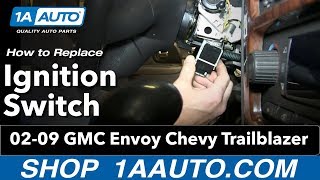
Est. part cost: $10-$50 - Failing Ignition Switch 🟡 Medium Probability → Shop Ignition Switch The ignition switch on the GMT360 platform is a very common failure item. A worn switch can cause intermittent power loss or voltage drops to the PCM and other modules during startup or while driving, triggering the P1621 code.
How to confirm: This can be difficult to confirm without professional tools. Symptoms include stalling, a no-start condition, and flickering dash lights. A technician can monitor voltage at key circuits during a key cycle to detect a drop-out from the switch. A related code, P1682, often points to ignition switch circuit problems.
Typical fix: Replace the ignition switch.
Est. part cost: $40-$100
Rare But Worth Checking
- Failing Alternator: An alternator producing unstable voltage (either too low or with excessive AC ripple) can disrupt the PCM and trigger memory-related codes. This should be tested along with the battery.
- Corrupted Tune from Aftermarket Programmer: If an aftermarket tuner (like Bully Dog, DiabloSport, etc.) was used and the process was interrupted or the file was bad, it can corrupt the PCM's memory and set a P1621 code. Reverting to the stock tune may resolve the issue, but sometimes the PCM is permanently damaged.
Diagnosis Steps
- Verify the code with a reliable OBD-II scanner. Note any other codes present.
- CRITICAL: Test the battery with a load tester. A cranking voltage below 9.6V is a known cause for this code. Replace if it fails.
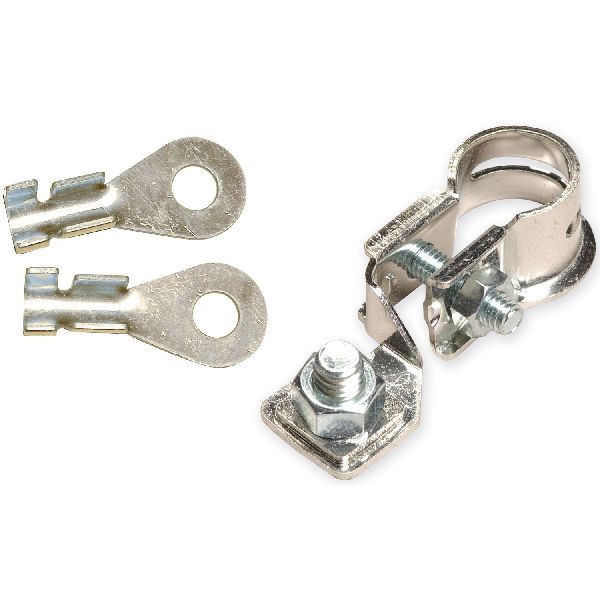
- Inspect battery terminals for corrosion and ensure they are tight. Clean or replace as needed.
- Follow the main ground strap from the battery and the main power wire to the underhood fuse block, ensuring connections are clean and tight.
- Locate, disassemble, and clean the main chassis and engine grounds to bare metal. On the GMT360 platform, pay special attention to grounds G101 (driver's side, lower front of engine block), G103 (driver's side cowl, near brake booster), and G106 (front frame rail). A star washer can be added for a better connection.
- Test the alternator to ensure it is producing the correct voltage (13.7-14.7V) and does not have excessive AC ripple.
- Consider the ignition switch. Given its high failure rate on this platform, if electrical issues like flickering lights or intermittent no-starts are present, this is a strong suspect.
- After ensuring the power and ground supply is perfect, clear the codes and cycle the ignition. If the P1621 code returns immediately, the PCM is almost certainly faulty.
- If the PCM is deemed faulty, it must be replaced and programmed by a professional with the appropriate tools, such as GM's Tech2 or equivalent.
Parts You'll Likely Need
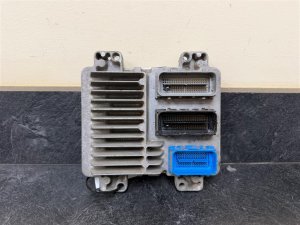
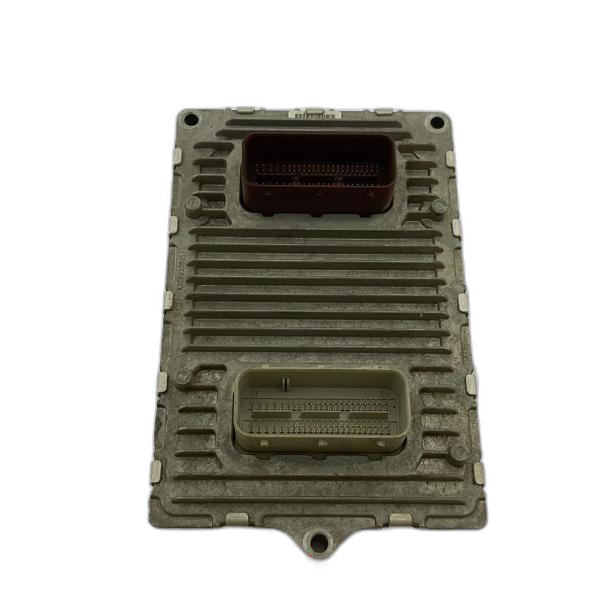
- Powertrain Control Module (PCM)
(OEM #Varies by VIN and calibration. Example: ACDelco E40 series.)— This is the most common cause of P1621 after all electrical supply issues have been ruled out.
Trusted brands: ACDelco (Remanufactured), Cardone, FS1
OEM price range: $350-$600
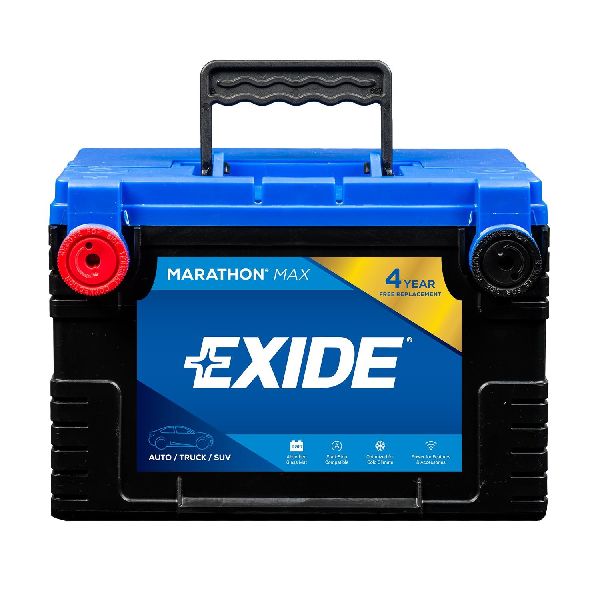
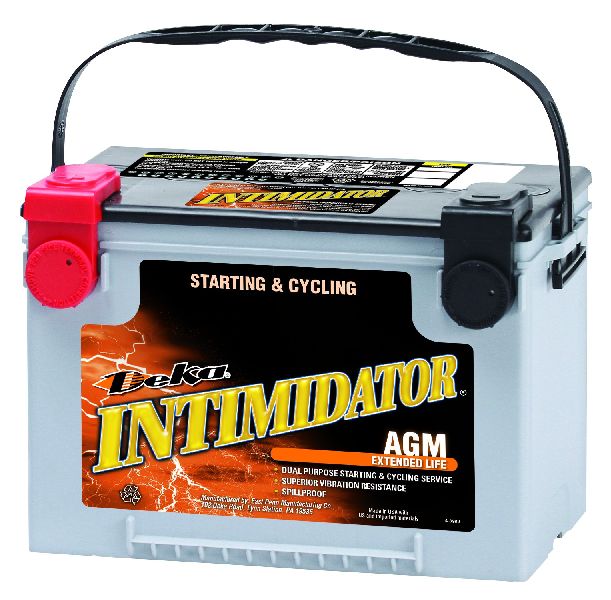
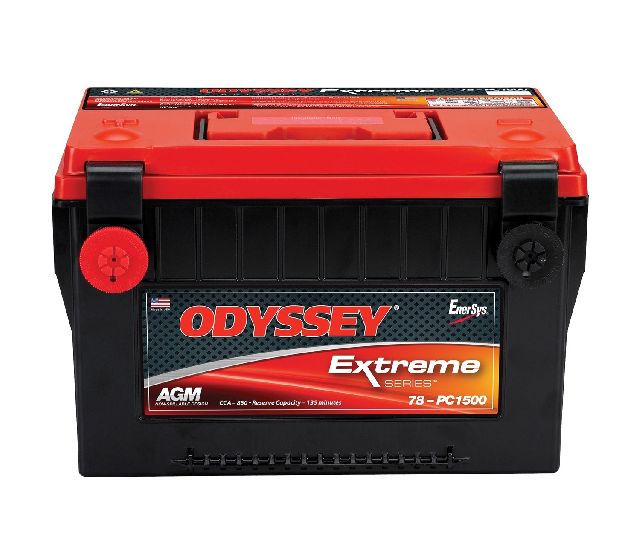
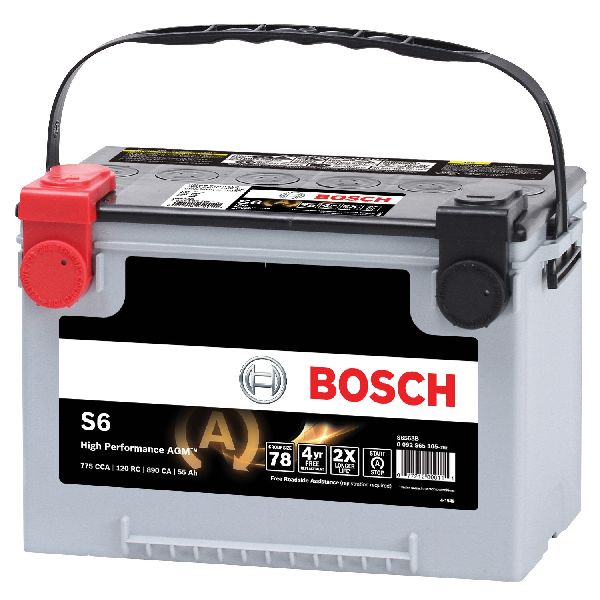
Aftermarket price range: $250-$450 - Automotive Battery — A weak battery is a frequent cause of false memory codes on this platform.
Trusted brands: ACDelco, Interstate, DieHard
OEM price range: $200-$300
Aftermarket price range: $150-$250 - Ignition Switch
(OEM #ACDelco D1462G (example))— A common failure item on the GMT360 platform that can cause intermittent power loss to the PCM, triggering a P1621 code.
Trusted brands: ACDelco, Standard Motor Products
OEM price range: $60-$100
Aftermarket price range: $40-$70
Related Codes That Often Appear With This One
- P0601 — This code also indicates an 'Internal Control Module Memory Check Sum Error.' Seeing both P1621 and P0601 together is a very strong confirmation of a failed PCM.
- U1000 — This code indicates a loss of communication on the vehicle's data network. A failing PCM can disrupt the entire network, causing this code to appear.
- P1631 — This code means 'Theft Deterrent Password Incorrect.' A failing PCM can corrupt the stored security data, leading to a no-start condition and this security-related code.
- P0604 — This code for 'Internal Control Module Random Access Memory (RAM) Error' is another internal PCM fault code. Its presence with P1621 points strongly to PCM hardware failure.
- P1682 — This code for 'Ignition 1 Switch Circuit 2' often appears on GMT360 vehicles due to a failing ignition switch or issues in the underhood fuse box. Since the ignition switch provides a key voltage signal to the PCM, a fault here can cause PCM errors like P1621.
Technical Service Bulletins (TSBs) & Recalls
- While no TSB is specific to P1621 on the Ascender, GM TSB #PIP4653E discusses codes P1621, P0601, P0603, P0604, or P062F in other models' TCMs, indicating a pattern of control module memory failures across GM platforms that often require module replacement.
Platform-Specific Known Issues
- Real-World Forum Experience: Ground Cleaning Fix: Multiple owners on GMTNation.com and other forums report that after experiencing stalling and a P1621 code, a thorough cleaning of the main engine and frame grounds (specifically G101 and G103) resolved the issue without needing to replace the PCM. One user on GMTNation described a no-crank, no-start condition with code P0601 and P1621 that was ultimately fixed by replacing a faulty PCM after grounds and battery were confirmed good.
- Ignition Switch Causing Electrical Gremlins: → Shop Ignition Switch A known issue on the GMT360 platform is a failing ignition switch causing a host of electrical problems that can mimic a bad PCM, including setting code P1621. Owners report flickering dash lights, radio resetting, and intermittent stalling, all pointing to the switch as a potential root cause before condemning the computer.
Mechanic-Grade Diagnostic Values
- Cranking Voltage — expected: Above 9.6V. Failure: Voltage dropping below 9.6V during engine cranking can corrupt the PCM's startup self-test and trigger a false P1621.
- Charging System Voltage, Engine Running — expected: 13.7V - 14.7V. Failure: Voltage outside this range indicates a faulty alternator or voltage regulator, which can cause electrical instability and module errors.
- PCM Ground Circuit Voltage Drop — expected: Less than 0.1V (100mV). Failure: A reading higher than 0.1V between the PCM ground pins (e.g., C1 Pin 73) and the negative battery terminal indicates high resistance in the ground circuit.
- PCM Battery Positive Voltage (e.g., C1 Pin 20, Orange wire) — expected: 12.6V (or battery voltage) with Key On, Engine Off.. Failure: Voltage below 12.0V or a significant drop compared to the battery post suggests a problem in the power supply wiring or fuse block.
- PCM Ignition 1 Voltage (e.g., C1 Pin 19, Pink wire) — expected: 12.6V (or battery voltage) when the key is in the ON/RUN position.. Failure: No voltage or intermittent voltage drop when wiggling the key points to a faulty ignition switch or wiring.
Scan Tool Commands That Help
- GM Tech 2 / GDS2: Crankshaft Position Variation Learn (CASE Relearn) — This procedure is mandatory after PCM replacement. It synchronizes the new PCM with the crankshaft position sensor to ensure accurate misfire detection. Failure to perform this can result in other engine-related codes.
- GM Tech 2 / High-End Scan Tool: Security Relearn / Vehicle Theft Deterrent (VTD) Relearn — Required after PCM replacement to sync the new module with the vehicle's immobilizer system. Without this, the engine will typically crank but not start. A manual 30-minute relearn procedure (cycling the key) is also possible.
Wiring & Ground Locations
- G101 — Located on the lower front of the engine block, driver's side.. This is a primary ground for the Powertrain Control Module (PCM). Corrosion or looseness here can cause intermittent power loss and memory faults like P1621.
- G103 — Located on the cowl in the engine compartment, above the brake booster on the driver's side.. This ground serves the Body Control Module (BCM), Instrument Panel Cluster (IPC), and Data Link Connector (DLC). A fault here can cause widespread communication and electrical issues that may be misdiagnosed as a PCM failure.
- G106 — Located on the front frame cross rail, under the crankshaft pulley area.. This is another critical chassis ground. It is often jumpered to G101 and shares grounding responsibility for the PCM.
- G107 — Located on the frame rail in the engine bay.. This ground point is shared by multiple circuits, including lighting. A poor ground here can cause voltage to back-feed through other components, potentially affecting module stability.
- PCM Connector C1 (Blue) — The forward-most connector on the PCM, located on the driver's side of the engine.. This connector contains the main power and ground pins for the PCM. Pin 20 (Orange) is Battery Positive Voltage, Pin 19 (Pink) is Ignition 1 Voltage, and Pin 73 (Black) is a primary ground. Testing voltage at these pins is a key diagnostic step.
Real Owner Repair Stories
- Chevrolet Message Forum user 'Treetop' (2003 Silverado 2500HD 6.6L Duramax (Similar GM electrical architecture)) — Clock, seats, and radio losing memory. Code P1621 present.
❌ Tried (didn't work) The issue started after using a Bully Dog programmer. Setting the tune back to stock did not fix the problem.
✅ What actually fixed it A full electrical reset by disconnecting the positive battery cable and shorting it to the negative post (which was still connected) cleared the memory corruption and resolved the symptoms. - YouTube user 'Terry LSX' (Trailblazer SS (GMT360 Platform)) — Vehicle would stall and shut off randomly. Codes P1682, P0689 were present.
❌ Tried (didn't work) Initial diagnosis pointed towards ignition switch or PCM.
✅ What actually fixed it The problem was a faulty underhood fuse box. Over time, heat caused poor connections inside the fuse box, leading to intermittent power loss to the ECU. Replacing the entire fuse box assembly resolved the stalling and codes.
Model Year Variations Within This Range
- 2005-2006: Models from 2005-2006 with the 5.3L V8 (LH6) or 4.2L I6 use the ACDelco E40 PCM. This specific PCM has a 24x crankshaft reluctor wheel signal and a 1x camshaft signal. This is important when considering engine swaps or internal engine work, as using parts from a 2007+ vehicle (which use a 58x crank signal) will cause incompatibility.
Diagnostic Flowchart
Other Known Issues on This Vehicle
Issues unrelated to this code that are worth knowing about as an owner of this generation:
- Cracked Exhaust Manifold 🟠 Medium — Very common, especially on the 4.2L I6 engine. Can occur at any mileage but more frequent after 80,000 miles. Replacement manifolds can also crack. (Ref: GM had a special coverage policy, but it has long since expired for most vehicles.)
- Failing Fan Clutch 🔴 High — Common failure after 80,000-100,000 miles. Symptoms include a loud 'jet engine' roar from the engine bay, overheating, and related trouble codes.
- Faulty Instrument Panel Cluster (IPC) Stepper Motors 🟠 Medium → Shop Instrument Cluster — Extremely common on 2003-2006 models. Causes gauges (speedometer, tach, fuel, etc.) to stick, read incorrectly, or stop working entirely. (Ref: There was a class-action settlement and a special coverage program, but it was limited by mileage/age and is no longer active for these vehicles.)
- Failed Ignition Switch 🔴 High → Shop Ignition Switch — A very common failure item that can cause a no-start, intermittent stalling, and various electrical issues.
- Bad Fuel Level Sensor 🟡 Low — Common issue where the fuel gauge becomes inaccurate or reads empty. Requires dropping the fuel tank to replace the sensor, which is part of the fuel pump module.
Used vs. New Parts: Buying Guide for This Vehicle
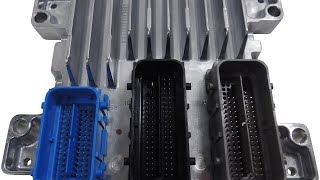
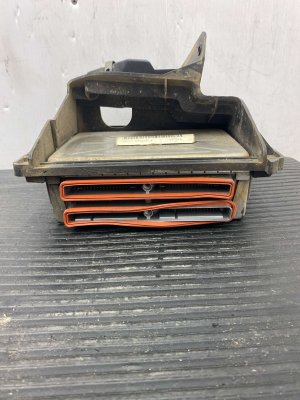
When a used part is the smart pick: For this repair, a used PCM from a junkyard is a viable but risky option. It can be significantly cheaper, but it MUST come from an identical vehicle (same year, engine, transmission, and major options) to have a chance of working. Even with a perfect match, it will still require professional programming (Security/VIN relearn) to function in your vehicle.
Donor-vehicle mileage cap: roughly under 80000 miles for the part to have meaningful remaining life.
What to inspect on the donor part:
- Check for any signs of water damage or corrosion on the PCM case and connectors.
- Ensure the donor vehicle was not involved in a front-end collision that could have damaged the PCM.
- If possible, get the VIN of the donor vehicle to verify its original configuration.
- Ask for a warranty, even if it's just 30 days, to protect against receiving a dead-on-arrival unit.
OEM-only on this vehicle (don't cheap out):
- Powertrain Control Module (PCM) - While aftermarket remanufactured units exist (Cardone, FS1), an OEM ACDelco remanufactured unit is the safest bet for compatibility and longevity. Avoid used PCMs unless you are experienced and understand the programming requirements.
Aftermarket brands forum-validated for this vehicle:
- ACDelco (Remanufactured OEM)
- Standard Motor Products (for Ignition Switch)
- Interstate, DieHard (for Battery)
Brands owners have reported issues with on this vehicle:
- No-name, ultra-cheap online PCMs that promise 'plug and play' without programming. These often fail to work or cause other electrical issues.
Real Owner Stories
Aggregated from forums and TSBs cited above. Mileages and costs reflect what owners reported in those sources.
2003-2008 Isuzu Ascender (GMT360 Platform)
Symptoms: Stalling and a P1621 code.
What fixed it: A thorough cleaning of the main engine and frame grounds, specifically G101 and G103, to bare metal.
Source hint: Real-World Forum Experience: Ground Cleaning Fix / GMTNation.com
2002-2009 GMC Envoy (Platform Mate)
Symptoms: No-crank, no-start condition with codes P0601 and P1621.
What fixed it: Replacing the faulty PCM after grounds and battery were confirmed to be in good condition.
Source hint: GMTNation.com / 'Envoy stalls then does not start only while cold'
2002-2009 GMC Envoy (Platform Mate)
Symptoms: Electrical issues including the clock resetting and P1621 code.
What fixed it: Addressing power supply problems or corrupted aftermarket tunes.
Source hint: ChevroletForum.com / 'Help with code P1621'
2003-2008 Isuzu Ascender (GMT360 Platform)
Symptoms: Flickering dash lights, radio resetting, and intermittent stalling.
What fixed it: Replacing the ignition switch, which was causing electrical gremlins that mimicked a bad PCM.
Source hint: Ignition Switch Causing Electrical Gremlins /
Related OBD-II Codes
Frequently Asked Questions
Does GM TSB #PIP4653E apply to the Isuzu Ascender's P1621 code?
Can a weak battery really cause a P1621 code on my 2003-2008 Ascender?
Where are the specific ground points I should check on my Ascender to fix this code?
My Ascender's clock is resetting and the security light is flashing along with the P1621 code. Are these related?
Is it possible the ignition switch is causing my P1621 code instead of a bad PCM?
If I need to replace the PCM on my Ascender, can I just plug in a new one?
Helpful Videos


Used OEM Parts in Stock
New Aftermarket Parts Available


The information in this article is provided for general reference and educational purposes only. Vehicle specifications, procedures, and part compatibility can vary by production date, trim level, and region. Always consult your vehicle's factory service manual and verify part numbers before purchasing or performing repairs. Safety-critical components such as airbags, seat belts, and braking systems should be installed by a qualified professional.
- Isuzu Ascender:
- 🧭 Diagnostic Flowchart
- 🎬 Helpful Videos
- 🛍️ Shop This Part
- What's Unique About the 2003-2008 Isuzu Ascender
- Symptoms You May Notice
- Most Likely Causes
- Rare But Worth Checking
- Diagnosis Steps
- Parts You'll Likely Need
- Related Codes That Often Appear With This One
- Technical Service Bulletins (TSBs) & Recalls
- Platform-Specific Known Issues
- Mechanic-Grade Diagnostic Values
- Scan Tool Commands That Help
- Wiring & Ground Locations
- Real Owner Repair Stories
- Model Year Variations Within This Range
- Other Known Issues on This Vehicle
- Used vs. New Parts: Buying Guide for This Vehicle
- Real Owner Stories
- 2003-2008 Isuzu Ascender (GMT360 Platform)
- 2002-2009 GMC Envoy (Platform Mate)
- 2002-2009 GMC Envoy (Platform Mate)
- 2003-2008 Isuzu Ascender (GMT360 Platform)
- Related OBD-II Codes
- Frequently Asked Questions
- 🎟️ Get 5% Off