

P1621 on 2011-2015 Kia Optima: Decoding Immobilizer, A/C, and Fuel System Faults
P1621 on a 2011-2015 Kia Optima is an ambiguous manufacturer-specific code with no single definition. It most often points to an immobilizer system error causing a no-start, but can also mean an A/C relay or fuel cut-off valve fault. Professional diagnosis with a Kia-specific scanner is required to identify the true cause before buying parts.
- P1621 is an ambiguous code on the 2011-2015 Optima; do not replace parts without a proper diagnosis.
- The most likely cause is an immobilizer system fault, which typically results in a no-start condition and a flashing key symbol on the dash.
- Always check the key fob battery and the main vehicle battery first, as low voltage is a common cause of electronic glitches.
- A professional scan tool that can read Kia-specific codes is essential to determine if the fault lies with the immobilizer, A/C system, or fuel system.
- Check the 10-amp 'SENSOR 3' fuse in the interior fuse box, as it is linked to the immobilizer system.
What's Unique About the 2011-2015 Kia Optima
The 2011-2015 Kia Optima (TF generation) and its Hyundai Sonata counterpart share complex electronic systems. For this platform, the code P1621 is notably vague, acting as a catch-all for several potential electrical faults. Unlike a simple sensor code, P1621 requires deeper diagnostics because the same code can be triggered by a starting issue, an A/C problem, or a fuel system fault. Owner forums and repair databases show this code is extremely rare on this specific platform, suggesting it may appear due to low battery voltage or when read by generic scanners that misinterpret the data.
Symptoms You May Notice
- Engine will not start or cranks but fails to turn over.
- Immobilizer warning light (a car symbol with a key) is flashing or illuminated.
- "Key Not Detected" message on the instrument cluster.
- Engine stalls intermittently while driving.
- Air conditioning (A/C) does not work or the compressor clutch does not engage.
- A single click is heard when trying to start, but the engine does not crank.
- Replacing the starter motor when the issue is an immobilizer fault preventing the starter relay from being energized.
- Replacing the A/C compressor when the actual problem is a simple relay or fuse.
- Replacing the fuel pump when the fuel cut-off valve or its circuit is the root cause.
Most Likely Causes
- Immobilizer System Fault 🔴 High Probability Immobilizer systems on this era of Hyundai/Kia vehicles are known for antenna coil failures. The coil, which reads the transponder chip in the key, can develop micro-fractures over time from heat and vibration, leading to intermittent or complete communication failure.
How to confirm: Check if the immobilizer light is flashing on the dash when trying to start the car. Try a spare key. For push-start models, try starting the car by pressing the start button with the key fob itself. A professional scan tool can confirm if the key is being recognized or if there is a 'Immobilizer Communication Line Error'.
Typical fix: First, replace the battery in the key fob (CR2032). If that fails, the immobilizer antenna coil around the ignition switch may need replacement. This part typically does not require programming. If the key itself is faulty, a new key will need to be programmed by a dealer or locksmith.
Est. part cost: $5-$250 - Low Vehicle Battery Voltage 🟡 Medium Probability → Shop Vehicle Battery Modern cars have numerous electronic modules that are sensitive to voltage. A weak battery can cause communication glitches between the Smart Key Module, ECM, and other components during startup, generating false error codes like P1621.
How to confirm: Test the 12V battery with a multimeter or a battery tester. The resting voltage should be above 12.2V, and it should not drop below 9.6V during cranking.
Typical fix: Recharge or replace the 12V vehicle battery.
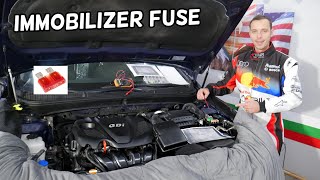
Est. part cost: $150-$300 - Blown 'SENSOR 3' Fuse 🟡 Medium Probability A specific 10-amp fuse labeled 'SENSOR 3' in the engine bay fuse panel has been identified as the power source for the immobilizer system on this Optima generation. If this fuse blows, it will cut power to the system and cause a no-start condition.
How to confirm: Locate the fuse box in the engine bay. On the underside of the cover, find the location for 'SENSOR 3'. It is typically a 10A fuse. 🎬 Watch: How to locate and replace the immobilizer fuse Visually inspect the fuse and test it for continuity with a multimeter.
Typical fix: Replace the blown 10A fuse. If the fuse blows again, there is an underlying short circuit in the immobilizer system wiring that needs to be diagnosed.
Est. part cost: $1-$5 - A/C Compressor Relay Circuit Fault ⚪ Low Probability → Shop A/C Compressor This is a documented definition for P1621 on some Hyundai/Kia models, though less commonly reported by owners for this specific code. It's more prevalent on other platforms like the newer Sonata.
How to confirm: Check if the A/C is working. Inspect the A/C compressor relay and fuse in the engine bay fuse box. A simple diagnostic step is to swap the A/C relay with an identical one (e.g., the horn relay) and see if the problem moves.
Typical fix: Replace the faulty A/C relay or fuse.
Est. part cost: $10-$30 - Fuel Cut-Off Valve Malfunction ⚪ Low Probability This is another possible but rarely seen definition for P1621, sometimes translated from Spanish service data as 'electroválvula de corte de combustible'. The valve is part of the fuel tank assembly and its failure is not a widely reported issue for this code on the Optima.
How to confirm: This requires advanced diagnostics to test the valve's circuit for voltage and resistance, typically done by a technician following service manual procedures.
Typical fix: Replacement of the fuel shut-off valve assembly.
Est. part cost: $20-$50
Rare But Worth Checking
- Faulty Engine Control Module (ECM): → Shop Engine Control Module (ECM) An internal ECM memory or driver circuit failure can trigger P1621. This should only be considered after all other possibilities, including wiring and grounds, have been thoroughly ruled out.
- Corroded Wiring or Ground Connections: Poor ground connections for the ECM or immobilizer module can cause intermittent communication errors. A technician in a video fixed a similar code by tracing and repairing a broken wire leading to the ECM.
Diagnosis Steps
- Check for obvious symptoms: Is the immobilizer light flashing? Does the A/C work? This can provide an initial clue.
- Test the key fob battery. Replace the CR2032 battery as a cheap first step. Try the spare key.
- Test the main 12V vehicle battery. Ensure it is fully charged and healthy, holding voltage above 9.6V during cranking. A weak battery is a common cause of spurious electronic faults.
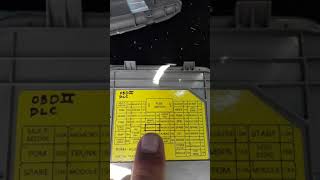
- Inspect critical fuses. In the engine bay fuse box, check the 10A 'SENSOR 3' fuse for the immobilizer. Also check the A/C relay fuse. In the interior fuse box, check the 🎬 Watch: How to access the interior fuses 'MODULE 9' (10A) fuse, which can also be related to the immobilizer/smart key module.
- Perform a professional scan. Use a Kia-compatible scan tool to read manufacturer-specific fault data. This is the most critical step to determine if the fault is related to the immobilizer, A/C, or fuel system.
- If an immobilizer fault is confirmed, inspect the wiring to the immobilizer antenna coil around the ignition switch. If wiring is good, the antenna coil is the next most likely part to fail.
- If an A/C fault is indicated, swap the A/C relay with an identical relay to see if the problem follows.
- If a fuel valve fault is indicated, follow the specific diagnostic procedures for that circuit, including checking relays, wiring, and component resistance.
Parts You'll Likely Need
- Key Fob Battery
(OEM #CR2032)— This is the simplest and most common fix for immobilizer-related 'key not detected' issues.
Trusted brands: Energizer, Duracell, Panasonic
OEM price range: $5-$10
Aftermarket price range: $2-$5 - Immobilizer Antenna Coil
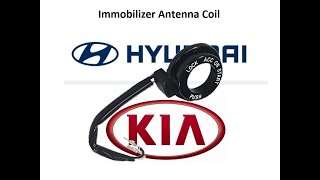
(OEM #95440-2T500 (example, verify by VIN))— This coil powers and reads the key's transponder chip. It's a common failure point in immobilizer systems on this platform, leading to a no-start condition. Replacement does not typically require programming. 🎬 See this step-by-step antenna coil replacement walkthrough
Trusted brands: Genuine Kia
OEM price range: $60-$120
Aftermarket price range: $40-$80 - Fuel Shut-Off Valve
(OEM #31160-3R000)— If diagnostics confirm a fuel cut-off valve circuit fault, this part is required. It is one of the possible, though less common, meanings of P1621.
Trusted brands: Genuine Kia
OEM price range: $20-$30
Aftermarket price range: $15-$25 - Smart Key Fob
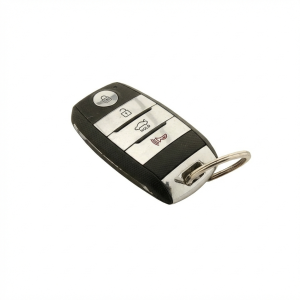
(OEM #95440-2T100)— If the internal transponder of the key fob fails, it will need to be replaced and programmed by a dealer or qualified locksmith.
Trusted brands: Genuine Kia
OEM price range: $250-$400
Aftermarket price range: $80-$150
Related Codes That Often Appear With This One
- P1610 — This is another common Hyundai/Kia code directly related to immobilizer system malfunctions.
- P0193 — If the P1621 code is related to a fuel system issue, it may appear with codes like P0193 (Fuel Rail Pressure Sensor Circuit High), which can also cause stalling. One documented case on a related platform showed P1621 was resolved by replacing the fuel rail pressure sensor that was causing a P0193.
Mechanic-Grade Diagnostic Values
- Immobilizer Antenna Coil Resistance — expected: Approximately 7.5 Ω. Failure: A reading that is significantly higher (open circuit) or lower (short circuit) indicates a faulty coil.
- Vehicle Battery Voltage During Cranking — expected: Should remain above 9.6V. Failure: A voltage drop below 9.6V during the startup sequence can corrupt control module self-tests and trigger a false P1621 code.
- Immobilizer Module Power Supply — expected: 10V - 14V at the power supply pin of the module connector with ignition on.. Failure: No voltage or low voltage indicates a problem with the power feed, likely a blown fuse (e.g., SENSOR 3) or a wiring issue.
Scan Tool Commands That Help
- Kia GDS (Global Diagnostic System): ID Register / Key Teaching — This function is used to check the status of registered keys, add new keys, or re-register existing keys to the Smart Key Module and ECM. It is essential after replacing a key or the Smart Key Module.
- Kia GDS (Global Diagnostic System): Current Data (Live Data) — Used to monitor the status of the immobilizer system in real-time. A technician can view parameters like 'Key Status' to see if the vehicle is recognizing the key being used during a start attempt.
Wiring & Ground Locations
- Driver's Kick Panel (DKP) & Lower Dash — The panel to the left of the driver's feet and the panel below the steering wheel.. These panels must be removed to access the main ignition switch connector, the Smart Key Module (on equipped models), and various wiring harness connectors that are part of the immobilizer circuit.
- Engine Control Module (ECM/PCM) — Typically located in the engine bay, often near the battery or firewall. It's a metal box with large multi-pin electrical connectors.. The ECM is the final authority for allowing the engine to start. It communicates with the immobilizer module to verify the key. Checking the ECM connectors and its ground connection is a critical step if communication errors are suspected.
- Engine Bay Fuse Box — Located in the engine compartment, usually near the battery.. This box contains the 'SENSOR 3' (10A) fuse, which directly powers the immobilizer system, and may also contain the A/C compressor relay, another potential cause for the code.
Real Owner Repair Stories
- YouTube repair channel (Hyundai/Kia vehicle (specific model not stated, but platform-related)) — Engine would cut out intermittently while driving. The car could be restarted initially, but the problem got progressively worse over several weeks.
❌ Tried (didn't work) Replacing the Engine Control Unit (ECU)
✅ What actually fixed it After the code P0193 (Fuel Rail Pressure Sensor Circuit High) also appeared, a scan tool showed an impossibly high fuel pressure reading. Replacing the fuel rail pressure sensor resolved the stalling and cleared both the P0193 and the original P1621 code.
When the Usual Fixes Don't Work
- In one documented case, the vehicle exhibited stalling and a P1621 code. The owner replaced the ECU, assuming a control module memory failure, but this did not fix the issue. The root cause was ultimately a failing fuel rail pressure sensor that was causing electrical interference or voltage issues, which the ECU logged as a P1621. This was only discovered after a P0193 code appeared alongside the original code.
Model Year Variations Within This Range
- 2011-2015: U.S. market base models (like the LX trim) with a physical key may not be equipped with a transponder-based immobilizer system at all. In these vehicles, a P1621 code would be highly unusual and likely point to a different fault or a scanner misinterpretation. The code is primarily relevant to vehicles with a Smart Key (push-button start) or a transponder chip embedded in the physical key.
Diagnostic Flowchart
Other Known Issues on This Vehicle
Issues unrelated to this code that are worth knowing about as an owner of this generation:
- Theta II Engine Failure 🔴 High — Very common across 2.0L Turbo and 2.4L GDI engines. Can occur at any mileage, often under 100k miles. Caused by metallic debris from manufacturing leading to connecting rod bearing failure. (Ref: Multiple recalls (e.g., NHTSA 20V750, SC147) and a class-action lawsuit resulted in a lifetime warranty for the engine short block for affected vehicles.)
- Steering Coupler Degradation 🟠 Medium — Extremely common. The flexible rubber coupler in the electronic power steering column disintegrates over time, causing a distinct clicking or clunking noise when turning the steering wheel. (Ref: Kia issued a warranty extension (TSB CHA-072) to cover replacement for 10 years/unlimited miles. The part is inexpensive but labor can be significant.)
- Peeling White Paint 🟡 Low — Common issue, particularly on cars with 'Snow White Pearl' paint. The paint delaminates and peels in large sheets, often starting around the windshield, roof, and hood. (Ref: No official recall, but it is a widely documented factory paint defect. Some owners have had success getting goodwill repairs from dealers, but it is not guaranteed.)
- Engine Bay Fires 🔴 High — A significant number of non-collision fires have been reported, often linked to the same engine defects causing seizure. This was a major factor in NHTSA investigations. (Ref: Related to the engine failure recalls and investigations (NHTSA Defect Petition investigation opened in 2018).)
- General Electrical Problems 🟠 Medium — Owners report a range of electrical issues including flickering lights, infotainment system failures, and intermittent battery drain that isn't solved by replacing the battery or alternator.
Used vs. New Parts: Buying Guide for This Vehicle
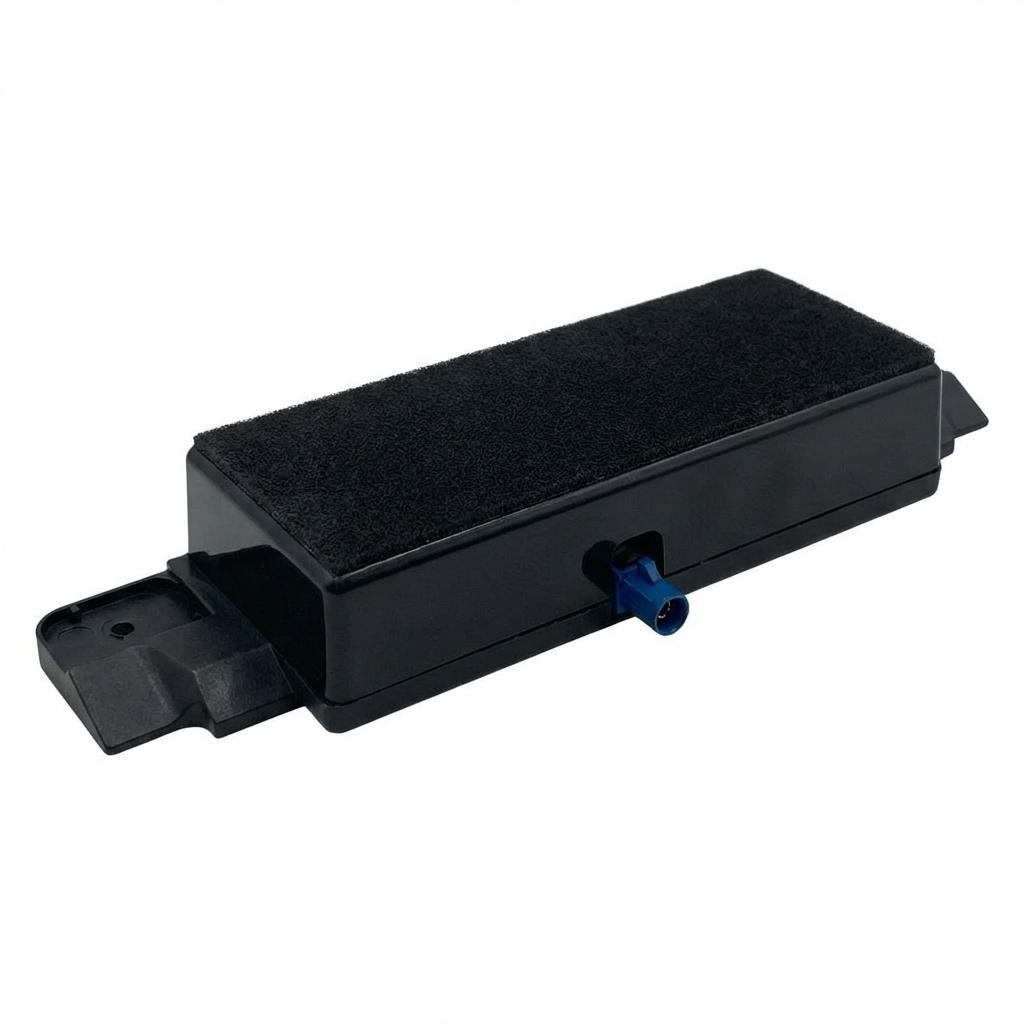
When a used part is the smart pick: For this repair, obtaining an Immobilizer Antenna Coil from a reputable salvage yard is a smart choice. It is a simple electronic component that does not require programming and its failure is not typically related to wear, making a used part a cost-effective option.
Donor-vehicle mileage cap: roughly under 120000 miles for the part to have meaningful remaining life.
What to inspect on the donor part:
- Ensure the plastic housing of the antenna coil is not cracked or broken.
- Inspect the electrical connector pins to ensure they are straight, clean, and free of corrosion.
- If possible, choose a donor vehicle that shows no signs of major front-end collision or water damage.
OEM-only on this vehicle (don't cheap out):
- Smart Key Module
- Engine Control Module (ECM)
Aftermarket brands forum-validated for this vehicle:
- Bosch (for sensors like Fuel Rail Pressure Sensor)
- Delphi (for fuel system components)
- NGK (for sensors)
Brands owners have reported issues with on this vehicle:
- No specific brands were consistently reported as problematic for these particular parts in the search results.
Real Owner Stories
Aggregated from forums and TSBs cited above. Mileages and costs reflect what owners reported in those sources.
2011 Kia Optima (Key-start system)
Symptoms: The engine would not start; the immobilizer system failed to recognize the key.
What fixed it: Diagnosis suggested checking the key, the 'SENSOR 3' fuse, or the receiver/antenna coil.
Source hint: Reddit r/kia
2013 Kia Optima
Symptoms: Vehicle experienced a no-start condition due to lack of power to the immobilizer system.
What fixed it: Replaced the 'SENSOR 3' 10A fuse in the engine bay fuse box.
Source hint: YouTube - Electrical Car Repair LIVE
Related OBD-II Codes
Frequently Asked Questions
My 2013 Kia Optima won't start and I see a car symbol with a key flashing. Is there a specific fuse I should check?
I have a push-to-start Optima and it says 'Key Not Detected.' How can I start the car if the P1621 code is related to the immobilizer?
Could a weak 12V battery cause a P1621 code on my 2012 Optima?
Is the P1621 code related to the Theta II engine recalls or the lifetime warranty?
My A/C stopped working at the same time the P1621 code appeared. Are they connected?
Does the immobilizer antenna coil on a 2011-2015 Optima require programming if I replace it?
Helpful Videos
Used OEM Parts in Stock

New Aftermarket Parts Available



The information in this article is provided for general reference and educational purposes only. Vehicle specifications, procedures, and part compatibility can vary by production date, trim level, and region. Always consult your vehicle's factory service manual and verify part numbers before purchasing or performing repairs. Safety-critical components such as airbags, seat belts, and braking systems should be installed by a qualified professional.
- Kia Optima:
- 🧭 Diagnostic Flowchart
- 🎬 Helpful Videos
- 🛍️ Shop This Part
- What's Unique About the 2011-2015 Kia Optima
- Symptoms You May Notice
- Most Likely Causes
- Rare But Worth Checking
- Diagnosis Steps
- Parts You'll Likely Need
- Related Codes That Often Appear With This One
- Mechanic-Grade Diagnostic Values
- Scan Tool Commands That Help
- Wiring & Ground Locations
- Real Owner Repair Stories
- When the Usual Fixes Don't Work
- Model Year Variations Within This Range
- Other Known Issues on This Vehicle
- Used vs. New Parts: Buying Guide for This Vehicle
- Real Owner Stories
- 2011 Kia Optima (Key-start system)
- 2013 Kia Optima
- Related OBD-II Codes
- Frequently Asked Questions
- 🎟️ Get 5% Off