

P1621 on 1999-2004 Oldsmobile Alero: PCM Memory Failure Causes and Fixes
P1621 on an Oldsmobile Alero means the Powertrain Control Module (PCM) has an internal memory error. Before replacing the PCM, thoroughly test the battery, check all ground wires for corrosion, and inspect the ignition switch, as simple electrical faults are a very common cause. The recalled ignition switch and poor ground connections are particularly common culprits on this platform.
- P1621 means your Alero's main computer (PCM) has detected an internal memory error.
- Before you suspect the expensive PCM, you MUST test the battery, check the alternator's output, and clean all major power and ground connections.
- A faulty ignition switch, a known recall issue on the Alero, can cause this code by cutting power to the PCM.
- If the PCM does need to be replaced, the new unit must be professionally programmed to your car's VIN to function.
What's Unique About the 1999-2004 Oldsmobile Alero
The Oldsmobile Alero, as a GM N-body vehicle of this era, is known for being sensitive to voltage fluctuations. The P1621 code is often triggered not by an actual PCM failure, but by an unstable power supply. A critical factor for the 1999-2004 Alero is NHTSA Recall No. 14V400000 for a faulty ignition switch, which can cause intermittent power loss to the PCM and other modules, directly leading to memory-related fault codes like P1621. The recall notes that jarring events or weight on the keychain can cause the key to move out of the 'Run' position, cutting power. Therefore, external electrical issues are a higher-than-average probability on this specific platform.
Symptoms You May Notice
- Check Engine Light is on
- Engine may stall intermittently, especially while driving
- Hard starting or a no-start condition where the engine cranks but won't fire
- Rough or unstable idle
- Noticeable decrease in fuel economy
- Erratic or harsh automatic transmission shifting
- Other warning lights, such as ABS or Security, may illuminate
- Clock, radio presets, and seat memory may reset after startup
- Immediately replacing the PCM without testing the battery, alternator, and cleaning all ground connections. A simple electrical issue is a very common cause for this code and is much cheaper to fix.
- Replacing the ignition lock cylinder for a Passlock/security issue when the root cause is the recalled ignition switch cutting power to the entire system.
Most Likely Causes
- Low Battery Voltage or Failing Alternator 🔴 High Probability → Shop Vehicle Battery GM vehicles of this era are sensitive to voltage. A voltage drop during the PCM's startup self-test can corrupt the memory check and falsely trigger a P1621 code.
How to confirm: Test the battery with a digital multimeter. A healthy, fully charged battery should read approximately 12.6 volts with the engine off. With the engine running, the alternator should be charging it at 13.7 to 14.7 volts. A load test at an auto parts store is definitive. Cranking voltage should not drop below 9.6V.
Typical fix: Replace the weak battery or failing alternator.
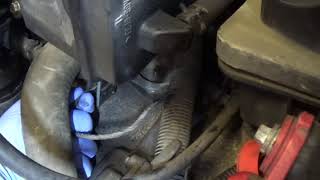
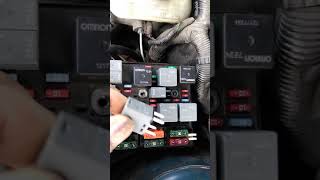
Est. part cost: $100-$250 - Poor Power or Ground Connections 🔴 High Probability Over time, ground straps corrode and battery terminals loosen, creating resistance and intermittent voltage drops. This is a common issue on aging vehicles. A common failure point is a ground splice pack on the transmission stud where multiple ground wires meet; corrosion here can cause intermittent no-start and electrical issues.
How to confirm: Visually inspect the battery terminals for corrosion. Follow the main negative battery cable to its connection point on the chassis and engine block. Inspect the main engine-to-firewall ground strap, often on the passenger side. Specifically locate and inspect the ground stud on the transmission (G103), which may have a multi-wire splice pack that is prone to corrosion. Wiring diagrams show key ground points at G202 (near the interior fuse block) and G301/G302 (at the front kick panels). Check PCM connectors for corrosion or pushed-out pins.
Typical fix: Clean the battery terminals and ground connection points with a wire brush until they are bright metal. Tighten all connections securely. If the transmission ground splice is corroded, it's best to cut it out, combine the wires into a single ring terminal, and bolt it directly to the cleaned stud. Replace corroded cables if necessary.
Est. part cost: $5-$50 - Faulty Ignition Switch 🟡 Medium Probability → Shop Ignition Switch This specific vehicle was subject to a major recall (NHTSA 14V400000) for a faulty ignition switch that can move out of the 'Run' position and cut power to modules. This power interruption is a direct cause of memory-related codes like P1621.
How to confirm: Check if the recall was performed on your vehicle's VIN. Symptoms include the engine stalling when the key is wiggled or when going over bumps. A technician can test the switch for intermittent voltage drops at the PCM power feeds.
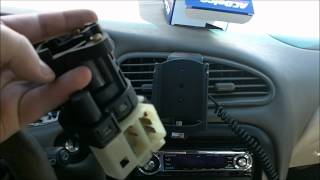
Typical fix: The recall remedy involved installing two new key rings and an insert for the key slot or a key cover. If the switch itself has failed, it must be replaced along with the lock cylinder. 🎬 Watch: Step-by-step ignition switch and cylinder replacement guide
Est. part cost: $50-$150 - Internal PCM Failure ⚪ Low Probability While possible, the PCM is generally a robust component. Failure is often the result of age, heat cycles, or damage from external electrical shorts.
How to confirm: This is a process of elimination. If the battery, charging system, ignition switch, and all power/ground connections to the PCM are confirmed to be in perfect condition, the PCM itself is the likely culprit. This is especially true if codes like P0601 are also present.
Typical fix: Replace the Powertrain Control Module (PCM) and have the new unit programmed to the vehicle's VIN. A security relearn procedure is also necessary.
Est. part cost: $150-$400
Diagnosis Steps
- Read all fault codes from all modules, not just the engine. Note any other codes, especially P0601 or any U-series or B-series (Body) codes.
- Perform a full battery and charging system test. The battery must be fully charged and healthy, and the alternator output must be stable and within specification (typically 13.7-14.7V).
- Inspect the battery terminals and cables. Clean any corrosion and ensure they are tight.
- Locate and inspect the main engine-to-chassis ground straps and the specific ground splice pack located on the transmission stud. Ensure all points are clean, tight, and free of corrosion.
- Inspect the connectors at the PCM for any signs of corrosion, moisture, or damage. On an Alero, the PCM is often located inside the car, on the driver's side of the center console, accessible from the passenger footwell.
- Check the status of the ignition switch recall (NHTSA 14V400000) for your vehicle's VIN. Test for voltage drops at the PCM power feeds while wiggling the key in the ignition.
- If all power and ground inputs to the PCM are verified to be stable and correct, and the code persists after being cleared, the PCM is faulty and requires replacement.
Parts You'll Likely Need
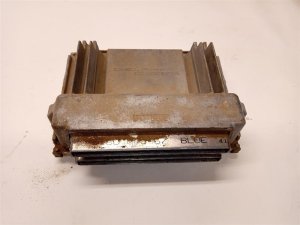
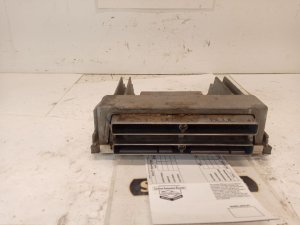
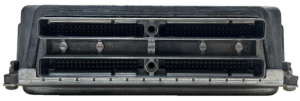
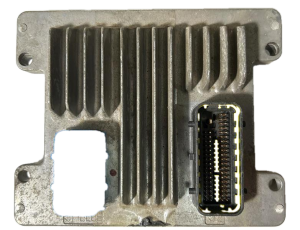
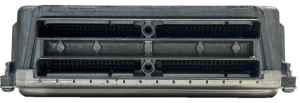
- Powertrain Control Module (PCM)
(OEM #12209614 (for 2001-2003 models, verify by VIN))— This is the component that has failed internally if all external electrical causes are ruled out. The code P1621 specifically points to a memory failure within this module.
Trusted brands: ACDelco (OEM), Cardone, ACR (Auto Computer Reman)
OEM price range: $445-$554
Aftermarket price range: $150-$250 - Battery — A weak or failing battery is a primary cause of voltage drops that can trigger a false P1621 code during startup.
Trusted brands: ACDelco, DieHard, Interstate
OEM price range: $150-$250
Aftermarket price range: $100-$200 - Ignition Switch — The subject of a massive recall (NHTSA 14V400000), this switch can intermittently cut power to the PCM, causing this code.
Trusted brands: ACDelco, Standard Motor Products
OEM price range: $80-$120
Aftermarket price range: $40-$70
Related Codes That Often Appear With This One
- P0601 — This code means 'Internal Control Module Memory Check Sum Error.' It is very similar to P1621 and, if present together, strongly points towards an internal PCM fault.
- U1000 — U-series codes indicate a loss of communication between modules. A failing PCM that is intermittently losing power or malfunctioning can stop communicating on the vehicle's data network, triggering this code.
- B2960 — This is a body code related to the Passlock security system. Intermittent power from a faulty ignition switch or bad grounds can often trigger security faults alongside the PCM memory code.
Technical Service Bulletins (TSBs) & Recalls
- GM TSB #05-06-04-060A: This informational bulletin lists P1621 as one of several codes (P0601, P0602, P0604, etc.) indicating internal control module failure. It advises technicians to be certain of which module has set the code before proceeding with replacement.
- GM TSB #PIP4653E: While for newer models, this TSB groups P1621 with other internal memory codes (P0601, P0604, etc.) that can be stored in the Transmission Control Module (TCM), reinforcing the diagnostic pattern.
Platform-Specific Known Issues
- The 1999-2004 Oldsmobile Alero was included in GM's major recall for faulty ignition switches (NHTSA 14V400000). This switch can cause intermittent power loss to the PCM, which is a direct potential cause for code P1621.
- A corroded ground splice pack on a transmission mounting stud is a well-documented failure point on these cars, leading to intermittent crank/no-start conditions and various electrical faults that can mimic PCM failure.
Mechanic-Grade Diagnostic Values
- PCM Power Supply Pins (Constant and Switched) — expected: Battery voltage (approx. 12.6V with key on, engine off; 13.7-14.7V engine running).. Failure: A voltage drop of more than 0.5V compared to the battery positive post indicates high resistance in the power feed circuit (fuses, wiring).
- PCM Ground Pins Voltage Drop — expected: Less than 0.1V (100mV) when measured between the PCM ground pin at the connector and the negative battery terminal with the ignition on.. Failure: A reading higher than 0.1V indicates a poor ground connection, which is a very common cause for this code.
- Battery Voltage During Cranking — expected: Should remain above 9.6V.. Failure: Voltage dropping below 9.6V during startup can corrupt the PCM's self-test and falsely trigger a P1621 code.
Scan Tool Commands That Help
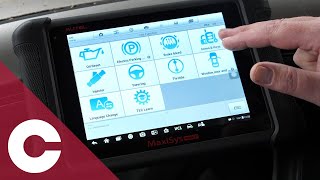
- GM Tech 2 / GDS2: Replace and Reprogram ECU / VIN Relearn — This function is mandatory after installing a new or used replacement PCM. It programs the vehicle's specific VIN and security information into the module, allowing it to communicate with other modules and start the engine.
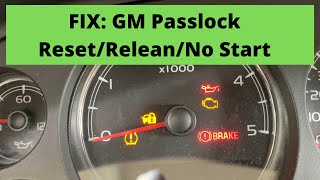
- Manual Procedure (No Tool): 30-Minute Passlock Security Relearn Procedure — Required after replacing the PCM, BCM, or ignition lock cylinder to sync the security system. Failure to perform this will result in a crank-no-start condition. The procedure involves 3 cycles of turning the key to 'ON' for 10 minutes each until the security light turns off.
Wiring & Ground Locations
- G103 — On a transmission stud, on the left side of the engine.. This is a major grounding point for the engine and transmission assembly. It often includes a splice pack where multiple ground wires meet. Corrosion at this specific point is a well-documented cause of intermittent no-starts and various electrical codes, including P1621, by providing an unstable ground for the PCM.
- G101 — On the left (driver's side) front shock tower in the engine compartment.. This is a primary chassis ground point. While less direct than the engine block grounds, a poor connection here can contribute to overall electrical instability that affects module performance.
- G105 — On the left front side of the engine compartment, near the underhood fuse block.. This ground point serves various components in the engine bay. Ensuring all grounds are clean is part of a thorough diagnosis to eliminate voltage stability issues.
- G202 — On the left side of the dash, near the interior fuse block.. This is a key interior ground point. Since the PCM is located inside the cabin, this ground's integrity is important for stable module operation.
- PCM Connectors (C1 and C2) — The PCM is located below the left (driver's) side of the dashboard, accessible from the passenger footwell by removing a panel on the side of the center console.. These are the main connectors where all power, ground, and data lines connect to the PCM. All voltage and resistance tests must be performed here by back-probing the appropriate pins to confirm the module itself is receiving what it needs to function.
Real Owner Repair Stories
- Reddit user on r/MechanicAdvice (2003 Oldsmobile Alero 3.4L) — Passlock security problems, attempting to replace the ignition lock cylinder but the 30-minute relearn procedure fails (security light does not behave as expected).
❌ Tried (didn't work) Replacing the ignition lock cylinder., Attempting the 30-minute relearn procedure multiple times.
✅ What actually fixed it The advice given was to replace the ignition switch (the electrical part separate from the lock cylinder). The reasoning was that worn contacts in the switch can cause power glitches that 'freak out the Passlock system,' preventing the relearn from completing successfully. The user was advised to test for constant power at the gauges fuse during key cycling to confirm an ignition switch problem. - Chevrolet Forum user 'treetop' (2002 Chevrolet Silverado (similar GM electrical system and code definition)) — P1621, clock resets, seat and radio memory lost after startup.
❌ Tried (didn't work) Resetting the vehicle to stock programming after using an aftermarket tuner.
✅ What actually fixed it The problem was caused by using an aftermarket engine programmer (Bully Dog). The user reported the issue started after installing the tune. Even after reverting to the stock tune, the problem persisted, indicating the programming process may have corrupted the PCM's memory. The final resolution implied the PCM was permanently damaged by the tuner. This serves as a cautionary tale that improper flashing can be a direct cause of P1621.
OEM Part Supersession History
12209614→12202600, 09360210— Standard part updates and consolidation by the manufacturer.
Heads up: Part number 12209614 is listed for 2001-2003 models with both 2.4L and 3.4L engines. Always verify compatibility with the vehicle's VIN before purchasing, as programming is required.
Diagnostic Flowchart
Other Known Issues on This Vehicle
Issues unrelated to this code that are worth knowing about as an owner of this generation:
- Lower Intake Manifold Gasket Failure (3.4L V6) 🔴 High — Extremely common, often occurs between 80,000 and 150,000 miles. Caused by GM's use of plastic-carrier gaskets with Dex-Cool coolant.
- Passlock Anti-Theft System Failure 🔴 High — Very common across all years. The 'SECURITY' light will flash or stay on, and the engine will start then immediately stall, or fail to crank.
- Power Window Regulator / Sash Bracket Failure 🟠 Medium — Common failure. The plastic brackets that hold the window glass to the regulator break, causing the window to fall into the door.
- Wheel Bearing / Hub Assembly Failure 🟠 Medium — Common, especially on front wheels. The integrated ABS sensor often fails, causing ABS and Traction Control lights to illuminate.
Used vs. New Parts: Buying Guide for This Vehicle
When a used part is the smart pick: A used PCM from a junkyard is a viable and cost-effective option, BUT ONLY if you have a clear plan for programming. This usually involves either sending your original PCM and the donor PCM to a service that can clone the data, or having a technician with a GM Tech 2 tool perform a VIN relearn and security relearn after installation.
Donor-vehicle mileage cap: roughly under 150000 miles for the part to have meaningful remaining life.
What to inspect on the donor part:
- Ensure the donor vehicle was not in a flood; check for any signs of water or corrosion on the PCM case and connectors.
- Match the part number exactly. While some numbers are interchangeable, an exact match is safest.
- Inspect the connector pins on the used module to ensure none are bent, broken, or corroded.
- Obtain the VIN of the donor vehicle if possible, as it can sometimes help with programming.
OEM-only on this vehicle (don't cheap out):
- Ignition Switch: Given that a faulty ignition switch is a primary cause of this code and was subject to a major safety recall, using a new, high-quality part (like ACDelco) is strongly recommended over a used one to ensure reliability and safety.
Aftermarket brands forum-validated for this vehicle:
- PCM (Remanufactured): Cardone, Flagship One (FS1), NPC Automotive Computers
- Ignition Switch: ACDelco (OEM), Standard Motor Products (SMP)
Brands owners have reported issues with on this vehicle:
- Ultra-cheap, no-name ignition switches from online marketplaces may have poor internal contacts and fail prematurely, recreating the original problem.
Real Owner Stories
Aggregated from forums and TSBs cited above. Mileages and costs reflect what owners reported in those sources.
2002 Oldsmobile Alero
Symptoms: Classic no-start scenario with a solid security light; owner tried a resistor bypass and a new ignition cylinder but the car still would not start.
What fixed it: A technician suggested using a Tech 2 scan tool to diagnose a bad wire connection or a bad PCM rather than parts swapping.
Source hint: Reddit r/Oldsmobile - 2002 alero security issues
Oldsmobile Alero
Symptoms: Intermittent crank but no-start condition.
What fixed it: The technician discovered a high voltage drop at a corroded ground splice on the transmission. He cut out the splice, combined the ground wires into a single eyelet, and bolted it directly to the stud.
Source hint: YouTube - Oldsmobile Alero Intermittent Crank No Start
Oldsmobile Alero
Symptoms: Chronic Passlock security system problems preventing reliable starting.
What fixed it: The owner detailed a method to permanently disable the system by forcing it into a 'fail-enable' mode, allowing the car to start even though the security light remains on.
Source hint: Oldsmobile Forum - A fix for Passlock Problems
Related OBD-II Codes
Frequently Asked Questions
Is there a recall for my 1999-2004 Oldsmobile Alero that could cause the P1621 code?
I'm seeing P1621 along with a solid Security light; does this mean my Passlock system is failing?
Does GM TSB #05-06-04-060A apply to my Alero's P1621 code?
Where is the PCM located on the Oldsmobile Alero if I need to check the connections?
Could a bad ground on the transmission cause a P1621 on my Alero?
Helpful Videos
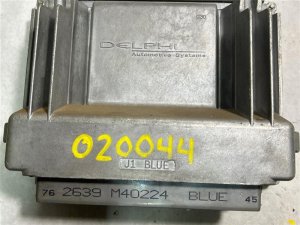
Used OEM Parts in Stock
New Aftermarket Parts Available


The information in this article is provided for general reference and educational purposes only. Vehicle specifications, procedures, and part compatibility can vary by production date, trim level, and region. Always consult your vehicle's factory service manual and verify part numbers before purchasing or performing repairs. Safety-critical components such as airbags, seat belts, and braking systems should be installed by a qualified professional.
- Oldsmobile Alero:
- 🧭 Diagnostic Flowchart
- 🎬 Helpful Videos
- 🛍️ Shop This Part
- What's Unique About the 1999-2004 Oldsmobile Alero
- Symptoms You May Notice
- Most Likely Causes
- Diagnosis Steps
- Parts You'll Likely Need
- Related Codes That Often Appear With This One
- Technical Service Bulletins (TSBs) & Recalls
- Platform-Specific Known Issues
- Mechanic-Grade Diagnostic Values
- Scan Tool Commands That Help
- Wiring & Ground Locations
- Real Owner Repair Stories
- OEM Part Supersession History
- Other Known Issues on This Vehicle
- Used vs. New Parts: Buying Guide for This Vehicle
- Real Owner Stories
- 2002 Oldsmobile Alero
- Oldsmobile Alero
- Oldsmobile Alero
- Related OBD-II Codes
- Frequently Asked Questions
- 🎟️ Get 5% Off