

P1621 on 1995-2005 Pontiac Sunfire: PCM Memory Fault Causes and Fixes
On a 1995-2005 Pontiac Sunfire, code P1621 indicates a PCM memory performance error. This is most often caused by a weak battery, poor ground connections, or a failing Powertrain Control Module (PCM). Before replacing the PCM, always test the battery, charging system, and critical ground points first, as low voltage is a very common trigger.
- P1621 on a 1995-2005 Sunfire points to a memory problem in the Powertrain Control Module (PCM).
- Before assuming the PCM is bad, ALWAYS test the battery and charging system thoroughly. Low voltage is a very common cause for this code.
- Check for corroded or loose battery cables and engine ground straps, particularly near the battery tray and on the transmission.
- If the PCM needs to be replaced, the new unit must be programmed to your car's VIN, and a security/crankshaft relearn procedure must be performed.
What's Unique About the 1995-2005 Pontiac Sunfire
Unlike many newer GM vehicles where P1621 points to a Transmission Control Module (TCM) failure, on the 1995-2005 Sunfire and its sister platform, the Chevrolet Cavalier, this code is specifically associated with a Powertrain Control Module (PCM) memory issue. The diagnostic approach for this J-body platform generation should focus entirely on the PCM and its supporting electrical system (battery, grounds, wiring), rather than the transmission computer.
Generation note: The 1995-2005 Pontiac Sunfire covers the third generation of the J-body platform. For code P1621, the meaning and diagnostic approach related to a PCM memory fault are consistent across this entire year range and its platform mate, the 1995-2005 Chevrolet Cavalier.
Symptoms You May Notice
- Check Engine Light is on
- Engine may stall intermittently
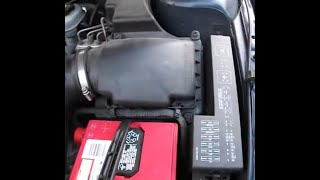
- Vehicle may not start 🎬 Watch: Troubleshooting a Sunfire that won't crank or start
- Erratic idle or poor engine performance
- Other warning lights may appear on the dash
- Clock or radio presets may reset after starting the engine
- Security light may flash or stay on
- Transmission may not shift correctly if PCM integrity is compromised
- Replacing the Transmission Control Module (TCM). On newer GM cars, P1621 often points to the TCM, but on the 1995-2005 Sunfire, it is definitively a PCM code.
- Replacing sensors. This code points to an internal computer memory issue, not a failure of an external engine sensor.
Most Likely Causes
- Weak or Failing Battery 🔴 High Probability → Shop Vehicle Battery Older electrical systems on J-body platforms are sensitive to low voltage. A battery that drops below the required voltage during startup can corrupt the PCM's memory self-check, triggering a false P1621 code.
How to confirm: Use a multimeter to test the battery voltage at rest (should be ~12.6V). Perform a load test or have an auto parts store test the battery. Check the voltage while cranking; if it drops below 9.6V, the battery is weak and cannot reliably power the modules during startup.
Typical fix: Recharge or replace the battery. Clean any corrosion from the terminals and ensure cable connections are tight.
Est. part cost: $100-$250 - Poor Power or Ground Connection to PCM 🟡 Medium Probability J-body vehicles are known to develop grounding issues with age. Over time, ground straps and power connections can corrode or loosen, leading to intermittent voltage supply to the PCM, which can mimic internal failure.
How to confirm: Visually inspect the main engine and chassis ground straps for corrosion or damage. On a Sunfire, key ground locations are near the battery tray, on the frame rail below the tray, and a strap from the engine/transmission to the chassis. Use a wiring diagram to verify power and ground at the PCM connector with a multimeter. Resistance between the PCM ground pin and chassis should be less than 1 ohm.
Typical fix: Disassemble, clean, and tighten corroded ground straps and battery cables. This is a crucial and inexpensive first step before considering PCM replacement.
Est. part cost: $10-$50 - Failing Powertrain Control Module (PCM) 🟡 Medium Probability → Shop Engine Control Module (ECM) After many years and heat cycles, the internal components of the PCM, including the EEPROM memory chip, can fail. This is a diagnosis of exclusion after all other possibilities are ruled out.
How to confirm: This is diagnosed by exclusion. If the battery, charging system, and all related wiring/grounds are confirmed to be good, the PCM itself is the likely culprit. A dealership or specialized shop can attempt to re-flash the PCM, but if the code returns, replacement is necessary.
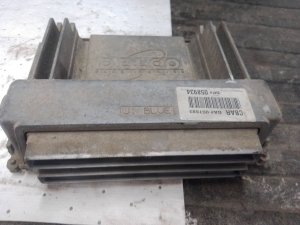
Typical fix: Replace the Powertrain Control Module. The replacement PCM will need to be programmed to your vehicle's specific VIN and options. After installation, a security relearn procedure 🎬 See this GM Passlock security relearn procedure walkthrough and potentially a crankshaft variation relearn will be required.
Est. part cost: $150-$400
Rare But Worth Checking
- Failing Alternator: A failing alternator can cause unstable voltage (either too low or too high), which can disrupt the PCM and trigger a memory fault code. Check the charging system voltage with the engine running; it should be stable, between 13.5V and 14.8V.
- Corrupted Software from Aftermarket Tuner: If an aftermarket performance tuner was used and not installed correctly, it can corrupt the PCM's memory. Returning the vehicle to the stock tune may resolve the issue, but sometimes this permanently damages the PCM.
- Voltage Spike During Battery Replacement or Jump Start: → Shop Vehicle Battery Improperly connecting jumper cables or a voltage spike during a battery swap can damage sensitive electronics, including the PCM's internal memory, leading to a P1621 code.
Diagnosis Steps
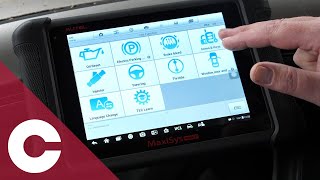
- Read the code with an OBD-II scanner and confirm P1621 is present. Note any other codes, especially P0601 or P0603. 🎬 Watch: How to diagnose and fix a P1621 code
- Inspect the battery. Check for corrosion on the terminals and ensure the cables are tight.
- Test the battery. Use a multimeter to check the voltage at rest (should be ~12.6V) and while cranking (should stay above 9.6V). A load test is highly recommended.
- Test the charging system. With the engine running, check the alternator output. Voltage should be stable, between 13.5V and 14.8V.
- If battery and charging system are good, inspect and clean the PCM's wiring. Locate and clean the main engine-to-chassis and battery ground points. Key locations are near the battery tray and on the transmission. Ensure the PCM connectors are clean and secure.
- If all external electrical systems are verified to be working correctly, the fault is internal to the PCM.
- If the PCM is replaced, it must be programmed for the vehicle's VIN. A security relearn procedure (e.g., key on for 10 minutes) and a crankshaft variation relearn (requires a scan tool) will be necessary.
Parts You'll Likely Need
- Powertrain Control Module (PCM)
(OEM #Varies by year/engine. Ex: 12576162 (2003-2005 2.2L), 09356249 (2001 2.4L), 12210553 (2002 2.2L).)— This is the most common fix if the battery and wiring are confirmed to be good, as the code indicates an internal memory failure within this module.
Trusted brands: ACDelco (OEM), Cardone (Remanufactured), Standard Motor Products, Flagship One (Programmed)
OEM price range: $250-$400
Aftermarket price range: $150-$300 - Car Battery — A weak battery is a frequent cause of this code, as low voltage during startup can corrupt the PCM's self-test.
Trusted brands: ACDelco, DieHard, Interstate
OEM price range: $150-$250
Aftermarket price range: $100-$200
Related Codes That Often Appear With This One
- P0601 — This code means 'Internal Control Module Memory Check Sum Error'. It is another code that points directly to an internal failure of the PCM. Seeing them together strongly confirms a bad PCM.
- P0603 — Indicates 'Internal Control Module Keep Alive Memory (KAM) Error'. This can be triggered by intermittent power loss from bad grounds or a weak battery, which are also primary causes of P1621.
Technical Service Bulletins (TSBs) & Recalls
- While no TSB directly for P1621 on the Sunfire was found, GM TSB #05-06-04-060A discusses the family of control module memory codes (including P1621) and advises checking for low voltage conditions before module replacement. This bulletin notes that P1621 can be shared across multiple modules.
- Manufacturer TSB Bulletin #PIP4653E notes that for some Pontiac models, technicians may find P1621 stored in the Transmission Control Module, and advises ensuring the code is indeed set in that module before proceeding.
Platform-Specific Known Issues
- Ignition Switch Failure: → Shop Ignition Switch The ignition switch on J-body cars can wear out, causing intermittent power loss to various modules, including the PCM. This can lead to stalling and trigger false codes like P1621. If the car stalls and loses all power randomly, the ignition switch should be investigated.
- Grounding Point Corrosion: The primary ground points in the engine bay, especially the one on the frame rail near the battery tray, are susceptible to corrosion. This creates high resistance and can cause a host of electrical issues, including the P1621 code. Cleaning these grounds is a common and effective fix.
Mechanic-Grade Diagnostic Values
- PCM Ground Circuit Voltage Drop — expected: < 0.1 Volts (100mV). Failure: A reading higher than 0.1V indicates excessive resistance in the ground circuit, which can cause the PCM to malfunction.
- PCM Power Supply Voltage — expected: Should be stable and match battery voltage (~12.6V with key on, engine off; 13.5-14.8V with engine running).. Failure: Voltage significantly lower than battery voltage indicates a problem in the power supply wire or fuse, starving the PCM for power.
- Passlock Sensor Voltage (at BCM) — expected: The Yellow signal wire should show 4.7-5.0V with key on, then drop to a specific, consistent voltage as the key is turned. The Red/White wire should have >9.0V.. Failure: An incorrect or fluctuating voltage on the yellow signal wire can trigger the anti-theft system, which may cause related electrical issues or no-start conditions that can be confused with a PCM fault.
Scan Tool Commands That Help
- Tech2 / GDS2: Service Programming System (SPS) — This is mandatory after installing a new or used PCM. The 'Replace and Reprogram' function flashes the vehicle's correct VIN and software calibration file to the module, 'marrying' it to the car.
- Tech2: Crankshaft Position (CKP) System Variation Learn — This procedure must be performed after replacing or reprogramming the PCM. It allows the PCM to learn the variations in the crankshaft reluctor wheel to ensure accurate misfire detection. Failure to do this often results in a P1336 code.
- Tech2: Module Diagnostics -> PCM -> Vehicle DTC Information — Used as a primary step to confirm that the P1621 code is stored in the Powertrain Control Module (PCM) and not another module.
Wiring & Ground Locations
- G102 — At the left front of the engine compartment, often near or on the battery tray.. This is a primary engine bay ground. Corrosion or looseness here can cause intermittent power issues for multiple components, including the PCM, triggering memory faults.
- G110 — On the rear of the engine block.. This is a critical ground for the engine and powertrain components. A poor connection here directly impacts the PCM's reference ground.
- G201 / G204 — Behind the upper left side of the dash, on the steering column support bracket.. These are interior grounds that serve the Body Control Module (BCM) and instrument panel. While less likely to cause a P1621 directly, a fault here can cause related security system or communication issues.
- PCM Connector Pins — At the connectors of the Powertrain Control Module, located in the engine bay.. Verifying stable power and clean grounds directly at the PCM's input pins is the definitive test to rule out external wiring issues before condemning the module itself.
Real Owner Repair Stories
- j-body.org forum user (1997 2.4L Automatic J-body (Cavalier/Sunfire)) — Check Engine Light with code P1621.
❌ Tried (didn't work) Clearing the code (it would return), Considering a simple reset by disconnecting the battery for an extended period.
✅ What actually fixed it The consensus from experienced users and technicians in the thread was that the PCM itself had failed. The required fix is to replace the PCM and then perform both a Vehicle Theft Deterrent (VTD) relearn and a Crankshaft Position Variation relearn. A used PCM from a matching vehicle (97-98 2.4L Auto) could be used but must be reprogrammed by a dealer or a shop with the proper tools. - Reddit user r/mechanic (2004 2.2L Pontiac Sunfire) — Crank but no start condition, which can sometimes be associated with PCM or security issues.
❌ Tried (didn't work) Replacing the fuel pump, Replacing the battery, Replacing the ignition switch
✅ What actually fixed it The ultimate cause was a shorted fuel pump ground wire at the bus connector located under the steering wheel. While not a P1621 case directly, it's a valuable example of how a hidden wiring or ground fault on this platform can mimic major component failure.
OEM Part Supersession History
09356249→16268310, 9392873— Standard part evolution and updates by the manufacturer.
Heads up: These part numbers are generally interchangeable for 2000-2002 Cavalier and Sunfire models, but they MUST be programmed with the vehicle's specific VIN to function. They are not plug-and-play.Multiple, e.g., 12576162→Multiple, e.g., 19210073— Software updates and hardware revisions for the Ecotec engine.
Heads up: PCMs for the 2003-2005 Ecotec engine are not interchangeable with the earlier 1995-2002 models. Always match the part number or use a VIN-programmed service.
Model Year Variations Within This Range
- 1995-1999: These early models used different engine combinations (2.2L OHV, 2.4L Twin Cam) and distinct PCM hardware and connectors. The 1995 model year is noted as being OBD 1.5, which can present unique challenges for scanning, while 1996+ are OBD-II. A PCM swap from a '96 to a '97+ requires a harness change due to different connector counts.
- 2000-2002: This range used a common PCM for the 2.2L OHV and 2.4L Twin Cam engines, with part numbers like 09356249 being prevalent.
- 2003-2005: These later models exclusively used the 2.2L Ecotec engine. This change brought a completely different PCM, wiring harness, and engine management system. PCMs from this era are not backward compatible with earlier Sunfires.
Diagnostic Flowchart
Other Known Issues on This Vehicle
Issues unrelated to this code that are worth knowing about as an owner of this generation:
- Failing Instrument Cluster Gauges 🟠 Medium → Shop Instrument Cluster — Very common, especially on 2000-2005 models. Gauges (speedometer, tach, fuel) become erratic or stop working due to faulty stepper motors inside the cluster.
- Leaking Intake Manifold Gasket (2.2L OHV) 🔴 High — Extremely common on the pre-Ecotec 2.2L OHV engine (VIN '4'). The gasket fails, causing coolant and/or vacuum leaks, leading to rough idle and overheating.
- Failing Power Window Motors 🟡 Low — Common across all years. The motors are known to overheat and fail, causing windows to get stuck.
- Faulty Turn Signal / Multifunction Switch 🟡 Low — A frequent complaint where the turn signals may not work, or a buzzing noise is heard from the flasher relay due to a bad switch.
- Premature Head Gasket Failure (2.2L & 2.4L) 🔴 High — Reported by many owners, often secondary to cooling system problems like a failed intake gasket or radiator, leading to overheating and head gasket failure.
- Cracked Plastic Radiator Side Tanks 🟠 Medium — The plastic end tanks on the stock radiator become brittle with age and crack, causing coolant leaks and potential overheating.
Used vs. New Parts: Buying Guide for This Vehicle
When a used part is the smart pick: A used PCM from a junkyard or salvage vehicle is a very common and cost-effective repair for a P1621, provided it is handled correctly. Since the issue is often the module itself, a tested, used unit is a viable alternative to a more expensive new or remanufactured part.
Donor-vehicle mileage cap: roughly under 150000 miles for the part to have meaningful remaining life.
What to inspect on the donor part:
- Ensure the part number on the used PCM is an exact match or a known compatible superseded number for your original unit.
- Inspect the connectors on the donor PCM for any signs of corrosion, bent pins, or water damage.
- Source the part from a vehicle that was not involved in a flood or fire.
- Ideally, get the PCM from a vehicle with the same engine, transmission, and key options (e.g., a 2.4L automatic donor for a 2.4L automatic recipient).
OEM-only on this vehicle (don't cheap out):
- Powertrain Control Module (PCM) - While a used OEM module is fine, it is critical that it is a genuine GM part. Avoid no-name aftermarket PCMs with questionable programming and reliability.
Aftermarket brands forum-validated for this vehicle:
- Flagship One / Flashmasters: These are not aftermarket manufacturers, but services that sell pre-programmed, tested, used OEM PCMs. They are a popular choice because they handle the critical VIN programming before shipping the part.
- Cardone: A well-known remanufacturer of electronic components, including PCMs. They are a common source for parts stores.
Brands owners have reported issues with on this vehicle:
- Unknown eBay/Amazon sellers offering 'unlocked' or 'plug-and-play' PCMs without requiring your VIN. These are often just unprogrammed modules that will not work and will trigger the anti-theft system, resulting in a no-start condition.
Real Owner Stories
Aggregated from forums and TSBs cited above. Mileages and costs reflect what owners reported in those sources.
2000-2005 Pontiac Sunfire
Symptoms: The owner experienced a P1621 code and noted that the code essentially meant the PCM had failed or 'died.'
What fixed it: Replacement of the PCM followed by a dealer re-flash or installation of a pre-programmed unit, including the necessary security and crank relearn procedures.
Source hint: j-body.org: A thread titled 'P1621 (Error code of death?)'
2003+ Pontiac Sunfire
Symptoms: Electrical faults and potential P1621 triggers due to high resistance in the electrical system.
What fixed it: Locating and cleaning the primary engine bay grounds, specifically the one on the frame rail near the battery tray and the strap on the transmission.
Source hint: j-body.org: A thread titled 'where are the wires grounded at on 03+ sunfire?'
1995-2005 Pontiac Sunfire (General J-Body)
Symptoms: The vehicle's clock or radio presets reset after starting the engine, and an EEPROM checksum failure (P1621) was detected.
What fixed it: The PCM was likely damaged by an aftermarket programmer, requiring a replacement of the module to resolve the internal memory error.
Source hint: ChevroletForum.com: A user with a P1621 after using an aftermarket programmer
Related OBD-II Codes
Frequently Asked Questions
Does GM TSB #05-06-04-060A apply to my Pontiac Sunfire if I have a P1621 code?
Why did my radio presets and clock reset right when the P1621 code appeared on my Sunfire?
I'm being told I need a new PCM for my Sunfire; what extra steps are required for this vehicle?
Could a bad ignition switch be causing the P1621 code on my J-body Sunfire?
Where should I check for ground issues on my Sunfire to rule out a false P1621?
Helpful Videos

Used OEM Parts in Stock
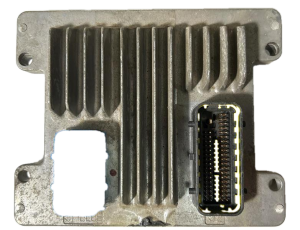
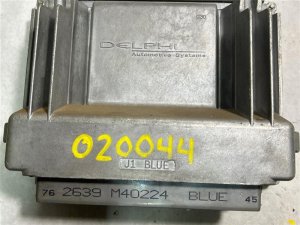
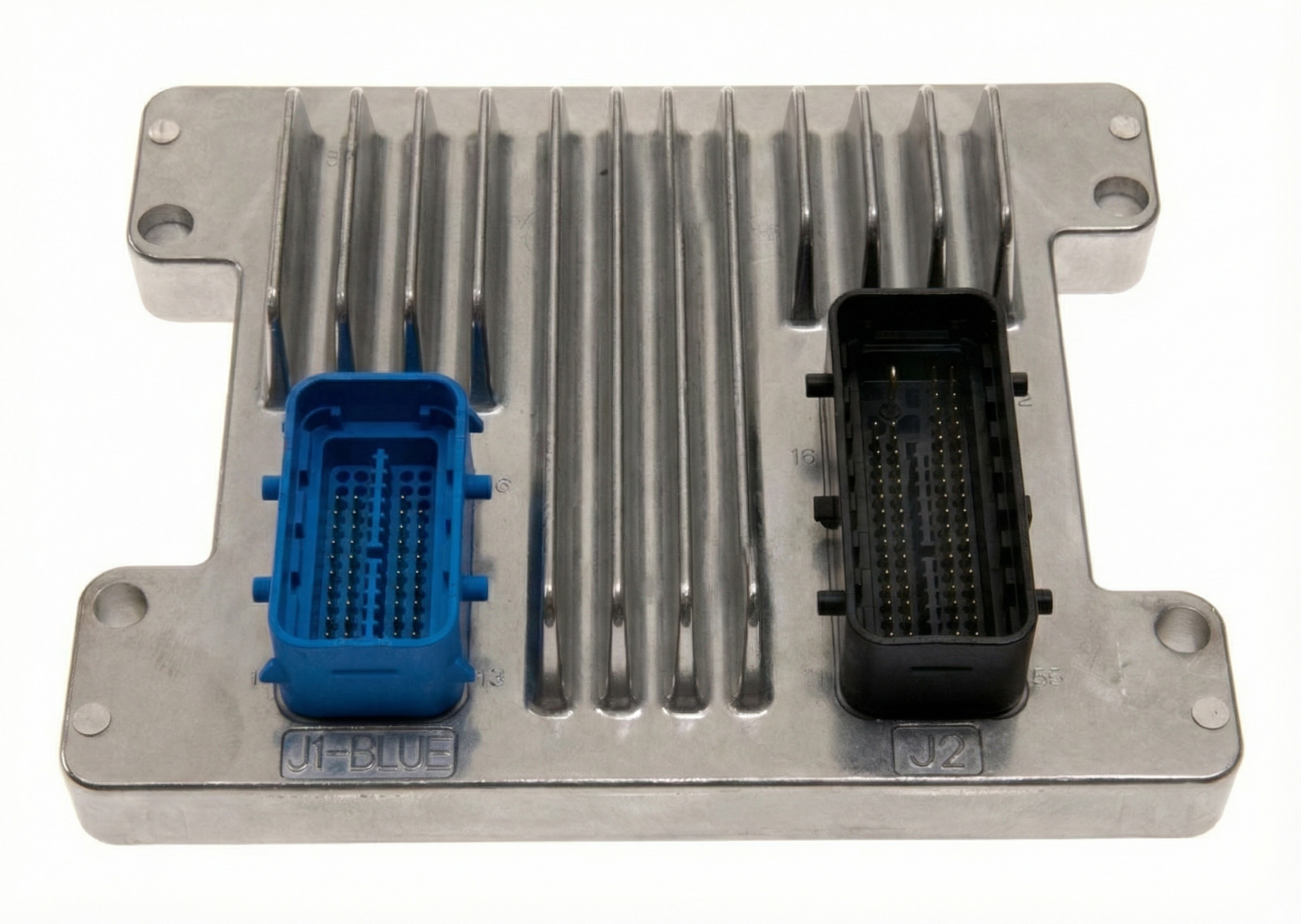
New Aftermarket Parts Available



The information in this article is provided for general reference and educational purposes only. Vehicle specifications, procedures, and part compatibility can vary by production date, trim level, and region. Always consult your vehicle's factory service manual and verify part numbers before purchasing or performing repairs. Safety-critical components such as airbags, seat belts, and braking systems should be installed by a qualified professional.
- Pontiac Sunfire:
- 🧭 Diagnostic Flowchart
- 🎬 Helpful Videos
- 🛍️ Shop This Part
- What's Unique About the 1995-2005 Pontiac Sunfire
- Symptoms You May Notice
- Most Likely Causes
- Rare But Worth Checking
- Diagnosis Steps
- Parts You'll Likely Need
- Related Codes That Often Appear With This One
- Technical Service Bulletins (TSBs) & Recalls
- Platform-Specific Known Issues
- Mechanic-Grade Diagnostic Values
- Scan Tool Commands That Help
- Wiring & Ground Locations
- Real Owner Repair Stories
- OEM Part Supersession History
- Model Year Variations Within This Range
- Other Known Issues on This Vehicle
- Used vs. New Parts: Buying Guide for This Vehicle
- Real Owner Stories
- 2000-2005 Pontiac Sunfire
- 2003+ Pontiac Sunfire
- 1995-2005 Pontiac Sunfire (General J-Body)
- Related OBD-II Codes
- Frequently Asked Questions
- 🎟️ Get 5% Off