

P1622 on 2011-2017 Hyundai Accent: A/C Relay Circuit Failure Causes and Fixes
This code almost always means the air conditioning (A/C) relay has failed. It's located in the under-hood fuse box and is an inexpensive part that's easy to replace. Swapping it with the horn relay is a common and effective way to test it before buying a new one.
- P1622 on your Accent means there's a problem in the A/C compressor's electrical circuit.
- The most likely cause is a bad A/C relay, which is a cheap and easy part to replace yourself.
- A quick way to diagnose the relay is to swap it with the horn relay in the under-hood fuse box.
- Do not immediately assume you need a new A/C compressor or a refrigerant recharge; this code points specifically to an electrical fault.
- If a new relay doesn't fix it, check the A/C fuses and inspect the wiring for damage before considering more complex issues.
What's Unique About the 2011-2017 Hyundai Accent
For the 2011-2017 Hyundai Accent (and its platform-mate, the Kia Rio), this code is straightforward and almost always points to a simple electrical fault rather than a complex mechanical issue. Unlike on other brands like BMW or Ford where P1622 can mean a failed thermostat or anti-theft system issue, on Hyundai it is specifically tied to the A/C system. The fix is typically a low-cost relay located in the engine bay fuse box, making it a very common and accessible DIY repair.
Symptoms You May Notice
- Air conditioning does not blow cold air.
- A/C compressor clutch does not engage (no 'click' sound when turning on the A/C).
- Check Engine Light is on.
- A/C light on the control panel may blink (less common).
- Recharging the A/C system with refrigerant. While low refrigerant will cause the A/C to not blow cold, it typically does not set the P1622 electrical fault code. The system may set a different code or no code at all.
- Replacing the entire A/C compressor. The compressor itself is usually fine; the problem is the electrical signal telling it to turn on. A bad relay is far more common and cheaper to fix.
Most Likely Causes
- Faulty A/C Relay 🔴 High Probability Relays are electro-mechanical switches that wear out over time from repeated use and can fail due to heat and vibration in the engine bay. This is the most common point of failure for this specific code on this platform.
How to confirm: The easiest test is to swap the A/C relay with an identical relay from a non-essential system, such as the horn relay, in the under-hood fuse box. If the A/C works and the horn stops working, the relay is bad. The relays are typically black or gray cubes and their positions are marked on the fuse box lid.
Typical fix: Replace the A/C relay. The OEM part number is often 95224-2D000 or a similar variant.
Est. part cost: $10-$30 - Damaged Wiring or Connectors 🟡 Medium Probability Wires in the engine bay can become brittle, frayed, or corroded over time. A short or open in the control wire between the ECM and the relay socket will trigger this code. On some Hyundai models, wiring harnesses have been known to chafe against brackets, causing shorts.
How to confirm: Visually inspect the wiring harness leading to the A/C relay socket for any signs of damage. Use a multimeter to check for continuity on the control wire and for proper voltage/ground at the relay socket. Check for two powers and two grounds at the relay socket when the A/C is commanded on.
Typical fix: Repair the damaged section of the wire or replace the corroded connector/terminal.
Est. part cost: $5-$50 - Blown A/C Fuse ⚪ Low Probability A fuse can blow due to an intermittent short circuit in the A/C compressor clutch coil or its wiring. This is less common than the relay failing on its own.
How to confirm: Check the 10A A/C fuse in the interior fuse panel and the A/C COMP fuse in the under-hood box. The fuse box 🎬 Watch: Locate the AC fuse and relay diagrams on the panel covers will show their exact locations. If a fuse is blown, it may indicate a deeper electrical problem.
Typical fix: Replace the fuse. If it blows again, diagnose the circuit for a short.
Est. part cost: $1-$5
Rare But Worth Checking
- Failed Engine Control Module (ECM): → Shop Engine Control Module (ECM) This is very rare. The internal driver circuit in the ECM that controls the relay can fail. This should only be considered after all other possibilities (relay, wiring, fuses) have been thoroughly ruled out.
Diagnosis Steps
- Read the code with an OBD-II scanner to confirm P1622 is present.
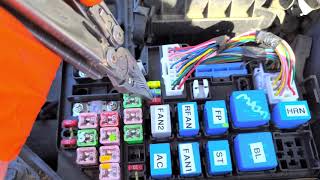
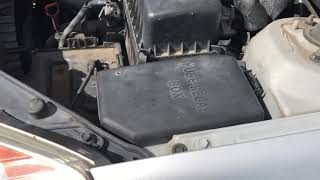
- Locate the under-hood fuse box on the driver's side of the engine bay.
- Identify the A/C relay. The fuse box lid diagram should show its location, often marked 'A/C' or with a snowflake symbol.
- Perform a 'relay swap test'. Swap the A/C relay with the horn relay (if they are identical 4-pin relays). Test if the A/C now works and the horn does not. If so, the original A/C relay is faulty and needs replacement.
- If the relay swap does not fix the issue, inspect the A/C fuses. Check the 10A A/C fuse in the interior fuse panel (driver's side dash) and any related fuses (e.g., 'A/C COMP') in the under-hood box.
- If the fuses and relay are good, visually inspect the wiring and the relay socket for any signs of corrosion, melting, or damage. Pay close attention to where the harness may rub against engine or transmission brackets.
- With a multimeter, check for battery voltage and ground at the appropriate terminals in the relay socket when the A/C is commanded on. You should find two terminals with power and two with ground when the relay is supposed to be active.
- If all wiring appears intact and has correct power/ground, the fault may lie with the A/C compressor clutch coil or, in very rare cases, the ECM.
Parts You'll Likely Need
- A/C Compressor Relay / Multi-Purpose Relay
(OEM #95224-2D000)— This is the most common failure point for the P1622 code. It's an inexpensive and simple part to replace.
Trusted brands: Hyundai (Genuine), Bosch, Duralast, Carquest, Novita
OEM price range: $20-$40
Aftermarket price range: $10-$25
Platform-Specific Known Issues
- source — A user on the ScannerDanner forum with a 2013 Hyundai Accent experiencing poor A/C performance was advised to first check pressures, then jump the relay to test the compressor clutch directly. This confirms the 🎬 See this step-by-step AC diagnostic walkthrough relay is a primary diagnostic point for the community.
Mechanic-Grade Diagnostic Values
- A/C Relay Coil Resistance — expected: 40 to 120 Ohms. Failure: A reading outside this range (e.g., open circuit 'OL' or zero ohms) indicates a faulty relay coil.
- A/C Compressor Clutch Coil Resistance — expected: 3.0 to 5.0 Ohms at room temperature.. Failure: A reading below 2.0 Ohms or above 5.0 Ohms suggests the clutch coil is bad and may be shorted or open.
- A/C Relay Socket Pinpoint Test (Engine Off, A/C On) — expected: Using standard 4-pin relay numbering: Pin 30 should have constant 12V+ from the A/C fuse. Pin 86 should have 12V+ when the A/C is commanded on. Pin 85 should be the ground provided by the ECM to activate the relay. Pin 87 is the output to the compressor clutch, which will have voltage when the relay is active.. Failure: Absence of voltage or ground at any of these points indicates a wiring or ECM issue, not a relay fault.
Scan Tool Commands That Help
- Hyundai GDS (Global Diagnostic System): Actuation Test for A/C Relay — After confirming the relay and fuses are good, use this command to force the ECM to activate the A/C relay. If you hear the relay click and the compressor engages, the problem may be intermittent or related to sensor inputs (like the A/C pressure switch). If the relay does not click, it confirms a fault in the control circuit wiring or the ECM's driver. GDS is the OEM tool for models up to 2018.
Wiring & Ground Locations
- E/R Fuse & Relay Box — On the driver's side of the engine compartment.. This box contains the A/C relay and the A/C compressor fuse, the two most critical components for this code.
- G02 / GM02 — Top left side of the dash, behind the instrument panel.. This is a major interior ground point for various modules. While not directly tied to the relay control circuit in the engine bay, a poor ground here can cause erratic behavior from the A/C control module.
- G04 / G05 — Right rear of the engine compartment.. These are primary engine bay ground points. Corrosion or looseness at these grounds can cause a variety of electrical issues, including problems with the ECM's ability to properly ground and control relays.
OEM Part Supersession History
9522429000, 9522429700, 9522429800, 9522405000→95224-2D000— Part consolidation and minor revisions over time. The 95224-2D000 is the current, widely available multi-purpose relay for this application.
Model Year Variations Within This Range
- 2015-2017: A minor cosmetic facelift was introduced in 2015, featuring a new grille and updated headlights. However, there were no significant changes to the powertrain or the A/C electrical system, so the diagnosis for P1622 remains identical across the entire 2011-2017 range.
Diagnostic Flowchart
Other Known Issues on This Vehicle
Issues unrelated to this code that are worth knowing about as an owner of this generation:
- Worn MDPS Steering Coupler 🟠 Common —
Used vs. New Parts: Buying Guide for This Vehicle
When a used part is the smart pick: For the primary cause of P1622, the A/C relay, a used part is an excellent and cost-effective choice. Relays are generally reliable, and a functional one from a donor vehicle is a very low-risk purchase. This is a great way to perform the 'relay swap test' for just a few dollars if you don't have an identical relay to swap with.
Donor-vehicle mileage cap: roughly under 150000 miles for the part to have meaningful remaining life.
What to inspect on the donor part:
- Inspect the plastic housing for any signs of melting, cracking, or heat stress.
- Check the metal terminals (pins) for any corrosion, rust, or black marks from arcing.
- Gently shake the relay; there should be no rattling sounds, which could indicate a broken internal component.
- If possible, pull from a vehicle that was not in a front-end collision to reduce the chance of impact damage to the fuse box.
OEM-only on this vehicle (don't cheap out):
- Engine Control Module (ECM) - In the rare event the ECM is the cause, a used module will require reprogramming to the vehicle's VIN and immobilizer system, which often makes a pre-programmed new or remanufactured unit from a reputable supplier a more straightforward, albeit expensive, option.
Aftermarket brands forum-validated for this vehicle:
- Bosch
- Duralast
- Carquest / Novita
Brands owners have reported issues with on this vehicle:
- Unbranded, no-name relays from online marketplaces often have lower quality internal coils and contacts, leading to premature failure.
Real Owner Stories
Aggregated from forums and TSBs cited above. Mileages and costs reflect what owners reported in those sources.
2013 Hyundai Accent 1.6L
Symptoms: The vehicle was experiencing poor A/C performance. Diagnostic advice suggested checking pressures and jumping the relay to test the compressor clutch directly.
What fixed it: The diagnostic process confirmed the relay as the primary point of failure, consistent with community recommendations to test the relay and compressor clutch circuit.
Source hint: ScannerDanner forum thread titled 'A/C issues'
2011 Hyundai Accent 1.6L
Symptoms: The A/C compressor does not kick in/engage.
What fixed it: Diagnosis focused on the electrical circuit, specifically checking the relay and the command signal to the compressor clutch.
Source hint: Mechanics StackExchange thread '2011 hyundai accent ac compressor doesnt kick in'
Related OBD-II Codes
Frequently Asked Questions
Where is the A/C relay located on my 2011-2017 Hyundai Accent?
Is there a specific relay part number I should look for to fix P1622?
Can I use the horn relay to test if my A/C relay is bad?
Which fuses should I check for an A/C issue on this model?
Are there any other vehicles that have this same A/C relay problem?
What aftermarket relay brands are recommended for the Accent?
What should I look for when inspecting the wiring for P1622?
Helpful Videos

We Have This Part in Stock


The information in this article is provided for general reference and educational purposes only. Vehicle specifications, procedures, and part compatibility can vary by production date, trim level, and region. Always consult your vehicle's factory service manual and verify part numbers before purchasing or performing repairs. Safety-critical components such as airbags, seat belts, and braking systems should be installed by a qualified professional.
- Hyundai Accent:
- 🧭 Diagnostic Flowchart
- 🎬 Helpful Videos
- 🛍️ Shop This Part
- What's Unique About the 2011-2017 Hyundai Accent
- Symptoms You May Notice
- Most Likely Causes
- Rare But Worth Checking
- Diagnosis Steps
- Parts You'll Likely Need
- Platform-Specific Known Issues
- Mechanic-Grade Diagnostic Values
- Scan Tool Commands That Help
- Wiring & Ground Locations
- OEM Part Supersession History
- Model Year Variations Within This Range
- Other Known Issues on This Vehicle
- Used vs. New Parts: Buying Guide for This Vehicle
- Real Owner Stories
- 2013 Hyundai Accent 1.6L
- 2011 Hyundai Accent 1.6L
- Related OBD-II Codes
- Frequently Asked Questions
- 🎟️ Get 5% Off