

P1629 on 2012-2014 Cadillac CTS: Theft System and No-Start Causes
P1629 on a 2012-2014 Cadillac CTS means the engine is disabled by the theft deterrent system. This is often caused by a communication failure due to a bad wiring connector, especially the transmission harness connector (X1). A no-start condition is the primary symptom, often accompanied by other communication codes like U0100 and U0101.
- P1629 means your car's anti-theft system has disabled the engine due to a communication failure.
- The most common cause on a 2012-2014 CTS is a bad connection at the main transmission wiring harness connector (X1).
- The vehicle will not start, so it cannot be driven.
- Diagnosis requires checking for other communication codes (U-codes) and performing a detailed inspection of the transmission connector and related wiring.
- Simply replacing the key or battery is unlikely to fix this specific code.
What's Unique About the 2012-2014 Cadillac CTS
On this generation of Cadillac CTS, the P1629 code is frequently linked to communication network problems rather than a simple bad key or ignition switch. A well-documented GM Technical Service Bulletin (TSB #PIC4740E, later updated) specifically points to the 16-pin transmission wiring harness connector (X1) as a potential point of failure. Corrosion or unseated pins in this connector can disrupt communication between the ECM and Transmission Control Module (TCM), which is integral to the security handshake process, leading to this code. This makes diagnosing P1629 less about the key and more about a tracing the vehicle's complex wiring and data networks, particularly around the transmission.
Diagnostic Flowchart
Tap your situation to follow the diagnostic path that matches what you're seeing on this vehicle.
Symptoms You May Notice
- Engine cranks but will not start
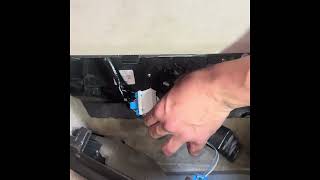
- Engine may not crank at all 🎬 Watch: A real-world diagnosis of a tricky no-crank condition.
- Security warning light is illuminated on the instrument panel
- "Service Theft Deterrent System" message may appear on the Driver Information Center (DIC)
- Key may become stuck in the ignition
- Vehicle may enter "limp mode" with reduced power if the fault is intermittent
- Scan tool may lose communication with the ECM or TCM
- Replacing the ignition key or key fob battery. While key issues can cause other theft codes, P1629 specifically points to a communication failure between modules after the ignition is already on.
- Replacing the starter motor. The engine may crank fine; the issue is that the ECM is not allowing fuel to be delivered.
Most Likely Causes
- Damaged or Corroded Transmission Wiring Connector (X1) 🔴 High Probability → Shop Transmission Assembly A known issue documented in GM Technical Service Bulletin #PIC4740E (and its successors like PIC4740F). The 16-pin connector's location makes it susceptible to moisture and corrosion, which can interrupt CAN bus communication between the ECM and TCM, affecting the theft deterrent signal.
How to confirm: Visually inspect the large X1 connector on the transmission for green/white corrosion, bent, or backed-out pins. Perform a 'tug test' by gently pulling on each wire entering the connector to ensure it is fully seated.
Typical fix: Repair or replace the affected pins or the entire connector pigtail. Clean any corrosion with an electrical contact cleaner and ensure a secure connection with dielectric grease. An ACDelco pigtail like PT3829 may be suitable for repair.
Est. part cost: $20-$75 - Wiring Harness Issue (Power or Data Circuit to ECM/TCM) 🟡 Medium Probability As noted in TSBs for similar platforms, wiring for the ECM's power or CAN bus data lines can become chafed or broken. TSB #PIC4740F specifically calls out inspecting the harness securing bracket on the passenger side of the transmission bell housing for chafing.
How to confirm: Perform a continuity and voltage drop test on the ECM/TCM power, ground, and communication circuits between the modules. Visually inspect the harness for chafing, especially near brackets and hot exhaust components.
Typical fix: Repair the specific section of damaged wiring using solder and heat shrink.
Est. part cost: $5-$50 - Faulty Engine Control Module (ECM) ⚪ Low Probability → Shop Engine Control Module (ECM)
How to confirm: This is typically a diagnosis of exclusion. If all wiring, connectors, and other modules are confirmed to be good, the ECM is the likely culprit. A bench test or substitution with a known-good unit can confirm. This is the last resort after checking all network wiring.
Typical fix: Replace the ECM. The new module must be programmed to the vehicle's VIN and security system.
Est. part cost: $300-$800 - Faulty Body Control Module (BCM) ⚪ Low Probability → Shop Body Control Module
How to confirm: Use a high-end scan tool to check if the BCM is online and communicating with other modules. Test its power and ground circuits. The BCM is responsible for sending the fuel enable password, so if it's offline, P1629 will set.
Typical fix: Replace the BCM. The new module requires programming to learn the vehicle's options and security information. 🎬 Watch this walkthrough on replacing the Body Control Module.
Est. part cost: $250-$600
Rare But Worth Checking
- Faulty Ignition Switch: → Shop Ignition Switch While less common than network issues on this platform, a worn or faulty ignition switch can fail to properly power up the necessary modules, leading to a communication breakdown and a P1629 code. TSB PIC5460B notes this as a possible cause on related platforms.
- Faulty Rear Fuse Block: On some Cadillac models, a melted fuel pump relay socket in the rear fuse block can cause a crank-no-start condition. While this typically doesn't set P1629 directly, the resulting voltage issues could potentially disrupt module communication. It's a known issue on other Cadillacs and worth inspecting if other causes are ruled out.
Diagnosis Steps
- Connect a professional scan tool and perform a full vehicle DTC scan. Document all codes from all modules, paying close attention to any 'U' (network) codes.
- Check the status of the security light. A solid or flashing light confirms an active theft system issue.
- Check battery voltage. Ensure it is stable and above 12.4V. Low voltage can cause random communication errors.
- Using the scan tool, attempt to communicate with the ECM, BCM, and TCM individually. Note any modules that are offline.
- Follow TSB #PIC4740E/F: Raise the vehicle and locate the 16-pin X1 connector on the transmission. Disconnect it and inspect thoroughly for corrosion, moisture, or damaged pins.
- Perform a wire 'tug test': Gently pull on each wire going into the back of the X1 connector. A loose wire indicates an unseated terminal, which is a very common failure mode described in the TSB.
- Inspect the wiring harness for chafing, especially near the securing bracket on the passenger side of the transmission bell housing, as specified in the TSB.
- If the transmission connector is okay, inspect the main connectors at the ECM and BCM for similar damage.
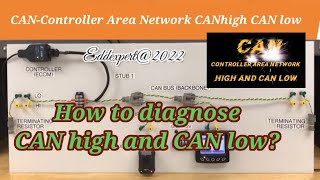
- If no visible wiring issues are found, use a multimeter to test the continuity and integrity of the CAN bus and power/ground circuits to the ECM and BCM. Check for 60 ohms of resistance across the CAN High and CAN Low pins at the DLC with the battery disconnected.
- If a module is confirmed to be faulty, it must be replaced and programmed to the vehicle.
Parts You'll Likely Need
- Transmission Wiring Harness Connector Repair Kit
(OEM #ACDelco PT3829 (Pigtail example, verify application))— This is the most likely failure point according to GM TSB #PIC4740E for a wide range of communication issues, including P1629. Repairing the connector is often the fix.
Trusted brands: ACDelco, Dorman
OEM price range: $40-$100
Aftermarket price range: $20-$60 - Engine Control Module (ECM)
(OEM #VIN-specific)— Can fail internally, causing it to be unable to receive or process the security signal. This is a diagnosis of exclusion after all wiring is checked.
Trusted brands: ACDelco
OEM price range: $400-$800
Aftermarket price range: $300-$600 - Body Control Module (BCM)
(OEM #VIN-specific)— Can fail internally, preventing it from sending the required security signal to the ECM.
Trusted brands: ACDelco
OEM price range: $350-$600
Aftermarket price range: $250-$450
Related Codes That Often Appear With This One
- U0100 — Lost Communication With ECM/PCM. This code often appears with P1629, indicating the root cause is a network failure preventing modules from talking to the engine computer.
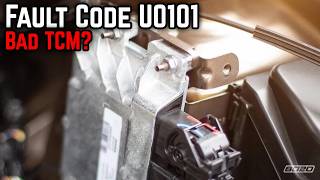
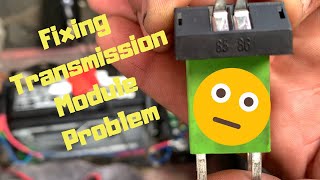
- U0101 — Lost Communication with TCM. This is very common when the transmission X1 connector is the cause, as noted in TSB #PIC4740E. 🎬 See how to troubleshoot and fix lost communication with the TCM. The loss of the TCM on the network prevents the security handshake from completing.
- U-series codes (e.g., U0121, U0140, U2100) — Any U-code indicates a communication problem on the vehicle's data bus. Their presence alongside P1629 strongly suggests a wiring or module network issue rather than a simple component failure. TSB #PIC4740E lists over a dozen U-codes that can be caused by the faulty X1 connector.
Technical Service Bulletins (TSBs) & Recalls
- PIC4740E (and later versions like PIC4740F): Directly links P1629 and a host of other communication DTCs to a poor connection at the transmission X1 connector due to unseated pins or corrosion.
- PIC5460B: While for a slightly olde
Platform-Specific Known Issues
- Per TSB #PIC4740E and its successors, the transmission X1 connector is a common failure point that can cause P1629 along with numerous other communication codes. The bulletin specifically advises technicians to tug-test each wire at the connector, as they can appear seated but make poor contact.
- Per TSB #PIC5460B, on related platforms, an open in the Ignition 1 power feed or the Class 2 data line to the ECM can also cause P1629 and a no-crank condition.
Mechanic-Grade Diagnostic Values
- High-Speed GMLAN Bus Resistance — expected: ~60 Ω. Failure: A reading of ~120 Ω indicates an open circuit on one of the terminating resistors or a break in the bus. A reading near 0 Ω indicates a short between CAN High and CAN Low wires.
- High-Speed GMLAN Bus Voltage (Key On) — expected: CAN-High (Pin 6 to ground): ~2.6V average. CAN-Low (Pin 14 to ground): ~2.4V average.. Failure: Voltages stuck high, low, or at 0V indicate a short to power or ground. A multimeter shows the average voltage; an oscilloscope is needed to see the actual 1.5V-2.5V (recessive) and 2.5V-3.5V (dominant) switching.
Scan Tool Commands That Help
- Manual Procedure (No Scan Tool): Theft Deterrent System Relearn (30-Minute Procedure) — Use after replacing the BCM or ECM, or if the system has lost its key programming due to a dead battery or other electrical fault. This forces the modules to relearn the security password.
Wiring & Ground Locations
- ECM (Engine Control Module) — Located behind the driver's side front wheel well liner. The wheel and liner must be removed for access.. The ECM is a primary module in the theft deterrent handshake. Its location makes it and its connectors vulnerable to moisture and corrosion if the wheel liner is damaged.
- BCM (Body Control Module) — Located on the driver's side of the dash, under the steering column, often behind the lower knee bolster panel.. The BCM is the gateway module and Power Mode Master. It sends the security password to the ECM. A failure here will directly cause a P1629.
- G101 — Located at the front of the engine, lower block. Grounds the ECM and TCM.. A poor ground at this location can interrupt power to the ECM and TCM, causing communication loss and setting P1629 and other U-codes.
- G103 / G202 — G103 is on the cowl above the brake booster. G202 is behind the driver's side kick panel. Both serve as grounds for the BCM.. A poor BCM ground can cause it to fail or communicate erratically, preventing it from sending the correct security signal. Per GM bulletin 07-08-47-004D, the negative battery cable MUST be disconnected before servicing BCM grounds to prevent module damage.
- G110 — Located on the vehicle frame, sometimes used as a mounting point for aftermarket cold air intake brackets on V-series models.. While noted for causing power steering and ABS issues, a compromised G110 ground can create widespread electrical noise and communication problems that could contribute to network codes.
- X1 Connector (ECM) — This is one of the main connectors at the ECM itself. On a 3-connector ECM, X1 can often be identified by a specific color on its Terminal Position Assurance (TPA) clip, such as blue.. Not to be confused with the transmission X1 connector, this is the direct interface to the ECM. A poor connection here can mimic a failed ECM.
Real Owner Repair Stories
- BL Automotive on YouTube (2008 Cadillac CTS (similar platform and issue)) — Car won't start, security light on, multiple communication codes stored.
❌ Tried (didn't work) Customer had already replaced the starter., Initial diagnosis pointed towards possible ECM or wiring issues.
✅ What actually fixed it The Body Control Module (BCM) was faulty. After confirming power and ground to the BCM were good, the technician noted the BCM was not communicating. Replacing and programming a new BCM resolved the no-start condition and all related codes.
OEM Part Supersession History
12616889, 12630908→12637106, 12642665, 12650256, 12651993— Standard component revisions and updates by the manufacturer.
Heads up: As long as the vehicle is a 2010-2012 CTS, these ECM part numbers are generally interchangeable, but the replacement module must be programmed with the vehicle's specific VIN to function.
Helpful Videos

Used OEM Parts in Stock
New Aftermarket Parts Available






The information in this article is provided for general reference and educational purposes only. Vehicle specifications, procedures, and part compatibility can vary by production date, trim level, and region. Always consult your vehicle's factory service manual and verify part numbers before purchasing or performing repairs. Safety-critical components such as airbags, seat belts, and braking systems should be installed by a qualified professional.
- Cadillac CTS:
- 🧭 Diagnostic Flowchart
- 🎬 Helpful Videos
- 🛍️ Shop This Part
- What's Unique About the 2012-2014 Cadillac CTS
- Symptoms You May Notice
- Most Likely Causes
- Rare But Worth Checking
- Diagnosis Steps
- Parts You'll Likely Need
- Related Codes That Often Appear With This One
- Technical Service Bulletins (TSBs) & Recalls
- Platform-Specific Known Issues
- Mechanic-Grade Diagnostic Values
- Scan Tool Commands That Help
- Wiring & Ground Locations
- Real Owner Repair Stories
- OEM Part Supersession History
- 🎟️ Get 5% Off