

P1629 on 2007-2018 Jeep Wrangler: Anti-Theft Communication Failure Causes and Fixes
On a 2007-2018 Jeep Wrangler, code P1629 means the engine's computer did not get the security 'OK' from the anti-theft system, causing a no-start or immediate stall. This is often due to a bad key, a faulty Sentry Key Immobilizer Module (SKIM), or related wiring issues.
- P1629 means your Wrangler thinks it's being stolen and has shut itself down.
- Before doing anything else, try starting the vehicle with your spare key to rule out a bad key.
- The vehicle is completely undrivable with this code active; it will need to be towed.
- On 2011-2018 models, a faulty TPMS module (RF-Hub) can be the surprising cause of this security code.
- Do not replace the PCM, starter, or fuel pump until all other possibilities like keys, wiring, and the SKIM module have been thoroughly checked.
What's Unique About the 2007-2018 Jeep Wrangler
The 2007-2018 Wrangler JK generation is known for having sensitive electronics. While the P1629 code directly points to a SKIM communication failure, the root cause on a JK can sometimes be an unrelated module causing interference on the CAN bus, the vehicle's data network. A well-documented example on 2011-2018 models is a failing RF-Hub (which controls the Tire Pressure Monitoring System) shorting out the network and preventing the security handshake, leading to a no-start condition that mimics a primary SKIM failure. Additionally, failures of the Totally Integrated Power Module (TIPM) can cause widespread communication loss between modules, also triggering a P1629 code.
Generation note: This guide covers the entire Jeep Wrangler JK generation (2007-2018). A notable issue with the RF-Hub/TPMS module causing this code is more common on 2011-2018 models. Furthermore, TSB 08-007-08 REV. A specifically addresses a no-start condition due to electronic lockup of the WCM/SKREEM on 2007-2008 models, often caused by electrostatic discharge.
Symptoms You May Notice
- Engine cranks but will not start
- Engine starts for a second or two and then immediately stalls
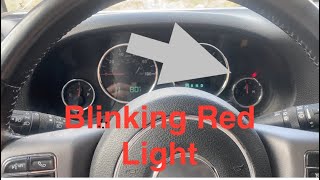
- The red security indicator light (a dot or key symbol) on the dashboard may be flashing rapidly or stay on solid
- Remote Keyless Entry (RKE) fobs may not work to lock/unlock doors
- Replacing the starter: The engine cranks, so the starter is working.
- Replacing the fuel pump: The fuel pump is disabled by the PCM as a result of the security issue, but the pump itself is likely not the problem. A failing TIPM, however, can cause both a P1629 and a separate fuel pump failure.
Most Likely Causes
- Defective Key Transponder 🔴 High Probability Keys can be damaged by drops, water, or have their internal transponder chip fail. This is a common failure point.
How to confirm: Try starting the vehicle with a spare, known-good key. If the spare key works, the original key is the problem. This is the most important first step.
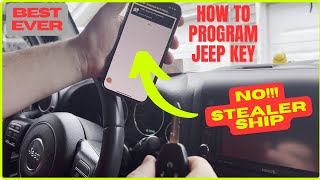
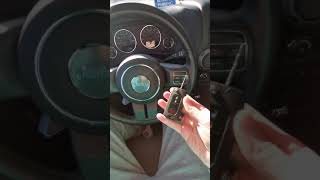
Typical fix: Replace the faulty key. A new key must be cut and programmed to the vehicle by a dealer or a qualified locksmith with the proper equipment. 🎬 Watch how to program a new key using JScan.
Est. part cost: $150-$300 - Faulty Sentry Key Immobilizer Module (SKIM/WCM) 🟡 Medium Probability The SKIM/WCM is the receiver that reads the key. It can fail internally, sometimes due to electrostatic discharge from the key, especially in cold, dry climates. This failure can be intermittent at first.
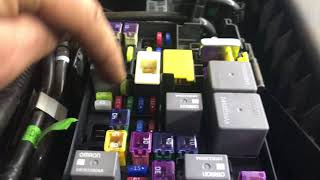
How to confirm: Requires a diagnostic scan tool that can communicate with the body control module to check the status of the SKIM/WCM. If the module is unresponsive ('off bus') or shows internal faults, it has likely failed. Some owners report temporarily fixing the issue by pulling the J13 fuse to reset the module. 🎬 Watch this quick video on resetting the blinking security light.
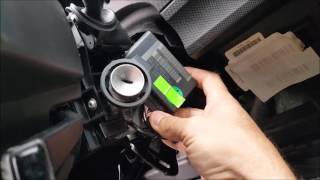
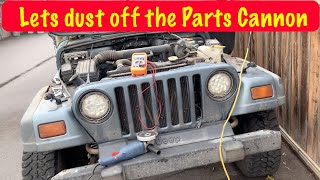
Typical fix: Replacement of the SKIM/WCM. 🎬 See how to remove the SKREEM/WCM module yourself. The new module must be programmed to the vehicle's VIN and existing keys using a dealer-level scan tool.
Est. part cost: $100-$250 - Wiring Harness or Connector Issue 🟡 Medium Probability The wiring between the SKIM (located around the ignition cylinder) and the PCM can become chafed, loose, or corroded, interrupting the communication signal. This is especially true for vehicles used off-road.
How to confirm: Visually inspect the wiring harness around the steering column and at the PCM connectors. A multimeter is needed to check for continuity and shorts on the PCI bus circuit between the SKIM and PCM.
Typical fix: Repair the damaged section of the wiring harness or clean/re-seat the connectors.
Est. part cost: $5-$50 - Faulty RF-Hub / TPMS Module (2011-2018) ⚪ Low Probability On later JKs, the RF-Hub (which manages TPMS and keyless entry) is on the same data bus as the security system. An internal short in this module can disrupt all communication, preventing the SKIM-PCM handshake. Water intrusion is a known cause of failure for this module.
How to confirm: A scan tool may show a loss of communication with the TPMS module (e.g., code U0127). A quick diagnostic step is to disconnect the RF-Hub module (located behind the instrument cluster) and see if the engine starts.
Typical fix: Replace the faulty RF-Hub/TPMS module and repair any corroded connector pins. The new module will need to be programmed.
Est. part cost: $150-$300
Rare But Worth Checking
- Failing Powertrain Control Module (PCM): → Shop Engine Control Module (ECM) While possible, the PCM is rarely the cause of this specific communication code. All other possibilities, especially wiring and other modules on the network, should be eliminated before condemning the PCM.
- Failing Totally Integrated Power Module (TIPM): The TIPM is the central hub for most vehicle electronics. An internal failure in the TIPM can disrupt the CAN bus network, preventing the WCM and PCM from communicating and causing a P1629 code among many other electrical issues.
Diagnosis Steps
- Check for Obvious Signs: Look at the security light on the dash. Is it flashing rapidly or staying on? This confirms a security system issue.
- Try a Spare Key: This is the simplest and quickest test. If a different programmed key works, the original key is faulty.
- Check the Battery: Ensure the vehicle battery is fully charged (at least 12.4V) and the terminals are clean and tight. A loose battery connection can cause a flood of random communication codes after being reconnected.
- Scan for All Codes: Use a quality OBD-II scanner that can read manufacturer-specific codes from all modules (Engine, Body, etc.). Look for any 'U' (network) codes that can provide clues about the location of the communication breakdown.
- (Intermittent Issue) Fuse Pull Reset: Some owners have reported temporary success by pulling the IOD or J13 fuse for a minute to reset the WCM, allowing the vehicle to start. If this works, it points strongly to a failing WCM.
- Inspect Wiring: Visually inspect the wiring harness around the steering column and ignition switch for any signs of damage, chafing, or loose connectors.
- (2011-2018 Models) Test the RF-Hub: If U-codes related to the TPMS or RF-Hub are present, locate the module behind the instrument cluster, disconnect it, and attempt to start the engine. If it starts, the RF-Hub is the culprit.
- Advanced Diagnostics: If the above steps fail, use a multimeter to test the continuity and check for shorts on the communication wire between the SKIM module connector and the PCM connector. This requires a vehicle-specific wiring diagram.
- Module Diagnosis: If wiring is confirmed to be good and a spare key doesn't work, the issue is likely a failed SKIM/WCM. This diagnosis is confirmed with a professional scan tool that shows the module is 'off bus' or has internal errors.
Parts You'll Likely Need
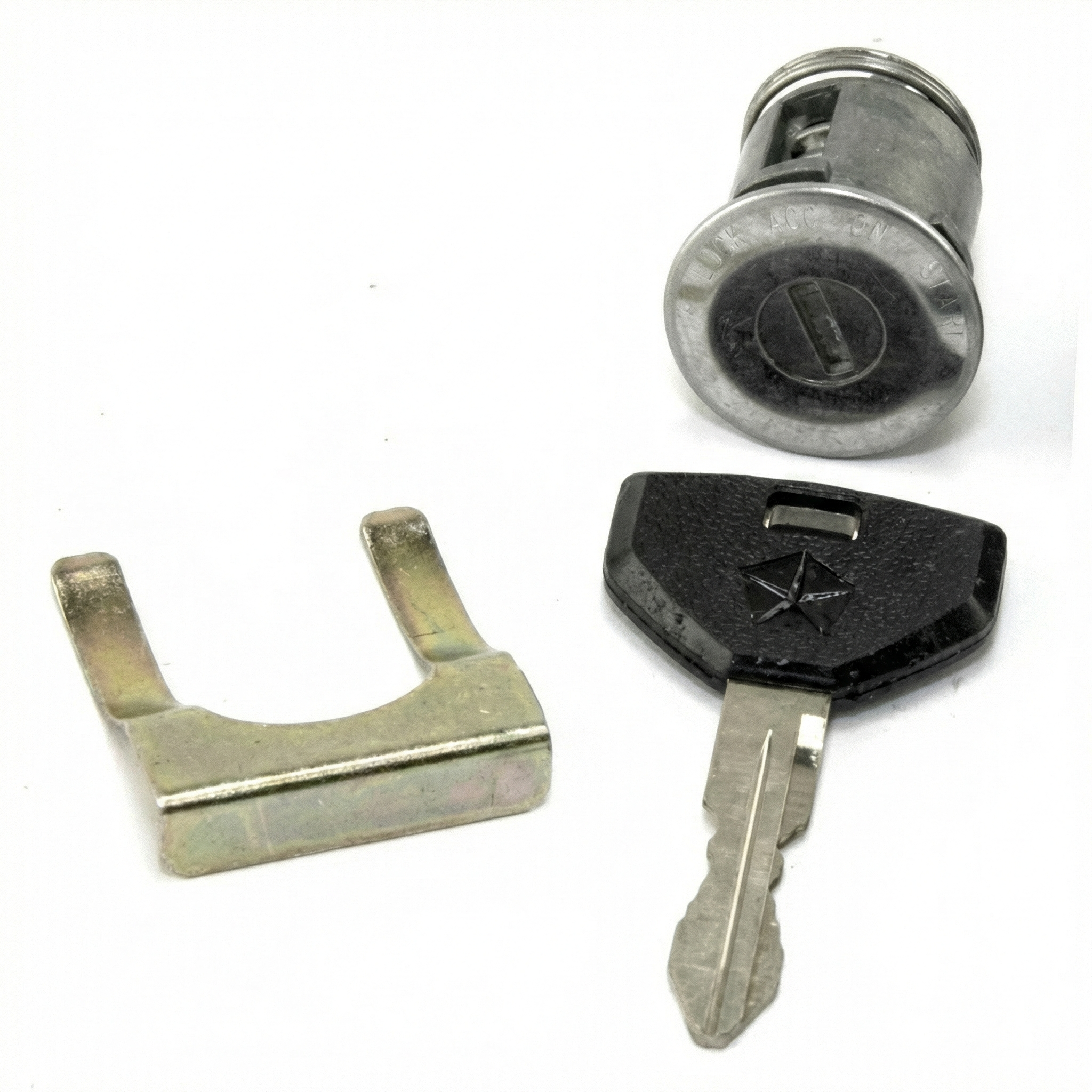
- Transponder Ignition Key — The transponder chip in the key can fail, making it the most common reason for this code.
Trusted brands: Mopar, Standard Motor Products
OEM price range: $150-$250
Aftermarket price range: $75-$150 - Sentry Key Immobilizer Module (SKIM/WCM)
(OEM #68204465AD (2014-2018 models), 68140642AE (2013-2018 w/ Remote Start), 05026216AJ (fits many 2007+ Chrysler/Jeep))— This module reads the key. If it fails, it cannot send the authorization signal to the PCM. TSB 08-007-08 specifically calls for its replacement for no-start conditions.
Trusted brands: Mopar
OEM price range: $100-$250
Aftermarket price range: $80-$150 - RF-Hub / TPMS Module
(OEM #68441616AA (example part, number is highly VIN-specific))— Specific to 2011-2018 models, this module can short the communication bus, preventing the engine from starting.
Trusted brands: Mopar
OEM price range: $150-$300
Related Codes That Often Appear With This One
- U0100 — Indicates a general loss of communication with the PCM, which can occur alongside the specific P1629 failure if there's a broader network problem, such as a faulty TIPM.
- U0127 — On 2011-2018 models, this code for 'Lost Communication with Tire Pressure Monitor Module' is a strong clue that the RF-Hub is the root cause of the no-start and the P1629 code.
- P0513 — This code for 'Invalid Immobilizer Key' often appears with P1629, indicating the security system has actively rejected the key being used, either because the key is bad or the WCM cannot validate it.
Technical Service Bulletins (TSBs) & Recalls
- TSB 08-007-08 REV. A: 'No Engine Crank Or No Engine Start Due To Electronic Lockup Of The WCM / SKREEM'. This TSB directly addresses the failure of the security module on 2007-2008 Wranglers (among other models), recommending its replacement to fix the no-start condition.
Platform-Specific Known Issues
- Intermittent No-Start with Alarm Issues: An owner on JK-Forum.com described a 2009 JKU with intermittent no-start issues where the ke
Mechanic-Grade Diagnostic Values
- CAN Bus Voltage (CAN-C, Powertrain) — expected: CAN-H: ~2.5-3.5V (dominant), ~2.5V (recessive). CAN-L: ~1.5-2.5V (dominant), ~2.5V (recessive).. Failure: Voltages stuck high (short to power), low (short to ground), or showing 0V on one line and 5V on the other (loss of termination).
- CAN Bus Voltage (CAN-IHS, Interior) — expected: This is a single-wire bus on many JK models. Voltage should toggle, not a differential pair. A common PCI bus will show an amplitude of 7.0 to 7.5 volts.. Failure: Bus voltage shorted to ground (0V) or power (~12V) will cause total communication loss.
Scan Tool Commands That Help
- wiTECH or equivalent J2534 tool: WCM Replaced / WIN Replaced — This function is required after installing a new Wireless Control Module (WCM/SKIM). It allows the new module to be programmed to the vehicle's VIN and security PIN, enabling it to communicate with the PCM and recognize the vehicle's keys.
- wiTECH or equivalent J2534 tool: PCM Replaced — When a new or used PCM is installed, this function must be run from the WCM menu. It updates the PCM with the vehicle's VIN and security information stored in the WCM, synchronizing the two modules.
- wiTECH or equivalent J2534 tool: Reset ECU — This function, found under 'Diagnostic Procedures' or within the WCM module itself, can force the WCM to relearn the vehicle's configuration from the EEPROM. It can sometimes resolve configuration mismatch errors (like DTC B2204) that may accompany a P1629.
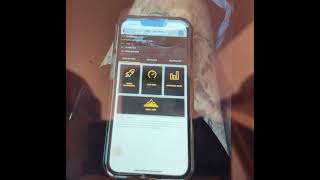
- JScan or Appcar DiagFCA: Read PIN / Program Keys / Configure New WCM — Advanced DIY-level apps like JScan may have the capability to read the vehicle's 4-digit security PIN, program new keys, and even guide the configuration of a new WCM, potentially avoiding a trip to the dealer for these specific tasks.
Wiring & Ground Locations
- G100 — On the passenger side fender, near the front. This is a main engine ground.. A poor main engine ground can cause a host of electrical issues, including voltage drops that can disrupt module communication and trigger false codes.
- G101 / G104 — G101 is the main battery ground on the passenger side fender. G104 is a critical ground point on the engine block itself (location varies slightly by engine).. The PCM and other engine-related sensors rely on a solid engine block ground. Corrosion or looseness at G104 is a known cause of seemingly unrelated sensor and communication codes.
- G201 / G203 — Located under the kick panel in the passenger footwell.. These are interior grounds. Since the WCM/SKIM and RF-Hub are located inside the cabin (around the steering column and behind the dash), a poor ground in this area can directly affect their operation.
- CAN Bus Star Connectors (C200/C201) — There are two main CAN bus junction blocks. One is often found in the passenger compartment, near the kick panel or behind the glove box.. These connectors are the central hub where all the module communication lines meet. A single loose pin or corrosion within this connector can take down the entire network, causing widespread 'loss of communication' codes, including P1629.
Real Owner Repair Stories
- Wrangler JK Forum user (2008 Jeep Wrangler JK) — Engine cranks but will not start, security light flashing.
❌ Tried (didn't work) Getting a new key cut and programmed at the dealer (programming failed)., Removing the SKIM module from the steering column and sending the PCM out to have the SKIM security program deleted from it.
✅ What actually fixed it After reinstalling the PCM with the SKIM program deleted, the vehicle still would not start. The fix was to plug the original SKIM module back into its connector on the steering column. Even with the security function deleted from the PCM, the physical SKIM module was required to complete the electrical circuit, allowing the vehicle to start.
Model Year Variations Within This Range
- 2007 - ~2010: These earlier models primarily use a PCI bus for interior module communication. The SKIM communicates with the PCM over this single-wire network.
- ~2011 - 2018: Chrysler transitioned to a more complex CAN bus architecture (CAN-IHS for interior, CAN-C for powertrain). The SKIM/WCM function was often integrated with the RF-Hub. This change is significant because a failure in an unrelated function of the RF-Hub (like TPMS) can now bring down the security communication, causing a P1629.
Diagnostic Flowchart
Other Known Issues on This Vehicle
Issues unrelated to this code that are worth knowing about as an owner of this generation:
- Suspension 'Death Wobble' 🔴 High — A notorious, though not universal, issue that can occur on both stock and lifted Wranglers at any mileage. It is a violent, rapid oscillation of the front wheels, typically triggered by hitting a bump at speeds over 40 mph. (Ref: No official recall, but numerous TSBs exist for related steering components. The root cause is typically worn or loose front-end parts like the track bar, ball joints, or tie rod ends.)
- Early 3.6L Pentastar Left Cylinder Head Failure 🔴 High — Affects a small percentage of 2011-2013 models. Symptoms include a ticking noise, rough idle, and a check engine light for misfires. The issue was traced to excessive wear on the valve seats of the left-side cylinder head. (Ref: Chrysler extended the warranty on the left cylinder head to 10 years/150,000 miles for affected vehicles (Warranty Bulletin D-14-12).)
- Totally Integrated Power Module (TIPM) Failure 🔴 High — Common across 2007-2014 models. A failing TIPM can cause a wide range of bizarre electrical issues, including the fuel pump running continuously (or not at all), engine stalling, starter cranking but not starting, and random operation of wipers or horn. (Ref: Several recalls and a class-action lawsuit were issued for TIPM-related problems on various Chrysler vehicles, including the Wrangler.)
- 3.8L Engine Oil Consumption 🟠 Medium — Prevalent in 2007-2011 models equipped with the 3.8L V6. Many owners report excessive oil consumption (e.g., more than 1 quart per 1,500 miles), often due to worn piston rings.
- Water Leaks (Hard Top and Soft Top) 🟡 Low — A very common complaint across all years of the JK generation. Leaks frequently occur at the A-pillar seals and around the door surrounds, leading to wet floorboards. (Ref: Multiple TSBs were released with procedures for diagnosing and sealing leaks, but it remains a persistent issue for many owners.)
Used vs. New Parts: Buying Guide for This Vehicle
When a used part is the smart pick: A used part is generally not recommended for the electronic modules (WCM, RF-Hub, PCM) involved in this repair due to security programming requirements. A used key cannot be reprogrammed to a new vehicle.
OEM-only on this vehicle (don't cheap out):
- Wireless Control Module (WCM/SKIM)
- RF-Hub
- Powertrain Control Module (PCM)
- Transponder Key
Aftermarket brands forum-validated for this vehicle:
- For diagnostic tools, JScan and Appcar DiagFCA are well-regarded by the DIY community for their dealer-like capabilities at a lower cost.
Brands owners have reported issues with on this vehicle:
- Avoid unbranded, cheap aftermarket keys from online marketplaces, as their transponder chips often fail to program or have a short lifespan.
- Used electronic modules (WCM, PCM, RF-Hub) from junkyards are extremely difficult to use as they are locked to the original vehicle's VIN and security PIN. Reprogramming them requires specialized tools and knowledge that most shops do not possess.
Real Owner Stories
Aggregated from forums and TSBs cited above. Mileages and costs reflect what owners reported in those sources.
2009 Jeep Wrangler Unlimited
Symptoms: Intermittent no-start issues, the alarm would activate unexpectedly, and the engine would occasionally start for a second and then stall.
What fixed it: The owner used a temporary fix of pulling the J13 fuse to reset the module, which pointed to a failing WCM (Wireless Control Module).
Source hint: JK-Forum.com - 'Problem with ignition/WCM or TIPM?'
2013 Jeep Wrangler
Symptoms: No crank and no click condition where the vehicle would not respond to the key.
What fixed it: Disconnecting the faulty RF-Hub/TPMS module (located behind the instrument cluster) to restore communication to the security bus.
Source hint: YouTube - 'No Crank, No Click? Watch Me Revive This 2013 Jeep Wrangler FAST'
Related OBD-II Codes
Frequently Asked Questions
My 2007 Wrangler won't start and the red security dot is flashing. Is there a TSB for this?
I have a 2013 Jeep Wrangler that won't start and the TPMS light is acting up. Could these be related?
Is there a quick way to reset the security module on my 2009 JKU to get it started?
My 2012 Wrangler has a ticking noise and a check engine light. Is this covered by a special warranty?
Can a bad battery cause security system codes like P1629 on a Jeep Wrangler?
If I replace the Sentry Key Immobilizer Module (SKIM) myself, will it work immediately?
Helpful Videos
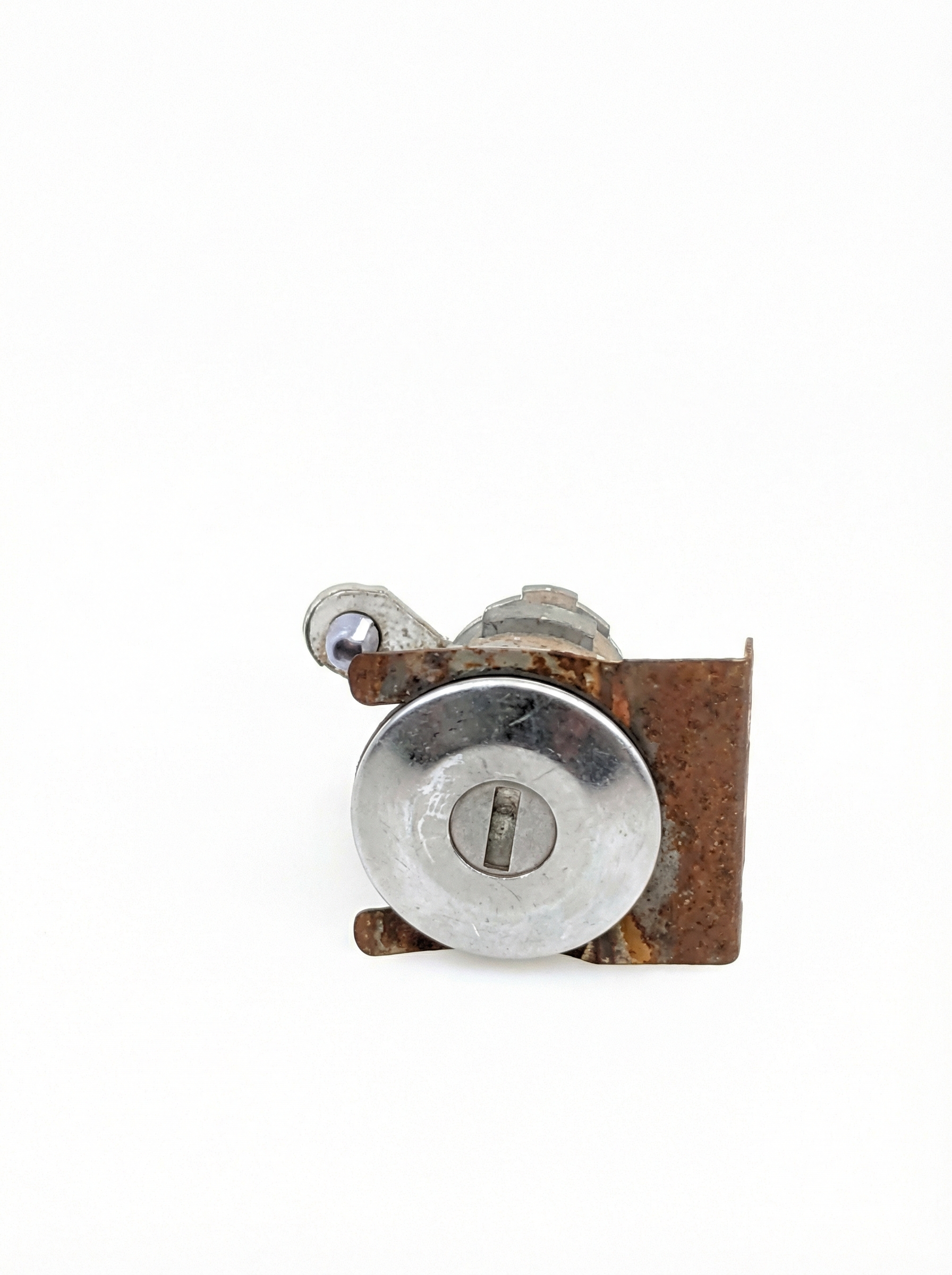
Used OEM Parts in Stock
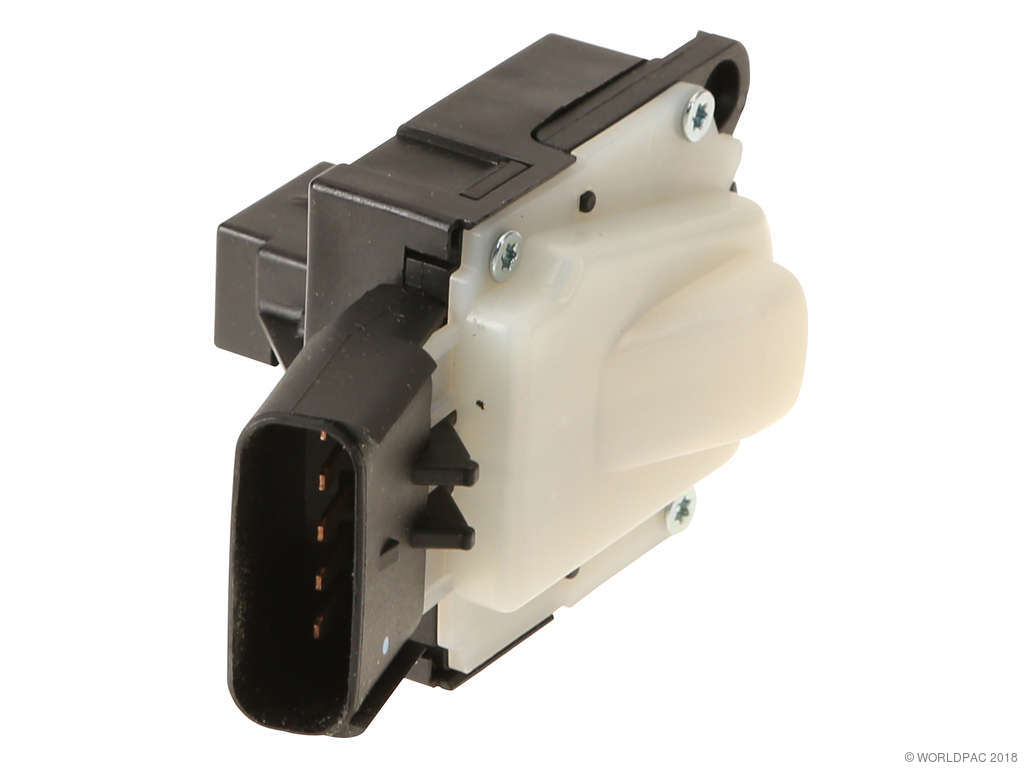
New Aftermarket Parts Available


The information in this article is provided for general reference and educational purposes only. Vehicle specifications, procedures, and part compatibility can vary by production date, trim level, and region. Always consult your vehicle's factory service manual and verify part numbers before purchasing or performing repairs. Safety-critical components such as airbags, seat belts, and braking systems should be installed by a qualified professional.
- Jeep Wrangler:
- 🧭 Diagnostic Flowchart
- 🎬 Helpful Videos
- 🛍️ Shop This Part
- What's Unique About the 2007-2018 Jeep Wrangler
- Symptoms You May Notice
- Most Likely Causes
- Rare But Worth Checking
- Diagnosis Steps
- Parts You'll Likely Need
- Related Codes That Often Appear With This One
- Technical Service Bulletins (TSBs) & Recalls
- Platform-Specific Known Issues
- Mechanic-Grade Diagnostic Values
- Scan Tool Commands That Help
- Wiring & Ground Locations
- Real Owner Repair Stories
- Model Year Variations Within This Range
- Other Known Issues on This Vehicle
- Used vs. New Parts: Buying Guide for This Vehicle
- Real Owner Stories
- 2009 Jeep Wrangler Unlimited
- 2013 Jeep Wrangler
- Related OBD-II Codes
- Frequently Asked Questions
- 🎟️ Get 5% Off