

P1629 on 2004-2009 Toyota Prius: Understanding a Rare and Uncertain No-Start Code
P1629 is an extremely rare and poorly documented code on the 2004-2009 Prius. While its exact meaning is unconfirmed, it likely points to a communication failure in the engine immobilizer (anti-theft) system, resulting in a no-start condition. Before complex diagnostics, always check the 12V auxiliary battery, as its failure is the most common cause of all electronic issues on this vehicle.
- P1629 is an extremely rare code for a 2004-2009 Prius, and its exact definition is not well-documented. It most likely relates to the anti-theft/immobilizer system.
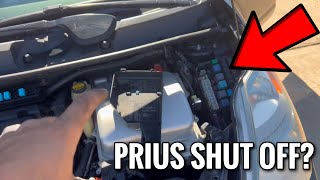
- Before any other diagnosis, check the 15A AM2 fuse under the hood. A blown AM2 fuse, often caused by a failed inverter coolant pump, is a very common cause of a no-start on this car.
- Fully test and verify the health of the 12V auxiliary battery. A weak 12V battery is the #1 cause of electronic problems on this car.
- Try using a spare key to rule out a simple key fob battery or transponder failure.
- Due to the code's rarity and the complexity of the immobilizer system, professional diagnosis with Toyota-specific software is recommended if the simple fixes (battery, fuse) don't work.
What's Unique About the 2004-2009 Toyota Prius
The 2004-2009 (Gen 2) Prius has a complex startup sequence involving multiple computers, including the Hybrid Control ECU, Body ECU, and Engine Control Module (ECM). A failure in communication between any of these can prevent the car from entering the 'Ready' state. While P1629 is not a common code on this platform, any no-start condition is most frequently traced back to a weak 12V auxiliary battery, which can cause a cascade of confusing and inconsistent error codes. The immobilizer function specifically involves a handshake between the Transponder Key ECU, the Hybrid Vehicle Control ECU, and the Power Source Control ECU. A failure here often logs the more common code B2799.
Symptoms You May Notice
- Vehicle will not start or become 'Ready'
- Power button is unresponsive or lights up but engine does not start
- Red car-shaped security light may be blinking on the dashboard
- Complete loss of dash lights and center display, which may be mistaken for a combination meter failure.
- Replacing the Hybrid (High-Voltage) Battery. A bad HV battery will typically set other, more specific codes (like P0A80) and usually won't cause a complete no-power, no-start condition unless fully discharged.
- Replacing the Inverter. Inverter failure is a known Prius issue but is associated with different codes (like P0A93) and symptoms, often including a 'Red Triangle of Death' and specific hybrid system warnings.
- Replacing the Combination Meter. A failed combination meter (blank dashboard) is a very common Gen 2 issue, but the car will still typically start and drive. A no-start with a blank dash is more likely caused by the AM2 fuse being blown.
Most Likely Causes
- Weak or Failed 12V Auxiliary Battery 🔴 High Probability The Prius's 12V battery is small and can be drained easily, causing widespread electronic communication failures across all modules, including the immobilizer system. This is the number one cause of no-start and strange electrical issues.
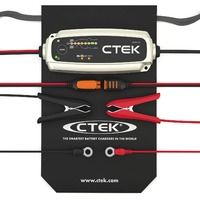
How to confirm: Test the 12V battery voltage with a multimeter. A healthy battery should read above 12.4V. If it's below 12V, it is discharged and may be faulty. A load test is the definitive way to confirm battery health. 🎬 Watch: How to quickly check your 12V battery voltage
Typical fix: Recharge or replace the 12V auxiliary battery located in the trunk.
Est. part cost: $180-$250 - Blown AM2 15A Fuse 🟡 Medium Probability The AM2 fuse powers critical components for starting, including the inverter coolant pump and ignition circuits. A short circuit in the inverter coolant pump is a very common Gen 2 Prius failure that will blow this fuse, causing a sudden shutdown while driving and a subsequent no-start.
How to confirm: Locate the AM2 15A fuse in the under-hood fuse box and visually inspect it. If blown, suspect the inverter coolant pump. You can temporarily disconnect the pump's electrical connector and replace the fuse; if the new fuse doesn't blow and the car powers on (but shows a hybrid warning), the pump is the culprit.
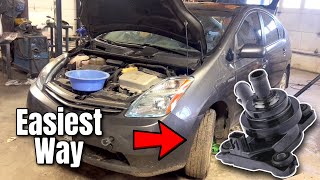
Typical fix: Replace the blown AM2 fuse and the component that caused it to blow, most commonly the inverter coolant pump. 🎬 See how a blown AM2 fuse and bad pump are fixed
Est. part cost: $1 (fuse) + $100-$160 (inverter pump) - Faulty Key Fob 🟡 Medium Probability → Shop Keyless Entry Transmitter The internal battery of the key fob can die, or the transponder chip can fail, preventing it from communicating with the car's immobilizer system.
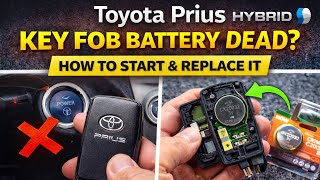
How to confirm: Try using a spare key fob. If the spare key works, the original fob is the issue. You can also try holding the fob directly against the power button while trying to start, which can sometimes work with a weak fob battery. 🎬 Watch: How to start your Prius with a dead key fob
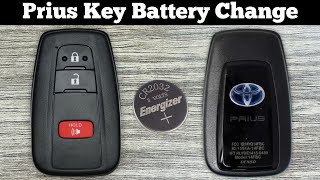
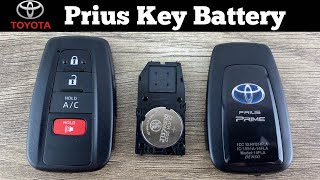
Typical fix: Replace the battery in the key fob. If the transponder has failed, a new key will need to be purchased and programmed by a dealer or automotive locksmith.
Est. part cost: $5-$400 - Wiring or Connector Issue ⚪ Low Probability While not common, corrosion or damage to wiring between the Transponder Key ECU, the Hybrid Vehicle Control ECU, and the main ECM can interrupt the security handshake, causing codes like B2799 or, rarely, P1629.
How to confirm: Visually inspect wiring harnesses for damage. A professional would use a multimeter and wiring diagrams to check for continuity and shorts between the relevant modules, particularly behind the glove box.
Typical fix: Repair the damaged section of the wiring harness or clean/replace the corroded connector.
Est. part cost: $10-$200
Rare But Worth Checking
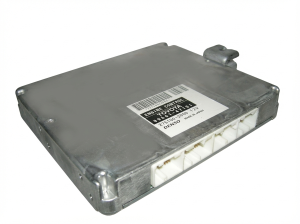
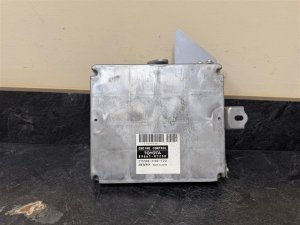
- Failed Engine Control Module (ECM): → Shop Engine Control Module (ECM) Some Toyotas of this era can experience ECU failure due to leaking internal capacitors. While rare, a faulty ECM could theoretically generate this code if its internal immobilizer logic fails. This should be considered a last resort after all other possibilities are exhausted. A failed ECM is a more common cause for the code U0100 (Lost Communication with ECM).
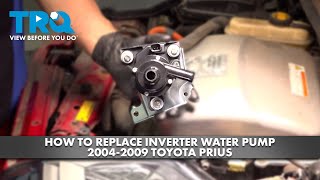
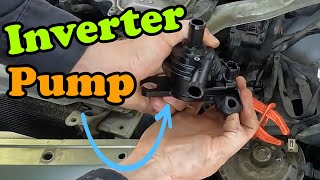
- Failed Inverter Coolant Pump: This is a very common failure on the Gen 2 Prius, but it doesn't directly cause P1629. Instead, it shorts out and blows the 15A AM2 fuse, which cuts power to multiple systems and prevents the car from starting. The primary symptom is a blown fuse, not a specific immobilizer code, but it's a critical check in any no-start scenario.
Diagnosis Steps
- Check for other stored DTCs. Codes like B2799 or any 'U' (network) codes can provide more specific clues.
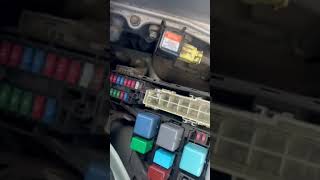
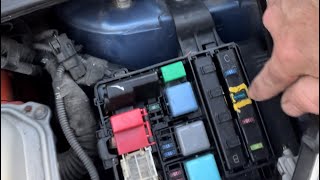
- Check the 15A AM2 fuse in the under-hood fuse box. This is a critical step. If it is blown, the inverter coolant pump has likely failed.
- Test the 12V auxiliary battery. Ensure it has a full charge (above 12.4V) and can hold a load. This is the most common cause of all electronic issues.
- Attempt to start the vehicle with a known-good spare key to rule out a faulty key fob.
- If the AM2 fuse was blown, disconnect the inverter coolant pump and replace the fuse. Attempt to power the car on. If it powers on without blowing the fuse, the pump is confirmed faulty. Do not drive the vehicle without a functioning pump.
- If the above steps do not resolve the issue, seek professional diagnosis. A technician will use a tool like Toyota Techstream to monitor the data stream between the Transponder Key ECU and the Engine Control Module to identify the point of failure.
- Inspect wiring and connectors related to the immobilizer system, including the key slot and the ECM harness, for any visible damage or corrosion.
Parts You'll Likely Need
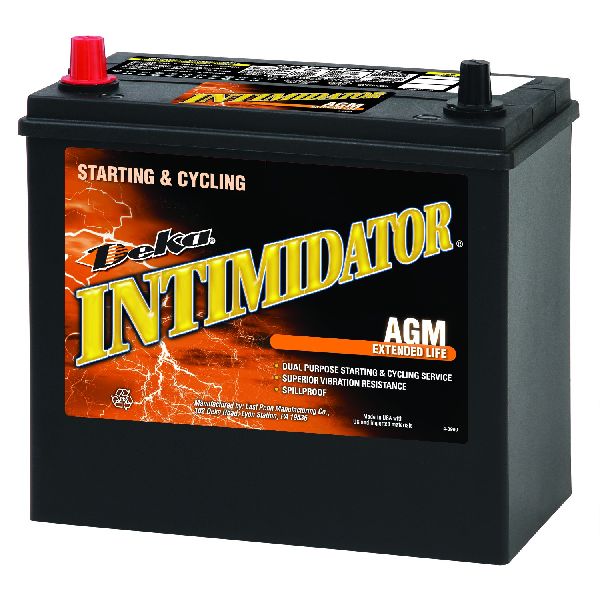
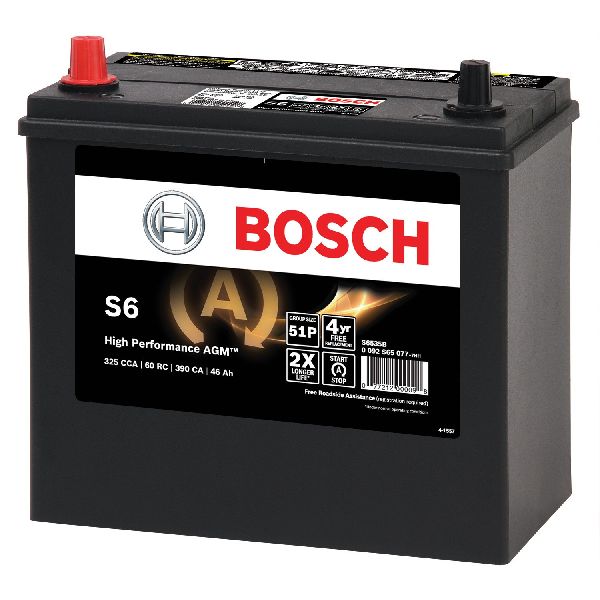
- 12V Auxiliary Battery
(OEM #28800-21171 (or Group Size S46B24R))— This is the most frequent cause of no-start conditions and random electronic faults on the Gen 2 Prius.
Trusted brands: Toyota TrueStart, Optima (YellowTop), Bosch
OEM price range: $220-$280
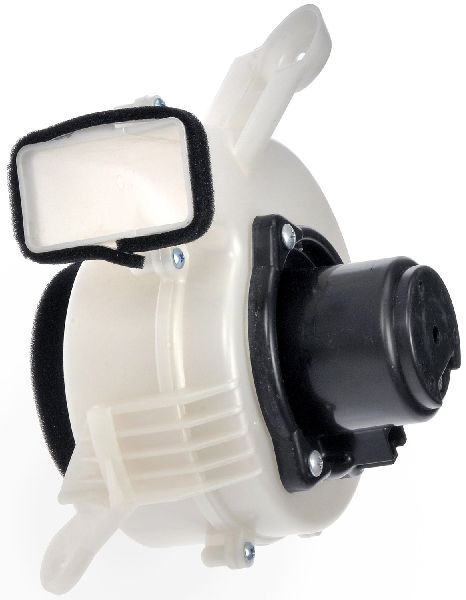
Aftermarket price range: $180-$250 - Inverter Coolant Pump
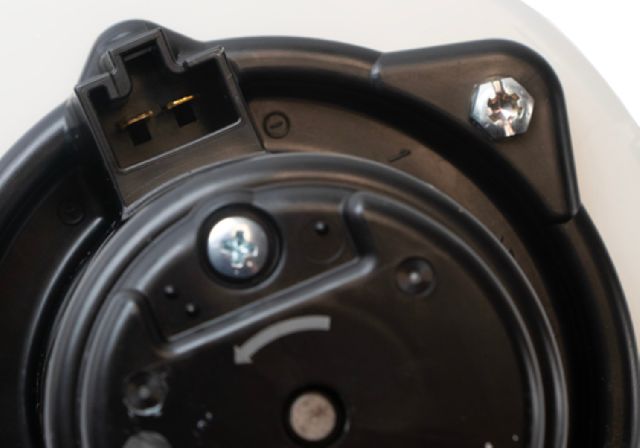
(OEM #G9020-47031)— A very common failure point. When it fails, it often creates an electrical short that blows the AM2 fuse, leading to a no-start condition that can be misdiagnosed.
Trusted brands: Toyota (OEM), Aisin (OEM supplier)
OEM price range: $120-$160
Aftermarket price range: $40-$80 - Engine Control Module (ECM)
(OEM #89661-47073 (2004-2005 example, varies by year))— In the rare event of an internal ECM failure causing this code, the module would need to be replaced or repaired. Replacement requires programming to the vehicle.
Trusted brands: Toyota (OEM), Denso (OEM supplier)
OEM price range: $800-$1200
Aftermarket price range: $300-$600 (remanufactured)
Related Codes That Often Appear With This One
- B2799 — On Toyota models, B2799 ('Engine Immobilizer System Malfunction') is the most common code for a failure in the anti-theft system's communication. If you see P1629, you should also scan for B2799, as the latter is better documented and points to a communication issue between the Transponder Key ECU and the Hybrid Vehicle Control ECU.
Platform-Specific Known Issues
- AM2 Fuse and Inverter Pump Connection: A key diagnostic quirk of the Gen 2 Prius is the relationship between the inverter coolant pump, the AM2 fuse, and a no-start condition. A failed pump shorts and blows the fuse, which cuts power to ignition systems. This presents as a sudden stall while driving and a complete inability to power on, often with a burning smell. Many owners mistakenly blame the 12V battery or ECM, but checking the AM2 fuse is a cruc
Mechanic-Grade Diagnostic Values
- Continuity Check between Transponder Key ECU and Hybrid Vehicle Control ECU — expected: According to the repair manual for DTC B2799, there should be continuity (resistance below 1 Ω) between pin 18 (IMO) of the H11 Hybrid ECU connector and pin 12 of the T6 Transponder Key ECU connector. Also, continuity between pin 19 (IMI) of the H11 connector and pin 11 of the T6 connector.. Failure: Resistance of 10 kΩ or higher indicates an open circuit in the wiring harness.
- Power Switch Signal Voltage at Certification ECU — expected: With the power switch ON (IG), the voltage between pin 19 (IG+) of the L27 ECU connector and body ground should be 11 to 14 V.. Failure: Voltage below 11V indicates a power supply issue to the ECU, which could be caused by a weak 12V battery or fuse issue.
Hidden / Shadow Codes Worth Checking
- B2799 with sub-codes (e.g., B2799-539, B2799-540): While P1629 is rare, the more common B2799 often has sub-codes visible with Techstream that specify the exact nature of the immobilizer fault: open/short in wiring, ECU communication ID mismatch, or unmatched key codes. These are critical for diagnosis. (see via Toyota Techstream software is required to view these manufacturer-specific sub-codes.)
Scan Tool Commands That Help
- Toyota Techstream: Immobilizer / Key Code Registration — When replacing a key, the Transponder Key ECU, or the Hybrid Vehicle Control ECU. Techstream guides the user through a specific sequence to register new component IDs and key codes to re-establish the security handshake.
- Toyota Techstream: Health Check — As the first step in any diagnosis. This command scans all ECUs on the vehicle's network and reports any stored DTCs, including primary codes like P1629 and related secondary codes like B2799, providing a complete picture of system health.
- Toyota Techstream: Immobilizer Reset — Used to erase all registered transponder codes from the ECU's memory. This is a necessary step before programming a new set of keys, for example, if all original keys are lost.
Wiring & Ground Locations
- Transponder Key ECU (ID Code Box) — Located deep in the dashboard, behind the HVAC housing against the firewall. Access requires removing the main dashboard assembly and heater ducting.. This is the central module for the immobilizer system. P1629 and B2799 point to a communication failure involving this ECU. Its inaccessible location makes wiring checks difficult and labor-intensive.
- H11 and T6 Connectors — H11 is a connector on the Hybrid Vehicle Control ECU. T6 is the connector for the Transponder Key ECU. The communication lines (IMO and IMI) run between these two connectors.. A B2799 diagnostic procedure specifically involves checking for open or short circuits between pins on these two connectors, which is directly relevant to diagnosing a P1629 communication fault.
- ECM/ECU Ground Points — Key ground points for the engine and body control modules are located on the engine block and inner fender aprons in the engine bay. Other grounds are under the dashboard.. A poor or corroded ground connection for any of the involved ECUs can cause intermittent communication failures and codes like B2799, even if the wiring harness itself is intact.
Real Owner Repair Stories
- Car Talk Community Forum (2008 Toyota Prius, 122,000 miles) — Car would not power on, blank dashboard. Seemed associated with rain. Dealer initially could not reproduce the problem.
❌ Tried (didn't work) The dealer replaced the immobilizer ECU, but the problem persisted.
✅ What actually fixed it The dealer diagnosed a fault in the engine wiring harness between the 'P connector' and the ID code box (Transponder Key ECU), indicated by a low voltage reading (under 5V). The final repair was a complete replacement of the engine wiring harness. - YouTube video by KIT'S Auto and Truck Repair (Toyota Corolla (similar immobilizer system)) — Crank no-start condition with a blinking security light. DTC B2799 was present.
❌ Tried (didn't work) Initial diagnosis pointed to a communication failure.
✅ What actually fixed it The vehicle had a DTC B2793 (Transponder Chip Fault) stored in history. The issue was a faulty transponder chip inside the key itself. Using a known-good spare key allowed the vehicle to start immediately, confirming the first key was bad. - YouTube video by S&A Auto Repair (2009 Toyota Corolla (similar immobilizer system)) — Crank no-start with DTC B2799 after a valve cover gasket replacement.
❌ Tried (didn't work) The shop suspected the immobilizer ECU and replaced it, but the car still wouldn't start.
✅ What actually fixed it The technician traced the issue to a poor ground connection. The ECM ground wires, bolted to the engine, were not properly cleaned or tightened during the previous repair. Cleaning the ground connection point and securing the ground bolts resolved the no-start condition.
OEM Part Supersession History
89780-47020→N/A, but multiple part numbers exist for the model range.— This is the Transponder Key Computer Assembly (ID Code Box) for 2004-2006 models. Later models may use a different part number. It is critical to match the part number to the vehicle's specific year and model.
Heads up: Immobilizer ECUs are vehicle-specific. A used ECU from another vehicle will not work without being 'virginized' and reprogrammed, or sold as a matched set with its original key and Hybrid Control ECU.
Model Year Variations Within This Range
- 2004-2009: The key transponder chip technology changed over the Prius's life. Early keys used a Texas 4C or 4D chip. It is crucial to use the correct blank for the specific year when creating a new key.
- 2004-2009: The Transponder Key ECU for 2004-2006 models is listed as part number 89780-47020. The part for 2007-2009 models may differ. Always verify the part number with the vehicle's VIN.
Diagnostic Flowchart
Other Known Issues on This Vehicle
Issues unrelated to this code that are worth knowing about as an owner of this generation:
- Combination Meter Failure 🟠 Medium — Very common as vehicles age. The dashboard display goes completely blank, but the car often remains drivable. (Ref: T-SB-0172-09 Rev2 addresses intermittent display issues, often requiring replacement of the meter ECU.)
- Brake Actuator Assembly Failure 🔴 High — A common and expensive failure. Results in brake-related warning lights and potentially compromised braking performance. (Ref: Toyota issued a Warranty Enhancement Program (ZEG) to cover failures for an extended period, but this has since expired for most vehicles.)
- Inverter Coolant Pump Failure 🔴 High — Extremely common. The pump fails, causing the hybrid system to overheat. It can also short circuit, blowing the AM2 fuse and causing the vehicle to stall and not restart. (Ref: A recall was issued for this part, but many failures occur on vehicles outside the recall scope or on replacement pumps.)
- Excessive Oil Consumption 🟠 Medium — Common on higher-mileage (100k+) 1NZ-FXE engines due to piston ring design. Toyota considers consumption up to 1.1 qt per 600 miles to be within spec.
- Hybrid Battery (HV) Degradation 🔴 High — Inevitable with age and mileage (typically over 10-12 years or 150k+ miles). Presents with code P0A80 and reduced performance.
Used vs. New Parts: Buying Guide for This Vehicle
When a used part is the smart pick: A used Inverter Coolant Pump is a very common and cost-effective repair; they are generally reliable from low-mileage donor cars. Used cosmetic or body parts are also fine. For the immobilizer issue, buying a complete, matched set of the Transponder Key ECU, Hybrid Control ECU, and the original key(s) from a single donor vehicle can be a viable, though complex, solution to avoid dealer programming.
Donor-vehicle mileage cap: roughly under 80000 miles for the part to have meaningful remaining life.
What to inspect on the donor part:
- For the inverter pump, check for signs of leaking or corrosion around the housing.
- For electronic modules, ensure the donor vehicle was not in a flood or had significant collision damage near the module's location.
- Verify the part number on the used module exactly matches the original part.
- When buying a matched set (ECUs and key), get a guarantee from the seller that all parts came from the same, single, running vehicle.
OEM-only on this vehicle (don't cheap out):
- Transponder Key ECU (ID Code Box)
- Hybrid Vehicle Control ECU
- Engine Control Module (ECM)
Aftermarket brands forum-validated for this vehicle:
- Aisin (for Inverter Coolant Pump - they are the OEM supplier)
Brands owners have reported issues with on this vehicle:
- Unknown/unbranded electronic modules from online marketplaces. Immobilizer components are highly specific and require precise compatibility that cheap aftermarket parts often fail to provide.
Real Owner Stories
Aggregated from forums and TSBs cited above. Mileages and costs reflect what owners reported in those sources.
2004-2009 Toyota Prius 1.5L
Symptoms: The vehicle experienced a sudden shutdown while driving and would not restart. The AM2 15A fuse was found to be blown.
What fixed it: Disconnected the faulty inverter coolant pump and replaced the AM2 fuse to restore power, then replaced the pump.
Cost: $101-$161
Source hint: PriusChat - Multiple threads detailing the common failure of the inverter coolant pump leading to a blown AM2 fuse
2004-2009 Toyota Prius 1.5L
Symptoms: Vehicle will not start or become 'Ready'; dashboard lights and center display are completely lost, appearing like a combination meter failure.
What fixed it: Recharging or replacing the 12V auxiliary battery located in the trunk.
Cost: $180-$250
Source hint: PriusChat - Forum discussions consistently point to the 12V battery as the primary culprit for no-start issues
2004-2009 Toyota Prius 1.5L
Symptoms: The car would not recognize the key; the red security light continued to blink even when attempting to start.
What fixed it: Replacing the battery in the key fob or using a spare key to bypass a failed transponder.
Cost: $5-$400
Source hint: Article Context - Common Causes: Faulty Key Fob
Related OBD-II Codes
Frequently Asked Questions
My 2005 Prius dashboard went completely dark and won't start; is this the combination meter failure mentioned in T-SB-0172-09 Rev2?
I smell something burning and my Prius stalled while driving. Could this be related to the inverter coolant pump recall?
My red car-shaped security light is blinking on the dash and the car won't start. Is my key fob dead?
Can a weak 12V battery cause a P1629 or immobilizer code even if it was recently replaced?
Is the P1629 code common on other Toyota models with the 1NZ engine, like the Yaris or Prius C?
Helpful Videos
Used OEM Parts in Stock
New Aftermarket Parts Available

The information in this article is provided for general reference and educational purposes only. Vehicle specifications, procedures, and part compatibility can vary by production date, trim level, and region. Always consult your vehicle's factory service manual and verify part numbers before purchasing or performing repairs. Safety-critical components such as airbags, seat belts, and braking systems should be installed by a qualified professional.
- Toyota Prius:
- 🧭 Diagnostic Flowchart
- 🎬 Helpful Videos
- 🛍️ Shop This Part
- What's Unique About the 2004-2009 Toyota Prius
- Symptoms You May Notice
- Most Likely Causes
- Rare But Worth Checking
- Diagnosis Steps
- Parts You'll Likely Need
- Related Codes That Often Appear With This One
- Platform-Specific Known Issues
- Mechanic-Grade Diagnostic Values
- Hidden / Shadow Codes Worth Checking
- Scan Tool Commands That Help
- Wiring & Ground Locations
- Real Owner Repair Stories
- OEM Part Supersession History
- Model Year Variations Within This Range
- Other Known Issues on This Vehicle
- Used vs. New Parts: Buying Guide for This Vehicle
- Real Owner Stories
- 2004-2009 Toyota Prius 1.5L
- 2004-2009 Toyota Prius 1.5L
- 2004-2009 Toyota Prius 1.5L
- Related OBD-II Codes
- Frequently Asked Questions
- 🎟️ Get 5% Off