

OBD-II Code P1631: Theft Deterrent System Communication Failure
What P1631 means, why it triggers, and how to fix it
- Code P1631 indicates the anti-theft system has disabled the engine, resulting in a crank-no-start or immediate stall condition.
- Over 80% of P1631 codes stem from a weak battery dropping below 10.5V during crank, a dead key transponder, or a failing ignition switch.
- Do not attempt to drive the vehicle; even if it starts intermittently, the system will eventually lock you out completely and require a tow.
- Save $150+ in diagnostic fees by testing the battery under load, trying a spare key, and attempting a manual 30-minute security relearn before replacing parts.
- Verify your manufacturer's specific definition, as P1631 means 'Accelerator Pedal Position Sensor Fault' on Volkswagens and Audis, not a security issue.
What Does P1631 Mean?

Code P1631 means the engine's main computer (Powertrain Control Module or PCM) received an incorrect password from the car's anti-theft system. The computer assumes the vehicle is being stolen and cuts fuel or starter engagement to protect it. This is a direct communication breakdown between the key, the immobilizer module, and the engine computer.
Technical definition: The official SAE/ISO definition for P1631 is "Theft Deterrent Start Enable Signal Not Correct." This indicates the PCM failed to receive a valid password or enable signal from the Vehicle Theft Deterrent (VTD) or Body Control Module (BCM). When the ignition turns on, the BCM and PCM calculate a shared secret key; if the results mismatch, the PCM sets P1631 and disables fuel delivery and starter operation.
Can I Drive With P1631?
No — Do Not Drive. The vehicle will not start, or will start and immediately stall. The anti-theft system has actively disabled the engine. Even if the vehicle starts intermittently, the system will eventually lock you out completely and require a tow.
Common Causes

- Weak or dead vehicle battery (Very Common) — Low battery voltage during cranking causes communication errors between modules, triggering a false theft event. A battery dropping below 10.5 volts under load is the primary suspect for intermittent P1631 codes.
- Defective or unrecognized key transponder (Very Common) — The RFID chip or resistor pellet inside the car key is damaged, worn out, or has lost its programming synchronization with the immobilizer.
- Faulty ignition switch or antenna reader ring (Common) — The antenna ring surrounding the ignition cylinder fails to read the key's chip, or the electrical contacts within the ignition switch wear out and drop the signal.
- Poor wiring, blown fuses, or bad grounds (Common) — An open wire, blown immobilizer fuse, or corroded ground connection interrupts the critical password signal between the key reader, BCM, and PCM.
- Faulty Body Control Module (BCM) or Theft Deterrent Module (Less Common) — The module responsible for processing the anti-theft system fails internally, suffers software corruption, or loses its programmed VIN data.
- Lazy or faulty starter motor (Less Common) — Particularly on Ford Transits, a failing starter motor draws excessive current, causing a severe voltage drop that triggers a false P1631 code even with a healthy battery.
- Interference from aftermarket electronics (Rare) — Aftermarket remote starters, alarms, or high-powered electronic devices near the ignition create radio frequency interference (RFI) that blocks the key's transponder signal.
Symptoms

- Engine cranks but immediately stalls — The engine fires up for 1-2 seconds and shuts off as the anti-theft system cuts the fuel injector pulse.
- Engine will not crank at all — Turning the key produces no response from the starter motor, though dashboard lights illuminate normally.
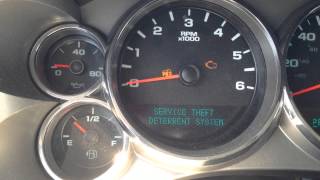
- Security/anti-theft light is solid or flashing — A dashboard warning light featuring a key or padlock symbol remains steadily lit or blinks rapidly.
- Intermittent no-start condition — The vehicle starts normally for days, then suddenly refuses to start, indicating a temperature-sensitive component or loose connection.
Diagnostic Flowchart

Tap your situation to follow the diagnostic path that matches what you're seeing on this code.
Common Fixes & Costs
- Replace Vehicle Battery — Parts: $150-$250, Labor: $0-$50, ~0.5 hr book time (DIY)
- Perform a Security Re-learn Procedure — Parts: $0, Labor: $100-$200 (if done at a shop), ~0.5 hr book time (DIY)
- Replace and Reprogram Car Key — Parts: $70-$250, Labor: $50-$150, ~0.5 hr book time (Professional)
- Replace Ignition Lock Cylinder/Switch — Parts: $100-$300, Labor: $150-$250, ~1.2 hr book time (Intermediate)
- Repair Damaged Wiring or Clean Grounds — Parts: $5-$50, Labor: $150-$400, ~2.0 hr book time (Intermediate)
- Replace Body Control Module (BCM) — Parts: $300-$800, Labor: $150-$300 (includes programming), ~1.5 hr book time (Professional)
Used vs. New Parts: Buying Guide
When a used part is worth it: Used parts are highly risky for this code. A used ignition lock cylinder is acceptable only if it includes a matching key. Buying a used BCM or PCM is strongly discouraged as they are VIN-locked.
Donor-vehicle mileage cap: roughly under 80000 miles for the part to have meaningful remaining life.
Donor quality checklist:
- Verify the exact part number matches the BCM.
- Avoid modules from flood-damaged vehicles.
- Dealerships cannot reprogram a used BCM; it requires a specialized aftermarket cloning service.
Decision logic:
- If The fix is a new key or ignition cylinder → Buy new. A locksmith or dealer must program the new key to your specific vehicle.
- If The fix is a BCM or PCM and you have access to a cloning service → A used module is cost-effective, but you must mail your original module to the service to transfer the immobilizer data.
- If You are using a standard repair shop or dealership → Buy a new BCM/PCM. Standard diagnostic tools cannot overwrite a used module's VIN.
Warranty tradeoff: Used modules carry a 30-day warranty that does not cover programming labor. New OEM modules carry a 1-year warranty and guarantee compatibility.
Worst-case if a used part fails: $600 if a used BCM fails after cloning, requiring repeat labor and a second module purchase.
What Happens If You Wait — Timeline
- First Occurrence: An intermittent no-start occurs. The car starts on the second try. The security light flashes briefly. (MPG impact: 0%% · Added cost: $0)
- 1-4 weeks: No-start events become frequent. The driver must wait 10-15 minutes before the car accepts the key signal. (MPG impact: 0%% · Added cost: $150 for a potential tow.)
- 1-2 months: Hard failure. The vehicle will not start at all. The security system permanently disables the engine. (MPG impact: N/A% · Added cost: $200 if repeated cranking destroys the battery.)
- During repair attempt: Incorrect diagnosis leads to the 'parts cannon' approach, replacing expensive modules unnecessarily. (MPG impact: N/A% · Added cost: $500-$1000+ replacing a perfectly good BCM or PCM.)
Cost of Not Fixing It
- Immediate: Vehicle will not start or will start and immediately stall. You are stranded. (Added cost: $75-$250 for a tow to a repair shop.)
- 1-4 Weeks (Intermittent Issue): Repeatedly cranking the engine with a failing security system drains and permanently damages the battery. (Added cost: $150-$250 for a replacement battery.)
- Long Term: The vehicle remains completely undrivable until the communication fault is repaired. (Added cost: Final repair costs ranging from $150 to $1000+ depending on the failed component.)
Diagnosis Steps
- Try a Spare Key
Attempt to start the vehicle with a known-good spare key. If the engine starts, the original key's transponder chip is dead or deprogrammed.
Tools: Spare vehicle key (Beginner) - Check the Battery Under Load
A static voltage check is insufficient. Place a digital multimeter on the battery terminals while a helper cranks the engine. If voltage drops below 10.5V, replace the battery before proceeding.
Tools: Digital Multimeter (Beginner) - Perform a Manual Key Re-learn Procedure
Execute the manufacturer's manual re-learn. For GM vehicles, turn the key to 'ON' (engine off) for 11 minutes until the security light turns off, then turn 'OFF' for 30 seconds. Repeat this exactly three times, then start the engine.
Tools: Vehicle key, stopwatch/timer (Intermediate) - Scan for BCM and Immobilizer Codes
Use an advanced scanner to read the Body Control Module (BCM). Look for codes like B2960 (Incorrect Passlock Sensor Data), which pinpoints a failure in the ignition cylinder sensor rather than the engine computer.
Tools: Advanced OBD-II Scan Tool (Advanced) - Inspect Ignition Switch and Antenna Ring
Remove the steering column shrouds. Visually inspect the wiring harness and connector at the ignition switch and the immobilizer antenna ring for broken wires or melted plastic.
Tools: Screwdrivers, trim removal tools (Intermediate) - Test GM VATS/Passlock Sensor
For GM VATS, measure the key pellet's resistance and ensure it matches one of the 15 standard values. For Passlock, backprobe the 5V reference wire at the ignition cylinder; it must drop to a specific voltage (e.g., 2.5V) during crank. Missing voltage indicates a dead sensor.
Tools: Digital Multimeter with backprobe pins, VATS resistance chart (Advanced) - Inspect Fuses, Relays, and Grounds
Test all fuses related to the BCM, PCM, and immobilizer. Verify the main ground strap from the battery to the engine block is tight and free of corrosion, as bad grounds corrupt the security data signal.
Tools: Fuse puller, basic socket set, multimeter (Intermediate) - Check Fuel Pressure During No-Start
Connect a fuel pressure gauge. Turn the key 'ON' to verify the pump primes to 55-62 PSI. If pressure drops to 0 PSI immediately upon cranking, the PCM is actively commanding a fuel cut-off due to the security fault.
Tools: Fuel pressure gauge (Advanced)
When This Code Triggers (Freeze-Frame Conditions)
- Engine RPM: 0 RPM (Code is set during a failed start attempt before the engine runs.)
- Vehicle Speed: 0 MPH (Vehicle is stationary when the no-start condition occurs.)
- Module Voltage: 9.5 - 11.5 Volts (Shows lower-than-normal voltage during the failed crank attempt, pointing to a weak battery or bad connection.)
- Engine Run Time: 0 Seconds (Indicates the engine did not run, or stalled immediately after starting.)
Related Codes
- P1630 — 'Theft Deterrent Learn Mode Active.' Appears when a re-learn procedure is in process. P1631 sets if this procedure fails or is interrupted.
- P1632 — 'Theft Deterrent Fuel Disable Signal Received.' P1631 indicates the password was incorrect, while P1632 confirms the PCM actively executed the command to shut off fuel.
- B2960 — 'Security System Sensor Data Incorrect but Valid.' A BCM code pointing directly to a failed Passlock sensor in GM ignition cylinders. Fixing B2960 resolves the P1631.
- P1623 — 'Transponder Code Not Programmed.' Indicates the immobilizer does not recognize the key being used, directly causing the P1631 communication failure.
Climate & Environmental Factors
- Extreme Cold: Low temperatures severely reduce battery cranking amperage. This drops system voltage below the 10.5V threshold required by the BCM during startup, causing communication errors that mimic a theft attempt.
- High Humidity: Moisture accelerates corrosion on wiring connectors and ground points, increasing electrical resistance and disrupting the sensitive 5V reference signals used by anti-theft sensors.
- Extreme Heat: High ambient temperatures expand micro-fractures in the solder joints of the BCM or ignition switch, leading to intermittent open circuits and sudden no-start conditions.
How to Talk to a Mechanic About This Code
Say this: "My car won't start and shows a P1631 security code. I've tested the battery under load and tried the spare key. I need a diagnostic for the anti-theft system. Can you scan the Body Control Module for related codes like B2960?"
Proves you've eliminated basic causes (battery, key), saving diagnostic time. Mentioning BCM codes directs the technician to the immobilizer data rather than wasting time on the engine computer.
Avoid saying:
- 'Just fix whatever's wrong'
- 'My car won't start, can you look at it?'
- 'I think the computer is fried'
Questions to ask before authorizing the repair:
- Did you test the battery under a load to confirm it's not a voltage drop issue?
- Did you pull codes from the Body Control Module (BCM) or just the engine computer?
- If a new module is needed, is the cost of VIN programming included in the estimate?
- Do you have the factory-level scan tool required to perform the security relearn?
Where to Take It: Dealer vs Independent vs Chain
- Dealer:
Safest but most expensive. They have guaranteed access to the correct programming software. Default choice if an independent specialist is unavailable.
Best for: Vehicles under warranty, When a new, VIN-programmed BCM or PCM is required
Downsides: Highest labor rates., Will refuse to install customer-provided or used modules. (Typical cost: +50% vs. baseline) - Independent Shop:
Excellent choice, provided you verify they possess the specific scan tool required to program keys and modules for your vehicle brand.
Best for: Out-of-warranty vehicles., Common P1631 failures on well-known platforms (e.g., GM Passlock).
Downsides: A general mechanic may lack the expensive bidirectional tools to program keys or modules. (Typical cost: +0% vs. baseline) - Chain Shop:
Avoid for diagnosis. Only use them if you have already diagnosed a bad battery and simply need it replaced.
Best for: Simple battery replacement if that is the confirmed cause.
Downsides: Technicians lack training and equipment for complex anti-theft diagnostics. (Typical cost: -10% vs. baseline)
When to Walk Away From the Repair
If the estimated repair cost exceeds 50% of the car's running value, consider walking away. A non-running vehicle with a P1631 code has severely diminished value.
- Car worth $4000, fix is $2200: Walk away. The repair costs more than half the car's value. Sell as a 'mechanic's special' or to a salvage yard.
- Car worth $12000, fix is $1500: Fix it. The repair cost is well below the threshold and restores significant vehicle value.
- Car worth $2500, fix is $800: Borderline. Get a second opinion. If the vehicle needs other major work (tires, brakes), it is better to sell as-is.
What Scan Tool You Need for This Code
Minimum: A scanner capable of reading manufacturer-specific codes from the Body Control Module (BCM), not just the engine computer.
A basic $20 code reader only sees the P1631 code in the engine. It cannot access the critical 'B' codes (like B2960) stored in the BCM, leaving you diagnosing blind.
Budget: BlueDriver Pro Scan Tool (~$100) — Reads codes from all modules, including the BCM, revealing the essential sub-codes needed for accurate diagnosis. It lacks bidirectional programming.
Mid-range: Foxwell NT510 Elite / Autel MaxiCOM MK808 (~$150-350) — Offers full-system diagnostics and bidirectional controls. Crucially, these tools feature limited key programming and security relearn functions for specific vehicles.
Professional: Autel MaxiIM IM508 (~$500-1200) — A professional-grade tool combining advanced diagnostics with powerful immobilizer functions. It can add new keys, erase lost keys, and perform mandatory BCM security relearns.
Rent vs buy: Free rental scanners from auto parts stores are too basic and will not read BCM codes. Paying a $150 diagnostic fee to a shop is more cost-effective than buying a mid-range scanner for a one-time immobilizer issue.
How to Clear the Code After You Fix It
- Fix the root cause (replace battery, key, ignition switch, or perform security re-learn).
- Use an OBD-II scan tool to clear P1631 from the PCM and related codes (like B2960) from the BCM.
- If a new module was installed, complete the mandatory security re-learn procedure before attempting to start.
Drive cycle (~30 minutes): A standard emissions drive cycle is not required. The critical procedure is the security system re-learn, typically involving 3 cycles of turning the key to 'ON' for 11 minutes each. After the re-learn, the vehicle will start.
Readiness monitors affected: Because the vehicle will not start, no readiness monitors can run. After repair, a standard 50-mile mixed drive cycle is required to set monitors for emissions testing.
Before emissions retest: drive at least 50 miles to fully set monitors.
Watch out for:
- Clearing the code with a scanner fails; the code returns instantly on the next start attempt if the root cause remains.
- Failing to connect a battery charger during the 30-minute re-learn procedure causes voltage to drop, failing the relearn.
- Replacing a PCM or BCM without performing the mandatory dealer-level programming.
Will This Fail Emissions / State Inspection?
Yes — this code typically fails an OBD-II emissions inspection.
- California: An illuminated Check Engine Light is an automatic failure. Because P1631 prevents the engine from running, readiness monitors cannot complete, guaranteeing a failure.
- New York: NYS DMV inspection includes an OBD-II scan. A P1631 code is an automatic failure. The vehicle cannot be inspected until the no-start condition is repaired.
- Texas: An illuminated Check Engine Light is an automatic failure during the state safety inspection, even in counties exempt from emissions testing.
Most Commonly Affected Vehicles
- Chevrolet Corvette (C5) (1997-2004) — Extremely common issue related to the VATS system. The resistor pellet on the key wears out, or the internal contacts in the ignition cylinder break.
- Chevrolet Silverado (1999-2007) — Frequently caused by a failure in the Passlock sensor located in the ignition lock cylinder housing. Addressed in TSB 01-08-56-004.
- GMC Sierra (1999-2007) — Shares the identical GM Passlock system and failure points as the Silverado.
- Ford Transit (2006-2013) — Often triggered by a 'lazy' starter motor that causes a severe voltage drop during crank, falsely tripping the PATS immobilizer.
- BMW 3-Series (E90/E92) (2006-2011) — Indicates a communication failure between the CAS (Car Access System) module and the DME (engine computer).
- Jaguar XJ, XK (1999-2006) — Jaguar defines this code as a throttle motor power relay failure, often triggered by heat and resulting in 'Limp Mode' rather than a no-start.
- Volkswagen Polo, Jetta (2009-2017) — VW defines P1631 as 'Accelerator Pedal Position Sensor 1 Signal Too High.' This is a throttle issue, completely unrelated to the security system.
Manufacturer-Specific Notes
- General Motors (Chevrolet, GMC, Cadillac): P1631 is almost exclusively related to VATS or Passlock failures. The root cause is typically the ignition lock housing sensor, a worn key pellet, or a failed 30-minute re-learn procedure.
- Ford: Often related to the PATS system, but frequently misdiagnosed. A weak battery or a failing starter motor causing a voltage drop is the true culprit in many Ford applications.
- Volkswagen / Audi: P1631 is defined as 'Accelerator Pedal Position Sensor 1 Signal Too High.' It is a throttle-related code and has zero connection to the immobilizer system.
- Jaguar: Points to a 'Throttle Motor Power Relay Coil Activation Circuit Failure.' It causes the car to enter 'Failsafe Mode' rather than a hard no-start condition.
- Kia: On specific models, P1631 means 'Alternator T-Terminal Open or No Power Output,' pointing to a charging system failure rather than theft.
Real Owner Stories
2003 Chevrolet Silverado - The Classic Passlock Failure
Owner replaced the steering column. Afterward, the truck started for one second and died. The security light flashed, logging codes P1631 and B2960.
Outcome: After the third cycle, the truck started and ran normally. The relearn successfully synchronized the new ignition cylinder's Passlock sensor with the BCM.
Lesson: Replacing any GM Passlock component makes a security relearn mandatory. The 30-minute manual procedure requires no special tools and fixes the issue.
2004 Chevrolet Corvette C5 - Misleading VATS Gremlins
Car intermittently failed to crank, displaying the 'SECURITY' light. The issue escalated until the car stranded the owner.
Outcome: The dealership diagnosed worn internal contacts inside the ignition switch. Replacing the switch (ACDelco D1473D) permanently fixed the no-start.
Lesson: On C5 Corvettes, an intermittent P1631 is frequently caused by the ignition switch contacts failing to read the key, rather than a bad key itself.
2007 Ford Transit - The Starter Motor Red Herring
Van intermittently cranked without firing, eventually logging P1631 permanently. Owner suspected a failed PATS immobilizer.
Outcome: A technician diagnosed a 'lazy' starter motor drawing excessive current. Installing a new OEM starter eliminated the voltage drop, and the van started immediately.
Lesson: On Ford Transits, P1631 is often a symptom of a failing starter motor causing a severe voltage drop, falsely triggering the immobilizer.
How to Prevent This Code From Triggering
- Maintain Battery Health and Connections (Every 6 months) — A weak battery causes voltage drops during startup, the primary trigger for false anti-theft events. Clean terminals ensure maximum voltage reaches the BCM.
- Care for Your Transponder Key (Daily habit) — The RFID chip inside the key is fragile. Dropping the key or exposing it to strong magnets damages the chip, permanently immobilizing the vehicle.
- Use a Battery Tender for Stored Vehicles (During storage over 2 weeks) — Prevents the battery voltage from dropping low enough to cause the security system to lose its memory synchronization.
- Inspect and Secure Grounds (Every 2 years) — The BCM relies on clean grounds. Loose chassis ground straps cause fluctuating voltages and data errors, mimicking a security fault.
Frequently Asked Questions
Can I bypass the P1631 code?
While aftermarket bypass modules exist, installing them is an advanced procedure that requires cutting into the factory wiring harness. An incorrect bypass causes permanent electrical damage and is not recommended for DIYers.
Why did my car start fine yesterday but won't start today?
This indicates an intermittent failure, such as a failing key chip, a loose ground wire, or a temperature-sensitive ignition sensor. The connection was barely adequate yesterday but has now failed completely.
Will clearing the code with a scanner fix the problem?
No. Clearing the code does not solve the communication breakdown. The code returns instantly on the next start attempt because the anti-theft system will fail its security check again.
I replaced my battery and now I have this code. What happened?
Disconnecting the battery causes the anti-theft system to lose synchronization with the key. You must perform the manufacturer's specific security re-learn procedure to restore communication.
What is the most common misdiagnosis for P1631?
Replacing the expensive PCM or BCM before testing the battery under load. A weak battery dropping below 10.5V during crank is the most frequent cause of false immobilizer codes.
My scanner shows P1631, but my Volkswagen runs fine. Why?
Manufacturer definitions vary. On a Volkswagen, P1631 indicates a problem with the accelerator pedal position sensor, not the anti-theft system. Always verify manufacturer-specific code definitions.
Can a bad ground cause a P1631 code?
Yes. The BCM and PCM require stable ground connections to transmit data. A corroded ground creates voltage fluctuations that the PCM misinterprets as a failed security handshake.
What's the difference between GM's VATS and Passlock systems?
VATS uses a visible resistor pellet embedded in the key blade. Passlock has no chip in the key; instead, a sensor inside the ignition lock cylinder reads the physical rotation of the key.
Key Takeaways
- Code P1631 indicates the anti-theft system has disabled the engine, resulting in a crank-no-start or immediate stall condition.
- Over 80% of P1631 codes stem from a weak battery dropping below 10.5V during crank, a dead key transponder, or a failing ignition switch.
- Do not attempt to drive the vehicle; even if it starts intermittently, the system will eventually lock you out completely and require a tow.
- Save $150+ in diagnostic fees by testing the battery under load, trying a spare key, and attempting a manual 30-minute security relearn before replacing parts.
- Verify your manufacturer's specific definition, as P1631 means 'Accelerator Pedal Position Sensor Fault' on Volkswagens and Audis, not a security issue.
Helpful Videos

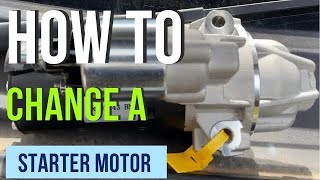
Shop the Parts Behind P1631
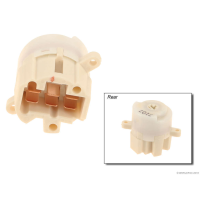
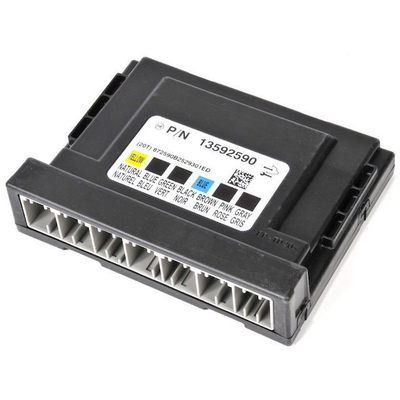
Below are the parts most often responsible for code P1631, ranked by how frequently each one is the actual culprit (per the diagnosis above). Tap any to see what we have for your vehicle.



The information in this article is provided for general reference and educational purposes only. Vehicle specifications, procedures, and part compatibility can vary by production date, trim level, and region. Always consult your vehicle's factory service manual and verify part numbers before purchasing or performing repairs. Safety-critical components such as airbags, seat belts, and braking systems should be installed by a qualified professional.
- 🧭 Diagnostic Flowchart
- 🎬 Helpful Videos
- 🛍️ Shop This Part
- What Does P1631 Mean?
- Can I Drive With P1631?
- Common Causes
- Symptoms
- Common Fixes & Costs
- Used vs. New Parts: Buying Guide
- What Happens If You Wait — Timeline
- Cost of Not Fixing It
- Diagnosis Steps
- When This Code Triggers (Freeze-Frame Conditions)
- Related Codes
- Climate & Environmental Factors
- How to Talk to a Mechanic About This Code
- Where to Take It: Dealer vs Independent vs Chain
- When to Walk Away From the Repair
- What Scan Tool You Need for This Code
- How to Clear the Code After You Fix It
- Will This Fail Emissions / State Inspection?
- Most Commonly Affected Vehicles
- Manufacturer-Specific Notes
- Real Owner Stories
- 2003 Chevrolet Silverado - The Classic Passlock Failure
- 2004 Chevrolet Corvette C5 - Misleading VATS Gremlins
- 2007 Ford Transit - The Starter Motor Red Herring
- How to Prevent This Code From Triggering
- Frequently Asked Questions
- Can I bypass the P1631 code?
- Why did my car start fine yesterday but won't start today?
- Will clearing the code with a scanner fix the problem?
- I replaced my battery and now I have this code. What happened?
- What is the most common misdiagnosis for P1631?
- My scanner shows P1631, but my Volkswagen runs fine. Why?
- Can a bad ground cause a P1631 code?
- What's the difference between GM's VATS and Passlock systems?
- Key Takeaways
- 🎟️ Get 5% Off