

OBD-II Code P1674: Control Module Communication, Software, or Power Fault
The Ultimate Guide to What P1674 Means, Why It Triggers, and How to Fix It for Good
- Test your battery and charging system first; voltage drops below 10.0V during cranking are the leading cause of P1674 across all makes.
- On 2015-2021 Ford F-150s and Super Duty trucks, P1674 usually indicates corrupted Transmission Control Module (TCM) software requiring a $150-$300 dealer reflash.
- For 2005-2015 Volvo 5-cylinder engines, this code almost exclusively points to a failed exhaust VVT solenoid (part #36002687) requiring replacement.
- Do not replace expensive control modules without first verifying the integrity of the main ground straps and checking for a 60-ohm resistance on the CAN bus network.
What Does P1674 Mean?

P1674 is a manufacturer-specific diagnostic trouble code (DTC) signaling a critical fault detected by a primary control module (PCM, ECM, or TCM). The module failed an internal self-test due to corrupted software, lost communication with another module, an unstable power supply, or an immobilizer system error.
Technical definition: The official SAE/ISO definition for P1674 varies significantly by manufacturer. The most common interpretations are: * **Ford, Lincoln, Mercury:** Control Module Software Corrupted or Lost Communication with Brake System Control Module. * **Volvo:** Camshaft Control, Exhaust - Faulty Signal. * **Jaguar, Land Rover:** Engine Anti-Theft Signal Incorrect. * **General Motors (Chevrolet, Cadillac, GMC):** Tachometer Control Circuit. * **Volkswagen/Audi:** CAN Data Bus, Instrumentation - Incorrect Signal. * **Hyundai/Kia:** Transponder Status Error (Immobilizer) or ABS Brake Switch Circuit. * **Toyota:** Exhaust Brake Solenoid Circuit Malfunction. * **Suzuki:** CAN Communication Bus Off Error. * **Chrysler/Dodge/Jeep:** Mass Air Flow Sensor Supply.
Can I Drive With P1674?
Yes, But With Caution. You can drive the vehicle, but do so with extreme caution. The primary risks are sudden engine stalling in traffic, a no-start condition leaving you stranded, and erratic electrical behavior. Ignoring the code on Ford models with software corruption causes transmission damage, while Volvo models will suffer poor engine performance and failed emissions tests. Diagnose the issue immediately to prevent further component damage.
Common Causes

- Weak, Failing, or Discharged Battery (Very Common) — Modern vehicle control modules are highly sensitive to voltage. A battery with a low state of charge, high internal resistance, or providing unstable voltage is the leading cause of P1674. The voltage drop during cranking corrupts a module's memory or self-test, triggering the code before any obvious starting problems appear. This is especially true for Ford F-Series trucks.
- Corrupted Control Module Software (Common) — This is the specific definition for many Ford vehicles. The internal software of the Powertrain Control Module (PCM) or Transmission Control Module (TCM) glitches, similar to a computer's operating system crashing. This requires a software update or 'reflash' from a dealer or qualified shop using specialized J2534 Pass-Thru tools.
- Faulty Variable Valve Timing (VVT) Solenoid (Common) — On Volvo vehicles with 5-cylinder engines, this code points directly to a problem with the exhaust VVT solenoid. The solenoid, which controls camshaft timing, clogs with oil sludge, fails electrically, or gets stuck, leading to a 'Faulty Signal'.
- Poor Power/Ground Connections or Damaged Wiring (Common) — Corroded terminals, a loose main engine ground strap, or high resistance in the power supply wire to a module causes intermittent voltage drops. On vehicles like the Ford Focus, a corroded fuse in the battery junction box is a known culprit for causing this and other related codes.
- CAN Bus Communication Failure (Less Common) — For brands like Volkswagen, Audi, and Suzuki, P1674 indicates a problem on the Controller Area Network (CAN) bus. A short-to-ground, short-to-power, or a break in one of the two CAN wires corrupts signals between the instrument cluster, engine computer, and other modules, causing a 'Bus Off' or 'Incorrect Signal' error.
- Faulty Security or Anti-Theft Module (Immobilizer) (Less Common) — On Jaguar, Land Rover, Hyundai, and Kia vehicles, this code indicates a 'Transponder Status Error' or 'Incorrect Anti-Theft Signal'. The key's transponder chip is not recognized by the car's immobilizer system, preventing the engine from starting even though it cranks.
- Failing Alternator or Voltage Regulator (Less Common) — A failing alternator produces insufficient voltage to charge the battery, or it produces excessive AC ripple (electrical noise). Both scenarios create an unstable electrical environment that triggers module errors like P1674.
Symptoms
- Check Engine Light is On — This is the most common and often the only symptom, especially if the fault is intermittent.
- No-Start or Hard-Starting Condition — The engine cranks but refuses to start, or it takes much longer than usual to turn over. This is common when the code is related to the immobilizer or a critical PCM fault.
- Erratic Electrical Behavior and Warning Lights — You notice flickering dashboard lights, a non-functional remote start, or seemingly unrelated warning lights for ABS, traction control, or the immobilizer.
- Incorrect Tachometer Reading (GM) — On GM vehicles, this code specifically targets the tachometer control circuit, causing the tachometer to read incorrectly, drop to zero, or not work at all.
- Transmission Shifting Issues (Ford) (also visible on scanner) — On Ford F-150s and Super Duty trucks, P1674 stored in the TCM is accompanied by harsh shifting, clunking noises, or a loss of certain gears as the module's software is compromised.
- Engine Stalls, Hesitates, or Runs Poorly (also visible on scanner) — The engine runs rough, lacks power, or shuts off unexpectedly while driving, sometimes triggering a forced shutdown (P2105).
Diagnostic Flowchart
Tap your situation to follow the diagnostic path that matches what you're seeing on this code.
Common Fixes & Costs
- Replace Vehicle Battery and Reset BMS
— Parts: $150-$350, Labor: $50-$150, ~0.8 hr book time
(DIY)
: OEM - Reprogram Powertrain or Transmission Control Module (PCM/TCM) — Parts: $0, Labor: $150-$300, ~1.5 hr book time (Professional)
- Replace VVT Solenoid (Volvo)
— Parts: $80-$150, Labor: $100-$150, ~1.2 hr book time
(Intermediate)
: OEM - Replace Powertrain Control Module (PCM)
— Parts: $600-$1500, Labor: $200-$500, ~1.5 hr book time
(Professional)
: OEM - Repair CAN Bus or Module Power/Ground Wiring — Parts: $10-$50, Labor: $250-$800, ~4 hr book time (Professional)
Used vs. New Parts: Buying Guide
When a used part is worth it: For expensive control modules (PCM/TCM) on older, high-mileage vehicles where the cost of a new OEM part is prohibitive. A used module from a low-mileage, accident-damaged vehicle is a cost-effective solution if programmed correctly.
Donor-vehicle mileage cap: roughly under 80000 miles for the part to have meaningful remaining life.
Donor quality checklist:
- Verify the donor vehicle's VIN to ensure compatibility and check its history.
- Match the hardware part number exactly; software can be updated, but hardware must match.
- For Ford Focus/Fiesta TCMs, even a low-mileage used part is a risk due to high failure rates; inquire about any warranty.
Decision logic:
- If The part is a VVT solenoid. → Buy new. The cost savings for a used part are minimal and not worth the risk of premature failure.
- If The vehicle is under 100K miles and the part is a critical control module (PCM/TCM). → Favor new OEM or a high-quality remanufactured unit with a lifetime warranty. The risk of a used part failing and requiring repeat labor is too high.
- If The vehicle is over 150K miles and on a tight budget. → A used module is an acceptable risk, but be aware that most 'lifetime' warranties are for a single replacement and may have restocking fees.
Warranty tradeoff: Used parts typically offer a 30-90 day warranty, which only covers the part itself, not labor. Remanufactured modules often come with a 1-year to 'lifetime' warranty. New OEM parts carry the manufacturer's standard parts warranty (typically 1-2 years).
Worst-case if a used part fails: $500-$1000 (If a used module fails, you will have to pay for repeat labor for removal, installation, and programming, plus the cost of another module.)
What Happens If You Wait — Timeline
- 0-1 month: Intermittent Check Engine Light. The code appears after a cold start or a long drive and then disappears. No other symptoms are noticeable. (MPG impact: 0-2%% · Added cost: $0)
- 1-3 months: Code becomes persistent. On Fords, intermittent harsh shifting or 'clunks' occur. On Volvos, a slight hesitation or power loss is felt. On all makes, you experience occasional hard starting. (MPG impact: 3-8%% · Added cost: $50-$150 in wasted fuel and increased electrical system strain.)
- 3-6 months: Symptoms worsen significantly. The risk of a no-start condition increases dramatically. On Fords, TCM software corruption causes constant harsh shifting, leading to premature wear on transmission clutches. A failing alternator destroys the battery. (MPG impact: 5-15%% · Added cost: $300-$1,200 (Cost of towing after being stranded, plus potential damage to the battery from a bad alternator or early transmission component wear.))
- 6+ months: Catastrophic failure is likely. A completely failed PCM/TCM renders the vehicle inoperable. Continued driving with a faulty Ford TCM leads to internal transmission damage requiring a rebuild. A persistent unstable voltage supply damages other sensitive electronic modules in the vehicle. (MPG impact: 10-25%% · Added cost: $1,500-$4,000+ (Cost of major module replacement like a PCM/TCM, or mechanical transmission repair on top of the original electrical fault.))
Cost of Not Fixing It
- Immediate: Risk of sudden engine stall or a no-start condition, leaving you stranded. On Fords with TCM issues, this includes erratic and harsh shifting, which is a safety hazard. (Added cost: $150-$300 (Towing and diagnostic fees))
- 1-6 months: On Volvo models, a faulty VVT solenoid causes reduced fuel economy (5-15% drop), poor performance, and increased strain on timing components. On Fords, continued driving with a faulty TCM causes premature wear on clutches and other internal transmission components. (Added cost: $800-$3000 (Potential for timing chain or transmission clutch pack replacement))
- 6+ months: Catastrophic failure becomes more likely. A failing alternator destroys a new battery and damages other sensitive electronics. A severely malfunctioning VVT system leads to major internal engine damage. A completely failed PCM or TCM renders the vehicle inoperable. (Added cost: $2000-$5000+ (Engine or transmission replacement, multiple electronic module failures))
Diagnosis Steps

- Scan for All Codes and Review Freeze Frame Data
Use a quality OBD-II scanner to read all stored codes from all modules (Engine, Transmission, Body, etc.). P1674 is often a secondary code. Other codes for communication (U-codes), sensors (P03xx), or internal performance (P06xx) are critical clues. Analyze the freeze frame data to see the exact conditions (voltage, engine speed, temperature) when the code was set.
Tools: OBD-II Scanner (Beginner) - Perform a Comprehensive Battery and Charging System Test
This is the most important step. Use a multimeter to check the battery voltage: ~12.4V+ (engine off), >10.0V (during cranking), and ~13.5-14.8V (engine running). A simple voltage check isn't enough; use a digital battery load tester to check the battery's actual health (Cold Cranking Amps and internal resistance).
Tools: Multimeter, Digital Battery Load Tester (Beginner) - Inspect All Power and Ground Connections
Visually inspect the battery terminals for corrosion and ensure they are tight. Follow the main ground straps from the battery to the chassis and from the chassis to the engine block. Remove, clean, and secure them. Inspect the main fuse box (especially the one on or near the battery on Ford Focus models) for corrosion or hairline cracks in fuses.
Tools: Wrench/Socket Set, Wire Brush, Dielectric Grease (Beginner) - Check for Technical Service Bulletins (TSBs)
Search online for TSBs related to P1674 for your specific vehicle. For example, Ford issued SSM 51316 for 2020-2022 F-Super Duty trucks, stating that a low battery causes P1674 in the TCM. Ignoring a TSB leads to expensive and unnecessary parts replacement.
Tools: Internet Access (Intermediate) - Test Volvo VVT Solenoid Electrical Resistance
For Volvo models, test the VVT solenoid directly. Disconnect the solenoid's electrical connector. Using a multimeter set to Ohms, measure the resistance between the two pins on the solenoid. A typical reading for a good solenoid is between 3.0 and 5.0 Ohms. You can also briefly apply 12V power to the solenoid's pins; a healthy solenoid produces an audible 'click' as it actuates. Lack of a click or an out-of-spec resistance reading confirms failure.
Tools: Multimeter, 12V Power Source (Power Probe or jumper wires), Service Manual (Advanced) - Perform an Alternator Ripple Voltage Test
A failing diode in the alternator introduces excessive AC voltage (noise) onto the DC electrical system, confusing control modules. Set a multimeter to AC Volts. With the engine running at around 1500 RPM and electrical loads on (headlights, blower fan), touch the probes to the battery terminals. A healthy alternator produces less than 500mV (0.5V) of AC ripple. Readings above 0.5V strongly indicate a failing alternator.
Tools: Multimeter with AC Volts setting (Advanced) - Perform a Parasitic Draw Test
If the battery dies overnight, an intermittent parasitic draw is the cause of the low voltage triggering P1674. Connect a multimeter in series with the negative battery cable. With the car off and all doors closed for at least 45 minutes (to allow modules to sleep), the draw should be under 50 milliamps (0.05A). If it's higher, pull fuses one by one until the draw drops to pinpoint the faulty circuit.
Tools: Multimeter with 10A setting (Advanced) - Check CAN Bus Network Integrity
If you suspect a network issue (common on VW/Audi), perform two key tests with the battery disconnected. First, measure the resistance between the CAN High and CAN Low pins at the DLC (pins 6 and 14). It should be approximately 60 Ohms. If it's 120 Ohms, one of the two terminating resistors is missing or the circuit is open. If it's near 0 Ohms, the wires are shorted together. Second, use an oscilloscope to view the CAN signal waveform with the engine running.
Tools: Multimeter, Oscilloscope, Vehicle Wiring Diagram (Advanced) - Attempt Software Reflash Before Module Replacement
If all signs point to the module itself (especially on a Ford), the final step before replacement is to attempt a software reflash. A dealer or specialized shop with a J2534 Pass-Thru device updates the module's firmware to the latest version. This fixes bugs or corruption that caused the P1674 code.
Tools: J2534 Pass-Thru Tool, Manufacturer Software Subscription (Professional)
When This Code Triggers (Freeze-Frame Conditions)
- Battery Voltage (Key On, Engine Off): 12.2V - 12.8V (The fault sets if the initial voltage read by the module at startup is below the minimum threshold.)
- Battery Voltage (During Crank): >10.0V (A common trigger. If voltage drops below 9.0V-10.0V while the starter is engaged, a module glitches and sets a 'software corrupted' fault.)
- Battery Voltage (Engine Running): 13.5V - 14.8V (The code sets if the charging system voltage is unstable, too low, or too high, indicating an alternator or regulator problem.)
- Module Status: N/A (The fault sets during the module's power-on self-test, immediately after the ignition is turned on or during an attempted software update.)
Related Codes
- P060C — 'Internal Control Module Main Processor Performance' is a direct confirmation that the module failed an internal self-check. If you see this with P1674, the module itself is almost certainly faulty and requires replacement.
- U0100 / U-codes — U-codes indicate a loss of communication between modules. If you have P1674 along with U-codes (like U0100 - Lost Communication with ECM/PCM), it points to a network problem (wiring, CAN bus) rather than a single module's software. The U-code specifies the communication loss that P1674 is reacting to.
- P0344 / P0369 — These codes for 'Camshaft Position Sensor Circuit Intermittent' often appear on Volvos with a P1674. The P1674 points to the VVT solenoid which controls the camshaft; if the solenoid fails, it causes the camshaft's position to be erratic, triggering the sensor codes. Diagnosing the P1674 (VVT solenoid) first resolves the P0344/P0369 codes.
- P2105 — This code for 'Throttle Actuator Control System - Forced Engine Shutdown' appears with P1674 when the PCM detects a critical internal error and decides to shut down the engine as a safety measure. If you have both, P1674 is the root cause of the PCM's decision to shut down.
Climate & Environmental Factors
- High Humidity: High humidity, especially in coastal or tropical regions, accelerates corrosion on electrical connections, battery terminals, and fuse box contacts. Moisture penetrates connectors and module housings, leading to short circuits or increased resistance that triggers a P1674 fault.
- Cold Weather: Cold temperatures significantly reduce a battery's cranking power. A battery that seems fine in summer drops to a critically low voltage during a cold start, causing a module self-test failure and triggering P1674. This is a primary reason why low battery voltage is the top cause.
How to Talk to a Mechanic About This Code
Say this: "I have a P1674 code on my [Vehicle Make, Model, Year]. I understand this is a manufacturer-specific code, but it often points to a battery, wiring, or module software issue. I'd like to book a diagnostic appointment. Please start by performing a comprehensive battery and charging system test, including a load test and an alternator ripple test, before any other diagnostics."
This signals you've done your research and directs the technician to the most common and cheapest potential fixes first. It prevents them from immediately quoting an expensive module replacement and establishes a logical, cost-effective diagnostic path.
Avoid saying:
- 'My check engine light is on, can you just fix it?'
- 'My truck is acting weird, I think the computer is bad.'
- 'A guy on a forum said to replace the [part name].'
Questions to ask before authorizing the repair:
- What were the results of the battery load test and alternator ripple test?
- Did you check for any Technical Service Bulletins (TSBs) related to P1674 for my VIN?
- If you're recommending a module replacement, what specific tests did you perform to condemn the module and rule out a wiring or software issue?
- Is a software reflash a possible fix, and do you have the equipment to perform it here?
Where to Take It: Dealer vs Independent vs Chain
- Dealer:
Recommended if a software reflash is the likely solution or if the vehicle is under warranty. Be prepared for higher costs.
Best for: Vehicles under warranty., Software-related fixes like a PCM or TCM reflash, which require proprietary tools (common for Ford)., Complex CAN bus or network diagnostics (common for VW/Audi).
Downsides: Highest labor rates, often 1.5-2x more than independent shops., Defaults to expensive module replacement without exhausting all diagnostic steps. (Typical cost: +50% vs. baseline) - Independent Shop:
Best overall fit, but you must vet the shop. Ask if they are experienced with complex electrical diagnostics and have access to manufacturer-specific information and TSBs.
Best for: Out-of-warranty vehicles., Diagnosing and fixing known hardware issues like a bad battery, alternator, or a Volvo VVT solenoid., Wiring and power/ground issues.
Downsides: Shop quality and diagnostic capabilities vary widely., Lacks the expensive, manufacturer-specific tools for module programming/flashing. (Typical cost: +0% vs. baseline) - Chain Shop:
AVOID for diagnosis. Only use them if you have already confirmed the battery is the sole cause and you just need it replaced.
Best for: Simple, confirmed battery replacement.
Downsides: Technicians lack the advanced diagnostic training for complex electrical or software issues., High pressure to sell parts leads to misdiagnosis (e.g., replacing sensors when the issue is a weak battery). (Typical cost: -10% vs. baseline)
When to Walk Away From the Repair
If the estimated repair cost exceeds 50% of the car's private-party value, it's time to consider selling or trading it in. For older, high-mileage cars (>150,000 miles), this threshold is lower, around 40%.
- Car worth $3500, fix is $1800: Walk away. The repair cost is over 50% of the car's value. It's not a sound financial decision.
- Car worth $25000, fix is $350: Fix it. The repair cost is a tiny fraction of the vehicle's value.
- Car worth $5000, fix is $2200: Borderline, but likely walk away. Get a second opinion to confirm the diagnosis and cost before making a final decision.
What Scan Tool You Need for This Code
Minimum: A scanner that reads manufacturer-specific codes from all modules (Engine, Transmission, Body, etc.) and displays live data, especially module voltage.
A basic $20 code reader only shows a generic engine code and won't tell you if the P1674 fault is in the TCM, BCM, or another module. It also cannot display the live battery voltage data that is critical for diagnosing this specific code.
Budget: BlueDriver Pro Scan Tool (~$100) — Connects to your smartphone and reads manufacturer-specific codes from various modules (TCM, ABS, etc.), providing a more complete picture than a basic reader. It allows you to graph live data to monitor battery voltage during startup.
Mid-range: Foxwell NT510 Elite (~$200) — A powerful handheld tool that comes with one free manufacturer-specific software package. It offers OE-level diagnostics, including reading specific codes from all modules and some bidirectional controls to test components. It also performs service functions like battery registration (BMS reset).
Professional: Autel MaxiCOM MK808 / MK808BT (~$450-600) — Offers full system diagnostics, a wide range of service functions (BMS reset, etc.), and bidirectional control to actively test modules and components. This level of tool is necessary to confidently diagnose complex wiring, network, or intermittent module faults before spending money on parts.
Rent vs buy: For a one-time check, some auto parts stores offer free code reading. However, to properly diagnose P1674, which requires monitoring live data and potentially re-scanning after initial steps, buying a capable scanner like the BlueDriver or Foxwell NT510 is a worthwhile investment for any serious DIYer.
How to Clear the Code After You Fix It
- Ensure new parts are correctly installed and the battery is fully charged.
- Use a quality OBD-II scan tool to perform a 'Clear All DTCs' command.
- For Ford TCM-related issues, perform a TCM adaptive learning drive cycle.
- For battery replacements, perform a Battery Management System (BMS) reset if equipped.
Drive cycle (~20 minutes): After clearing the code, start the engine and let it idle until it reaches normal operating temperature (about 10-15 minutes). Then, perform several gentle accelerations, allowing the transmission to shift through all gears. Drive at various speeds, including steady highway driving, for at least 5-10 minutes.
Readiness monitors affected: Comprehensive Component Monitor, Misfire Monitor, Catalyst Monitor, Evaporative System Monitor
Before emissions retest: drive at least 50 miles to fully set monitors.
Watch out for:
- Simply disconnecting the battery clears the code but also resets all readiness monitors and adaptive learning, causing poor performance until the vehicle relearns.
- The code returns immediately if the root cause (e.g., bad wiring, faulty module) has not been fixed.
- Attempting a relearn procedure with a cold engine causes issues or damage. Always warm the vehicle up first.
Will This Fail Emissions / State Inspection?
Yes — this code typically fails an OBD-II emissions inspection.
- California: An illuminated Check Engine Light results in an automatic smog check failure. After repairs, a specific drive cycle must be completed to set all readiness monitors to 'Ready' before a re-test is possible.
- New York: The NYS vehicle inspection includes an OBD-II scan. An active P1674 code and illuminated MIL causes the vehicle to fail the emissions portion of the inspection.
- Texas: In the 17 counties requiring emissions testing, an active P1674 code is an automatic failure. For model year 2001+ vehicles, the test also fails if more than one readiness monitor is 'Not Ready' after clearing the code.
Most Commonly Affected Vehicles
- Ford F-Super Duty (F-250, F-350, F-450) (2020-2022) — A TSB (SSM 51316) links P1674 in the TCM specifically to a low battery state of charge. Always test batteries before any other diagnosis. When upgrading from standard lead-acid to AGM batteries, the BMS must be reprogrammed to avoid charging issues that trigger this code.
- Volvo S60, S40, XC60, V70 (2005-2015) — This code almost always points to a failure of the exhaust camshaft VVT solenoid on 5-cylinder models. It is often accompanied by cam position sensor codes like P0344 or P0369.
- Ford F-150 (2015-2021) — The code definition is 'Control Module Software Corrupted' and is often stored in the TCM, causing harsh shifting. A TCM reflash resolves the issue. TSB 21-2131 also exists for certain 2021 hybrid models with this code, resolved with a PCM reprogram.
- Ford Focus (2012-2018) — Often appears with a cluster of other codes (P061C, P0335, P0344) pointing to complex electrical problems. A common failure point is corrosion in the fuse panel located on the front of the battery box. Ford has an extended warranty program (14M02) for the TCM covering 10 years or 150,000 miles.
- Jaguar XJ8, XJR, XK8 (1998-2003) — Prone to failures in the Security and Locking Module (SLM) which triggers this code and causes symptoms like the brake lights staying on or a crank-no-start condition.
- Volkswagen/Audi Various (Golf, Jetta, A4, TT) (2005-2016) — Code P1674 means 'CAN data bus, instrumentation - incorrect signal', pointing to a communication network issue. Diagnosis focuses on the CAN gateway module and wiring near the instrument cluster.
- Hyundai Santa Fe, Elantra, Terracan (2003-2012) — Often defined as 'Transponder Status Error,' related to the immobilizer key. The car cranks but does not start because the key is not recognized. This is caused by RF interference or a weak car battery.
- Kia Sorento, Sportage (2011-2016) — Triggered by a faulty ABS brake switch or an immobilizer transponder error, causing a variety of symptoms from no-start to ABS warnings. Check for other ABS or immobilizer-related codes.
Manufacturer-Specific Notes

- Ford: The definition is almost always 'Control Module Software Corrupted'. Before replacing any module, fully charge and load test the battery. TSB SSM 51316 for F-Super Duty trucks explicitly states a low battery causes this code in the TCM. On Focus models, always inspect the battery box fuse panel for corrosion. Ford has an extended warranty program (14M02) for the TCM on certain 2011-2016 Focus/Fiesta models.
- Volvo: On 5-cylinder engines from the 2000s and early 2010s, P1674 is overwhelmingly caused by a faulty exhaust VVT solenoid. It is one of the first parts to check, regardless of other codes present. The part is relatively accessible and easy to replace.
- Jaguar/Land Rover: This code is typically linked to the anti-theft system and the Security and Locking Module (SLM) or Body Control Module (BeCM). A failing module becomes 'out of sync' with the engine ECU, often due to low battery voltage, preventing the car from starting. A common symptom of a failing SLM on older Jaguars is that the brake lights stay on constantly.
- Volkswagen/Audi: P1674 points to a 'CAN data bus, instrumentation - incorrect signal'. This is a network error. Diagnosis focuses on checking the CAN bus wiring for shorts or opens, particularly around the instrument cluster and gateway module. A common test is to measure resistance between pins 6 and 14 of the OBD-II port (should be 60 ohms).
Real Owner Stories
2017 Ford F-150 with 42K miles
Check Engine Light appeared with P1674 'Control Module Software Corrupted'. The 10-speed transmission was also making clunking sounds.
What they tried:
- One dealer suggested dropping the transmission for diagnosis.
- Another dealer misdiagnosed the issue as a faulty fuel rail pressure sensor for $400, which did not fix the clunking.
- The owner eventually had a software update (reflash) performed on the Transmission Control Module (TCM).
Outcome: The P1674 code was cleared and did not return after the TCM reflash. The transmission knocking while driving was significantly reduced.
Lesson: On modern Fords, P1674 is very often a software issue in the TCM, causing shifting problems. Be skeptical of diagnoses that point to unrelated hardware like fuel sensors. A TCM reflash is the official fix.
2013 Ford Focus SE with crank-no-start
'Engine Fault, Service Now' message appeared, then the engine stalled and would not restart. The engine would crank but not turn over.
What they tried:
- Read multiple codes, including P1674, P0344 (cam sensor), and P061C (module performance).
- Replaced crankshaft sensor, camshaft sensors, and a dead battery.
- Cleaned a heavily corroded negative battery cable.
- Replaced a 50-amp fuse in the battery junction box.
Outcome: Despite replacing multiple parts, the no-start condition persisted. The combination of codes and the history of severe corrosion pointed towards a deeper electrical issue, likely a wiring harness fault or a failed PCM.
Lesson: On Ford Focus models, a cluster of codes including P1674 points to a complex electrical fault, not a single bad sensor. Severe battery terminal corrosion is a major red flag; always inspect the nearby battery junction box fuses and main wiring harnesses.
2020 Ford F-Super Duty with ~26K miles
The Check Engine Light came on with only code P1674. The owner noted various electrical glitches like radio presets resetting and intermittent starting problems.
What they tried:
- The owner suspected a battery issue based on the symptoms and the code's definition.
- Took the truck to a parts store where the batteries were tested incorrectly (while still connected) and deemed 'good'.
- Took the truck to a different shop where the batteries were tested correctly and both were found to be bad.
Outcome: The owner had both failing batteries replaced under warranty. After the new batteries were installed and the BMS was reset, the code cleared and all electrical issues resolved.
Lesson: A weak or failing battery is a primary cause of P1674 on Ford trucks, confirmed by TSB SSM 51316. Do not trust a battery test unless the batteries are disconnected from each other and the vehicle.
How to Prevent This Code From Triggering
- Perform regular battery and terminal maintenance. (Every 6 months) — Corrosion on battery terminals increases resistance and causes voltage drops, a primary trigger for P1674. Cleaning terminals with a baking soda solution and a wire brush, then applying dielectric grease, prevents corrosion and ensures a solid connection.
- Test battery health annually after 3 years. (Once per year) — Most car batteries last 3-5 years. An aging battery loses its ability to hold a charge or supply adequate cranking amps, especially in the cold. Annual load testing identifies a weak battery before it fails and causes module-corrupting voltage drops.
- Use high-quality engine oil and change it on schedule. (Per manufacturer's interval) — For Volvo and other makes where P1674 relates to the VVT system, clean oil is critical. Dirty oil or sludge clogs the fine passages and screens in VVT solenoids, causing them to stick or fail. Using the correct oil viscosity ensures the hydraulic pressure needed to actuate the system is maintained.
- Inspect and secure main ground straps. (Every 1-2 years) — A loose or corroded ground strap between the engine, chassis, and battery is a common source of intermittent and hard-to-diagnose electrical problems. It creates an unstable ground reference for control modules, interpreted as an internal fault. Ensuring straps are tight and free of corrosion is key to electrical stability.
- Allow Over-The-Air (OTA) software updates to complete. (As needed) — On modern Fords, P1674 sets temporarily and normally during the OTA update process. Interrupting an update by turning off the vehicle or having a weak Wi-Fi signal corrupts the module's software, causing the code to become persistent. Ensure the vehicle has a stable battery and connection when an update is pending.
Frequently Asked Questions
Can a bad battery really cause a 'software corrupted' code?
Yes. Control modules require a stable voltage (typically above 12.0V) to boot up and operate correctly. When voltage drops during startup, it causes memory and processing errors that the module's self-test interprets as a software fault. This is the most common cause for this code on Ford trucks.
Is P1674 expensive to fix?
Costs range from $200 for a new battery to over $1,500 for a replacement Powertrain Control Module (PCM). A software reflash at a dealership typically costs $150 to $300. Diagnosing complex CAN bus wiring issues costs between $250 and $800 in labor.
My remote start stopped working and I have code P1674. Are these related?
Yes. The remote start system relies on secure communication between the PCM, body control module, and security module. A P1674 fault disables the remote start feature as a safety precaution to prevent unauthorized or unsafe engine starting.
What does 'CAN Bus Off Error' mean for P1674?
This definition means a specific module on the CAN network detected excessive errors and took itself offline to prevent corrupting the entire network. This is a serious communication fault. It is usually caused by a short in the CAN wiring or a complete module failure.
A mechanic quoted me for a fuel rail pressure sensor for a P1674 code on my Ford. Is that right?
No, P1674 on a Ford refers to a module software or communication issue, not a fuel rail pressure sensor. A failing module sometimes causes unrelated codes to appear. Ask the mechanic to explain exactly how they linked the two issues before approving unrelated repairs.
I replaced my battery and still have the code. What's next?
Thoroughly inspect all related wiring, checking battery terminals for a tight connection and the main fuse block for corrosion. Next, check the main power and ground wires to the affected module. If the wiring is intact, the problem is likely the module itself or a complex network issue requiring professional diagnosis.
Can I just clear the code and keep driving?
You can clear the code, but it will return immediately if the underlying problem remains. Because this code is associated with stalling or no-start conditions, ignoring it is a significant safety risk. Continued driving also risks permanent damage to transmission components on Ford models.
What does it mean to 'reflash' a control module?
Reflashing is the process of erasing and reinstalling the software (firmware) on a vehicle's control module. It is similar to reinstalling the operating system on a computer. Dealerships or specialized repair shops perform this to fix software bugs or corruption causing codes like P1674.
Key Takeaways
- Test your battery and charging system first; voltage drops below 10.0V during cranking are the leading cause of P1674 across all makes.
- On 2015-2021 Ford F-150s and Super Duty trucks, P1674 usually indicates corrupted Transmission Control Module (TCM) software requiring a $150-$300 dealer reflash.
- For 2005-2015 Volvo 5-cylinder engines, this code almost exclusively points to a failed exhaust VVT solenoid (part #36002687) requiring replacement.
- Do not replace expensive control modules without first verifying the integrity of the main ground straps and checking for a 60-ohm resistance on the CAN bus network.
Shop the Parts Behind P1674
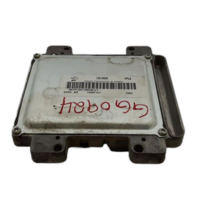
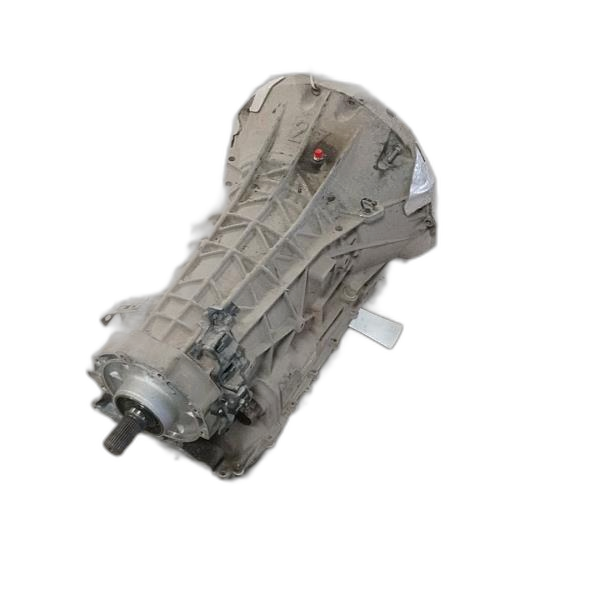
Below are the parts most often responsible for code P1674, ranked by how frequently each one is the actual culprit (per the diagnosis above). Tap any to see what we have for your vehicle.


The information in this article is provided for general reference and educational purposes only. Vehicle specifications, procedures, and part compatibility can vary by production date, trim level, and region. Always consult your vehicle's factory service manual and verify part numbers before purchasing or performing repairs. Safety-critical components such as airbags, seat belts, and braking systems should be installed by a qualified professional.
- 🧭 Diagnostic Flowchart
- 🛍️ Shop This Part
- What Does P1674 Mean?
- Can I Drive With P1674?
- Common Causes
- Symptoms
- Common Fixes & Costs
- Used vs. New Parts: Buying Guide
- What Happens If You Wait — Timeline
- Cost of Not Fixing It
- Diagnosis Steps
- When This Code Triggers (Freeze-Frame Conditions)
- Related Codes
- Climate & Environmental Factors
- How to Talk to a Mechanic About This Code
- Where to Take It: Dealer vs Independent vs Chain
- When to Walk Away From the Repair
- What Scan Tool You Need for This Code
- How to Clear the Code After You Fix It
- Will This Fail Emissions / State Inspection?
- Most Commonly Affected Vehicles
- Manufacturer-Specific Notes
- Real Owner Stories
- 2017 Ford F-150 with 42K miles
- 2013 Ford Focus SE with crank-no-start
- 2020 Ford F-Super Duty with ~26K miles
- How to Prevent This Code From Triggering
- Frequently Asked Questions
- Can a bad battery really cause a 'software corrupted' code?
- Is P1674 expensive to fix?
- My remote start stopped working and I have code P1674. Are these related?
- What does 'CAN Bus Off Error' mean for P1674?
- A mechanic quoted me for a fuel rail pressure sensor for a P1674 code on my Ford. Is that right?
- I replaced my battery and still have the code. What's next?
- Can I just clear the code and keep driving?
- What does it mean to 'reflash' a control module?
- Key Takeaways
- 🎟️ Get 5% Off