

P1682 on 2010-2017 Chevrolet Equinox: Ignition Circuit Fault Causes and Fixes
On a 2010-2017 Equinox, code P1682 is most often caused by a faulty relay or a wiring issue in the underhood fuse box, not the ignition switch itself. Symptoms include a no-start condition or the engine not shutting off. Swapping the ignition relay is a common, inexpensive first step.
- P1682 indicates a serious power supply issue to the engine computer; do not drive the vehicle.
- The most likely cause on a 2010-2017 Equinox is a faulty relay or a wiring problem in the underhood fuse box, not the ignition switch.
- As a first step, try swapping the ignition relay in the underhood fuse box with a known-good one.
- If you also have a P0101 code, do NOT replace the MAF sensor. The problem is almost certainly a wiring issue in the fuse box per TSB 21-NA-032.
- Due to the complexity of electrical diagnostics, professional service is recommended if a simple relay swap doesn't fix the problem.
What's Unique About the 2010-2017 Chevrolet Equinox
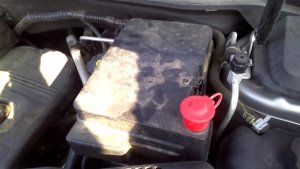
For many GM vehicles of this era, including the Equinox and its platform-mates, the P1682 code is frequently a symptom of a problem in the Underhood Bussed Electrical Center (UBEC), also known as the underhood fuse box. While a faulty ignition switch is a possible cause, Technical Service Bulletins (TSBs) and widespread owner reports point more often to faulty relays, poor terminal tension, or compromised wiring within the fuse box assembly itself. Specifically, TSB 19-NA-276 points to poor terminal tension at terminal 51 of the X3 connector on the underside of the fuse block as a primary cause for this code, often appearing with P0689. Water intrusion from a leaky windshield cowl seal is a primary cause of this corrosion and failure.
Symptoms You May Notice
- Engine will not crank or is intermittent (crank, no-start)
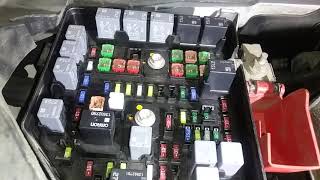
- Engine continues to run after the ignition has been turned off 🎬 Watch: Troubleshooting a GMC Terrain that won't shut off with P1682.
- Check Engine Light is on
- Vehicle enters 'Reduced Power Mode'
- Dead battery due to modules staying powered on
- Traction control and ABS lights may illuminate intermittently
- Intermittent stalling while driving
- Replacing the Mass Airflow (MAF) Sensor. TSB 21-NA-032 explicitly warns that P1682 can set alongside a P0101 (MAF Performance) code due to a shared wiring fault in the underhood fuse block, but the MAF sensor itself is not the cause.
- Replacing the battery. While a weak battery can cause many electrical issues, it is not the root cause of the specific circuit discrepancy that triggers P1682.
- Replacing the ignition switch unnecessarily. Many owners and shops replace the ignition switch first, only to find the problem persists because the actual fault lies in the underhood fuse box wiring.
Most Likely Causes
- Faulty Engine Controls Ignition Relay 🔴 High Probability → Shop Wiring Relay Relays are a common failure point in the UBEC due to heat and constant use. GM has issued TSBs for similar platforms pointing to the KR75 Engine Controls Ignition Relay as a primary cause.
How to confirm: Locate the Engine Controls Ignition Relay (often labeled KR75 or similar) in the underhood fuse box. Swap it with an identical relay from a non-critical circuit (like the horn or fog lamps). If the problem is resolved, the relay is faulty.
Typical fix: Replace the relay with a new one.
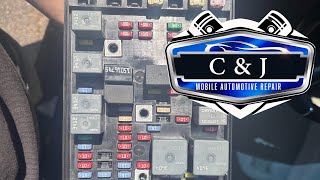
Est. part cost: $10-$30 - Compromised Wiring or Terminals in Underhood Fuse Box (UBEC) 🔴 High Probability → Shop Fuse Box GM TSBs 19-NA-276 and 21-NA-032 specifically identify poor terminal tension and compromised wire crimps within the fuse box connectors as a known cause for P1682 on multiple GM vehicles. TSB 19-NA-276 specifically calls out poor tension on terminal 51 in the X3 connector for causing P1682 and P0689. 🎬 Watch a mobile mechanic repair these specific codes in the fuse box. Over time, vibration, heat, and especially water intrusion cause these connections to loosen or corrode, creating a voltage drop.
How to confirm: This requires disconnecting the battery, removing the fuse box, and inspecting the connectors on the underside. Specifically, check terminal 51 in the X3 connector for signs of corrosion, looseness, or heat damage (browning/melting). A resistance of 6 Ω or greater in the circuit or fuse block can cause the DTC to set.
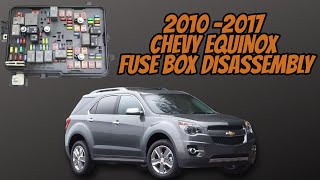
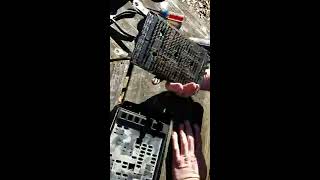
Typical fix: Repairing the specific wire or replacing the affected connector terminal using a GM terminal repair kit. In severe cases where the block is melted or multiple terminals are damaged, the entire fuse box must be replaced. 🎬 See this walkthrough on how to remove and disassemble the fuse box.
Est. part cost: $5-$400 - Faulty Ignition Switch 🟡 Medium Probability → Shop Ignition Switch The ignition switch contains electrical contacts that can wear out over time, leading to an incorrect voltage signal being sent. While a known issue, it is less common than the UBEC problem for this specific code on this platform.
How to confirm: Requires testing the voltage outputs of the ignition switch in different key positions using a multimeter and a wiring diagram. This is a more involved diagnostic step.
Typical fix: Replace the ignition switch.
Est. part cost: $40-$100 - Blown or Poorly Seated Fuse ⚪ Low Probability
How to confirm: Visually inspect all fuses related to the ECM, ignition, and powertrain controls in both the underhood and interior fuse panels. Test suspect fuses with a multimeter for continuity. A poor connection between the fuse and the fuse box terminal can also cause this issue; wiggling the fuse while monitoring scan tool data may reveal the fault.
Typical fix: Replace the blown fuse. If the fuse blows again immediately, it indicates a short circuit that needs to be diagnosed. If the connection is loose, the fuse box terminal may need to be retensioned or the fuse box replaced.
Est. part cost: $1-$5
Rare But Worth Checking
- Faulty Engine Control Module (ECM): → Shop Engine Control Module (ECM) This is rare and should only be considered after all other possibilities (relays, wiring, fuse box, ignition switch) have been exhaustively ruled out. An ECM failure for this specific circuit is uncommon.
- Damaged Wiring Harness: In some cases, the wiring harness leading to the fuse box or ECM can become chafed or damaged, causing a short or open circuit. One owner reported finding a bad ground wire after extensive troubleshooting.
Diagnosis Steps
- Check for other DTCs. If codes like P0685, P0689, or P0690 are present, diagnose them first as they are related to the primary power relay circuits.
- Perform a simple relay swap. Locate the Engine Controls Ignition Relay (KR75) in the underhood fuse box. Swap it with an identical, known-good relay (e.g., the horn relay) and see if the symptoms change or the code can be cleared.
- Inspect fuses. Check all fuses related to the ECM and ignition circuits in the underhood fuse box. Pay special attention to the 'ECM/THROT CONT' 15A fuse, as a poor connection here is a known issue.
- Inspect the Underhood Fuse Box (UBEC). Disconnect the battery. Unclip and lift the fuse box to access the large connectors underneath. Pay close attention to the X3 connector and look for any signs of corrosion, water damage, loose pins, or melted plastic, especially around terminal 51 as per TSB 19-NA-276.
- Advanced Electrical Testing. If the above steps do not resolve the issue, a technician will need to use a scan tool to monitor the 'Ignition 1 Voltage' and 'Engine Controls Ignition Relay Feedback' parameters to see which circuit is dropping voltage.
- Test Circuits. Using a wiring diagram and a multimeter, a technician will test for proper voltage and continuity at the ignition switch, the UBEC connectors (specifically X3, terminal 51), and the ECM connector to pinpoint the location of the voltage discrepancy. A resistance of 6 Ω or more in a circuit is enough to set the code.
- Inspect TSB-related areas. Pay close attention to the specific terminals and connectors mentioned in TSB 19-NA-276 and 21-NA-032.
Parts You'll Likely Need
- Engine Controls Ignition Relay
(OEM #13500114)— This is the most common and cheapest part to fail, causing P1682. It's the first thing to check.
Trusted brands: ACDelco, Bosch, Standard Motor Products
OEM price range: $20-$40
Aftermarket price range: $10-$25 - Underhood Fuse Box (UBEC)
(OEM #Varies (e.g., 20812411, 84692223). Must match original part number.)— Internal corrosion or terminal failure within the fuse box is a well-documented cause of this code. Often the entire unit must be replaced if individual terminal repair is not possible. Part numbers are highly specific to the vehicle's options and build date.
Trusted brands: ACDelco, Dorman
OEM price range: $300-$500
Aftermarket price range: $200-$350 - Ignition Switch
(OEM #22887691)— While less common than UBEC issues for this code on GM vehicles, a worn-out ignition switch can still be the culprit.
Trusted brands: ACDelco, Standard Motor Products
OEM price range: $60-$90
Aftermarket price range: $40-$70
Related Codes That Often Appear With This One
- P0689 — This code relates to the ECM/PCM Power Relay Control Circuit and often appears with P1682 due to shared wiring and components in the underhood fuse box. TSB 19-NA-276 links these two codes directly to the same fault at terminal 51 of the X3 connector.
- P0101 — This code for the Mass Airflow (MAF) sensor can appear with P1682 due to a shared, but faulty, wiring connection in the underhood fuse box, as described in TSB 21-NA-032.
- P0685 — Relates to the ECM/PCM Power Relay Control Circuit 'Open'. Diagnostic procedures often recommend addressing this code first as it is part of the same power supply system.
- U0100 — This code indicates a loss of communication with the ECM. A severe voltage drop or power loss from the UBEC fault can cause the ECM to shut down, triggering this communication code.
Technical Service Bulletins (TSBs) & Recalls
- 19-NA-276: Addresses engine stall/reduced power with P1682/P0689 due to poor terminal tension on terminal 51 in the X3 connector of the underhood fuse block.
- 21-NA-032: Warns against replacing the MAF sensor when P0101 is present with P1682, pointing to a compromised wire crimp in the underhood fuse block connector (specifically X3-H6 on some truck platforms).
- Recall 11273: Though primarily focused on other components, an owner report in NHTSA ODI #10704835 notes this recall condition refers to the throttle and can be associated with P1682 and reduced power messages.
Platform-Specific Known Issues
- Owner Experience: Intermittent No-Start Resolved by Fuse Box Replacement: An owner of a 2013 Chevy Traverse (a platform mate) experienced intermittent P1682, stalling, and various warning lights for over a year. After replacing relays didn't solve the issue, they replaced the entire underhood fuse block. The problem was resolved for four years before recurring, indicating the replacement part may have the same design flaw. The root cause is believed to be poor 'stabbing connections' inside the fuse block that become loose over time.
- Owner Experience: Crank No-Start Traced to Wiring: A 2011 Equinox owner dealt with a recurring P1682 and crank/no-start condition. After replacing relays and inspecting the fuse block with no success, they found a bad PCM ground wire. Repairing the wire fixed the issue temporarily, but it returned when other work was performed, suggesting a persistent wiring problem that is sensitive to movement.
- Persistent Circuit Discrepancy: NHTSA ODI #11712762 describes a case where the fuse box was inspected and retightened, and the ignition switch replaced, yet P1682 returned after several months.
Mechanic-Grade Diagnostic Values
- Voltage difference between 'Ignition 1 Voltage' and 'Engine Controls Ignition Relay Feedback' scan tool parameters — expected: Less than 3 Volts. Failure: A difference greater than 3 V for even a second will set the code.
- Resistance in ignition voltage circuit or underhood fuse block — expected: Less than 6 Ω. Failure: A resistance of 6 Ω or greater will cause the DTC to set.
- Voltage at affected relay control circuit (terminal 85) — expected: Less than 1 V with ignition ON. Failure: Voltage greater than 1 V indicates a short to voltage or an open/high resistance in the control circuit.
Scan Tool Commands That Help
- GDS2 / Tech2: Observe 'Ignition 1 Voltage' and 'Engine Controls Ignition Relay Feedback' parameters — This is the primary diagnostic step to determine which of the two ignition circuits is experiencing a voltage drop, which guides the rest of the diagnosis.
Wiring & Ground Locations
- X3 Connector — One of the large multi-pin connectors on the underside of the Underhood Fuse Box (UBEC).. TSB 19-NA-276 specifically identifies poor terminal tension at pin 51 of this connector as a primary cause for P1682, often accompanied by P0689.
- G103 — On the cowl in the left rear of the engine compartment, often above the brake booster.. This is a major ground point for the Body Control Module (BCM), Instrument Panel Cluster (IPC), and Data Link Connector (DLC). A poor connection here can cause widespread communication and module power issues.
- G105 / G101 — Located at the left front of the engine compartment, sometimes behind cooling fan relays or on the lower engine block.. This ground serves the Engine Control Module (ECM) and Transmission Control Module (TCM). A bad ground here can directly impact ECM operation and cause various engine performance codes.
- ECM/THROT CONT Fuse — A 15A mini fuse in the underhood fuse box, often in position F5.. A loose connection at this specific fuse is a known cause for P1682. Wiggling this fuse while observing symptoms or scan data can quickly identify the fault.
Real Owner Repair Stories
- ALLDATA Tech-Assist Case Study (2016 GMC Savana 2500 (similar GM electrical architecture)) — Crank, no-start condition with MIL on. Codes P0689 and P1682 were present.
❌ Tried (didn't work) Initial diagnosis was inconclusive before checking power feeds directly.
✅ What actually fixed it Technician found weak voltage (<12V) on the PCM power feeds. A visual inspection of the underhood fuse box revealed corrosion on two fuse connectors. Cleaning the fuse box terminals and fuse connectors resolved the voltage drop and the vehicle started normally. - YouTube video by 'Car Faults' (GM Vehicle (Chevrolet Malibu)) — Intermittent stalling, reduced power mode, and code P1682.
❌ Tried (didn't work) Clearing the code would only work temporarily.
✅ What actually fixed it The problem was a poor connection at the 15A 'ECM/THROT CONT' fuse in the underhood fuse box. The fuse itself was not blown, but wiggling it would cause the symptoms to appear and disappear. The final fix required addressing the poor terminal fitment in the fuse box itself. - NHTSA ODI #11102191 — An owner reported that after finding code P1682, the Engine Control Module was replaced, but the failure recurred, highlighting that the ECM is often not the root cause.
- NHTSA ODI #11442437 — A driver reported the vehicle stalling multiple times in one day with codes P1682 and C042-00; despite replacing the ignition relay three times, the issue persisted.
OEM Part Supersession History
12193606, 15328866, 19115083, and others→13500114— Standardization and potential design improvements for the multi-purpose relay used across many GM vehicles.
Heads up: Part number 13500114 has superseded over a dozen older relay part numbers and is the correct service replacement for the ignition relay in this application.
Diagnostic Flowchart
Used vs. New Parts: Buying Guide for This Vehicle
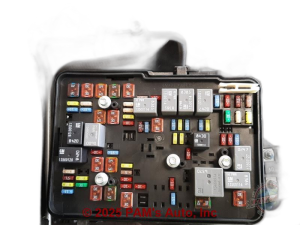
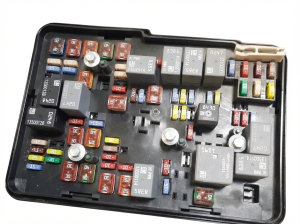
When a used part is the smart pick: A used Underhood Fuse Box (UBEC) is a very smart choice for this repair. The UBEC does not require programming, making it a direct swap. Given the high cost of a new OEM unit, a used part from a reputable salvage yard can save hundreds of dollars.
Donor-vehicle mileage cap: roughly under 120000 miles for the part to have meaningful remaining life.
What to inspect on the donor part:
- MUST be an exact part number match. There are many variations based on engine, emissions, and options.
- Thoroughly inspect all connectors on the bottom of the fuse box for any signs of greenish-white corrosion, melted plastic, or bent pins.
- Check the vehicle history of the donor car, if possible, to avoid vehicles from flood-prone areas.
- Look for a donor vehicle that does not show signs of long-term water leaks around the windshield cowl or A-pillars.
OEM-only on this vehicle (don't cheap out):
- While aftermarket fuse boxes exist (e.g., Dorman), OEM units (new or used) are generally preferred for better long-term reliability and guaranteed fitment. Some GM forums have mixed reviews on aftermarket electrical components like fuse blocks.
Aftermarket brands forum-validated for this vehicle:
- For relays: ACDelco (OEM), Standard Motor Products (SMP), Bosch.
Brands owners have reported issues with on this vehicle:
- Be cautious with unbranded, generic fuse assortments from online marketplaces, as their quality control and trip characteristics can be inconsistent and may not provide adequate circuit protection.
Real Owner Stories
Aggregated from forums and TSBs cited above. Mileages and costs reflect what owners reported in those sources.
2013 Chevy Traverse
Symptoms: Intermittent P1682, stalling, and various warning lights for over a year. Replacing relays did not solve the issue.
What fixed it: The problem was resolved by replacing the entire underhood fuse block.
Source hint: Owner Experience: Intermittent No-Start Resolved by Fuse Box Replacement
2011 Equinox
Symptoms: A recurring P1682 code and a crank/no-start condition.
What fixed it: The owner found and repaired a bad PCM ground wire. The issue was noted to be sensitive to movement, suggesting a persistent wiring problem.
Source hint: Owner Experience: Crank No-Start Traced to Wiring
2013-2014 Chevy Traverse
Symptoms: P1682 code accompanied by ABS and Traction Control lights illuminating, as well as stalling.
What fixed it: The owner replaced the entire fuse block, which solved the problem for four years.
Source hint: YouTube video titled 'Fixing P1682, traction control and ABS going off, 2013- 2014 Chevy Traverse, fuse box replace'
GM Truck (platform unspecified)
Symptoms: Vehicle was setting a P1682 trouble code.
What fixed it: The owner replaced the ignition switch, which initially worked, but another user reported the code returning, indicating the switch is not always the root cause.
Source hint: GM-Trucks.com forum thread titled 'How-To: Ignition Switch Replacement/P1682 Repair.'
GM Vehicle (Malibu)
Symptoms: Service ECU, traction control errors, and engine light with severe safety threats in reduced power mode.
What fixed it: NHTSA ODI #11218417 reports that a dealer's attempt to fix the P1682 code by replacing the knock sensor and wiring harness did not resolve the issue.
Source hint: NHTSA ODI #11218417
Related OBD-II Codes
Frequently Asked Questions
My 2016 Equinox has a P1682 code and won't start. Is there a TSB for this issue?
What is the first thing I should check on my Equinox for a P1682 code?
My mechanic says the whole underhood fuse box (UBEC) needs to be replaced. Is this a common fix for P1682?
The TSB for my Equinox mentions terminal 51 in the X3 connector. Where is that located?
Besides a Check Engine Light, what other warning lights can P1682 cause on a Chevy Equinox?
Can a simple blown fuse cause my Equinox to show a P1682 code and not start?
Helpful Videos

Used OEM Parts in Stock
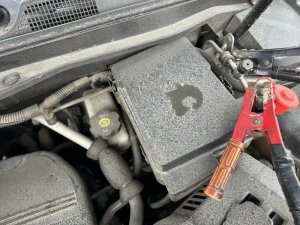
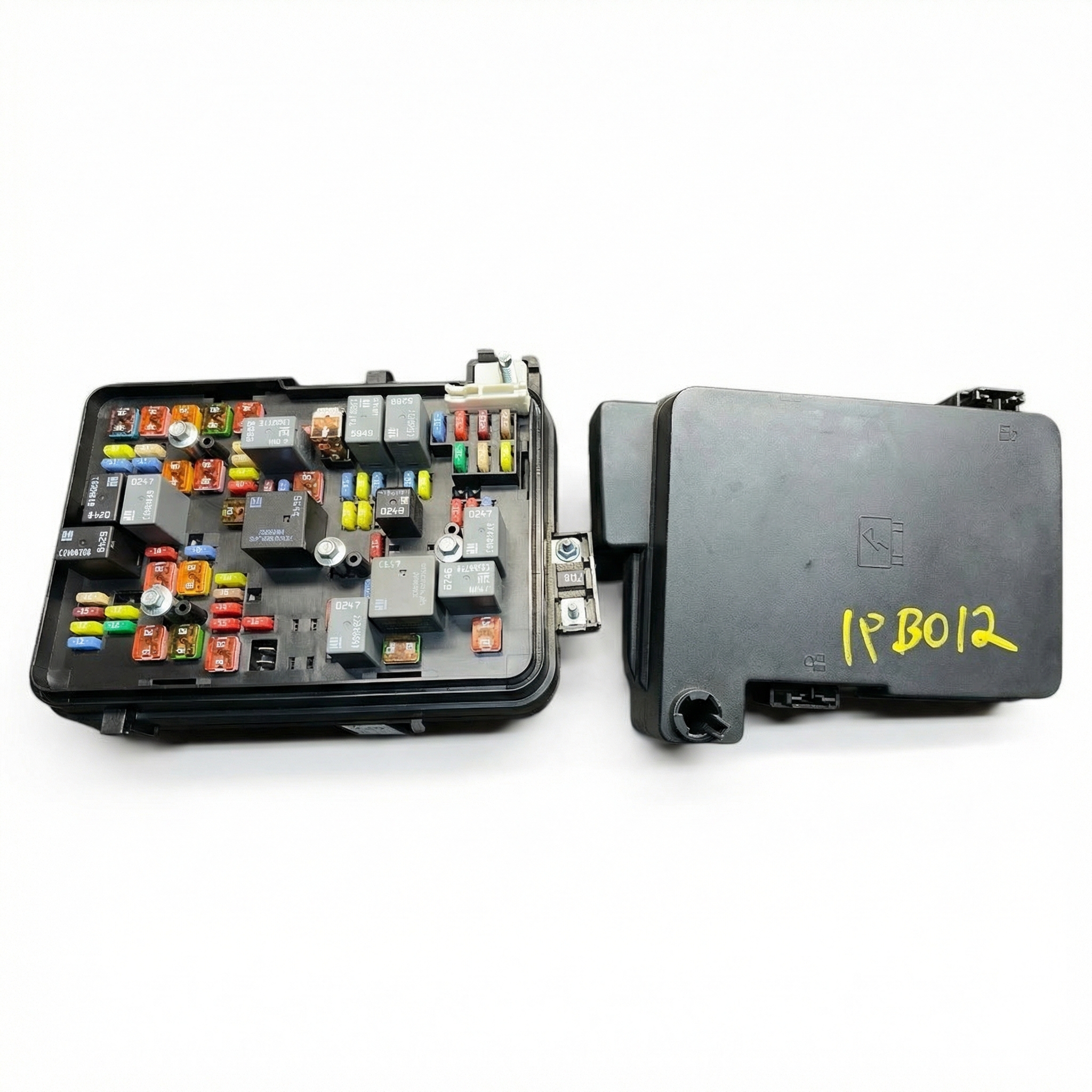
New Aftermarket Parts Available

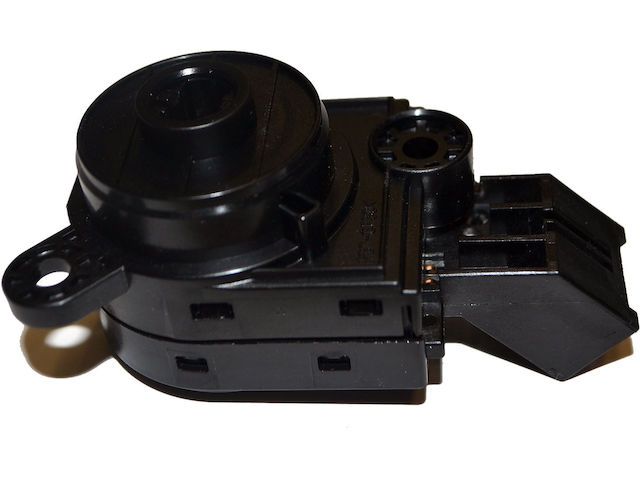

The information in this article is provided for general reference and educational purposes only. Vehicle specifications, procedures, and part compatibility can vary by production date, trim level, and region. Always consult your vehicle's factory service manual and verify part numbers before purchasing or performing repairs. Safety-critical components such as airbags, seat belts, and braking systems should be installed by a qualified professional.
- Chevrolet Equinox:
- 🧭 Diagnostic Flowchart
- 🎬 Helpful Videos
- 🛍️ Shop This Part
- What's Unique About the 2010-2017 Chevrolet Equinox
- Symptoms You May Notice
- Most Likely Causes
- Rare But Worth Checking
- Diagnosis Steps
- Parts You'll Likely Need
- Related Codes That Often Appear With This One
- Technical Service Bulletins (TSBs) & Recalls
- Platform-Specific Known Issues
- Mechanic-Grade Diagnostic Values
- Scan Tool Commands That Help
- Wiring & Ground Locations
- Real Owner Repair Stories
- OEM Part Supersession History
- Used vs. New Parts: Buying Guide for This Vehicle
- Real Owner Stories
- 2013 Chevy Traverse
- 2011 Equinox
- 2013-2014 Chevy Traverse
- GM Truck (platform unspecified)
- GM Vehicle (Malibu)
- Related OBD-II Codes
- Frequently Asked Questions
- 🎟️ Get 5% Off