

P1720 on 2017-2020 Genesis G80: Why This Is Likely a 'Ghost Code'
P1720 is not a recognized trouble code for Genesis or Hyundai. If your scanner displays this code, it is almost certainly misinterpreting the real fault. The actual issue is likely an internal transmission problem, often related to speed sensors, which would set codes like P0717 or P0722. This requires re-scanning with a professional tool to get the true code before proceeding.
- Do not trust a P1720 code on a Genesis G80. It is almost certainly an error from a generic scanner.
- The first and most important step is to have the vehicle re-scanned with a professional, manufacturer-compatible tool to find the true P07xx series code.
- The most likely underlying cause is a failed internal transmission wire harness that contains the input and output speed sensors.
- Repair requires dropping the transmission pan and valve body, making it a complex job best left to a professional.
- Using the correct OEM-specification transmission fluid (SPH-IV-RR) is critical during the repair.
What's Unique About the 2017-2020 Genesis G80
The 2017-2020 Genesis G80 uses an 8-speed A8LR1 (3.8L) or A8TR1 (5.0L) automatic transmission. Critical sensors, like the input speed, output speed, and temperature sensors, are integrated into a single internal wire harness assembly inside the transmission oil pan. When these internal components fail due to heat and fluid exposure, they trigger specific P07xx codes. In many documented cases for Hyundai/Genesis vehicles, generic scan tools fail to interpret these codes correctly and display P1720 instead. Therefore, the appearance of P1720 on a G80 should immediately shift the diagnostic focus away from the code itself and towards getting a more accurate reading with a professional, manufacturer-specific scan tool like a GDS (Global Diagnostic System).
Symptoms You May Notice
- Check Engine Light is on
- Harsh or erratic shifting
- Transmission gets stuck in one gear (limp mode, often 3rd gear)
- Hesitation or delayed engagement when shifting into Drive or Reverse
- ABS and/or Traction Control lights may illuminate
- Inaccurate or non-functional speedometer
- Replacing external wheel speed sensors (ABS sensors). While a bad wheel speed sensor can cause shifting issues, it will typically set a C-code (chassis code) and is not the likely cause if the scanner shows a P1720.
- Attempting to diagnose a 'Vehicle Speed Signal Error' based on another manufacturer's definition.
- Replacing the entire transmission valve body when only the attached wiring harness has failed.
Most Likely Causes
- Generic Scan Tool Error 🔴 High Probability The vehicle's control modules use manufacturer-specific codes that basic scanners cannot always interpret, leading to the display of an incorrect or non-existent 'ghost code'.
How to confirm: Re-scan the vehicle with a professional-grade diagnostic tool (like a Hyundai/Genesis GDS) that can read manufacturer-specific transmission codes.
Typical fix: Obtain the correct diagnostic trouble code (e.g., P0717, P0721, P0722) to begin proper diagnosis.
Est. part cost: $0 - Failed Internal Transmission Wire Harness / Speed Sensor Assembly 🟡 Medium Probability → Shop Transmission Assembly The input speed, output speed, and temperature sensors are integrated into a single harness inside the transmission, which can degrade over time from heat and chemical exposure. This is a known issue on the A8LR1/A8TR1 transmissions.
How to confirm: After confirming the actual P07xx code (like P0717 or P0722), a technician can monitor live data from the transmission sensors. A loss of signal or erratic readings from the input or output speed sensors while driving confirms the failure.
Typical fix: Replace the internal transmission wire harness assembly. This requires draining the transmission fluid and removing the oil pan and valve body.
Est. part cost: $100-$200 - Damaged Wiring or Connectors to the Transmission Control Module (TCM) ⚪ Low Probability → Shop Transmission Assembly
How to confirm: Visually inspect the external wiring harness leading to the transmission for any signs of damage, corrosion, or loose connections. Perform a continuity and resistance test on the relevant circuits.
Typical fix: Repair the damaged section of the wiring harness or clean/replace the faulty connector.
Est. part cost: $10-$50
Rare But Worth Checking
- Faulty Transmission Control Module (TCM): → Shop Transmission Assembly This is uncommon. Hyundai/Genesis TSBs for related P07xx codes explicitly state to replace the TCM only after the internal harness and external wiring have been ruled out.
- Dirty or Low Transmission Fluid: → Shop Transmission Assembly Contaminated or low fluid can cause a variety of shifting problems and may contribute to sensor failures, though it's less likely to be the direct cause of a 'no signal' code.
Diagnosis Steps
- STOP. Do not attempt to diagnose P1720. Treat this code as an error.
- Have the vehicle scanned with a professional, Hyundai/Genesis-compatible scan tool to retrieve the correct and specific trouble codes from the Transmission Control Module (TCM).
- Once the actual P07xx code is identified, begin diagnosis based on that code's definition.
- For codes pointing to speed sensor circuits (e.g., P0717, P0722), use the scan tool to monitor the live data streams for the Input Speed Sensor (ISS) and Output Speed Sensor (OSS) while driving. Look for signal dropouts or erratic readings.
- If a sensor signal is faulty, inspect the external transmission wiring harness and connectors for any visible damage or corrosion, as outlined in Hyundai/Genesis TSBs like 19-AT-001HG.
- If external wiring is intact, the next step is to inspect and likely replace the internal transmission wire harness, which contains the sensors. This involves draining the fluid, removing the transmission pan, and then removing the valve body to access the harness.
- After replacing the harness, refill the transmission with the correct specification fluid (SPH-IV-RR) to the proper level. The fluid level must be checked within a specific temperature range (typically 50-60°C or 122-140°F).
- Clear all codes, clear the transmission adaptive values using the scan tool, and perform a test drive to allow the TCM to relearn shift points.
Parts You'll Likely Need
- Automatic Transmission Wire Harness
(OEM #46307-4G100 (Verify with VIN))— This is the most probable cause for the underlying speed sensor codes that are likely being misinterpreted as P1720. It contains the input and output speed sensors.
Trusted brands: Hyundai / Kia (OEM)
OEM price range: $100-$200
Aftermarket price range: $70-$150 - Automatic Transmission Fluid (ATF)
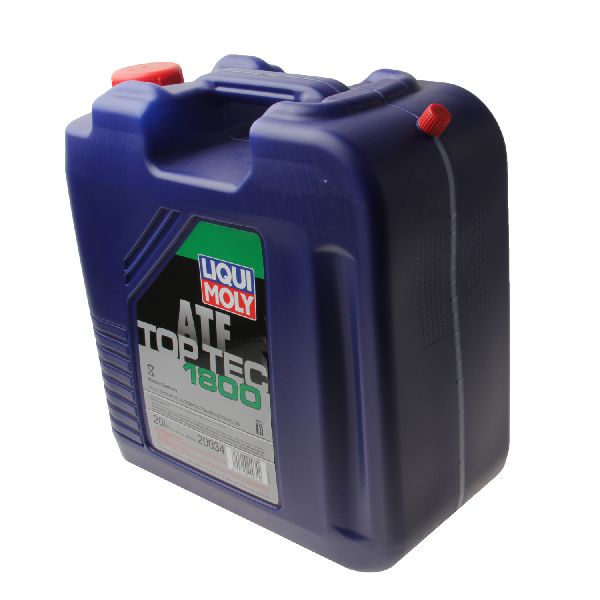
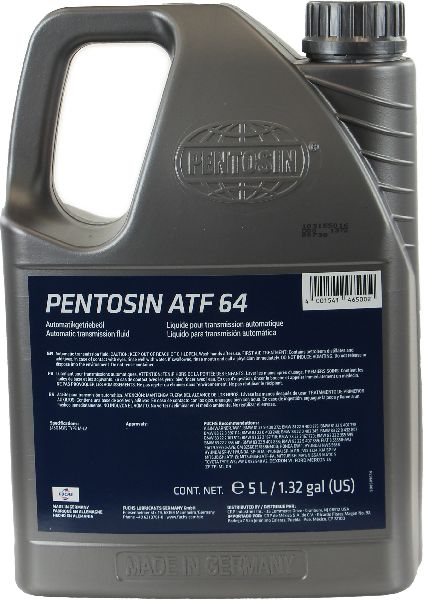
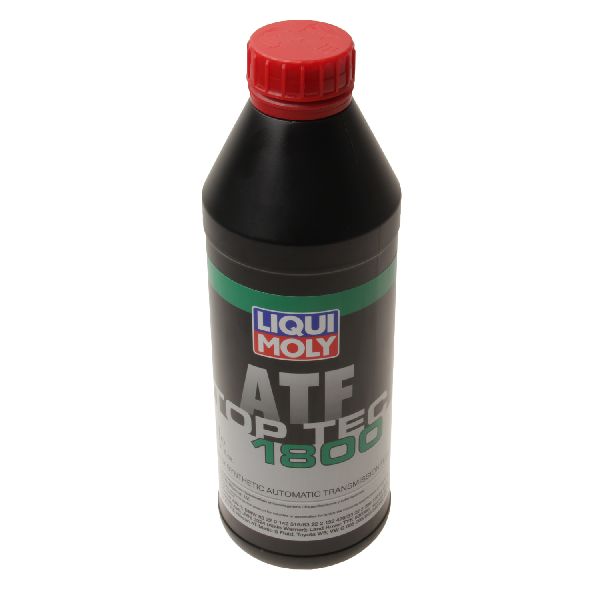
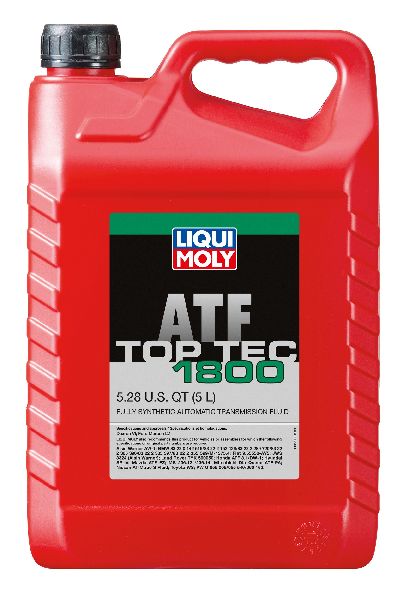
(OEM #00232-19052)— Required to refill the transmission after dropping the pan to replace the internal harness. Using the correct OEM-spec fluid (SPH-IV-RR) is critical for the A8LR1/A8TR1 transmissions.
Trusted brands: Hyundai / Kia (OEM SP-IV-RR)
OEM price range: $20-$30 per quart
Aftermarket price range: $15-$25 per quart - Transmission Oil Pan Gasket — Should be replaced whenever the transmission pan is removed to prevent leaks.
Trusted brands: Hyundai / Kia (OEM)
OEM price range: $25-$40
Aftermarket price range: $15-$30
Related Codes That Often Appear With This One
- P0717 — Input/Turbine Speed Sensor 'A' Circuit No Signal. This is a likely 'real' code that a generic scanner might misinterpret as P1720.
- P0721 — Output Speed Sensor Circuit Range/Performance. Another likely 'real' code related to the transmission's output speed.
- P0722 — Output Speed Sensor Circuit No Signal. This is a common Hyundai/Genesis code 🎬 Watch a Hyundai output speed sensor replacement guide pointing to the internal harness/sensor assembly.
- P0711 — Transmission Fluid Temperature Sensor 'A' Circuit Range/Performance. This sensor is often part of the same internal harness as the speed sensors.
Technical Service Bulletins (TSBs) & Recalls
- 16-AT-012: Superseded TSB that references replacing the 'E-Module' (internal harness) for codes P0717, P0721, P0722 on the 2017 G80.
- 19-AT-001HG: Provides detailed diagnostic procedures for various transmission sensor codes, including P0711, P0717, and P0722, involving inspection of external wiring before condemning the internal harness.
- 24-AT-003G: A more recent TSB with updated procedures for diagnosing transmission sensor circuit faults, confirming the common failure points.
Mechanic-Grade Diagnostic Values
- Transmission Fluid Temperature for Level Check — expected: 122°F - 140°F (50°C - 60°C). Failure: Checking the fluid level outside this temperature range will result in an incorrect reading (either too high or too low).
- Valve Body to Transmission Case Bolt Torque — expected: 7 - 9 lb-ft (10 - 12 N.m). Failure: Over-torquing can warp the valve body, causing cross-leaks and erratic shifting. Under-torquing can cause fluid pressure loss.
- Transmission Oil Pan Bolt Torque — expected: 7 - 9 lb-ft (10 - 12 N.m). Failure: Uneven or incorrect torque can lead to fluid leaks from the pan gasket.
- Live Data: Input/Output Speed Sensor Reading — expected: A continuous and changing signal that corresponds to vehicle speed and gear.. Failure: The GDS scan tool shows the data stream dropping to zero, freezing, or showing erratic values while the vehicle is in motion.
Scan Tool Commands That Help
- Hyundai/Genesis GDS: Data Analysis (A/T Menu) — This is the primary diagnostic step after retrieving the true P07xx code. It is used to monitor live data from the Input Speed Sensor, Output Speed Sensor, and Oil Temperature Sensor to confirm a signal loss or erratic reading.
- Hyundai/Genesis GDS: Reset Transmission Adaptive Values — After replacing the internal harness and refilling the fluid, this function must be used to clear the TCM's learned shift patterns. Failing to do so can result in continued harsh or incorrect shifting as the TCM operates on old data.
- Hyundai/Genesis GDS: Garage Shift Learn Procedure — A specific relearn procedure may be required after resetting adaptations. This typically involves holding the brake and shifting between N, D, and R for several seconds each while monitoring fluid temperature to initialize the new learning process.
Wiring & Ground Locations
- Main Transmission Harness Connector — On the exterior of the transmission case, typically on the passenger side. It is a large, rectangular connector with a specific latch mechanism that must be released before pulling the connector upward to disconnect.. This is the primary connection point for all internal electronics, including the speed and temperature sensors. A poor connection, corrosion, or damaged pins here will cause a loss of signal and trigger the underlying P07xx codes.
- Transmission Ground Cable (P/N 91880-B1510) — A dedicated ground strap that typically connects the transmission bell housing or case directly to the vehicle's chassis/frame rail.. A loose, corroded, or broken ground strap can introduce electrical noise and unstable reference voltage for the sensors inside the transmission, potentially causing erratic signals and fault codes.
OEM Part Supersession History
Varies by early model year (e.g., 46305-4F100)→46307-4G100 (for many later models)— Revisions to improve durability against heat and fluid degradation.
Heads up: The internal harness ('E-Module') is specific to the transmission model (A8LR1 vs. A8TR1) and year range. Always verify the correct part number with the vehicle's VIN before ordering. Using the wrong harness can result in incorrect sensor readings or connectors that do not fit.
Model Year Variations Within This Range
- 2017: The 2017 Genesis G80 was specifically added to TSBs (like 17-AT-002, which superseded 16-AT-012) that address these internal transmission sensor failures, confirming that early models in this range are explicitly covered by the common diagnosis and repair procedure. No major part differences related to this fault have been noted within the 2017-2020 range.
Diagnostic Flowchart
Other Known Issues on This Vehicle
Issues unrelated to this code that are worth knowing about as an owner of this generation:
- GDI Intake Valve Carbon Buildup 🟠 Medium — Common on both 3.8L and 5.0L GDI engines, typically becoming noticeable after 60,000-80,000 miles. Can cause misfires, rough idle, and performance loss. (Ref: Hyundai TSB 23-FL-003H recommends periodic use of Techron-based fuel system cleaner to help mitigate deposits.)
- ABS Module Electrical Short (Fire Risk) 🔴 High → Shop ABS Control Module — Subject of a major safety recall. An electrical short can develop in the ABS module, potentially causing an engine compartment fire even when the vehicle is parked. (Ref: NHTSA Campaign 21V160000)
- Starter Solenoid Water Intrusion (Fire Risk) 🔴 High — A recall was issued because water can enter the starter solenoid, causing an electrical short and potential fire. (Ref: NHTSA Campaign 24V107000)
- Panoramic Sunroof Creaking/Rattling 🟡 Low — A common complaint among owners is noise developing from the panoramic sunroof assembly over time.
- Excessive Oil Consumption (5.0L V8) 🟠 Medium — Some owners of the 5.0L Tau V8 have reported issues with higher-than-normal oil consumption, potentially due to blowby.
Used vs. New Parts: Buying Guide for This Vehicle
When a used part is the smart pick: It is strongly discouraged to use a salvaged internal transmission wire harness. The primary failure mode is material degradation due to prolonged exposure to heat and transmission fluid. A used part comes with an unknown history and is likely well into its service life, risking a repeat failure in the near future.
Donor-vehicle mileage cap: roughly under 40000 miles for the part to have meaningful remaining life.
What to inspect on the donor part:
- Verify the part number exactly matches the required OEM number for the vehicle's VIN.
- Inspect the plastic for any signs of brittleness, cracking, or discoloration.
- Ensure all connector pins are straight and free of corrosion.
- Ask for the donor vehicle's mileage, if possible, and avoid high-mileage units.
OEM-only on this vehicle (don't cheap out):
- Internal Transmission Wire Harness ('E-Module'): Aftermarket versions may use lower-quality materials that are less resistant to heat and chemical breakdown, leading to premature failure.
- Automatic Transmission Fluid (ATF): The A8LR1/A8TR1 transmissions are extremely sensitive to fluid type. Only use OEM Hyundai/Genesis SPH-IV-RR fluid to avoid shifting problems and potential damage.
Aftermarket brands forum-validated for this vehicle:
- Ravenol: Some sources indicate Ravenol offers a compatible SPH-IV-RR specification fluid that is a viable alternative to OEM.
Brands owners have reported issues with on this vehicle:
- Universal or 'multi-vehicle' ATFs: These fluids lack the specific friction modifiers and additives required by the Genesis 8-speed transmission and can lead to severe drivability issues.
Real Owner Stories
Aggregated from forums and TSBs cited above. Mileages and costs reflect what owners reported in those sources.
2017 Genesis G80
Symptoms: Transmission codes P0717, P0721, and P0722 were present, requiring the replacement of the internal harness.
What fixed it: Replacement of the 'E-Module' (internal transmission wire harness).
Source hint: TSB 16-AT-012
2018-2020 Genesis G80
Symptoms: Sunroof creaks and trim oxidation.
What fixed it: Not specified; discussed as common reliability context for the platform.
Source hint: Reddit - r/GenesisMotors - Thread titled 'What are the most common issues on a G70, G80, or G90...'
2017-2020 Genesis G80 3.8L/5.0L — ~70000 miles
Symptoms: Misfires, rough idle, and performance loss.
What fixed it: Periodic use of Techron-based fuel system cleaner as per TSB 23-FL-003H to mitigate GDI intake valve carbon buildup.
Source hint: Hyundai TSB 23-FL-003H
Related OBD-II Codes
Frequently Asked Questions
My 2017 Genesis G80 is showing code P1720, but my mechanic says it's a 'ghost code'. Is this common?
Which TSBs cover the transmission speed sensor issues on the 2017-2020 G80?
Can I use any transmission fluid when I replace the internal harness?
Is there a recall for the 5.0L G80 regarding engine fires?
What is the 'E-Module' mentioned in TSB 16-AT-012?
My G80 3.8L is hesitating and stuck in 3rd gear. Is this related to the speed sensors?
Helpful Videos

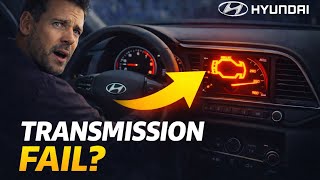
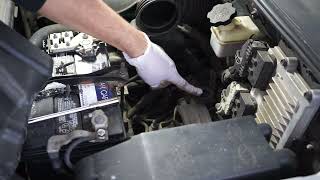
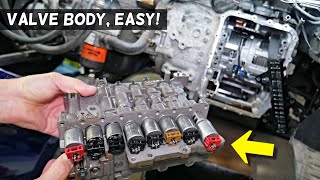
We Have This Part in Stock

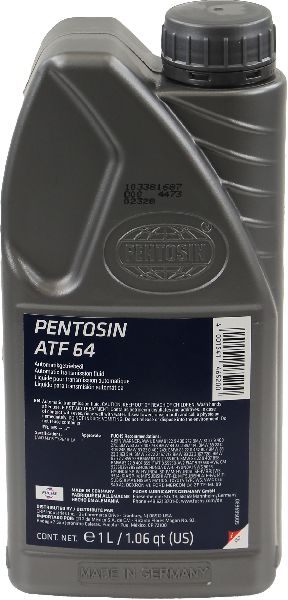

The information in this article is provided for general reference and educational purposes only. Vehicle specifications, procedures, and part compatibility can vary by production date, trim level, and region. Always consult your vehicle's factory service manual and verify part numbers before purchasing or performing repairs. Safety-critical components such as airbags, seat belts, and braking systems should be installed by a qualified professional.
- Genesis G80:
- 🧭 Diagnostic Flowchart
- 🎬 Helpful Videos
- 🛍️ Shop This Part
- What's Unique About the 2017-2020 Genesis G80
- Symptoms You May Notice
- Most Likely Causes
- Rare But Worth Checking
- Diagnosis Steps
- Parts You'll Likely Need
- Related Codes That Often Appear With This One
- Technical Service Bulletins (TSBs) & Recalls
- Mechanic-Grade Diagnostic Values
- Scan Tool Commands That Help
- Wiring & Ground Locations
- OEM Part Supersession History
- Model Year Variations Within This Range
- Other Known Issues on This Vehicle
- Used vs. New Parts: Buying Guide for This Vehicle
- Real Owner Stories
- 2017 Genesis G80
- 2018-2020 Genesis G80
- 2017-2020 Genesis G80 3.8L/5.0L — ~70000 miles
- Related OBD-II Codes
- Frequently Asked Questions
- 🎟️ Get 5% Off