

P1720 on 2017-2022 Genesis G90: Understanding This Unconfirmed Code
The code P1720 is not a confirmed or standard trouble code for Genesis vehicles. If you see this code, it is almost certainly a misinterpretation by a generic OBD-II scanner. The actual issue is likely related to the transmission's internal sensors or wiring harness, which would set other, valid codes like P0717 or P0721.
- Do not trust a P1720 code on a Genesis G90 from a generic scanner; it is almost certainly incorrect.
- The real problem is likely a different, valid transmission code (P0717, P0721, or P0722) that needs to be read by a professional-grade tool.
- The most probable underlying issue is a faulty internal transmission wiring harness that contains the speed sensors, a known issue documented in Hyundai/Genesis TSBs.
- Do not replace ABS wheel speed sensors, as this is a common but incorrect diagnosis based on other car brands.
- This repair is not DIY-friendly and requires dropping the transmission pan.
What's Unique About the 2017-2022 Genesis G90
Genesis, as Hyundai's luxury brand, shares much of its diagnostic logic with Hyundai vehicles. The G90 uses a Hyundai-built 8-speed automatic transmission (A8TR1 for the 3.3T, A8LR1 for the 5.0L). Research into Hyundai platforms and official Technical Service Bulletins (TSBs) confirms that P1720 is not a valid code. Instead, it often masks other, more specific transmission speed sensor or wiring harness codes. Therefore, the focus should not be on fixing a 'P1720' but on using a more advanced, manufacturer-compatible scan tool to retrieve the true diagnostic trouble codes.
Symptoms You May Notice
- Check Engine Light is on
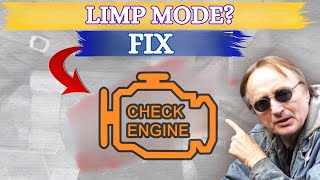
- Transmission may be stuck in one gear (limp mode) 🎬 Watch: What is limp mode and how to fix it
- Harsh, erratic, or delayed shifting
- Flashing gear position indicator on the dashboard
- Inaccurate or non-functional speedometer
- Vehicle hesitates or revs high before shifting 🎬 See: Common causes and symptoms of transmission limp mode
- Replacing an external vehicle speed sensor (VSS), which is incorrect for this transmission design.
- Replacing one of the ABS wheel speed sensors, which is the common fix for a P1720 on Nissan vehicles, not Genesis.
- Replacing the entire transmission valve body when only the attached wiring harness is faulty.
Most Likely Causes
- Generic OBD-II Scanner Error 🔴 High Probability Manufacturer-specific codes (P1xxx) are often misinterpreted by basic, universal code readers.
How to confirm: Re-scan the vehicle with a professional-grade diagnostic tool that has specific software for Hyundai/Genesis vehicles (such as a GDS). The tool will likely show different codes, such as P0717, P0721, or P0722, as outlined in Hyundai TSB 16-AT-013.
Typical fix: No parts are replaced. The fix is obtaining an accurate diagnosis by using the correct equipment.
Est. part cost: $0 - Failed Internal Transmission Wiring Harness / Speed Sensor Assembly 🟡 Medium Probability → Shop Transmission Assembly On related Hyundai/Kia platforms using the same 8-speed transmissions, the internal harness which contains the input and output speed sensors can fail due to heat and fluid exposure over time. This is a known issue addressed by multiple Hyundai TSBs.
How to confirm: A professional scan tool will show codes like P0717 (Input/Turbine Speed Sensor 'A' Circuit No Signal) or P0721/P0722 (Output Speed Sensor Circuit Range/Performance/No Signal). The technician can then test the sensor circuits from the transmission connector.
Typical fix: The transmission fluid pan is removed to access and replace the internal wiring harness assembly (sometimes called an E-Module). The transmission fluid and filter are typically replaced at the same time.
Est. part cost: $100-$200
Rare But Worth Checking
- Damaged External Transmission Connector or Wiring: → Shop Transmission Assembly
- Failed Powertrain Control Module (PCM) or Transmission Control Module (TCM): → Shop Engine Control Module (ECM)
Diagnosis Steps
- STOP. Do not proceed with any repairs based on the P1720 code alone.
- Take the vehicle to a qualified transmission shop or a Genesis/Hyundai dealership.
- Have the vehicle scanned with a manufacturer-specific diagnostic tool (GDS) to retrieve the correct trouble codes from the Transmission Control Module (TCM).
- If codes like P0717, P0721, or P0722 are present, follow the diagnostic procedure outlined in Hyundai TSB 16-AT-013.
- This typically involves checking the wiring and connectors at the transmission for damage or corrosion.
- Using the scan tool, monitor the live data for Input and Output speed sensor RPMs while driving. A lack of signal or erratic readings points to a sensor or wiring issue.
- If the external wiring is intact, the next step is to drop the transmission oil pan, inspect the fluid, and replace the internal transmission wiring harness which contains the sensors.
Parts You'll Likely Need
- Automatic Transmission Wire Harness
(OEM #46307-4G100 (Verify with VIN))— This part often contains the input and output speed sensors that fail, triggering the true underlying codes that are misinterpreted as P1720.
Trusted brands: Hyundai/Genesis OE
OEM price range: $100-$200
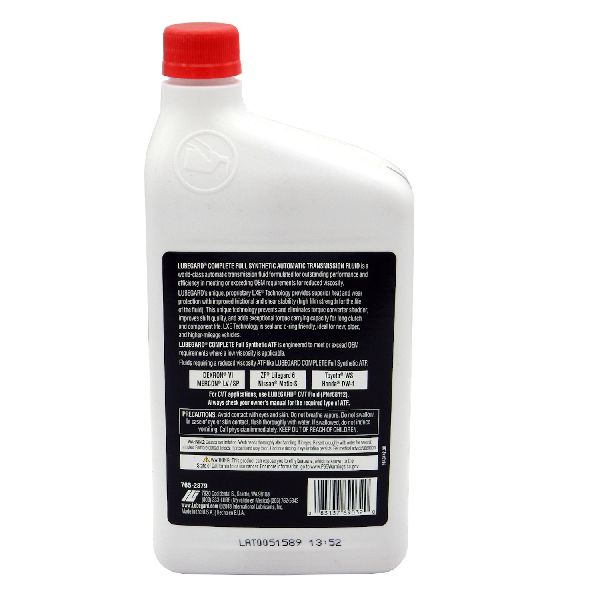
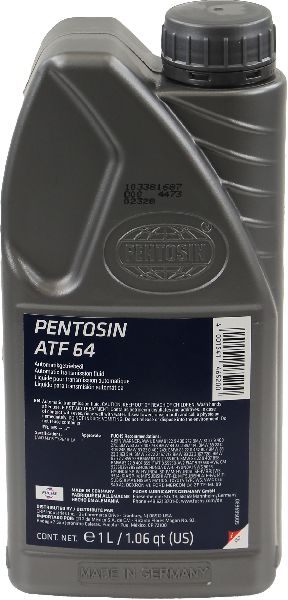
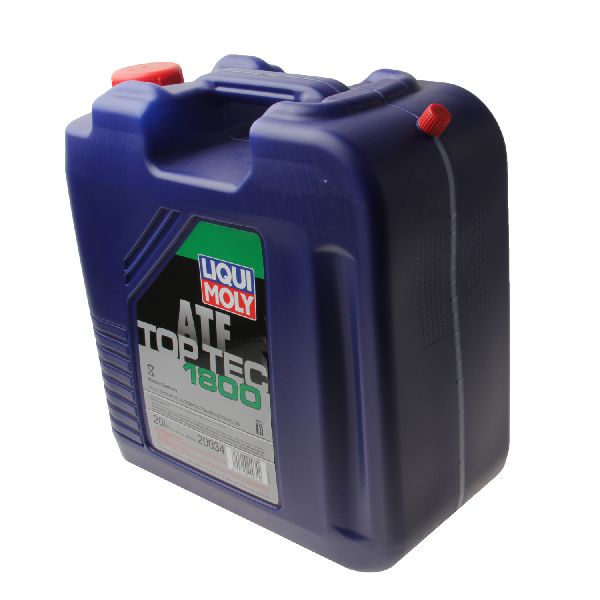
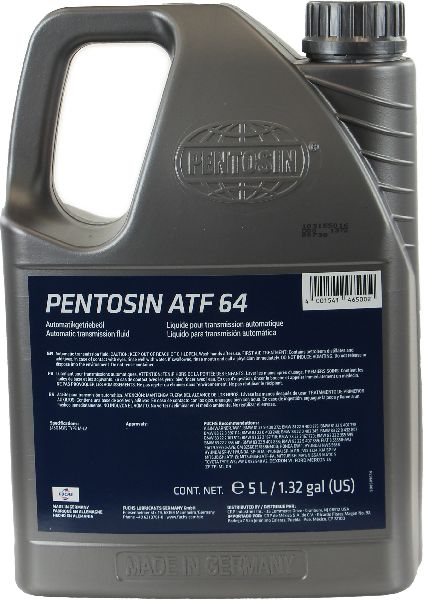
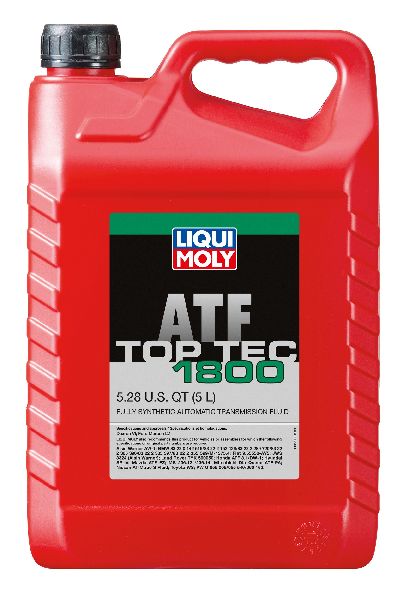
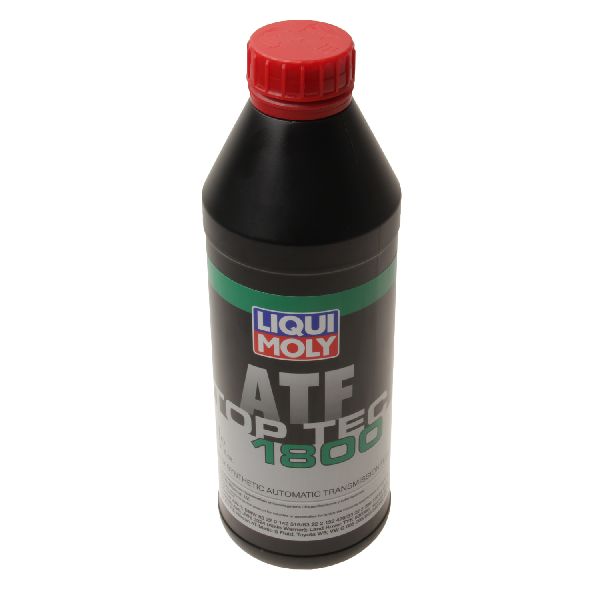
Aftermarket price range: $70-$150 - Automatic Transmission Fluid
(OEM #SPH-IV or SP4-M (Check owner's manual))— The transmission fluid must be drained to replace the internal harness and should be replaced with new, manufacturer-spec fluid.
Trusted brands: Hyundai/Genesis OE, Idemitsu TLS-LV, Valvoline MaxLife ATF
OEM price range: $20-$30 per quart
Aftermarket price range: $10-$20 per quart
Related Codes That Often Appear With This One
- P0717 — This is a likely 'true' code for 'Input Speed Sensor Circuit No Signal' that a generic scanner might misinterpret as P1720.
- P0721 — This is a likely 'true' code for 'Output Speed Sensor Circuit Range/Performance' that could be misinterpreted as P1720.
- P0722 — This is a likely 'true' code for 'Output Speed Sensor Circuit No Signal' that could be misinterpreted as P1720.
Technical Service Bulletins (TSBs) & Recalls
- Hyundai TSB 16-AT-013: Specifically addresses DTCs P0717, P0721, P0722, & P0791 for the 2017+ Genesis G90 (HI), instructing technicians to replace the internal harness ('E-Module') rather than the entire transmission. This is the key document confirming the likely underlying issue.
Mechanic-Grade Diagnostic Values
- Continuity/Resistance of Speed Sensor Wiring — expected: Close to 1 ohm, with audible continuity tone. Failure: High resistance (OL or 'open loop') indicates a broken wire. No continuity tone confirms an open circuit.
Scan Tool Commands That Help
- Hyundai GDS (Global Diagnostic System): Resetting Auto T/A Values (Reset Adaptive Values) — This procedure is mandatory after replacing the transmission, valve body, internal harness, or reprogramming the TCM. Failure to reset the learned values can result in harsh shifting or shift flares even after the physical repair is complete.
- Hyundai GDS (Global Diagnostic System): AT Adaptation Mode (Relearn Adaptive Values) — After resetting the adaptive values, a specific driving relearn procedure must be performed. The GDS tool guides the technician through the process, which involves specific upshift and downshift patterns to allow the TCM to learn the new clutch fill times and pressure characteristics.
Wiring & Ground Locations
- Transmission Ground Wire Assembly — A dedicated wiring assembly that provides a ground path for the transmission.. A poor ground connection can cause erratic behavior and fault codes for various electronic components within the transmission, including the speed sensors. Verifying the integrity of this ground is a key electrical diagnostic step. Part numbers vary by configuration: 91880-B1510 (3.3L 2WD), 91880-B1520 (3.3L 4WD), 91880-B1530 (5.0L 2WD), 91880-B1540 (5.0L 4WD).
Real Owner Repair Stories
- Hyundai Forum user 'Accent09GLS' (2009 Hyundai Accent 1.6L (Note: This is a different vehicle/transmission, but illustrates the diagnostic process for the underlying P0717 code)) — Check Engine Light on, transmission shift problems.
❌ Tried (didn't work) Initial diagnosis from a generic scanner at an auto parts store.
✅ What actually fixed it The user identified the true code as P0717 (Input/Turbine Speed Sensor). On this specific vehicle (Accent), the sensor was located externally on the front/side of the transmission. The user replaced the sensor (NAPA part VSS 1022), which resolved the issue. This highlights how on other platforms the sensor is external, which can lead to misdiagnosis on the G90 where it is internal.
Model Year Variations Within This Range
- 2017-2022: The Genesis G90 received a significant exterior and interior facelift for the 2020 model year. However, the underlying platform and powertrains (3.3L V6 and 5.0L V8 with the A8TR1/A8LR1 8-speed automatic transmission) remained the same. Therefore, the causes and fixes for transmission speed sensor codes are consistent across the entire 2017-2022 range.
Diagnostic Flowchart
Other Known Issues on This Vehicle
Issues unrelated to this code that are worth knowing about as an owner of this generation:
- Carbon Buildup on Intake Valves (GDI) 🟠 Medium — Common on all Gasoline Direct Injection (GDI) engines, including the 3.3T and 5.0L. Becomes noticeable after 60,000 miles, potentially causing rough idle, misfires, and reduced performance.
- Electronic Wastegate Actuator (EWGA) Failure (3.3T) 🟠 Medium — A known failure point on the 3.3L twin-turbo engine. A distinct rattle or squeak upon engine shutdown is a common precursor to failure, which can cause underboost (P0299) or overboost (P0234) codes.
- Turbocharger Oil Feed Pipe Leak (3.3T) 🔴 High — The driver's side (Bank 2) turbo oil feed pipe is prone to cracking from heat, which can leak oil onto the hot exhaust manifold, creating a significant fire risk. (Ref: NHTSA Recall 24V-191 (Genesis Recall 019G))
Used vs. New Parts: Buying Guide for This Vehicle
When a used part is the smart pick: For this specific repair, using a used part is not recommended. The primary failure part is the internal wiring harness, which is a relatively low-cost electronic component that fails due to heat and age. A used harness from a salvage yard would have unknown history and similar age-related wear, posing a high risk of premature failure.
OEM-only on this vehicle (don't cheap out):
- Internal Transmission Wiring Harness (E-Module): Due to the critical function and labor-intensive replacement process, using a genuine Hyundai/Genesis OE part (46307-4G100) is strongly recommended to ensure proper fitment, material quality, and longevity.
Brands owners have reported issues with on this vehicle:
- Unbranded/generic harnesses from online marketplaces should be avoided. While they may be cheaper, they often use lower-quality materials that may not withstand the transmission's harsh environment, leading to a repeat failure.
Real Owner Stories
Aggregated from forums and TSBs cited above. Mileages and costs reflect what owners reported in those sources.
2018 Kia Stinger (8-speed automatic)
Symptoms: Hard shifting and high revving before the transmission ultimately failed.
What fixed it: Full transmission replacement under warranty.
Source hint: Bad Transmission - Stinger Forums (https://stingerforum.org/threads/bad-transmission.16781/)
Related OBD-II Codes
Frequently Asked Questions
My 2017 Genesis G90 is showing P1720; does Hyundai TSB 16-AT-013 apply to my vehicle?
Is there a specific part number I should use to fix the internal speed sensor issue on my G90?
I have a 3.3L G90 and see oil near the exhaust; is this related to the transmission code?
Can I use a basic code reader to diagnose my Genesis G90 transmission issues?
Why is my G90 stuck in one gear and showing a flashing gear indicator?
Should I replace the entire transmission if I get speed sensor codes on my 2018 G90?
Helpful Videos

We Have This Part in Stock

The information in this article is provided for general reference and educational purposes only. Vehicle specifications, procedures, and part compatibility can vary by production date, trim level, and region. Always consult your vehicle's factory service manual and verify part numbers before purchasing or performing repairs. Safety-critical components such as airbags, seat belts, and braking systems should be installed by a qualified professional.
- Genesis G90:
- 🧭 Diagnostic Flowchart
- 🎬 Helpful Videos
- 🛍️ Shop This Part
- What's Unique About the 2017-2022 Genesis G90
- Symptoms You May Notice
- Most Likely Causes
- Rare But Worth Checking
- Diagnosis Steps
- Parts You'll Likely Need
- Related Codes That Often Appear With This One
- Technical Service Bulletins (TSBs) & Recalls
- Mechanic-Grade Diagnostic Values
- Scan Tool Commands That Help
- Wiring & Ground Locations
- Real Owner Repair Stories
- Model Year Variations Within This Range
- Other Known Issues on This Vehicle
- Used vs. New Parts: Buying Guide for This Vehicle
- Real Owner Stories
- 2018 Kia Stinger (8-speed automatic)
- Related OBD-II Codes
- Frequently Asked Questions
- 🎟️ Get 5% Off