

P1720 on 2011-2015 Honda Civic: Vehicle Speed (Meter) Circuit Malfunction Causes and Fixes
On a 2011-2015 Honda Civic, code P1720 indicates a fault with the Vehicle Speed Sensor (VSS) on the transmission. This typically causes an erratic speedometer, harsh shifting, and a flashing 'D' light. The most common fix is replacing the VSS, an OEM part (28820-RPC-013) that costs around $70-$120 and is relatively easy to access after removing the air intake.
- P1720 on a 2011-2015 Civic means there's a problem with the Vehicle Speed Sensor (VSS) or its circuit.
- The most common symptoms are a speedometer that drops to zero, harsh transmission shifting, a flashing 'D' light, and the cruise control not working.
- The fix is almost always replacing the VSS on the transmission, not the ABS sensors on the wheels. The correct OEM part is 28820-RPC-013.
- This is a DIY-friendly repair that requires removing the air intake box for access. The sensor is held by one 10mm bolt.
- Don't be surprised if your scanner shows a P0720, P0722, or P0501 code instead; they all point to the same problem.
What's Unique About the 2011-2015 Honda Civic
While P1720 is the official Honda code, it's rarely seen on its own. It's more common for this exact issue to trigger generic codes like P0720 (Output Speed Sensor Circuit Malfunction) or P0501 (Vehicle Speed Sensor Range/Performance) 🎬 Watch a diagnostic breakdown of the P0720 code on standard OBD-II scanners. The 2011 model year is part of the 8th generation, while 2012-2015 models are the 9th generation. The VSS part number is the same across these years. Regardless of the code number, the root cause on these Civics is almost always the same: a failure in the VSS circuit. One owner of a 2014 Civic experienced these symptoms and received a P0502 code, confirming the link between the symptoms and the VSS circuit.
Generation note: This range covers the last year of the 8th generation (2011) and the full 9th generation (2012-2015). The 2011 model uses the R18A1 engine, while the 2012-2015 models use the R18Z1 engine. Despite the engine difference, they share the same automatic transmission and the same VSS failure pattern. The OEM part number for the sensor, 28820-RPC-013, is consistent across these model years.
Symptoms You May Notice
- Erratic or inoperative speedometer (may bounce or drop to zero while driving)
- Harsh, jerky, or delayed automatic transmission shifting
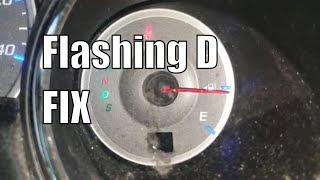
- Flashing 'D' (Drive) indicator light on the instrument cluster
- Cruise control will not engage or turns off unexpectedly
- Check Engine Light is on
- Potential for engine stalling during acceleration or deceleration
- Replacing the ABS wheel speed sensors. While these also measure speed, the primary signal for the speedometer and transmission comes from the VSS on the transmission. A shop working on a 2014 Civic with these symptoms mistakenly replaced the ABS sensors first, which did not solve the problem.
- Replacing the transmission input shaft speed sensor instead of the output shaft speed sensor. Both are located on the transmission, but only the output sensor feeds the speedometer. The input sensor failure typically triggers code P0717.
Most Likely Causes
- Failed Vehicle Speed Sensor (VSS) 🔴 High Probability → Shop Drive Shaft Sensor The VSS is an electronic component that is subject to heat and vibration on the transmission housing, leading to internal failure over time. It is a widely reported failure item for this vehicle across both the 8th and 9th generations.
How to confirm: Use a scan tool to monitor the vehicle speed data PID. If the reading is erratic or drops to zero while the car is moving, the sensor is likely bad. You can also test the sensor's circuit with a multimeter. A definitive test involves back-probing the signal wire at the PCM to see if the signal is lost between the sensor and the computer.
Typical fix: Replace the Vehicle Speed Sensor on the transmission. This requires removing the air intake assembly for access. The sensor is held in by a single 10mm bolt.
Est. part cost: $40-$90 - Damaged Wiring or Connector 🟡 Medium Probability The wiring harness leading to the VSS can become brittle from heat cycles or damaged by engine bay work. The connector pins are also known to corrode, sometimes breaking off inside the connector. Water intrusion from driving through deep puddles has also been reported to cause shorts.
How to confirm: Visually inspect the wiring harness for any signs of chafing, breaks, or melting. Unplug the sensor and carefully inspect the connector and the sensor's pins for corrosion, moisture, or broken pins. Check for continuity and voltage on the power, ground, and signal wires at the connector pigtail.
Typical fix: Repair the damaged section of wire. If the connector is corroded or a pin is broken inside, the 3-wire connector pigtail will need to be replaced. These pigtails are readily available online.
Est. part cost: $15-$30
Rare But Worth Checking
- Faulty Powertrain Control Module (PCM): → Shop Engine Control Module (ECM) This is very rare. Before suspecting the PCM, all other possibilities, including the sensor and its entire circuit, must be exhaustively tested and ruled out. An outdated PCM software version could also potentially cause processing errors.
- Faulty Instrument Cluster: Even more rare than a PCM fault. On these Civics, the gauge cluster (specifically the tachometer unit) processes data from the PCM before sending it to the speedometer. A failure here could theoretically cause a bad speed reading, but it is highly unlikely to trigger a P1720/P0720 code.
Diagnosis Steps
- Connect an OBD-II scanner and check for any other transmission (P-codes), ABS (C-codes), or communication (U-codes) faults. Note the freeze frame data for P1720.
- Use the live data function on the scanner to monitor the 'Vehicle Speed' PID while driving. Observe if the speed reading is stable or if it drops to 0 or behaves erratically.
- If the speed signal is faulty, perform a visual inspection. Remove the air intake assembly to gain access to the Vehicle Speed Sensor (VSS) on the transmission housing. It is typically located on the top or rear of the transmission case and secured with a single 10mm bolt.
- Inspect the VSS connector for corrosion, pushed-out pins, or moisture. Check the wiring harness leading to the sensor for any signs of damage, chafing, or melting.
- If the wiring looks good, test the circuit at the connector with the key on. One wire should have battery voltage (~12V), one should have continuity to ground, and the third is the signal wire.
- To test the signal, back-probe the signal wire with the sensor connected and the key on. Safely raise the drive wheels and rotate them by hand. The multimeter, set to DC volts, should show a pulsing voltage between 0V and 5V. If there is no pulse, the sensor has failed.
- If the sensor and wiring are confirmed to be good, the fault may lie within the instrument cluster or the PCM, but this is highly unlikely.
Parts You'll Likely Need
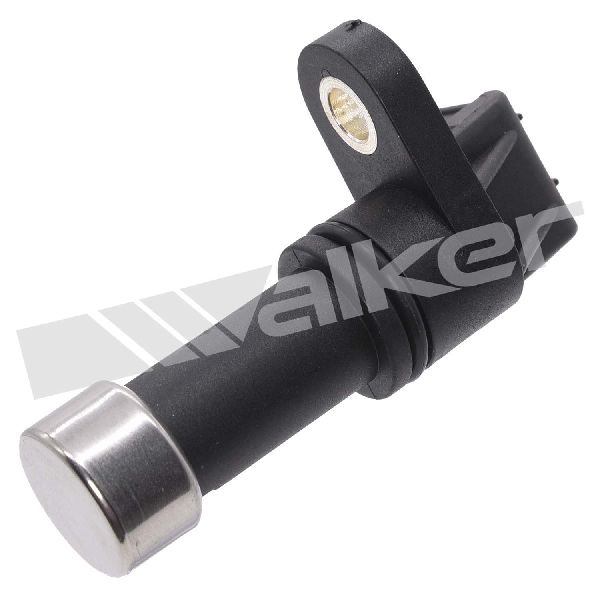
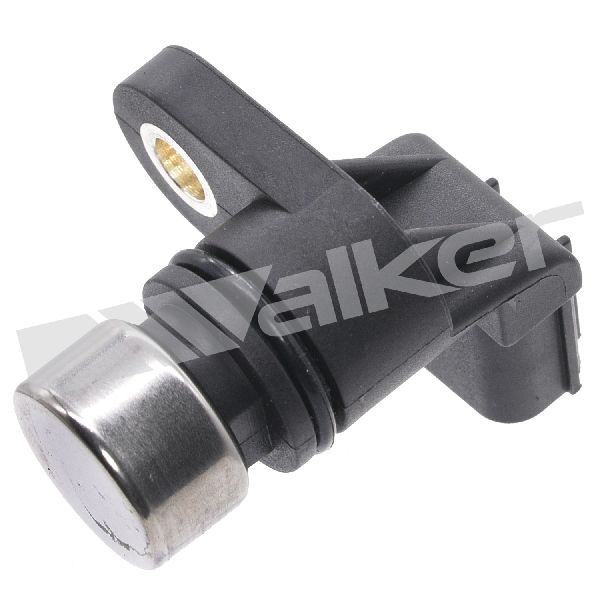
- Vehicle Speed Sensor (VSS) / Output Shaft Speed Sensor
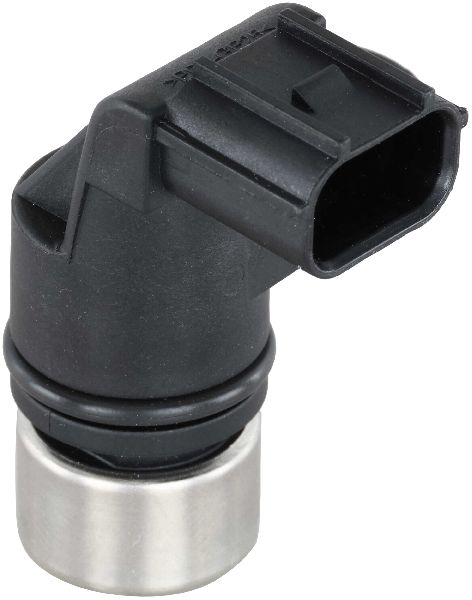
(OEM #28820-RPC-013)— This is the most common cause of P1720 and related speed signal faults. The sensor fails internally from age and heat cycles, causing erratic signals. The OEM part 28820-RPC-013 supersedes the older 28820-RPC-003 part number.
Trusted brands: Honda (OEM), Standard Motor Products (Intermotor), Delphi, Beck/Arnley, Duralast
OEM price range: $70-$120
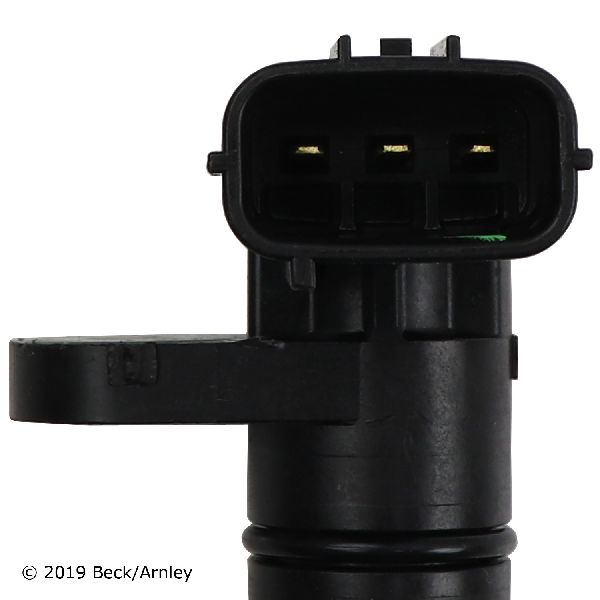
Aftermarket price range: $40-$90 - VSS Connector Pigtail — Needed if the original 3-pin connector is corroded, melted, or has broken locking tabs or pins. Requires cutting the old connector off and splicing the new one in.
Trusted brands: Rostra, Dorman, Various aftermarket suppliers
OEM price range: N/A
Aftermarket price range: $15-$30
Related Codes That Often Appear With This One
- P0720 — This is a generic code for 'Output Speed Sensor Circuit Malfunction'. It points to the exact same sensor and problem as P1720.
- P0501 — This generic code for 'Vehicle Speed Sensor Range/Performance' also indicates a problem with the VSS signal being irrational or incorrect.
- P0502 — This generic code for 'Vehicle Speed Sensor A No Signal' was triggered in a 2014 Civic with an intermittently failing speedometer, leading to the diagnosis of a bad VSS.
- P0722 — A generic code for 'Output Speed Sensor Circuit No Signal', which can be triggered if the sensor or its circuit fails completely.
Platform-Specific Known Issues
- Owner Experience on 9thGenCivic.com: A user with a 2012 Civic experienced an intermittent speedometer, flashing 'D' light, and harsh shifting. The codes pulled were P0722 (Output Speed Sensor No Signal) and P0720. Replacing the VSS (part number 28820-RPC-013) resolved all symptoms. The owner noted the repair was straightforward, requiring only the removal of the airbox for access.
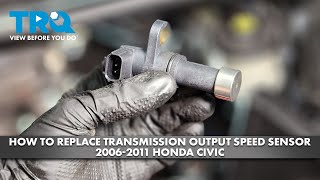
- DIY Repair on YouTube: Multiple YouTube videos for 2006-2011 Civics (which share the part and procedure) show the VSS replacement process. The key steps are removing the air filter housing, disconnecting the electrical connector, removing a single 10mm bolt, and carefully prying the old sensor out of the transmission case.
Mechanic-Grade Diagnostic Values
- VSS Connector Power Wire Voltage — expected: ~12V (Battery Voltage). Failure: Significantly less than 12V or 0V indicates a wiring or fuse issue.
- VSS Connector Ground Wire Voltage — expected: ~0V (continuity to chassis ground). Failure: Any voltage reading above a few millivolts indicates a bad ground connection.
- VSS Signal Wire Voltage (Wheels Rotating) — expected: Pulsing square wave between 0V and 5V. Failure: No voltage pulse, or a steady voltage that does not change with wheel speed, indicates a failed sensor.
Scan Tool Commands That Help
- Honda Diagnostic System (HDS): Data List Display — To monitor the live 'Vehicle Speed' parameter from the VSS while driving. This is the primary method for confirming an erratic or missing signal from the sensor.
- Honda Diagnostic System (HDS) or capable OBD-II Scanner: Clear DTCs / PCM Reset — After replacing the faulty component, this function is used to clear the P1720 and any related codes. A PCM reset forces the computer to relearn parameters with the new part.
Wiring & Ground Locations
- VSS Connector — On top of the transmission housing, on the output shaft speed sensor. Access requires removing the air intake assembly.. This 3-pin connector is the primary test point for power, ground, and the signal coming from the sensor. Corrosion or damage here is a common cause of the fault.
- G101 — The main engine/PCM ground point, typically located on the thermostat housing.. A poor connection at G101 can cause a host of intermittent and difficult-to-diagnose electrical issues, including sensor signal problems. While not a direct cause of P1720, ensuring this ground is clean and tight is a crucial step in any electrical diagnosis on a Honda.
- PCM Connector — The Powertrain Control Module (PCM) is located on the left side of the engine compartment.. This is the destination for the VSS signal wire. Back-probing the corresponding pin at the PCM connector is the final step to confirm if the signal from a known-good sensor is reaching the computer, ruling out a wiring issue.
Real Owner Repair Stories
- YouTube video on a Honda CR-V (2013 Honda CR-V (similar Honda transmission logic)) — Intermittent and severe bucking/kicking from the transmission, sometimes going into limp mode.
❌ Tried (didn't work) Transmission fluid changes, Testing of transmission solenoids
✅ What actually fixed it The Powertrain Control Module (PCM) was faulty. Replacing the PCM and having it programmed by a dealer resolved all transmission shifting problems and improved fuel economy.
OEM Part Supersession History
28820-RPC-003→28820-RPC-013— Standard part revision and update by the manufacturer.
Heads up: None. The 28820-RPC-013 is a direct, backward-compatible replacement for the -003 part.
Diagnostic Flowchart
Other Known Issues on This Vehicle
Issues unrelated to this code that are worth knowing about as an owner of this generation:
- Prematurely Worn Engine Mounts 🟠 Medium — Commonly reported, especially the passenger-side hydraulic mount, which can fail and cause excessive engine vibration at idle and during acceleration.
- Faulty Outer CV Joint 🟠 Medium — Can cause a grinding or clicking noise when accelerating while turning. Honda released updated parts to address this. (Ref: Improved parts available (e.g., 06440-TR3-305 for LX/EX models).)
- A/C System Leaks 🟡 Low — Leaks from the condenser or compressor shaft seal are a frequently cited problem, leading to loss of cooling performance.
- CVT Input Shaft Pulley Failure (Recall) 🔴 High — A recall was issued for 143,676 Civics with CVT transmissions because a software issue could cause the input shaft pulley to break, leading to a loss of propulsion. (Ref: NHTSA Campaign Number: 15V574000)
- Thermostat Gasket Leak (P0128) 🟡 Low — On the 1.8L engine, the thermostat gasket can be misaligned, holding a jiggle valve open and causing a small coolant leak that triggers a P0128 code.
Used vs. New Parts: Buying Guide for This Vehicle
When a used part is the smart pick: For this specific repair, buying a used Vehicle Speed Sensor is not recommended. It is a relatively low-cost electronic part that fails due to age and heat cycles. The labor to access the part by removing the airbox makes it impractical to risk installing a used part with an unknown lifespan.
What to inspect on the donor part:
- Not applicable as used part is not recommended.
OEM-only on this vehicle (don't cheap out):
- Powertrain Control Module (PCM) - Due to programming requirements (immobilizer key matching), a PCM replacement must be done with a new or specialized remanufactured unit and programmed by a dealer or qualified locksmith with Honda-specific tools.
Aftermarket brands forum-validated for this vehicle:
- Standard Motor Products (SMP)
- Beck/Arnley
- Delphi
Brands owners have reported issues with on this vehicle:
- Unnamed or 'white-box' brands from online marketplaces should be avoided, as sensor quality can be inconsistent.
Real Owner Stories
Aggregated from forums and TSBs cited above. Mileages and costs reflect what owners reported in those sources.
2012 Honda Civic
Symptoms: Intermittent speedometer, flashing 'D' light, and harsh shifting.
What fixed it: Replacing the VSS (part number 28820-RPC-013). The owner noted the repair was straightforward after removing the airbox.
Source hint: 9thGenCivic.com - "P0720, P0722, Flashing D, Jerky Shifts, Speedo Drops to 0"
2014 Honda Civic
Symptoms: Speedometer randomly reading zero.
What fixed it: Replacing the VSS with an OEM part.
Source hint: Reddit (r/9thgencivic)
2014 Honda Civic
Symptoms: Identical speedometer issue as other VSS failures.
What fixed it: Replacing the Vehicle Speed Sensor (VSS).
Source hint: Honda-Tech.com
Related OBD-II Codes
Frequently Asked Questions
My 2012 Civic has a flashing 'D' light and the speedometer is dropping to zero. Is there a specific part number I should look for?
I have a 2014 Civic with a CVT; is there a recall that might be related to transmission issues or loss of propulsion?
Where is the VSS located on the 2011-2015 Civic and how hard is it to reach?
Can I use a used VSS from a salvage yard to fix my P1720 code?
Are there any other common issues on the 9th Gen Civic that cause heavy vibration, which might be mistaken for transmission trouble?
Does the Acura ILX share this same speed sensor issue?
Helpful Videos
We Have This Part in Stock


The information in this article is provided for general reference and educational purposes only. Vehicle specifications, procedures, and part compatibility can vary by production date, trim level, and region. Always consult your vehicle's factory service manual and verify part numbers before purchasing or performing repairs. Safety-critical components such as airbags, seat belts, and braking systems should be installed by a qualified professional.
- Honda Civic:
- 🧭 Diagnostic Flowchart
- 🎬 Helpful Videos
- 🛍️ Shop This Part
- What's Unique About the 2011-2015 Honda Civic
- Symptoms You May Notice
- Most Likely Causes
- Rare But Worth Checking
- Diagnosis Steps
- Parts You'll Likely Need
- Related Codes That Often Appear With This One
- Platform-Specific Known Issues
- Mechanic-Grade Diagnostic Values
- Scan Tool Commands That Help
- Wiring & Ground Locations
- Real Owner Repair Stories
- OEM Part Supersession History
- Other Known Issues on This Vehicle
- Used vs. New Parts: Buying Guide for This Vehicle
- Real Owner Stories
- 2012 Honda Civic
- 2014 Honda Civic
- 2014 Honda Civic
- Related OBD-II Codes
- Frequently Asked Questions
- 🎟️ Get 5% Off