

OBD-II Code P1721: Vehicle Speed Sensor Signal Mismatch
What P1721 means, why it triggers, and how to fix it
- Code P1721 triggers when the transmission computer and instrument cluster report different vehicle speeds, a fault affecting over 80% of Nissan and Infiniti cases.
- Repairing the instrument cluster resolves the P1721 code for most 2004-2015 Nissan trucks, costing roughly $250 through a specialized mail-in service.
- A dead speedometer paired with harsh shifting confirms the speed signal is lost before reaching the transmission, requiring immediate diagnosis to prevent internal clutch damage.
- Verify your manufacturer's specific code definition before replacing parts; P1721 means a mechanical 'Gear 1 Incorrect Ratio' on Ford vehicles, not an electrical sensor failure.
- Driving with a P1721 code forces the transmission to guess shift points, which can destroy a $3,500 transmission within 1 to 4 months of continued use.
What Does P1721 Mean?

P1721 means the Transmission Control Module (TCM) receives conflicting vehicle speed data. The computer sees a mismatch between the transmission's output speed sensor and the instrument cluster's speed signal. For example, on Infiniti models, the code triggers if the cluster reports 3 MPH while the transmission sensor reports 12 MPH.
Technical definition: The SAE/OBD-II definition for P1721 is 'Vehicle Speed Sensor - MTR'. This indicates the TCM is not receiving the proper vehicle speed signal from the combination meter (instrument cluster) via the CAN bus. On Ford vehicles, this code means 'Gear 1 Incorrect Ratio'. 🎬 See this guide for troubleshooting Ford gear ratio codes. On Volkswagens, it indicates 'Wheel Speed Signal 3 Range Performance', pointing to an ABS sensor.
Can I Drive With P1721?
Yes, But With Caution. You can drive, but expect harsh shifting, a dead speedometer, and limp mode. Continued driving stresses the transmission's internal clutches due to incorrect shift timing. This accelerates wear, turning a $200 sensor issue into a $3,500 transmission rebuild. Limit driving to reaching a repair shop.
Common Causes

- Faulty Instrument Cluster (Combination Meter) (Very Common) — The instrument cluster acts as a gateway, relaying the speed signal to other computers. If its internal processor fails, the transmission module loses the signal. This is the leading cause for Nissan and Infiniti vehicles.
- Faulty Vehicle Speed Sensor (VSS) (Common) — The sensor measuring vehicle speed fails and sends an incorrect or dead signal to the cluster.
- Damaged Wiring or Connectors (Common) — Broken, corroded, or loose wires between the speed sensor, instrument cluster, and transmission computer interrupt the signal.
- Failed Transmission Control Module (TCM) (Less Common) — The transmission's main computer malfunctions and cannot interpret the speed signal. On many modern Nissans/Infinitis, the TCM is integrated into the internal valve body.
- Low or Contaminated Transmission Fluid (Ford Only) (Uncommon) — On Ford vehicles where P1721 means 'Incorrect Gear Ratio', low or dirty fluid causes hydraulic pressure drops, preventing first gear engagement.
- CAN Bus Communication Failure (Rare) — A network failure prevents the speed signal from reaching the TCM, usually accompanied by a U-code (e.g., U1000).
Symptoms

- Erratic or Dead Speedometer — The speedometer needle jumps around, drops to 0 mph while moving, or does not move at all.
- Harsh or Incorrect Shifting — The automatic transmission shifts roughly, late, or at the wrong times because it lacks accurate vehicle speed data.
- Vehicle Enters 'Limp Mode' — The car significantly reduces power and locks into a specific gear (e.g., 3rd gear) to protect the engine and transmission.
- Check Engine Light is On — The Malfunction Indicator Lamp (MIL) illuminates on the dashboard.
- Cruise Control Disabled — The cruise control system requires a steady speed signal and will not engage.
Diagnostic Flowchart

Tap your situation to follow the diagnostic path that matches what you're seeing on this code.
Common Fixes & Costs
- Repair Instrument Cluster — Parts: $150-$250, Labor: $100-$200, ~1.5 hr book time (Intermediate)
- Replace Vehicle Speed Sensor (VSS) — Parts: $50-$150, Labor: $100-$200, ~1.2 hr book time (DIY)
- Repair Damaged Wiring/Connectors — Parts: $10-$50, Labor: $150-$400, ~2.5 hr book time (Intermediate)
- Replace Transmission Control Module (TCM) / Valve Body — Parts: $800-$2000, Labor: $300-$600, ~3.0 hr book time (Professional)
- Reprogram or Flash TCM — Parts: $0, Labor: $100-$250, ~1.0 hr book time (Professional)
Used vs. New Parts: Buying Guide
When a used part is worth it: A used OEM Vehicle Speed Sensor is a cost-effective alternative for high-mileage vehicles. Never buy a used instrument cluster or TCM; opt for professional repair services or remanufactured units to avoid inheriting the same failure and programming issues.
Donor-vehicle mileage cap: roughly under 80000 miles for the part to have meaningful remaining life.
Donor quality checklist:
- Verify the part number matches exactly.
- Ensure the donor vehicle did not have flood damage.
- Check for a minimum 30-day warranty.
Decision logic:
- If The part is an external sensor and the vehicle is over 100K miles → A used OEM sensor is a reasonable budget choice.
- If The part is an instrument cluster → Choose a professional mail-in repair service to retain your correct odometer reading and avoid reprogramming.
- If The part is an internal TCM/valve body → Buy a new or professionally remanufactured unit. The labor is too high to risk a used part.
Warranty tradeoff: Used parts offer 30-90 day warranties covering only the part. Remanufactured electronic modules include 1-year warranties and are stress-tested.
Worst-case if a used part fails: $400 if a used TCM fails, requiring you to pay for the labor and fluid drain a second time.
What Happens If You Wait — Timeline
- 0-1 month: Code P1721 appears. Driver experiences intermittent harsh shifts. Speedometer may flicker. Vehicle occasionally enters limp mode. (MPG impact: 3-5%% · Added cost: $0-$50 in wasted fuel)
- 1-4 months: Harsh shifting becomes frequent. Stress from incorrect shift timing accelerates wear on internal clutch friction materials. (MPG impact: 5-10%% · Added cost: $50-$150 in wasted fuel, plus initial clutch wear.)
- 4-9 months: Sustained high hydraulic pressures cause significant wear. Clutch packs slip, generating heat and a burning smell. Seals become damaged. (MPG impact: 10-15%% · Added cost: $800 - $1,800 (Valve body replacement required due to contamination).)
- 9+ months: Catastrophic internal failure. Worn clutch material clogs the valve body. The transmission refuses to shift or engage. (MPG impact: 15-25%+% · Added cost: $2,500 - $4,500+ (Full transmission rebuild).)
Cost of Not Fixing It
- 0-1 month: Inconsistent shifting puts stress on transmission clutches. Fuel economy decreases by 5-10% due to inefficient gear selection. (Added cost: $50)
- 1-6 months: Harsh shifting accelerates wear on internal clutch packs and the valve body. A simple sensor fix evolves into a complex internal repair. (Added cost: $800 - $1,500)
- 6+ months: Slipping clutches overheat and contaminate the fluid, destroying seals and necessitating a complete transmission rebuild. (Added cost: $2,500 - $4,500)
Diagnosis Steps
- Check for Other Trouble Codes
Use an OBD-II scanner to check for U-codes (like U1000) or sensor codes (P0717, P0720). Diagnose U-codes first, as they indicate a network-wide communication failure rather than an isolated sensor issue.
Tools: OBD-II Scanner (Beginner) - Analyze Live Data for Speed Mismatch
Monitor the live data PIDs for 'VSS - A/T' (Transmission Sensor) and 'VSS - MTR' (Cluster Sensor). While driving, these values must match. If 'VSS - A/T' shows 30 MPH while 'VSS - MTR' shows 0 MPH, the fault lies between the cluster and the TCM.
Tools: Advanced OBD-II Scan Tool with Live Data (Advanced) - Test the Vehicle Speed Sensor (VSS)
Set a multimeter to AC volts. Safely raise the drive wheels on jack stands, spin the wheels, and probe the VSS connector. The voltage must increase smoothly as wheel speed increases.
Tools: Multimeter, Jack and Jack Stands (Intermediate) - Check the Signal at the Instrument Cluster
Access the back of the instrument cluster to verify it receives the VSS signal and outputs it to the TCM. If the speedometer works but the code is present, the cluster's output circuit or CAN transceiver has failed.
Tools: Multimeter, Vehicle-specific Wiring Diagram, Trim Removal Tools (Advanced) - Visually Inspect Wiring and Connectors
Inspect the wiring harness from the VSS to the instrument cluster, and from the cluster to the TCM. Look for corrosion, chafed wires, or loose pins.
Tools: Flashlight (Beginner) - Test the CAN Bus Network Resistance
Disconnect the battery. Measure resistance between Pin 6 and Pin 14 at the OBD-II port. A healthy network reads 60 ohms. A reading of 120 ohms means a terminating resistor (often in the TCM) is offline.
Tools: Multimeter (Advanced) - Check for Technical Service Bulletins (TSBs)
Check manufacturer databases for TSBs related to P1721. Manufacturers frequently release software updates to fix TCM communication glitches.
Tools: Online Repair Database Access (Intermediate) - Diagnose the TCM
If all wiring, sensors, and the cluster test good, verify the TCM receives proper power and ground at its connector pins before condemning the module.
Tools: Multimeter, Vehicle-specific Wiring Diagram (Professional)
When This Code Triggers (Freeze-Frame Conditions)
- Vehicle Speed: 19 MPH or more (The fault triggers when the vehicle is in motion and the TCM detects a persistent speed mismatch.)
- Engine Load: 20-50% (Low to moderate engine load, consistent with cruising or gentle acceleration.)
- RPM: 1200-2500 (The code sets during steady-state driving, not typically at idle.)
Related Codes
- P0720 — Indicates an Output Speed Sensor circuit malfunction. If P1721 appears without P0720, the sensor is likely fine, but the cluster or CAN bus is failing to relay the signal.
- U1000 — Indicates a CAN Communication Line Malfunction. If present with P1721, diagnose the U-code first, as the network failure is the root cause.
- P0725 — Indicates an Engine Speed Input Malfunction. If both appear, the TCM is losing multiple critical inputs, pointing to a broader wiring or TCM failure.
Climate & Environmental Factors
- Humidity and Moisture: High humidity causes condensation behind the instrument cluster and in connectors, accelerating corrosion on circuit board traces and triggering the code.
- Extreme Cold: Cold temperatures cause metal to contract, opening micro-fractures in instrument cluster solder joints and causing intermittent signal loss.
How to Talk to a Mechanic About This Code
Say this: "I have a P1721 code on my vehicle. My speedometer is [working fine / not working], and the transmission shifts harshly. Based on the code, I believe the issue is with the speed sensor signal path between the instrument cluster and the TCM. Please check the wiring and CAN bus communication before recommending major part replacements."
This signals you are an informed customer. It describes symptoms clearly and suggests a logical diagnostic path (wiring, cluster, TCM) rather than inviting an expensive transmission replacement.
Avoid saying:
- 'My check engine light is on.' (Too vague).
- 'My transmission is acting weird, just fix it.' (Gives the shop a blank check).
- 'I read online it's the speed sensor, just replace that.' (Don't diagnose it for them).
Questions to ask before authorizing the repair:
- What specific tests did you perform to isolate the failure?
- Did you confirm the TCM has proper power and ground before recommending replacement?
- Can you provide me with the old parts after the repair is complete?
Where to Take It: Dealer vs Independent vs Chain
- Dealer:
Recommended if a TCM failure is suspected or if the vehicle is a newer Nissan/Infiniti requiring proprietary software.
Best for: Vehicles under warranty., Complex electronic issues on Nissan/Infiniti models., Repairs requiring TCM programming.
Downsides: Highest labor rates and OEM-only part prices., May recommend replacing an entire assembly instead of a smaller component. (Typical cost: +50% vs. baseline) - Independent Shop:
Good fit, provided they have experience with P1721 on your specific make and tools to diagnose CAN communication.
Best for: Out-of-warranty vehicles., Shops specializing in your vehicle's make., Diagnosing external VSS or instrument cluster issues.
Downsides: Diagnostic capability varies; ensure they have advanced scan tools for CAN bus communication. (Typical cost: +0% vs. baseline) - Chain Shop:
AVOID. This code requires diagnostic expertise beyond the scope of most chain shops.
Best for: Simple jobs like oil changes and brakes.
Downsides: Technicians lack specialized training for complex electronic diagnostics., High pressure to upsell services. (Typical cost: -10% vs. baseline)
When to Walk Away From the Repair
If the estimated repair cost exceeds 40-50% of the car's private-party value, seriously consider selling the vehicle.
- Car worth $4000, fix is $2200: Walk away. The repair cost is over 50% of the car's value. This is a bad investment for a complex TCM replacement.
- Car worth $12000, fix is $450: Fix it. The repair is a small fraction of the car's value and restores full function.
What Scan Tool You Need for This Code
Minimum: A scanner that reads manufacturer-specific transmission codes and displays live data PIDs for multiple speed sensors simultaneously.
A basic $20 code reader only shows the P1721 code. It cannot display the live data streams ('VSS - A/T' vs 'VSS - MTR') needed to see the signal mismatch in real-time.
Budget: FOXWELL NT301 Plus (~$70) — Reads engine and transmission codes and displays live data streams to start the diagnosis.
Mid-range: Innova 5610 or Launch CRP129X (~$250-350) — Provides bidirectional control and graphs multiple live data PIDs, making it ideal for pinpointing communication failures.
Professional: Autel MaxiCOM MK808S (~$450-550) — Provides dealer-level diagnostics and special service functions necessary if the fix requires TCM programming.
Rent vs buy: Loaner tools from auto parts stores are often basic code readers lacking live data capabilities. Buying a capable mid-range scanner is a better investment for this code.
How to Clear the Code After You Fix It
- Use an OBD-II scan tool to erase the P1721 code from the TCM memory.
- Turn the ignition OFF and wait 10 seconds before restarting.
- Perform a drive cycle to allow the system to re-verify the repair.
Drive cycle (~20 minutes): Start the engine. Accelerate to 19 MPH or more with the throttle at 1/8 position or less. Maintain these conditions for at least 5 consecutive seconds to allow the TCM to verify the speed signal.
Readiness monitors affected: Comprehensive Component Monitor
Before emissions retest: drive at least 50 miles to fully set monitors.
Watch out for:
- Clearing the code without fixing the electrical fault causes the code to return immediately once the vehicle reaches 19 MPH.
- Disconnecting the battery resets all OBD-II readiness monitors, causing an automatic emissions test failure.
Will This Fail Emissions / State Inspection?
Yes — this code typically fails an OBD-II emissions inspection.
- California: An illuminated Check Engine Light results in an automatic smog check failure. A complete drive cycle must be performed after repairs.
- New York: The NYS inspection includes an OBD-II scan. A P1721 code causes an automatic emissions failure.
- Texas: In emissions-testing counties, an active P1721 code or illuminated Check Engine Light is an automatic failure.
Most Commonly Affected Vehicles
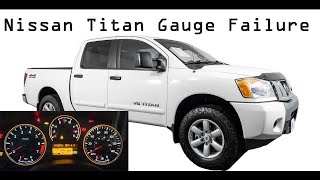
- Nissan Titan (2004-2015) — Very common. Caused by a failing instrument cluster that stops relaying the speed signal. Cluster repair services are the standard fix.
- Infiniti G37 (2008-2013) — Frequently reported. The output speed sensor is internal to the TCM/Valve Body assembly, making repair complex and costly.
- Nissan Pathfinder (2005-2012) — Check for coolant contamination in the transmission fluid (SMOD), which destroys the TCM and triggers this code.
- Nissan Frontier (2005-2019) — Similar to the Titan. P1721 points to the VSS-to-cluster path, not the internal input speed sensor.
- Ford Focus, F-150 (2004-2018) — On Fords, P1721 means 'Gear 1 Incorrect Ratio'. Diagnosis shifts entirely to mechanical/hydraulic systems like shift solenoids or clutch packs.
- Chevrolet / GMC Silverado, Sierra (2007-2019) — Indicates 'Lost Communication with TCM' (CAN bus problem) or a 'Clutch Control Solenoid Malfunction'.
- Volkswagen Jetta, Golf (2005-2018) — Defined as 'Wheel Speed Signal 3 Range Performance'. Diagnosis must focus on the ABS module and specific wheel speed sensors.
Manufacturer-Specific Notes
- Nissan / Infiniti: This code is overwhelmingly specific to Nissan/Infiniti as a communication breakdown between the instrument cluster and the TCM. The instrument cluster is the most frequent failure point.
- Ford: P1721 means 'Gear 1 Incorrect Ratio'. This is a mechanical or hydraulic issue within the transmission, not a sensor communication problem.
- Volkswagen / Audi: P1721 relates to a 'Wheel Speed Signal Range/Performance' issue. The fault lies with an ABS wheel speed sensor, not the primary transmission speed sensor.
Real Owner Stories
2006 Nissan Titan, 150K miles
Check engine light on, speedometer dead, and transmission shifting harshly.
What they tried:
- Initially suspected the Vehicle Speed Sensor (VSS).
- Learned the instrument cluster is a common failure point that relays the speed signal.
Outcome: Owner removed the instrument cluster and sent it to a repair service for $220. After reinstalling, the speedometer worked, harsh shifting stopped, and the code cleared.
Lesson: On Nissan trucks, the instrument cluster is a known weak link. Repairing the cluster saves you from a costly and incorrect VSS or TCM replacement.
2009 Infiniti G37x, 106K miles
P1721 code appeared immediately after a dealership transmission service. The speedometer dropped to 10mph intermittently.
What they tried:
- Noted the speedometer worked most of the time, pointing away from a simple sensor failure.
Outcome: The issue was traced to the CAN bus wiring between the cluster and the TCM. A connector was disturbed during the transmission service. Securing the harness resolved the issue.
Lesson: If a code appears immediately after a repair, suspect a loose connector or disturbed wiring before diagnosing unrelated components.
2011 Infiniti G37
Car threw P1721 code, but the speedometer worked perfectly. Experienced sluggish acceleration and random traction control lights.
What they tried:
- Researched communication breakdowns between the cluster and the TCM.
Outcome: The fault was the TCM, which is integrated into the valve body. The fix required replacing the entire control valve/TCM assembly at a dealership.
Lesson: A working speedometer with a P1721 code means the VSS-to-cluster signal is good. The fault is downstream. On G37s, this often points to an expensive internal TCM failure.
How to Prevent This Code From Triggering
- Perform regular transmission fluid changes (Every 30,000-60,000 miles) — Clean fluid cools electronic components like the TCM. Degraded fluid leads to overheating and premature failure of internal electronics.
- Clean and protect electrical connectors (During any related service) — Applying dielectric grease to VSS and TCM connectors prevents moisture intrusion and ensures a solid connection.
- Address battery issues promptly (As needed) — Low system voltage causes unpredictable behavior in electronic modules, leading to false communication codes.
Frequently Asked Questions
Can I fix P1721 myself?
If the problem is an external vehicle speed sensor, it is a straightforward DIY repair. However, wiring, instrument cluster, or internal TCM issues require advanced diagnostic skills and tools like a multimeter. Leave internal transmission work to professionals.
Will a transmission flush fix a P1721 code?
Generally, no. For Nissan/Infiniti, P1721 is an electronic communication error, so a fluid change will not solve it. The exception is Ford vehicles where the code means 'Incorrect Gear Ratio', where low fluid causes the fault.
Is a P1721 code serious?
It is moderately serious. While it will not leave you stranded immediately, it causes poor drivability and incorrect shifting. This accelerates transmission wear, potentially costing thousands in secondary repairs if ignored.
My speedometer works but I still have a P1721 code. Why?
This is a key diagnostic clue indicating the VSS and cluster are functioning properly. The problem lies downstream in the CAN bus wiring between the instrument cluster and the Transmission Control Module (TCM). It also indicates the TCM itself is failing to process the received signal.
What is the difference between a Vehicle Speed Sensor and a Wheel Speed Sensor?
A Vehicle Speed Sensor (VSS) measures the transmission's output shaft speed and drives the speedometer. Wheel Speed Sensors (ABS sensors) measure individual wheel rotation for traction control. They are different parts, though on Volkswagens, a P1721 code specifically points to a faulty ABS wheel speed sensor.
What are common misdiagnosis mistakes for P1721?
The most common mistake is replacing the Vehicle Speed Sensor without testing the complete circuit, as the fault often lies in the instrument cluster. Another major error is ignoring manufacturer-specific definitions. A Ford owner diagnosing P1721 as a sensor issue will fail, as it indicates a mechanical ratio error.
Can a weak or bad battery cause a P1721 code?
Yes, low system voltage below 10V causes electronic modules to stop communicating correctly. This leads to a cascade of communication codes, including P1721 or U-codes. Always ensure your battery and charging system are healthy before starting complex electrical diagnostics.
Key Takeaways
- Code P1721 triggers when the transmission computer and instrument cluster report different vehicle speeds, a fault affecting over 80% of Nissan and Infiniti cases.
- Repairing the instrument cluster resolves the P1721 code for most 2004-2015 Nissan trucks, costing roughly $250 through a specialized mail-in service.
- A dead speedometer paired with harsh shifting confirms the speed signal is lost before reaching the transmission, requiring immediate diagnosis to prevent internal clutch damage.
- Verify your manufacturer's specific code definition before replacing parts; P1721 means a mechanical 'Gear 1 Incorrect Ratio' on Ford vehicles, not an electrical sensor failure.
- Driving with a P1721 code forces the transmission to guess shift points, which can destroy a $3,500 transmission within 1 to 4 months of continued use.
Helpful Videos
Shop the Parts Behind P1721
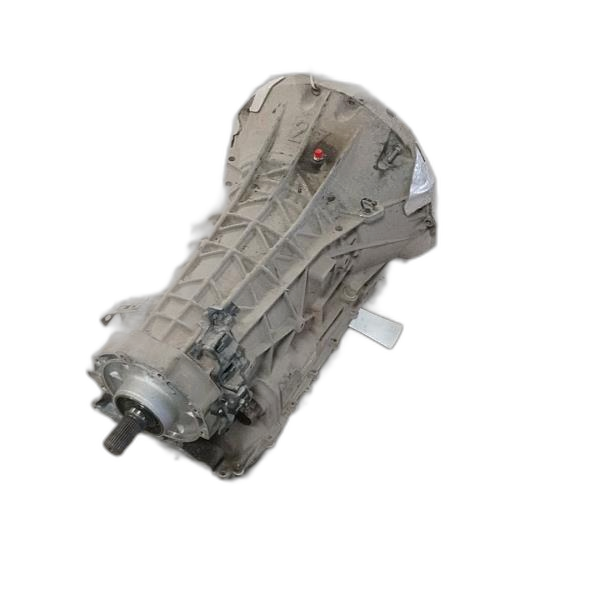
Below are the parts most often responsible for code P1721, ranked by how frequently each one is the actual culprit (per the diagnosis above). Tap any to see what we have for your vehicle.




The information in this article is provided for general reference and educational purposes only. Vehicle specifications, procedures, and part compatibility can vary by production date, trim level, and region. Always consult your vehicle's factory service manual and verify part numbers before purchasing or performing repairs. Safety-critical components such as airbags, seat belts, and braking systems should be installed by a qualified professional.
- 🧭 Diagnostic Flowchart
- 🎬 Helpful Videos
- 🛍️ Shop This Part
- What Does P1721 Mean?
- Can I Drive With P1721?
- Common Causes
- Symptoms
- Common Fixes & Costs
- Used vs. New Parts: Buying Guide
- What Happens If You Wait — Timeline
- Cost of Not Fixing It
- Diagnosis Steps
- When This Code Triggers (Freeze-Frame Conditions)
- Related Codes
- Climate & Environmental Factors
- How to Talk to a Mechanic About This Code
- Where to Take It: Dealer vs Independent vs Chain
- When to Walk Away From the Repair
- What Scan Tool You Need for This Code
- How to Clear the Code After You Fix It
- Will This Fail Emissions / State Inspection?
- Most Commonly Affected Vehicles
- Manufacturer-Specific Notes
- Real Owner Stories
- 2006 Nissan Titan, 150K miles
- 2009 Infiniti G37x, 106K miles
- 2011 Infiniti G37
- How to Prevent This Code From Triggering
- Frequently Asked Questions
- Can I fix P1721 myself?
- Will a transmission flush fix a P1721 code?
- Is a P1721 code serious?
- My speedometer works but I still have a P1721 code. Why?
- What is the difference between a Vehicle Speed Sensor and a Wheel Speed Sensor?
- What are common misdiagnosis mistakes for P1721?
- Can a weak or bad battery cause a P1721 code?
- Key Takeaways
- 🎟️ Get 5% Off